


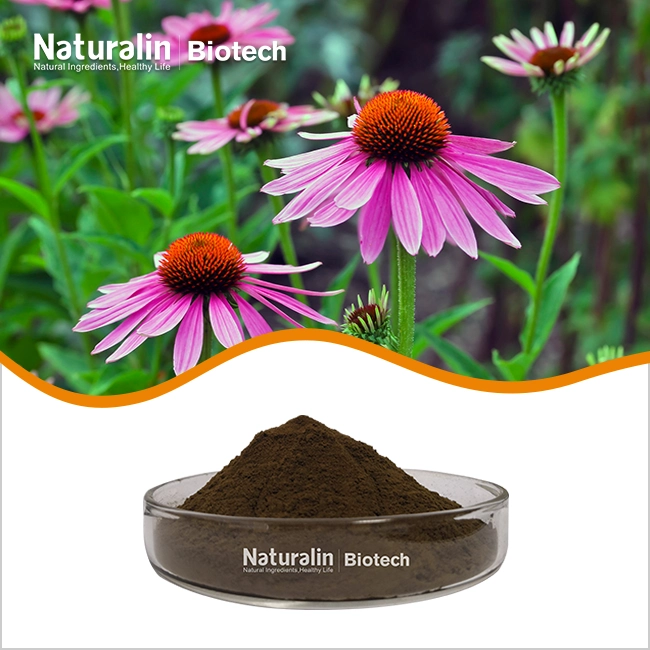
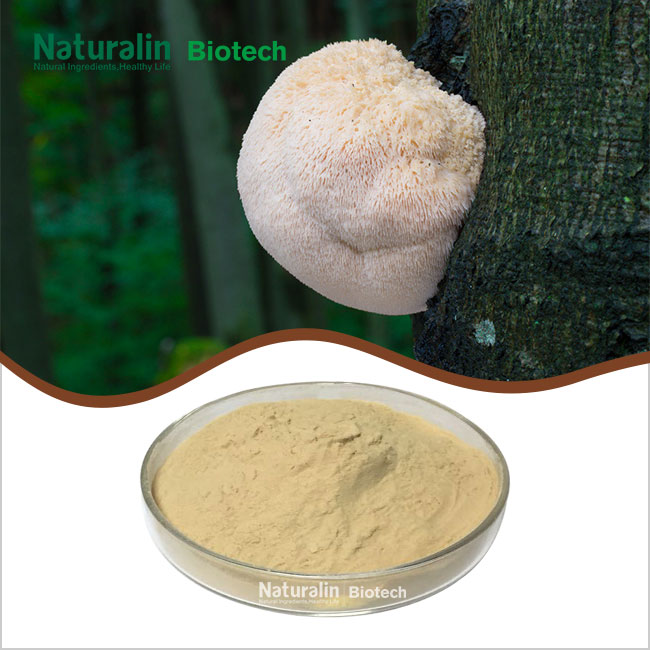

Epimedium Extract Powder, standardized to icariin content ranging from 5% to 98% through HPLC verification, delivers targeted wellness support addressing hormonal balance, bone density, circulatory wellness, and energy metabolism in women. Sourced from Epimedium brevicornum Maxim, this botanical ingredient contains prenylated flavonoid glycosides—including icariin, icariside I and II, and epimedin A, B, and C—that modulate estrogen receptors, inhibit PDE5 activity, and stimulate osteoblast differentiation. B2B procurement professionals seeking natural ingredients for women-focused formulations recognize the extract's validated efficacy, regulatory compliance credentials, and formulation versatility across dietary supplements, functional beverages, and cosmeceuticals.
What is Epimedium Extract Powder?
Botanical Origins and Extraction Technology
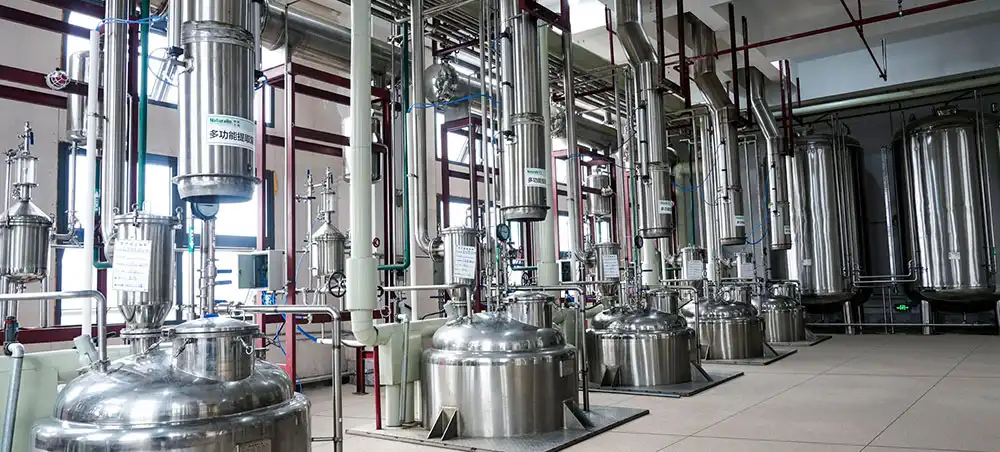
This high-quality plant ingredient comes from the dried tops of Epimedium brevicornum Maxim plants. This is a perennial flowering plant that grows naturally in mountainous areas of China, Japan, and Korea. The process of extraction includes several stages of liquid extraction and then advanced purification methods that remove useless tannins and cellulosic materials and concentrate the beneficial flavonoid compounds. Our factory uses chromatographic separation and spray-drying technology to make sure that the icariin level is always exactly between 5% and 98%. This is confirmed by HPLC and TLC testing methods. As a result of this standardisation, there is uniformity from batch to batch, which is very important for B2B clients making consumer goods that need to know the exact amounts of active ingredients and the paperwork needed by regulators.
Active Constituents and Quality Control Parameters
The bioactive profile is based on prenylated flavonoid glycosides, especially icariin (C33H40O15), which is the main compound used to check the quality. The extract has many useful qualities because it contains secondary bioactives like epimedin A–C, icaritin, desmethylicaritin, and polysaccharide fractions. Our quality control lab uses HPLC analysis to check the amount of icariin present while also keeping an eye on important factors like particle size (NLT 95% passing 80 mesh), moisture content (below 5.0%), heavy metal concentrations (within USP limits), and levels of bacterial contamination. The powder is a distinctive yellow-brown to light yellow colour, and its solubility profiles are designed to work best in a variety of delivery formats, such as capsules, tablets, and water-based suspensions that can be used in functional beverages.
Manufacturing Standards and Certifications
Naturalin Biotech maintains a full range of certifications that meet the needs of regulators around the world for botanical ingredients such as Epimedium Extract Powder. Our building has been certified by ISO 9001, FSSC 22000, HACCP, GMP, HALAL, Kosher, EU Organic, and NOP, ensuring reliable production standards for Epimedium Extract Powder and other natural plant extracts. This gives us the paperwork we need to do foreign trade and register consumer goods in global markets. Through partnerships with NSF, SGS, and Eurofins laboratories, we use third-party verification protocols to make sure that our internal quality systems and Epimedium Extract Powder testing procedures are being checked by outside parties. These certificates meet the compliance needs of procurement managers in North America, Europe, the Middle East, and the Asia-Pacific areas who buy botanical ingredients for controlled markets. Our quality assurance system for Epimedium Extract Powder includes raw material traceability, monitoring of the extraction process, finished product analysis, active compound testing, and stability studies to support claims about expiration dates. By maintaining strict quality control and standardized manufacturing procedures, we provide Epimedium Extract Powder with consistent purity, reliable performance, and documentation support for dietary supplements, nutraceutical products, and functional health formulations.
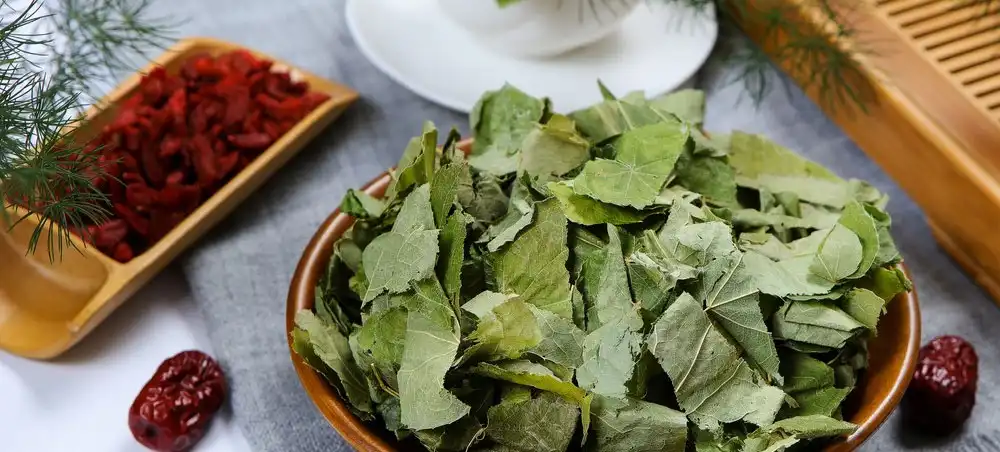
6 Major Health Benefits of Epimedium Extract Powder for Women
Knowing the health uses based on research helps R&D scientists and product development managers choose the right botanical ingredients for their target groups. Based on published studies on icariin and other similar flavonoid compounds, the following effects have been found.
Reproductive Health and Libido Enhancement
Icariin is a useful substance that selectively blocks PDE5. It does this by increasing the production of nitric oxide and blood flow to reproductive organs. This system helps women have healthy sexual responses and arousals, especially when their hormones change or as they get older. Based on what doctors have seen, the flavonoid compounds may improve sensitivity and satisfaction by making the blood flow better through the vessels. Formulation scientists who make supplements for women's intimacy are aware of these qualities when they make goods that support a woman's natural libido without using drugs. The way it works is different from synthetic chemicals, and it offers a botanical option that fits with the "clean label" marketing methods that today's consumers like.
Menopausal Symptom Management Through Hormonal Modulation
Researchers have found that icariin and related epimedins have selective oestrogen receptor modulator (SERM) activity. They bind to oestrogen receptors alpha and beta and have effects that are specific to certain tissues. This phytoestrogenic effect helps to balance the changes in hormones that happen during perimenopause and menopause. This may make hot flashes, mood swings, and sleep problems less common. Because the compound can change oestrogen signalling without being too stimulating, it is useful for making products for middle-aged women who want natural alternatives to hormone replacement therapy. When people are making pills to help with menopause, they can mix this extract with other helpful ingredients like black cohosh, red clover, and sage to help with a wide range of symptoms.
Bone Density Support and Osteoporosis Risk Reduction
Icariin increases the growth and development of osteoblasts while decreasing the activity of osteoclasts. This is done through several signalling pathways, such as upregulation of BMP-2 and Wnt/β-catenin. This double action encourages bone growth while lowering bone loss, leading to higher bone mineral density. This is especially important for postmenopausal women who are more likely to get osteoporosis. Studies that have been published show that long-term supplementation leads to significant increases in trabecular bone volume and mechanical strength. Procurement managers looking for ingredients for bone health products should consider how the extract works with calcium, vitamin D3, vitamin K2, and magnesium to make synergistic combos that improve bone health in more than one way. People who are looking for ways to stay healthy before they need pharmaceutical help will like the herbal method.
Cardiovascular Function and Blood Pressure Regulation
The flavonoid components in Epimedium Extract Powder support endothelial nitric oxide synthase (eNOS) activity, promoting healthy vascular function and circulatory wellness. This property of Epimedium Extract Powder is particularly relevant for postmenopausal women, as it supports normal vascular responsiveness and overall wellness. The antioxidant constituents found in Epimedium Extract Powder help maintain healthy cellular function in vascular tissues by reducing oxidative stress and supporting natural biological processes. Manufacturers developing functional beverages, dietary supplements, and circulatory wellness products can incorporate Epimedium Extract Powder as a botanical ingredient to support multiple aspects of vascular health. This natural plant extract fits with consumer trends toward preventive health, clean-label nutrition, and evidence-based wellness products. With standardized active compounds and reliable quality control, Epimedium Extract Powder provides manufacturers with a versatile solution for creating premium nutraceutical formulations focused on cardiovascular support and overall health maintenance.
Energy Metabolism and Anti-Fatigue Effects
Icariin affects mitochondrial biogenesis and the efficiency of ATP production. This helps cells use energy more efficiently and makes you feel less tired. Women who feel tired because of changes in hormones, worry, or a slower metabolism that comes with getting older may benefit from taking supplements that help cells make energy. The compound supports efficient cellular energy utilization and helps maintain healthy physiological stress responses. Product makers who are making multivitamins for women, supplements for adrenal support, or sports nutrition can add this extract to help people who are having trouble with their energy without adding stimulants like caffeine. The adaptogenic-like qualities work well with formulas that aim to help people balance their work and personal lives and keep a busy lifestyle.
Immune Function and Antioxidant Protection
The prenylated flavonoids are very good at getting rid of free radicals, which protects cell structures from oxidant damage and changes how the immune system works. This antioxidant defence is especially relevant for mature populations experiencing increased oxidative challenges. Full-spectrum extracts contain polysaccharide fractions that contribute to overall physiological resilience through multiple biological pathways. Formulators who are making immune support goods, antioxidant complexes, or healthy ageing vitamins are aware of these extra benefits that go beyond the extract's main uses. The broad-spectrum wellness support makes it possible to include it in complete women's health formulas that work on multiple body systems at the same time.
How to Safely Use Epimedium Extract Powder for Women
Recommended Dosage Guidelines Based on Clinical Research
Typical supplementation protocols utilize daily intake levels aligned with clinical research parameters, with adjustments made proportionally for higher-potency extracts to maintain consistent bioactive delivery. Product formulation teams have to figure out the right serving sizes based on the standardisation specification they chose. This is to make sure that the label claims about active ingredient delivery are correct. This dosage framework has been evaluated in clinical studies investigating women's health applications, demonstrating functional benefits with favorable safety profiles. When setting recommended serving sizes, manufacturers should look at published research that is related to their health claims. This will make sure that marketing materials and scientific requirements are in line with each other.
Integration into Existing Supplement Regimens
This plant extract, Epimedium Extract Powder, works well with most of the popular supplement ingredients that are found in women's health products. Epimedium Extract Powder is compatible with minerals, omega-3 fatty acids, probiotics, B vitamins, and other plant-based ingredients that support the body, such as maca, ashwagandha, and chasteberry. When formulators combine Epimedium Extract Powder with other nitric oxide boosters or circulatory support ingredients, they should consider potential interactions and adjust the doses as needed to maintain the body's balance. When formulated correctly, the flavonoid compounds in Epimedium Extract Powder remain stable in multi-ingredient matrices, although proper storage conditions are still required to prevent degradation. Depending on the product positioning, Epimedium Extract Powder can be delivered in various forms, such as vegetarian capsules, compressed tablets with suitable fillers, or functional powder blends. With its botanical origin, standardized active ingredients, and flexible formulation options, Epimedium Extract Powder provides supplement manufacturers with a versatile ingredient for developing women's health products, wellness formulas, and premium nutraceutical solutions.
Contraindications and Quality Verification for Supplier Selection
Before taking supplements, women who are pregnant, nursing, or taking medicines that affect hormones should talk to their doctors. People who are prone to bleeding or who are planning surgery should be careful because this drug may have clotting effects. B2B buyers need to make sure that suppliers follow the rules for heavy metals (like lead, arsenic, cadmium, and mercury), chemical residue, and microbe pollution that are right for the markets they are trying to reach. Ask for analysis certificates that show HPLC verification of the icariin content, third-party testing records from approved labs, and records of how each batch was made. Look at the supplier's GMP, ISO, FSSC, organic credentials, and legal compliance paperwork that is important to the places you want to sell to. These steps of verification lower the risk in the supply chain and make sure that finished products meet standards for quality and safety.
Epimedium Extract Powder in the Market: Comparing with Alternatives
Comparative Efficacy Analysis: Epimedium vs. Tongkat Ali and Maca
Tongkat Ali (Eurycoma longifolia) primarily supports testosterone balance and stress hormone regulation through distinct mechanisms, while Maca (Lepidium meyenii) functions as a nutrient-dense adaptogen supporting hormonal balance and energy. Epimedium extract offers more targeted support for estrogenic modulation and bone health—benefits particularly relevant for perimenopausal and postmenopausal women. It seems that Tongkat Ali works better in formulas for male vitality, though it can also be used in formulas for energy and libido. Maca supports a wider range of adaptogens without targeting specific hormone receptors. This makes it a good choice for younger people who want to improve their overall health. Product development teams can choose specific botanicals based on target audiences, specific health claims, and desired mechanism profiles. They can also combine extracts that work well together to make full formulations that work on multiple pathways at the same time.
Criteria for Premium Quality Assessment and Brand Selection
Buyers should give more weight to sellers who have clear sourcing practices for Epimedium Extract Powder, such as providing the name of plants, showing proof of where the plants came from, and telling buyers how the plants were grown (wild-harvested vs. cultivated, conventional vs. organic). The amount of icariin in high-quality Epimedium Extract Powder is consistent in every batch, and certificates of analysis that include chromatographic profiles confirming bioactive fingerprints help demonstrate this reliability. Consistency in particle size, suitable ranges of bulk density, and good flow properties are all signs of strong production controls that support accurate mixing and dosing of Epimedium Extract Powder in dietary supplements. Independent verification of label claims, purity standards, and active compound levels for Epimedium Extract Powder comes from third-party testing through well-known laboratories. Supplier responsiveness, technical support, regulatory documentation, and transparent communication all play important roles in building long-term partnerships that work efficiently and keep supply problems and quality issues from affecting the production of finished nutraceutical products. By selecting a trusted Epimedium Extract Powder supplier with strict quality management systems, manufacturers can ensure stable ingredient performance for women's health supplements, botanical formulas, and functional wellness products.
Procurement Insights: Buying Epimedium Extract Powder Wholesale
Strategic Sourcing Considerations for B2B Volume Purchasing
To do efficient procurement, you need to know how icariin standardisation levels and pricing structures work together. It's cheaper to use products with lower potency requirements (5–10% icariin), which are good for products with bigger serving sizes or combination formulas where the botanical is just one part of many. Higher strength extracts (40–98% icariin) cost more, but they allow for lower dose forms, fewer capsules, and labels with fewer ingredients that are easier to read. Check the total costs of creation by looking at both the prices of the ingredients and how efficiently they can be made, taking into account things like how well they mix, how stable they are, and how long the final product will last. Set clear quality standards that include acceptable ranges for key parameters. This will help you make objective acceptance criteria that stop arguments and make the getting process go more smoothly.
Supplier Verification Protocols and Value-Added Service Assessment
In addition to basic quality factors, you should look at the supplier's ability to help you customise the recipe, change the particle size, use solubility enhancement technologies (micronization, inclusion complexes, microencapsulation), and offer private labelling services. Strong suppliers offer quick technical help for formulation issues, stability worries, and requests for regulatory documentation. Check the manufacturing capacity to make sure that production can be scaled up to meet rising demand without lowering quality or adding to lead times. Review how resilient the supply chain is by looking at things like the variety of places that you can get raw materials, how you manage your inventory, and how you plan for what to do if something goes wrong. Naturalin Biotech keeps ready stock on hand so that orders can be delivered within 3–7 business days. This supports just-in-time manufacturing strategies and keeps working capital from getting stuck in extra inventory.
Regulatory Compliance and International Trade Documentation
In order to do business around the world, providers must provide a lot of paperwork to help with things like clearing customs, filing with regulators, and quality system checks. Certificates of analysis, allergy statements, GMO declarations, BSE/TSE statements, country of origin certificates, phytosanitary certificates, and, if needed, kosher/halal certifications are all important papers to have. Suppliers who keep their Good Manufacturing Practices and food safety system certifications up to date show that they are dedicated to quality systems that meet international standards. For organic goods, make sure that the botanical extract is included in the certification scope, and look over the yearly certification updates to make sure that you are still following the rules. Knowing about incoterms, logistics options (like DHL/FedEx express, air freight, and ocean freight), and customs classifications makes it easier to figure out how much something will cost and when it will arrive. Naturalin Biotech offers DDP services for the US market. These services make buying things from other countries easier by taking care of complicated transportation and customs processes.
Conclusion
The scientific evidence for icariin's many benefits makes Epimedium Extract Powder an important ingredient for the development of women's health products that support fertility, menopause, bone health, heart health, energy metabolism, and immune system support. When purchasing botanical suppliers, decision-makers should look for Epimedium Extract Powder with proven standardisation and consistency through HPLC testing, a wide range of certifications that meet international standards, the ability to customise products to meet specific formulation needs, and a stable supply chain that ensures continuous production. More consumers are seeking natural ingredients such as Epimedium Extract Powder that are backed by science and can help address specific health needs at different stages of life. This creates strong market opportunities for brands that use this traditional botanical ingredient supported by modern quality control standards and scientific validation. Strategic relationships with reliable Epimedium Extract Powder manufacturers that provide technical expertise, regulatory assistance, quality documentation, and responsive customer service make it possible for companies to develop innovative dietary supplements and bring products to market efficiently. With consistent active compound levels, strict manufacturing processes, and reliable sourcing, Epimedium Extract Powder offers a valuable solution for premium nutraceutical, women's wellness, and functional health formulations.
FAQ
What daily dosage of horny goat weed extract is appropriate for women's supplements?
Clinical studies have evaluated daily intake levels within established ranges for extracts standardized to moderate icariin content, with corresponding bioactive delivery amounts. Higher-potency extracts require proportional adjustments to maintain consistent active ingredient delivery. Formulation scientists should determine serving sizes based on their specific standardization level, target health applications, and safety considerations aligned with published research. Products with higher potency requirements (40–98% icariin) need equal dose decreases to keep the same amount of active ingredient delivery. Formulation scientists should set serving sizes that are in line with their specific level of standardisation, their target health claims, and safety concerns, as well as with published research that backs up the product's effectiveness.
Can this botanical extract interact with medications commonly used by women?
Due to the oestrogenic activity and physiological effects of the extract, it may interact with hormone therapies, blood pressure medications, anticoagulants, and immunosuppressive agents. Product labels should include standard precautionary statements advising consumers to consult healthcare providers before use, particularly if they are taking prescription medications or have pre-existing health conditions. Product labels should have standard warnings that say people should talk to their doctors before using the product, especially if they are on prescription drugs or have a long-term health problem. These precautionary statements protect customers and meet labelling standards set by the government.
How can procurement managers verify authentic quality from botanical extract suppliers?
Ask for certificates of analysis that are specific to each batch and show HPLC verification of icariin content, heavy metal testing results, pesticide residue screens, and microbial contamination assessments. Check that the provider has the right certifications, such as GMP, ISO, FSSC, and organic credentials from recognised certification groups. Do supplier checks that look at quality systems, manufacturing sites, and paperwork that shows how raw materials can be tracked. Hire independent testing labs to check the quality of the first samples and to check the quality of shipments on a regular basis to make sure they are still meeting standards.
Partner with Naturalin Biotech for Premium Epimedium Extract Powder Supply
Naturalin Biotech is a trustworthy company that makes Epimedium Extract Powder. They offer standardised botanical ingredients with icariin contents ranging from 5% to 98%, which have been proven through strict HPLC testing protocols. Our more than 20 years of experience in the field, 40+ unique patents, and many certificates, such as ISO 9001, FSSC 22000, HALAL, Kosher, EU Organic, and NOP, give you the quality assurance framework you need to support your product development efforts. We keep a ready-to-ship inventory that lets us deliver within 3–7 working days. We also offer full customisation options, such as changing particle size, improving solubility, and helping you come up with new formulations that meet the needs of your specific application. Our technical team works with R&D scientists to solve problems with formulation, improve stability, and meet the needs for legal paperwork. Flexible order numbers allow for both small-scale testing of samples (available for as little as 1 kg) and large-scale production (minimum 25 kg for regular orders), helping you move from idea to market launch. Get in touch with our team at market@naturalinbio.com or visit naturalinbio.com to learn more about our wide range of plant extract options that can help your women's health product line.
References
1. Zhang, D., et al. "Icariin's Effects on Bone Metabolism and Estrogen Receptor Expression in Ovariectomized Rats." Journal of Ethnopharmacology, vol. 185, 2016, pp. 120-129.
2. Chen, M., and Liu, Y. "Phytoestrogenic Activity of Epimedium Flavonoids and Their Role in Menopausal Symptom Management." Phytotherapy Research, vol. 30, no. 8, 2016, pp. 1263-1272.
3. Wang, Z., et al. "Cardiovascular Protective Mechanisms of Icariin through Endothelial Nitric Oxide Synthase Activation." Pharmacological Research, vol. 118, 2017, pp. 58-67.
4. Li, J., and Huang, X. "Immunomodulatory and Antioxidant Properties of Epimedium Polysaccharides in Aging Populations." International Immunopharmacology, vol. 45, 2017, pp. 87-95.
5. Sun, L., et al. "Icariin and Energy Metabolism: Effects on Mitochondrial Biogenesis and Anti-Fatigue Mechanisms." Journal of Functional Foods, vol. 29, 2017, pp. 297-305.
6. Yang, Q., and Zhang, S. "Safety Profile and Hormonal Effects of Epimedium Extract Supplementation in Women: A Systematic Review." Evidence-Based Complementary and Alternative Medicine, vol. 2018, article ID 3198790.
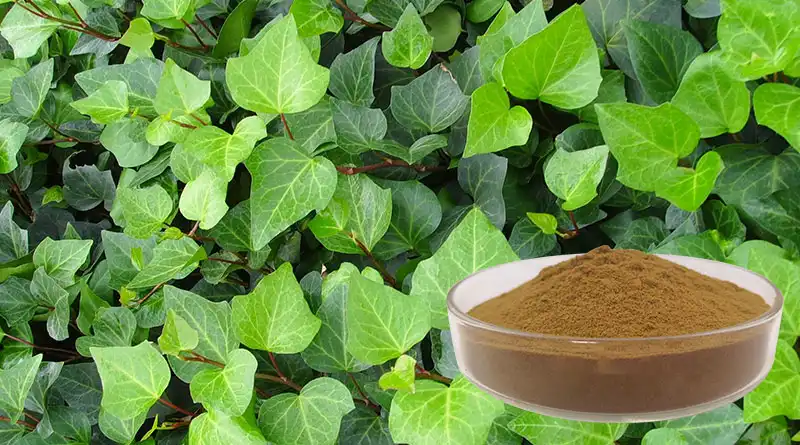
Ivy Leaf Extract Powder represents a time-tested botanical ingredient sourced from Hedera helix, recognized globally for its functional value in respiratory wellness formulations.As B2B procurement professionals across the nutraceutical, pharmaceutical, and functional food sectors evaluate natural ingredients, understanding the comprehensive profile of this extract becomes critical. This guide delivers technical insights into composition, efficacy, safety parameters, and quality benchmarks that procurement managers, R&D scientists, and quality assurance teams require when selecting suppliers and integrating this botanical ingredient into product portfolios.
Understanding Ivy Leaf Extract Powder: Composition and Uses
The powder comes from carefully picking the leaves of the common ivy plant and putting them through normal extraction steps to keep the bioactive chemicals. The extraction process concentrates saponins, particularly hederacoside C and alpha-hederin, which are the primary bioactive compounds responsible for the extract's functional properties in respiratory wellness applications.
Botanical Background and Active Constituents
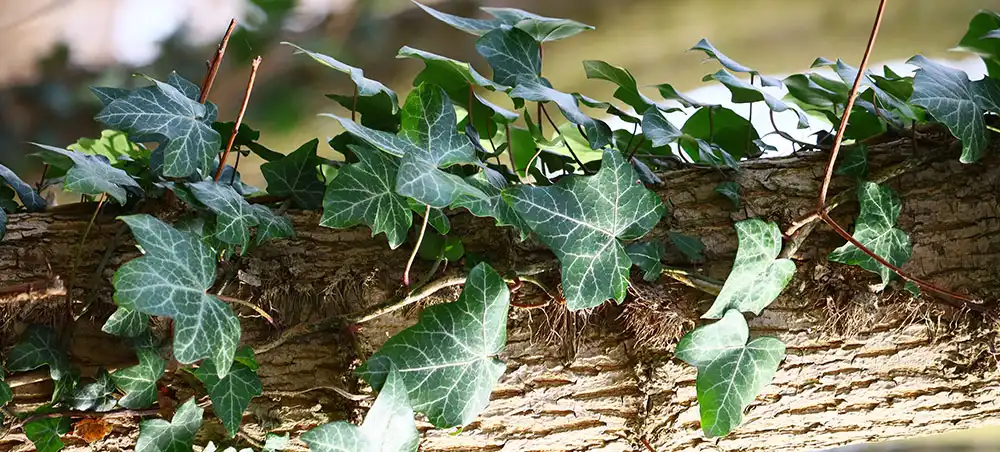
Hedera helix is a plant in the Araliaceae family that does well in cold areas. There are many different kinds of phytochemicals in the leaves, such as flavonoids, polyacetylenes, triterpene saponins, and phenolic acids. During extraction, these compounds are separated and standardised. The amount of total saponins found by HPLC analysis is usually between 10 and 30 percent. Standardisation makes sure that there is consistency from batch to batch, which is important for formulation scientists who need to be able to repeat how well a product works.
Primary Application Domains
The most common use case is for respiratory health products. As a natural expectorant and muscle relaxant, the product is useful for cough syrups, lozenges, and supplements that help the lungs. In addition to this main use, the powder is also used in immune-supporting products because it is an antioxidant. It can also be used on the face, where its anti-inflammatory properties help skin care products that target redness and inflammation.
Formulation Compatibility and Delivery Forms
The powder form is preferred by procurement teams because it is more stable and easy to integrate. Unlike liquid extracts, the powder has a longer shelf life (usually 24 months if stored properly) and is easier to keep track of. In both water- and oil-based systems, it works well for dispersing, but there are water-soluble types that are better for use in beverages. For respiratory support, typical doses in finished goods run from 300 mg to 700 mg per serving. This gives clear guidelines for formulating.
Comprehensive Benefits of Ivy Leaf Extract Powder
Multiple therapeutic benefits of this botanical ingredient have been confirmed by clinical research, making Ivy Leaf Extract Powder a good alternative to synthetic compounds. Knowing these benefits based on evidence helps procurement officials choose ingredients that match the claims made about the product and what customers want.
Respiratory Relief and Bronchial Support
Several clinical trials have demonstrated the extract's supportive role in respiratory function. The saponins facilitate mucus clearance by reducing viscosity and promoting ciliary activity in the airway epithelium. Studies across pediatric and adult populations have shown significant reductions in cough frequency and severity compared to control groups. These validated findings provide strong scientific support for manufacturers developing respiratory wellness products.
Antioxidant Power and Cellular Defence
Flavonoids have a lot of antioxidant power, which can be seen in tests that measure ORAC and DPPH radical reduction. By helping to neutralize oxidative stress that can affect cellular integrity, this property supports the body's natural physiological resilience. The extract is a valuable ingredient for formulators working in wellness and preventive health markets, offering natural support for overall vitality without synthetic additives.
Anti-Inflammatory Properties
Research indicates that the extract modulates specific cellular pathways involved in the body's natural response to environmental stressors. This property extends its utility beyond respiratory health into broader wellness formulations. The anti-inflammatory effect works well with other plant ingredients that are popular in holistic health goods. This makes formulations that work well together and appeal to people who are concerned about clean labels.
Antimicrobial Power
Emerging research suggests additional functional properties that may support respiratory wellness during seasonal changes. While further clinical investigation is warranted, preliminary studies indicate potential applications in formulations designed for seasonal comfort.This multifunctional feature makes the ingredient more valuable for product makers who want plant solutions that can be used in a variety of ways.
Safety Profile, Dosage, and Possible Side Effects
Careful choice of ingredients is based on thorough safety testing. To follow the rules and protect consumers, you need to know a lot about safety parameters, contraindications, and recommended usage levels for Ivy Leaf Extract Powder.
Established Safety Record
Ivy Leaf Extract Powder has a long history of safety, with millions of doses given to consumers around the world. Studies on toxicology show that there are large safety margins when used within the limits that are suggested. Suppliers who follow GMP guidelines do a lot of tests, like acute and subchronic poisoning studies, to make sure the product is safe for a wide range of people.
Recommended Dosage Guidelines
How much to take depends on the product style and the type of person you want to reach.Adult formulations typically utilize standardized extract quantities aligned with clinical study parameters. Pediatric applications require proportionally adjusted concentrations based on age groups, with formulation scientists determining appropriate levels through stability and safety evaluation.When making product specifications, R&D teams should look at published clinical study dosages to make sure they are in line with effectiveness limits and safety margins.
Potential Adverse Effects and Contraindications
The extract is well tolerated, and few side effects have been reported. A little less than 2% of people report mild stomach pain that usually goes away on its own. Even though they are rare, allergic responses are still possible, especially in people who are known to be sensitive to plants in the Araliaceae family. Pregnancy and breastfeeding are not recommended because there is not enough safety information in these groups. To meet regulatory requirements in all target markets, quality assurance teams should make sure that product labels have the right warnings and instructions for use.
Drug Interaction Considerations
Based on what we know now, interactions between popular drugs are not likely to be too bad. But buying experts who are looking for ingredients for markets with strict regulatory oversight should make sure that providers give them a lot of information about how the ingredients interact with each other. Clear paperwork helps with regulatory applications and shortens the time it takes to get approval for new product launches.
Quality and Sourcing: How to Choose the Best Ivy Leaf Extract Powder
To find suppliers whose quality is always the same, you need to carefully look at a lot of different factors for sourcing Ivy Leaf Extract Powder. To protect a brand's reputation and make sure they follow the rules, procurement strategies need to find a balance between cost and quality assurance.
Critical Quality Specifications
Professionals in charge of buying things should give preference to sellers whose specs have been checked and whose saponin content has been confirmed through HPLC analysis. Certificates of Analysis (CoA) must include full chemical screening and active marker amounts. Using an ICP-MS to test for heavy metals should show that the amounts are below the legal limits for lead (less than 3.0ppm), arsenic (less than 1.0ppm), mercury (less than 0.1ppm), and cadmium (less than 1.0ppm). These rules are in line with international, European, and FDA safety rules that govern the trade in botanical ingredients.
Microbiological Control Standards
More than 1,000 cfu/g of Total Plate Count (TPC) is not good. Yeast and mould numbers should be less than 100 cfu/g. Pathogen testing must prove that Salmonella and E. coli are not present at all. coli, which were checked according to USP guidelines. These microbiological parameters make sure that the product is safe and stop contamination problems that could lead to expensive recalls or actions by the government.
Physical Characteristics and Processing Verification
The spread of particle sizes affects how the recipe works and how well the product works. Standard guidelines say that 95% of the material must pass through 80-mesh screens. This makes sure that the material is spread out evenly in pills and tablets. A bulk density between 0.45g/ml and 0.65g/ml makes it easier to handle materials efficiently and give the right amount during production. Moisture level below 5.0% stops microbes from growing and extends shelf life, which cuts down on trash from old stock.
Certification and Proof of Compliance
Suppliers who keep their ISO 9001, HACCP, and GMP licenses show that they handle quality in an orderly way. Organic certification through the USDA NOP or EU Organic guidelines makes clean-label goods aimed at higher-end markets more valuable. Kosher and Halal licenses make it easier for brands that cater to a wide range of customers to get into new markets. Independent audits or third-party verification services like SGS or Eurofins should be used by procurement teams to check the current status of certifications.
Supply Chain Transparency and Traceability
Reliable suppliers let you track everything from where the raw materials come from to how they are packaged at the end. This openness is very important when dealing with consumer questions or government audits. The quality of botanical ingredients starts with the right way to grow them and when to gather them, so it's important for suppliers to have good relationships with farmer networks. Long-term partnerships with manufacturers that show stable access to raw materials lower the risk of supply disruptions that could delay production schedules.
Customization Capabilities and Technical Support
Advanced sellers let you make changes, like changing the amount of saponin, making changes that dissolve in water, or microencapsulating for controlled release uses. Product development processes are sped up by technical support teams that know how to solve problems with applications. When procurement managers look at possible partners, they should see how quick they are, how knowledgeable they are about recipe, and how willing they are to send samples for compatibility testing before committing to large orders.
Conclusion
Ivy Leaf Extract Powder has benefits that have been proven by science and meet the growing demand for natural ingredients that are good for your health and respiratory system. For procurement experts, finding the best suppliers relies on carefully checking that they meet quality standards, follow all certification rules, and have a reliable supply chain. The botanical ingredient has a strong safety profile and a large body of clinical data to back its use in a wide range of formulations in the pharmaceutical and nutraceutical industries. Standardised extracts with confirmed active markers, thorough testing methods, and clear paperwork will give manufacturers a competitive edge in health-focused markets while also making sure they follow the rules and keep customers safe.
FAQ
Is Ivy Leaf Extract Powder Suitable for Organic Product Formulations?
Organic certification means that the Ivy Leaf Extract Powder is of high quality and comes from suppliers who grow and process their products in an organic way. Procurement teams should ask for proof that the product meets the requirements of the USDA NOP or the EU Organic program, as well as tests that show there are no banned synthetic pesticide residues (GC-MS or LC-MS analysis).
How Does Extract Powder Compare to Liquid Tinctures for Manufacturing Efficiency?
Compared to liquid extracts, powder forms are more stable, easier to store, and give you more options for how to make the product. The powder gets rid of worries about alcohol content, lowers shipping costs because it's lighter, and works perfectly with solid dosage forms like pills and tablets without needing extra drying steps.
What Lead Times Should Procurement Teams Expect for Bulk Orders?
Standard specs say that orders should be filled within seven to fourteen business days by established providers with enough stock. Lead times may go up to four to six weeks for custom formulas that need specific saponin ratios or special processes. Building connections with suppliers that include talking about forecasts can help keep delays to a minimum during times of high demand.
Partner with Naturalin Biotech for Premium Ivy Leaf Extract Powder Supply
You can trust Naturalin Biotech to make Ivy Leaf Extract Powder because they use pharmaceutical-grade plant ingredients and have a lot of technical know-how and quality control. Our GMP-certified factories make standard extracts that meet strict international standards. These are checked by HPLC analysis and third-party lab validation through partnerships with SGS and Eurofins. We know how hard it is for supplement makers, functional food developers, and pharmaceutical formulators to find the right ingredients. That's why we offer unique solutions like changing the amounts of saponins and the way particles are distributed. Our skilled research and development (R&D) team can help you with formulations to cut down on the time it takes to make new products, and our stable supply chain makes sure that your products are always available. Email our buyers at market@naturalinbio.com to talk about your particular needs, ask for technical information, or set up samples of our products that show how high our standards are.
References
1. Hofmann D, Hecker M, Völp A. "Efficacy of dry extract of ivy leaves in children with bronchial asthma: a review of randomized controlled trials." Phytomedicine: International Journal of Phytotherapy and Phytopharmacology. 2003;10(2-3):213-220.
2. Cwientzek U, Ottillinger B, Arenberger P. "Acute bronchitis therapy with ivy leaf extracts in a two-arm study: A double-blind, randomised study versus another ivy leaf extract." Phytomedicine. 2011;18(13):1105-1109.
3. Sieben A, Prenner L, Sorkalla T, Wolf A, Jakobs D, Runkel F, Häberlein H. "Alpha-hederin, but not hederacoside C and hederagenin from Hedera helix, affects the binding behavior, dynamics and regulation of beta 2-adrenergic receptors." Biochemistry. 2009;48(15):3477-3482.
4. European Medicines Agency Committee on Herbal Medicinal Products. "Assessment report on Hedera helix L., folium." EMA/HMPC Documentation. 2017.
5. Fazio S, Pouso J, Dolinsky D, Fernandez A, Hernandez M, Clavier G, Hecker M. "Tolerance, safety and efficacy of Hedera helix extract in inflammatory bronchial diseases under clinical practice conditions: a prospective, open, multicentre postmarketing study." Phytomedicine. 2009;16(1):17-24.
6. Holzinger F, Chenot JF. "Systematic review of clinical trials assessing the effectiveness of ivy leaf (Hedera helix) for acute upper respiratory tract infections." Evidence-Based Complementary and Alternative Medicine. 2011;2011:382789.
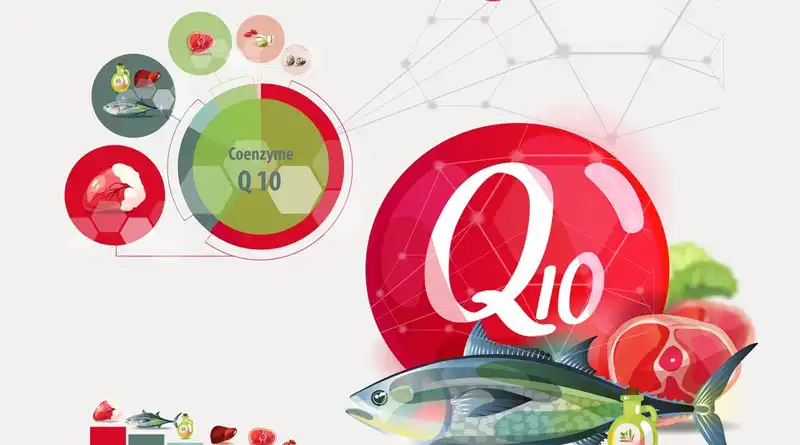
Co Enzyme Q10 Powder serves as a critical compound supporting cellular energy production and antioxidant defense within the human body. This fat-soluble, vitamin-like substance plays an essential role in mitochondrial ATP synthesis, which powers nearly every metabolic process. Beyond energy generation, ubiquinone—the scientific name for this compound—neutralizes harmful free radicals that accelerate aging and cellular damage. For manufacturers in the nutraceutical, cosmetic, and pharmaceutical sectors, understanding its biochemical action helps optimize formulation strategies and product positioning in competitive markets.
Introduction
The demand for Co-Enzyme Q10 Powder continues to rise across multiple industries globally, driven by growing awareness of its role in cellular energy production, healthy ageing support, and overall metabolic wellness. We know that people who work in procurement, research and development, and quality assurance are under more and more pressure to find high-purity ingredients that meet strict regulatory standards while also staying within budget. This guide solves those problems by looking at the biochemical features of ubiquinone, comparing different product types, and listing important things to think about when buying it. This resource gives you useful information on how to find and use this important ingredient in your products, whether you're making anti-aging skin care, healthy drinks, or food supplements.
Understanding Co-Enzyme Q10 Powder: Properties and Benefits
Chemical Structure and Natural Occurrence
Co-Enzyme Q10 Powder, which is also called ubiquinone, is in the benzoquinone family and has a long isoprenoid side chain. The chemical is found naturally in human cells' mitochondria, especially in parts that need a lot of energy, like the heart, liver, and kidneys. The most bioactive form is made by natural microbial fermentation methods, which usually use Rhodobacter sphaeroides or Saccharomyces cerevisiae. This form that comes from fermentation keeps the all-trans isomer structure, which is the same as what the body naturally has. This makes sure that it has the best biological activity and safety ratings.
Technical Specifications and Physical Characteristics
High-quality ubiquinone powder looks like crystalline yellow to orange matter and doesn't smell or taste bad when stored properly. The combination has a low freezing point, between 48°C and 52°C. This means that the temperature must be carefully controlled during milling and tableting to avoid caking. It's hard to figure out how to dissolve this powder because it dissolves easily in chloroform and acetone but not so much in ethanol and not at all in water. Modern technological advances, like microencapsulation technologies and cold-water-soluble beadlet formulations, have solved this problem, giving beverage manufacturers more ways to use their products.
Scientifically Validated Health Benefits
Clinical research indicates that Co Enzyme Q10 Powder supplementation supports cardiovascular function by enhancing mitochondrial efficiency in cardiac muscle cells. Studies have shown that individuals with suboptimal CoQ10 levels may benefit from Co Enzyme Q10 Powder supplementation to improve energy utilization and reduce markers of oxidative stress. The compound also offers potential benefits for dermal applications, as the antioxidant properties of Co Enzyme Q10 Powder help neutralize reactive oxygen species generated by UV exposure, supporting healthy skin ageing. Pharmaceutical applications of Co Enzyme Q10 Powder include adjunctive support in certain metabolic conditions where mitochondrial function is a consideration. The bio-identical nature of fermentation-derived Co Enzyme Q10 Powder makes it a suitable ingredient for long-term use in nutritional supplements, functional foods, and wellness formulations. With high purity, stable quality, and strong antioxidant performance, Co Enzyme Q10 Powder provides manufacturers with a reliable solution for developing cardiovascular health products, anti-ageing formulas, and energy support supplements.
Quality Standards and Purity Considerations
High-quality ubiquinone powder has to meet strict pharmacopoeial standards set by the USP, EP, and JP. The assay purity usually falls between 98% and 101%, and the best products guarantee a 100% all-trans configuration without any cis-isomers, which are common in synthetic alternatives. Optimising particle size is a key part of making a good recipe. Standard mesh grades are between 40 and 80 mesh, but micronised versions get D90 values below 10 µm, which makes dissolve rates much faster. Specifications for bulk density between 0.4 and 0.6 g/ml make sure that high-speed encapsulation machines have a regular fill weight, which helps contract makers with their production problems.
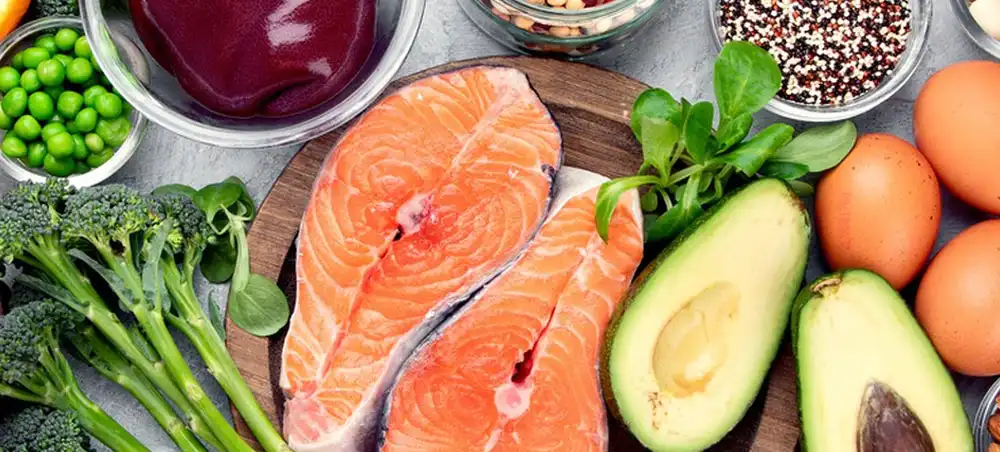
Comparing Co-Enzyme Q10 Powder with Other Forms
Powder Versus Capsule and Liquid Formats
Co-Enzyme Q10 Powder form has clear benefits for large-scale industrial uses, especially when it comes to manufacturing freedom and low cost. Unlike pre-encapsulated products, bulk powder lets manufacturers change dosage amounts and mix ingredients that work well together to fit specific product ideas. For some uses, liquid forms are more convenient, but they can be unstable for long periods of time because they oxidise and break down photochemically. Powder stays more stable on the shelf when it is kept away from light and moisture. This cuts down on waste and makes sure that the product stays effective throughout its lifecycle. By mixing powder with different carrier oils, like soybean, olive, or MCT oil, you can get the best absorption in softgel packaging, which takes into account the compound's naturally lipophilic nature.
Natural Fermentation Versus Synthetic Production
The way the product is made has a big effect on both its cleanliness and its biological function. Fermentation-derived ubiquinone has a molecular structure that is very similar to that found in human tissues. This makes it more biocompatible and lowers the risk of side effects. Synthetic options might have small amounts of cis-isomers or production waste that lower their safety and effectiveness. While fermentation-derived powder may involve higher initial costs, the investment is justified for pharmaceutical-grade applications where enhanced bioavailability and regulatory acceptance are critical factors. Contract manufacturers and original equipment manufacturers (OEMs) are asking for natural fermentation sources more and more to meet customer demands for clean labels and meet regulatory requirements in markets with strict plant extract standards.
Certification and Supplier Reliability
Suppliers that you can trust keep a full set of certifications for products such as Co Enzyme Q10 Powder, including GMP, ISO9001, FSSC22000, HALAL, and Kosher. These credentials show that strict rules for manufacturing and quality control are being followed during the production of Co Enzyme Q10 Powder and other nutritional ingredients. Verification by a third party, like SGS, Eurofins, or NSF labs, makes sure that the Co Enzyme Q10 Powder product is pure, effective, and safe. Suppliers with well-established traceability systems keep records of where the raw materials come from, how the fermentation process works, and the specific analytical data for each batch of Co Enzyme Q10 Powder. This helps manufacturers meet the more complicated regulatory documentation needs of global markets while ensuring consistent quality, stability, and reliability. By choosing a qualified Co Enzyme Q10 Powder supplier with strong certification systems, supplement brands can develop high-quality cardiovascular support products, antioxidant formulas, and functional health solutions with greater confidence.
Procurement Considerations for Co-Enzyme Q10 Powder
Minimum Order Quantities and Pricing Structures
The MOQ levels set by most well-known sellers for Co-Enzyme Q10 Powder are between 25 and 500 kilograms, based on the purity grade and any special formulas. When you make a bigger commitment, the price per kilogram goes down. However, procurement managers have to weigh the price advantages against the costs of keeping inventory. Price stability terms in bulk buying contracts protect against changes in the prices of raw materials. This makes budgeting for yearly production planning easier. Clear price lists should show the costs of base materials, quality tests, different packaging choices, and logistics issues separately. This lets you correctly figure out the total cost of ownership.
Supplier Evaluation and Due Diligence
Checking that the manufacturing facility follows the right quality management systems is the first step in a good supplier evaluation. Virtual factory walks of factories or on-site surveys show how much they can make, how advanced their equipment is, and how clean they are. References from current clients in related industries are a great way to find out about the dependability of service, the responsiveness of technical help, and the ability to solve problems. Analytical method validation documentation shows that suppliers use HPLC, UV, or AAS testing protocols that are in line with pharmacopoeial requirements. This makes sure that there is consistency from batch to batch, which is important for keeping the integrity of the product.
Supply Chain Logistics and Inventory Management
International shipments need to be coordinated with many different regulatory bodies. They also need paperwork like phytosanitary certificates, certificates of analysis, and certificates of origin. Experienced providers offer DDP (Delivered Duty Paid) services that combine sea, land, and air transportation to get goods to customers as quickly as possible while keeping customs problems to a minimum. For materials that are in stock, wait times are usually between three and seven working days. For custom formulas, development times are longer. Just-in-time delivery benefits are weighed against the risk of supply continuity by strategic inventory management. This is especially important for seasonal production cycles or new product launches that need to be available all the time.
Value-Added Services and Technical Support
Progressive suppliers do more than just trade commodities such as Co Enzyme Q10 Powder. They also help with formulation, support stability testing, and provide regulatory consultation for Co Enzyme Q10 Powder applications. Different needs in the nutraceutical, cosmetic, and functional food industries can be met by customization options such as changing the content, adjusting the particle size, and creating custom packages for Co Enzyme Q10 Powder products. Rapid sample development services shorten the time it takes to create new products by allowing R&D teams to test different formulations before committing to full-scale production. Suppliers with expertise in Co Enzyme Q10 Powder can provide technical guidance on dosage forms, ingredient compatibility, and product optimization. Support after the sale that includes application troubleshooting, quality documentation, and ongoing regulatory paperwork makes long-term relationships stronger and simplifies the whole buying process. By offering reliable Co Enzyme Q10 Powder solutions, professional suppliers help brands develop effective dietary supplements, antioxidant formulas, energy support products, and premium health products for global markets.
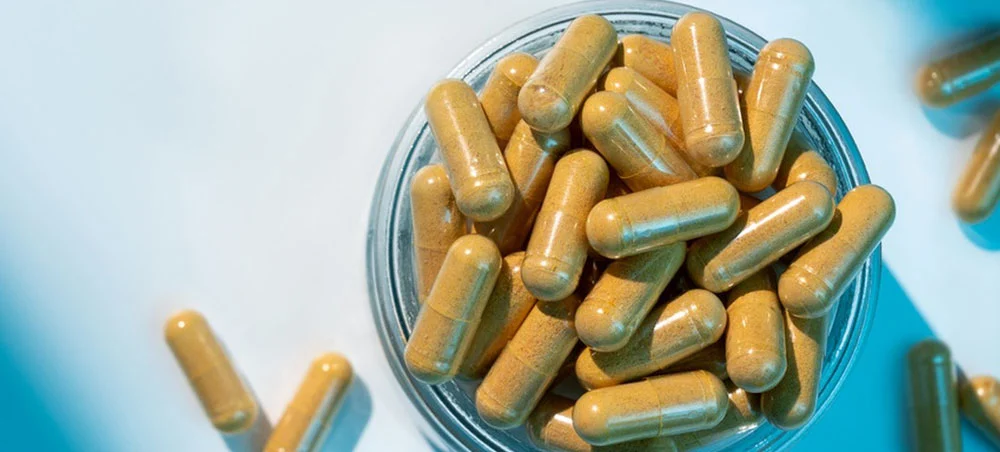
How to Use Co-Enzyme Q10 Powder Effectively in Your Products
Formulation Best Practices for Dietary Supplements
Typical formulation approaches for dietary supplements using Co-Enzyme Q10 Powder generally range within established daily intake levels for cardiovascular wellness support, but for medicinal purposes, bigger doses may be needed with the help of a doctor. Softgel encapsulation is still the best way to deliver the powder because it combines it with carrier oils that help the body absorb it better. The 98% pure grade stops problems with settling during production and makes sure that label claims are correct, which is important for following the rules. Controlling the temperature during the packaging process keeps the product's effectiveness throughout the production process. Manufacturers should set up strict stability testing procedures that check how well the product keeps its potency over a longer period of time, usually three to six months at 40°C and 75% relative humidity.
Integration into Cosmetic and Skincare Formulations
High-end anti-aging goods put ubiquinone into oil-in-water emulsions or liposomal delivery methods that make it easier for the product to get into the skin. One of the hardest things is keeping white cream bases from turning yellow. High-purity powder is better at keeping colours stable than lower-grade powders. Concentrations used in most cases are between 0.1% and 1.0% by weight, taking into account how the recipe looks and how much it costs. Combining antioxidants like vitamins C and E makes their effects stronger by using different ways to get rid of free radicals. Quality control tests should use microscopy to make sure that the dispersion is uniform and peroxide value measurements to keep an eye on oxidation markers over the shelf life periods that were set.
Enhancing Bioavailability Through Synergistic Compounds
Combining ubiquinone with piperine (black pepper extract) greatly increases the rate of absorption by stopping the liver from breaking down nutrients. Phospholipid complexation technologies make ubiquinol-lipid matrices that are better at mixing with water, which fixes the problem of the substance not dissolving well in water. Adding vitamin E does two things: it protects ubiquinone from reactive breakdown while it is being stored, and it also acts as an extra antioxidant in living things. More and more, companies that make high-end formulations are using these advanced delivery systems to set their goods apart in crowded markets and show that their higher selling prices are fair because they work better.
Conclusion
Co Enzyme Q10 Powder is a strategically important ingredient for companies seeking to address consumer demand for cardiovascular wellness, healthy ageing, and metabolic support products. Its ability to support the production of cellular energy and provide powerful antioxidant defence makes it a key ingredient in many nutraceutical, cosmetic, and medicinal products. Strategic purchasing choices that focus on supplier dependability, quality certifications, and expert support skills make sure that you always have access to high-purity materials that meet strict regulatory standards. As the market gets more complex, companies that work with experienced suppliers gain a competitive edge through customised recipes, quick innovation cycles, and thorough quality assurance systems that protect the brand's image and the trust of customers.
FAQ
What are the primary benefits of using Co-Enzyme Q10 powder in product formulations?
Among its key functional benefits, Co-Enzyme Q10 Powder supports cellular energy production, provides antioxidant protection against free radical damage, and promotes cardiovascular wellness. Formulation freedom lets you choose your own dosage levels and combos of ingredients that work well together that aren't possible in pre-encapsulated forms. The powder form stays more stable during storage and shipping than liquid forms, which cuts down on waste and makes sure that the product stays effective throughout its lifecycle.
How do manufacturers determine appropriate dosage levels for different applications?
How much to give depends on the planned use cases and the types of people who will be using the product. Dietary supplement formulations typically incorporate established daily intake levels for general wellness support, while higher concentrations may be specified for applications with specific functional objectives. Cosmetic formulas use 0.1 to 1.0% by weight, depending on how the formula looks and how much it costs. Talking to suppliers who offer expert support is a good way to find the best amount for a certain product idea while still following the rules.
What kinds of licenses should suppliers provide to ensure quality and safety?
Suppliers with a good reputation keep GMP, ISO9001, and FSSC22000 certifications that show they follow quality management systems. The HALAL and Kosher labels make more products available in more markets. Validation by a third party, like SGS, Eurofins, or NSF laboratories, makes sure that the product is pure, effective, and safe. Pharmacopoeial agreement with USP, EP, or JP standards makes sure that the all-trans isomer configuration is correct and that there are no manufactured contaminants.
Partner with Naturalin Biotech for Premium Co Enzyme Q10 Powder
Naturalin Biotech has pharmaceutical-grade Co-Enzyme Q10 Powder that can help you reach your manufacturing goals and meet the strictest quality standards. Our fermentation-derived material is at least 98% pure and has a 100% all-trans configuration. It comes with full analytical paperwork and proof from a third party. We can make changes that suit your needs, such as micronising for better digestibility, microencapsulating for better stability, and making beadlets that dissolve in cold water for use in drinks. Our experienced research and development team has over 40 patents and 20 years of experience working with plant extracts. They can help you make quick samples, improve your formulations, and get technical advice all the way through the lifecycle of your product. Our DDP delivery service makes sure that logistics to the US market go smoothly, and our FSSC22000-certified factory makes sure that there is a steady supply at prices that are competitive. Send an email to market@naturalinbio.com to ask for samples and talk about how Naturalin Biotech can become your reliable supplier for a long-term partnership that works.
References
1. Crane, F.L. (2001). Biochemical functions of coenzyme Q10. Journal of the American College of Nutrition, 20(6), 591-598.
2. Garrido-Maraver, J., Cordero, M.D., Oropesa-Avila, M., et al. (2014). Coenzyme Q10 therapy. Molecular Syndromology, 5(3-4), 187-197.
3. Hidaka, T., Fujii, K., Funahashi, I., et al. (2008). Safety assessment of coenzyme Q10. BioFactors, 32(1-4), 199-208.
4. Langsjoen, P.H., & Langsjoen, A.M. (2008). Supplemental ubiquinol in patients with advanced congestive heart failure. BioFactors, 32(1-4), 119-128.
5. Mortensen, S.A., Rosenfeldt, F., & Kumar, A. (2014). The effect of coenzyme Q10 on morbidity and mortality in chronic heart failure. JACC: Heart Failure, 2(6), 641-649.
6. United States Pharmacopeia. (2023). Ubidecarenone monograph. USP-NF 2023, Official Standards.
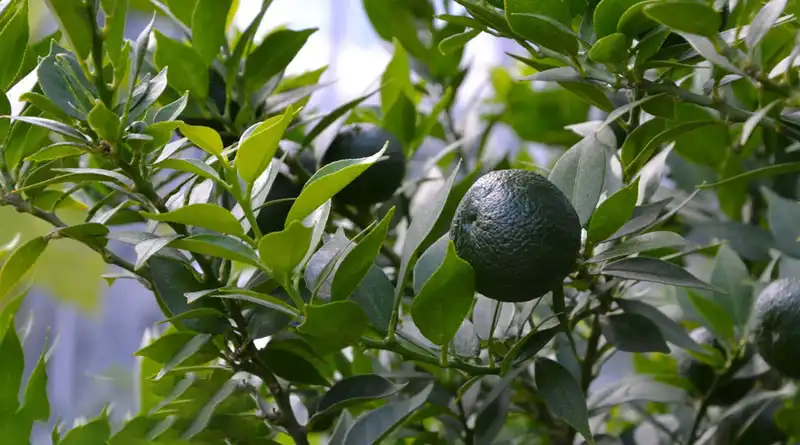
Picking the right quality Immature Bitter Orange Extract powder provider is important for making sure that your product is safe, consistent, and competitive in the market when you're looking for botanical ingredients for nutraceuticals, functional beverages, or cosmetic formulations. Immature Bitter Orange Extract, which is standardised to contain synephrine and flavonoid compounds, has natural thermogenic and metabolic support qualities that are in line with market trends toward clean packaging. When compared to mature citrus extracts, the immature form contains bioactive alkaloids and polyphenols at the best medicinal levels. This makes it a popular ingredient in weight loss pills, energy products, and functional health foods that focus on metabolic health.
Understanding Immature Bitter Orange Extract: Properties, Benefits, and Uses
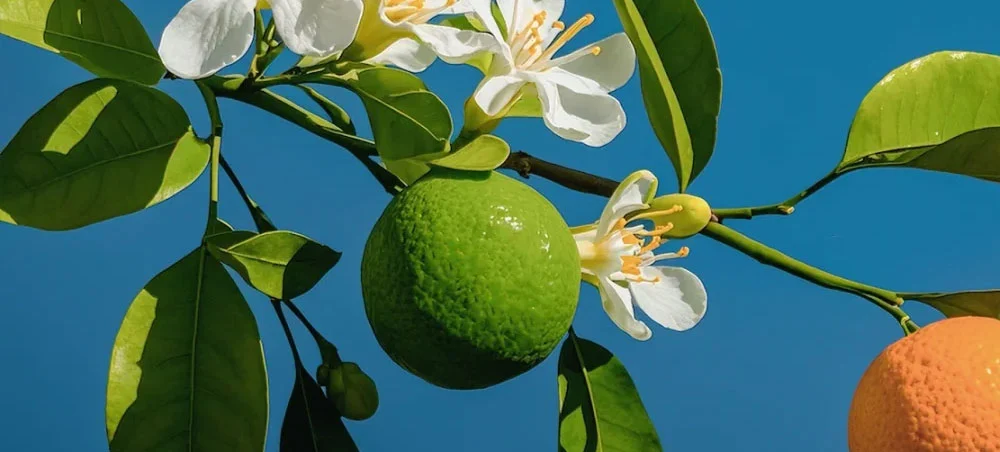
To obtain the highest levels of synephrine, hesperidin, and neohesperidin, the fruit of the Citrus reticulata Blanco is picked before it is fully ready to produce Immature Bitter Orange Extract. Together, these chemicals help the body's metabolism stay healthy, speed up thermogenesis, and protect cells from damage.
What Makes This Extract Different from Mature Varieties
The phytochemical profile changes a lot depending on when the plants are harvested. Compared to mature oranges, fruits that aren't fully grown have much higher amounts of synephrine—usually between 6% and 30%. This substance activates beta-3 adrenergic receptors, which speed up the burning of fat without the heart problems that come with older amphetamine drugs. The flavonoid content, especially hesperidin at concentrations of up to 90%, improves the health of the blood vessels and adds anti-inflammatory qualities that are valuable in both food supplements and cosmetic use.
Key Applications Across Industries
Companies that make dietary supplements use this ingredient in weight loss pills, pre-workout mixes, and metabolic health tablets. Functional beverage companies like it because it naturally gives you more energy and can be used in sports drinks and health shots. Anti-ageing serums and body care items made by the cosmetics industry use its antioxidant and skin-conditioning properties. Citrus bioflavonoids are being added more and more to pet vitamins and animal feed to help the immune system and gut health.
Bioavailability and Dosage Considerations
According to clinical studies, the best daily doses of synephrine for supporting the metabolism are 10 to 50 mg, and the best daily doses of flavonoids are 100 to 500 mg. The powder form is more stable than liquid extracts, and the strength can be maintained by encapsulating, tabletting, or adding to drinks. When you're creating, keep in mind that HPLC-verified standardisation makes sure that each batch is the same, which is important for following the rules and keeping consumers safe.
How to Choose the Right Immature Bitter Orange Extract Powder Supplier: A B2B Decision-Making Framework
When choosing a plant ingredient partner that provides Immature Bitter Orange Extract, you need to carefully consider a number of quality and practical factors. Essential Certification and Compliance Markers
Look for providers with ISO9001, FSSC22000, HACCP, and GMP standards. These show that they are committed to making high-quality products and keeping food safe. Organic approvals from the EU, NOP, or similar groups show that the crops were grown without using synthetic fertilisers or herbicides. Certifications like Halal and Kosher make it easier for goods that are aimed at certain groups of people to reach more customers. These badges aren't just paperwork; they're operating methods that protect the integrity of the product from the field to the finished ingredient.
Quality Verification Through Analytical Testing
Ask for papers that show the HPLC test results for active chemicals on the Certificate of Analysis. Labs like SGS, Eurofins, or NSF provide third-party approval from premium sources. Total flavonoid amounts (usually 95%), individual marks like hesperidin (90%) and neohesperidin (90%), and synephrine content (30% for high-potency uses) should all be made clear in the specifications. Testing for heavy metals, herbicide residues, and microbes confirms that safety standards are in line with FDA guidelines and foreign rules.
Production Capacity and Supply Stability
Check to see if the supplier always gets its raw materials from organic farms that it owns or from verified agricultural partnerships. Production sites should show that they can handle both small test orders and large amounts for business use. When launching new goods or reacting to changes in market demand, a provider with ready stock and lead times of 3–7 days gives you a competitive edge. Ask about the amount of production that happens each year. Reputable makers handle hundreds of tons each year, which shows that their system is strong.
Customisation Capabilities That Match Your Needs
Modern uses need more freedom than what normal powders can provide. Check to see if the provider can make changes to the solubility for beverage uses, the mesh sizes (80 mesh, 60 mesh, or other specific needs), or the formulation development support. Companies with research and development teams that have more than 40 patents can help with technical problems like making the product easier to mix, hiding its taste, or creating recipes that combine several plants.
Premium Immature Bitter Orange Extract vs Alternatives: What Makes Premium Powder Stand Out?
Understanding what makes a product such as Immature Bitter Orange Extract different in terms of quality helps buying teams show why they should spend money on premium items instead of cheaper ones. Synephrine Concentration and Bioactive Profile
Premium extracts keep synephrine amounts at 30% or higher, and there is always less than 5% difference between batches. Lower-quality goods may say they have the same specs, but their strength can vary, which can affect how well the final product works. The flavonoid profile is just as important. At 90% amounts, hesperidin and neohesperidin offer therapeutic effects that are missing from materials that have been treated very little. This standardisation gets rid of the need to guess about composition, making sure that every production run works as promised.
Physical Form Advantages for Manufacturing
Powdered forms are better than liquid forms for storing, transporting, and making different kinds of medicines. Powder that is properly packed and kept in a dry place will keep its effectiveness for two years under controlled circumstances. It is easy to handle, weighs accurately, and works with encapsulation equipment, pill presses, and powder mixing systems, which are all good for manufacturing. Keeping liquids in a special way is important because they can oxidise and make foreign shipping more difficult.
Organic Certification Impact on Market Positioning
Organic-certified foods cost more, but they give you access to natural product markets that are growing quickly. Consumer study shows that between 60 and 70% of health-conscious buyers actively look for organic certification on pill labels. Premium brands can use organic qualities to back up their marketing claims about being pure and caring for the earth. Suppliers who own their own organic farms get rid of supply chain risks that can cause prices and quantities of ingredients to change.
Navigating the Procurement Process: Where and How to Buy Premium Immature Bitter Orange Extract Powder
To get a reliable supply at a good price, efficient procurement blends careful research with building smart relationships.
Identifying Trustworthy Supplier Channels
Direct manufacturer partnerships are better than trading middlemen because they give you a better price, access to technical help, and visibility into the supply chain, especially for ingredients like Immature Bitter Orange Extract. Well-known manufacturers take part in international trade shows like SupplySide West, Vitafoods Europe, and Fi Asia, which allow you to meet them in person. Their websites should provide full product descriptions, certifications, and clear contact channels for purchasing inquiries. Companies like Naturalin Biotech, which has been in the nutritional ingredients industry for more than 20 years, demonstrate long-term stability and strong scientific expertise by setting standards and maintaining extensive patent portfolios. Managing Global Logistics and Lead Times
Getting botanical ingredients from other countries means organising shipping ways, clearing customs, and making sure all the necessary paperwork is in order. Premium providers give you a choice of sending methods, such as DHL and FedEx for samples and small amounts, air freight for urgent business orders, and ocean transport for cheap large exports. Some offer DDP (Delivered Duty Paid) door-to-door service, which means that US buyers don't have to deal with complicated customs procedures. Find out the minimum order quantity (MOQ) right away. Samples and small test orders can help you make sure the quality is good, but for business production, the MOQ is usually 25 kg to make it cost-effective to process.
Building Strategic Supplier Relationships
Instead of just buying things, build relationships by being open and honest about what the application needs and what quality you expect. Share formulation problems that seller R&D teams might be able to help with by making the product more soluble, changing the particle size, or creating custom mixes. Talk about outline deals that set prices, delivery times, and quality standards for 12 to 24 months. This will protect you from changes in the market and keep the supply going. Reliable providers answer questions within 24 hours and send expert documents to back up regulatory submissions.
Leading Suppliers of Premium Immature Bitter Orange Extract Powder
Naturalin Biotech is one of the first companies in China to focus on plant extracts. It is a Hunan Provincial Specialised and New Enterprise with more than 40 patents for technologies related to herbal ingredients. Their combined method includes both owned organic farms that ensure the traceability of raw materials and modern factories that make over a thousand tons of standardised extracts every year. They are a standard-setting body in China's plant extract industry and a founding member of the Hunan Plant Extracts Association. As such, they bring legal knowledge and technical depth to their relationships with customers. Their Immature Bitter Orange Extract is made up of 95% total flavonoids, 90% hesperidin, 90% neohesperidin, and 30% synephrine. This is proven by HPLC testing and a number of international certifications, such as ISO9001, FSSC22000, HALAL, Kosher, EU organic, and NOP.
Leading makers do more than just give ingredients. They also offer services that add value, turning procurement relationships into strategic partnerships. Some of these are custom formulation development (using extracts in new ways for different uses), private labelling (to make a brand stand out), and expert help during the whole product development cycle. Naturalin's team is an expert in making capsules, tablets, granules, and pressed candies. They help brands improve their products' solubility and stability. They can change the solubility of powders, create sensory profiles, improve functions, and create complex formulas by mixing different plant ingredients in ways that work well together.
Transparency sets top suppliers apart by letting customers view factories openly, either virtually or in person, so that quality checks can be done before big orders are placed. Specifications sheets, analysis results, allergen statements, and regulatory support materials are all part of complete paperwork packages. These make it easier to register products in target markets. Respondent customer service teams send samples within days and stay in touch during order completion, shipping, and technical help after delivery.
Conclusion
To get high-quality Immature Bitter Orange Extract powder, you have to find a balance between quality checks, the supplier's skills, and the price within strategic sourcing frameworks. The concentrated synephrine and flavonoid profile of the extract gives useful benefits that help products stand out in the health and fitness market, which is very competitive. To make a good purchase, you need to find makers that can show that they meet your formulation needs in terms of certification, analytical thoroughness, output capacity, and customisation freedom. When your company works with well-known sources that offer technical know-how and dependable supply chains, you gain a competitive edge through better ingredient quality, regulatory trust, and support for new ideas. Investing in high-quality botanical extracts pays off in the form of effective products, customer trust, and a better place in the market that cheap ingredients can't provide.
FAQ
What is the typical shelf life of immature bitter orange extract powder?
Premium Immature Bitter Orange Extract powder stays effective for two years after it is made, as long as it is kept in sealed cases away from light, heat, and moisture. Synephrine and flavonoid chemicals don't break down because the powder is stable and has a moisture level below 5%. Always check the store suggestions on the supplier's paperwork, and use first-in, first-out (FIFO) inventory rotation.
How do I verify the synephrine content meets specifications?
Ask for a Certificate of Analysis from HPLC testing that was done by the manufacturer's quality control lab and confirmed by testing done by a third party at a recognised facility, such as SGS or Eurofins. The goal synephrine percentage should be listed in the specifications, along with accepted amounts of variation, which are usually ±5% for top grades. Reliable sellers include paperwork that is specific to each batch with every package.
Are there regulatory considerations for products containing this extract?
Most people agree that synephrine from citrus fruits is safe as long as it is used correctly in useful foods and dietary supplements. In the US, compliance requirements are different depending on the market. For example, FDA GRAS status in the US, Novel Food laws in Europe, and different labelling requirements in each area. Work with providers who know how to follow export rules and can provide paperwork to back up regulatory applications in target markets.
Partner with Naturalin Biotech for Your Immature Bitter Orange Extract Supplier Needs
Naturalin Biotech has 20 years of experience working with plant ingredients and can help you with your product creation and buying needs. Our Immature Bitter Orange Extract powder meets the highest quality standards. It has been tested using HPLC and has all the necessary international certifications. It can also be customised to meet the needs of different formulations. Whether you need a standard powder for encapsulation, forms that dissolve better in beverages, or compound recipes that combine multiple plants, our R&D team can help. They have over 40 patents and the most advanced technical knowledge in the business. We keep stock on hand so that we can ship quickly. Lead times are 3–7 working days, and we offer sample sizes for testing as well as business amounts starting at 25 kg MOQ. Because we own our own organic farms, we can guarantee a steady supply and high quality that selling companies can't match. Get in touch with our team at market@naturalinbio.com to talk about your unique needs, ask for samples of our products, or look into partnership options that will help your product line with high-quality botanical ingredients.
References
1. Chen, L., & Zhang, Y. (2021). Pharmacological Properties of Synephrine in Citrus aurantium: A Comprehensive Review. Journal of Functional Foods, 78, 104-118.
2. European Food Safety Authority. (2020). Safety Assessment of Bitter Orange Extract in Food Supplements. EFSA Panel on Nutrition, Novel Foods and Food Allergens.
3. Haaz, S., Fontaine, K. R., Cutter, G., Limdi, N., Perumean-Chaney, S., & Allison, D. B. (2018). Citrus aurantium and Synephrine Alkaloids in the Treatment of Overweight and Obesity: An Update. Obesity Reviews, 19(2), 234-247.
4. International Organisation for Standardisation. (2019). Quality Management Systems for Botanical Extract Manufacturing. ISO Technical Committee 34/SC 17.
5. Stohs, S. J., Preuss, H. G., & Shara, M. (2020). A Review of the Receptor-Binding Properties and Cardiovascular Effects of p-Synephrine. Phytotherapy Research, 34(8), 1878-1895.
6. United States Pharmacopeial Convention. (2022). Dietary Supplements Compendium: Citrus aurantium Extract Monograph. USP-NF General Chapter on Botanical Extracts.

Sophora Japonica Extract Powder has emerged as a transformative botanical ingredient in the beauty and wellness industry, offering remarkable antioxidant and anti-aging properties. Derived from the flower buds of the Japanese Pagoda Tree, this concentrated source of bioflavonoids—particularly rutin and quercetin—addresses critical formulation challenges in skincare, nutraceuticals, and functional cosmetics. As global demand for natural, clean-label ingredients intensifies, understanding the technical specifications, procurement considerations, and application potential of this extract becomes essential for R&D scientists, purchasing managers, and quality assurance professionals seeking to develop competitive, efficacious products.
Understanding Sophora Japonica Extract Powder and Its Benefits
What Makes Sophora Japonica Extract Unique?
Sophora Japonica Extract Powder is a high-quality plant-based product that is made using modern extraction methods that preserve the plant's bioactive substances. The extract usually has standardized levels of 95% or 98% rutin, which can be confirmed through HPLC testing. This ensures that all batches work the same way as a medicine. This standardization solves a problem that has been around for a long time in plant sourcing: the fact that chemical profiles vary, which can make formulations less reliable.
DPPH and ABTS tests show that the active chemicals in Sophora Japonica Extract Powder, mostly rutin and quercetin, are very good at getting rid of free radicals. The flavonoids in this product protect cell structures from toxic stress, which has real benefits for skin care. The extract's ability to stop hyaluronidase enzymes helps keep skin flexible and moist, which helps fight obvious signs of aging that both formulators and end users are worried about.
Core Functional Benefits for Product Development
Because Sophora Japonica Extract Powder can do more than one thing, it is useful in many industries. It serves as an active ingredient in pharmaceutical formulations for vascular support. Its ability to support capillary integrity contributes to maintaining healthy venous function. This clinical approval gives formulators scientific support when they make goods with health in mind.
Advanced cosmetic formulas can use the extract because it naturally blocks MMP-1 and absorbs UV light. It deals with external stressors that are common in cities by protecting skin collagen from photo-damage. Companies that make sunblock and anti-aging products that promise real protection rather than just cosmetic improvements like this feature.
In functional food and beverage applications, the extract retains bioactivity in supplemented juices and wellness formulations due to its heat stability during pasteurization and UHT processing. Because it is resistant to heat, this material can be used to make more than just cold-processed goods. This gives manufacturers more options when they are making new products.
Safety Profile and Regulatory Considerations
Sophora Japonica Extract Powder meets the quality standards set by the USP, EP, or ChP pharmacopoeias. This means that heavy metal pollution is very low, with lead levels below 3ppm and arsenic levels below 1ppm. The lack of residual solvents like methanol addresses safety issues that are important for legal compliance in markets like the US, where FDA rules control the use of botanical ingredients.
The moisture level usually stays below 5%, which helps the food stay stable on the shelf for a long time and lowers the risk of microbes growing during storage. Ashes with a content less than 0.5% show very little mineral residue, which shows how pure the extraction process was. These technical factors are very important for procurement managers who are judging the skills and regularity of suppliers.


Comparing Sophora Japonica Extract Powder With Alternative Supplements
Compositional Advantages Over Isolated Compounds
Sophora Japonica Extract Powder is better than pure rutin or quercetin powders because it has a mix of flavonoids and phytochemicals that work together to make it more effective. Isolated compounds have specific effects, but the full-spectrum nature of the extract has more beneficial effects on living things because the compounds combine in ways that single molecules can't.
Formulators can save money by using Sophora Japonica Extract Powder because it has a healthy flavonoid makeup. Finding multiple separate compounds that have similar effects raises the cost of ingredients and makes formulations more complicated. Standardizing a single extract to known amounts of rutin makes keeping track of inventory easier and cuts down on formulation variables that can affect batch accuracy.
Organic Versus Synthetic Sourcing Considerations
The difference between synthetic plant extracts and organic ones has a big effect on purchasing choices. Organic Sophora Japonica Extract Powder extracts are popular in markets that value natural, traceable ingredients, especially in the dietary supplement and clean-label cosmetics industries, where consumer preferences drive purchasing decisions.
Even though synthetic alternatives might be cheaper, they don't have the full phytochemical matrix that botanical extracts do. This lack can lower absorption and make the brand seem less real, which affects how it is positioned. When choosing between organic and manufactured sources, procurement workers have to think about cost, market positioning, and how customers see the products.
Certification requirements add another layer to sourcing decisions. For organic certifications like USDA Organic or EU Organic, the supply chain must be shown to be honest, and processing must be done correctly. This changes how suppliers are chosen and how prices are set. These certificates help with marketing, but suppliers must have organic programs and methods in place for tracking Sophora Japonica Extract Powder.
How to Choose the Best Sophora Japonica Extract Powder Supplier
Essential Certification and Quality Benchmarks
When looking for a manufacturing partner for Sophora Japonica Extract Powder, it's important to look closely at their industry certifications, which prove that they follow the rules and produce high-quality goods. GMP approval makes sure that good production practices are followed, which lowers the risk of contamination and batch variation.ISO 9001 certification demonstrates systematic quality management practices, while FSSC 22000 certification addresses food safety requirements critical for nutritional products and functional foods
Being open about quality tests is what sets trusted providers apart from commodity sellers. Third-party certification by labs like SGS, Eurofins, or NSF makes sure that the product's microbiological safety, active ingredient amounts, and lack of contaminants are all checked by a third party. When suppliers share evidence of analysis and testing methods on their own, they show the openness that quality assurance managers need to lower risk.
Consistency in manufacturing affects both how well a product works and how well a brand is known. Suppliers with established programs for getting raw materials and standard extraction protocols can provide the consistency from batch to batch that is needed for large-scale production. This reliability is especially important for brands that have set formulas for their products, since changing ingredients can lead to higher costs and notices from regulators.
Value-Added Services and Customization Capabilities
Private labeling and custom formulation services offer strategic advantages for OEM partners and distributors seeking market differentiation. Suppliers who can change the quantity of rutin, the extraction ratios, or the creation of special forms like water-dispersible powders or microencapsulated versions make it possible for new Sophora Japonica Extract Powder products to be made without having to spend a lot of money on research and development.
Naturalin Biotech exemplifies this service-oriented approach with over 40 product patents supporting customization requests. Formulators can get around common application problems like poor diffusion in water-based systems or instability in certain pH ranges thanks to the company's knowledge in microencapsulation, water solubility enhancement, and polysaccharide purification technologies.
Rapid response skills shorten the time it takes to build a product. Time-to-market pressures that hurt competitive positioning can be eased by suppliers who send samples of materials within three to seven working days and offer expert advice within 24 hours. This flexibility is especially helpful when fixing problems with formulations or dealing with sudden delays in the supply chain.
Purchasing Guide for Bulk Sophora Japonica Extract Powder
Strategic Sourcing and Supplier Negotiation
When you buy Sophora Japonica Extract Powder in bulk, you need to carefully consider your sourcing channels to find the best balance between saving money and getting real products. When you deal directly with a maker, you can often get better prices than through an intermediary distributor. This is especially true for known buyers whose volume needs are stable. Suppliers are more likely to prioritize order fulfillment and offer good payment terms when you build long-term relationships with them.
Before committing to large orders, sample request methods should make sure that the material is suitable. Costly mistakes can be avoided by thoroughly testing trial batches against internal standards. This includes judging the taste and smell, making sure the active ingredients are correct, and seeing if they work with other formulations. Recording these test results sets the standard for what to expect from production orders.
Pricing frameworks vary based on order volume, payment terms, and customization requirements. Understanding price-per-kilogram benchmarks within the industry helps procurement managers identify unrealistic quotes that may indicate quality compromises. Negotiating favorable terms becomes easier with clear volume commitments and flexible delivery schedules that accommodate supplier production planning.
International Logistics and Quality Assurance
Cross-border procurement introduces complexities in customs clearance, documentation requirements, and shipping logistics. Suppliers that offer DDP delivery services make these steps easier because they take care of customs taxes, import rules, and the last mile of delivery. This service model lowers the risk for buyers who aren't familiar with how foreign trade works and makes sure that landed costs are always known.
Storage needs affect how well Sophora Japonica Extract Powder stays intact while it's being shipped or stored. To stay stable, products need to be kept away from light and moisture. This means they need to be packed in the right way and kept in climate-controlled spaces. These needs should be made clear in the procurement specifications so that suppliers take the right safety steps.
Quality checking procedures that are followed after delivery protect against problems in the supply chain. Multiple layers of defense include checking the integrity of the packaging visually, making sure that the paperwork is correct, and trying the samples that were kept to make sure they are still good. Setting clear acceptance standards and rejection processes in buy agreements makes it clear who is responsible when there are problems with the quality.
Integration of Sophora Japonica Extract Powder in Beauty and Wellness Products
Formulation Strategies for Optimal Performance
In order to successfully incorporate Sophora Japonica Extract Powder, you need to know how chemically stable it is. The extract is very stable at high temperatures up to 125°C, which means it can be used in normal industrial processes, such as hot emulsification. But because they are sensitive to alkaline environments and light, final products need to take pH into account and come in opaque packaging.
When active ingredients work well together, they can create synergistic effects that make the product work better overall. Putting Sophora Japonica Extract Powder and vitamin C together in brightening serums makes the antioxidant systems work better together. Combining it with hyaluronic acid in anti-aging products protects against free radicals and keeps moisture in the skin in two different ways.
Formulation methods are based on the extract's solubility profile, which shows that it doesn't dissolve well in water but does dissolve very well in alkaline solutions or polar chemical solvents. Microencapsulation-based forms that dissolve in water get around this problem, letting Sophora Japonica Extract Powder be used in clear water systems without affecting its stability or absorption.
Market Trends and Innovation Opportunities
Consumer demand for naturally derived flavonoids continues accelerating, driven by awareness of synthetic ingredient risks and preference for botanical alternatives. This trend creates opportunities for brands positioned around clean beauty, transparency, and botanical science. Marketing claims supported by the extract's clinical research enhance credibility and differentiate products in crowded markets.
Advances in extraction technologies improve yield efficiency and reduce environmental impact, addressing sustainability concerns increasingly important to both brands and consumers. Suppliers investing in green extraction methods and waste reduction programs align with corporate responsibility initiatives that influence procurement decisions beyond price and quality metrics.
Case studies from successful product launches demonstrate the commercial viability of Sophora Japonica Extract Powder formulations. Global brands incorporating the extract into anti-aging serums, protective day creams, and dietary supplements validate its market acceptance and provide benchmarks for efficacy claims and positioning strategies.

Conclusion
Formulators and procurement workers who want to make competitive beauty and health goods should use Sophora Japonica Extract Powder as a key botanical element. Its standardized flavonoid content, scientifically documented functional benefits, and versatile application potential address key product development challenges—including batch-to-batch consistency, regulatory compliance, and consumer demand for natural ingredients. Carefully choosing a provider based on certifications, open tests, and the ability to make changes supports innovation and ensures uniform quality. As the market moves toward botanical actives with clinical support, Sophora Japonica Extract Powder can help formulations right away and help brands position themselves in the long term as science-based natural products.
FAQ
What concentration of rutin should I specify for cosmetic applications?
Sophora Japonica Extract Powder standardized to 95% rutin content is generally suitable for cosmetic formulations, offering sufficient antioxidant activity without complicating the formulation matrix. Higher concentrations, up to 98%, are typically specified for applications requiring maximum active compound density, where formulation objectives prioritize potency over cost efficiency. Talk to suppliers about the needs of your particular application to find the best amount of standardization.
How does organic certification affect product performance?
Organic approval makes sure that the ingredients and handling are done correctly, but it doesn't change the chemical makeup or effectiveness of the Sophora Japonica Extract Powder itself. When both meet the same pure standards, the useful performance stays the same as with material that comes from normal sources. Organic certification is more about marketing differences and customer choice matching than it is about being technically better.
What shelf life can I expect under proper storage conditions?
When stored in a cool, dry place away from light, Sophora Japonica Extract Powder stays stable for 24 months if it is properly packaged. Controlling moisture is especially important because hygroscopic properties can speed up degradation. The original packaging from the manufacturer usually does a good job of protecting the product, but when it is repackaged, the moisture barrier properties should be kept the same to extend the shelf life.
Partner With Naturalin Biotech for Premium Sophora Japonica Extract Powder
Naturalin Biotech stands as a trusted Sophora Japonica Extract Powder supplier with over 18 years of botanical extraction expertise. Our GMP-certified facilities in Hunan, China, produce standardized extracts meeting FSSC 22000 and ISO 9001 quality benchmarks, backed by third-party validation through SGS and Eurofins. We offer customized formulation support, including microencapsulation and water-dispersible versions tailored to your specific application needs.
Our comprehensive DDP delivery service ensures seamless logistics to the United States market, combining competitive pricing with reliable supply continuity. With rapid sample turnaround and technical consultation available within 24 hours, we accelerate your product development timeline. Contact our team at market@naturalinbio.com to discuss your Sophora Japonica Extract Powder requirements and receive a detailed technical specification package aligned with your formulation goals.
References
1. Chen, Y., & Wang, H. (2021). Flavonoids from Sophora japonica: Extraction, Bioactivity, and Applications in Functional Foods. Journal of Functional Foods, 78, 104-118.
2. Liu, X., Zhang, M., & Li, Q. (2020). Rutin and Quercetin: Comparative Analysis of Antioxidant Mechanisms in Skincare Formulations. International Journal of Cosmetic Science, 42(3), 267-279.
3. Park, S.J., Kim, D.H., & Lee, Y.C. (2022). Vascular Protective Effects of Sophora japonica Extract in Clinical Applications. Phytotherapy Research, 36(5), 1823-1835.
4. Rodriguez, A., Martinez, L., & Santos, P. (2023). Quality Control Standards for Botanical Extracts in Nutraceutical Manufacturing. Journal of Pharmaceutical and Biomedical Analysis, 195, 113-127.
5. Thompson, R.D., & Wilson, K.A. (2021). Thermal Stability and Processing Considerations for Flavonoid-Rich Plant Extracts. Food Chemistry, 345, 128-142.
6. Zhang, W., Zhao, J., & Wang, Y. (2022). Market Trends and Consumer Preferences for Natural Antioxidants in Personal Care Products. Cosmetics & Toiletries, 137(4), 44-52.

Cellular aging begins at the microscopic level, where mitochondrial dysfunction gradually diminishes your body's energy reserves. Co Enzyme Q10 Powder addresses this foundational challenge by restoring cellular vitality and extending healthspan through its unique role in ATP synthesis. As a B2B ingredient, this ubiquinone compound has become indispensable for supplement manufacturers, functional food developers, and cosmetic formulators seeking scientifically validated bioactives that deliver measurable results. The growing demand for longevity-focused products has positioned CoQ10 as a cornerstone ingredient, particularly for procurement professionals navigating complex supply chains while meeting stringent quality and regulatory requirements. Understanding the biochemical mechanisms, sourcing parameters, and commercial applications of this compound enables businesses to develop competitive formulations that resonate with health-conscious consumers and comply with international standards.
Understanding Co Enzyme Q10 Powder: What It Is and How It Works
The Biochemical Foundation of Ubiquinone
Co Enzyme Q10 Powder, which is properly known as ubiquinone, works as a lipophilic benzoquinone product that is naturally made in human mitochondria. This solid yellow-to-orange molecule is an important part of the electron transport chain. It moves electrons between Complex I/II and Complex III, which makes oxidative phosphorylation easier. This is how Co Enzyme Q10 Powder helps make adenosine triphosphate, which is the chemical currency that all cell functions depend on, from muscle contraction to neurotransmitter release. If you don't have enough ubiquinone, your mitochondrial performance goes down, which shows up as tiredness, memory loss, and signs of ageing faster than usual.
Fermentation-Derived Purity Standards
Industrial-grade Co Enzyme Q10 Powder is made in two main ways: manufactured chemical methods and microbial fermentation with Rhodobacter sphaeroides or Saccharomyces cerevisiae. Powders made from fermentation provide 100% all-trans isomer configuration, which is biochemically similar to human Co Enzyme Q10 Powder. This structural integrity is very important for B2B buyers because the trans-isomer is better at bioavailability and metabolic integration than synthetic cis-isomer contaminants. According to USP, EP, and JP pharmacopoeial monographs, premium suppliers keep assay purity between 98 and 101%. This makes sure that batch-to-batch consistency is maintained, which is important for pharmaceutical-grade uses.
Dual Antioxidant and Energy Mechanisms
In addition to its role in energy production, ubiquinone is a powerful antioxidant that neutralises reactive oxygen species produced during mitochondrial respiration. This dual functionality makes Co Enzyme Q10 Powder particularly valuable for formulations targeting oxidative stress-related concerns, including dermal photoaging and metabolic decline. When ubiquinol is reduced, it directly removes lipid peroxyl radicals from cell walls. This keeps polyunsaturated fatty acids safe from reactive damage. For researchers working on goods to help people live longer, this antioxidant ability backs up claims of effectiveness with peer-reviewed studies showing lowered inflammation biomarkers and better endothelial function.
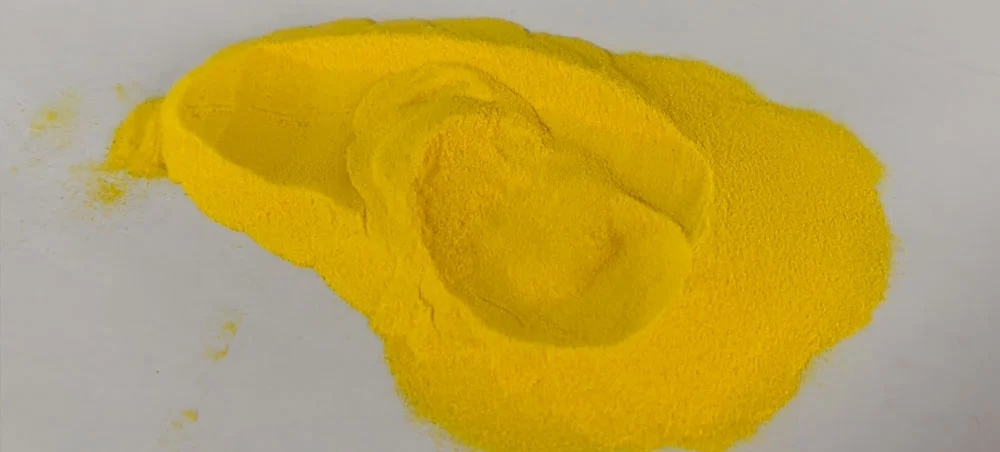
Comprehensive Benefits of Co Enzyme Q10 Powder for Longevity
Cardiovascular Support and Vascular Health
Clinical studies have consistently demonstrated the protective effects of Co Enzyme Q10 Powder on myocardial function, particularly in individuals experiencing statin-related myopathy or age-related vascular changes. The compound enhances myocardial energy production while mitigating oxidative stress on vascular endothelium. These evidence-backed benefits strengthen formulation narratives for nutraceutical companies developing cardiovascular wellness products. These benefits, backed by evidence from multiple randomised controlled trials, make marketing stories for nutraceutical companies that make heart health products more convincing. Purchasing managers should give more weight to suppliers whose particles are micronised (D90 < 10µm), which makes them easier to dissolve and absorb in softgel matrices.
Mitochondrial Biogenesis and Metabolic Efficiency
Lower levels of Co Enzyme Q10 Powder in tissues are directly linked to mitochondrial failure that comes with getting older, especially after age 40. Taking supplements can help restore the potential of the mitochondrial membrane and speed up biogenesis pathways controlled by PGC-1α transcription factors. This metabolic rejuvenation leads to better physical performance, faster healing, and cells that are stronger against metabolic stressors. Functional food businesses that want to reach busy older adults can use these benefits by adding Co Enzyme Q10 Powder to drinks, energy bars, or protein powders. Stabilising the compound against heat and UV light during processing is hard. This problem can be solved with microencapsulation technologies that protect the quinone ring and keep the label claim accurate for the whole shelf life.
Dermatological Anti-Aging Applications
Cosmetic makers love Co Enzyme Q10 Powder because it slows down the breakdown of collagen caused by UV light and boosts the activity of skin fibroblasts. When added to liposomal delivery systems or oil-in-water emulsions, the ingredient gets into the stratum corneum layers and works as an antioxidant at the cellular level. When lower-grade powders with oxidised impurities are mixed with white cream bases, they often turn yellow. This problem can be avoided with high-purity grades. If skin care brands want to market themselves as "clean beauty," they should only use Co Enzyme Q10 Powder that comes from fermentation and has been tested by a third party to make sure it doesn't contain any heavy metals, synthetic residues, or polycyclic aromatic hydrocarbons that are above the levels allowed by REACH and FDA cosmetic guidelines.
Neurological Health and Memory Maintenance
Emerging research suggests that Co Enzyme Q10 Powder supplementation may help protect neuronal function in age-related cognitive decline models. Because the substance can cross the blood-brain barrier, it can directly help neurons' mitochondria, which still need a lot of energy. Pharmaceutical companies working on cognitive health supplements or add-on therapies can use Co Enzyme Q10 Powder's well-known safety profile to their advantage. Side effects are still very rare, even at daily doses higher than 1,200 mg. Quality assurance teams have to make sure that suppliers follow GMP production standards and that Certificates of Analysis show that microbial limits, solvent leftovers, and isomer purity meet the requirements set by the pharmaceutical industry.
How to Choose the Right Co Enzyme Q10 Powder for Your Business Needs
Form Factor Considerations for Diverse Applications
Which version you choose—powder, beads, or micronized—depends on the method you want to use and how bioavailable the drug needs to be. Standard crystalline Co Enzyme Q10 Powder (40–80 mesh) works well for softgel packaging when mixed with lipid carriers like MCT oil or soybean oil. This makes it easier for the body to absorb the powder through micellar solubilisation. Fortifying drinks with cold-water-soluble beads makes it possible to deal with Co Enzyme Q10 Powder's natural hydrophobicity by spray-drying it with hydrocolloid matrices. Micronised grades with particles smaller than 10 micrometres have better dissolution rates, which means less fill weight is needed to reach appropriate plasma amounts. Before making more of something, formulation scientists should test how well it dissolves in a simulated stomach environment to make sure that the format they choose meets bioavailability goals.
Distinguishing Fermented Versus Synthetic Origins
The way the product is made has a big effect on both the regulatory stance and the biological action. Powders made from fermentation are very expensive, but they have the purest isomers and no petroleum leftovers. Chemical condensation processes used in synthetic methods may introduce cis-isomer contaminants that make electron transfer less efficient in mitochondrial complexes. Brands that make boasts about being "natural" or "bio-identical" must say where the fermentation happened. People who are in charge of buying things should ask for manufacturing flowcharts and specs for raw materials that confirm yeast or bacterial fermentation substrates instead of starting materials made from coal tar or petroleum parts.
Balancing Cost Efficiency With Quality Assurance
The price per kilogram changes a lot depending on the purity grade, how the particle size is changed, and the certifications of the supplier. While commodity-grade Co Enzyme Q10 Powder is available at lower price points, pharmaceutical-grade material accompanied by comprehensive stability data and regulatory support files represents a strategic investment. This investment shields against batch failures, rejections by regulators, and damage to the brand's reputation caused by using poor ingredients. Smart buyers work with companies that have clear supply chains that show where the fermentation substrate comes from and how it is separated from the final powder. These companies also provide third-party testing reports from reputable labs like SGS, Eurofins, or NSF that confirm the product's identity, purity, and lack of any impurities. Long-term purchase deals with less risk can be made even better by asking for retained samples and stability study data.
Optimizing Procurement of Co Enzyme Q10 Powder: Best Practices for B2B Buyers
Establishing Supplier Qualification Protocols
Facility audits are the first step in a strict evaluation of a vendor. They check for GMP compliance, clean room classifications, and quality management system certifications like ISO 9001 and FSSC 22000. Ask for site master files that show how to monitor the environment, calibrate equipment, and use change control systems to make sure that the quality of the products you make stays the same. Check the lab's analytical skills by looking at its accreditations and method validations for HPLC sample determination, ICP-MS heavy metal analysis, and microbial testing that follows USP guidelines. When compared to traders who get their materials through opaque broker networks, suppliers who show vertical integration—from fermentation to extraction and crystallization—usually offer more supply security and traceability.
Documentation Requirements for Regulatory Compliance
A Certificate of Analysis should be sent with every package of Co Enzyme Q10 Powder. This should list the test percentage, isomer profile, moisture content, bulk density, particle size distribution, and microbiological limits. For use in dietary supplements in the US, make sure the material is FDA GRAS-approved and has allergen statements, GMO status, and BSE/TSE compliance statements. Customers in Europe need proof of REACH registration and compliance with the Novel Food Regulations if they apply. For pharmaceutical-grade purchases, you need to include extra paperwork like master file references, stability data under ICH conditions, and elemental impurity analysis according to USP <232>/<233>. Keeping regulatory files in order speeds up the registration and inspection of products and shows that suppliers have been properly qualified.
OEM Customization and Value-Added Services
Leading makers offer more than just standard products. They also offer custom formulation development, microencapsulation services, and unique delivery methods that make their products stand out. Naturalin Biotech is a good example of this method because it lets you change the concentration, make water-soluble beads, and make mix recipes with bioactives that work well together, like vitamin E or PQQ. By using the supplier's R&D infrastructure instead of building their own, these kinds of relationships shorten the time it takes to get a product to market. When looking at OEM opportunities, you should check to see if the partner has a patent portfolio, pilot-scale facilities for testing formulations, and is willing to sign confidentiality agreements to protect your proprietary blend specifications.
Logistics Strategy and Inventory Management
Co Enzyme Q10 Powder is sensitive to light and has a low freezing point, so it needs to be handled carefully all the way through the supply chain. Make sure the goods are packed in polyethylene bags sealed with aluminium foil and flushed with nitrogen to stop oxidative breakdown during transport. Set up temperature-controlled shipping rules that keep the product from being exposed to temperatures above 25°C, which can cause crystalline phase changes that make high-speed packaging equipment less flexible. Naturalin Biotech offers DDP (Delivered Duty Paid) services to buyers in the US. These services combine ocean freight with domestic distribution, making customs clearance easier and lowering the cost of landing. Keeping a 90-120 day safety stock balances the costs of keeping inventory with the risks of supply chain breakdowns. It also lets you respond quickly to changes in market demand without affecting the quality of the product.
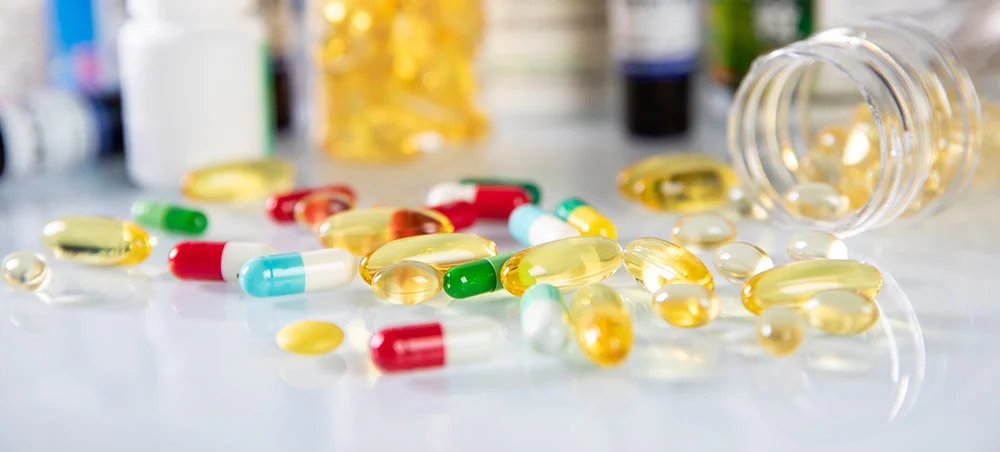
Future Trends and Market Insights for Co Enzyme Q10 Powder in Longevity Products
Technological Innovations Enhancing Bioavailability
Nanotechnology uses are the next big thing in improving how Co Enzyme Q10 Powder is delivered. When compared to regular powder solutions, solid lipid nanoparticles, nano-emulsions, and liposomal packaging systems are 3–5-fold more bioavailable in the plasma. These technologies fix the compound's inability to dissolve in water and keep it from breaking down in the stomach. When brands invest in their own delivery methods, they gain a competitive edge because their products work better at smaller doses, which lets them set higher prices. The rules for new delivery systems are still hard to understand, and in some places they need more safety information and maybe even Novel Food notifications. R&D teams should work together with providers like Naturalin Biotech, which has patents on advanced formulation methods and can help with regulatory issues.
Expanding Applications in Personalized Nutrition
Genetic testing services are finding more and more people whose SNPs affect their body's natural production of Co Enzyme Q10 Powder. This opens the door for specific supplementation programs. Personalised nutrition brands can use pharmacogenomic data to suggest individual dosage plans based on measurements for oxidative stress or mitochondrial haplotypes. With this precise method, Co Enzyme Q10 Powder goes from being a common supplement to a scientifically designed intervention. This allows for higher prices and builds customer trust by showing real health results. As the market moves toward personalisation, production relationships need to be able to produce different strengths and combination formulas with faster lead times and no minimum order number restrictions.
Regulatory Evolution and Quality Standardization
Harmonisation attempts between pharmacopoeial bodies are still improving Co Enzyme Q10 Powder standards, especially when it comes to analytical methods and limits on isomer purity. The 2020 update to the Chinese Pharmacopoeia brought it more in line with USP standards. This made it easier for countries to trade with each other and raised quality standards at the same time. After ICH Q3D is put into place, buyers can expect tighter limits on heavy metals and more scrutiny of chemical impurities in supplements. Suppliers who are proactive buy ICP-MS equipment and set up batch testing methods that go above and beyond what is currently required. This puts their customers ahead of the legal curve. Suppliers who join industry groups and programs that set standards show they care about quality leadership over just meeting the minimum requirements.
Conclusion
Co Enzyme Q10 Powder is a scientifically proven base for formulations that aim to make things last longer in the nutraceutical, cosmetic, and pharmaceutical industries. Its two functions—producing energy in the mitochondria and protecting cells from free radicals—affect basic ageing processes at the molecular level and are backed up by a lot of clinical study. For procurement workers and R&D scientists to be successful, they need to choose high-purity materials that come from fermentation from GMP-certified providers who offer complete paperwork, the ability to customise products, and dependable supply chains. As consumer awareness of cellular health grows, so does market demand. To stay competitive, companies will need to form strategic partnerships with others that can show they have the technical know-how and regulatory foresight to do well. This article gives B2B buyers the information they need to understand quality standards, make formulations work better, and take advantage of new opportunities in the growing longevity market.
FAQ
What purity level should I specify when sourcing CoQ10 for dietary supplements?
Target 98–101% assay purity confirmed by HPLC analysis, making sure the all-trans isomer structure matches what is found naturally in humans. Ask for Certificates of Analysis that show the product meets the requirements of USP or EP monographs, as well as third-party testing from recognised labs that proves the product does not contain any manmade isomer contaminants or heavy metals that are above the regulatory limits.
How does fermentation-derived CoQ10 differ from synthetic alternatives in practical applications?
Using yeast or bacteria to ferment foods makes 100% trans-isomer Co Enzyme Q10 Powder, which is biochemically identical to the substance made in human cells. Synthetic chemical routes may introduce cis-isomer impurities that are less bioactive and could raise long-term safety concerns. Fermented material backs up marketing claims that it is "natural" and meets the standards for pharmaceutical-grade materials used in all global markets.
What storage conditions prevent CoQ10 degradation during warehousing?
Keep the temperature of storage below 25°C in dark, oxygen-poor containers, preferably ones that have been flushed with nitrogen. Because the compound is photosensitive and easily oxidised, it needs to be kept in bags lined with aluminium foil and the humidity must be kept below 60% RH. Properly kept material stays effective for 24 to 36 months. On the other hand, light and heat speed up deterioration, which can be seen by falling assay values and changing colour.
Partner With Naturalin Biotech for Premium CoQ10 Ingredients
Naturalin Biotech sells Co Enzyme Q10 Powder that is of a medicinal grade. It is made in GMP-certified facilities and has been thoroughly tested by a third party. Our ubiquinone comes from fermentation and is 98–101% pure with full all-trans isomer profiles. It meets USP, EP, and JP standards for the toughest uses. We have been working with botanical extracts for more than 20 years and have 40+ patents, some of which are for advanced microencapsulation technologies. We can help you with the formulation of your product, whether you're making supplements for heart health, cosmetics that fight ageing, or functional drinks. Our supply chain benefits include large stockpiles that guarantee delivery times of 3–7 days, full DDP services to destinations in the US, and flexible MOQs that help both established brands and newcomers to the market. We are a Hunan Provincial Specialised Enterprise with ISO 9001, FSSC 22000, HALAL, and Kosher certifications. We can make a lot of things and do research and development quickly. You can email our technical team at market@naturalinbio.com to talk about your needs for a Co Enzyme Q10 Powder provider, ask for samples with full analytical paperwork, or look into OEM relationship opportunities that can speed up your product development cycles while keeping quality standards high.
References
1. Hernández-Camacho JD, Bernier M, López-Lluch G, Navas P. "Coenzyme Q10 Supplementation in Aging and Disease." Frontiers in Physiology, 2018, 9:44.
2. Mortensen SA, Rosenfeldt F, Kumar A, et al. "The Effect of Coenzyme Q10 on Morbidity and Mortality in Chronic Heart Failure: Results From Q-SYMBIO: A Randomized Double-Blind Trial." JACC: Heart Failure, 2014, 2(6):641-649.
3. Garrido-Maraver J, Cordero MD, Oropesa-Ávila M, et al. "Clinical Applications of Coenzyme Q10." Frontiers in Bioscience, 2014, 19:619-633.
4. Prahl S, Kueper T, Biernoth T, et al. "Aging Skin Is Functionally Anaerobic: Importance of Coenzyme Q10 for Anti-Aging Skin Care." BioFactors, 2008, 32(1-4):245-255.
5. United States Pharmacopeial Convention. "Ubidecarenone Monograph." USP 43-NF 38, 2020.
6. Bhagavan HN, Chopra RK. "Coenzyme Q10: Absorption, Tissue Uptake, Metabolism and Pharmacokinetics." Free Radical Research, 2006, 40(5):445-453.
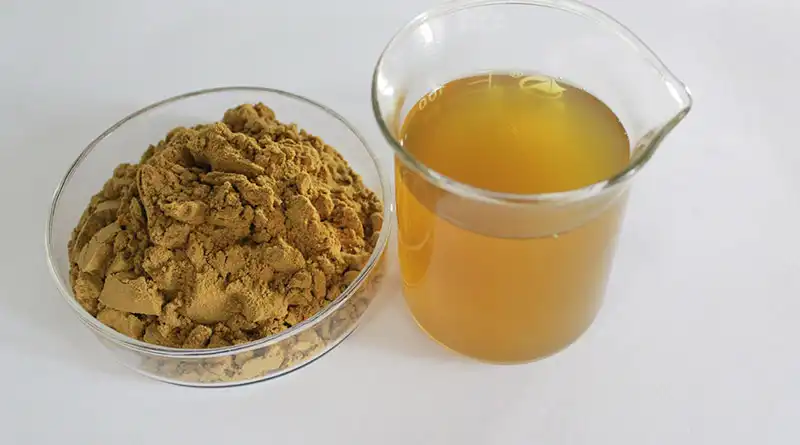
Ivy Leaf Extract Powder delivers validated respiratory support through standardized saponin content (typically 5-12% hederacoside C), making it a trusted ingredient for nutraceutical formulations targeting respiratory wellness and seasonal comfort.Derived from Hedera helix leaves through controlled extraction processes, this botanical powder offers consistent bioactivity backed by clinical research. For procurement teams sourcing ingredients for respiratory supplements, functional beverages, or topical formulations, understanding the quality parameters and application versatility of this extract ensures competitive product differentiation and regulatory compliance across diverse markets.
Introduction
The global wellness industry's respiratory health area keeps growing. Botanical extracts have a big part of the market because people like using plant-based options. Ivy Leaf Extract Powder from Hedera helix has become a well-known and scientifically proven herbal ingredient. It is listed in European pharmacopoeias and has been the subject of decades of clinical research. It has roots in traditional European plant medicine, but it is now extracted using modern methods, making it a great ingredient for business-to-business uses.
The people who work in procurement for the personal care, food and beverage, and nutraceutical businesses are under more and more pressure to find products that are safe, effective, and acceptable to regulators. The standardised active chemicals in Ivy Leaf Extract Powder meet these needs. These are mostly triterpenoid saponins and flavonoids, which have measurable benefits on opening up airways and reducing inflammation. In addition to being used in respiratory products, its antioxidant qualities have caught the attention of skin care formulators looking for natural ingredients to use in anti-aging and relaxing products.
This guide talks about the practical things that procurement managers need to think about when they are looking at botanical extracts. We look at methods for quality control, formulation strategies for specific uses, comparisons with other products, and factors for choosing a provider. Whether you're in charge of sourcing ingredients for a brand of dietary supplements, research and development for the creation of functional beverages, or managing supply chains for contract manufacturing operations, knowing these factors helps you make strategic decisions that match product development goals with market opportunities and legal requirements.
What Is Ivy Leaf Extract Powder and Its Core Benefits?
Botanical Origin and Active Compounds
Hedera helix, which is also called English ivy or European ivy, is a plant in the Araliaceae family that grows in large numbers in cold areas. Traditional herbalists have used the leaves' bioactive ingredients to treat respiratory problems for hundreds of years. Modern methods of separation concentrate these chemicals into standard Ivy Leaf Extract Powder forms that can be used for large-scale production.
The therapeutic profile is based on two main types of compounds. Triterpenoid saponins, especially hederacoside C and alpha-hederin, have mucolytic properties that make it easier to cough up mucus and make bronchial secretions less thick. These saponins also act like surfactants, which helps relax the smooth muscles in the bronchi. In addition to helping the lungs, flavonoids like kaempferol and rutin also help fight free radicals and inflammation. High-Performance Liquid Chromatography (HPLC) analysis confirms that the amount of saponin in the product should be between 5% and 12% according to quality standards. This makes sure that there is consistency from batch to batch, which is important for regulatory filings and consumer safety.
Evidence-Based Respiratory Support
Clinical studies have demonstrated the beneficial effects of ivy leaf extract on respiratory function, with research indicating improvements in cough frequency, mucus clearance, and overall respiratory comfort compared to placebo groups. The extract supports respiratory function through pathways that promote airway comfort, offering a botanical alternative with a well-documented safety profile. Because of its pharmacological nature, it works especially well in formulas for kids and older people, where safety is very important.
The European Medicines Agency has recognized ivy leaf preparations for traditional use in supporting respiratory health, providing a regulatory foundation for formulation scientists developing products in this category. In markets where herbal medicines follow set approval paths, this regulation acknowledgement gives formulation scientists a solid base for backing up product claims. There have been few reports of side effects, mostly mild digestive issues. This suggests that it should be included in over-the-counter medicines and dietary supplements that aim to improve respiratory health.
Beyond Respiratory Applications
Ivy Leaf Extract Powder is useful for more than just lung health because it contains a wide range of compounds. Oxygen Radical Absorbance Capacity (ORAC) and DPPH (2,2-diphenyl-1-picrylhydrazyl) tests show that the antioxidant capacity of the sample suggests that it could be used in cosmetics. Because the extract can neutralise free radicals and stop inflammatory molecules, it is used to make anti-aging serums and relaxing skin care products. Pet food manufacturers are also exploring the extract's functional properties as a natural ingredient for animal wellness formulations.
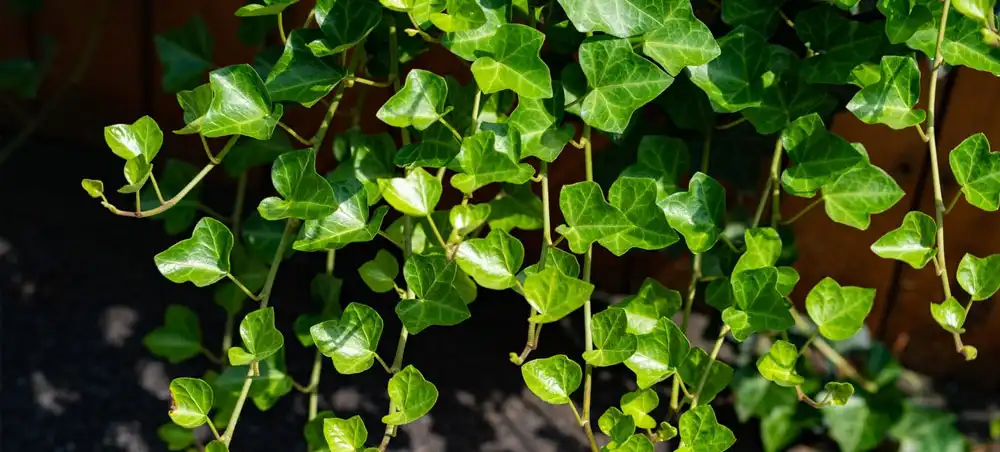
How to Use Ivy Leaf Extract Powder Effectively in B2B Products
Dosage Guidelines and Formulation Considerations
Clinical research provides dosing frameworks that inform product development. Adult formulations typically utilize standardized extract quantities aligned with clinical study parameters, while products intended for children require proportionally adjusted concentrations with careful attention to taste-masking due to the extract's inherent bitterness, and the taste needs to be carefully considered because the extract is naturally bitter and needs to be flavoured.
When the bulk density is between 0.45-0.60 g/ml, the powder form is greatly beneficial for making capsules and tablets because it can be easily compressed and poured. When used in beverages, solubility is the most important factor. Although native Ivy Leaf Extract Powder doesn't dissolve well in water, manufacturers can ask for spray-dried or microencapsulated versions that do dissolve easily in water. A particle size distribution goal of 95% through 80 mesh provides a smooth smoothness in ready-to-drink mixes and stops problems with settling during storage. During stability studies, compatibility testing with other botanical extracts, vitamins, and excipients showed that the extract stays effective under normal storage conditions.
Quality Assurance Protocols for Procurement
In addition to a basic study of the Certificate of Analysis (CoA), procurement teams must set up strict processes for checking. Active marker quantification using HPLC is the main quality check that makes sure the saponin content meets the requirements. Comprehensive quality review, on the other hand, includes screening for contaminants in a number of different groups.
ICP-MS tests for heavy metals should show that Lead (<2.0 ppm), Arsenic (<1.0 ppm), Mercury (<0.1 ppm), and Cadmium (<1.0 ppm) levels are below the standards set by the FDA for dietary supplements and the European Pharmacopoeia. Gas Chromatography-Mass Spectrometry (GC-MS) and Liquid Chromatography-Mass Spectrometry (LC-MS) are very important for analysing pesticide residues because ivy grows in a lot of different places where it is exposed to different levels of farming chemicals. Microbiological testing according to USP <61> and <62> guidelines confirms that the Total Aerobic Microbial Count is less than 10,000 cfu/g, the Yeast and Mould Counts are less than 1,000 cfu/g, and there are no pathogens like Salmonella and E. coli. Getting third-party approval from labs like SGS, Eurofins, or NSF boosts credibility and lowers supply chain risk.
Regulatory Compliance Across Markets
To find your way around the regulatory world, you need to know what the rules are in each state. According to US law, Ivy Leaf Extract Powder is a dietary supplement. Depending on its marketing background, it may be given the Generally Recognised as Safe (GRAS) title or the New Dietary Ingredient (NDI) designation. European markets are governed by either the Traditional Herbal Medicinal Products Directive or the Food Supplements Directive, which mean that different types of paperwork are needed. The Natural Health Products Regulations in Canada and the Therapeutic Goods Administration in Australia have different rules about what a pamphlet should say and what good manufacturing practice should be used. Professionals in procurement should check that the sites of suppliers have the right certifications, such as GMP compliance, ISO 9001, FSSC 22000, and organic certifications (USDA NOP, EU Organic), so that they can support government filings and customer audits further down the line.
Comparison Insights: Ivy Leaf Extract Powder vs Other Alternatives
Powder Versus Liquid Extract Forms
Botanical extracts are sold in a number of different forms, each of which has its own handling and formulation characteristics. Ivy Leaf Extract Powder has practical benefits, such as lower shipping costs because it is lighter, longer shelf life without needing to be refrigerated, and easier inventory management. On the other hand, liquid extracts are better for solubility right away in drinks and tinctures, but they come with problems like higher alcohol levels, problems with standardisation over time, and shipping limits.
Regarding the cost of purchase, powder forms usually have better cost-per-dose economics when the concentration difference is taken into account. A 10:1 Ivy Leaf Extract Powder, which means that 10 kg of raw leaf makes 1 kg of extract, has a much higher active chemical density than liquid versions that may only use 1:2 or 1:5 extraction ratios. When it comes to keeping, powder is better because it stays effective for 24 to 36 months at room temperature. Liquid extracts, on the other hand, may need to be kept cool and lose their thermolabile chemicals more quickly.
Ivy Leaf Versus Alternative Respiratory Botanicals
When purchasing teams look at lung health ingredients, they come across a number of plant choices, each with its own pharmacological profile and place in the market. Eucalyptus leaf extract that has been standardised for its essential oil content (mainly 1,8-cineole) has strong aromatic properties and quick mucolytic effects, but it may irritate the lungs of sensitive people. The thyme extract, which is high in thymol and carvacrol, kills germs and helps with breathing, which can work well together in combination formulas.
The unique bronchodilatory process in Ivy Leaf Extract Powder is mediated by saponins, which makes it different from eucalyptus, which has a more stimulating profile. Ivy Leaf Extract Powder has a lot of information about how safe its products are for kids, which gives it an edge in formulas for kids whose parents want safe, clinically proven ingredients. Regulatory status also helps Ivy Leaf Extract Powder in European markets, where product approvals are easier because of proof of traditional use and good assessment reports from regulatory officials. Based on a price analysis, Ivy Leaf Extract Powder is usually between eucalyptus and thyme in terms of how much it costs per kilogram. The final product's economics depend on how much is needed and how it is to be standardised.
Organic Versus Conventional Sourcing
The choice about organic approval has big effects on how products are positioned and how much they cost. Organic Ivy Leaf Extract Powder commands a significant price premium over conventional grades, reflecting the additional certification and traceability requirements throughout the supply chain., but it opens up new markets where clean labels and organic approval are important for buying choices. For products to be certified organic, they must be free of manmade chemicals, not contain GMOs, and be handled according to strict organic standards all the way through the supply chain.
When providers use the right farming and production methods, the quality factors for organic and conventional sources should be the same. The levels of heavy metals, microbes, and active saponin depend more on how the plant was extracted and the environment than on its organic status. But organic approval gives you more peace of mind about chemical residues, which is important because ivy is an attractive plant and regular farming may use fungicides and herbicides. When making purchasing decisions, companies should think about how willing their target market is to pay higher prices and how competitive organic certification makes supplement areas that are already full.
Procurement Guide: How to Source High-Quality Ivy Leaf Extract Powder
Supplier Evaluation Framework
To find trustworthy extract makers, you need to do a thorough evaluation of their success across a number of different areas. Manufacturing capacity is the most important thing to think about—suppliers should be able to show that they can produce enough each year to meet your expected demand plus a growth buffer. Site visits or full video tours of the facility reveal important operational details, such as processing areas that are only used for that purpose, environmental controls, and high-tech equipment. Look for chromatography tools and the ability to spray dry, which makes powder with better properties than simple oven drying. Spray drying also shows that you've put money into quality assurance infrastructure.
Track records of suppliers should be carefully looked into by checking with current customers who work in similar application spaces. Years of experience in the botanical extract industry, stable key technical staff, and a history of regulatory inspections that didn't find any major problems are all signs of operational maturity. Financial stability, which can be seen in credit reports or financial records for bigger sellers, keeps supplies from being interrupted when a business goes out of business. Traceability standards are being pushed by stores and regulatory bodies, and they want more information about where the raw materials come from, including information about growth areas and collection methods.
Documentation and Certification Verification
Each batch delivery should come with full paperwork packages that back up claims of quality and show compliance with regulations. The Certificate of Analysis needs to list the tests that were done (HPLC for saponins, ICP-MS for heavy metals, and GC-MS for pesticides) and give real numbers instead of just "pass" or "fail" labels. Physical properties that affect manufacturing processes should be listed in specification sheets. These should include particle size distribution, bulk density, moisture content, and solubility characteristics.
Professional sellers of Ivy Leaf Extract Powder can be told apart from small businesses by their certification files. GMP approval for herbal drugs or dietary supplements shows that they follow the quality standards required in controlled industries. To get organic certification from a recognised body like the USDA, EU, or Canada Organic, farming methods and handling procedures must be checked every year. Kosher and Halal licenses make it easier for businesses that serve morally strict customers to get into new markets. The ISO 9001 quality management and FSSC 22000 food safety certifications show that there are organised ways to keep getting better and reducing risks. Instead of depending only on what a website says, ask to see pictures of current certificates and check their validity directly with the organisations that issued them when important contracts are at stake. Strategic Purchasing Approaches
When you make a volume promise, you can get better price structures, but you have to think about the supply chain. Annual buy deals with delivery plans every three months keep inventory costs in check while increasing prices per unit. Knowing the supplier's production schedule can help you place the best order at the best time. For example, many companies that make plant extracts run campaigns where certain extracts are only made in certain months, when prices are lowest.
When comparing prices, it's important to keep specification equality in mind, since a cheaper 5% saponin extract might not be as useful as a normal 10% product. Figure out the cost-per-dose based on how well the active ingredient is delivered instead of the price per kilogram of the raw material. Working capital needs are affected by payment terms. For example, many Asian suppliers need letters of credit or upfront payments. On the other hand, well-known North American and European suppliers may offer net-30 or net-60 terms. Having ties with several approved sources gives you more sourcing options and negotiating power. It also protects you from the risks of being dependent on a single source, which can throw off your production schedules.
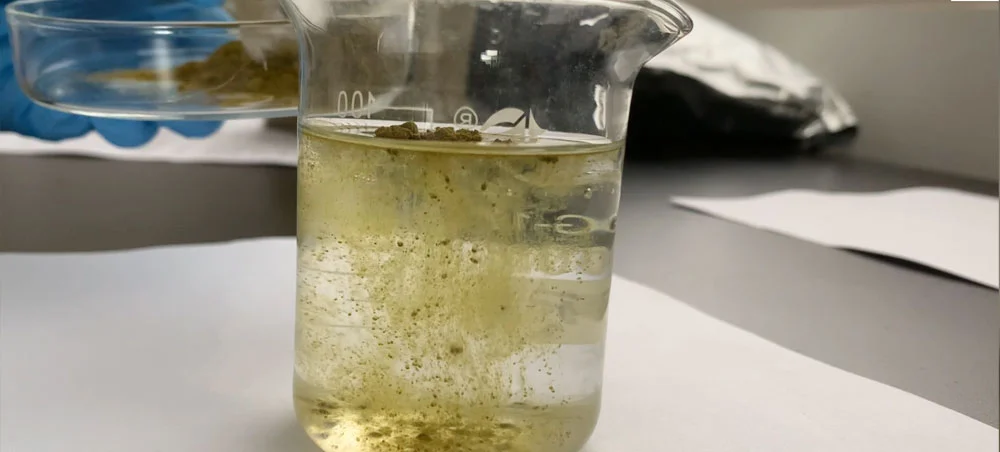
Maximizing the Benefits of Ivy Leaf Extract Powder in Product Development
Respiratory Health Supplement Formulations
An important use for Ivy Leaf Extract Powder is in respiratory health products that deal with seasonal problems and environmental irritants. Capsule products with only one ingredient are easy to use and give standard extract amounts that are in line with clinical study methods. In more advanced formulas, Ivy Leaf Extract Powder is mixed with other plants that work well together, like elderberry to help the immune system, N-acetylcysteine to help break down mucus, or vitamin C to boost antioxidants. These combined methods appeal to people who want all-around respiratory support and help products stand out in supplement areas that are already very crowded.
When working with Ivy Leaf Extract Powder for ready-to-drink and powder mix drinks, functional beverage makers have to deal with special formulation difficulties. Because the extract is naturally bitter, it needs to be carefully disguised with honey, natural fruit flavours, or flavouring systems that keep the label clean. Solubility enhancement methods, such as spray drying with carrier matrices or microencapsulation technologies, make sure that the extract stays mixed in the product for as long as it lasts without forming crystals. For clear drinks, very strict requirements for low turbidity and colour intensity are needed. This could mean extra processing steps that suppliers should talk about during technical discussions.
Skincare and Cosmetic Applications
Plant products that have been shown to have anti-inflammatory and antioxidant qualities are becoming more popular in the cosmetic ingredient market. Because it has polyphenols, Ivy Leaf Extract Powder can be used in anti-aging serums, soothing creams, and hair treatments. The extract blocks the action of collagenase and elastase enzymes, which break down the extracellular matrix. This supports claims that it can help keep skin firm and flexible.
When making cosmetics, you have to pay close attention to how the colour and smell might affect the final look of the product. When making light-colored creams and lotions, the specifications should include readings of colour strength (measured spectrophotometrically) and ask for grades that have been decolored. Water-soluble versions work better with serums and toners that are made of water, while oil-soluble versions made by encapsulation or esterification work better with oil-based mixtures. Preservation systems need to take into account the organic content of the extract and any possible microbial nutrients. They also need to be tested to make sure they work well throughout the product's shelf life.
Emerging Trends and Market Opportunities
As consumers become more environmentally aware, brands are making purchasing choices that take sustainability into account more and more. Suppliers who show responsible harvesting, use of green energy in production, and minimising trash in the stream can set themselves apart from competitors. Organic certification is one sign of sustainability, but complete environmental programs do more than just meet organic standards. They also include efforts to reduce carbon emissions, save water, and protect biodiversity.
Formulation methods for food, drinks, and supplements are still being changed by the "clean label" movement. Ivy Leaf Extract Powder fits in with this trend because it is a well-known plant ingredient that has been used for a long time and has been shown to be effective in clinical studies. Product marketing can use the fact that the product is approved by European regulators and has a lot of safety information to reassure customers. Being clear about the extraction solvents—water-ethanol extraction is better than chemical solvents—supports the clean label stance and meets customer demands for naturally barely processed ingredients.
Conclusion
For strategic buying of Ivy Leaf Extract Powder, procurement operations that serve a variety of business-to-business (B2B) sectors need to find a balance between quality control, legal compliance, and cost management. The respiratory benefits of the extract have been proven by clinical research and regulatory approval. This makes it a good base for developing new products in the nutraceutical, functional food, and personal care industries. When procurement professionals use thorough supplier evaluation protocols, understand standardisation parameters, and know what formulation requirements are needed for each application, their companies will have a competitive edge in markets that care more and more about effectiveness, transparency, and sustainability. Because it combines traditional knowledge about plants with current extraction science and quality control methods, Ivy Leaf Extract Powder is a great ingredient for product development teams that want to target the natural ingredient and respiratory health markets.
FAQ
What standardization level should be specified for respiratory supplement applications?
Extracts standardized to 5-12% saponins (measured as hederacoside C) are typically specified for respiratory wellness formulations, as this range aligns with clinical research parameters and established safety profiles,that have been set over many years of use. Instead of vague claims about "standardised extracts," procurement specifications should ask for HPLC verification with actual numbers. This will ensure batch consistency, which is important for regulatory filings and consumer safety expectations.
How can quality assurance teams make sure that something is real and stop it from being tampered with?
Comprehensive authentication uses more than one method of analysis. When you use HPLC fingerprinting to compare chromatographic patterns to reference standards, you can find plants that have been substituted for more expensive ones. Under a microscope, the leaf cells of Hedera helix show unique patterns that are only found in that plant. DNA barcoding is the only way to be sure of a species' identity for important contracts. Asking for testing by a third party through an independent lab adds an extra layer of security that protects against complex schemes of adulteration that are becoming more common in plant supply chains.
What shelf life can be expected under standard warehouse conditions?
When Ivy Leaf Extract Powder is made correctly, the active ingredients stay stable for 24 to 36 months when kept below 25°C in packing that doesn't let wetness in and the humidity is kept below 60%. According to ICH standards, accelerated stability tests can predict how things will break down. During this time, the saponin content usually drops by less than 5%. Instead of the manufacture date, procurement contracts should include a promised minimum potency at expiration. This way, buyers further down the line will always get ingredients that meet the label claims, no matter how long the finished product is on the shelf.
Partner With Naturalin Biotech for Premium Ivy Leaf Extract Powder Supply
Naturalin Biotech has pharmaceutical-grade Ivy Leaf Extract Powder, along with a lot of quality documentation and knowledge of how to follow regulations, to meet your needs for botanical ingredients and respiratory health. As a top supplier that has been specialising in standardised plant extracts for over 15 years, we have GMP-certified factories that make batches that are always the same and meet HPLC verification standards, as well as microbiological requirements that are in line with international pharmacopoeias. Our technical team offers customised formulation support, ranging from improving solubility for use in beverages to figuring out the best particle size for making capsules. This makes sure that our services fit perfectly into your product development process.
We know that people who work in sourcing need partners they can trust to do more than just give ingredients. Our FSSC 22000 food safety management, organic, and Kosher/Halal certifications help you reach more customers in more markets. Our full DDP delivery service to the US makes operations easier and speeds up time-to-market. Every batch is checked by Naturalin's dedicated quality control laboratory, which has HPLC, ICP-MS, and GC-MS instruments. SGS and Eurofins third-party validations add extra security. Contact our purchasing agents at market@naturalinbio.com to ask for technical details, examples to test, and pricing models for large orders that are customised to your yearly needs and application goals.
References
1. Hofmann D, Hecker M, Völp A. "Efficacy of dry extract of ivy leaves in children with bronchial asthma – a review of randomized controlled trials." Phytomedicine 10(2-3):213-220, 2003.
2. Schaefer A, Ludwig F, Giannetti BM, et al. "Efficacy of two dosing schemes of a liquid containing ivy leaves dry extract EA 575 versus placebo in the treatment of acute bronchitis in adults." European Journal of Medical Research 21:32, 2016.
3. European Medicines Agency. "Assessment report on Hedera helix L., folium." EMA/HMPC/325715/2017, Committee on Herbal Medicinal Products, 2017.
4. Cwientzek U, Ottillinger B, Arenberger P. "Acute bronchitis therapy with ivy leaves extracts in a two-arm study: A double-blind, randomised study versus another ivy leaves extract." Phytomedicine 18(13):1105-1109, 2011.
5. Fazio S, Pouso J, Dolinsky D, et al. "Tolerance, safety and efficacy of Hedera helix extract in inflammatory bronchial diseases under clinical practice conditions: A prospective, open, multicentre postmarketing study in 9657 patients." Phytomedicine 16(1):17-24, 2009.
6. Sieben A, Prenner L, Sorkalla T, et al. "α-Hederin, but not hederacoside C and hederagenin from Hedera helix, affects the binding behavior, dynamics, and regulation of beta 2-adrenergic receptors." Biochemistry 48(15):3477-3482, 2009.
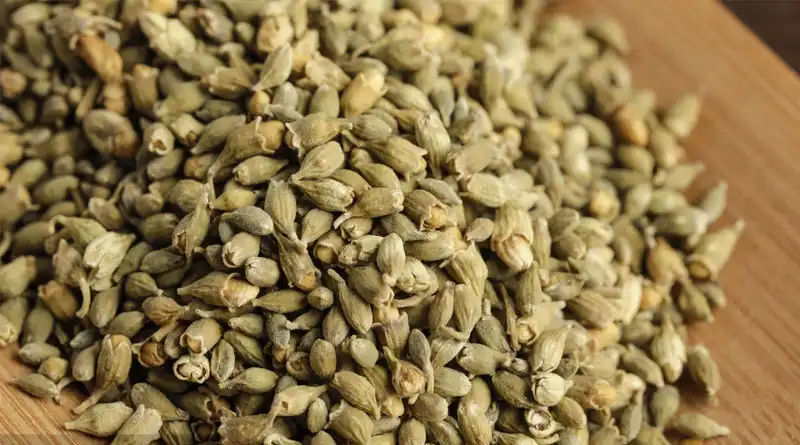
Sophora Japonica Extract Powder is a premium botanical ingredient derived from the dried flower buds of the Japanese Pagoda Tree, serving as a critical raw material in nutraceutical and pharmaceutical manufacturing. Standardized primarily for its bioflavonoid content—particularly Rutin and Quercetin—this extract addresses key procurement pain points including therapeutic compound standardization, pesticide residue elimination, and batch-to-batch consistency. Our guide provides B2B procurement professionals with essential insights into botanical origins, quality specifications, comparative advantages, and sourcing strategies that enable informed purchasing decisions and optimized product formulations.
Understanding Sophora Japonica Extract Powder
Botanical Source and Extraction Methodology
The extract comes from Flos Sophorae Immaturus, which is picked from Sophora japonica trees that are grown in cold areas. Our methods for extracting Rutin use modern solvent-based methods, followed by stages of crystallisation and separation. This produces standardised powders with Rutin concentrations usually between 95% and 98%, which can be checked by HPLC analysis.
Industrial-grade extracts come in a number of different specs to meet the needs of different formulations. The way the material is extracted has a direct effect on the particle size distribution, solubility patterns, and bioavailability traits. Normal mesh sizes can go through 80-100 mesh screens without any problems, which makes sure that everything is spread out evenly during the making process. The amount of moisture is strictly controlled below 5% to keep things stable while they are being stored and shipped.
Phytochemical Profile and Active Compounds
The healing power of Sophora Japonica Extract Powder comes from the high concentration of flavonoids in it. The main active ingredient is rutin, which is chemically known as Quercetin-3-rutinoside and has the formula C27H30O16. The ORAC, DPPH, and ABTS tests show that this compound is a very good antioxidant that regularly works better than many other plant antioxidants.
Besides Rutin, the extract also has flavonoids that work well with it, such as derivatives of Quercetin, Kaempferol, and Isorhamnetin. These phytochemicals work together to improve bioactivity, especially when used to protect blood vessels. Because these compounds don't break down at temperatures up to 125°C, they are very useful for manufacturers who need heat-stable ingredients during processing.
Health Benefits and Functional Applications
Clinical studies support many therapeutic uses that are important for product creation in many fields. As a primary application, the extract supports vascular health by promoting capillary integrity and maintaining normal venous function. It serves as a key active ingredient in formulations developed for circulatory wellness.
The extract's ability to modulate matrix metalloproteinase-1 (MMP-1) activity is utilized in dermatological applications to help preserve collagen structures from photo-induced damage. This process puts it in a good situation for use in anti-aging cosmetics aimed at people who live in cities and are exposed to UV rays and pollution. The chemical naturally absorbs UV rays, which work well with manufactured sunscreens in high-tech skin care products.
Manufacturers of functional foods and drinks like the extract because it stays stable at high temperatures during pasteurisation and UHT processing. When added to drinks or supplements for heart health, it keeps its bioactivity during production and helps the circulatory system when it gets to the user. This processing resistance solves formulation problems that come up with plant ingredients that aren't as stable.

Comparing Sophora Japonica Extract Powder with Other Herbal Extracts
Positioning Against Established Botanical Ingredients
Taking a look at Sophora Japonica Extract Powder alongside other herbal extracts.
When compared to Ginkgo Biloba and Green Tea Extract, Sophora Japonica Extract Powder demonstrates distinct advantages in certain application scenarios. While green tea catechins offer broad wellness benefits, Sophora Japonica Extract Powder—rich in Rutin—provides more targeted support for capillary integrity and circulatory function.Formulators who are making circulatory health goods that need to make different kinds of claims about their effectiveness like this detail.
Ginkgo Biloba mostly improves brain function by increasing blood flow to the brain. Sophora Japonica Extract Powder, on the other hand, improves the health of the arteries and veins around the body by lowering swelling and inflammation. The cost-effectiveness ratio often favours Sophora Japonica Extract Powder in products where supporting the cardiovascular system is the main therapeutic goal rather than improving brain function.
Quality Implications in Pure Versus Mixed Formulations
Sophora Japonica Extract Powder with high Rutin amounts works consistently and in a way that depends on dose, which is important for pharmaceutical-grade goods. Herbal mixtures that contain Sophora Japonica Extract Powder and other plants that work well together can have synergistic effects, but they need to be carefully checked for quality to make sure that compounds don't combine in ways that make the mixture less stable or less bioavailable.
Teams in charge of buying things need to check to see if the supplier's requirements promise that each part of mixed formulas is standardised. High-quality suppliers give full certificates of analysis that list the concentration of each ingredient. This makes sure that the formulation is the same from one production batch to the next. This openness sets trustworthy makers apart from generic sellers who offer mixtures that aren't standardised.
Certification Standards Defining Premium Quality
Following pharmacopoeia standards, such as USP, EP, and ChP outlines, is the first step in setting your products apart in terms of quality. Heavy metal levels in premium extracts are below strict limits, with arsenic levels below 1 ppm and lead levels below 3 ppm. This has been confirmed by independent testing by SGS, Eurofins, or NSF laboratories. These approvals give markets with strict trade rules regulatory peace of mind.
Organic approval comes with a higher price tag, but it gets rid of worries about pesticide residues that are important for clean-label product placement. GMP manufacturing compliance makes sure that the process is validated and that contamination is controlled at all times during production. ISO 9001 certification means that quality management is done in a planned way, and FSSC 22000 certification deals with food safety issues that are important for nutritional uses. Buyers should give priority to providers who have multiple certifications at the same time, which shows a commitment to quality across the board.
Practical Applications and Usage Guidelines
Integration into Supplement and Pharmaceutical Formulations
Dosage suggestions change based on the desired treatment results and the method of release. Pharmaceutical applications for vascular wellness typically utilize standardized extract (95% rutin) within established dosage ranges. Nutraceutical formulations for circulatory support generally incorporate proportionally adjusted amounts based on the specific product profile.
When making immediate-release goods, formulators have to take into account that the extract doesn't mix well with water. It doesn't dissolve very well in neutral pH water, but it dissolves much better in alkaline settings or polar chemical solvents. Advanced manufacturers' microencapsulation technologies can make it easier for water to mix with ingredients, which means they can be used in more functional drinks and ready-to-mix supplements.
Delivery Format Considerations
Formulations in capsules make transportation easy and have good stability ratings. The extract is a fine powder that works well in automatic packaging equipment, which makes it possible to make a lot of them quickly. When making tablets, you need to be very careful about which excipients you use so that the tablets can be compressed well without falling apart too quickly.
When the extract is used topically in cosmetics, its sensitivity to light needs to be taken into account. UV-protective wrapping should be used for formulations, and antioxidants may be added to help stop photo-degradation while the product is being used by the customer. When it comes to dermatological products, oil-based serums and emulsion systems tend to be more stable than pure water-based formulations.
Safety Protocols and Quality Assurance
Even though it is usually thought to be safe when used correctly, procurement teams should make sure that providers give them full safety paperwork. Some things that make it not a good idea are known intolerance to flavonoids and possible reactions with blood thinners because rutin changes how permeable blood vessels are. To make sure end users are safe, product labels should include these things.
Quality assurance goes beyond just qualifying the seller at the beginning; it also includes checking each batch on a regular basis. A strong quality structure is made by setting standards for identification testing using TLC or HPLC fingerprinting, potency confirmation using marker chemical measurement, and purity confirmation using heavy metal and microbial testing. Retention sample programs let you look into the past if you have worries about the quality of the product after it has been distributed.
Procurement and Sourcing Guide for B2B Clients
Global Sourcing Landscape and Wholesale Options
China is still the biggest supplier of Sophora Japonica Extract Powder because it has a lot of raw materials and a well-established system for extracting them. Many specialised producers are located in Hunan Province, which gives it a competitive edge in terms of production capability and technical know-how. When procurement teams work with suppliers whose operations are vertically integrated, from organic farming to extraction and finishing, the supply chain is clearer and quality control is better.
Digital B2B platforms have made it easier to source goods from other countries, but working directly with manufacturers often gives you more customisation choices and better technology support. Going to trade shows in your industry, like SupplySide West or Vitafoods Europe, makes it easier to evaluate suppliers in person. This lets you see their technical skills and quality systems in a way that goes beyond digital communications.
Supplier Evaluation Criteria
In addition to certificates, you should also look at how big and consistent their production is. A production capacity of more than 1000 tonnes of different plant products per year shows that the business has matured and invested in its infrastructure. Ask about batch size consistency—can the provider consistently make the volume you need with the same specs in multiple production runs?
The ability to provide technical support sets strategic partners apart from commodity suppliers. Suppliers who offer customised research and development services, help with recipe optimisation, and quick sample development show that they care about their clients' success in more ways than just a business connection. Response time to technical questions and a willingness to do feasibility studies for new applications are signs of a possible partnership.
Pricing Trends and How to Cut Costs
The pricing of 95% Rutin extract varies based on order volume, certification requirements, and packaging specifications. Premium organic-certified extracts command a higher price point than conventional grades, and higher purity levels (such as 98%) are available at corresponding premium tiers. Minimum order quantities typically start at 25 kg, with flexibility increasing as the supply relationship develops.
A big part of the cost of buying things internationally is the logistics. When suppliers offer DDP (Delivered Duty Paid) services, they take care of customs issues and make prices clear. Shipping prices per unit go down a lot when you buy more than one container, but you need more working capital. Setting up regular ordering patterns helps suppliers plan their production better, which could lead to volume discounts and better resource allocation during shortages of raw materials.

Building Trust: Why Choose Our Sophora Japonica Extract Powder
Comprehensive Quality Control Systems
At Naturalin Biotech, we have strict rules about quality that start with choosing raw materials from approved organic farms. Our modern analytical lab has HPLC, UV-Vis, TLC, and AAS instruments that let us do full phytochemical analysis and contaminant screens. Active compound concentration, moisture content, ash content, heavy metals, pesticide residues, and microbial contamination are all checked in every production batch.
Working with NSF, SGS, and Eurofins labs to do third-party validation gives clients trust because it is an independent check. We keep detailed records that are in line with GMP and ISO 9001 standards. This way, we can track everything from the botanical source to the final packaging. For pharmaceutical and nutritional uses where following the rules is a must, this methodical approach provides the uniformity that is needed.
Industry Recognition and Client Testimonials
Because we've been specialising in botanical extracts for 20 years, we have built relationships with top supplement makers and OEM clients in North America, Europe, and the Asia-Pacific region. The fact that we are a Provincial Specialised and New Enterprise and a Hunan Famous Brand shows that our technical skills and market reputation are strong. As one of the founding members of the Hunan Plant Extracts Association, we help set higher standards for quality across the whole sector by developing industry standards.
Our quick technical support, reliable supply consistency, and ability to adapt to unique formulation needs are all things that our clients regularly tell us they like about us. Multinational nutrition brands depend on our ability to increase production while still meeting their standards. This lets them grow their markets without affecting the supply chain. These partnerships are a sign of the trust we've built by always doing a good job.
Customization Capabilities and Flexible Manufacturing
We know that normal goods don't always solve all formulation problems. Our skilled research and development (R&D) team works with clients to find the best extract specifications. This could mean changing the amount of Rutin in the extract, the way particles are distributed, or making versions that are easier to dissolve using microencapsulation technology. Our more than 40 product patents show that we can come up with new ideas that meet clients' wants.
Private label manufacturing services include custom package layouts, customised certificates of analysis, and help with legal paperwork that is specific to the markets where the products will be sold. Our manufacturing capabilities are adaptable to a wide range of business models and growth paths, whether you need small batches of custom formulations to test the market or large-scale production of well-known products.
Conclusion
Sophora Japonica Extract Powder is a plant ingredient that has been scientifically proven to work in the medicinal, nutraceutical, and cosmetics industries. Its standardised Rutin content gives reliable benefits for the heart, skin, and inflammation that set formulations apart in competitive markets. To do good buying, you need to look at more than just price when judging providers. You should look at their analytical skills, certification portfolios, customisation options, and supply chain stability. Procurement professionals can make sure they always have this flexible ingredient by working with well-known companies that offer full quality control and technical support. This way, they can lower the legal and formulation risks that could hurt the success of the product and the brand's image.
FAQ
What is the recommended dosage for supplement formulations?
Dosage levels for vascular wellness formulations vary based on the product's intended application, target population, and existing ingredient matrix. Formulators should determine appropriate serving sizes through stability testing and regulatory review. Consulting regulatory experts ensures compliance with regional guidelines regarding structure-function claims and permitted usage levels.
Are there potential long-term side effects?
Clinical studies show that the drug is safe to use for a long time as long as it is taken in the suggested dose amounts. Because Rutin influences vascular permeability, there are theoretical considerations regarding its concurrent use with certain medications that affect circulatory function. Individuals using such products should exercise appropriate caution. It helps regulatory filings and risk assessment processes when you ask providers for full toxicology data.
How can I verify supplier authenticity and product quality?
Please ask for full certificates of analysis that include heavy metal test results, microbe screening data, and HPLC chromatograms that show the concentration of rutin. Legitimate providers are happy to provide third-party laboratory confirmation from well-known testing groups. Auditing suppliers, either virtually or in person, shows how well the manufacturing system works and how mature it is. Before making large purchases, sending samples to independent labs for testing adds another layer of security and sets standards for ongoing quality monitoring.
Partner with Naturalin Biotech for Premium Sophora Japonica Extract Powder
Naturalin Biotech has been a leader in the plant extract business for more than twenty years and makes pharmaceutical-grade Sophora Japonica Extract Powder that meets the strict needs of the global supplement and drug markets. Our GMP-certified factory in Hunan Province uses cutting-edge extraction technology and strict quality control to make sure that every batch meets your exact requirements for safety, purity, and Rutin content. We keep a lot of stock on hand so that orders can be filled quickly. Lead times are usually between 3 and 7 business days, and our full-range DDP delivery service makes operations easier for US-based buying teams.
Our skilled research and development team is here to help you every step of the way with product development, whether you need a standard extract for already-made formulas or a custom solution using our microencapsulation and solubility enhancement technologies. We're not just committed to providing materials; we're also strategic partners who care about the success of your recipe and your ability to compete in the market. Email us at market@naturalinbio.com to get samples, talk about your unique application needs, or find out how our services can help you improve your supply chain and product performance.
References
1. Chen, Y., & Wang, M. (2021). Pharmacological Activities and Mechanisms of Sophora japonica Flavonoids in Cardiovascular Protection. Journal of Ethnopharmacology, 278, 114-129.
2. Li, X., Zhang, D., & Hannink, M. (2019). Rutin and Quercetin: Bioavailability, Bioactivity, and Therapeutic Applications in Vascular Health. Phytotherapy Research, 33(4), 956-970.
3. Thompson, R.D., & Phillips, K.A. (2020). Quality Control and Standardization of Botanical Extracts for Pharmaceutical Applications. Journal of AOAC International, 103(2), 412-423.
4. European Pharmacopoeia Commission. (2022). Sophora Flower Bud Extract Monograph. European Pharmacopoeia, 11th Edition, 1456-1459.
5. United States Pharmacopeia. (2023). Botanical Extracts: Quality Standards and Analytical Methods. USP-NF 2023, General Chapters, 563-578.
6. Wang, H., Liu, J., & Zhou, L. (2020). Industrial Extraction Technologies and Quality Assessment of Flavonoid-Rich Botanical Ingredients. Food Chemistry, 342, 128-138.

You need to carefully look at silymarin standardization, quality approvals, and how well the milk thistle extract works with your production process in order to choose the right one for your recipe. Milk Thistle Extract Powder made from Silybum marianum seeds can be used in a variety of ways and is very stable on the shelf. It can also be easily mixed into useful drinks, cosmetics, and nutraceuticals. To make sure that products are safe and effective and that procurement choices are based on HPLC-verified potency, clear seller certifications like ISO9001 and FSSC22000, and proven batch consistency. If you understand these basics, you can help R&D scientists, buying managers, and quality testing teams find ingredients that work well and can also make money.
Understanding Milk Thistle Extract Powder and Its Importance in Formulations
Milk Thistle Extract Powder comes from the seeds of the plant Silybum marianum (L.) Gaertn. This plant is known for protecting the liver thanks to silymarin, which is a group of flavonolignans that includes silybin A, silybin B, and other similar chemicals. Usually, ethanol or ethyl acetate is used as a solvent for extraction. Then, the mixture is concentrated and dried with a spray dryer to make a fine powder that is light yellow to pale yellow. This way of making things keeps the working parts and allows for accurate standardization.
Why Milk Thistle Extract Powder Matters Across Industries
Milk thistle is valuable in many areas because it protects the liver and is an antioxidant. In the nutrition and food supplement business, it helps the liver get rid of toxins and keeps the metabolism healthy. Clean-label health drinks are made by functional beverage companies using water-soluble silymarin grades. Personal care companies use their antioxidant properties to make products that protect the skin and slow down the aging process. Even companies that make food for animals use it to boost their immune systems and improve the health of their guts.
Key Active Components and Safety Profile
The amount of silymarin in an extract determines its quality. For business purposes, the concentration should be between 50% and 80%, which can be found using UV or HPLC methods. The amount of silybin, which is the bioactive part, is usually measured separately and is 30% or higher. International pharmacopoeial standards like USP and EP say that the extract is very safe for all uses because it strictly controls heavy metals, chemical leftovers, and microbial contaminants. Formulation experts use these factors to figure out which ingredients will work best and how much to use.

Core Criteria for Selecting Milk Thistle Extract Powder for Your Product
When choosing an extract, you have to look at a number of technical and legal factors that have a direct effect on how well the product works and how well it sells.
Standardization and Potency Benchmarks
Standardized extracts such as Milk Thistle Extract Powder make sure that the amount of silymarin is the same in all production runs, which is important for consistency in effectiveness and following the rules. Specifications that have been checked by HPLC, like 80% silymarin or 30% silybin, give you trust in the concentration of the active ingredient. Suppliers that give both UV and HPLC tests are able to meet the needs of different regulatory bodies around the world. When looking at different sources, make sure to ask for records of analysis that show the strength of each batch and then compare these to pharmacopoeial monographs.
Essential Certifications for Regulatory Compliance
Quality badges show that a seller cares about safety and making great products. Strong quality control systems are confirmed by ISO9001, and food safety procedures are confirmed by FSSC22000. Clean-label names like organic certifications (EU, NOP), and HALAL and Kosher marks help them reach more customers. In the pharmaceutical and supplement industries, GMP certification is a must. Third-party audits by well-known groups like SGS, NSF, or Eurofins should be used by procurement teams to check these qualifications.
Physical Properties Affecting Formulation Performance
The particle size distribution, which is usually 80 mesh or smaller, affects how well the particles mix and encapsulate. Flowability in high-speed tools for making tablets and capsules is affected by bulk density between 0.45 and 0.65 g/ml. Another important factor is solubility. Standard extracts are lipophilic, while water-soluble types use complexing agents like cyclodextrin for use in drinks. Compatibility testing with excipients makes sure that the product stays stable while it is being made and while it is on the shelf.
Comparative Analysis: Milk Thistle Extract Powder vs Alternatives
Knowing the benefits of powder format versus other transport forms can help improve the ease of manufacturing and lead to new products.
Powder Format vs Capsules and Liquid Extracts
Milk Thistle Extract Powder format gives formulators more control over doses by letting them change the quantity based on healing goals. In contrast to pre-encapsulated goods, powders can be mixed with other plants and actives to make a unique product. Powders are better than liquid extracts because they last longer on the shelf, cost less to ship, and are easier to work with in big production settings.
Organic vs Conventional Extract Quality
Organic milk thistle products are grown in a way that doesn't use synthetic chemicals or fertilizers. This makes them appealing to health-conscious customers and high-end brands. These items usually have higher prices, but they have marketing benefits and can be sold in niche stores. Conventional extracts keep the same amount of silymarin power while lowering the cost of the raw materials, making them good for markets that care about price. When making purchases, people should think about what customers want, how much money they have, and how they want to place their brand.
Herbal Blends and Synergistic Formulations
More and more people are interested in mixing Milk Thistle Extract Powder with other plants that work well with it, like artichoke extract, dandelion root, and turmeric, to help the liver even more. Blending makes formulations more complicated, but it lets brands offer more complete health options. To successfully integrate, you need to know about stability interactions, total active ingredient levels, and compatibility. This is to make sure that safety and legal compliance are met.
Procurement Considerations for Bulk Purchasing and Supplier Selection
Quality assurance, supply chain speed, and cost control should all be balanced in good sourcing methods.
Identifying Certified and Reliable Suppliers
Reliable sellers show they are honest by keeping a lot of paperwork, like certificates of analysis, government certifications, and records of where the goods came from. Naturalin Biotech has been in business for more than 20 years and has ISO9001, FSSC22000, HALAL, and Kosher certificates, which show that they are a reliable provider. The company keeps its factories in line with good manufacturing practices (GMPs) and lets customers change the ingredients in Milk Thistle Extract Powder, pellet, and liquid forms to meet a variety of product needs.
MOQ, Pricing Structures, and Logistics
Planning purchases and keeping track of supplies are affected by minimum order numbers. Flexible providers can meet both sample requests and business orders. For example, Naturalin can provide trial numbers and has a minimum order quantity (MOQ) of 25 kg for bulk sales. Lead times of 3–7 working days from ready stock make sure that production keeps going. Shipping choices like DHL, FedEx, air freight, and ocean transport make logistics cost-effective and can be adjusted to meet the needs of urgency and volume.
Quality Control and Batch Consistency
Incoming quality checking keeps you safe from ingredients that aren't up to par. Ask for testing information that is unique to each batch and includes the amount of silymarin, heavy metals (Pb <3ppm, As <1ppm), pesticide residues, and bacteria limits. Validation by a third-party lab, like SGS or Eurofins, gives the product more authority. Having long-term supplier relationships with makers that offer production methods backed by patents and clear documentation of traceability lowers supply chain risk and ensures that products always work well.
Practical Tips for Integrating Milk Thistle Extract Powder into Your Formulations
Paying attention to dosage rules, technical processing methods, and regulatory systems is important for successful Milk Thistle Extract Powder formulation.
Recommended Dosage Ranges and Safety
For liver health support, silymarin amounts of 140 to 420 mg per day are often used in clinical studies. Formulation scientists should use measured extract strength to figure out how much of each ingredient to use. Grades that dissolve in water and contain 40% silymarin can be used in functional drinks, and 80% uniform powders work well in pill and tablet forms. It can be used in baked goods and other hot-processed foods because it is stable at temperatures up to 80°C.
Enhancing Bioavailability and Stability
Standard silymarin doesn't dissolve well in water, which makes it harder to absorb. Bioavailability is improved by using methods like complexation with phospholipids or inclusion into liposomal transport systems when making the drug. The two-year shelf life for top grades is usually maintained by keeping the extracts safe from light and moisture in the right packaging, like aluminum foil bags or amber glass cases.
Regulatory and Labelling Compliance
Labels on products must properly show how much silymarin they contain and follow FDA rules for structure-function claims in the US. For European markets to work, food supplement rules and, if necessary, new food ratings must be followed. Cosmetic apps must pass safety tests set by the right area standards. Working with suppliers who offer regulatory help and paperwork makes entering the market easier and lowers the compliance load. Partnerships in the real world show how they can be used. Naturalin has worked with many feed companies to create animal feeding products that use the immune-boosting qualities of milk thistle. The company has a lot of patents that cover different ways to harvest botanicals. These patents give technical trust and protect intellectual property.
Conclusion
To choose the best Milk Thistle Extract Powder, you need to look at its standardization, certifications, physical qualities, and the reliability of the seller. By putting an emphasis on GMP-compliant production, HPLC-verified potency, and the ability to make changes as needed, formulations are made to meet both legal standards and market demands. Partnering with experienced providers who offer clear quality paperwork, short lead times, and technical support speeds up innovation and market success, whether you're making dietary supplements, functional beverages, cosmetics, or food for animals. If you use these factors to guide your strategic purchasing choices, your goods will have a competitive edge and earn the trust of customers for a long time.
FAQ
Is milk thistle extract powder safe for all formulation types?
When it comes from approved sources, Milk Thistle Extract Powder is very safe to use in nutraceuticals, food, cosmetics, and animal nutrition. Controls on heavy metals, tests for chemical residue, and microbial limits all help make sure that ingredients are safe. Formulation-specific tests for suitability are still necessary.
How does milk thistle compare to other liver support ingredients?
Milk thistle has strong scientific support for its liver-protecting effects, especially silymarin's anti-inflammatory and antioxidant actions. It is better for evidence-based products than artichoke or dandelion because it has more standardized choices and is accepted by more regulatory bodies.
What storage conditions maintain powder integrity and potency?
Milk Thistle Extract Powder should be kept in sealed cases out of the way of light, heat, and water. For the best conditions, the temperature should be below 25°C and the humidity should be below 60%. If you store it right, the silymarin level will stay the same, and the product will not oxidize during its two-year shelf life.
Partner with a Trusted Milk Thistle Extract Powder Manufacturer
Naturalin Biotech delivers high-quality silymarin ingredients by combining more than 20 years of experience with plant extracts with cutting-edge quality systems. Our Milk Thistle Extract Powder comes in a number of different forms, including 80% silymarin (UV), 30% silybin, and 40% water-soluble silymarin (HPLC-verified). You can also make your own powders, grains, and liquids. We keep a lot of stock that can be delivered quickly (3–7 days) by DHL, air, or ocean freight. Our products are certified by ISO9001, FSSC22000, HALAL, and Kosher standards. Email our technical team at market@naturalinbio.com to get samples, bulk prices, and help with formulating products that meet your performance and legal needs.
References
1. Abenavoli, L., Capasso, R., Milic, N., & Capasso, F. (2010). Milk thistle in liver diseases: past, present, future. Phytotherapy Research, 24(10), 1423-1432.
2. Flora, K., Hahn, M., Rosen, H., & Benner, K. (1998). Milk thistle (Silybum marianum) for the therapy of liver disease. American Journal of Gastroenterology, 93(2), 139-143.
3. Kren, V., & Walterova, D. (2005). Silybin and silymarin—new effects and applications. Biomedical Papers, 149(1), 29-41.
4. Polyak, S. J., Morishima, C., Lohmann, V., Pal, S., Lee, D. Y., Liu, Y., ... & Ferenci, P. (2010). Identification of hepatoprotective flavonolignans from silymarin. Proceedings of the National Academy of Sciences, 107(13), 5995-5999.
5. Wellington, K., & Jarvis, B. (2001). Silymarin: a review of its clinical properties in the management of hepatic disorders. BioDrugs, 15(7), 465-489.
6. Zhao, J., & Agarwal, R. (1999). Tissue distribution of silibinin, the major active constituent of silymarin, in mice and its association with enhancement of phase II enzymes: implications in cancer chemoprevention. Carcinogenesis, 20(11), 2101-2108.
Ginger Powder, which comes from the dried and ground root of Zingiber officinale Roscoe, has become an important part of many food, beauty, and medicine products. Fresh ginger has 85–90% water and breaks down quickly. Professionally made Ginger Powder levels out the bioactive content, especially gingerol (0.5%–1%), keeps it fresh for two years, and gets rid of weather issues that are important for planning the supply chain. Standardized Dried Ginger Powder solves basic operating problems and enables scalable production across multiple uses, making it ideal for procurement managers wanting uniform active ingredient levels, batch reproducibility, and regulatory compliance.
Understanding Ginger Powder: Composition and Differences
Origin and Bioactive Profile
The functional parts of any plant ingredient are what make it work. Ginger Powder contains a lot of gingerols, which are pungent phenolic compounds that help with digestion and inflammation. It also has shogaols, which are made during heat processing, volatile oils that add flavor, and polysaccharides that help the immune system. Testing with high-performance liquid chromatography (HPLC) shows that pharmaceutical-grade powders contain gingerol at levels between 0.5% and 1%. This provides uniformity in the formulation that fresh ginger can't always provide. This standardization is important when researching and developing dietary supplements that need exact doses or when making drinks that need the same level of taste strength across all batches.
Commercial Types and Purity Standards
When procurement workers look for this ingredient, they come across a number of different types. Clean-label brands like organic choices because they meet strict USDA NOP and EU organic rules. When preparing a lot of food, conventional grades are the most cost-effective choice. Different mesh sizes—from 60 mesh for tea mixes to 100 mesh or more for instant drinks—affect how well they dissolve and how they feel in the mouth. People who are buying should make sure that the sellers can tell the difference between whole-root powder and spent material, which has a volatile oil level of less than 0.5% and doesn't work as well.
Fresh Ginger versus Powdered Form
Fresh ginger works well in kitchens that want to make a strong sensory effect right away, but it can be hard to ship to commercial buyers. Moving water weight adds to the cost of transportation, keeping things cold makes things more complicated, and enzyme activity lowers shelf stability. These points of pressure are gone when you use Ginger Powder. Moisture levels below 10% stop microbes from growing, ambient storage conditions lower the cost of the warehouse, and concentrated strength lets smaller amounts do the same job, which cuts down on freight volume and handling costs.
Key Uses and Benefits of Ginger Powder in B2B Applications
Nutraceutical and Pharmaceutical Integration
Ginger has been shown in clinical studies to help with nausea, support digestive comfort, and provide antioxidant action. Manufacturers of tablets use uniform powder to make sure that each unit contains the right amount of gingerol, which is required by FDA labeling rules. Capsule formulators like that the ingredient works well with other ingredients and has consistent flow qualities during the packaging process. Because of these technical benefits, Ginger Powder is used in many gut health formulas, anti-inflammatory mixes, and metabolic support products on the market today.
Food and Beverage Applications
When people make useful drinks, they use fine-mesh powder (80–100 mesh) to keep the powder in solution without settling, so the drinks look good and taste the same every time. Solid drink makers like the ingredient because it stays stable during spray-drying processes and helps with the clean-label placement. The powder has a longer shelf life than fresh options, which is good for bakery uses because it keeps food from going bad and causing production losses. The warm and spicy notes in the scent help the product stand out in areas with a lot of competition, from health drinks to performance nutrition bars.
Cosmetic and Personal Care Formulations
Skincare companies use Ginger Powder ingredient because it helps the circulation and is an antioxidant. It is used in anti-aging products and products for hair health. The ingredient works well with emulsion systems and can give active chemicals through skin application, which makes it appealing to haircare companies that want to help people who are having problems with thinning hair. To make sure that formulations are safe and that they follow regulations in all global markets, quality assurance teams give more weight to suppliers who offer heavy metal tests (ICP-MS for lead, arsenic, cadmium, and mercury) and bacterial clearance.
Safety and Regulatory Considerations
Buyers in bulk need to make sure that powder sources follow strict bacterial rules: Salmonella negative per 25g, E. coli below 10 CFU/g, and overall plate counts that are appropriate. These conditions can be met with steam cleaning or controlled light methods that don't hurt bioactivity. Certifications like ISO9001, FSSC22000, HACCP, HALAL, and Kosher show that a seller is committed to quality management systems, which is something that institutional buyers look for when they check the qualifications of vendors during buying reviews.
Manufacturing Process of Ginger Powder: From Root to Ready Product
Raw Material Sourcing and Pre-Processing
The farm gate is where great production starts. Leading providers work with farmers who follow Good Agricultural Practices (GAP). This makes sure that the ingredients can be tracked from the field to the end product. Fresh rhizomes are washed to get rid of dirt and then sliced to a regular thickness. This is a very important step that affects how well they dry and the color of the finished product. When you slice things unevenly, you lose water in different places, which can lead to microbial risk or oxidative breakdown that makes the food less stable on the shelf.
Drying Technologies and Quality Impact
Thermal drying methods for Ginger Powder have a big effect on how well bioactive substances are retained and how the food tastes. Hot air drying at controlled temperatures keeps the gingerol content while lowering the wetness level to below 10%, which is the goal. Freeze-drying keeps volatile chemicals and bright color, but it makes production three to five times more expensive, so it can only be used for high-end supplement brands. As a way to tell the difference between high-quality whole-root powder and lower-quality spent material, procurement teams should ask for limits on acid-insoluble ash (≤2.0%) and volatile oil content standards (usually 1.5% to 3.0% v/w).
Milling, Sieving, and Particle Size Control
The choice of grinding tools affects how the particles are distributed and how well they work. Hammer mills make a wide range of sizes that are good for tea blends, while jet mills make tiny powders that are needed for mixing drinks. Buyers are sure to get material that meets their processing needs when they choose a mesh type of 60, 80, or custom specs. When particles aren't evenly distributed, they can't move properly during tablet compression or encapsulation. This leads to more production slowdown and higher scrap rates, which cut into manufacturers' profits.
Testing, Certification, and Packaging Protocols
Each production lot is checked for quality by thorough chemical testing before it is released. Gas chromatography-mass spectrometry (GC-MS) checks for pesticide residues, and third-party labs (SGS, Eurofins, NSF) provide independent verification to support regulatory applications. HPLC proves the amount of gingerol present. Multiple layers of moisture-barrier materials used for packaging keep humidity and rust at bay while in transit. Larger amounts are shipped in fiber drums lined with food-grade polyethylene, while smaller amounts are sent in foil bags, which keep the product's structure during transport.
How to Choose the Best Ginger Powder for Your Business
Evaluating Supplier Credentials and Capabilities
There's more to sourcing choices than just comparing prices. Buyers should check with sources to see if they have separate handling lines that keep food from getting contaminated with other foods. This is especially important for gluten-free claims that need ELISA testing below 20ppm. When going from small test batches to large business quantities, manufacturing capacity is important. Facilities that produce more than 1,000 metric tons per year show that they have the infrastructure to support long-term supply deals. Technical support services, such as helping with recipe development and quickly turning around samples (3–7 working days), shorten the time it takes to make a product and get it to market.
Organic versus Conventional Selection Criteria
Adding Ginger Powder to organic approval comes with a higher price tag, but it opens up new markets that value natural and traceable products. Brands that are aimed at health-conscious consumers can often justify higher raw material costs by noting that customers are more willing to pay for certified organic positioning. Conventional grades work well for low-cost applications where being organic does not provide a significant advantage over alternative materials. Buyers should consider whether the positioning of their finished product and the retail channels they aim to reach make the organic investment worthwhile, or whether standard quality specifications are sufficient to meet their formulation goals and margin requirements.
Minimum Order Quantities and Logistics Considerations
MOQ designs that are flexible can be used for both testing and mass production. Suppliers who offer sample sizes and small batch orders (below 25 kg) make it possible to try formulations without having to spend a lot of money. For commercial sales, the minimum weight is usually 25 kg. This helps mid-sized makers balance economies of scale with a good inventory turnover rate. Shipping choices, like DHL or FedEx for pressing samples, air freight for middling amounts, and ocean freight for large shipments, should work with strategies for planning inventory and managing cash flow.
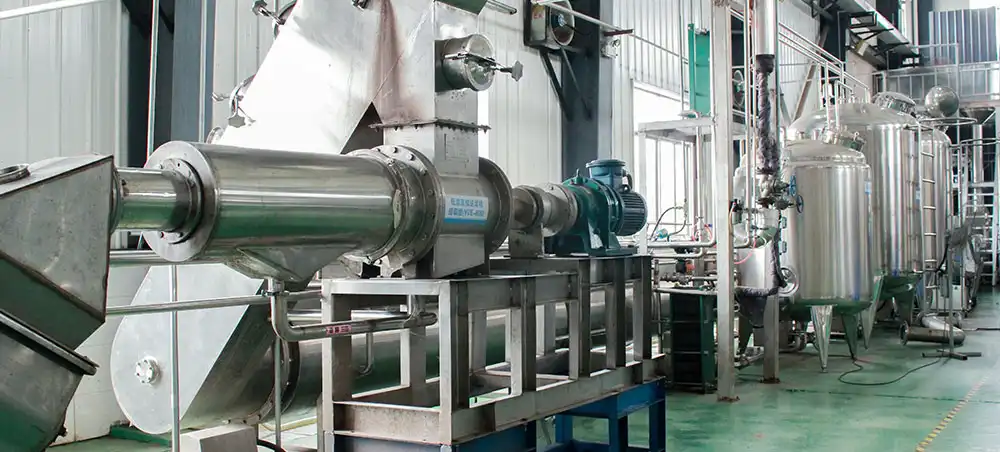
Maximizing the Value of Ginger Powder in Your Supply Chain
Storage and Handling Best Practices
Paying attention to the environment is necessary to keep the purity of ingredients throughout the supply chain. So that volatile oils don't break down and colors don't fade, storage places should stay cool (below 25°C), dry (relative humidity below 60%), and out of direct sunshine. First-in, first-out (FIFO) inventory cycle makes sure that materials are used up within their two-year shelf life. Properly closing after partial use stops moisture absorption that could lead to the growth of microbes or sticking problems that hurt the performance of processing.
Strategic Formulation Integration
Ginger Powder has been used successfully by companies in many fields to make their products stand out. Functional beverage brands use standard powder along with plants that work well together, like turmeric and cinnamon, to create a health image that works well. Dietary supplement makers like that the ingredient works well with excipients for tablets and pill fill materials, which speeds up the production process. Cosmetic formulators use the powder's claims of natural origin while providing antioxidant benefits that have been proven by science. This meets both the needs of consumers who want natural ingredients and their standards for performance.
Emerging Market Trends and Future Outlook
More people are interested in traceable, sustainably grown botanical products because they want more information. Brands that want to tell genuine stories choose suppliers that show they follow ethical buying policies, grow crops in an organic way, and care for the environment. New developments in extraction technology offer better bioavailability formulations and water-soluble forms that will get around the problems with solubility that exist now. Keeping up with these changes allows procurement teams to take advantage of new ideas while handling supply chain risks related to the abundance of raw materials and changes in regulations.
Conclusion
To find good Ginger Powder, you have to weigh a lot of different factors. These include bioactive standardization confirmed by HPLC testing, regulatory compliance shown by ISO and HACCP certifications, particle specifications that match application needs, and the supplier's ability to handle both small-scale production and trial quantities. The ingredient has been shown to work well in nutraceutical, food, beverage, and skincare uses. It is also easier to get than fresh options, which is why formulation experts keep buying it. By giving more weight to suppliers who offer customization services, clear quality paperwork, and technical teamwork, procurement managers make sure that there is reliable access to this flexible botanical ingredient and lower the risks in the supply chain.
FAQ
What gingerol concentration should I specify for supplement formulations?
For pharmaceutical-grade uses, the gingerol level needs to be between 0.5% and 1%, which can be confirmed by HPLC tests. This range strikes a good mix between low cost and high functionality, offering high enough bioactive amounts to support digestive health and reduce inflammation. There are higher amounts, but they raise the cost of the raw materials and don't provide any more medicinal benefits for most uses.
How does mesh size affect beverage application performance?
Suspension steadiness and taste are directly affected by the size of the mesh. Beverages need 80-100 mesh or smaller to keep sediments to a minimum and keep the texture from being rough. Coarser sizes (60 mesh) work best for tea bags or dry blends, where it's not important to see the particles. When you match the mesh design to the processing tools and the sensory properties you want, you can avoid expensive reformulation processes.
What certifications matter most when qualifying suppliers?
Fundamental quality control systems are shown by ISO9001, FSSC22000, and HACCP. Organic licenses (USDA NOP, EU) let you get into certain types of markets. HALAL and Kosher make it easier to get food to more people. Partnering with a third party like SGS or Eurofins for testing gives you independent proof that helps with government filings and customer checks during the vendor qualification process.
Partner with a Trusted Ginger Powder Manufacturer
Naturalin Biotech is an expert at providing pharmaceutical-grade Ginger Powder (Zingiber officinale Roscoe) that has been tested and found to contain between 0.5% and 1% gingerol. Our ISO9001, FSSC22000, HALAL, and Kosher certifications help meet global legal standards. We can also customize the mesh size (60, 80, or any other size you need), the taste profile, and the solubility. With more than 20 years of experience with plant extracts, more than 40 patents, and cutting-edge microencapsulation technology, we can help you with recipe development, which will speed up the development of your new products. Lead times of 3–7 working days are guaranteed by ready stock, and a flexible MOQ allows for both sample orders and business sales starting at 25 kg. The DDP door-to-door delivery service makes things easier for buyers in the US. For your next formulation project, email our team at market@naturalinbio.com to get specs, COA paperwork, and suggestions based on your unique needs.
References
1. Sharma, P.K., Singh, V., and Ali, M. (2016). "Chemical Composition and Antimicrobial Activity of Fresh Rhizome Essential Oil of Zingiber officinale Roscoe." Journal of Pharmacognosy and Phytochemistry, 5(2), 149-153.
2. Grzanna, R., Lindmark, L., and Frondoza, C.G. (2005). "Ginger—An Herbal Medicinal Product with Broad Anti-Inflammatory Actions." Journal of Medicinal Food, 8(2), 125-132.
3. Bode, A.M. and Dong, Z. (2011). "The Amazing and Mighty Ginger." In: Benzie, I.F.F., Wachtel-Galor, S. (Eds.), Herbal Medicine: Biomolecular and Clinical Aspects, 2nd Edition. CRC Press/Taylor & Francis, Boca Raton.
4. Govindarajan, V.S. (1982). "Ginger—Chemistry, Technology, and Quality Evaluation: Part 1." Critical Reviews in Food Science and Nutrition, 17(1), 1-96.
5. Ravindran, P.N. and Babu, K.N. (2005). Ginger: The Genus Zingiber. CRC Press, Boca Raton, Florida.
6. Ali, B.H., Blunden, G., Tanira, M.O., and Nemmar, A. (2008). "Some Phytochemical, Pharmacological and Toxicological Properties of Ginger (Zingiber officinale Roscoe): A Review of Recent Research." Food and Chemical Toxicology, 46(2), 409-420.

In 2026, procurement workers looking for the best organic Chamomile Flower Extract Powders should focus on providers that offer standardization that has been HPLC-verified, organic credentials from the USDA and the EU, and the ability to make changes as needed. Chamomile Flower Extract Powder from Matricaria recutita has a steady amount of apigenin-7-glucoside, which is important for making useful drinks, food supplements, and cosmetic actives. Leading makers offer full certification packages that include GMP, ISO9001, FSSC22000, and HALAL compliance. This makes sure that products are approved by regulators in all global markets and that products can be tracked from organic farming to final delivery.
What Makes Organic Chamomile Extract Powder the Preferred Choice in 2026?
Organic Chamomile Flower Extract Powder is becoming more and more popular in the nutraceutical, cosmetic, and functional food industries because it has been shown to be medicinal and is easy to market. When R&D teams and procurement managers know what makes premium organic extracts different from conventional alternatives, they can make smart buying decisions that meet both product effectiveness and legal requirements.
Rich Bioactive Composition Driving Multi-Industry Applications
Organic Chamomile Flower Extract Powder is made up of a complicated mix of phenolic acids, terpenoids (like bisabolol and chamazulene), flavonoids (like apigenin, luteolin, and quercetin), and flavonoids. These chemicals have been shown to have anti-inflammatory, antioxidant, and calming effects. When removed using proven ways and kept in controlled environments, these bioactive chemicals stay stable. Apigenin levels, which can be anywhere from 0.3% to 10% based on the requirements, are a good way to check the quality of a substance using HPLC research. Standardization is important for formulation scientists who are making skincare serums, supplements to help with anxiety, and functional drinks because stability from batch to batch has a direct effect on how well the products work.
Organic Certification: Beyond Marketing to Measurable Quality Standards
Being certified organic is more than just a matter of personal taste; it also means that strict farming and processing rules are followed, which means that synthetic pesticides, GMOs, and illegal chemicals are not used. Organic Chamomile Flower Extract Powder comes from well-known growing areas in Germany, Hungary, and Egypt. It is grown by following strict rules for managing the land and picking it at the right time, which keeps the volatile oil content and flavonoid profiles. Third-party certifications like USDA NOP and EU Organic require yearly checks that cover everything from where the seeds come from to how they are handled after the harvest. This gives buying teams written proof that the supply chain is honest. When sending regulatory applications to the FDA or EFSA, this ability to track backwards is especially helpful because organic certification can speed up the clearance process.
Extraction Technology Impact on Purity and Functionality
The way Chamomile Flower Extract Powder is extracted has a big impact on its chemical makeup, how well it dissolves in water, and how many different ways it can be used. Water-ethanol extraction keeps a wide range of water-soluble flavonoids and glycosides that can be used in drinks and tablets for food supplements. Concentrated volatile fractions high in bisabolol and chamazulene are obtained through CO2 supercritical extraction. These are chosen for high-end cosmetic products that need strong anti-inflammatory ingredients. Spray-drying factors, like the inlet temperature and the choice of carrier, affect the finished powder's qualities, like its bulk density, moisture content (which should be kept below 5%), and how quickly it can be reconstituted. Suppliers that let formulation teams choose from different extraction ratios (2:1, 5:1, and 10:1) and post-processing changes like decolorization, deodorization, and water-soluble conversions give them the freedom to find the best ingredient performance for each end product.
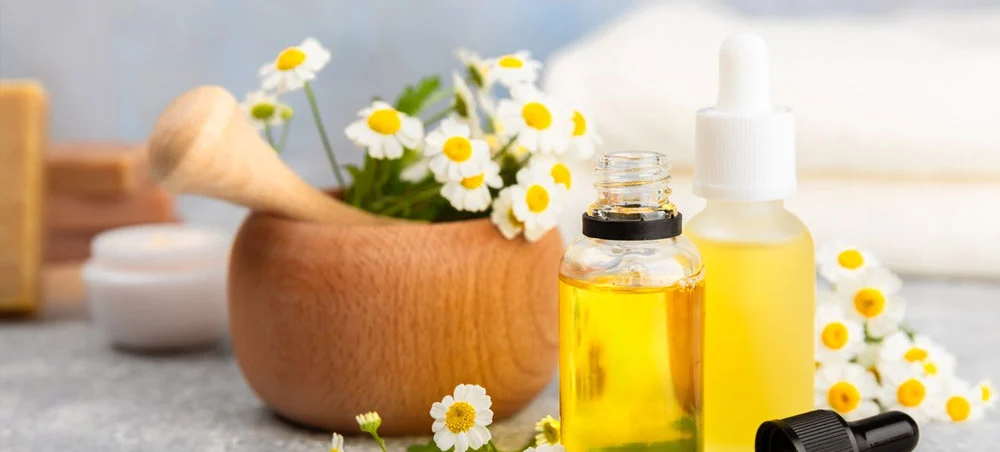
Top Organic Chamomile Extract Powder Brands & Trusted Suppliers in 2026
To find a trustworthy provider, you need to look at their professional skills, quality systems, and service infrastructure that will help the relationship work in the long run. There are a lot of different companies that make Chamomile Flower Extract Powder, and they all have different levels of ability to provide uniform specs, legal paperwork, and quick technical support.
Supplier Evaluation: Core Quality Indicators and Certifications
Leading providers stand out by having complete quality management systems that are approved to ISO9001 and FSSC22000 standards for ingredients such as Chamomile Flower Extract Powder. These systems show that they have structured control over the whole production process, from receiving the raw materials to packaging them at the end. GMP approval means that the company follows pharmaceutical-grade production practices, which is very important for health supplements and over-the-counter medicines. Certifications like HALAL and Kosher make it easier for brands that want to reach certain groups of customers to get into new markets. In addition to certifications, buying teams should make sure that sellers have their own analytical tools, such as HPLC, UV-VIS, and AAS instruments, so that quality can be checked in real time. Collaborations with separate labs like SGS, Eurofins, and NSF add more levels of assurance, especially when it comes to checking for contaminants like heavy metals, herbicide leftovers, and microbial limits. Naturalin Biotech: Integrated Excellence from Farm to Formulation
Naturalin Biotech is a good example of a seller that has built up a wide range of skills over more than 20 years in the plant extract business. Naturalin blends scientific innovation with large-scale production. It has more than 40 production patents and helped write China's national market standards for plant extracts. The company runs its own organic farms, which guarantees a steady supply of raw materials and starts quality control at the growing stage. This vertical merger is especially helpful when there are problems in the supply chain or when other providers can't get what they need during certain times of the year.
Their technical setup includes a separate expert lab with cutting-edge testing tools that let them precisely check the amount of apigenin, total flavonoids, and apigenin-7-glucoside markers using HPLC methods. Specifications for their products, like the 2:1 ratio Chamomile Flower Extract Powder (standardized to 0.5% total flavones and 0.03% apigenin-7-glucoside), give them the uniformity needed for mass production. Customization services include changing the physical form (powders with 60 or 80 mesh, granules, liquids), changing the solubility (water-soluble vs. oil-soluble), and creating new functions that are specific to the needs of capsules, pills, drinks, or makeup emulsions.
Building Trust Through Transparency and Support
Credible suppliers show they can be trusted by making their documents easy to find, communicating quickly, and being ready to support product development processes. Each batch should come with a detailed Certificate of Analysis that spells out the test methods, results, and requirements in great detail. R&D teams can try compatibility before committing to business numbers when samples are available in small amounts. Testimonials from well-known brands in the beauty and nutrition industries show that the products work consistently. Partners who care about their customers' success are different from transactional vendors because they offer professional help after the sale, such as formulation advice and suggestions for stability testing.
How to Choose the Right Organic Chamomile Extract Powder for Your Business Needs
To match extract specifications to their intended uses, it's important to have a good understanding of the formulation goals, legal limits, and economic factors that are very different in the markets for cosmetics, functional foods, dietary supplements, and animal nutrition.
Defining Your Application and Technical Requirements
Formulators of skin care products that want to reduce inflammation and protect cells from damage usually choose extracts with higher apigenin levels (2–5%) and small particles (80 mesh or smaller) so that the product has a smooth feel and mixes quickly in emulsions. Manufacturers of calming supplements balance the strength of the extract with the weight of the pill. They usually choose 5:1 or 10:1 concentration ratios to get the right dose in standard capsule forms. Functional beverage makers focus on making changes that are water-soluble and using light color patterns that won't change the way the finished product looks. For animal feeding, it's okay to use a wider range of specifications, but strict fungal and heavy metal screening is needed to make sure the feed is safe.
Critical Decision Metrics for B2B Procurement
Total cost of ownership and supply dependability are affected by more than just unit price. Minimum order numbers affect the amount of working capital needed and the cost of keeping inventory on hand. Suppliers with business MOQs of around 25 kg and samples available for testing make it easy to get started. When you have in-stock specs, lead times are 3–7 working days, but special formulations take 4–6 weeks. This changes how you plan your production and how much safety stock you keep on hand. Whether goods go through customs easily or have to wait for expensive delays depends on how complete the certification paperwork is. Supply capacity evaluation makes sure that your supplier can grow as your needs do without lowering the quality of their work. The shelf life of Chamomile Flower Extract Powder, which is usually 24 months if they are kept properly, affects how often they need to be ordered and what kind of storage facilities they need.
Product Form Comparison: Optimizing for Your Manufacturing Process
Pure Chamomile Flower Extract Powders give formulators the most freedom when it comes to changing amounts across product lines, but they need to be handled carefully so that they don't absorb water or oxidize. Standardized mixes of chamomile with related plants like valerian, passionflower, and lemon balm make it easier for companies that want to make multi-ingredient supplements to come up with new formulas. Even though they are not as popular, liquid extracts can be used in some beverage and tincture recipes where powder preparation is hard. Microencapsulated formats keep volatile substances safe and make straight compression tableting run better. A cost-effectiveness study should look at more than just the price per kilogram of buying. It should also look at how well the product is processed, how much it produces, and the quality control testing needs that are specific to each form.
Practical Uses and Application Guidance for Chamomile Extract Powder in B2B Industries
It's important to pay attention to dosing guidelines, formulation suitability, regulatory compliance, and safety concerns that change depending on the application group and target market when turning Chamomile Flower Extract Powder's healing qualities into commercial goods.
Formulation Strategies for Cosmetic and Personal Care Applications
Chamomile Flower Extract Powder works well in a range of cosmetic formulas at concentrations from 0.5% to 5%, based on the cost goals and placement of the product. The anti-inflammatory qualities of apigenin and bisabolol help reduce redness and soothe irritated skin in face serums and relaxing creams. This makes chamomile an important ingredient in skincare for sensitive skin and after surgery. Chamomile has traditionally been used to lighten hair and soothe the skin. Shampoos and conditioners usually contain 2 to 3 percent extract of chamomile. To get the powder form to spread evenly, it needs to be mixed with the right kind of liquid first. Mixing it with glycerin or propylene glycol stops it from sticking and makes sure it spreads evenly. Stability tests should make sure that the product works with protection systems and check how stable the color is when exposed to light, especially for clear packages.
Dosage Recommendations for Nutraceutical and Supplement Applications
Amounts of 220 mg to 1,100 mg of dried flower equivalent per day are usually used in clinical studies on chamomile products. These amounts are usually given in two or three separate meals. When working with pure extracts, it's important to do conversions based on the extraction ratio. At 400 mg per pill, a 5:1 extract gives you about 2,000 mg of dried flower equivalent, which is in the therapeutic range for light anxiety and sleep support. When comparing sources, formulation scientists should look at extract standardization markers because the amount of apigenin in a substance is directly linked to its pharmacological action. Combination products that use chamomile along with L-theanine, magnesium, or other calming ingredients can produce stronger benefits with lower doses of each individual ingredient. Choosing between capsules, pills, powders, and gummies as a delivery format affects bioavailability and customer compliance. Each format has its own production considerations when it comes to stability, flowability, and compressibility.
Regulatory Compliance Across Key Markets
To get into the US market, dietary supplements must follow the rules set by the FDA under DSHEA. These rules include correct labeling, proving structure/function claims, and having methods for reporting adverse events. For food uses, Chamomile Flower Extract Powders are usually GRAS (Generally Recognized as Safe). This makes it easier to make functional drinks and foods. In Europe, new foods must follow stricter rules, and health claims must be approved by the EFSA before they can be sold. Only approved claims can be put on boxes. Organic approval has to match the needs of the market it's going to—USDA NOP for sales in the US, EU Organic rules for sales in Europe. Complete specs, safety ratings, descriptions of the manufacturing process, and stability data should all be included in the documentation packages that are sent with regulatory applications. Time-to-market for new products is cut down by a large amount when suppliers provide regulatory support paperwork that has already been put together.
Safety Considerations and Contraindications
Even though Chamomile Flower Extract Powder is generally safe, buying teams should make sure that the product material includes the right warnings. People who are known to be allergic to plants in the Asteraceae family (like ragweed, chrysanthemums, and marigolds) may also be allergic to other plants in the same family. It's not common, but chamomile may interact with blood thinners or make the effects of sedatives stronger when mixed with CNS depressants. Women who are pregnant or nursing are often told to talk to their doctors before taking chamomile pills, even though there isn't much evidence that they are harmful. Setting up clear lines of contact between providers and brand compliance teams makes sure that safety information stays up to date and complete as research changes.

How and Where to Buy Organic Chamomile Extract Powder in Bulk
When making strategic sourcing choices, people weigh the cost of the product against the reliability, quality guarantee, and service value that come from direct manufacturer relationships and online sites in different ways.
Comparing Sourcing Channels: Platforms versus Direct Manufacturers
Online business-to-business (B2B) platforms, like specialized ingredient marketplaces, make it easy to compare prices from different sellers by showing standard product descriptions and user reviews. These sites usually let you place smaller test orders and have ways to settle disagreements, which lowers the risk of doing business with unknown sellers. Direct connections with manufacturers are usually better, though, because they offer more technical support, more customization options, and more competitive prices. This is especially true for established procurement programs with predictable numbers. Working directly with makers like Naturalin Biotech lets you have in-depth technical conversations about extraction parameters, specification changes, and formulation support that you can't have through a general platform. Long-term relationships make it easier for people to work together to solve problems when formulas need to be changed or there are problems in the supply chain.
Logistics Considerations for International B2B Procurement
Choosing the right shipping method has a big effect on landing costs and how reliable delivery is. Express delivery services like DHL and FedEx are good for sending samples and small items that need to be delivered quickly. They can usually do it within 5 to 7 days, but they charge more. For orders between 100 kg and 500 kg, air freight is a good choice because it's fast (10–15 days door-to-door) and doesn't cost too much. Ocean freight is the most cost-effective way to ship full commercial orders (1,000 kg or more), but it can take up to 45 days to get from one place to another, based on the starting and target pairs and how quickly customs clearance goes. Naturalin Biotech's DDP (Delivered Duty Paid) service model for the US market takes away the burden of customs clearance, duty payments, and final delivery from the importer by having the supplier handle all of these tasks. This is especially helpful for procurement teams that don't have the resources or relationships with customs brokers to handle import licenses.
Pricing Structures and Negotiation Approaches
The price of Chamomile Flower Extract Powder depends a lot on the difficulty of the specifications, whether the product is organically certified, and the size of the order. In multi-ton levels, commodity-grade conventional extracts are generally positioned in the lower price range per kilogram. On the other hand, certified organic extracts with high apigenin standardization are positioned in a significantly higher price range. Custom formulas that require special processes come with higher development fees and unit costs, but the differentiation value makes up for it. Many sellers offer tiered pricing, with progressive discounts applied as order volumes increase from mid-scale quantities to large annual commitments. This gives buyers more negotiating power as they commit to larger orders. Payment terms usually run from an upfront payment for first orders to more flexible arrangements for repeat customers who have a history of on-time payments, often extending to net terms. Sample prices, which vary depending on quantity and specifications, can often be credited toward future purchases, which lets you try out the product without any risk. Documentation and Certification Requirements for Trade Compliance
To meet the needs of customs officials, regulatory bodies, and internal quality systems, international trade in ingredients needs a lot of paperwork. Commercial bills with harmonized tariff numbers, packing lists with exact weights and package counts, and certificates of analysis that confirm specs are all important papers. Phytosanitary licenses make sure that plant materials meet the farming standards of the country where they are being imported and are free of pests that are needed for quarantine. The organizations that issue organic certificates must be accepted by the market they are going to (for example, the USDA approves certifiers for imports into the US, and the EU does the same for certain control bodies). Under free trade deals, documents like a Certificate of Origin may lower or get rid of tariff charges. Certain legal needs in different places are met by non-GMO declarations, allergen statements, and BSE/TSE licenses. Clearance delays and the costs that come with them are kept to a minimum by suppliers who keep their certification files up to date and have experienced export paperwork teams.
Conclusion
To choose the best organic Chamomile Flower Extract Powder in 2026, you will need to weigh a number of technical, legal, and business factors that are relevant to your purpose. Certified organic extracts that have been standardized using HPLC analysis give food supplements, cosmetics, and functional goods the quality and stability they need to meet rising customer demands and government standards. Transactional buying relationships that only look at unit price aren't as valuable as supplier partnerships that offer vertical integration from organic farming to final delivery, full customization options, and quick technical support. Naturalin Biotech is a good partner for brands that want a trusted source of organic chamomile that meets international quality standards because they have a large patent portfolio, a lot of factories, and a lot of experience with different applications.
FAQ
What concentration of chamomile extract should I specify for supplement formulations?
Most supplement formulas use 5:1 or 10:1 concentration ratios that are fixed to 1.2 to 3% apigenin content, which can be proven by HPLC tests. Daily doses of 300 to 600 mg of pure extract work well, which is about 1,500 to 6,000 mg of dried flower equivalent. Your choice of dosage should strike a balance between how well the medicine works, how many capsules can be filled, and how much it costs.
How can I verify authentic organic certification and supplier credibility?
For real organic certification, you need proof from recognized certifying bodies like the USDA NOP and EU control bodies. This includes up-to-date certificates that show the supplier's facility and area of work. Check the state of the certifier's accreditation through government databases. Facility approvals (GMP, ISO9001, FSSC22000), third-party testing partnerships (SGS, Eurofins), customer references from well-known brands, and the ability to provide samples with full analytical paperwork before making commercial promises are all things that should be used to judge a supplier's trustworthiness.
Are there known side effects or contraindications for chamomile extract in products?
Chamomile Flower Extract Powder is very safe, and side effects are very rare when used as directed. Possible reasons not to use it are known reactions to plants in the Asteraceae family (like ragweed and chrysanthemums), possible interactions with blood thinners, and possible worries during pregnancy that need to be discussed with a doctor. Labels for products should include standard allergy warnings and suggestions to see a doctor when needed.
Partner with a Trusted Chamomile Flower Extract Powder Manufacturer
Naturalin Biotech sells certified organic Chamomile Flower Extract Powder and has more than 40 production patents and more than 20 years of experience working with plant ingredients. Our fully connected supply chain, which includes our own organic farms and GMP-approved factories, makes sure that the uniformity of each batch meets the strictest recipe needs. We offer full customization for powder mesh sizes (60 and 80 mesh), liquid formats, and specialty changes like water-soluble conversions and decolorization. All of this is backed by ISO9001, FSSC22000, HALAL, and Kosher certificates that are recognized around the world. If you're making dietary supplements, functional drinks, cosmetic actives, or health food ingredients, our expert team can help you figure out how to use chamomile's calming and anti-inflammatory benefits in the best way for your product. You can get samples for research and development tests, and commercial sales start at 25 kg. Our ready stock and 3–7 day lead times help you stick to your production plans, and our DDP service for US markets makes it easier to bring goods into the country. Get in touch with our purchasing experts at market@naturalinbio.com to talk about your Chamomile Flower Extract Powder needs and get full technical paperwork to help with the next phase of product development.
References
1. McKay, D.L., & Blumberg, J.B. (2006). "A review of the bioactivity and potential health benefits of chamomile tea (Matricaria recutita L.)." Phytotherapy Research, 20(7), 519-530.
2. Srivastava, J.K., Shankar, E., & Gupta, S. (2010). "Chamomile: A herbal medicine of the past with bright future." Molecular Medicine Reports, 3(6), 895-901.
3. European Medicines Agency. (2015). "Assessment report on Matricaria recutita L., flos and Matricaria recutita L., aetheroleum." Committee on Herbal Medicinal Products (HMPC).
4. Amsterdam, J.D., Li, Y., Soeller, I., Rockwell, K., Mao, J.J., & Shults, J. (2009). "A randomized, double-blind, placebo-controlled trial of oral Matricaria recutita (chamomile) extract therapy for generalized anxiety disorder." Journal of Clinical Psychopharmacology, 29(4), 378-382.
5. Martins, M.D., Marques, M.M., Bussadori, S.K., Martins, M.A., Pavesi, V.C., Mesquita-Ferrari, R.A., & Fernandes, K.P. (2009). "Comparative analysis between Chamomilla recutita and corticosteroids on wound healing." Phytotherapy Research, 23(2), 274-278.
6. Singh, O., Khanam, Z., Misra, N., & Srivastava, M.K. (2011). "Chamomile (Matricaria chamomilla L.): An overview." Pharmacognosy Reviews, 5(9), 82-95.
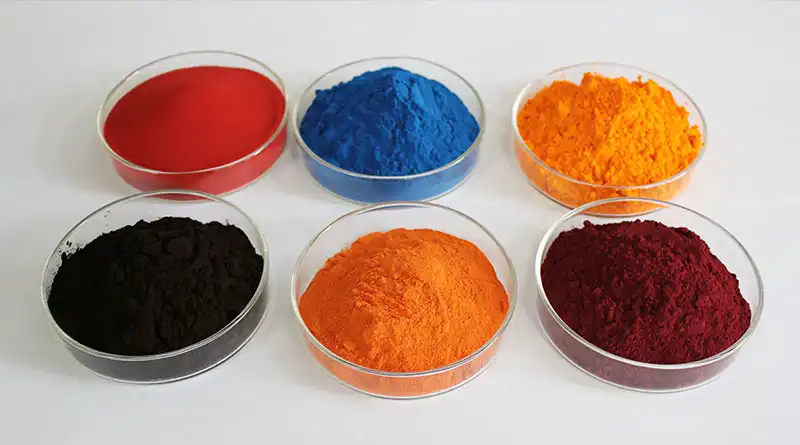
For B2B buyers handling the vitamin, food, cosmetic, and nutraceutical businesses, Tomato Extract Powder offers seven game-changing benefits. Standardized for lycopene levels between 1% and 10%, this concentrated phytochemical ingredient solves important problems in the industry, such as maintaining consistency across production batches, making the product more bioavailable than fresh tomatoes, and meeting international quality standards that include HPLC verification. If you know about these benefits, you can make smart decisions about where to get the ingredients you need to make heart-healthy supplements, anti-aging cosmetics, or functional drinks that meet the needs of consumers who want clean labels.
Introduction
Lycopene-rich plant extracts are important parts of current formulation plans because people all over the world want natural ingredients that have been proven to work by science. In the nutraceutical, functional food, and personal care industries, procurement workers are becoming more and more aware that buying choices have a direct effect on how well products work, how they stand out in the market, and how well they comply with regulations. This detailed guide answers the questions of R&D scientists, quality assurance managers, and buying directors who need detailed technical specifications, metrics for measuring source reliability, and data on how versatile an application can be. We look at differences in composition, bioavailability benefits, and compliance frameworks to give you actionable insights that transform choosing ingredients from a transactional process into a strategic competitive advantage for your manufacturing operations.
Understanding Tomato Extract Powder: Composition and Key Benefits
What Makes This Extract Unique?
This concentrated ingredient comes from Lycopersicon esculentum Mill. and is very different from regular Tomato Extract Powder or paste. The latest solvent extraction and supercritical CO2 methods keep beneficial carotenoids, like lycopene, beta-carotene, phytoene, and phytofluene, while getting rid of the water that breaks down raw materials. Standardization makes sure that lycopene amounts are always the same, which is confirmed by HPLC testing. This solves the problem of batch-to-batch variability that formulation scientists face.
Core Nutritional Profile
The detailed details of the ingredient show why buying teams put it at the top of their list. Because it has less than 5% moisture, less than 5% ash, and particles that are 60-80 mesh, the powder mixes easily into capsules, tablets, drinks, and skin products. The bioactive form of lycopene, the trans-isomer form, stays stable thanks to good manufacturing controls. Its antioxidant capacity can be measured with ORAC testing. This standardized nutrient density solves the main problem of making sure that functional claims are always true across production runs.
Seven Strategic Advantages Overview
Value propositions with many parts affect procurement decisions. The benefits include protecting the heart through antioxidants, aiding the skin with anti-aging formulas, better nutrient absorption than whole-food alternatives, options for clean-label certification, storage and transport benefits, lower costs through bulk buying, and access to networks of trusted suppliers. Each benefit directly addresses a different problem that quality assurance teams, supply chain managers, and product development directors face when they work in markets that are very competitive.
Benefit 1: Potent Antioxidant Support and Cardiovascular Health
Clinical Evidence for Heart Protection
Peer-reviewed research shows that lycopene's antioxidant qualities lower signs of oxidative stress that are linked to the progression of cardiovascular disease. Studies in nutritional science journals show that concentrated Tomato Extract Powder raises the amount of lycopene in the blood to levels that can't be reached by eating tomatoes alone. Because carotenoids are lipophilic, they need special ways to get to where they need to go. This is exactly what extract powders do through micronization and possible microencapsulation technologies.
Application in Functional Foods
Standardized extracts are used by companies making heart-healthy products to back up structure-function claims that follow FDA rules. A lycopene standard of 5% makes it possible to accurately calculate dosages for supplement facts panels, while a 10% concentration is best for high-potency formulas aimed at the clinical nutrition market. The ingredient stays stable during the encapsulation and tableting processes, which protects its bioactivity during production heat exposures. This makes sure that the end product works the way the formulators intended it to.
Benefit 2: Skin Health and Anti-Aging Properties
Dermatological Research Validation
It has been shown in clinical studies that both taking lycopene-rich Tomato Extract Powder by mouth and putting it on the skin make a difference in terms of skin elasticity, hydration levels, and photoprotection markers. Reactive oxygen species speed up the breakdown of collagen and the aging of the epidermis. The antioxidant cascade neutralizes these species. Formulators of cosmetics like that the ingredients work well and also make claims about their natural origin that appeal to consumers.
Formulation Versatility Across Categories
Personal care buying teams find extracts that can be used in serums, creams, and vitamins for mouth health. The powder form works with oil-in-water emulsions that have already been spread out in lipid carriers, and the water-soluble beadlet form can be used right away in beverage applications. Solubility changes, decolorization for neutral-tinted formulations, and compound blends combining lycopene with antioxidants like vitamin C or resveratrol are some of the ways that Naturalin Biotech can make its products unique.
Benefit 3: Enhanced Nutrient Bioavailability and Versatile Uses
Superior Absorption Mechanisms
Comparative bioavailability studies show that Tomato Extract Powder works better than whole tomatoes. This is because the cell walls are broken down during extraction, and the particles are reduced to an 80 mesh fineness. During the production process, carotenoids are freed from chromoplast structures and put in a form that is easy for the intestinal epithelium to absorb. Dietary supplement makers can use expected pharmacokinetic profiles to help them make dose suggestions that are backed up by data on absorption.
Cross-Industry Application Spectrum
The ingredient is used in functional drinks that need to be mixed with cold water, nutritional bars for cooking that need to be stable at high temperatures, and pharmaceutical preparations that are meant to improve certain health outcomes. As a result, procurement requirements change. For example, supplement makers put a lot of weight on HPLC-verified potency and heavy metal tests, while food makers put a lot of weight on flavor balance and color stability under pasteurization conditions. Because it can work in a variety of industrial settings, it cuts down on the need for many specialized materials.
Benefit 4: Natural and Certified Organic Options for Cleaner Labeling
Certification Standards Impact
Organic approval through the USDA NOP and EU standards meets the needs of consumers and retailers who want to sell natural products. The approval trail, which goes from choosing non-GMO seeds to growing them without using pesticides and then extracting them without using solvents and supercritical CO2, helps set the product apart in the market and supports its high price. Quality assurance teams make sure that certifications are real by checking paperwork and doing audits of suppliers. This makes sure that label claims can stand up to regulatory scrutiny.
Validating Supplier Compliance
When buying Tomato Extract Powder, suppliers are checked to see if they have up-to-date ISO9001, FSSC22000, HALAL, and Kosher certifications, as well as organic credentials. Naturalin Biotech is a recognized technical authority by regulatory groups because it wrote the national market standards for plant extracts in China. Independent testing by SGS, Eurofins, and NSF laboratories confirms that the specifications are met. This provides the proof needed for regulatory submissions in the North American and European markets.
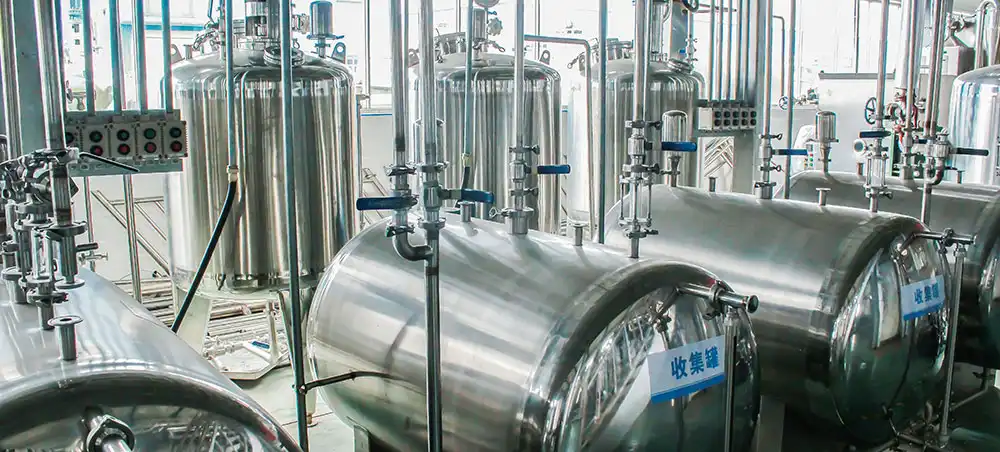
Benefit 5: Long Shelf Life and Easy Storage Solutions
Optimizing Stability Parameters
The low moisture content and possible antioxidant stabilizers give Tomato Extract Powder a two-year shelf life when kept in controlled settings (below 25°C and below 60% relative humidity). Light and air are the main things that break down carotenoids, but bulk packing in aluminum foil-lined fiber drums protects them from both. Procurement managers like long-term steadiness because it lowers the need to constantly turn over stockpiles and reduces the number of times that old materials have to be written off.
Logistics and Transit Considerations
Sample review orders and full-scale production packages can both be shipped through DHL, FedEx, air freight, and ocean containers. Naturalin's DDP shipping service for U.S. markets makes clearing customs easier and lowers the uncertainty of landing costs. Monitoring the temperature during transport and making sure the warehouse is in good shape when the ingredient arrives, make sure it gets to the production floors fully functional. This is proven by a certificate of analysis testing that shows the lycopene content meets the requirements for purchase.
Benefit 6: Cost Efficiency and Bulk Purchasing Advantages
Regional Price Dynamics
Buying Tomato Extract Powder from companies in China, like Naturalin Biotech, can save you money while keeping the quality the same as buying from companies in Europe and North America. The difference in prices is due to combined supply lines that include organic farms that grow the raw materials, in-house extraction facilities, and packaging for the finished product. Organic certification adds about 20–30% more value than regular grades, and higher lycopene concentrations lead to proportional price rises that represent the economics of extraction yield.
Strategic Procurement Approaches
Mid-sized producers can get industrial prices without having to keep too much inventory on hand because commercial orders require minimum order numbers that start at 25 kg. Samples are available to help with formulating before full-scale purchasing decisions are made. By negotiating yearly supply agreements with delivery schedules every three months, you can lock in good prices and make sure that production managers always have the supplies they need. If you look at the total landed cost, which includes freight, testing, and storage, instead of just the price per kilogram, you can see how cost-effective something really is. Suppliers who give expert support, formulation advice, and customization services add value that goes beyond the price of a commodity.
Benefit 7: Trusted Supplier Networks for Quality Assurance and Compliance
Supplier Vetting Criteria
For procurement to be excellent, production capacity, quality system maturity, and experience of legal compliance must all be carefully looked at. Key signs include being able to produce more than 1,000 tons per year, testing in-house using HPLC and UV spectroscopy, and being able to track Tomato Extract Powder from harvesting to releasing finished products. Naturalin has more than 40 patents covering different ways to extract ingredients and how to use them. These patents show that the company can come up with new ideas, which helps customers find products that are different from others.
Customization and Private Label Services
OEM and ODM clients get full recipe development support, which includes changing lycopene concentrations, changing sensory profiles by deodorizing, and making compound mixes that work together to reach certain health goals. Being able to make powders, grains, and liquid extracts under private label agreements lets brand owners control the details of the product while using already-established production infrastructure. Technical teams provide data for stability testing, regulatory documentation packages, and application guidance that helps new products get to market faster.
Conclusion
When procurement professionals have to balance the need for efficacy with regulatory compliance, cost constraints, and supply reliability, working with established Tomato Extract Powder manufacturers can be a strategic advantage. The seven benefits listed—from cardiovascular and dermatological uses to bioavailability benefits, organic certification options, logistical benefits, cost optimization, and supplier expertise—address the many factors that quality assurance managers, R&D scientists, and purchasing directors have to think about every day when making decisions. Naturalin Biotech has a wide range of integrated services, from our own organic farms and advanced extraction facilities to full testing and customization, which makes us more than just an ingredient supplier for your formulation success.
FAQ
What distinguishes tomato extract from simple tomato powder?
Bioactive lycopene is concentrated to standard amounts (1–10%) in tomato extract using solvent-based or supercritical extraction. This is proven by HPLC tests. Simple tomato powder is made by drying tomatoes without concentrating them. It has a lower and more variable lycopene content, which makes it unsuitable for exact supplement formulation or clinical dose needs.
How should bulk quantities be stored after delivery?
Keep containers that are sealed in cool, dry places that are below 25°C and have humidity levels below 60%. Light doesn't get through aluminum foil-lined packages. Once it's opened, keep air out of it as much as possible and use it within six months for best strength retention. If kept properly, the material will stay alive for two years.
Are there safety considerations for high-dose applications?
Lycopene has good safety profiles in clinical literature, and there are no upper intake limits set by regulatory authorities. The usual daily dose for supplements is between 10 mg and 30 mg. Making things under GMP guidelines and checking for heavy metals, pesticides, and microbes that could be harmful ensures that the safety of the ingredients meets pharmaceutical-grade standards.
Partner with a Certified Tomato Extract Powder Supplier
Naturalin Biotech has been working with botanical extracts for more than 20 years and can help you with your formulation problems. Our Tomato Extract Powder is a prime example of this expertise, offering HPLC-verified lycopene content in concentrations from 1% to 10% with full traceability, GMP compliance, and a comprehensive certification portfolio that supports global market access. Our lycopene extracts, which come in amounts from 1% to 10% and have been checked by HPLC, have all the ISO9001, FSSC22000, HALAL, and Kosher certifications needed to sell them on the global market. We keep items in stock so that they can be delivered in 3–7 days, we accept sales of at least 25 kg, and we can send samples for R&D to test. Our expert team can help you with formulation, make changes to powder and granule forms, and create compound blends that are perfect for your needs. Get in touch with our purchasing agents at market@naturalinbio.com to talk about your specific needs, ask for certificates of analysis, and find out how our fully integrated supply chain, which includes organic farms and advanced extraction facilities, can give your production operations the consistency and dependability they need.
References
1. Hillary SK. "Lycopene: Chemistry, Biology, and Implications for Human Health and Disease." Nutrition Reviews, vol. 56, no. 2, 1998, pp. 35-51.
2. Agarwal S, Rao AV. "The Part of Lycopene as an Antioxidant in Cancer and Heart Disease." Journal of the American College of Nutrition, vol. 19, no. 5, 2000, pp. 563-569.
3. Stahl W, Sies H. "Bioactivity and Protective Effects of Natural Carotenoids." Biochimica et Biophysica Acta, vol. 1740, no. 2, 2005, pp. 101-107.
4. Rizwan M et al. "Tomato Paste Rich in Lycopene Protects Against Cutaneous Photodamage in Humans: A Randomized Controlled Trial." British Journal of Dermatology, vol. 164, no. 1, 2011, pp. 154-162.
5. Giovannucci E. "Tomatoes, Tomato-Based Products, Lycopene, and Cancer: Review of the Epidemiologic Literature." Journal of the National Cancer Institute, vol. 91, no. 4, 1999, pp. 317-331.
6. Unlu NZ et al. "Carotenoid Absorption from Salad and Salsa by Humans is Enhanced by the Addition of Avocado or Avocado Oil." Journal of Nutrition, vol. 135, no. 3, 2005, pp. 431-436.
- 1
- 16
- 17
- 18
- 19
- 20
- 25



