Ivy Leaf Extract Powder: Uses, Benefits, Safety & Quality Guide
Ivy Leaf Extract Powder represents a time-tested botanical ingredient sourced from Hedera helix, recognized globally for its functional value in respiratory wellness formulations.As B2B procurement professionals across the nutraceutical, pharmaceutical, and functional food sectors evaluate natural ingredients, understanding the comprehensive profile of this extract becomes critical. This guide delivers technical insights into composition, efficacy, safety parameters, and quality benchmarks that procurement managers, R&D scientists, and quality assurance teams require when selecting suppliers and integrating this botanical ingredient into product portfolios.
Understanding Ivy Leaf Extract Powder: Composition and Uses
The powder comes from carefully picking the leaves of the common ivy plant and putting them through normal extraction steps to keep the bioactive chemicals. The extraction process concentrates saponins, particularly hederacoside C and alpha-hederin, which are the primary bioactive compounds responsible for the extract's functional properties in respiratory wellness applications.
Botanical Background and Active Constituents
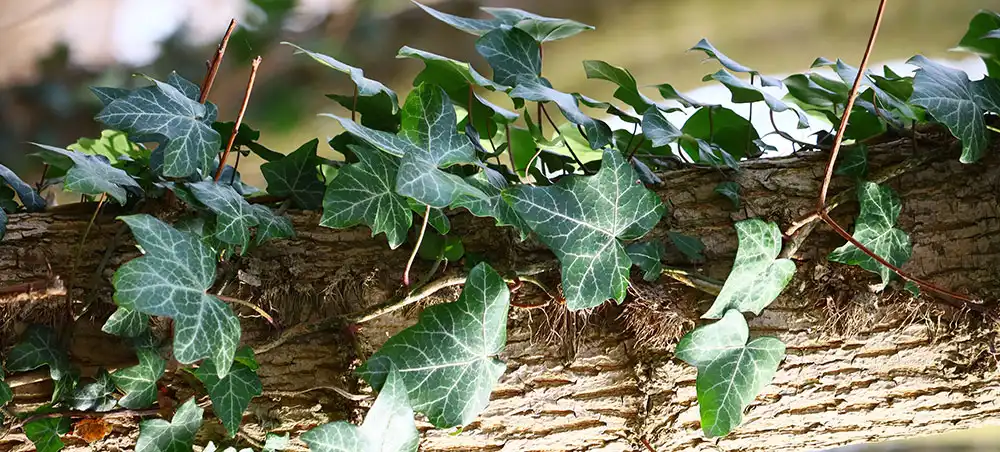
Hedera helix is a plant in the Araliaceae family that does well in cold areas. There are many different kinds of phytochemicals in the leaves, such as flavonoids, polyacetylenes, triterpene saponins, and phenolic acids. During extraction, these compounds are separated and standardised. The amount of total saponins found by HPLC analysis is usually between 10 and 30 percent. Standardisation makes sure that there is consistency from batch to batch, which is important for formulation scientists who need to be able to repeat how well a product works.
Primary Application Domains
The most common use case is for respiratory health products. As a natural expectorant and muscle relaxant, the product is useful for cough syrups, lozenges, and supplements that help the lungs. In addition to this main use, the powder is also used in immune-supporting products because it is an antioxidant. It can also be used on the face, where its anti-inflammatory properties help skin care products that target redness and inflammation.
Formulation Compatibility and Delivery Forms
The powder form is preferred by procurement teams because it is more stable and easy to integrate. Unlike liquid extracts, the powder has a longer shelf life (usually 24 months if stored properly) and is easier to keep track of. In both water- and oil-based systems, it works well for dispersing, but there are water-soluble types that are better for use in beverages. For respiratory support, typical doses in finished goods run from 300 mg to 700 mg per serving. This gives clear guidelines for formulating.
Comprehensive Benefits of Ivy Leaf Extract Powder
Multiple therapeutic benefits of this botanical ingredient have been confirmed by clinical research, making Ivy Leaf Extract Powder a good alternative to synthetic compounds. Knowing these benefits based on evidence helps procurement officials choose ingredients that match the claims made about the product and what customers want.
Respiratory Relief and Bronchial Support
Several clinical trials have demonstrated the extract's supportive role in respiratory function. The saponins facilitate mucus clearance by reducing viscosity and promoting ciliary activity in the airway epithelium. Studies across pediatric and adult populations have shown significant reductions in cough frequency and severity compared to control groups. These validated findings provide strong scientific support for manufacturers developing respiratory wellness products.
Antioxidant Power and Cellular Defence
Flavonoids have a lot of antioxidant power, which can be seen in tests that measure ORAC and DPPH radical reduction. By helping to neutralize oxidative stress that can affect cellular integrity, this property supports the body's natural physiological resilience. The extract is a valuable ingredient for formulators working in wellness and preventive health markets, offering natural support for overall vitality without synthetic additives.
Anti-Inflammatory Properties
Research indicates that the extract modulates specific cellular pathways involved in the body's natural response to environmental stressors. This property extends its utility beyond respiratory health into broader wellness formulations. The anti-inflammatory effect works well with other plant ingredients that are popular in holistic health goods. This makes formulations that work well together and appeal to people who are concerned about clean labels.
Antimicrobial Power
Emerging research suggests additional functional properties that may support respiratory wellness during seasonal changes. While further clinical investigation is warranted, preliminary studies indicate potential applications in formulations designed for seasonal comfort.This multifunctional feature makes the ingredient more valuable for product makers who want plant solutions that can be used in a variety of ways.
Safety Profile, Dosage, and Possible Side Effects
Careful choice of ingredients is based on thorough safety testing. To follow the rules and protect consumers, you need to know a lot about safety parameters, contraindications, and recommended usage levels for Ivy Leaf Extract Powder.
Established Safety Record
Ivy Leaf Extract Powder has a long history of safety, with millions of doses given to consumers around the world. Studies on toxicology show that there are large safety margins when used within the limits that are suggested. Suppliers who follow GMP guidelines do a lot of tests, like acute and subchronic poisoning studies, to make sure the product is safe for a wide range of people.
Recommended Dosage Guidelines
How much to take depends on the product style and the type of person you want to reach.Adult formulations typically utilize standardized extract quantities aligned with clinical study parameters. Pediatric applications require proportionally adjusted concentrations based on age groups, with formulation scientists determining appropriate levels through stability and safety evaluation.When making product specifications, R&D teams should look at published clinical study dosages to make sure they are in line with effectiveness limits and safety margins.
Potential Adverse Effects and Contraindications
The extract is well tolerated, and few side effects have been reported. A little less than 2% of people report mild stomach pain that usually goes away on its own. Even though they are rare, allergic responses are still possible, especially in people who are known to be sensitive to plants in the Araliaceae family. Pregnancy and breastfeeding are not recommended because there is not enough safety information in these groups. To meet regulatory requirements in all target markets, quality assurance teams should make sure that product labels have the right warnings and instructions for use.
Drug Interaction Considerations
Based on what we know now, interactions between popular drugs are not likely to be too bad. But buying experts who are looking for ingredients for markets with strict regulatory oversight should make sure that providers give them a lot of information about how the ingredients interact with each other. Clear paperwork helps with regulatory applications and shortens the time it takes to get approval for new product launches.
Quality and Sourcing: How to Choose the Best Ivy Leaf Extract Powder
To find suppliers whose quality is always the same, you need to carefully look at a lot of different factors for sourcing Ivy Leaf Extract Powder. To protect a brand's reputation and make sure they follow the rules, procurement strategies need to find a balance between cost and quality assurance.
Critical Quality Specifications
Professionals in charge of buying things should give preference to sellers whose specs have been checked and whose saponin content has been confirmed through HPLC analysis. Certificates of Analysis (CoA) must include full chemical screening and active marker amounts. Using an ICP-MS to test for heavy metals should show that the amounts are below the legal limits for lead (less than 3.0ppm), arsenic (less than 1.0ppm), mercury (less than 0.1ppm), and cadmium (less than 1.0ppm). These rules are in line with international, European, and FDA safety rules that govern the trade in botanical ingredients.
Microbiological Control Standards
More than 1,000 cfu/g of Total Plate Count (TPC) is not good. Yeast and mould numbers should be less than 100 cfu/g. Pathogen testing must prove that Salmonella and E. coli are not present at all. coli, which were checked according to USP guidelines. These microbiological parameters make sure that the product is safe and stop contamination problems that could lead to expensive recalls or actions by the government.
Physical Characteristics and Processing Verification
The spread of particle sizes affects how the recipe works and how well the product works. Standard guidelines say that 95% of the material must pass through 80-mesh screens. This makes sure that the material is spread out evenly in pills and tablets. A bulk density between 0.45g/ml and 0.65g/ml makes it easier to handle materials efficiently and give the right amount during production. Moisture level below 5.0% stops microbes from growing and extends shelf life, which cuts down on trash from old stock.
Certification and Proof of Compliance
Suppliers who keep their ISO 9001, HACCP, and GMP licenses show that they handle quality in an orderly way. Organic certification through the USDA NOP or EU Organic guidelines makes clean-label goods aimed at higher-end markets more valuable. Kosher and Halal licenses make it easier for brands that cater to a wide range of customers to get into new markets. Independent audits or third-party verification services like SGS or Eurofins should be used by procurement teams to check the current status of certifications.
Supply Chain Transparency and Traceability
Reliable suppliers let you track everything from where the raw materials come from to how they are packaged at the end. This openness is very important when dealing with consumer questions or government audits. The quality of botanical ingredients starts with the right way to grow them and when to gather them, so it's important for suppliers to have good relationships with farmer networks. Long-term partnerships with manufacturers that show stable access to raw materials lower the risk of supply disruptions that could delay production schedules.
Customization Capabilities and Technical Support
Advanced sellers let you make changes, like changing the amount of saponin, making changes that dissolve in water, or microencapsulating for controlled release uses. Product development processes are sped up by technical support teams that know how to solve problems with applications. When procurement managers look at possible partners, they should see how quick they are, how knowledgeable they are about recipe, and how willing they are to send samples for compatibility testing before committing to large orders.
Conclusion
Ivy Leaf Extract Powder has benefits that have been proven by science and meet the growing demand for natural ingredients that are good for your health and respiratory system. For procurement experts, finding the best suppliers relies on carefully checking that they meet quality standards, follow all certification rules, and have a reliable supply chain. The botanical ingredient has a strong safety profile and a large body of clinical data to back its use in a wide range of formulations in the pharmaceutical and nutraceutical industries. Standardised extracts with confirmed active markers, thorough testing methods, and clear paperwork will give manufacturers a competitive edge in health-focused markets while also making sure they follow the rules and keep customers safe.
FAQ
Is Ivy Leaf Extract Powder Suitable for Organic Product Formulations?
Organic certification means that the Ivy Leaf Extract Powder is of high quality and comes from suppliers who grow and process their products in an organic way. Procurement teams should ask for proof that the product meets the requirements of the USDA NOP or the EU Organic program, as well as tests that show there are no banned synthetic pesticide residues (GC-MS or LC-MS analysis).
How Does Extract Powder Compare to Liquid Tinctures for Manufacturing Efficiency?
Compared to liquid extracts, powder forms are more stable, easier to store, and give you more options for how to make the product. The powder gets rid of worries about alcohol content, lowers shipping costs because it's lighter, and works perfectly with solid dosage forms like pills and tablets without needing extra drying steps.
What Lead Times Should Procurement Teams Expect for Bulk Orders?
Standard specs say that orders should be filled within seven to fourteen business days by established providers with enough stock. Lead times may go up to four to six weeks for custom formulas that need specific saponin ratios or special processes. Building connections with suppliers that include talking about forecasts can help keep delays to a minimum during times of high demand.
Partner with Naturalin Biotech for Premium Ivy Leaf Extract Powder Supply
You can trust Naturalin Biotech to make Ivy Leaf Extract Powder because they use pharmaceutical-grade plant ingredients and have a lot of technical know-how and quality control. Our GMP-certified factories make standard extracts that meet strict international standards. These are checked by HPLC analysis and third-party lab validation through partnerships with SGS and Eurofins. We know how hard it is for supplement makers, functional food developers, and pharmaceutical formulators to find the right ingredients. That's why we offer unique solutions like changing the amounts of saponins and the way particles are distributed. Our skilled research and development (R&D) team can help you with formulations to cut down on the time it takes to make new products, and our stable supply chain makes sure that your products are always available. Email our buyers at market@naturalinbio.com to talk about your particular needs, ask for technical information, or set up samples of our products that show how high our standards are.
References
1. Hofmann D, Hecker M, Völp A. "Efficacy of dry extract of ivy leaves in children with bronchial asthma: a review of randomized controlled trials." Phytomedicine: International Journal of Phytotherapy and Phytopharmacology. 2003;10(2-3):213-220.
2. Cwientzek U, Ottillinger B, Arenberger P. "Acute bronchitis therapy with ivy leaf extracts in a two-arm study: A double-blind, randomised study versus another ivy leaf extract." Phytomedicine. 2011;18(13):1105-1109.
3. Sieben A, Prenner L, Sorkalla T, Wolf A, Jakobs D, Runkel F, Häberlein H. "Alpha-hederin, but not hederacoside C and hederagenin from Hedera helix, affects the binding behavior, dynamics and regulation of beta 2-adrenergic receptors." Biochemistry. 2009;48(15):3477-3482.
4. European Medicines Agency Committee on Herbal Medicinal Products. "Assessment report on Hedera helix L., folium." EMA/HMPC Documentation. 2017.
5. Fazio S, Pouso J, Dolinsky D, Fernandez A, Hernandez M, Clavier G, Hecker M. "Tolerance, safety and efficacy of Hedera helix extract in inflammatory bronchial diseases under clinical practice conditions: a prospective, open, multicentre postmarketing study." Phytomedicine. 2009;16(1):17-24.
6. Holzinger F, Chenot JF. "Systematic review of clinical trials assessing the effectiveness of ivy leaf (Hedera helix) for acute upper respiratory tract infections." Evidence-Based Complementary and Alternative Medicine. 2011;2011:382789.