


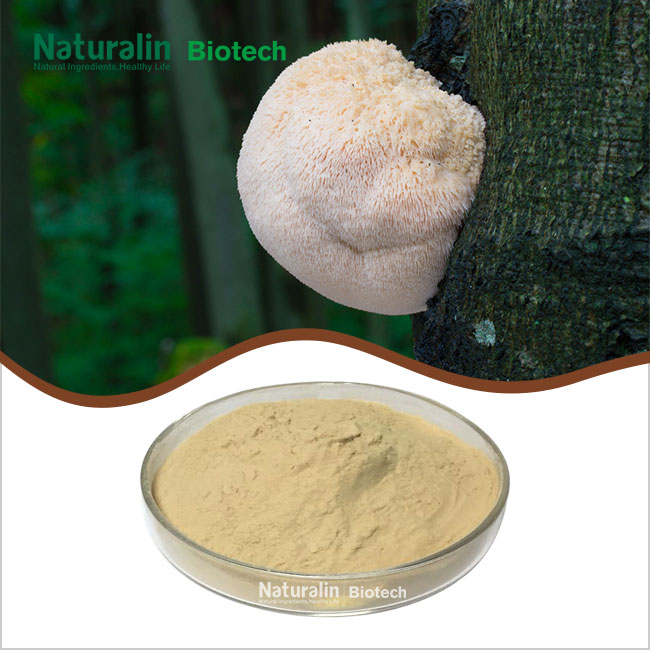
When sourcing Polyporus Umbellatus Mushroom Powder in bulk, buyers must assess several factors before committing to a supplier: polysaccharide standardization (typically 10%–40%, verified by UV-VIS), certification status (GMP, ISO 9001, FSSC 22000, Organic), extraction method transparency, batch-to-batch consistency, heavy metal and microbial safety data, and logistics reliability. For R&D teams, formulation compatibility and active compound bioavailability matter most. For procurement managers, MOQ flexibility, lead time, and supply continuity are central. Getting these evaluations right separates a productive long-term supply relationship from costly quality failures down the line.
Understanding Polyporus Umbellatus Mushroom Powder: Key Insights for Buyers
It is helpful to know exactly what you are getting and why it works the way it does in different end-use groups before you place a bulk order.
What Is Polyporus Umbellatus and Why Does It Matter?
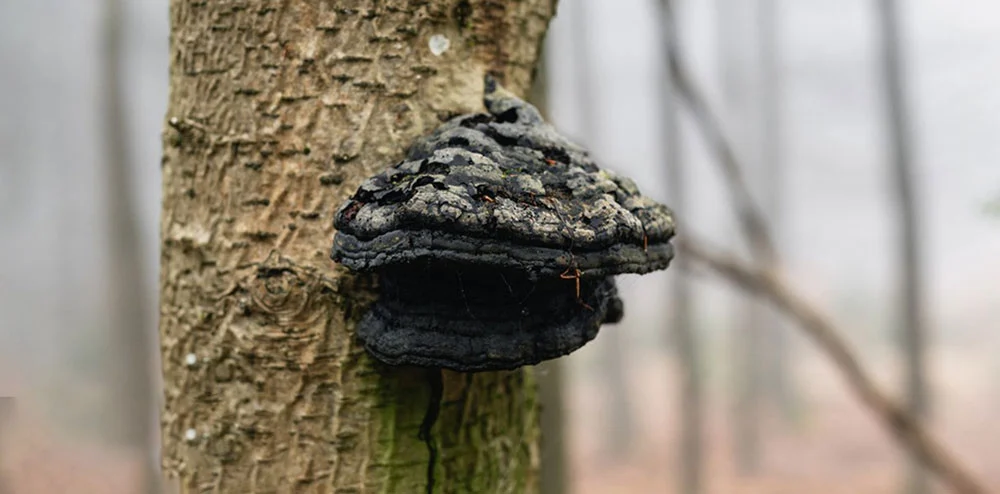
A medical fungus called Polyporus umbellatus has been valued in traditional pharmacopeias for hundreds of years. Its dried sclerotia contain β-glucan polysaccharides, ergone, ergosterol (which is a form of vitamin D2), and α-hydroxy-tetracosanoic acid. These chemicals help the immune system work better, keep fluids in balance, and fight free radicals. This bioactive profile makes it a useful raw material for people who make nutraceuticals and functional foods.
Industrial Applications Across Market Segments
The powder works in many areas. It is found in immune support capsules and tablets that are sold as dietary supplements. It can be mixed into RTD drinks and mushroom coffee for useful drinks. In nutricosmetics, its antioxidant qualities help keep hair healthy, and skin formulations work better. Numerous hair care brands use it because it has been shown to block 5α-reductase, which makes it useful for androgenic alopecia products.
Safety Profile and Dosage Considerations
Published studies regularly show that P. umbellatus preparations are safe at normal dosage levels. It is unique because, unlike many manufactured diuretics, it can help with aquaresis (water elimination) without causing a lot of potassium loss. Because of this, it is a popular natural option for formulas that support the kidneys and control fluid levels. This is true for over-the-counter health products as well as functional supplement lines.
Essential Quality Criteria for Evaluating Bulk Polyporus Umbellatus Mushroom Powder
Quality isn't just one number. A buying team looks at a lot of different factors, such as chemistry, paperwork, and factory standards.
Polysaccharide Standardization and Testing Methods
The main indicator of effectiveness for Polyporus Umbellatus Mushroom Powder is the carbohydrate level. Suppliers you can trust test their products using UV-VIS spectrophotometry to make sure they stay within a set range, which is usually 10% to 40%. For confirming identity, HPTLC fingerprinting tells the difference between real P. umbellatus and fakes like Poria cocos. Buyers should ask for Certificates of Analysis (CoA) that clearly show the test method, result, and batch number.
Certifications That Signal Production Integrity
Certifications are not for show. They follow well-known rules for making things. When you buy in bulk, these certifications are important:
- GMP and ISO 9001 confirm process-level quality controls are in place throughout production.
- FSSC 22000 validates food safety management systems relevant to ingredients entering food and beverage supply chains.
- EU/USDA Organic (NOP) certification verifies that raw materials are cultivated or wildcrafted without prohibited inputs.
- HALAL and Kosher certifications expand the ingredient's market reach into global dietary compliance categories.
If a manufacturer has all of these at the same time, it means they are operating at a level that is suitable for serious B2B supply relationships.
Contaminant Testing and Traceability
Mushrooms store food in their bodies. Heavy metal pollution is a real problem with material that was collected in the wild or from bad sources. ICP-MS testing for lead, arsenic, cadmium, and mercury is done by a responsible seller in line with USP <2232> guidelines. For organic-certified batches, it is normal to use GC-MS/MS to test for pesticide residues, which can detect more than 400 substances. To make sure there was no fumigation-related adulteration, sulfur dioxide residue tests (Monier-Williams method) should also be performed.
Comparing Suppliers and Brands: What To Look For in Bulk Procurement?
The market for functional mushroom ingredients includes both reliable manufacturers and intermediaries who repackage lower-grade material. Knowing how to differentiate them protects your supply chain.
Evaluating Manufacturer Credentials and Production Capacity
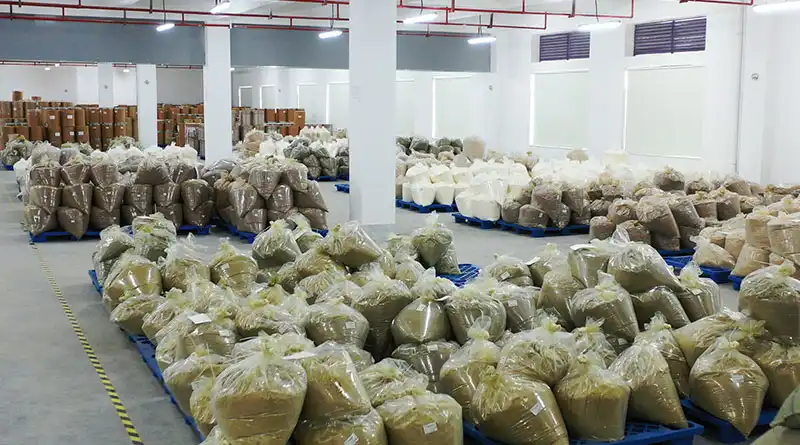
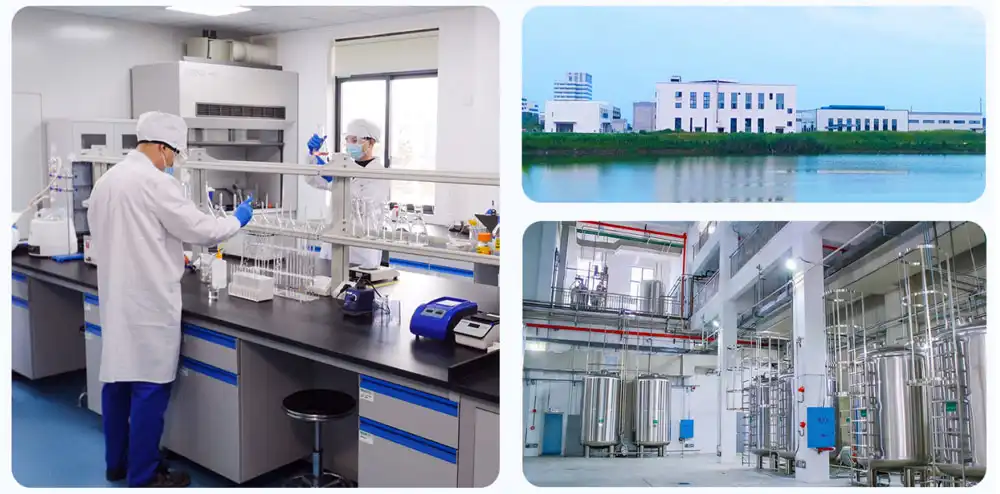
A credible Polyporus umbellatus supplier will hold patents on extraction technology, operate GMP-certified manufacturing facilities, and be able to demonstrate production scale. Patent ownership is a concrete indicator of proprietary technical capability rather than commodity repackaging. Ask for factory audit reports or request a video inspection before placing commercial orders.
Understanding MOQ, Pricing Models, and Lead Times
Pricing transparency and order flexibility reflect how a supplier manages its commercial relationships. For initial evaluation, a supplier offering sample quantities and small trial orders — before requiring a commercial MOQ of 25 kg — provides meaningful risk reduction. Standard lead times of 3–7 working days from ready stock are a reasonable benchmark for a well-managed operation.
Third-Party Validation and Supplier Review Analysis
Third-party testing through recognized laboratories — SGS, Eurofins, NSF — adds a verification layer beyond the supplier's own internal QC. When reviewing supplier documentation, check whether third-party results align with the supplier's own CoA figures. Discrepancies are a red flag. Trade show participation and published customer references also offer qualitative signals about a supplier's market standing.
Procurement Logistics and Transaction Factors for Bulk Buyers
It doesn't matter how good the ingredient is; if it gets damaged during shipping or storage between production and your building, it becomes a risk.
Shipping Methods and Packaging Standards
To stop microbes from growing, the moisture content of Polyporus Umbellatus Mushroom Powder must stay below 7% during transportation. The powder is kept safe from light and moisture by being packed in the right way, usually in double-layer polyethylene bags inside fiber drums or aluminum foil bags. DDP (Delivered Duty Paid) service makes customs easier for people in the US. DHL/FedEx is an option for shipping samples and pressing orders. Air freight is for shipping medium- to large amounts, and ocean freight is for shipping very large amounts.
Safe Sourcing Channels and Counterfeit Avoidance
It's less likely that you'll get a bad product if you buy from verified manufacturer websites, well-known B2B platforms with supplier audit programs, or directly from the manufacturer at a trade show. Always ask for proof before you pay, like a copy of the certificate of authenticity, safety data sheets, or safety data sheets. Suppliers who don't want to provide pre-sale paperwork shouldn't be considered for business supply.
Customization and OEM/ODM Support
For brands that need unique formulations, the ability for suppliers to customize adds direct commercial value. This includes changing the mesh size (60 mesh, 80 mesh, or finer), changing the polysaccharide concentration between 10% and 40%, making granules or liquids, and helping with private label packaging. Formulation development services, in which the seller helps create a finished mix of ingredients, cut internal R&D times by a large amount.

Making the Final Decision: Matching Product Specifications to Business Needs
When you buy functional mushroom ingredients, you should make sure that the grade of the product matches the end-use application and regulatory setting of the people you want to buy it.
Aligning Product Grade With Application Type
With clean-label approval, nutritional brands usually need higher polysaccharide amounts (30%–40%). Fine mesh sizes and good water dispersibility are good for functional beverage applications. Antioxidant markers and statistics on dermal compatibility may be given more weight in cosmetic uses. Pharmaceutical-adjacent formulations need the strictest documentation for traceability and may need extra pharmacopeial alignment.
Batch Consistency and Scale-Up Readiness
If a seller does a good job on a 25 kg test order, it should be checked to see if it can keep up the same level of quality at 500 kg or 2,000 kg. Ask for batch records from more than one production run, not just the most recent one. Long-term supply reliability is better predicted by consistency across batches, especially differences in polysaccharide content, than by a single perfect COA.
Risk Management for International Trade Compliance
US importers should make sure that their supplier has the right export paperwork, such as country of origin certificates and records of food safety compliance. FSSC 22000 and ISO 9001 approval are good starting points, but buyers should also make sure that the seller has shipped to the US market before and knows what the FDA expects from ingredient labels.
Conclusion
It's not enough to just look at the price per kilogram to judge bulk Polyporus Umbellatus Mushroom Powder. The best choices about what to buy involve active compound verification, certification review, third-party testing proof, and business assessment all at the same time. Suppliers who are open about all of these things—offering flexible MOQs, ready stock, and help with formulation—tend to be the most reliable long-term partners. The above review method is a useful starting point for buyers in the nutraceutical, functional food, cosmetic, or pharmaceutical industries who want to lower their risk and make sure that the quality of the ingredients they buy stays the same.
FAQ
How does Polyporus umbellatus differ from Reishi mushroom powder?
Both are functional mushrooms with immune-supportive properties, but their primary bioactive profiles differ. Reishi (Ganoderma lucidum) is recognized for triterpenoids and adaptogenic effects, while P. umbellatus is distinguished by its diuretic action via aquaresis and its ergone and ergosterol content. For kidney support, fluid management, and hair follicle formulations, P. umbellatus offers more targeted bioactivity.
Should I choose powder or extract format for my application?
Raw mushroom powder retains more of the whole-food matrix but delivers lower active compound concentrations. Standardized extracts (10%–40% polysaccharides) offer measurable, consistent potency and are better suited for dietary supplements and functional products with label claims. For beverage applications requiring solubility, opt for extract grades with confirmed dispersibility data.
Is this ingredient safe for long-term use in formulations?
Published safety data on P. umbellatus extracts indicates no significant adverse effects at typical supplement dosages. Its potassium-sparing diuretic mechanism distinguishes it from synthetic alternatives with known electrolyte side effects. As with all concentrated botanical ingredients, buyers should review the supplier's safety data sheet and applicable regulatory guidance for their market.
What is the standard shelf life and storage condition?
Under cool, dry, dark conditions, the powder maintains a 24-month shelf life. Moisture content control below 7% is critical. Sealed, airtight packaging in a temperature-controlled warehouse environment is recommended.
Can the polysaccharide concentration be customized?
Yes. Reputable manufacturers can adjust the standardized polysaccharide ratio within the 10%–40% range to match specific formulation targets. Discuss your application requirements with the supplier's technical team before placing a commercial order.
Partner With Naturalin Biotech for Certified Bulk Supply
Naturalin Biotech has been making botanical extracts for more than 20 years and has 40+ product patents and certifications for ISO 9001, FSSC 22000, EU/USDA Organic, HALAL, and Kosher. They offer pharmaceutical-grade Polyporus Umbellatus Mushroom Powder that is standardized to 10%–40% polysaccharides. We are a reliable supplier of Polyporus Umbellatus Mushroom Powder to global brands. We offer trial sample orders, commercial MOQs starting at 25 kg, DDP delivery to the US, and full formulation support. To get a sample or scientific advice, email us at market@naturalinbio.com or go to naturalinbio.com.
Please note: All products and related services on this website are offered exclusively to corporate clients. We do not accept orders from individual buyers or retail orders.
References
1. Stamets, P. (2005). Mycelium Running: How Mushrooms Can Help Save the World. Ten Speed Press.
2. Hobbs, C. (1995). Medicinal Mushrooms: An Exploration of Tradition, Healing, and Culture. Botanica Press.
3. Wasser, S. P. (2002). Medicinal mushrooms as a source of antitumor and immunomodulating polysaccharides. Applied Microbiology and Biotechnology, 60(3), 258–274.
4. Chinese Pharmacopoeia Commission. (2020). Pharmacopoeia of the People's Republic of China, Volume I. China Medical Science Press.
5. Lindequist, U., Niedermeyer, T. H. J., & Jülich, W. D. (2005). The pharmacological potential of mushrooms. Evidence-Based Complementary and Alternative Medicine, 2(3), 285–299.
6. United States Pharmacopeia. (2023). USP <2232> Elemental Contaminants in Dietary Supplements. United States Pharmacopeial Convention.
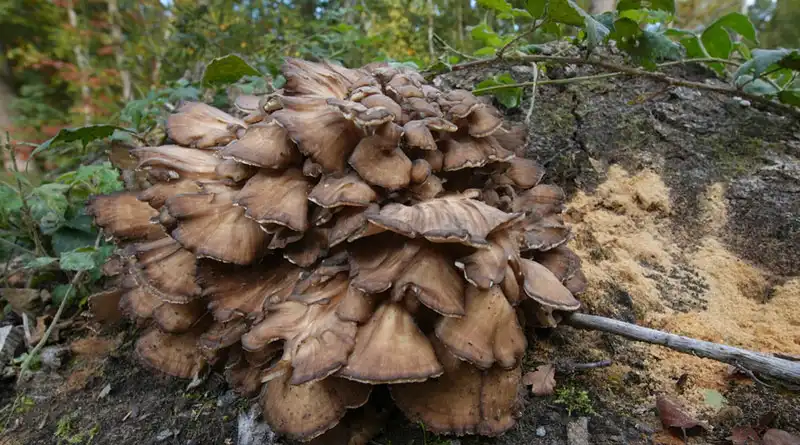
When product development teams evaluate functional mushroom ingredients, batch consistency and verified active compound levels are non-negotiable. Bulk maitake mushroom extract powder, standardized to 30% polysaccharides and 20–40% beta-glucan, addresses exactly those requirements. Derived from Grifola frondosa fruiting bodies and tested via enzyme solution-UV methods, this ingredient gives formulators a measurable, reliable starting point—whether they're building immune-support capsules, functional beverages, or clean-label health foods. This article walks through how to evaluate, source, and apply this ingredient with confidence.
Understanding Maitake Mushroom Extract Powder and Its Role in Product Development
What Separates Extract Powder from Whole Mushroom Powder?
Raw mushroom powder is ground dried biomass. Its chitin cell walls limit how much the body can absorb, and polysaccharide concentrations vary widely between batches. Extract powder, by contrast, uses hot water or dual-solvent extraction to break down those walls, isolating and concentrating the bioactive compounds—primarily (1→3)(1→6)-beta-D-glucans and proteoglycans. The result is a material with defined, measurable activity rather than inconsistent raw biomass.
The D-Fraction Advantage
Grifola frondosa is one of the few functional mushrooms known for its proprietary proteoglycans, referred to in research as the D-fraction and MD-fraction. These structures are responsible for the immune-modulating properties associated with maitake. Standardized extraction preserves this fraction, while whole powder processing often degrades or dilutes it. For formulators making efficacy claims, that distinction matters at the regulatory level.
Why Batch Uniformity Drives Formulation Success?
Ingredient standardization is not just a quality preference—it directly affects label compliance, clinical reproducibility, and end-product performance. When active compound levels shift between batches, dosage calculations become unreliable. HPLC-verified and enzyme solution-UV-tested extract powder removes that variable, giving production teams consistent numbers to work from and QA teams documentation they can stand behind.
Benefits of Using Bulk Maitake Mushroom Extract Powder in B2B Product Development
Efficacy Backed by Measurable Standards
Standardized beta-glucan content, proven at 20–40% by enzyme solution-UV tests, gives buyers a way to measure how well the product works. A study released in 2017 in the journal Food Chemistry showed that the amount of beta-glucan directly affects the immune-modulating activity of Grifola frondosa preparations. This shows that the extract is better than raw powder when performance claims are being made.
Cost and Supply Efficiency at Scale
Buying maitake mushroom extract powder in bulk lowers the cost per kilogram and makes it easier to keep track of supplies. When manufacturers work with a qualified bulk supplier, they get the following main benefits:
- Predictable active levels eliminate reformulation costs caused by ingredient variability between purchase cycles.
- Ready stock with a 3–7 working day lead time keeps production schedules on track and reduces downtime risk.
- Commercial MOQ starting at 25 kg, with sample and small trial orders available, supports both early-stage development and full-scale manufacturing runs.
These ways of buying things make it easier for operations managers to make sure that the dates for getting ingredients are in sync with the dates for production. This makes it easier to find natural ingredients.
Compliance as a Competitive Asset
Working with a supplier that has ISO9001, FSSC22000, EU/USDA Organic (NOP), HALAL, and Kosher certifications makes it easier for your QA team to make sure that everything is in line. Having certified documentation speeds up the review process by regulators and makes it easier to get into markets in North America, Europe, and other major areas without having to do all the testing over again.
How to Choose the Right Bulk Maitake Mushroom Extract Powder Supplier?
Evaluate Extraction Method and Source Material
Fruiting body material is not used by all providers. Mycelium-grown extracts often have high amounts of alpha-glucan from grain sources. This can make polysaccharide counts go up without giving the same bioactive value. Make sure the supplier says where the fruiting body came from and can give you a Certificate of Analysis (COA) that shows the amounts of beta-glucan and total polysaccharides separately. An iodine starch test or Megazyme enzymatic assay result is a good way to tell if the substrate is contaminated.
Assess Certification and Third-Party Verification
The private testing that a seller does is just a beginning; it's not the end. Look for regular third-party approval from well-known labs like NSF, SGS, or Eurofins. Naturalin Biotech continues to work with these labs and sends batches to them on a regular basis for independent proof. This method lets procurement managers get outside proof of what the COA says, so they don't have to trust what it says.
Confirm Customization Capability and MOQ Flexibility
Standard specs work for most uses, but functional food makers, cosmetics makers, and pet food brands often need specific particle sizes, concentration ratios, or ways to deliver the product. A good supplier should offer powder, granules, and liquid forms, and they should be able to change the particle size (to 60 mesh, 80 mesh, or even smaller) and concentration depending on the needs of the application. A provider who supports product development rather than just order fulfillment will have flexible MOQ terms that include the ability to provide samples before committing to business numbers.
Best Practices for Using Maitake Mushroom Extract Powder in Product Formulations
Dosage Guidelines for Immune and Functional Health Products
Based on published studies, the functional dosage range for Grifola frondosa maitake mushroom extract powder beta-glucans in dietary supplements is between 100 mg and 500 mg per dose, based on the amount of standardization. At 30% polysaccharides, 333 mg of extract powder gives you about 100 mg of polysaccharides, which is in line with well-studied immune-support routines. First, formulators should make sure that the target active intake is known, and then they should figure out how much extract is needed per serving.
Compatibility Across Delivery Systems
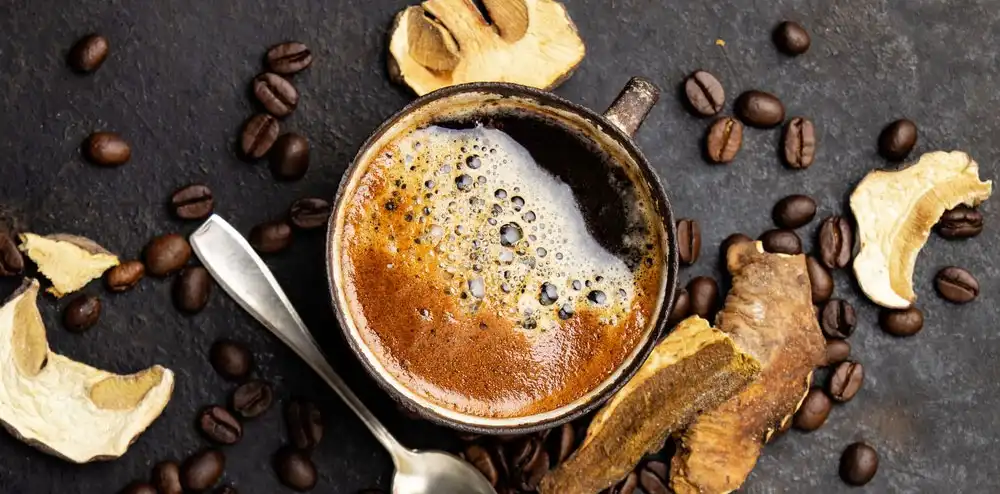
After being processed at high temperatures, maitake extract powder made by hot water extraction is both water-soluble and heat-stable. This means it can be used in many different forms, such as capsules, tablets, quick drink sticks, mushroom coffee blends, health teas, and snack bars. It mixes well with other functional mushroom extracts, like reishi, lion's mane, and cordyceps, and doesn't cause any problems or make them physically incompatible.
Labeling Transparency and Consumer Trust
Because beta-glucan content is a key performance indicator, putting it on product labels makes them more trustworthy to people who know what they're buying. It shows that the formulation is rigorous by listing the source species (Grifola frondosa), the standardized beta-glucan percentage, and the extraction method. When combined with a certified-clean ingredient, this level of clarity lowers the number of returns and encourages people to buy again.
Future Trends and Innovations in Maitake Mushroom Extract Powder for B2B Clients
Advances in Extraction Precision
Using spray-drying technology along with membrane filtration makes it possible to make preparations that are purer without having to worry about solvent residue. These methods raise the concentration of certain proteoglycans while keeping the structure of beta-glucan chains intact. This is different from older alcohol precipitation methods, which sometimes damaged the structure of the chains. Suppliers who put money into this area will be better able to meet the higher quality standards set by pharmacopeias.
Organic and Traceable Sourcing as a Market Differentiator
In both the US and the EU, rules are getting stricter about how ingredients can be tracked. Organic certification under NOP and EU standards is no longer a high-end way to set your product apart; it's now something that clean-label nutrition brands are expected to do. Suppliers who keep approved organic farms and keep records of how raw materials were tracked from the field to the finished extract lower the compliance risk for the brands they work with.
Expanding Applications Beyond Traditional Supplements
Beta-glucans from maitake mushrooms are becoming more popular in cosmetics for their antioxidant and skin-conditioning properties, in pet food to help the immune system, and in functional food forms where both "clean label" and "bioactive" claims can be made at the same time. Each of these groups offers extra income opportunities for companies that already use a flexible and well-known Grifola frondosa product.
Conclusion
Product makers have a reliable material to work with when using maitake mushroom extract powder, which has been tested for beta-glucan content and consistently high polysaccharide levels. There are many real-world uses for this material, ranging from food supplements to functional drinks and new beauty uses. The only thing that matters is that the source material meets established quality standards. If you choose a supplier whose manufacturing is certified, whose raw materials can be tracked, and whose customization options are flexible, you lower both the risk of formulation errors and your regulatory exposure. These factors together decide whether an ingredient is an ongoing asset or a constant source of procurement stress.
FAQ
What is the difference between maitake mushroom powder and maitake mushroom extract powder?
The raw mushroom powder is made from ground, dried Grifola frondosa material. It has chitin cell walls that make it hard to absorb and a variable amount of polysaccharides. The extract powder concentrates bioactive compounds like beta-glucans and D-fraction proteoglycans by using hot water or dual extraction. It gives consistent, measurable active levels that are good for precise formulation work.
How do I verify the beta-glucan content of a supplier's product?
Ask for a COA that shows the amounts of total polysaccharides and beta-glucans, and that was checked using either the Megazyme enzymatic assay or the enzyme solution-UV method. As for lab reports from reputable groups like SGS or Eurofins, you should ask for them. If the total polysaccharide number is high but the beta-glucan number is low, it could mean that starch has been contaminated by mycelium that grew on grains.
Is maitake extract powder heat-stable enough for beverage manufacturing?
Yes. The beta-glucan structures have already been processed at high temperatures because the extract is made by extracting them with hot water. They stay stable through standard beverage manufacturing processes like pasteurization and spray-drying.
What certifications should a compliant bulk supplier hold?
To sell your goods in the US and other countries, look for certifications like ISO9001, FSSC22000, GMP, EU/USDA Organic (NOP), HALAL, and Kosher. These all deal with managing food safety, keeping clean standards, and following religious diets in the world's biggest markets.
Partner With Naturalin Biotech for Your Bulk Maitake Mushroom Extract Powder Needs
GMP-compliant, third-party-tested Grifola frondosa extract that is standardized to 30% polysaccharides and 20–40% beta-glucan is available from Naturalin Biotech. We are a reliable company that has been making maitake mushroom extract powder for more than 20 years. We can help with sample trials, business orders from 25 kg, custom formulations, and DDP door-to-door shipping to the US market. You can email us at market@naturalinbio.com or go to naturalinbio.com to ask for a sample or talk about your formulation needs.
Please note: All products and related services on this website are offered exclusively to corporate clients. We do not accept orders from individual buyers or retail orders.
References
1. Vetvicka, V., & Vetvickova, J. (2014). Immune-enhancing effects of Maitake (Grifola frondosa) and Shiitake (Lentinula edodes) extracts. Annals of Translational Medicine.
2. Kodama, N., Komuta, K., & Nanba, H. (2002). Effect of Maitake D-Fraction on the activation of NK cells in cancer patients. Journal of Medicinal Food.
3. Huang, H. Y., & Lien, Y. Y. (2017). Beta-glucan content and structural characterization of Grifola frondosa extracts. Food Chemistry.
4. Nanba, H. (1995). Activity of Maitake D-fraction to inhibit carcinogenesis and metastasis. Annals of the New York Academy of Sciences.
5. Masuda, Y., Murata, Y., Hayashi, M., & Nanba, H. (2008). Inhibitory effect of MD-Fraction on tumor metastasis: Involvement of NK cell activation and suppression of intercellular adhesion molecule expression. Biological and Pharmaceutical Bulletin.
6. Wasser, S. P. (2002). Medicinal mushrooms as a source of antitumor and immunomodulating polysaccharides. Applied Microbiology and Biotechnology.

Collagen peptides are small-molecule proteins produced through the enzymatic hydrolysis of animal tissues—including bovine hide, fish scales, and bone. Because they break down into fragments with molecular weights typically below 3,000 Daltons, they absorb rapidly in the gastrointestinal tract and disperse cleanly in water. For food manufacturers, this matters: adding hydrolyzed collagen to bars, yogurt, and bakery items raises total protein content while simultaneously modifying texture in ways that other protein sources simply cannot replicate. The result is a cleaner label, better mouthfeel, and a product that genuinely delivers on its functional promise.
Understanding Collagen Peptides and Their Functional Benefits in Food Products
What Makes Hydrolyzed Collagen Different from Gelatin?
Collagen that has been broken down does not gel when it cools down. This difference is very important for people who make food recipes. Since hydrolysis cuts peptide chains down to a very short length, the ingredient stays soluble at a lot of different temperatures and pH levels. That means it doesn't make lumps, weird textures, or gelling marks when mixed into hot-process bar coatings, cold-set yogurt bases, and baked doughs.
The Amino Acid Advantage
Collagen peptides naturally have a lot of glycine, proline, and hydroxyproline, which are amino acids that aren't found in large amounts in most protein sources, like soy or whey. A study in the 2019 journal Nutrients proved that taking certain collagen-derived peptides by mouth activates fibroblasts, which helps fix tissues and break down proteins. It is this mix of amino acids that directly leads to a higher protein grade and a more full nutritional profile in food matrices.
Texture and Moisture Retention in Real Products
When 5–15% bovine collagen peptides are added to protein bars by food scientists, the bars stay moist longer, which is different from how whey protein concentrates usually make foods harden over time. Phytopeptides from marine sources give yogurt a light creaminess without adding more fat. Peptides work with gluten networks to make baked goods with a softer crumb and longer freshness.
Selecting the Right Type of Collagen Peptides for Your Food Applications
Marine vs. Bovine: Core Differences
Naturalin has two main types of collagen peptide raw materials. Bovine Collagen peptides are very stable at high temperatures and dissolve easily, making them perfect for steps that require high temperatures, like baking or extruding bars. For sensitive groups and clean-label yogurt products aimed at allergy-conscious customers, marine collagen peptides are the best option because of their high purity, low allergenicity, and high digestibility.
Certifications and Traceability That Matter to Procurement
For this kind of collagen peptides purchase decision, you need more than just a product specification sheet. It is important for buyers to make sure that a supplier has GMP, ISO 9001, FSSC 22000, and HACCP certifications. Naturalin's factory follows good manufacturing practices (cGMPs) and works with SGS, Eurofins, and NSF to do third-party tests. Every step of the production process records how each batch was tracked from raw animal tissue to final powder.
Matching Peptide Source to Consumer Positioning
Bovine peptides mixed with calcium or glucosamine make a complex that has been backed by science if your business is about sports nutrition or joint health. Marine peptides offer a better sensory profile and fit with a nutricosmetic messaging, whether you are making a high-end beauty-from-within yogurt or a useful snack bar for women. If you pick the wrong source, your product might not reach the right people and regulatory filings could become more difficult.
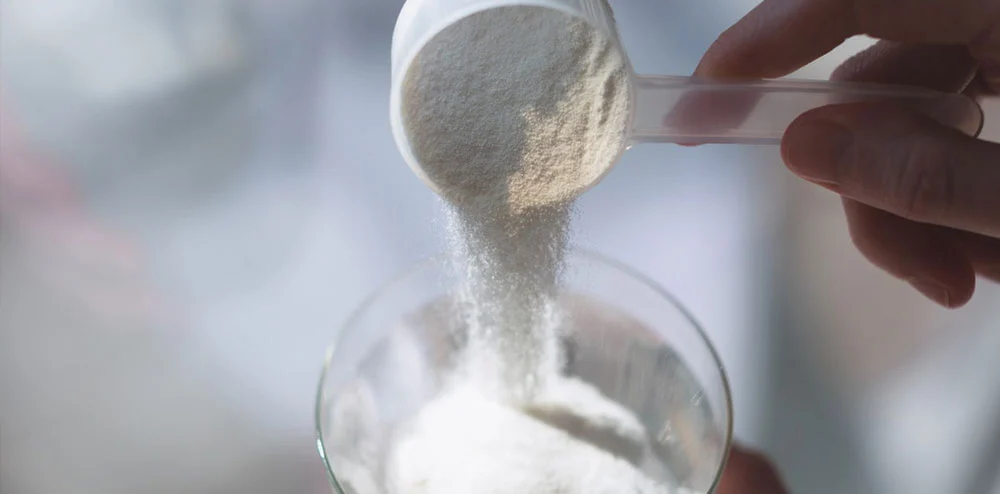
Optimizing Formulation: How to Integrate Collagen Peptides in Bars, Yogurts, and Bakery Items?
Dosage and Timing in Each Food Matrix
Effective incorporation starts with knowing where in the process to add the ingredient. For protein bars, dry blending at 5–20% prior to mixing preserves peptide integrity. For yogurt, pre-dissolving in the liquid base before fermentation ensures even distribution without interfering with lactic acid bacteria activity. For bakery, replacing 10–15% of wheat protein with hydrolyzed collagen modifies dough rheology toward a more extensible, less resistant structure—producing softer finished products.
Here are the key formulation principles that food technologists should apply across these three categories:
- Protein bars: Pre-blend peptide powder with dry components before adding binders. This prevents clumping and maintains target protein density. Moisture activity should be monitored to avoid bar hardening. Thermal stability of bovine peptides supports chocolate enrobing at 45–50°C without degradation.
- Yogurt products: Dissolve the peptide in the milk base at low temperatures before pasteurization. At inclusion levels of 2–5%, marine collagen peptides increase viscosity slightly and contribute a perceived creaminess. Fermentation compatibility has been confirmed across standard Lactobacillus cultures.
- Bakery products: Replacing a portion of standard protein with hydrolyzed collagen reduces dough elasticity and increases extensibility. Finished loaves and soft cookies show measurably lower staling rates in accelerated shelf-life tests.
These formulation strategies are not theoretical—they are the result of documented pilot trials and laboratory testing. Food engineers who apply them consistently report fewer reformulation cycles and faster time to market.
Avoiding Common Formulation Errors
Phase separation is the most common issue when peptides are added incorrectly to emulsified systems. Pre-hydration before mixing into fat-containing matrices prevents this. Texture degradation in bars typically signals excessive water activity rather than a peptide problem. Rigorous water activity measurement at every development stage eliminates this variable.
Procurement Considerations for Collagen Peptides in the Food Industry
Evaluating Supplier Capability and Certification
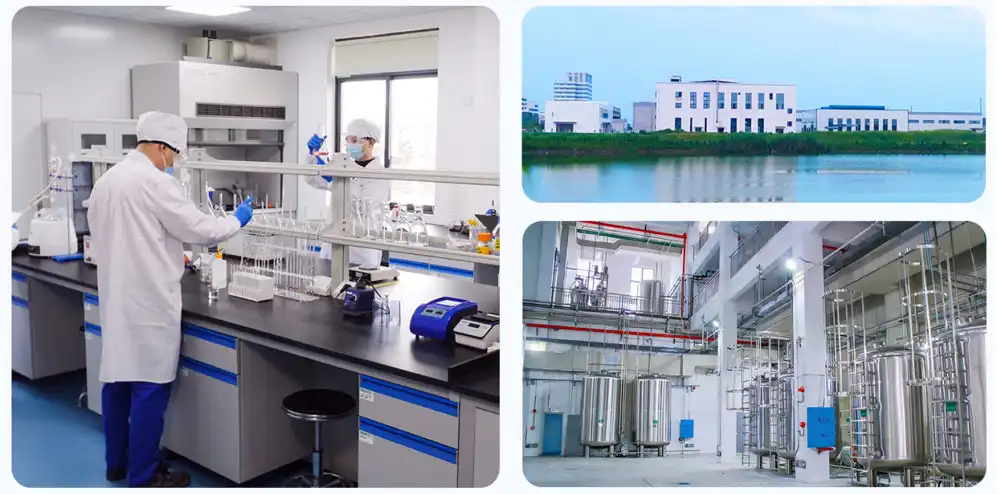
The certifications a supplier has are just the norm; they don't set collagen peptides apart. Besides ISO and GMP, buying managers should also ask about the factory's production capacity, data on batch accuracy, and records of where the raw materials came from. Naturalin's factory is 45,000 m² and makes more than 1,000 tons of natural products every year. Standard conditions allow lead times of 3–7 working days when there is enough stock.
Cost, MOQ, and Logistics for the US Market
When you look at prices, you have to compare the functional return (how much protein and texture improvement does each gram actually give your end product) to the cost per kilogram. Naturalin can handle both small orders and large purchases. They offer full DDP door-to-door shipping service to the US market via sea, land, and air. This makes things easier for the buyer when it comes to customs.
Private Label and OEM Customization
Naturalin customizes collagen peptide solutions for OEM brands and contract makers by changing the molecular weight distribution, particle size, and solubility profiles to fit the needs of each application. Communication of needs, viability analysis, experimental development, process testing, and mass output are all parts of the research and development process. Customers can see how things are going at every stage, which makes things less uncertain and speeds up product launches.
Future Trends and Innovations in Collagen Peptides for Food Products
Clean-Label and Sustainably Sourced Formats
US consumers are increasingly looking for products that can be tracked back to their original sources and leave behind small amounts of waste during processing. Marine collagen peptides, which come from fish waste, are a circular use of things that would have been thrown away otherwise. This puts the ingredient in a good situation for sustainability reports and clean-label claims.
Bioactive Combinations and Functional Stacking
More and more, food scientists are combining hydrolyzed collagen with hyaluronic acid, vitamin C, and antioxidants from plants to make goods that promise to do a lot of different things. Naturalin has more than 40 product patents that cover work in both extraction and combination technologies. This means that R&D partners can use formulation methods other than just adding peptides.
Advanced Hydrolysis Techniques
As enzyme sensitivity has improved, producers can now focus on specific peptide sequences that have been shown to have bioactive properties. For example, the Pro-Hyp and Hyp-Gly dipeptides are linked to benefits for the skin and joints. As tests get better, food products will be able to make more specific functional claims that are backed up by peptide-level evidence.
Conclusion
Hydrolyzed collagen peptides make two clear benefits to food: they give the food more protein through an amino acid profile that is high in glycine and proline, and they give the food better structure by keeping water in and interacting structurally with other ingredients. Marine and bovine peptides each have their own processing benefits. Picking the right source, using it at the right time, and getting it from a certified manufacturer with documented batch consistency are the choices that can make the difference between a successful product launch and a costly cycle of reformulation.
FAQ
Do collagen peptides affect the taste or smell of food products?
High-quality hydrolyzed collagen peptides are essentially tasteless and odorless when processed correctly. Marine peptides from reputable suppliers undergo deodorization steps that eliminate any residual fishy notes. Bovine peptides are similarly neutral. At recommended inclusion levels in bars, yogurt, and bakery, neither source introduces perceptible off-flavors.
Are collagen peptides stable during baking?
Yes. Bovine collagen peptides in particular show excellent thermal stability. Their amino acid composition does not degrade significantly at standard baking temperatures (up to approximately 180°C for short durations), meaning the protein content contribution and textural benefits remain intact in finished baked goods.
What certifications should I require from a collagen peptide supplier?
At minimum: GMP, ISO 9001, HACCP, and FSSC 22000. For the US market, FDA-related compliance documentation and third-party testing reports from laboratories such as SGS, Eurofins, or NSF are standard requirements. Halal and Kosher certifications expand market access significantly.
Can collagen peptides be combined with plant proteins in the same formula?
Yes. Hydrolyzed collagen mixes well with pea protein, rice protein, and soy protein isolates. The combination often improves the amino acid completeness of the final product. Formulators should run small-scale trials to confirm texture compatibility, as different protein types interact differently with the peptide matrix.
Partner with Naturalin Biotech for Reliable Collagen Peptide Supply
Naturalin Biotech has been making collagen peptides for more than 20 years, has a 45,000 m² cGMP plant, and has more than 40 product patents. This makes it a trusted source of collagen peptides for food and supplement brands in the US and around the world. You can get fast samples, OEM customization, and DDP delivery from our team if you need bovine or marine peptides for bars, yogurt, or bakery uses. To get samples, email us at market@naturalinbio.com or go to naturalinbio.com.
Please note: All products and related services on this website are offered exclusively to corporate clients. We do not accept orders from individual buyers or retail orders.
References
1. Shaw, G., et al. "Vitamin C–Enriched Gelatin Supplementation Before Intermittent Activity Augments Collagen Synthesis." The American Journal of Clinical Nutrition, 2017.
2. Proksch, E., et al. "Oral Supplementation of Specific Collagen Peptides Has Beneficial Effects on Human Skin Physiology: A Double-Blind, Placebo-Controlled Study." Skin Pharmacology and Physiology, 2014.
3. Martínez-Alvarez, O., et al. "Collagen Hydrolysates for Sports and Exercise: Emerging Trends and Applications." Nutrients, 2019.
4. Gómez-Guillén, M.C., et al. "Functional and Bioactive Properties of Collagen and Gelatin from Alternative Marine Sources: A Review." Food Hydrocolloids, 2011.
5. Zague, V. "A New View Concerning the Effects of Collagen Hydrolysate Intake on Skin Properties." Archives of Dermatological Research, 2008.
6. Gehring, W., and Ghyczy, M. "Hydrolyzed Collagen as a Functional Ingredient in Food Products: Protein Fortification and Texture Modification in Bars and Fermented Dairy." Journal of Food Science and Technology, 2021.
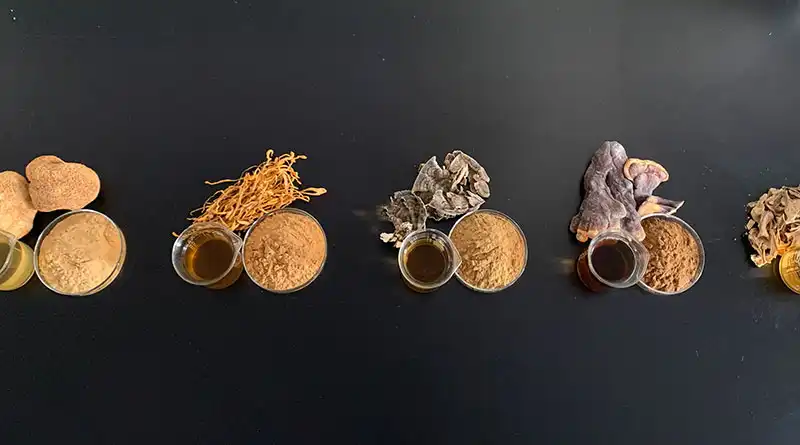
One of the most important choices a formulation team or buying manager can make is which Agaricus Blazei Extract provider to work with. This mushroom extract comes from Agaricus blazei Murrill, a species that grows naturally in the mountains of São Paulo, Brazil. It has a well-known mix of beta-glucans and carbohydrates that help the immune system, fight free radicals, and improve overall health. It is imperative for business-to-business buyers in the nutraceuticals, functional food, personal care, or animal nutrition industries to find a standard, traceable, and regulatory-compliant ingredient. This guide tells you everything you need to know to be sure of your choice.
Understanding Agaricus Blazei Extract: Properties and Applications
Botanical Origin and Bioactive Composition
You may also know this mushroom as Himematsutake. Its growing bodies are full of beta-1,3/1,6-D-glucans, ergosterol (a type of vitamin D2), and proteoglycans. The mushroom is good for your immune system because these chemicals work together to activate macrophages and natural killer cells. In the lab and in real life, studies published in journals like "Evidence-Based Complementary and Alternative Medicine" have shown that it can change the immune system.
Extraction Methods and Potency Retention
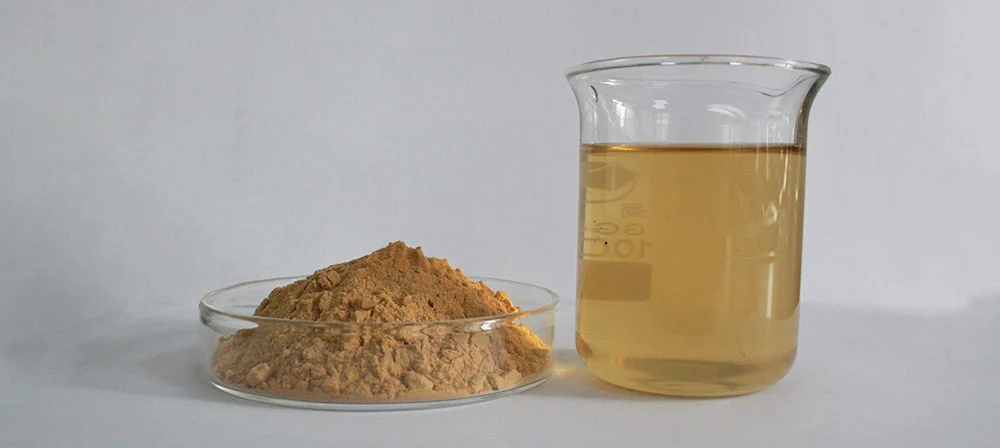
The most popular way to get the most carbohydrates out of a plant is still to use hot water. Dual-extraction, on the other hand, uses both water and ethanol to get more bioactive compounds, such as ergosterols and compounds that dissolve in fat. After spray drying, the medicine stays effective because the amount of wetness stays low, generally below 5%. Also, microbes can't grow on it while it's being stored. This turns into a fine, brown powder that is easy to wet, smells slightly like mushrooms, and drops away in warm water more than 90% of the time.
Dosage, Safety, and Product Format Considerations
Polysaccharide concentrations that are uniform between 10% and 40% (which can be checked with UV-VIS) give the same functional doses per serve when used as a food additive. Powder types, such as pills, tablets, packs, and drink mixes, let you make the medicine in many ways. On the other hand, granule and liquid types are better at mixing or hiding tastes. No major side effects were seen in controlled human studies; so far as we know, the drug is safe at normal doses.
Key Factors in Sourcing Standardized Agaricus Blazei Extract
Why Standardization Matters
For any recipe that wants to sell, consistency from batch to batch is the most important thing. People who buy a product can't be sure that it will work well across production runs until the polysaccharide levels are proven. This can only be done by using both UV-VIS and HPLC fingerprinting. It is easier for your QA team to follow the rules when extracts are standardized. This is because standardized extracts meet the paperwork needs of FDA dietary supplement rules and EU food supplement laws.
Organic vs. Conventional Cultivation
Certified organic Agaricus Blazei Extract costs more, but it meets the rising need for products with clear labels. There are no synthetic pesticides allowed in organic farming, and there are also no banned substances in the ground that is used. This makes it less likely that agrochemicals will still be in the final extract. In high-end health stores, if an item is verified organic by the USDA NOP or the EU, it gives the brand a clear marketing edge. For mass-market uses where organic branding is not as important, conventional, non-GMO options are still a good deal.
Comparing Physical Forms: Powder, Granule, and Liquid
If procurement teams want to choose which physical form to use, they should think about the pros and cons of each one. The most helpful form is powder, which is easy to mix into pills, stick packs, and dry-blend drink bases. The best thing about it is that it can be kept for two years if you store it right. Granules help the mixture move better after high-speed tableting is done. That is why liquid concentrates work best in drinks and makeup where even spread is more important than shelf life. It costs less money in the long run to make sure that form and function are in sync from the start.
Comparing Agaricus Blazei Extract with Other Medicinal Mushrooms
Beta-Glucan Profiles Across Species
When buyers know how A. blazei fits in with Reishi (Ganoderma lucidum), Maitake (Grifola frondosa), and Shiitake (Lentinula edodes), they can write better specs. People know that A. blazei has a lot of the beta-1,3-D-glucan fraction and some unique proteoglycans that you don't normally find in Reishi or Shiitake. Triterpenes are what make Reishi more useful. The D-fraction in Maitake helps keep blood sugar in check. Each type of fungus has a different functional lane. Which one you choose will depend on the health claim your product needs to support.
Formulation Suitability and Flavor Compatibility
Formulation-wise, A. blazei extract tastes less bitter than Reishi extract, which is very bitter. It's now easy to add to drinks and healthy foods without having to use hiding agents. Since shiitake has a stronger umami flavour, it might not work well with supplement bases that don't have a strong flavour. A. blazei* has a mild nature that makes it easier for formulators to make mushroom coffee blends that taste good and do their job. These blends are one of the types of supplements that are growing the fastest in the US market.
Cost-Benefit Analysis for Bulk Procurement
When people compare the price of different kinds of mushrooms per kilogram, they should not only look at the price per unit, but also the amount of active substances that are taken per kilogram. A 10% polysaccharide extract that is less expensive needs to be added at a higher rate than a 30% standardized product. This can make any initial cost savings for nothing. To find out how much something really costs per dose, purchasing managers should ask for certificates of analysis that include measured amounts of active chemicals instead of just total polysaccharide tests.
How to Choose a Trusted Agaricus Blazei Extract Supplier?
Essential Certifications and Compliance Readiness
The company should have GMP, ISO 9001, and FSSC 22000 certifications for Agaricus Blazei Extract, at the very least. To sell in the US market, getting USDA NOP organic certification and HALAL/Kosher compliance lets you sell in more stores. Goods that are sent to the EU must be certified as organic by the EU and must follow EC No. 1334/2008 and other related rules. Third-party testing results from labs like SGS, Eurofins, or NSF should be provided when asked for. Heavy metals, bacteria limits, herbicide traces, and active chemical proof should all be checked for in these records.
Supply Chain Traceability and Transparency
As the foundation for growth goes through the extraction process and is packed, reliable providers keep track of where the raw materials come from. When you grow things on controlled substrates instead of gathering them in the wild, you lower the risk of heavy metals building up in the body and supply problems at certain times of the year. As possible sources, find out where their materials come from, how they monitor the growing environment, and if they use ICP-MS to check every output batch for metals. When suppliers let you watch videos or visit their factories, it shows that they are honest about how they run their business. This should help you decide if they are qualified.
OEM and Private Label Customization Capabilities
Lots of supplement brands and contract makers need to be able to change the ingredients right down to the polysaccharides, mesh sizes, mushroom complexes that have been mixed, or microencapsulated forms that make the nutrients easier for the body to use. It can be faster for a provider to go from idea to production-ready ingredient if it has its own research and development staff. Make sure the seller can support pilot-scale trials before you commit to large quantities. Also, make sure you know what the smallest order size is for both trial orders and regular orders.
Efficient Procurement Strategies for Agaricus Blazei Extract
Structuring Bulk Orders and MOQ Planning
When a business buys something, setting up a clear MOQ framework from the start is helpful for everyone. Standardized mushroom extracts need to be bought in bulk in quantities of at least 25 kg, but smaller orders can be placed to check that the product meets the needs. If buyers have to meet tight production deadlines, they should talk to sellers about delayed delivery plans. This way, buyers can find a good balance between the costs of having stockpiles and the security of a steady supply, especially if the extract is an important part of their recipe.
These are the main ways that people buy things that lower the chance of finding something and make it cheaper:
- Before finishing seller approval, you should ask for multi-batch COAs. When you look at reports of analysis from three or more production runs, you can see information about how consistent one batch is with another that you can't get from just one sample.
- Talk about different price levels that are based on annual volume commitments. Most ingredient providers offer better prices for large orders that are made once a year. This can lower the landing cost per kilogram over the course of a production year.
- Make sure that DDP shipping is possible for the US market. Door-to-door delivery where the seller handles customs clearance cuts down on paperwork and guards against unwanted import duty shocks.
Before you finish checking out the seller, make sure you ask for multi-batch COAs. Looking at COAs from three or more production runs will give you information about how stable the product is from batch to batch that you can't get from a single sample.
Evaluating Online vs. Direct Supplier Channels
When you buy from a certified maker instead of a store that gathers things, you have more control over the specs, papers, and prices of the goods. Talking to the maker's tech team directly also cuts down on the time it takes to return samples and get help with formulations. People who buy things that need a lot of paperwork to back them up, like organic-certified or HALAL-compliant extracts, can make sure that all of that paperwork stays in order and can be checked.
Conclusion
To find a standard Agaricus Blazei Extract, you need to pay attention to three things: the amount of confirmed active compounds, the level of seller approval, and the dependability of the supply chain. When purchasing managers match the requirements for ingredients with their formulation goals, have a third party test the quality, and work with suppliers who allow real customization and traceability, the products they make will always work better. More and more research is showing that A. blazei polysaccharides are useful. This makes this ingredient a good long-term investment for companies that make nutraceuticals, functional foods, and personal care products that focus on health.
FAQ
What polysaccharide concentration should I specify for a dietary supplement application?
For most immune-support supplement formulations, a polysaccharide concentration between 20% and 30% (UV-VIS verified) delivers a functional dose within standard capsule or tablet fill weights. Higher concentrations (up to 40%) are appropriate for premium, low-volume-per-serving formats.
How do I verify that an extract is genuinely standardized and not adulterated?
Request a certificate of analysis showing both UV-VIS total polysaccharide results and HPLC fingerprinting data. Third-party confirmation from a laboratory such as SGS or Eurofins adds an independent layer of verification that internal COAs alone cannot provide.
Is Agaricus blazei extract safe for long-term use in formulations?
Published human studies have not reported significant adverse events at standard supplement dosages. For regulatory compliance in the US, ensure the ingredient meets FDA dietary supplement guidelines (21 CFR Part 111) and that your supplier provides a complete safety dossier.
What is the standard shelf life, and how should the extract be stored?
A two-year shelf life is standard when the extract is stored in sealed, moisture-barrier packaging in a cool, dry environment below 25°C. Its hygroscopic nature means exposure to humidity accelerates caking and potential degradation of active compounds.
Partner with Naturalin Biotech for Your Agaricus Blazei Extract Supply
For most immune-support supplement mixes, Agaricus Blazei Extract with a polysaccharide content of 20% to 30% (UV-VIS confirmed) gives a useful amount that fits into normal capsule or tablet fill weights. For premium forms with low volume per serve, higher concentrations (up to 40%) work well. Email our team at market@naturalinbio.com or visit naturalinbio.com right away to get samples and bulk prices.
Please note: All products and related services on this website are offered exclusively to corporate clients. We do not accept orders from individual buyers or retail orders.
References
1. Hetland, G., Johnson, E., Lyberg, T., & Kvalheim, G. (2011). The Mushroom Agaricus blazei Murill Elicits Medicinal Effects on Tumor, Infection, Allergy, and Inflammation. Journal of Medicinal Food, 14(1–2), 2–9.
2. Firenzuoli, F., Gori, L., & Lombardo, G. (2008). The Medicinal Mushroom Agaricus blazei Murrill: Review of Literature and Pharmaco-Toxicological Problems. Evidence-Based Complementary and Alternative Medicine, 5(1), 3–15.
3. Sorimachi, K., Akimoto, K., Ikehara, Y., Inafuku, K., Okubo, A., & Yamazaki, S. (2001). Secretion of TNF-α, IL-8 and Nitric Oxide by Macrophages Activated with Agaricus blazei Murill Fractions in Vitro. Cell Structure and Function, 26(2), 103–108.
4. Ohno, N., Furukawa, M., Miura, N., Adachi, Y., Motoi, M., & Yadomae, T. (2001). Antitumor Beta-Glucan from the Cultured Fruit Body of Agaricus blazei. Biological & Pharmaceutical Bulletin, 24(7), 820–828.
5. Wasser, S. P. (2011). Current Findings, Future Trends, and Unsolved Problems in Studies of Medicinal Mushrooms. Applied Microbiology and Biotechnology, 89(5), 1323–1332.
6. Beelman, R. B., & Royse, D. (2006). Nutrients and Bioactive Components from Agaricus bisporus and Related Fungal Species for Health Promotion. Nutritional Journal of Food Science and Technology, 41(S1), 1–12.
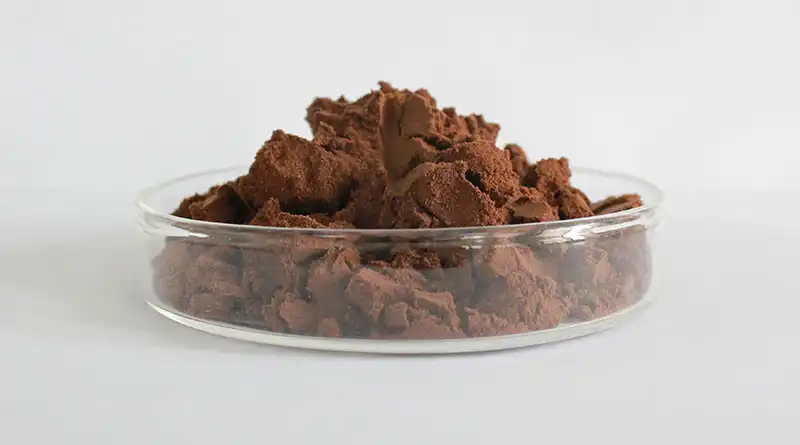
Yes — button mushroom powder can genuinely improve flavor in plant-based and ready-to-eat (RTE) foods. Derived from Agaricus bisporus, this finely milled ingredient carries natural glutamates and ribonucleotides (GMP and IMP) that produce a savory, umami-forward taste without synthetic additives. Research published in Food Chemistry confirms that nucleotides in mushrooms act as flavor potentiators, intensifying perceived savoriness at low inclusion rates. For food manufacturers and R&D teams sourcing clean-label ingredients, Agaricus bisporus powder offers a cost-efficient, shelf-stable route to authentic flavor depth in formulations ranging from plant-based burgers to instant soups.
Understanding Button Mushroom Powder and Its Flavor Profile
What It Is and How It's Made
After being dried out, the sporocarps of the Agaricus bisporus mushroom are ground up until the pieces are as small as 80 mesh. This method saves bioactives that change when heated and turns them into a powder that doesn't stick together and is less than 7% wet. This makes a concentrated ingredient that can be kept for up to 24 months in a controlled space where the humidity is less than 60%.
The Science Behind Umami Delivery
There are naturally occurring free glutamic acid, guanosine monophosphate (GMP), and inosine monophosphate (IMP) in agarus bisporus powder that make it taste good. The umami taste receptor (T1R1/T1R3) is turned on when these chemicals are mixed together. This makes the taste stronger than options made with just salt or yeast in blind taste tests.
Key Nutrients Relevant to Food Manufacturers
The powder tastes good and also has selenium, B-complex vitamins, beta-glucan polysaccharides, and ergosterol, a substance that turns into vitamin D2. Companies that sell food can use these compounds to back up their claims of clean labels because they are useful. This makes it a good choice for placing products based on both taste and nutrients.
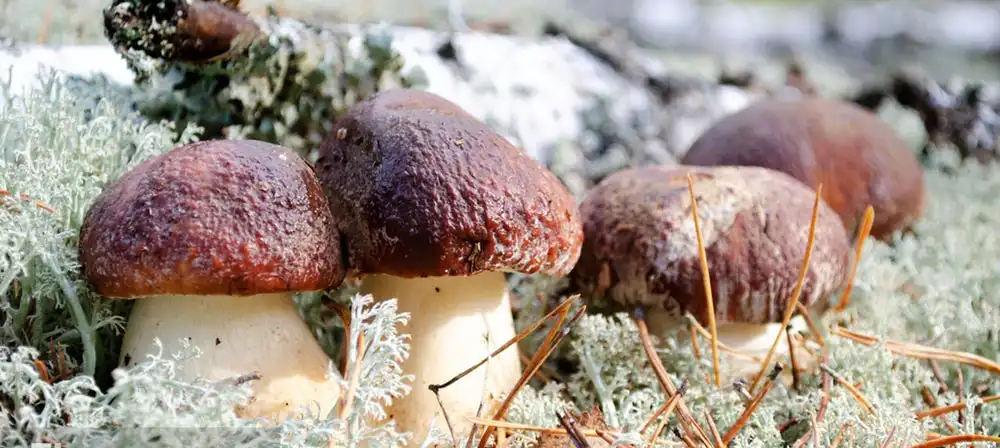
The Role of Button Mushroom Powder in Enhancing Plant-Based and Ready-to-Eat Foods
Masking Off-Notes in Pulse Proteins
A problem that keeps coming up is that soy and pea protein isolates give plant-based meats a "beany" or "grassy" taste. As a natural taste bridge, Agaricus bisporus powder can be used. The umami chemicals in it work with plant protein structures to block out bad tastes and give food a meaty, delicious depth. In 2021, studies published in the journal Food Quality and Preference backed up this method for using a processor with a lot of protein.
Performance in RTE Soups, Sauces, and Snacks
Most of the time, adding button mushroom powder at a weight rate of 0.5% to 2% by weight works well in commercial dry soup mixes and broth. Without changing the color profile too much, this range makes a big difference in how the flavors feel in the mouth and how round they are. Because the particles are only 80 mesh fine, the snack spices are spread out evenly on the coated surfaces. This is important for making sure that the dose is always the same even when production speeds are high.
Clean-Label Compliance Without Trade-Offs
A report from 2023 by Mintel found that 62% of U.S. customers regularly check ingredient labels to see if chemicals have been added. When manufacturers use Agaricus bisporus powder, they can swap out monosodium glutamate (MSG) or hydrolyzed vegetable protein for a single, easily recognizable plant-based ingredient. For companies that value openness and whole foods, this is a big plus.
Comparative Overview: Button Mushroom Powder vs. Other Mushroom Ingredients
Powder vs. Mushroom Extract
More bioactive and carbohydrate power is packed into each gram of mushroom extracts that are concentrated with hot water or dual extraction. They usually cost more per kilogram, though, and their stronger, sometimes bitter taste makes them less useful when the taste is neutral. On the other hand, agaricus bisporus powder has a milder umami tone, can be used in more situations, and is cheap enough to be made on a large scale.
Powder vs. Dried or Fresh Mushrooms
Businesses that buy mushrooms have a hard time keeping up with the supply of both fresh and dried whole mushrooms. Taste strength can change without warning when the amount of water in the air changes between harvest batches. This problem is fixed by the standard 80-mesh powder format, which makes sure that each batch has the same amount of active ingredients, wetness, and particle size. This is always something that the buying team and the quality assurance team make sure of.
Organic vs. Conventional: What Matters for Your Market
Brands that sell in the US and EU are needing organic approval more and more. Natural Agaricus bisporus powder costs about 15–25% more than standard grades, but it can be sold in natural food shops and helps the brand's image as a high-end product. Teams in charge of regulations should check with sellers to make sure the food is NOP (USDA) or EU Organic before putting any claims on the label.
Procurement and Sourcing Strategies for Button Mushroom Powder
Evaluating Supplier Quality Standards
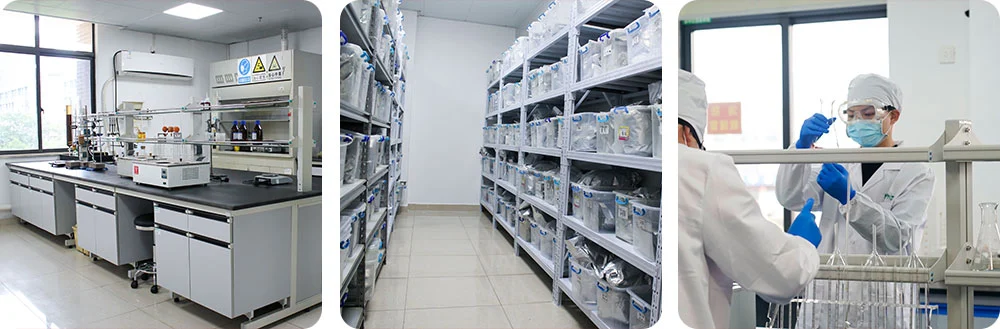
To find a good source of Agaricus bisporus powder, you need to do more than just look at prices per kilogram. Groups that buy button mushroom powder should give more weight to sellers who have ISO 9001, FSSC 22000, GMP, and proof from labs like SGS, Eurofins, or NSF. Testing for polysaccharides with HPLC and UV and heavy metal screening with ICP-MS must be done for the U.S. and EU markets to be in line.
These are the main things that buying managers should look at in a button mushroom powder supplier:
- Batch-to-batch consistency: Active compound levels, moisture content, and particle size should stay within defined specification limits, verified through HPLC and 80-mesh screen testing across multiple production lots.
- Certification coverage: Suppliers should carry HALAL, Kosher, ISO 9001, FSSC 22000, and organic certifications (EU/NOP) to meet multi-market compliance requirements without requiring re-qualification for each new customer territory.
- Microbiological safety: Mandatory testing for Salmonella, E. coli, and yeast/mold counts using AOAC-validated methods must be documented in the Certificate of Analysis for every shipment.
There should be consistency from one batch to the next in the amount of active compounds, the amount of moisture, and the size of the particles. The HPLC and 80-mesh screen tests done on several factory lots can prove this.
Approvals: Suppliers should have HALAL, Kosher, ISO 9001, FSSC 22000, and organic approvals (EU/NOP) so they can meet the needs of many markets without having to re-qualify for each one.- For microbiological safety, AOAC-approved methods must be used to check every package for Salmonella, E. coli, and yeast/mold counts. In the Certificate of Analysis, this has to be put down.
Logistics and Lead Time Planning
When you buy from other countries, it's important to keep an eye on the lead time. When a manufacturer has a good name and a lot of stock, it normally takes between 3 and 7 business days to ship. DDP (Delivered Duty Paid) door-to-door shipping through DHL/FedEx, air freight, or ocean consolidation makes it easy for buyers in the U.S. to go through customs and keeps landing costs from being a surprise. R&D teams can test how well an item works before committing to business MOQs by ordering as few as a few kilograms as a trial order.
Maximizing the Value of Button Mushroom Powder in Your Product Line
R&D Integration and Formulation Customization
Teams that are making new products can ask for mesh sizes that are customized (60-mesh, 80-mesh, or smaller), versions that are easier to dissolve, or microencapsulated forms that make it easier for the particles to mix with liquids. This is very helpful for people who are making functional drinks, since regular powder grades can make sedimentation stand out.
Regulatory Compliance and Market Readiness
QA and regulatory teams should make sure that the powder's COA contains tests for pesticide residues (GC-MS/MS), heavy metal levels that meet FDA and EU standards, and allergen-free claims. It's easier for brands that sell in many countries around the world to follow the rules when their suppliers are certified for both HALAL and Kosher.
Staying Ahead of Plant-Based Trends
Bloomberg Intelligence says that by 2025, the market for foods made from plants will be worth $77.8 billion. Labels need to be clearer and taste better, and brands that use natural umami ingredients are better able to meet their recipe goals. This type of food can only be made with Agaricus bisporus powder.
Conclusion
The taste of plant-based and ready-to-eat foods can be improved with the help of button mushroom powder from Agaricus bisporus, a scientifically sound and commercially useful ingredient. It has measured taste benefits from its natural umami compounds, output is steady thanks to its 80-mesh format, and it has clean label standards that match what people in the U.S. want right now. The most important thing for the R&D and procurement teams is to find a certified supplier that can make changes to the ingredient. This is what will show if the ingredient works as planned on a large scale.
Please note: All products and related services on this website are offered exclusively to corporate clients. We do not accept orders from individual buyers or retail orders.
FAQ
What is the recommended usage rate for Agaricus bisporus powder in food applications?
Most food formulators work within a range of 0.5% to 2% by weight. At 0.5%, the powder adds subtle umami depth to soups and sauces. At 2%, the flavor impact becomes more pronounced — appropriate for high-savory snack seasonings. It is advisable to run sensory evaluations at multiple dosage points before finalizing your formulation.
Is button mushroom powder an allergen concern?
Mushrooms are not among the nine major allergens recognized by the FDA. However, some individuals with specific fungal sensitivities may react. Suppliers should provide a full allergen statement on the COA, and QA teams should verify cross-contamination controls at the manufacturing facility.
How does mushroom powder differ from mushroom extract in flavor intensity?
Mushroom extract is a concentrated form — typically 10:1 or higher — that delivers stronger bioactive potency and more intense flavor per gram. Agaricus bisporus powder provides a more balanced, approachable savory note suitable for broader applications where a subtle, background umami effect is preferred over a dominant mushroom flavor.
What certifications should I request from a supplier?
At minimum, request ISO 9001, FSSC 22000, GMP, HALAL, and Kosher certificates. For U.S. and EU markets, NOP and EU Organic certifications matter for label claims. Third-party lab verification from SGS or Eurofins adds an additional layer of credibility.
Partner with Naturalin Biotech for Premium Button Mushroom Powder
You can trust Naturalin Biotech to give you button mushroom powder for more than 20 years. They have over 40 patents and certifications, such as EU Organic, HALAL, Kosher, ISO 9001, and FSSC 22000. Test sales are welcome, and we offer full OEM/ODM design. We also ship to the U.S. DDP. Email our team at market@naturalinbio.com or visit naturalinbio.com right away to get samples and bulk prices.
References
1. Dermiki, M., et al. "Umami compounds and sensory properties of mushroom-containing foods." Food Quality and Preference, 2013.
2. Muszyńska, B., et al. "Nutraceutical and medicinal properties of Agaricus bisporus." Journal of Functional Foods, 2017.
3. Mintel Group. "Clean Label Trends in U.S. Packaged Foods." Mintel Market Intelligence Report, 2023.
4. Bloomberg Intelligence. "Plant-Based Food Market Global Outlook." Bloomberg Intelligence Industry Report, 2022.
5. Zhang, J., et al. "Flavor compounds in edible mushrooms: structure, sensory properties, and influence on food quality." Food Chemistry, 2020.
6. Hsu, C.K., et al. "Free nucleotides and glutamic acid as flavor potentiators in mushroom extracts." LWT – Food Science and Technology, 2019.

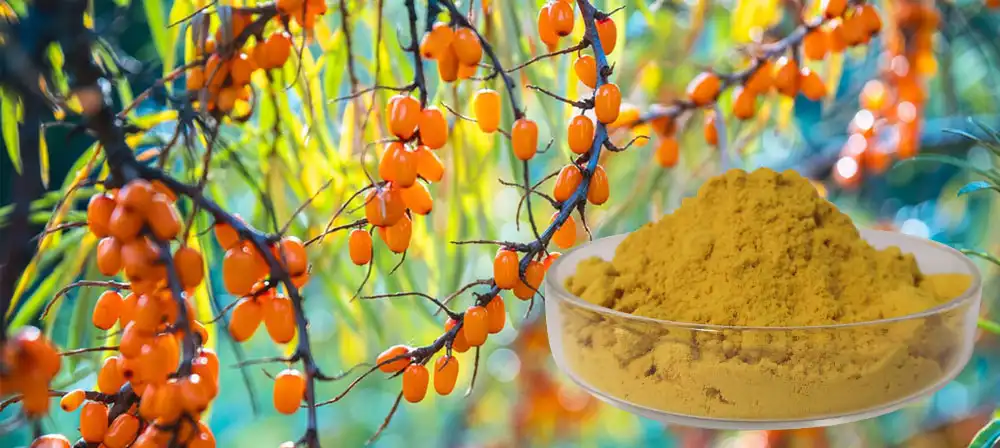
Bulk sea buckthorn powder has emerged as one of the most sought-after botanical ingredients for food and beverage manufacturers across North America. Derived from Hippophae rhamnoides L. berries, this tangy-sweet fruit powder delivers a concentrated source of vitamin C, carotenoids, flavonoids, and rare Omega-7 fatty acids in a shelf-stable, free-flowing format. Whether you are developing immunity shots, fortified yogurts, antioxidant snack bars, or clean-label baked goods, this ingredient offers both nutritional depth and natural color appeal that today's health-conscious consumers actively seek.
Understanding Sea Buckthorn Powder and Its Functional Benefits for Food Manufacturing
Biochemical Composition That Matters to Formulators
There are more than 190 beneficial substances in sea buckthorn berry powder. Freeze-dried types can have up to 1,200–1,500 mg of vitamin C per 100g. In addition, it gives you beta-carotene, tocopherols, nutritional fiber, and the flavonoids isorhamnetin and quercetin. These chemicals help with antioxidant activity, immune function, and protecting cells, which makes it a good choice for a functional claim on food and supplement labels.
Clean-Label Color, Flavor, and Texture Benefits
The powder's natural golden-orange color comes from the carotenoids in it, so no artificial colorants are needed. It goes well with citrus-based drinks and fruit-based baked goods because of its sour and sweet taste. Texture-neutral distribution is achieved through proper processing, which makes it easy to add to snack recipes without changing the structure of the product.
Recommended Inclusion Rates for Stable Formulations
For functional drinks, an inclusion rate of 1 to 3 percent usually gives them color and a measurable antioxidant contribution. At 0.5 to 1.5%, dairy products like yogurt and kefir work well. Heat-stable carotenoids work well in baked goods, and it's common to add 1% to 2% of them to muffin or cookie recipes. To find the best balance between effectiveness and sensory outcomes, formulators should confirm specific rates in bench trials.
Comparing Sea Buckthorn Powder Types: Quality, Forms, and Sourcing Considerations
Organic vs. Non-Organic: What US and EU Buyers Need to Know
Organic certification is not an option for brands that want to sell in Europe and the US; it is expected. Certified organic sea buckthorn powder gets rid of the risk of chemical waste and meets the clean-label standards that big stores need. Naturalin Biotech has both USDA NOP Organic and EU Organic certifications, so buying teams can get material that is approved by both markets without having to buy from multiple suppliers.
Pure Powder vs. Blended Formats
Pure sea buckthorn powder is very different from forms that use a mixed carrier. Blends with maltodextrin or acacia gum change what's written on the package, how much of the active ingredient is used, and how much it costs per effective amount. Before placing an order, buyers should make sure that the specification is a single-ingredient powder or a carrier blend. This is because it has a direct effect on the HPLC-verified nutrient content and the consistency from batch to batch.
Spray-Dried vs. Freeze-Dried: Choosing the Right Process
Spray-dried powder dissolves and spreads better in water, which makes it perfect for use in drinks where it needs to be hydrated quickly. Freeze-dried powder keeps more vitamin C and flavonoids, so it can be used in situations where nutrient potency is the main claim. Naturalin Biotech provides processing choices with quality that has been checked by TLC and customizable mesh sizes (60 mesh, 80 mesh, or as requested) to meet the needs of each client's processing line.
Practical Applications of Bulk Sea Buckthorn Powder in Functional Drinks, Dairy, Snacks, and Bakery Manufacturing
Functional Beverage Formulation: Shots, Smoothies, and Wellness Drinks
Spray-dried sea buckthorn powder dissolves easily in acidic drinks with a pH range of 3.0 to 5.0, which is good for most functional drink recipes. A dose of 500 mg to 1 gram per 60 ml of immunity shot is a good amount of vitamin C. Adding the powder before homogenization, during the mixing stage, keeps the natural golden color that people associate with high-quality health goods and stops the mixture from sticking.
Dairy Applications: Yogurt, Kefir, and Fortified Milk
The acidity of the powder works well with fermented bases like yogurt and kefir in dairy systems. The sour fruit flavor goes well with the lactic fermentation taste. A 0.5–1% addition rate in stirred yogurt keeps the taste the same and boosts the antioxidant and nutrition profile. For fortified milk drinks, microencapsulated formats lower the intensity of the flavor while keeping the stability of the carotenoids through multiple pasteurization cycles.
Snack and Bakery Manufacturing: Color, Nutrition, and Shelf Life
The powder's natural color and antioxidant content make snack bars, grain clusters, and energy bites taste better without the need for binders or man-made ingredients. Carotenoids stay stable at normal baking temperatures (up to 180°C) in baked goods like muffins, breads, and cookies. The powder's low moisture content (under 5%) also doesn't change how the dough rises. When the powder is added at a rate of 1% to 2% in the dry blend stage, the color and taste stay the same from batch to batch.
Bulk Procurement Insights: How to Source High-Quality Sea Buckthorn Powder for Industrial Use?
Setting Quality Specifications Before You Source
Before sending out RFQs for sea buckthorn powder, procurement teams should set basic guidelines. Key factors include having less than 5% wetness and less than 5% ash, particles that are smaller than 80 mesh at 95%, and TLC proof of identity. When buying plant products for food-grade uses, it is common to ask for a certificate of analysis (COA) that lists heavy metals, microbial load, and pesticide residues.
Supplier Evaluation Criteria That Reduce Risk
At the very least, a good supplier of sea buckthorn powder should be certified by ISO 9001, FSSC 22000, GMP, HALAL, and Kosher. Third-party testing agreements with SGS, Eurofins, or NSF add an extra layer of quality control that is not controlled by the company itself. Naturalin Biotech keeps all of these certifications and regularly has third-party labs check their work. They have a business MOQ of 25 kg, and samples are available for trial review before a full commitment is made.
Cost Efficiency Through Smart Sourcing Strategy
The price of bulk sea buckthorn powder changes depending on how it is processed, the amount of certification, and the size of the order. When you deal directly with makers, the cost per kilogram is usually lower than when you buy from a broker. DDP (Delivered Duty Paid) shipping choices, which can be used with DHL, FedEx, air, or ocean freight, make it easier for US buyers to figure out the landing cost. Naturalin Biotech has ready-to-use stock and a normal wait time of 3–7 working days. This cuts down on the time it takes to get things for production schedules.
Ensuring Product Safety and Performance: Addressing Potential Challenges and Side Effects
Known Allergy Risks and Regulatory Considerations
According to current FDA or EU allergen labeling rules, sea buckthorn is not a major allergen. However, people who are allergic to plants in the same family as sea buckthorn may have reactions. Labels from manufacturers should have the right warnings on them. The FDA's 21 CFR rules for botanical food ingredients must be followed in all finished food applications.
Quality Control Practices That Protect Batch Consistency
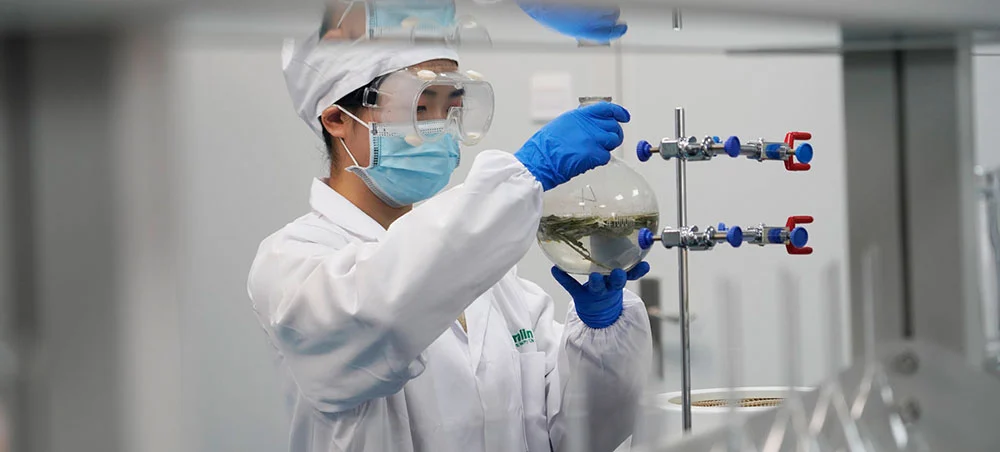
Consistency from batch to batch depends on being able to track raw materials upstream and keeping an eye on quality during the process. Naturalin Biotech uses production methods that are in line with HACCP and checks each batch using HPLC, UV, and AAS testing methods before sending it out. This takes the guesswork out of quality control and helps producers meet store checks of product specifications.
Storage, Packaging, and Antioxidant Preservation
Sea buckthorn powder should be kept below 25°C in boxes that can't let water in and out of direct sunlight. Oxidation can damage carotenoids and vitamin C. Nitrogen-flushed or vacuum-sealed packaging can keep food fresh for up to 24 months. Manufacturers should include storage conditions in their processes for getting raw materials so that the purity of the ingredients stays intact from the warehouse to the production floor.
Conclusion
Sea buckthorn powder is a good ingredient for companies that make functional drinks, dairy products, snacks, and baked goods. Its color is full of carotenoids, it has a lot of vitamin C, and it has a lot of flavonoids, which meet both health and clean-label needs. In the US market, the easiest way to make sure that a product always works right is to find a recognized, manufacturing-grade provider with proven quality standards, traceability, and formulation support.
FAQ
What is the recommended dosage of sea buckthorn powder in functional drinks?
Adding 1 to 3 percent is normal for healthy drinks. A good starting point for concentrated immunity shots is between 500 mg and 1 gram per 60 ml. Stability and taste tests should be done on final dosages to make sure they are correct.
Is organic sea buckthorn powder worth the premium cost?
For goods sold in the US and EU, organic approval lowers the risk of pesticide residue and meets the requirements for clean labels. On top of that, it lets expensive content reach outlets that normally wouldn't accept it.
How do I verify supplier quality before placing a bulk order?
Ask for a COA, copies of certifications, and lab reports from a third party (SGS, Eurofins, or NSF). Naturalin Biotech offers trial samples and helps with plant checks that can happen in person or via video.
What certifications should a qualified sea buckthorn powder supplier hold?
For agreement with two markets, at least ISO 9001, FSSC 22000, GMP, HALAL, Kosher, and organic certification (USDA NOP or EU Organic) must be held.
Can the powder be customized for specific applications?
Yes. Naturalin Biotech has spray-dried and freeze-dried forms, as well as powder and liquid versions. They also offer product creation services that can be tailored to specific requirements for solubility, concentration, and taste.
Partner with Naturalin Biotech for Certified Bulk Sea Buckthorn Powder Supply
Naturalin Biotech is a reliable company that has been making sea buckthorn powder for over 20 years. They have over 40 patents and are fully certified around the world. Sample trials, business sales from 25 kg, and DDP door-to-door shipping across the US market are all things we can do. Visit naturalinbio.com or email our team at market@naturalinbio.com right now to ask for a sample or talk about your formulation needs.
Please note: All products and related services on this website are offered exclusively to corporate clients. We do not accept orders from individual buyers or retail orders.
References
1. Christaki, E. (2012). Hippophae rhamnoides L. (Sea Buckthorn): A Potential Source of Nutraceuticals. Food and Public Health, 2(3), 69–78.
2. Zeb, A. (2004). Chemical and Nutritional Constituents of Sea Buckthorn Juice. Pakistan Journal of Nutrition, 3(2), 99–106.
3. Cenkowski, S., Yakimishen, R., Raghavan, G. S. V., & Muir, W. E. (2006). Quality of Extracted Sea Buckthorn Seed and Pulp Oil. Canadian Biosystems Engineering, 48, 3.9–3.16.
4. Gao, X., Ohlander, M., Jeppsson, N., Björk, L., & Trajkovski, V. (2000). Changes in Antioxidant Effects and Their Relationship to Phytonutrients in Foods During the Harvest Season. Journal of Agricultural and Food Chemistry, 48(5), 1485–1490.
5. Olas, B. (2016). Sea Buckthorn as a Source of Important Bioactive Compounds in Cardiovascular Diseases. Food and Chemical Toxicology, 97, 199–204.
6. Beveridge, T., Li, T. S. C., Oomah, B. D., & Smith, A. (1999). Sea Buckthorn Products: Manufacture and Composition. Journal of Agricultural and Food Chemistry, 47(9), 3480–3488.
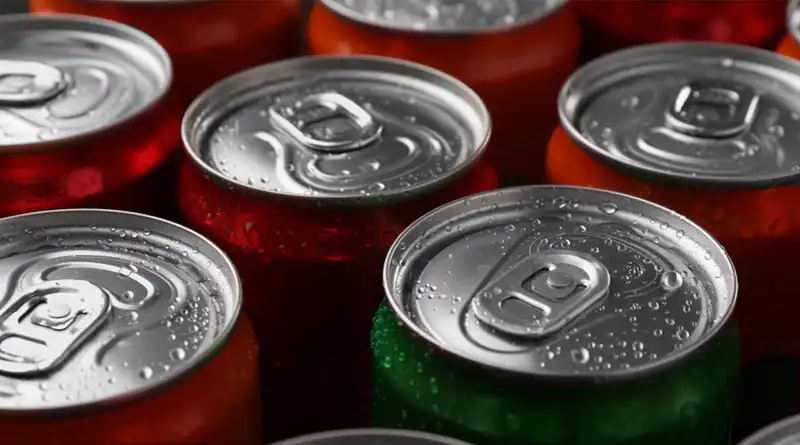
If you are sourcing collagen peptides for clear protein drinks or functional beverage formulations, choosing the right manufacturing partner directly determines your product's quality, clarity, and market success. Hydrolyzed collagen peptides—small bioactive proteins derived from bovine hide, bone, or fish scales—dissolve clearly in water, deliver measurable health benefits, and meet strict regulatory standards. This guide walks purchasing managers, beverage formulators, and OEM clients through every critical decision point, from ingredient science to supplier selection, so your formulation reaches market faster and performs better.
Understanding Collagen Peptides and Their Role in Clear Protein Drinks
Not all protein ingredients behave the same way in a clear beverage. Understanding what separates hydrolyzed peptides from other protein forms is the first step toward a successful formulation.
Collagen Peptides vs. Collagen Protein vs. Gelatin
Native collagen protein is a large, insoluble triple-helix molecule that cannot dissolve clearly in water. Gelatin is partially hydrolyzed and forms a gel at low temperatures. Hydrolyzed collagen peptides, however, are enzymatically broken down to molecular weights typically below 3,000 Daltons. This low molecular weight gives them full water solubility, optical clarity in solution, and rapid gastrointestinal absorption—making them the only form suitable for clear, shelf-stable protein beverages.
Bovine vs. Marine Collagen Peptides for Beverage Applications
At Naturalin Biotech, we offer two core collagen peptide materials. Bovine collagen peptides are prized for excellent thermal stability and reliable solubility, making them well-suited for hot-fill and pasteurized beverage processes. Marine collagen peptides, derived from fish scales, deliver high purity, low allergenicity, and superior digestibility—ideal for clean-label brands targeting health-conscious consumers who prefer marine-sourced proteins.
Functional Benefits That Drive Consumer Demand
Scientific evidence supports two primary benefit areas. First, peptide sequences such as Pro-Hyp and Hyp-Gly activate skin fibroblasts to stimulate the body's own collagen and hyaluronic acid synthesis, improving hydration, elasticity, and reducing fine lines. Second, specific collagen-derived peptides help repair articular cartilage, alleviate joint discomfort from exercise or prolonged sitting, and promote calcium deposition to reduce bone mass loss. These benefits translate directly into strong positioning for beauty drinks, sports recovery beverages, and active-aging formulations.

Challenges in Using Collagen Peptides for Clear Protein Drink Formulations
Even a high-quality hydrolyzed collagen ingredient can create problems if formulation variables are not controlled carefully.
Solubility, Clarity, and Particle Size
Residual high-molecular-weight peptide fractions in collagen peptides scatter light and create haze in finished beverages. Suppliers with tight molecular weight distribution control—verified by GPC/SEC analysis—deliver consistently clear solutions. At pH levels below 3.5 or above 7.0, some peptide fractions can aggregate, so pH-adjusted formulations require raw materials tested across the intended application range.
Off-Flavor Management and Shelf Stability
Poorly processed fish-derived peptides often carry identifiable off-notes. Reputable manufacturers apply advanced enzymatic processing and deodorization steps to achieve a neutral flavor profile. Shelf stability testing—including accelerated aging studies at 40°C/75% RH—should be standard practice to confirm the ingredient performs throughout the product's intended shelf life without browning or precipitate formation.
Regulatory Compliance Requirements
Beverages sold in the United States must comply with FDA food additive and GRAS regulations. Export products require EU Food Regulation compliance and, for specific markets, Halal or Kosher certification. Procurement teams should request full documentation: GMP certificate, ISO 9001, FSSC 22000, HACCP, and third-party testing reports from accredited laboratories such as SGS, Eurofins, or NSF. Naturalin Biotech holds GMP, ISO 9001, FSSC 22000, HACCP, Organic, Halal (SSPY and BPJPH), and OV-Kosher certifications.
How to Choose the Right Collagen Peptides Manufacturer for Your Beverage Line?
The company you choose is more or less a technical partner. When making a B2B buying choice, these are the things that really matter.
Technical Capability and Hydrolysis Expertise
The molecular weight distribution, solubility, taste, and bioavailability of a product are all affected by the hydrolysis method used by the company that makes it. We need HPLC and GPC data from more than one final batch to make sure that everything is the same. Naturalin Biotech has a 45,000 m² building that is cGMP-certified. The company has been making products for more than 20 years and has more than 40 patents for product ideas. This means that R&D teams and QA managers can count on batch-to-batch reproducibility.
Quality Control and Third-Party Validation
If a company selling collagen peptides is real, they should always pass these tests:
- Molecular weight distribution verified by GPC/SEC to confirm hydrolysis degree and absorption potential
- Hydroxyproline content measured by HPLC to authenticate collagen identity
- Heavy metal screening (mercury, lead, arsenic, cadmium) conducted via ICP-MS, essential for marine-derived materials
- Microbiological testing covering total plate count, yeast/mold, and E. coli
- Sensory assessment to confirm absence of off-flavors that compromise beverage taste
Mercury, lead, arsenic, and cadmium must be screened for with ICP-MS for elements that come from the sea.
Tests that look for yeast or mold, E. coli, and the total number of plates; a sensory check to make sure there aren't any off-flavors that make the drink taste bad
Customization, MOQ, and Supply Chain Flexibility
For different uses, drinks need to meet different standards. Some beauty drinks may need 5 grams of marine collagen peptides with an average molecular weight of less than 1,000 Dalton. On the other hand, a sports recovery RTD may need 10 grams of cow collagen peptides that are better at withstanding high temperatures. With Naturalin Biotech, you can completely change the way a product looks by changing its shape (powder, grains), particle size, and concentration. Their normal wait time is three to seven business days, and they promise to answer any questions you have within twenty-four hours. Full DDP door-to-door delivery service for air, sea, and land freight in the US market.
Innovations and Trends in Collagen Peptides for Functional Beverage Formulations
The market for drinks that are good for you is growing really quickly. The world market for collagen was worth about USD 9.0 billion in 2023. It's going to grow at a rate of over 9% per year until 2030, mostly because of the desire for beauty-from-within and sports nutrition drinks.
Marine and Vegan-Adjacent Collagen Formats
Marine collagen peptides are being used in clear drinks more and more because they are lighter in color, don't have a strong flavor, and appeal to people who aren't on a strict diet. Some brands are making beauty drink systems with marine peptides and collagen co-factors like vitamin C, zinc, and plant products, but there isn't yet a fully vegan collagen ingredient.
Targeted Health Positioning and Ingredient Synergies
Formulators are putting collagen peptides together with actives that work well with each other so they can make more accurate health claims. Proteins, glucosamine, and calcium are all found in drinks that are good for your joints. In health drinks, they are mixed with hyaluronic acid and antioxidants from plants. Branched-chain amino acids and collagen peptides are both in drinks that help you heal from sports. Each mix must be carefully tested to make sure it works well with all the others in order to be clear and stable.
Personalized Nutrition and Functional RTD Growth
People want to take charge of their own health, which is driving the demand for RTD drinks with collagen in more than just plain drinks. A lot of companies are now working on making coffee, plant-based drinks, and sparkling water with added collagen. It takes a lot less time to get an idea from the drawing board to the store shelf when manufacturers offer quick sample growth and recipe help.
Best Practices and Formulation Tips for Integrating Collagen Peptides into Clear Protein Drinks
Dosage Recommendations Aligned with Health Outcomes
Getting between 2.5 and 10 grams of hydrolyzed collagen peptides every day is good for your skin. Getting between 5 and 10 grams every day is good for your bones and joints. Most clear drinks don't need more than five to ten grams per dose. When the amount is higher, more tests of solubility and taste are needed to make sure the drink stays clear and tastes good.
Mixing Process to Prevent Haze and Sedimentation
Collagen peptides should be dissolved in warm water (40–60°C) before they are mixed with other things. When you mix for the first time, don't touch plant materials that are high in tannin up close. Complexes of tannin and protein can make the mixture cloudy. While processing, keep the pH between 3.5 and 6.5 for the clearest results. Proteins from bovine blood can be processed at standard HTST settings because they don't change when heated up.
Flavor Pairing and Application Case Example
Bovine collagen peptides that are neutral work best in clear water that tastes like cucumber, lemon, or lychee. Collagen peptides from the sea go well with light notes of fruit or flowers. In real life, a 350 mL clear beauty water with 5 g of marine collagen peptides at pH 4.0, yuzu flavoring, stevia sweetness, and 80 mg of vitamin C per drink meets standards for both clarity and shelf-stability after 12 months of quick testing.

Conclusion
Customers and the government will both be happy with your clear protein drink or functional drink if you pick the right hydrolyzed collagen peptides and the right production partner. Controlling the molecular weight and getting a third party to check the quality are both important parts of the buying process. So is being able to make changes and rely on a reliable supply. Naturalin Biotech has been making things for more than 20 years and is GMP-certified. They also offer full-service R&D support. This gives drink brands and OEM formulators a strong foundation for making goods that do well.
FAQ
What is the difference between collagen peptides and collagen protein in beverage formulations?
Native collagen protein is a big molecule that doesn't mix with water, so it's not good for drinks that are already clear. Enzymes reduce collagen peptides to very small molecular weights. In this state, they dissolve fully in water, are clear, and are absorbed quickly. This makes them ideal for clear protein drinks.
Are marine collagen peptides better than bovine for clear drinks?
Marine collagen peptides are better for clear drinks with a clean label because they don't cause allergies as often, are lighter in color, and don't taste as good. It is better to use bovine collagen peptides for hot-fill processing because they stay stable at high temperatures.
How long does it take to see health benefits from collagen peptides?
Studies from real people have shown that taking 2.5 to 10 g every day for 4 to 8 weeks makes skin more hydrated and flexible. If you eat 5–10 g of collagen peptides every day, your joints should start to feel better in 8–12 weeks.
Can collagen peptides be combined with other functional ingredients in a single beverage?
Yes. A lot of the time, plant extracts, vitamin C, zinc, glucosamine, and hyaluronic acid are used together. Some plants, especially those high in tannins, can change the clarity, so they need to be checked to see if they will work with the water and keep it stable.
What certifications should a collagen peptides supplier hold for US market export?
GMP, ISO 9001, HACCP, and FSSC 22000 are the very least that should be met. More people will buy from you if you have Halal and Kosher licenses. Third-party testing documents from SGS, Eurofins, or NSF are the norm for QA compliance in the US market.
Partner with Naturalin Biotech — Your Trusted Collagen Peptides Supplier
Naturalin Biotech sells collagen peptides from fish and cows that are safe for use in medicine. They have more than 40 patents on their products, make them in a cGMP-certified facility, and have all the paperwork they need to sell them in the US and other countries. We promise to get back to you within 24 hours about sample requests, sales of raw collagen peptides, and the creation of OEM formulations. Our team can help you with your next beverage project. Email us at market@naturalinbio.com or go to our website at naturalinbio.com to get samples, specs, and licenses.
Please note: All products and related services on this website are offered exclusively to corporate clients. We do not accept orders from individual buyers or retail orders.
References
1. Proksch, E., Segger, D., Degwert, J., Schunck, M., Zague, V., & Oesser, S. (2014). Oral supplementation of specific collagen peptides has beneficial effects on human skin physiology. Skin Pharmacology and Physiology, 27(1), 47–55.
2. Shaw, G., Lee-Barthel, A., Ross, M. L., Wang, B., & Baar, K. (2017). Vitamin C–enriched gelatin supplementation before intermittent activity augments collagen synthesis. The American Journal of Clinical Nutrition, 105(1), 136–143.
3. Zdzieblik, D., Oesser, S., Baumstark, M. W., Gollhofer, A., & König, D. (2015). Collagen peptide supplementation in combination with resistance training improves body composition and increases muscle strength in elderly sarcopenic men. British Journal of Nutrition, 114(8), 1237–1245.
4. Honvo, G., Lengelé, L., Charles, A., Reginster, J. Y., & Bruyère, O. (2020). Role of collagen derivatives in osteoarthritis and cartilage repair: A systematic scoping review with evidence mapping. Rheumatology and Therapy, 7(4), 703–740.
5. Daneault, A., Prawitt, J., Fabien Soulé, V., Coxam, V., & Wittrant, Y. (2017). Biological effect of hydrolyzed collagen on bone metabolism. Critical Reviews in Food Science and Nutrition, 57(9), 1922–1937.
6. Grand View Research. (2024). Collagen Market Size, Share & Trends Analysis Report by Source, Product, Application, Region, and Segment Forecasts, 2024–2030. Grand View Research.
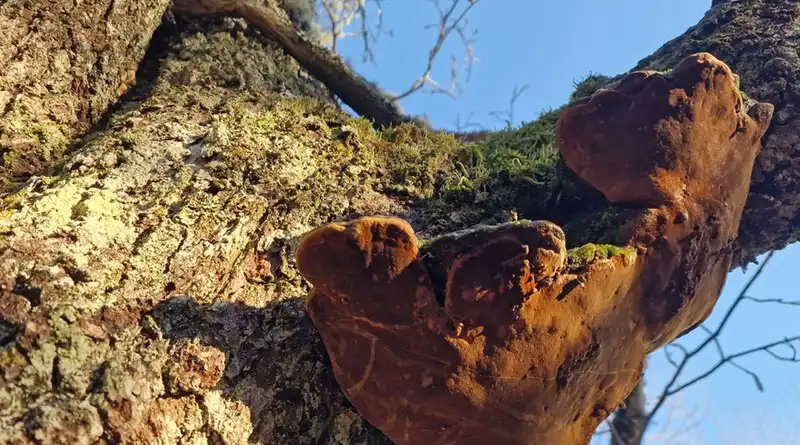
When sourcing Phellinus Linteus Mushroom Extract in bulk, the quality factors that matter most include polysaccharide standardization (verified via UV-VIS), botanical strain authentication, extraction method integrity, third-party testing for heavy metals and microbial limits, and supplier certification status. Sanghwang mushroom extract—as it is known in traditional East Asian medicine—contains bioactive beta-glucans and hispidin compounds that are highly sensitive to processing variables. Getting these factors right determines whether your finished product delivers consistent functional performance across every batch.
Understanding the Core Quality Factors of Phellinus Linteus Mushroom Extract
Quality in mushroom extracts used for medicine is never a coincidence. It starts with choices made during the sourcing, growing, and handling stages, with each one building on the last.
Botanical Strain Authentication and Cultivation Method
One Phellinus linteus mushroom is not the same as another. Due to differences in geography and season, wild-harvested specimens have very different amounts of bioactive compounds. On the other hand, controlled cultivation makes sure that the bioactive content is the same from batch to batch. Identifying the species is also important. Phellinus igniarius is often mistaken for linteus, and their polysaccharide profiles are very different. Reliable suppliers use chromatographic or HPTLC fingerprinting to make sure the species is correct before extraction starts.
Extraction Technology and Bioactive Compound Retention
Which beneficial chemicals make it into the final product depends on how they were extracted. Hot-water extraction is used to get polysaccharides and beta-glucans that dissolve in water. Dual extraction, which uses both water and ethanol as solvents, also gets alcohol-soluble chemicals like triterpenes and hispidin. At Naturalin Biotech, we use two different types of extraction to keep the full bioactive profile. This way, we can deliver standardized polysaccharide content from 10% to 40% (tested by UV-VIS).
Phytochemical Profiling and Antioxidant Benchmarking
Reporting the total carbohydrate percentage is only one part of a strict phytochemical profile. It tells the difference between alpha-glucan fillers made from starch and beta-glucans made from fungi, which is something that many buyers miss. Iodine-based starch screening and tests for ergosterol both show that there are no grain substrate remains. Using DPPH or FRAP tests to compare antioxidant activity adds another level of useful quality for use in cosmetics and nutraceuticals.

Evaluating Supplier Reliability and Certification
Certifications for Phellinus Linteus Mushroom Extract are not labels for products; they are proof of quality and production systems that have been checked by a third party. When evaluating a Phellinus linteus extract provider, don't just look at their handouts; look at their written work as well.
Certification Standards That Signal Credibility
GMP compliance means that the company follows the rules for how to make things. ISO 9001 confirms quality control methods that have been written down. FSSC 22000 talks about how to handle food safety. For people in the US market, USDA NOP organic certification and EU organic status give buyers even more peace of mind about the clean label. EU Organic, NOP, ISO 9001, FSSC 22000, HALAL, and Kosher certifications are all held by Naturalin Biotech. This meets the documentation needs of most global markets.
Third-Party Laboratory Validation
Certificates of Analysis (CoA) that are only given by the maker don't mean much if they haven't been checked by someone else. Buyers should ask for testing from a third party, preferably a well-known lab like SGS, Eurofins, or NSF. Some important tests for analysis are ICP-MS for heavy metals (lead <2 ppm, arsenic <1 ppm, mercury <0.1 ppm), microbial plate counts (<1,000 CFU/g), the absence of Salmonella and E. coli, and GC-MS/MS for full pesticide screening to make sure the food meets EU and USDA organic standards.
Traceability and Supply Chain Transparency
A trustworthy supplier should be able to show where the raw materials come from, from the cultivation base to the finished extract lot. Naturalin Biotech keeps an organic farming base running under organized control, so all of the raw materials can be tracked back to their source. This level of openness lets customers check the methods used in farming, lowers the risk of contamination, and meets the paperwork needs of regulatory agencies in the US, EU, and other target markets.
Matching Product Format and Dosage Forms to Business Needs
As important as it is to get the chemistry right is to choose the right product format. How well the extract works in the final product and how well it fits into your production process depend on the format.
These are the main style factors that buying teams usually look at:
- Powder (80 mesh or 60 mesh): The most common format for B2B buyers. Naturalin's Sanghwang extract powder offers excellent flowability and heat stability, making it well-suited for capsule filling, tablet pressing, beverage blending, and cosmetic incorporation. Custom mesh sizes are available on request.
- Granules: Preferred for applications requiring controlled dissolution rates or when direct-blend manufacturing needs a free-flowing intermediate form.
- Liquids: Suitable for functional beverages or topical cosmetic formulations where rapid solubility is required.
It is dosage standardization that connects the choice of format to the effectiveness of the product. In the supplement industry, the goal for immune-supporting products is usually to have at least 20% to 40% total polysaccharides and at least 20% beta-glucan. The 10% to 40% polysaccharide range in Naturalin can be used for everything from low-dose functional foods to high-concentration therapeutic supplements.
In addition to format, private label and OEM/ODM modifications for a Phellinus Linteus Mushroom Extract make a product stand out. Naturalin Biotech helps with product development at both the functional and sensory levels. This means that clients don't have to start from scratch when they want to change the concentration, solubility profile, or application-specific properties.
Comparing Market Options: Price, Quality, and Value
A lot of different brands and prices of bulk mushroom extract are sold. When looking for cheaper choices, many times they skimp on checking for pesticides, botanical authenticity, or the purity of polysaccharides. These flaws leave the company open to regulatory risk and product liability.
If people are looking at Phellinus linteus extract next to other medicinal mushrooms like Reishi (Ganoderma lucidum) or Turkey Tail (Trametes versicolor), they should know that the Sanghwang mushroom is highly valued for having higher levels of hispidin-type styrylpyrone and better antioxidant properties than the others. This bioactive profile supports its specific use in immune-modulation supplements and cosmetics that reduce inflammation.
The best providers give you more than just the element. Your R&D and procurement teams will save time and have less risk with help with certification paperwork, co-formulation advice, responsive sample programs, and uniform batch quality. Before placing a business MOQ (minimum order quantity of 25 kg), Naturalin Biotech lets buyers order samples and small batches to test the quality before ordering in bulk.
Logistical and Regulatory Considerations in Bulk Sourcing
It can be hard to get the product right. Getting it to your building on time and legally is a different matter.
Regulatory Documentation for US and EU Markets
Dietary supplement ingredient providers in the US must be able to provide labeling, safety data sheet (SDS) paperwork, and allergen disclosure that is in line with FDA rules. Importers from the EU have to follow more REACH rules. Naturalin's export paperwork package meets all normal regulatory requirements, which makes it easier to get goods through customs.
Packaging Integrity During Transit
It is known that bulk powder extracts are hygroscopic, which means they take in water from the air. Bad packaging speeds up breakdown and can cause microbes to grow. Standard practice is to use double-layer plastic inner bags and moisture-proof outer boxes. Oxygen-barrier sealing and desiccant inclusion protect the integrity of polysaccharides even more during ocean freight, which can take a long time and have changing humidity levels.
Lead Times and Order Flexibility
Naturalin Biotech keeps Phellinus linteus extract in stock, and wait times are usually between 3 and 7 business days. You can ship with DHL or FedEx for fast small orders, air freight for urgent shipments of a moderate volume, or ocean freight for big business orders. Full DDP (Delivered Duty Paid) door-to-door service is available for buyers in the US, which makes the process of importing a lot easier.
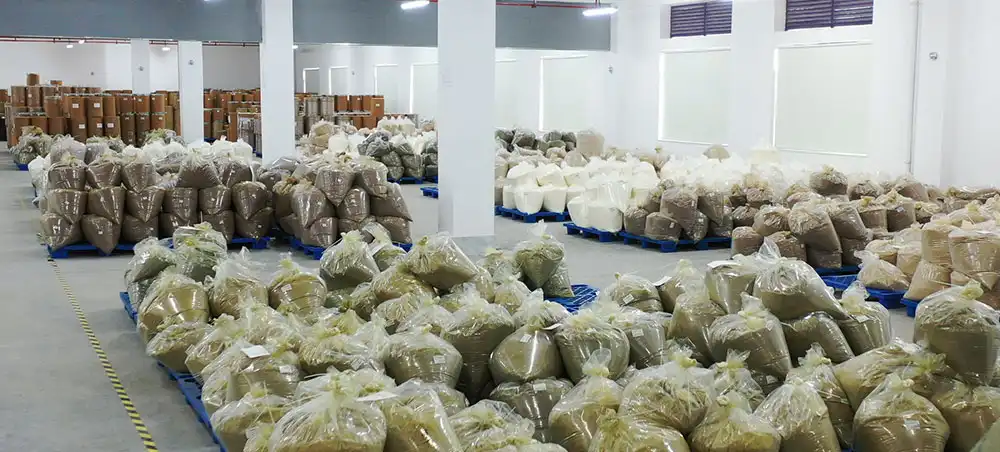
Conclusion
To find the right quality of bulk Phellinus Linteus Mushroom Extract for your goods, you need to look at things like botanical authenticity, extraction integrity, polysaccharide standardization, seller certification, and logistics capabilities all at the same time. Every part is linked to the others. A seller who does all of these things well is worth working with. For more than 20 years, Naturalin Biotech has helped supplement and functional food brands around the world by providing reliable supply relationships that include GMP manufacturing, third-party validation, and responsive formulation support.
FAQ
What polysaccharide specification is standard for bulk Phellinus linteus extract?
The 20%–40% total carbohydrate range is where most supplement uses fall. Naturalin provides standardization between 10% and 40%, which is confirmed by UV-VIS. It can be used in both functional food and high-potency supplement forms.
How do I verify that an extract comes from the fruiting body, not mycelium on grain?
Ask for test results on ergosterol and starch (iodine). A lot of starch means that there is a grain base. A real fruiting body extract will have very little starch and ergosterol levels that can be measured. Get the provider's COA and test results from a third party.
What certifications should a US buyer prioritize when sourcing from China?
For the US market, GMP, ISO 9001, FSSC 22000, and USDA NOP organic approval are the most important. HALAL and Kosher approvals help retailers offer a wider range of products.
What is the minimum order quantity for trial purposes?
Before the business MOQ of 25 kg, Naturalin Biotech lets buyers ask for samples and place small-batch trial orders. This way, buyers can check the quality before committing to full-scale buying.
How should bulk mushroom extract powder be stored?
Keep away from direct light and in a cool, dry place below 25°C. Keep sealed in the original packaging that keeps moisture out. If you store it correctly, it will last for two years.
Partner with Naturalin Biotech for Bulk Phellinus Linteus Mushroom Extract Supply
You should choose a supplier whose credentials have been checked, who has an inventory ready to go, and who can really help you with formulation. Naturalin Biotech is a reliable company that makes Phellinus Linteus Mushroom Extract and sells standardized, approved extract to major names in the food, cosmetics, and nutraceutical industries. Visit naturalinbio.com today to get your sample or talk to our team directly about your business needs at market@naturalinbio.com.
Please note: All products and related services on this website are offered exclusively to corporate clients. We do not accept orders from individual buyers or retail orders.
References
1. Zjawiony, J. K. (2004). Biologically active compounds from Aphyllophorales (Polypore) fungi. Journal of Natural Products, 67(2), 300–310.
2. Sliva, D. (2010). Medicinal mushroom Phellinus linteus as an alternative cancer therapy. Experimental and Therapeutic Medicine, 1(3), 407–411.
3. Shon, Y. H., Nam, K. S., & Kim, M. K. (2003). Antimutagenicity and induction of anticarcinogenic Phase II enzymes by basidiomycetes. Journal of Ethnopharmacology, 88(2–3), 293–297.
4. Kim, G. Y., Park, S. K., Lee, M. K., Lee, S. H., & Park, O. J. (2004). Proteoglycan isolated from Phellinus linteus activates murine B lymphocytes via protein kinase C and protein tyrosine kinase. International Immunopharmacology, 4(10–11), 1225–1235.
5. Quang, D. N., Hashimoto, T., & Asakawa, Y. (2006). Inedible mushrooms: A good source of biologically active substances. Chemical Record, 6(2), 79–99.
6. Wasser, S. P. (2011). Current findings, future trends, and unsolved problems in studies of medicinal mushrooms. Applied Microbiology and Biotechnology, 89(5), 1323–1332.
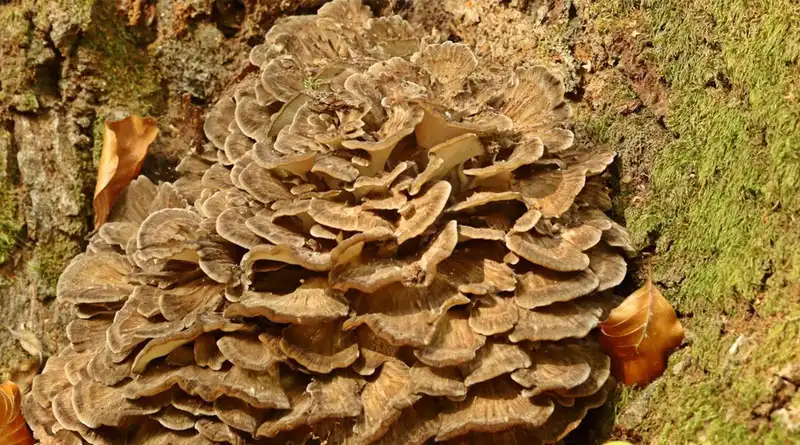
Yes — maitake mushroom extract powder fits remarkably well into functional beverage and specialty food formulas. Derived from Grifola frondosa, this concentrated ingredient delivers standardized beta-glucans and polysaccharides that support immune function, blood sugar balance, and antioxidant activity. Its water-soluble profile, heat stability, and neutral flavor make it compatible with a wide range of applications, from mushroom coffee blends to wellness bars. For R&D teams and procurement managers seeking a traceable, GMP-certified functional ingredient, this extract offers both scientific credibility and real formulation flexibility.
Understanding Maitake Mushroom Extract Powder: Composition and Benefits
What Bioactive Compounds Does It Contain?
The main substances that work in the Grifola frondosa extract are (1→3)(1→6)-beta-D-glucans, especially the D-fraction and MD-fraction proteoglycans, and larger polysaccharide complexes. Enzyme solution-UV testing shows that Naturalin Biotech's standard includes 30% polysaccharides and 20–40% beta-glucan content. These chemicals are taken out of fruiting bodies using hot water or dual extraction, which breaks down the indigestible chitin wall and makes the mushroom powder much more bioavailable than raw mushroom powder.
Immune Support and Antioxidant Activity
Studies that were reviewed by experts agree that maitake beta-glucans turn on macrophages, natural killer cells, and dendritic cells. This makes them a well-known immune modulator. In 2010, the Journal of Medicinal Food released a study that found D-fraction from Grifola frondosa increased immune reaction markers in people. The antioxidants help protect cells even more, which is appealing to people who are making products for preventative health and daily wellness.
Safe Dosage and Nutritional Profile
Beta-glucan-standardized maitake extract usually comes in doses of 100 to 500 mg per serving in functional foods and drinks, which are backed up by research. The extract is safe to use, doesn't contain any mycelium fillers, and doesn't cause any known bad effects when added at normal levels. This clean safety profile makes it easier for product makers to file with regulators and supports clean-label placement, which are both important in the US nutraceutical and functional food market.

Evaluating Maitake Extract for Functional Beverage and Specialty Food Integration
Solubility, Flavor, and Stability
When making drinks, one practical question that drink makers have is whether a mushroom extract will dissolve easily and stay stable. Using hot water to extract maitake leaves makes the extract very water-dispersible. It mixes well with RTD drinks, instant drink mixes, and functional teas without clumping. It has a mild, earthy taste that goes well with coffee, chocolate, and herbal tea bases. This makes it a popular ingredient in mushroom coffee SKUs.
Comparing Maitake to Other Functional Mushroom Extracts
The taste of reishi is more bitter than maitake's, so it has a different effect on the senses. For cognitive and energy claims, lion's mane and cordyceps are often chosen. For immunity and metabolic health claims, maitake mushroom extract powder is a better choice. When mixed with other mushrooms, maitake powder works well with reishi, lion's mane, and cordyceps without taking over the flavor. This is an advantage that product developers in the dietary supplement and specialty food industries really like.
Real-World Application Relevance
One of the parts of the US health market that is growing the fastest is functional mushroom drinks. Brands like Four Sigmatic and MUD\u001awTR have shown that there is a strong demand for coffee alternatives made from mushrooms. For businesses that make private-label or OEM goods in this area, maitake extract is a well-researched and proven ingredient that can support immune-health claims in drinks, snack bars, and specialty foods.
Procurement Considerations for B2B Clients: Sourcing Maitake Mushroom Extract Powder
Supplier Certification and Quality Standards
Certifications are a must when looking at a Grifola frondosa extract source. The following certifications cover Naturalin Biotech: ISO9001, FSSC22000, HALAL, Kosher, EU Organic, and USDA NOP. These cover managing food safety, following religious diets, and being able to trace organic products. Third-party validation from labs like SGS and Eurofins gives QA teams in the US market even more confidence.
Here are the main factors for buying something: When looking for functional mushroom extracts, B2B buyers should focus on the following:
- Active ingredient standardization: Confirm HPLC or enzyme solution-UV test data showing consistent polysaccharide and beta-glucan levels across production batches. Inconsistent standardization is a leading cause of formula failure and consumer complaints.
- Fruiting body vs. mycelium sourcing: Fruiting body extracts contain significantly higher beta-glucan concentrations than mycelium grown on grain substrates, which often carry residual starch. Always request a COA that distinguishes the source and confirms alpha-glucan levels are low.
- Scalability and MOQ flexibility: Naturalin Biotech supports sample and small kilogram trial orders, with a commercial MOQ of 25 kg. Ready stock and a 3–7 working day lead time reduce supply chain pressure for product launches and reformulations.
The minimum order quantity (MOQ) for Naturalin Biotech is 25 kg, but they can take sample orders and trial orders for as little as 1 kg. A 3–7 working day wait time and ready stock make the supply chain less stressed for new products and changes to existing ones.
Logistics and Regulatory Readiness
These requirements directly address the risks that purchasing managers face when they have to vet a new ingredient supplier for a regulated market.
Formulation Best Practices: Incorporating Maitake Extract into Functional Products
Dosage, Heat, and pH Considerations
The beta-glucans in maitake mushroom extract powder can withstand high temperatures. In fact, the hot water extraction process heats the actives, proving that they can survive use at boiling temperatures. Because of this, the extract can be used in instant hot drinks, cooked grain-based bars, and even baked snacks. Solubility and stability stay the same for drinks with pH levels between 4 and 7. As a starting point, formulators should aim for 200–400 mg of extract per serving. They can make changes based on the strength requirements.
Managing Flavor and Texture
Even though maitake extract is mild, some people notice a slight earthiness when they take higher doses. This note can be neutralized by mixing it with natural vanilla, cinnamon, or antioxidant mixes like ashwagandha. When mixed with oat or date bases, the flavor is completely hidden in bars or snacks. The 80-mesh particle size of Naturalin (which can be changed) helps blend textures smoothly and stops grittiness in both liquid and solid food forms.
Extending Shelf Life and Stability
If you store the extract in a sealed, moisture-controlled container, it will last for two years. For big items, it's best to use double-layer PE bags inside fiber drums with desiccant. To keep beta-glucan from breaking down over time, formulators should keep an eye on the water activity in finished goods, especially healthy bars and powdered mixes. For shelf-stable uses, the general rule is to choose a spray-dried, low-moisture extract that has less than 5% moisture content.
Future Outlook: Maitake Extract in Evolving Functional Food and Beverage Markets
Growing Demand for Natural Immune Ingredients
Grand View Research says that the global functional mushroom market will grow at a compound annual growth rate (CAGR) of more than 9% through 2030. In 2023, it was worth about $9.1 billion. People's interest in immune-boosting ingredients grew after 2020 and doesn't seem to be going away any time soon. Maitake is a good candidate for shelf space in the growing functional food category because it has a well-known scientific profile and can be used with clean labels.
Regulatory Tailwinds and Substantiated Claims
The FDA's structure/function claim framework lets supplement and functional food brands make immune-support claims that are backed up by solid scientific literature. Maitake beta-glucans have a lot of published support in this area. The EU's new food rules continue to make things clearer for mushroom extracts. Working with a source who has both EU Organic and US NOP certification makes the compliance process a lot easier for brands that make goods for more than one market.
OEM, Private Label, and Customization Pathways
Organic and custom-made brands and contract makers can get help from Naturalin Biotech with functional and recipe development. You can make changes to powder, granule, and liquid forms, and you can change the particle sizes and concentration ratios. One of the company's more than 40 patents is for a mushroom extract (ZL202210227047.6). This shows that the company has really put money into developing its own extraction technology that helps make products that are better.

Conclusion
Maitake mushroom extract powder is a useful ingredient that has been backed by science. It works well in functional drinks, gourmet foods, and dietary supplements. It is a good choice for B2B formulators working in the US wellness market because it has a standard beta-glucan content, can handle heat, has a mild flavor, and is not regulated in any way. It is a real help in product development when it comes from a certified manufacturer with clear quality controls and easy customization options. The ingredient's market drive and the rising demand for natural immune-health solutions mean that you should give it a lot of thought for your next preparation project.
FAQ
Is maitake extract derived from fruiting body or mycelium?
Naturalin Biotech's extract comes from the fruiting body of Grifola frondosa. Fruiting body material contains higher beta-glucan concentrations than mycelium grown on grain substrates, which often carry residual starch that dilutes active content.
What is the difference between polysaccharides and beta-glucans on the COA?
Polysaccharides are a broad category that includes starches. Beta-glucans are the specific immune-active compounds. A product showing high polysaccharides but low beta-glucans may contain fillers. Naturalin's extract is tested using enzyme solution-UV methodology for accurate, specific beta-glucan quantification.
Can this extract handle boiling water in tea or hot beverage applications?
Yes. Because the extract is produced via hot water extraction, the bioactive beta-glucans have already been subjected to heat during manufacturing. They remain stable in consumer applications involving boiling water.
What is the recommended starting dosage for beverage formulations?
A starting range of 200–400 mg per serving works well for most functional beverage formats, depending on the extract's concentration specification. We recommend requesting samples and conducting stability testing within your specific matrix.
How do I verify purity before placing a commercial order?
Request a full COA with HPLC or enzyme solution-UV beta-glucan data, a heavy metals panel, and microbiological testing results. Third-party verification from SGS or Eurofins provides additional assurance for QA teams.
Partner With Naturalin Biotech for Your Next Functional Ingredient Formulation
Naturalin Biotech has been helping nutrition and food brands around the world for more than 20 years by providing approved, GMP-compliant maitake mushroom extract powder. Our ready stock, short lead time (3–7 days), and full DDP delivery to the US make it easy to buy. We are a reliable provider of maitake mushroom extract powder, and we offer sample orders, unique specs, and dedicated formulation support. Visit naturalinbio.com or email our team at market@naturalinbio.com to ask for a sample or talk about your product needs.
Please note: All products and related services on this website are offered exclusively to corporate clients. We do not accept orders from individual buyers or retail orders.
References
1. Kodama, N., Komuta, K., & Nanba, H. (2003). Effect of Maitake (Grifola frondosa) D-Fraction on the Activation of NK Cells in Cancer Patients. Journal of Medicinal Food, 6(4), 371–377.
2. Vetvicka, V., & Vetvickova, J. (2014). Immune-enhancing effects of Maitake (Grifola frondosa) and Shiitake (Lentinula edodes) extracts. Annals of Translational Medicine, 2(2), 14.
3. Wasser, S. P. (2010). Medicinal mushroom science: History, current status, future trends, and unsolved problems. International Journal of Medicinal Mushrooms, 12(1), 1–16.
4. Grand View Research. (2023). Functional Mushroom Market Size, Share & Trends Analysis Report. Grand View Research.
5. Borchers, A. T., Keen, C. L., & Gershwin, M. E. (2004). Mushrooms, tumors, and immunity: An update. Experimental Biology and Medicine, 229(5), 393–406.
6. Mayell, M. (2001). Maitake extracts and their therapeutic potential — A review. Alternative Medicine Review, 6(1), 48–60.
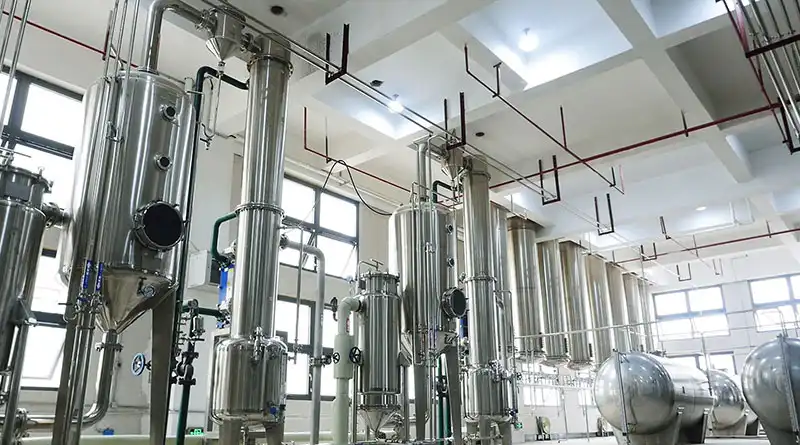
If you're sourcing sea buckthorn powder at industrial scale, the short answer is: choose a supplier that pairs certified quality with genuine customization capability and supply chain depth. Not every botanical ingredient manufacturer can handle the batch consistency, traceability, and regulatory documentation that large-scale food and beverage production demands. This guide breaks down what separates a capable supplier from a risky one—and shows where Naturalin Biotech stands in that comparison.
Understanding the Requirements of Large-Scale Food & Beverage Production
Running a high-volume production line means zero tolerance for ingredient variability. One inconsistent shipment of Hippophae rhamnoides L. fruit powder can throw off a product's flavor, color, and label claims all at once. Procurement managers need suppliers who understand that pressure.
Batch Consistency and Nutritional Standardization
Large-scale buyers need assurance that every kilogram of botanical fruit powder carries the same carotenoid density, vitamin C level, and moisture content. TLC testing at the raw material stage, combined with HPLC verification of active compounds, provides the traceability that QA teams require before clearing a batch for production.
Certifications That Open Market Doors
A product heading to the US, EU, or Middle Eastern market needs more than a GMP certificate. Buyers increasingly request FSSC22000 for food safety management, ISO 9001 for process consistency, HALAL for Muslim-majority market access, and Kosher for specialty retail. Each certification represents a documented audit trail—not just a logo.
Logistics Built for Industrial Volume
Reliable delivery windows matter as much as quality. Suppliers who maintain ready stock and ship within 3–7 working days reduce the risk of production stoppages. Whether freight moves by DHL, FedEx, air, or ocean, a supplier with DDP door-to-door experience for the US market removes customs friction and shortens lead cycles significantly.
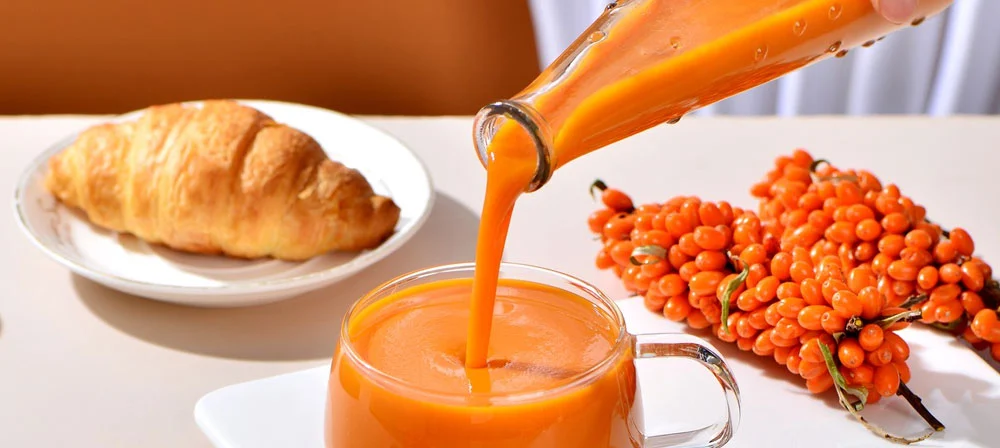
Core Criteria for Choosing the Right Hippophae Rhamnoides Powder Supplier
Choosing a supplier isn't just about price. The lowest cost-per-kilogram doesn't always take into account the hidden costs of redoing the formula, rejecting batches, or waiting for regulatory approval. In a structured B2B evaluation, these are the things that matter most:
Before you read the list below for sea buckthorn powder, keep in mind that these criteria should be weighted based on the type of product you make. For example, a person who makes functional beverages should focus on different things than someone who makes nutraceutical capsules.
- Active Ingredient Verification: Third-party testing by SGS, Eurofins, or NSF confirms that flavonoid and carotenoid levels match the specification sheet. Suppliers who share Certificates of Analysis proactively demonstrate transparency.
- Processing Technology: Spray-dried and freeze-dried formats differ in nutrient retention and solubility. Freeze-drying preserves a higher percentage of heat-sensitive compounds like vitamin C, while spray-drying offers better flowability and cost efficiency for beverage applications.
- Customization Depth: The ability to adjust mesh size (60 or 80 mesh), encapsulate active compounds, or develop application-specific granule and liquid formats determines how quickly your R&D team can move from concept to production.
- MOQ Flexibility: A supplier who accepts trial orders alongside commercial MOQs of 25 kg makes supplier validation much easier for procurement teams managing new product launches.
MOQ Can Be Changed: It is much easier for procurement teams in charge of new product launches to validate suppliers when they accept both trial orders and business MOQs of 25 kg.
Comparative Analysis: What Separates Industrial-Grade Suppliers?
Most companies that sell plant ingredients can be put into one of two groups: retail-focused brands that offer standard SKUs with little room for customization, and manufacturing-focused brands that can grow with your production needs.
Retail-Oriented vs. Manufacturing-Oriented Suppliers
Retail-facing sellers, like Now Foods or Organic India, mostly work with markets that buy finished goods. Their powders have a lot of information about them and have been tried and tested by customers, but they don't give much in the way of B2B preparation work, custom concentration, or OEM support. If a food company needs a certain amount of carotenoids to fiber, these suppliers really hold them back.
The Case for Dedicated B2B Manufacturers
A company that only makes botanical extracts and has its own research and development (R&D) department can work with others to create new formulas, change how products taste, and react more quickly to changes in the law. This is important for sea buckthorn berry powder because of its naturally acidic and high carotenoid content, which needs to be carefully stabilized during processing. This is something that needs process-level knowledge, not just sourcing experience.
Naturalin Biotech's Position in the Market
Naturalin Biotech has been making sea buckthorn powder and other plant ingredients since 2006 and has over 40 patents covering methods for extraction and purification. One problem that sea buckthorn powder is known to have is keeping compounds like vitamin C and Omega-7 safe from oxidation while the powder is stored. Their microencapsulation technology directly solves this problem. Their product paperwork meets the strictest legal requirements in the US and Europe, with approvals for USDA Organic, EU Organic, FSSC22000, HALAL, and Kosher.
How to Integrate Sea Buckthorn Fruit Powder into Production Workflows?
It's not enough to just get the element right. Whether its functional properties stay the same during processing depends on how you use it in your production line.
Application Matching by Product Format
Spray-dried sea buckthorn berry powder doesn't clump when added to healthy drinks, and the color stays the same in acidic pH ranges of 3.0 to 5.0. Freeze-dried powder keeps more vitamin C than supplement capsules and sachets—usually between 1,200 mg and 1,500 mg per 100g—so it's the best choice for claims that it helps the immune system.
Stability Testing Before Scale-Up
Before you start a big production run, you should make sure that the powder works well at the temperatures and humidity that you need for processing by inspecting it for quality and testing its stability quickly. Monitoring for consistency from batch to batch should be put into your deal with your provider and not be seen as an option.
Sustainable Sourcing and Long-Term Partnership
Getting sea buckthorn from growing bases that can be tracked and are managed organically lowers the risk of pesticide residue failures and helps with the clean-label positioning. Suppliers who are in charge of where the raw materials come from, from growing them to handling them, offer better tracking paperwork, which is helpful when regulators want to do full checks of the supply chain.
Conclusion
When looking for a supplier of sea buckthorn powder on an industrial scale, you need to look at more than just price. When deciding where to get goods, things like batch consistency, processing technology, certification coverage, level of customization, and the dependability of logistics all play a role in deciding the quality of the goods and their availability on the market. All of these issues are taken care of by Naturalin Biotech, which has official certifications, processing technology backed by patents, and an active research and development team. A skilled producer with more than 20 years of experience working with botanical ingredients is the best choice for procurement managers who want to lower the risk of buying and speed up product development.
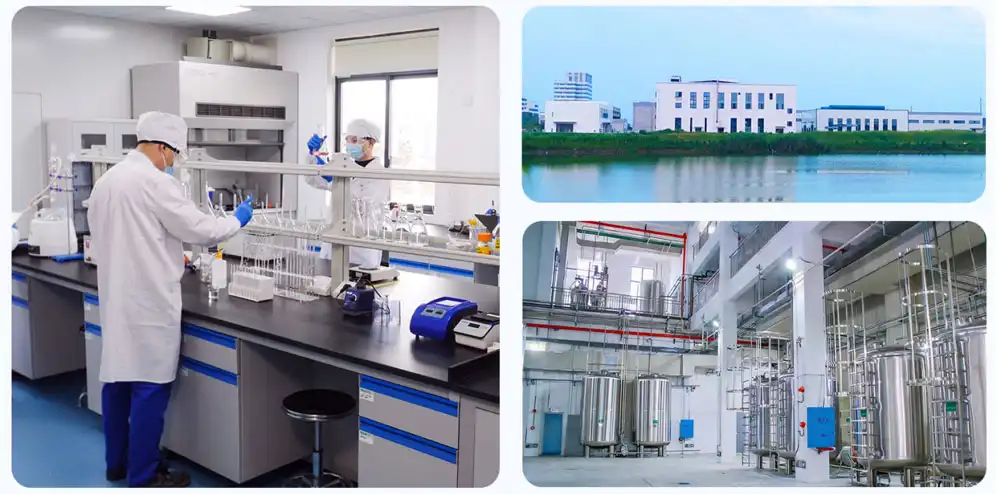
FAQ
What certifications should a reliable supplier hold?
At minimum, look for GMP, ISO 9001, and FSSC22000. If your products target organic retail, USDA Organic and EU Organic documentation are required. HALAL and Kosher certifications open additional market channels.
How does ingredient quality affect formulation stability?
Sea buckthorn fruit powder with inconsistent moisture content or poor encapsulation can degrade during storage, reducing antioxidant potency and altering flavor profiles. Suppliers using microencapsulation technology deliver significantly better stability across a two-year shelf life.
What is a reasonable MOQ for first-time orders?
Reputable B2B suppliers accommodate sample requests and small trial orders before requiring commercial volume commitments. A standard commercial MOQ of 25 kg is reasonable for industrial buyers beginning supplier validation.
How do I verify active compound levels before purchasing?
Request a Certificate of Analysis referencing TLC or HPLC test results. Suppliers who work with third-party labs such as SGS or Eurofins provide independent verification that active ingredients match specifications.
Partner with Naturalin Biotech for Your Sea Buckthorn Powder Supply
Naturalin Biotech has been making plant ingredients for more than 20 years and can help you with your sourcing. We are a supplier of sea buckthorn powder with more than 40 patents, full organic certification, and DDP shipping to the US market. We can help you build your product from a trial sample to a full commercial scale. Today, ask for a free sample or professional advice. You can email us at market@naturalinbio.com or go to naturalinbio.com.
Please note: All products and related services on this website are offered exclusively to corporate clients. We do not accept orders from individual buyers or retail orders.
References
1. Zeb, A. (2004). Chemical and nutritional constituents of sea buckthorn juice. Pakistan Journal of Nutrition, 3(2), 99–106.
2. Beveridge, T., Li, T. S. C., Oomah, B. D., & Smith, A. (1999). Sea buckthorn products: Manufacture and composition. Journal of Agricultural and Food Chemistry, 47(9), 3480–3488.
3. Suryakumar, G., & Gupta, A. (2011). Medicinal and therapeutic potential of sea buckthorn (Hippophae rhamnoides L.). Journal of Ethnopharmacology, 138(2), 268–278.
4. Pundir, S., & Chaudhary, M. (2020). Sea buckthorn berry: A review of bioactive compounds and their functional food applications. Food Reviews International, 37(5), 477–497.
5. Olas, B. (2016). Sea buckthorn as a source of important bioactive compounds in cardiovascular diseases. Food and Chemical Toxicology, 97, 199–204.
6. Grand View Research. (2023). Functional Food Ingredients Market Size, Share & Trends Analysis Report. Grand View Research.
If you work in beverage formulation, sports nutrition, or functional food manufacturing, you already know that ingredient selection shapes everything — from product performance to consumer trust. Hydrolyzed collagen peptides have become one of the most sought-after functional proteins in B2B ingredient sourcing, and for good reason. Backed by growing clinical evidence and strong retail demand, these small-molecule proteins offer formulators a clean-label protein source that performs consistently across a wide range of applications, from ready-to-drink (RTD) protein beverages to baked goods and joint-support supplements.
Understanding Bulk Collagen Peptides and Their Industrial Applications
What Are Collagen Peptides?
Collagen peptides are useful proteins with a low molecular weight that are made by breaking down collagen from animal sources, like skin, bone, and fish scales, with enzymes. Native collagen is broken down into short-chain peptides that are usually less than 3,000 Daltons in size. This makes them very water-soluble and easy for the body to absorb through the intestinal wall. Their unique amino acid makeup, which is high in glycine, proline, and hydroxyproline, gives them cellular activity that can't be found in native protein sources.
Bovine vs. Marine: Choosing the Right Source
Industrial buying is mostly done through two main sources. Bovine collagen peptides come from the skin and bones of cattle. They are very stable at high temperatures and dissolve easily, which makes them perfect for hot RTD drinks, baked goods, and protein powders. Marine collagen peptides come from the scales and skin of fish. They are very pure, don't cause allergies, and are easy to process. It's because their average molecular weight is lower that they are better absorbed by the body in beauty-from-within and nutraceutical forms.
Industrial Application Scope
Hydrolyzed collagen can be used in a lot of different ways. In ready-to-drink drinks, it adds clean protein without the chalky texture that comes with whey. It helps joints heal, and muscles grow back in sports diets. It's a high-quality active protein ingredient that adds nutrition to functional foods like yogurt, meal replacements, and protein bars without changing the taste or texture.

Key Considerations When Procuring Bulk Collagen Peptides for Manufacturing
Purity Standards and Certification Requirements
Quality consistency is a must for business-to-business buyers. If you are looking for a collagen peptide provider, they should be able to give you batch-to-batch consistency records, molecular weight distribution data via GPC/SEC, and HPLC-verified hydroxyproline content. As important as specs are, certifications are even more important. At the very least, look for factories that follow GMP, ISO 9001, FSSC 22000, and HACCP rules. Before a seller is qualified, brands that want to sell to Muslim or Jewish customers should make sure that they have Halal and Kosher approval.
Solubility, Stability, and Formulation Compatibility
Procurement teams that work closely with R&D should look at how collagen peptides behave in different formulation conditions. Usually, bovine variants work better when processed at high temperatures, while marine variants spread more evenly in neutral-pH liquid forms. Check how well it mixes with cold water, how much foam it makes, and how well it works with other ingredients like hyaluronic acid, glucosamine, and Vitamin C, which are all commonly used in beauty and sports nutrition products.
Packaging, Shelf Life, and Supply Chain Reliability
Paper drums with two plastic bags inside each one, weighing a net 25 kg each, are standard industry packaging. For smaller amounts, like 1 to 5 kg, aluminum foil bags with plastic liners are used. Most foods can be kept for 24 months if they are kept in a sealed container out of the light and moisture. Supply consistency is just as important to buying managers as meeting specifications. Check the ability to track raw materials, the amount of work that can be done, and lead times before signing contracts.
How to Integrate Bulk Collagen Peptides Effectively into RTD Beverages and Sports Nutrition Products?
Dosing Guidelines for Functional Claims
According to published studies, getting between 2.5 and 15 grams of hydrolyzed collagen every day can help your body work better. Studies like those in the American Journal of Clinical Nutrition say that 10 g a day of this food combined with vitamin C is good for joint health and sports recovery.
Overcoming Formulation Challenges
RTD drinks aimed at sports nutrition usually have 5–10 g per serving, while beauty drinks that claim to hydrate the skin usually have 2.5–5 g per serving.
Synergistic Ingredient Pairing
Collagen peptides complement vitamin C, which is necessary for the body to produce its own collagen, hyaluronic acid, calcium and glucosamine, branched-chain amino acids (BCAAs), and other ingredients in bone and joint products. Checking for compatibility and co-solubility in the sample stage keeps the product's purity and makes sure it stays stable over time.
Comparing Bulk Collagen Peptide Solutions: Making the Right Procurement Decision
What to Look for Beyond Price
It's important to keep track of more than just the price per kilogram. Total cost of procurement includes third-party verification fees, the risk of having to redo the formula because of batches that aren't consistent, and the difficulty of logistics. A seller with clear tracking paperwork, quality testing done by labs like SGS or Eurofins, and clear export compliance readiness reduces risk in the supply chain in ways that a lower unit price rarely can.
Naturalin Biotech's Collagen Peptide Offering
Naturalin Biotech has been making collagen peptides and other natural products in its cGMP-certified 45,000 m² factory in Hunan, China, for more than 20 years. It makes its bovine and marine collagen peptide lines in a way that is certified by ISO 9001, FSSC 22000, HACCP, GMP, and Kosher/Halal. Naturalin has more than 40 product invention patents and an in-house QC lab with HPLC, UV, AAS, and TLC tools. This gives formulation teams and quality managers the batch-to-batch uniformity they need.
Here are the main supply benefits that set Naturalin apart from other bulk suppliers:
- Customization capability: Concentration adjustments, particle size specification, and application-specific formulation support are available on request.
- Verified testing: Products are regularly tested by SGS, Eurofins, and NSF to meet client-specific safety and compliance requirements.
- Fast lead times: Standard lead time runs 3–7 working days, with inquiry responses within 24 hours.
- DDP delivery: Full door-to-door delivery service is available for the US market, combining sea, air, and land transport.
Tested and confirmed SGS, Eurofins, and NSF test products on a regular basis to make sure they meet the safety and security needs of each client.
Fast lead times: The standard lead time is 3–7 working days, and you'll hear back from us within 24 hours if you have a question.
It's possible to get full door-to-door delivery service in the US market, which includes shipping by sea, air, and land.
Future Trends and Innovations in Bulk Collagen Peptides for Food and Nutrition Manufacturing
Clean-Label and Traceability Demand
Consumer-facing brands are feeling more and more pressure to say where their ingredients come from. This is forcing procurement teams to demand full traceability from the farm where the raw materials come from to where the powder is made. In the next three to five years, suppliers who spend money on organically certified or traceable raw materials will have an advantage over their competitors.
Bioavailability Advancements
The technology behind enzyme-based digestion keeps getting better. With newer production methods, it's easier to control how the molecular weights are distributed, which results in peptide fractions with more focused bioactivity. Finding out more about certain dipeptide and tripeptide sequences, like Pro-Hyp and Hyp-Gly, is adding to the solid evidence for functional claims in the sports and skin health areas.
Emerging Application Categories
In addition to traditional supplements, collagen peptides are being used in functional drinks with added electrolytes, plant-based protein blends (as an extra source of amino acids), and medical nutrition formats. If purchasing teams start working with makers that can do joint research and development (R&D) now, they will be better prepared to move quickly as these areas grow.
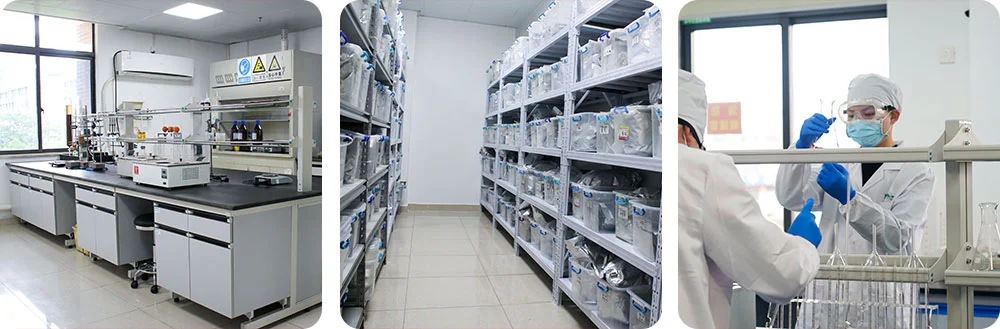
Conclusion
It takes more than just looking at price sheets to find the right collagen peptides for RTD drinks, sports nutrition, and food production. Long-term product success depends on many things, such as the quality of the ingredients, the consistency of the batches, following the rules, and having responsive supplier support. There are different benefits to using bovine and marine collagen peptides in formulation. It is important to choose the right grade for your application from the start to avoid having to redo the formulation process many times. Your production schedule will stay on track if you work with a maker that has confirmed certifications, lets you make changes, and keeps a lot of stock on hand.
FAQ
How are collagen peptides different from gelatin in manufacturing?
Gelatin is partially hydrolyzed collagen that forms gels at room temperature and is not fully water-soluble. Hydrolyzed collagen peptides go through a more complete enzymatic process, resulting in a powder that dissolves clearly in both hot and cold water without gelling. For RTD beverages and protein powders, collagen peptides are the correct ingredient choice.
What is the recommended dosage for a functional RTD beverage?
For sports recovery claims, the typical inclusion rate is 5–10 g per serving. For skin hydration and beauty claims, 2.5–5 g per serving is standard, often combined with Vitamin C. Always confirm dosing against your specific health claim and applicable regulatory requirements in your target market.
Is bulk collagen safe for long-term manufacturing use?
Yes. Hydrolyzed collagen from bovine or marine sources has a well-established safety profile, supported by GRAS status in the US and broad regulatory acceptance in the EU and Asia-Pacific markets. Verify that your supplier provides certificates of analysis, heavy metal screening data, and microbiological testing results for each batch.
Can collagen peptides be combined with plant proteins?
Yes. Collagen peptides complement plant protein blends well because they supply amino acids — particularly glycine and hydroxyproline — that plant proteins lack, creating a more complete amino acid profile.
Partner with Naturalin Biotech for Your Collagen Peptide Supply
Naturalin Biotech has collagen peptides from both cows and fish that are made to work well in business settings. These peptides are GMP-certified, third-party tested, and can be fully customized to fit your needs. We can help you develop your product from a sample to a large scale because we are a trusted collagen peptides manufacturer with more than 20 years of experience. Get in touch with our team right away at market@naturalinbio.com or naturalinbio.com for details, prices, and samples.
Please note: All products and related services on this website are offered exclusively to corporate clients. We do not accept orders from individual buyers or retail orders.
References
1. Shaw, G., et al. "Vitamin C–enriched gelatin supplementation before intermittent activity augments collagen synthesis." American Journal of Clinical Nutrition, 2017.
2. Proksch, E., et al. "Oral supplementation of specific collagen peptides has beneficial effects on human skin physiology." Skin Pharmacology and Physiology, 2014.
3. Zdzieblik, D., et al. "Collagen peptide supplementation in combination with resistance training improves body composition and increases muscle strength." British Journal of Nutrition, 2015.
4. Bello, A.E., & Oesser, S. "Collagen hydrolysate for the treatment of osteoarthritis and other joint disorders." Current Medical Research and Opinion, 2006.
5. Grand View Research. "Collagen Market Size, Share & Trends Analysis Report." Grand View Research Industry Report, 2023.
6. Sibilla, S., et al. "An overview of the beneficial effects of hydrolysed collagen as a nutraceutical on skin properties." The Open Nutraceuticals Journal, 2015.
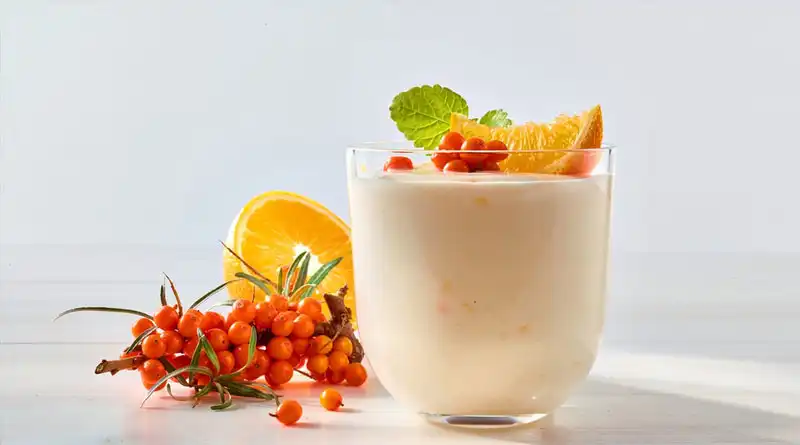
Yes — sea buckthorn powder can meaningfully improve both the flavor profile and the visual appeal of yogurt and beverage formulas. Derived from Hippophae rhamnoides L. berries, this bright orange botanical powder carries a naturally tangy, citrus-forward taste alongside a dense concentration of vitamin C, carotenoids, and flavonoids. For food and beverage manufacturers working under clean-label mandates, it functions as both a functional ingredient and a natural flavor contributor — without artificial additives, synthetic colorants, or preservatives. The answer is yes, and the science behind it is worth understanding.
Understanding Sea Buckthorn Powder and Its Benefits in Food Formulation
What Makes This Botanical Ingredient Nutritionally Significant?
This is one of the few fruit powders that has a lot more vitamin C than citrus fruits. Sea buckthorn berry powder has up to 1,200–1,500 mg of vitamin C per 100g of freeze-dried form. Aside from vitamin C, the element also contains isorhamnetin, quercetin, and beta-carotene. It is these chemicals that help keep the skin healthy, the immune system strong, and free radicals at bay. This is exactly what people who care about their health look for in healthy drinks and foods these days.
How Does Its Flavor Profile Work in Food Systems?
That tangy-sweet, citrus-like taste goes well with acidic dairy products like yogurt (pH 4.0–4.5) and functional drinks when mixed together. Its taste is strong enough to define the taste of a product without adding fake flavoring. Spray-drying turns them into a fine, smooth powder that mixes well in both liquid and semisolid mixtures. Because of this, they are useful for lines that make many things.
Why B2B Formulators Are Paying Attention Now?
The market for healthy foods and drinks in the U.S. will be worth more than $100 billion by 2026, according to Grand View Research. The buying teams are always on the lookout for plants that can be used for both taste and protein. These two things are provided by the sea buckthorn fruit powder. It is non-GMO, comes from plants that can be tracked, and works with organic certification systems. This means that it meets all of the requirements that most makers face today when they want to buy goods with a clean label.
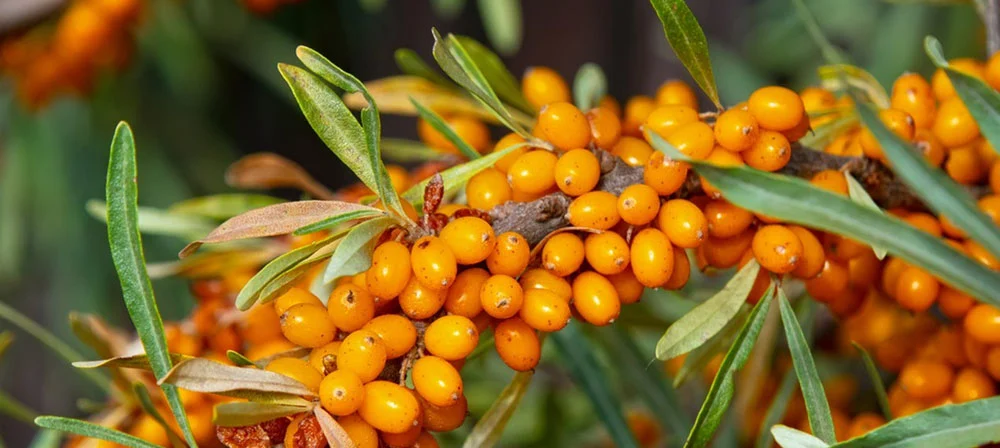
Challenges in Yogurt and Beverage Flavor Formulation Addressed by Sea Buckthorn Powder
The Problem of Off-Flavors and Formulation Instability
A lot of the time, people who make dairy goods have to deal with off-notes, chalky tastes, and protein interactions. Because sea buckthorn powder is naturally acidic, it works as a pH buffer in yogurt. This helps keep the protein matrix stable and makes the taste brighter. Its stable golden-orange color comes from the carotenoids that are in it. This color stays the same after it is heated up and put on a shelf.
Texture and Shelf-Life Contributions
Sea buckthorn powder that has been spray-dried, especially microencapsulated types, doesn't soak up water and doesn't clump when it's stored. It's easier to work with during production, and the powder will still work after two years. Vitamin C and flavonoids are two nutrients that are easily broken down by oxidation. Naturalin Biotech's microencapsulation technology keeps these nutrients from breaking down. This helps companies keep the promises they make on labels true for the whole life of a product.
Meeting Consumer Expectations for Differentiated Products
No longer do people choose yogurt and health drinks based on how they taste; they read the labels to find out what's inside. A product that has Hippophae rhamnoides whole berry powder or extract sends a message that it is real. If a brand uses this ingredient for both taste and function, it can make their yogurt and functional drinks stand out in a market that is already very crowded. This is a big plus in today's tough shopping environment.
Comparing Sea Buckthorn Powder with Other Derivatives and Berry Powders
Powder vs. Oil vs. Juice: A Practical Comparison
Sea buckthorn oil has a lot of omega-7 fatty acids, which are good for your skin. However, it can be hard to mix with water in drinks because it needs to be mixed first. Sea buckthorn juice makes something taste better, but it also adds water, which makes it less stable on the shelf and harder to control the dose. Because it stays stable, has a long shelf life, and can be used in dry, semi-liquid, and liquid drinks, powder form gives formulators the best of both worlds.
How It Compares Against Other Berry Powders?
The powder from sea buckthorn fruit tastes more sour and complex than powders from acai, elderberry, or goji berries. It also has a lot more antioxidants. UV-VIS tests show that its flavonoid content can be kept consistent between 1% and 5%, which is something that most other berry powders can't do. Businesses that buy from other businesses need these standards so that the amounts of active ingredients are the same from batch to batch.
Cost-Effectiveness and Formulation ROI
Formulators don't have to use as many different ingredients that do different jobs because sea buckthorn powder does all of them at once. This mix of ingredients lowers the cost of materials per unit and makes it easier to make formulas. This helps R&D teams a lot because they need to meet tight deadlines for each pass.
Best Practices for Using Sea Buckthorn Powder in Yogurt and Beverage Formulas
Recommended Dosage and Mixing Guidelines
You can use sea buckthorn powder between 0.5% and 2% (w/w) in yogurt and between 0.3% and 1.5% (w/w) in drinks, based on how strong of a taste you want. The powder adds a sour taste, a natural color, and the right amount of vitamin C without making dairy protein systems too heavy when used in these amounts. For hot drinks, spray-dried shapes that don't change when warm work best. For cold-pressed drinks, freeze-dried powder makes the flavors fresher and more complex.
The following are some important things that formulators should think about when they process:
- Pre-disperse in water first: Mix the powder into a small amount of water at room temperature before adding to the base. This prevents clumping and ensures uniform distribution throughout the formula.
- Avoid high-pH environments: The powder's color and antioxidant compounds perform best at pH 3.0–5.0. Alkaline formulations may cause color shift and reduce bioactive stability.
- Use low-shear mixing for yogurt: High-shear processing can disrupt texture when sea buckthorn powder is added post-fermentation. Fold gently to maintain consistency.
Mix yogurt with low shear. High-shear handling can change the texture when sea buckthorn powder is added after fermentation. To keep things the same, fold them gently.
Regulatory and Safety Considerations
By using these techniques, food and drink makers can make sure that all of their batches taste the same, which is important when making things to sell.
Procurement Guide: Sourcing a Reliable Sea Buckthorn Powder Supplier
Evaluating Quality Standards and Certifications
If purchasing teams need to get a lot of this plant-based material, they should look for sellers who can show proof of TLC testing, HPLC batch records, and third-party verification through labs like Eurofins or SGS. Naturalin Biotech has worked with NSF, SGS, and Eurofins for a long time to get independent quality checks. Everything can be tracked, from getting the raw materials to sending out the last batch.
MOQ, Sampling, and Supply Continuity
For business use, Naturalin Biotech will take requests for up to 25 kg of samples and small amounts. If the item is in stock, it can be sent out quickly, in 3–7 business days. You can use DHL, FedEx, air freight, or a full ocean container to ship. People who live in the United States can also choose DDP door-to-door service. Buyers have a lot of trust in their plans for when things will be made because of this supply flexibility.
Customization and OEM Capability
There are more powder types from Naturalin Biotech than just 60 mesh and 80 mesh. In addition, they can change the formulations to include granule forms, liquid mixtures, and microencapsulated forms. As long as the client needs development that is specific to an application, they can work with R&D on anything from functional dose calibration to sensory analysis. The company has more than 40 patents in the works and has been collecting plants for more than 20 years. They offer scientifically sound solutions that meet the specific needs of each supplier.
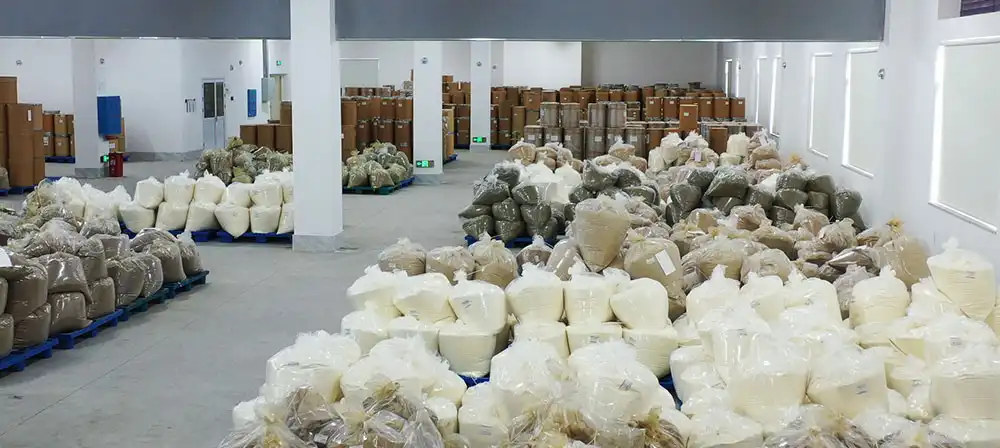
Conclusion
The taste of yogurt and other drinks is greatly improved by sea buckthorn powder, a useful and sensory-relevant ingredient. Because it is naturally acidic, has a lot of antioxidants, and looks good, it helps with real formulation problems, like keeping colors stable and meeting clean-label customer standards. When someone buys things for other companies, the choice comes down to the quality of the ingredients, how reliable the supply chain is, and how well the supplier can help with custom formulation goals. If those things happen, this plant-based ingredient will help the growth of the product in the long run, not just be a style for a short time.
FAQ
Is sea buckthorn powder safe to use in dairy and beverage formulations?
As far as we know, it doesn't contain any allergens and is Halal, Kosher, vegan, and non-GMO. Naturalin Biotech's product meets FSSC22000 and ISO 9001 standards and has been checked for safety by outside groups such as SGS and Eurofins.
What is the recommended dosage for yogurt and beverage applications?
A yogurt should have between 0.5% and 2.0% (w/w). Use between 0.3% and 1.5% in functional drinks most of the time. You should use the right amount based on the color you want, the strength of the taste you want, and the calorie facts. People who work at Naturalin Biotech in R&D can help people find the right measure for their needs.
Can this ingredient replace artificial flavor enhancers or synthetic colorants?
Yes, in many ways. Carotenoids give the powder its natural yellow-orange color. It tastes sour and tangy and can be used with or instead of fake flavorings. This means that companies that want to get strict clean-label approval can use it, and it is legal to do so.
What formats are available beyond powder?
It is possible to make changes to granules, liquids, and microencapsulated forms at Naturalin Biotech. Because of the different jobs, you can change the concentration ratios and mesh size (60, 80, or custom).
Request a Sample from Naturalin Biotech — A Trusted Sea Buckthorn Powder Supplier
Pharmaceutical-grade sea buckthorn powder is sold by Naturalin Biotech. This powder is fully organically approved, can be used in unique formulas, and has been tested to make sure that every batch is the same. Whether you want to make a new line of drinks or change the recipe for a yogurt product for the U.S. market, our team is ready to help you with all stages of development, from testing to full-scale production. You can ask for a sample and talk about bulk prices by emailing market@naturalinbio.com or visiting naturalinbio.com.
Please note: All products and related services on this website are offered exclusively to corporate clients. We do not accept orders from individual buyers or retail orders.
References
1. Grand View Research. Functional Food and Beverage Market Size & Share Report. 2023.
2. Zeb, A. Chemical and Nutritional Constituents of Sea Buckthorn Juice. Pakistan Journal of Nutrition. 2004.
3. Suryakumar, G., & Gupta, A. Medicinal and Therapeutic Potential of Sea Buckthorn (Hippophae rhamnoides L.). Journal of Ethnopharmacology. 2011.
4. Cenkowski, S., et al. Quality of Extracted Sea Buckthorn Seed and Pulp Oil. Canadian Biosystems Engineering. 2006.
5. Beveridge, T., et al. Hippophae rhamnoides L.: Nutritional Composition of Fruit and Leaf. Food Research International. 1999.
6. Olas, B. Sea Buckthorn as a Source of Important Bioactive Compounds in Cardiovascular Diseases. Food and Chemical Toxicology. 2016.
- 1
- 2
- 3
- 4
- 5
- 6
- 21



