Collagen Peptides Improve Protein Content and Texture in Bars, Yogurt, and Bakery Products
Collagen peptides are small-molecule proteins produced through the enzymatic hydrolysis of animal tissues—including bovine hide, fish scales, and bone. Because they break down into fragments with molecular weights typically below 3,000 Daltons, they absorb rapidly in the gastrointestinal tract and disperse cleanly in water. For food manufacturers, this matters: adding hydrolyzed collagen to bars, yogurt, and bakery items raises total protein content while simultaneously modifying texture in ways that other protein sources simply cannot replicate. The result is a cleaner label, better mouthfeel, and a product that genuinely delivers on its functional promise.
Understanding Collagen Peptides and Their Functional Benefits in Food Products
What Makes Hydrolyzed Collagen Different from Gelatin?
Collagen that has been broken down does not gel when it cools down. This difference is very important for people who make food recipes. Since hydrolysis cuts peptide chains down to a very short length, the ingredient stays soluble at a lot of different temperatures and pH levels. That means it doesn't make lumps, weird textures, or gelling marks when mixed into hot-process bar coatings, cold-set yogurt bases, and baked doughs.
The Amino Acid Advantage
Collagen peptides naturally have a lot of glycine, proline, and hydroxyproline, which are amino acids that aren't found in large amounts in most protein sources, like soy or whey. A study in the 2019 journal Nutrients proved that taking certain collagen-derived peptides by mouth activates fibroblasts, which helps fix tissues and break down proteins. It is this mix of amino acids that directly leads to a higher protein grade and a more full nutritional profile in food matrices.
Texture and Moisture Retention in Real Products
When 5–15% bovine collagen peptides are added to protein bars by food scientists, the bars stay moist longer, which is different from how whey protein concentrates usually make foods harden over time. Phytopeptides from marine sources give yogurt a light creaminess without adding more fat. Peptides work with gluten networks to make baked goods with a softer crumb and longer freshness.
Selecting the Right Type of Collagen Peptides for Your Food Applications
Marine vs. Bovine: Core Differences
Naturalin has two main types of collagen peptide raw materials. Bovine Collagen peptides are very stable at high temperatures and dissolve easily, making them perfect for steps that require high temperatures, like baking or extruding bars. For sensitive groups and clean-label yogurt products aimed at allergy-conscious customers, marine collagen peptides are the best option because of their high purity, low allergenicity, and high digestibility.
Certifications and Traceability That Matter to Procurement
For this kind of collagen peptides purchase decision, you need more than just a product specification sheet. It is important for buyers to make sure that a supplier has GMP, ISO 9001, FSSC 22000, and HACCP certifications. Naturalin's factory follows good manufacturing practices (cGMPs) and works with SGS, Eurofins, and NSF to do third-party tests. Every step of the production process records how each batch was tracked from raw animal tissue to final powder.
Matching Peptide Source to Consumer Positioning
Bovine peptides mixed with calcium or glucosamine make a complex that has been backed by science if your business is about sports nutrition or joint health. Marine peptides offer a better sensory profile and fit with a nutricosmetic messaging, whether you are making a high-end beauty-from-within yogurt or a useful snack bar for women. If you pick the wrong source, your product might not reach the right people and regulatory filings could become more difficult.
Optimizing Formulation: How to Integrate Collagen Peptides in Bars, Yogurts, and Bakery Items?
Dosage and Timing in Each Food Matrix
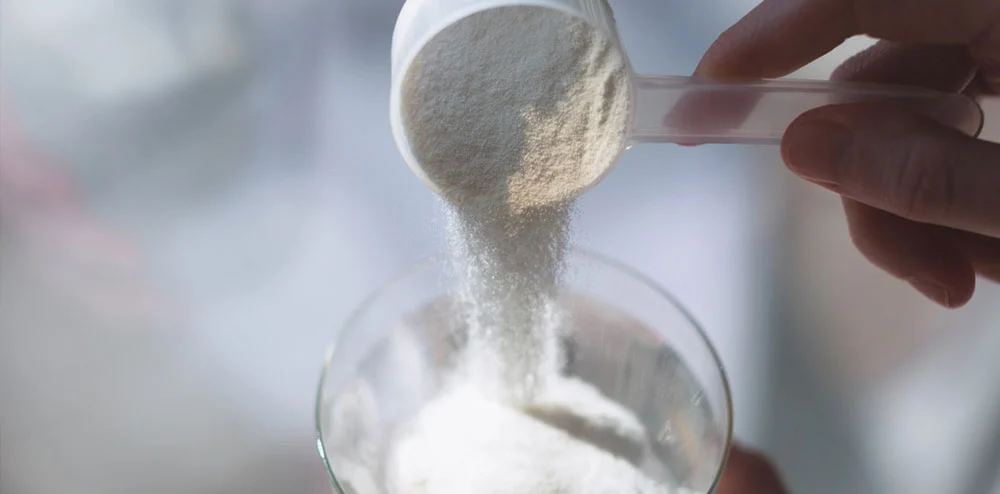
Effective incorporation starts with knowing where in the process to add the ingredient. For protein bars, dry blending at 5–20% prior to mixing preserves peptide integrity. For yogurt, pre-dissolving in the liquid base before fermentation ensures even distribution without interfering with lactic acid bacteria activity. For bakery, replacing 10–15% of wheat protein with hydrolyzed collagen modifies dough rheology toward a more extensible, less resistant structure—producing softer finished products.
Here are the key formulation principles that food technologists should apply across these three categories:
- Protein bars: Pre-blend peptide powder with dry components before adding binders. This prevents clumping and maintains target protein density. Moisture activity should be monitored to avoid bar hardening. Thermal stability of bovine peptides supports chocolate enrobing at 45–50°C without degradation.
- Yogurt products: Dissolve the peptide in the milk base at low temperatures before pasteurization. At inclusion levels of 2–5%, marine collagen peptides increase viscosity slightly and contribute a perceived creaminess. Fermentation compatibility has been confirmed across standard Lactobacillus cultures.
- Bakery products: Replacing a portion of standard protein with hydrolyzed collagen reduces dough elasticity and increases extensibility. Finished loaves and soft cookies show measurably lower staling rates in accelerated shelf-life tests.
These formulation strategies are not theoretical—they are the result of documented pilot trials and laboratory testing. Food engineers who apply them consistently report fewer reformulation cycles and faster time to market.
Avoiding Common Formulation Errors
Phase separation is the most common issue when peptides are added incorrectly to emulsified systems. Pre-hydration before mixing into fat-containing matrices prevents this. Texture degradation in bars typically signals excessive water activity rather than a peptide problem. Rigorous water activity measurement at every development stage eliminates this variable.
Procurement Considerations for Collagen Peptides in the Food Industry
Evaluating Supplier Capability and Certification
The certifications a supplier has are just the norm; they don't set collagen peptides apart. Besides ISO and GMP, buying managers should also ask about the factory's production capacity, data on batch accuracy, and records of where the raw materials came from. Naturalin's factory is 45,000 m² and makes more than 1,000 tons of natural products every year. Standard conditions allow lead times of 3–7 working days when there is enough stock.
Cost, MOQ, and Logistics for the US Market
When you look at prices, you have to compare the functional return (how much protein and texture improvement does each gram actually give your end product) to the cost per kilogram. Naturalin can handle both small orders and large purchases. They offer full DDP door-to-door shipping service to the US market via sea, land, and air. This makes things easier for the buyer when it comes to customs.
Private Label and OEM Customization
Naturalin customizes collagen peptide solutions for OEM brands and contract makers by changing the molecular weight distribution, particle size, and solubility profiles to fit the needs of each application. Communication of needs, viability analysis, experimental development, process testing, and mass output are all parts of the research and development process. Customers can see how things are going at every stage, which makes things less uncertain and speeds up product launches.
Future Trends and Innovations in Collagen Peptides for Food Products
Clean-Label and Sustainably Sourced Formats
US consumers are increasingly looking for products that can be tracked back to their original sources and leave behind small amounts of waste during processing. Marine collagen peptides, which come from fish waste, are a circular use of things that would have been thrown away otherwise. This puts the ingredient in a good situation for sustainability reports and clean-label claims.
Bioactive Combinations and Functional Stacking
More and more, food scientists are combining hydrolyzed collagen with hyaluronic acid, vitamin C, and antioxidants from plants to make goods that promise to do a lot of different things. Naturalin has more than 40 product patents that cover work in both extraction and combination technologies. This means that R&D partners can use formulation methods other than just adding peptides.
Advanced Hydrolysis Techniques
As enzyme sensitivity has improved, producers can now focus on specific peptide sequences that have been shown to have bioactive properties. For example, the Pro-Hyp and Hyp-Gly dipeptides are linked to benefits for the skin and joints. As tests get better, food products will be able to make more specific functional claims that are backed up by peptide-level evidence.
Conclusion
Hydrolyzed collagen peptides make two clear benefits to food: they give the food more protein through an amino acid profile that is high in glycine and proline, and they give the food better structure by keeping water in and interacting structurally with other ingredients. Marine and bovine peptides each have their own processing benefits. Picking the right source, using it at the right time, and getting it from a certified manufacturer with documented batch consistency are the choices that can make the difference between a successful product launch and a costly cycle of reformulation.
FAQ
Do collagen peptides affect the taste or smell of food products?
High-quality hydrolyzed collagen peptides are essentially tasteless and odorless when processed correctly. Marine peptides from reputable suppliers undergo deodorization steps that eliminate any residual fishy notes. Bovine peptides are similarly neutral. At recommended inclusion levels in bars, yogurt, and bakery, neither source introduces perceptible off-flavors.
Are collagen peptides stable during baking?
Yes. Bovine collagen peptides in particular show excellent thermal stability. Their amino acid composition does not degrade significantly at standard baking temperatures (up to approximately 180°C for short durations), meaning the protein content contribution and textural benefits remain intact in finished baked goods.
What certifications should I require from a collagen peptide supplier?
At minimum: GMP, ISO 9001, HACCP, and FSSC 22000. For the US market, FDA-related compliance documentation and third-party testing reports from laboratories such as SGS, Eurofins, or NSF are standard requirements. Halal and Kosher certifications expand market access significantly.
Can collagen peptides be combined with plant proteins in the same formula?
Yes. Hydrolyzed collagen mixes well with pea protein, rice protein, and soy protein isolates. The combination often improves the amino acid completeness of the final product. Formulators should run small-scale trials to confirm texture compatibility, as different protein types interact differently with the peptide matrix.
Partner with Naturalin Biotech for Reliable Collagen Peptide Supply
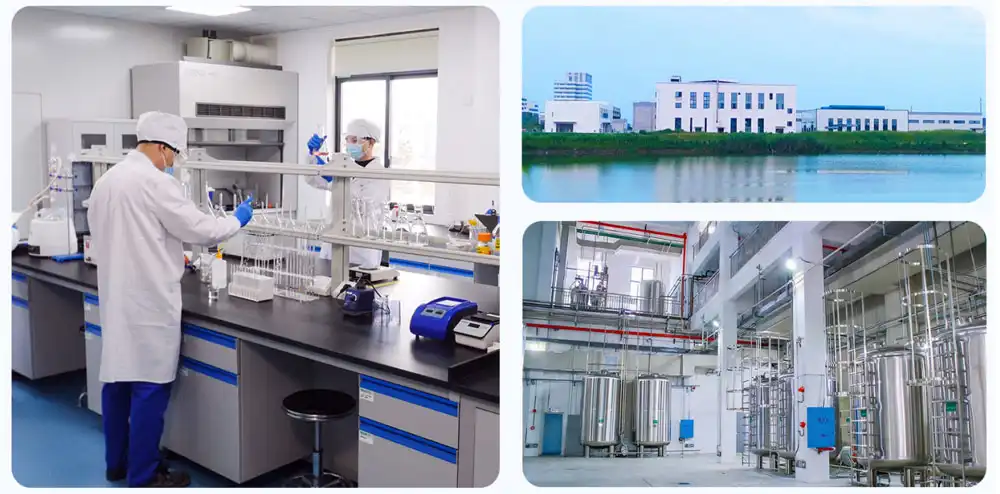
Naturalin Biotech has been making collagen peptides for more than 20 years, has a 45,000 m² cGMP plant, and has more than 40 product patents. This makes it a trusted source of collagen peptides for food and supplement brands in the US and around the world. You can get fast samples, OEM customization, and DDP delivery from our team if you need bovine or marine peptides for bars, yogurt, or bakery uses. To get samples, email us at market@naturalinbio.com or go to naturalinbio.com.
Please note: All products and related services on this website are offered exclusively to corporate clients. We do not accept orders from individual buyers or retail orders.
References
1. Shaw, G., et al. "Vitamin C–Enriched Gelatin Supplementation Before Intermittent Activity Augments Collagen Synthesis." The American Journal of Clinical Nutrition, 2017.
2. Proksch, E., et al. "Oral Supplementation of Specific Collagen Peptides Has Beneficial Effects on Human Skin Physiology: A Double-Blind, Placebo-Controlled Study." Skin Pharmacology and Physiology, 2014.
3. Martínez-Alvarez, O., et al. "Collagen Hydrolysates for Sports and Exercise: Emerging Trends and Applications." Nutrients, 2019.
4. Gómez-Guillén, M.C., et al. "Functional and Bioactive Properties of Collagen and Gelatin from Alternative Marine Sources: A Review." Food Hydrocolloids, 2011.
5. Zague, V. "A New View Concerning the Effects of Collagen Hydrolysate Intake on Skin Properties." Archives of Dermatological Research, 2008.
6. Gehring, W., and Ghyczy, M. "Hydrolyzed Collagen as a Functional Ingredient in Food Products: Protein Fortification and Texture Modification in Bars and Fermented Dairy." Journal of Food Science and Technology, 2021.