Agaricus Blazei Extract Supplier for Standardized Ingredient Sourcing and Product Formulation
One of the most important choices a formulation team or buying manager can make is which Agaricus Blazei Extract provider to work with. This mushroom extract comes from Agaricus blazei Murrill, a species that grows naturally in the mountains of São Paulo, Brazil. It has a well-known mix of beta-glucans and carbohydrates that help the immune system, fight free radicals, and improve overall health. It is imperative for business-to-business buyers in the nutraceuticals, functional food, personal care, or animal nutrition industries to find a standard, traceable, and regulatory-compliant ingredient. This guide tells you everything you need to know to be sure of your choice.
Understanding Agaricus Blazei Extract: Properties and Applications
Botanical Origin and Bioactive Composition
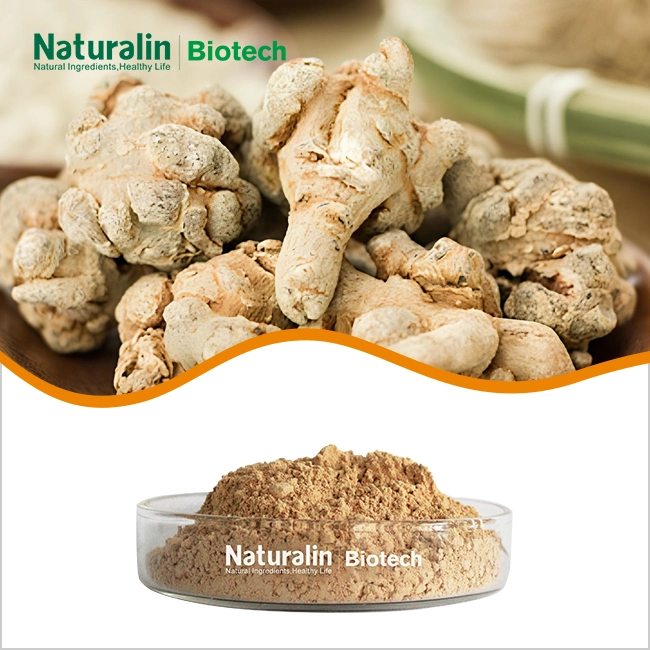
You may also know this mushroom as Himematsutake. Its growing bodies are full of beta-1,3/1,6-D-glucans, ergosterol (a type of vitamin D2), and proteoglycans. The mushroom is good for your immune system because these chemicals work together to activate macrophages and natural killer cells. In the lab and in real life, studies published in journals like "Evidence-Based Complementary and Alternative Medicine" have shown that it can change the immune system.
Extraction Methods and Potency Retention
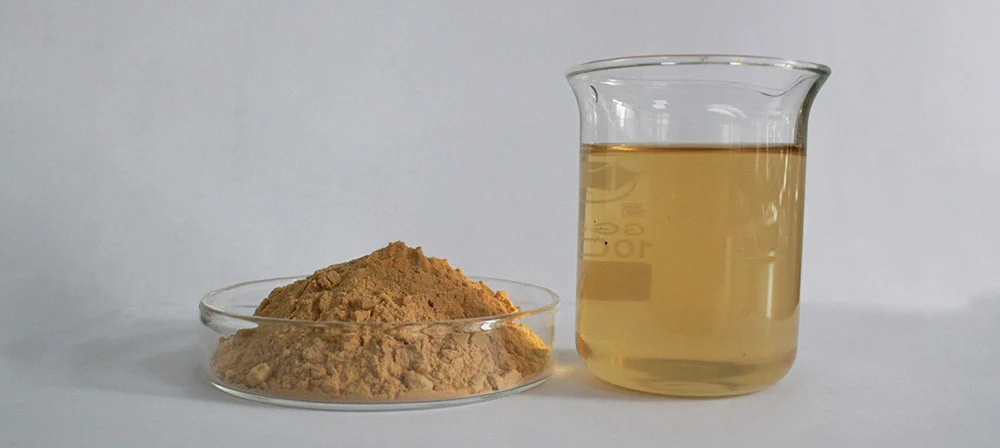
The most popular way to get the most carbohydrates out of a plant is still to use hot water. Dual-extraction, on the other hand, uses both water and ethanol to get more bioactive compounds, such as ergosterols and compounds that dissolve in fat. After spray drying, the medicine stays effective because the amount of wetness stays low, generally below 5%. Also, microbes can't grow on it while it's being stored. This turns into a fine, brown powder that is easy to wet, smells slightly like mushrooms, and drops away in warm water more than 90% of the time.
Dosage, Safety, and Product Format Considerations
Polysaccharide concentrations that are uniform between 10% and 40% (which can be checked with UV-VIS) give the same functional doses per serve when used as a food additive. Powder types, such as pills, tablets, packs, and drink mixes, let you make the medicine in many ways. On the other hand, granule and liquid types are better at mixing or hiding tastes. No major side effects were seen in controlled human studies; so far as we know, the drug is safe at normal doses.
Key Factors in Sourcing Standardized Agaricus Blazei Extract
Why Standardization Matters
For any recipe that wants to sell, consistency from batch to batch is the most important thing. People who buy a product can't be sure that it will work well across production runs until the polysaccharide levels are proven. This can only be done by using both UV-VIS and HPLC fingerprinting. It is easier for your QA team to follow the rules when extracts are standardized. This is because standardized extracts meet the paperwork needs of FDA dietary supplement rules and EU food supplement laws.
Organic vs. Conventional Cultivation
Certified organic Agaricus Blazei Extract costs more, but it meets the rising need for products with clear labels. There are no synthetic pesticides allowed in organic farming, and there are also no banned substances in the ground that is used. This makes it less likely that agrochemicals will still be in the final extract. In high-end health stores, if an item is verified organic by the USDA NOP or the EU, it gives the brand a clear marketing edge. For mass-market uses where organic branding is not as important, conventional, non-GMO options are still a good deal.
Comparing Physical Forms: Powder, Granule, and Liquid
If procurement teams want to choose which physical form to use, they should think about the pros and cons of each one. The most helpful form is powder, which is easy to mix into pills, stick packs, and dry-blend drink bases. The best thing about it is that it can be kept for two years if you store it right. Granules help the mixture move better after high-speed tableting is done. That is why liquid concentrates work best in drinks and makeup where even spread is more important than shelf life. It costs less money in the long run to make sure that form and function are in sync from the start.
Comparing Agaricus Blazei Extract with Other Medicinal Mushrooms
Beta-Glucan Profiles Across Species
When buyers know how A. blazei fits in with Reishi (Ganoderma lucidum), Maitake (Grifola frondosa), and Shiitake (Lentinula edodes), they can write better specs. People know that A. blazei has a lot of the beta-1,3-D-glucan fraction and some unique proteoglycans that you don't normally find in Reishi or Shiitake. Triterpenes are what make Reishi more useful. The D-fraction in Maitake helps keep blood sugar in check. Each type of fungus has a different functional lane. Which one you choose will depend on the health claim your product needs to support.
Formulation Suitability and Flavor Compatibility
Formulation-wise, A. blazei extract tastes less bitter than Reishi extract, which is very bitter. It's now easy to add to drinks and healthy foods without having to use hiding agents. Since shiitake has a stronger umami flavour, it might not work well with supplement bases that don't have a strong flavour. A. blazei* has a mild nature that makes it easier for formulators to make mushroom coffee blends that taste good and do their job. These blends are one of the types of supplements that are growing the fastest in the US market.
Cost-Benefit Analysis for Bulk Procurement
When people compare the price of different kinds of mushrooms per kilogram, they should not only look at the price per unit, but also the amount of active substances that are taken per kilogram. A 10% polysaccharide extract that is less expensive needs to be added at a higher rate than a 30% standardized product. This can make any initial cost savings for nothing. To find out how much something really costs per dose, purchasing managers should ask for certificates of analysis that include measured amounts of active chemicals instead of just total polysaccharide tests.
How to Choose a Trusted Agaricus Blazei Extract Supplier?
Essential Certifications and Compliance Readiness
The company should have GMP, ISO 9001, and FSSC 22000 certifications for Agaricus Blazei Extract, at the very least. To sell in the US market, getting USDA NOP organic certification and HALAL/Kosher compliance lets you sell in more stores. Goods that are sent to the EU must be certified as organic by the EU and must follow EC No. 1334/2008 and other related rules. Third-party testing results from labs like SGS, Eurofins, or NSF should be provided when asked for. Heavy metals, bacteria limits, herbicide traces, and active chemical proof should all be checked for in these records.
Supply Chain Traceability and Transparency
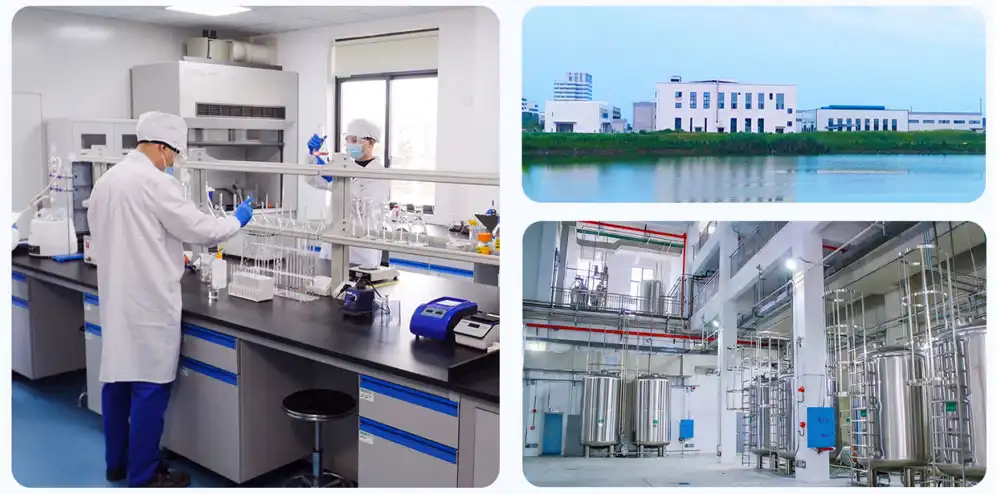
As the foundation for growth goes through the extraction process and is packed, reliable providers keep track of where the raw materials come from. When you grow things on controlled substrates instead of gathering them in the wild, you lower the risk of heavy metals building up in the body and supply problems at certain times of the year. As possible sources, find out where their materials come from, how they monitor the growing environment, and if they use ICP-MS to check every output batch for metals. When suppliers let you watch videos or visit their factories, it shows that they are honest about how they run their business. This should help you decide if they are qualified.
OEM and Private Label Customization Capabilities
Lots of supplement brands and contract makers need to be able to change the ingredients right down to the polysaccharides, mesh sizes, mushroom complexes that have been mixed, or microencapsulated forms that make the nutrients easier for the body to use. It can be faster for a provider to go from idea to production-ready ingredient if it has its own research and development staff. Make sure the seller can support pilot-scale trials before you commit to large quantities. Also, make sure you know what the smallest order size is for both trial orders and regular orders.
Efficient Procurement Strategies for Agaricus Blazei Extract
Structuring Bulk Orders and MOQ Planning
When a business buys something, setting up a clear MOQ framework from the start is helpful for everyone. Standardized mushroom extracts need to be bought in bulk in quantities of at least 25 kg, but smaller orders can be placed to check that the product meets the needs. If buyers have to meet tight production deadlines, they should talk to sellers about delayed delivery plans. This way, buyers can find a good balance between the costs of having stockpiles and the security of a steady supply, especially if the extract is an important part of their recipe.
These are the main ways that people buy things that lower the chance of finding something and make it cheaper:
- Before finishing seller approval, you should ask for multi-batch COAs. When you look at reports of analysis from three or more production runs, you can see information about how consistent one batch is with another that you can't get from just one sample.
- Talk about different price levels that are based on annual volume commitments. Most ingredient providers offer better prices for large orders that are made once a year. This can lower the landing cost per kilogram over the course of a production year.
- Make sure that DDP shipping is possible for the US market. Door-to-door delivery where the seller handles customs clearance cuts down on paperwork and guards against unwanted import duty shocks.
Before you finish checking out the seller, make sure you ask for multi-batch COAs. Looking at COAs from three or more production runs will give you information about how stable the product is from batch to batch that you can't get from a single sample.
Evaluating Online vs. Direct Supplier Channels
When you buy from a certified maker instead of a store that gathers things, you have more control over the specs, papers, and prices of the goods. Talking to the maker's tech team directly also cuts down on the time it takes to return samples and get help with formulations. People who buy things that need a lot of paperwork to back them up, like organic-certified or HALAL-compliant extracts, can make sure that all of that paperwork stays in order and can be checked.
Conclusion
To find a standard Agaricus Blazei Extract, you need to pay attention to three things: the amount of confirmed active compounds, the level of seller approval, and the dependability of the supply chain. When purchasing managers match the requirements for ingredients with their formulation goals, have a third party test the quality, and work with suppliers who allow real customization and traceability, the products they make will always work better. More and more research is showing that A. blazei polysaccharides are useful. This makes this ingredient a good long-term investment for companies that make nutraceuticals, functional foods, and personal care products that focus on health.
FAQ
What polysaccharide concentration should I specify for a dietary supplement application?
For most immune-support supplement formulations, a polysaccharide concentration between 20% and 30% (UV-VIS verified) delivers a functional dose within standard capsule or tablet fill weights. Higher concentrations (up to 40%) are appropriate for premium, low-volume-per-serving formats.
How do I verify that an extract is genuinely standardized and not adulterated?
Request a certificate of analysis showing both UV-VIS total polysaccharide results and HPLC fingerprinting data. Third-party confirmation from a laboratory such as SGS or Eurofins adds an independent layer of verification that internal COAs alone cannot provide.
Is Agaricus blazei extract safe for long-term use in formulations?
Published human studies have not reported significant adverse events at standard supplement dosages. For regulatory compliance in the US, ensure the ingredient meets FDA dietary supplement guidelines (21 CFR Part 111) and that your supplier provides a complete safety dossier.
What is the standard shelf life, and how should the extract be stored?
A two-year shelf life is standard when the extract is stored in sealed, moisture-barrier packaging in a cool, dry environment below 25°C. Its hygroscopic nature means exposure to humidity accelerates caking and potential degradation of active compounds.
Partner with Naturalin Biotech for Your Agaricus Blazei Extract Supply
For most immune-support supplement mixes, Agaricus Blazei Extract with a polysaccharide content of 20% to 30% (UV-VIS confirmed) gives a useful amount that fits into normal capsule or tablet fill weights. For premium forms with low volume per serve, higher concentrations (up to 40%) work well. Email our team at market@naturalinbio.com or visit naturalinbio.com right away to get samples and bulk prices.
Please note: All products and related services on this website are offered exclusively to corporate clients. We do not accept orders from individual buyers or retail orders.
References
1. Hetland, G., Johnson, E., Lyberg, T., & Kvalheim, G. (2011). The Mushroom Agaricus blazei Murill Elicits Medicinal Effects on Tumor, Infection, Allergy, and Inflammation. Journal of Medicinal Food, 14(1–2), 2–9.
2. Firenzuoli, F., Gori, L., & Lombardo, G. (2008). The Medicinal Mushroom Agaricus blazei Murrill: Review of Literature and Pharmaco-Toxicological Problems. Evidence-Based Complementary and Alternative Medicine, 5(1), 3–15.
3. Sorimachi, K., Akimoto, K., Ikehara, Y., Inafuku, K., Okubo, A., & Yamazaki, S. (2001). Secretion of TNF-α, IL-8 and Nitric Oxide by Macrophages Activated with Agaricus blazei Murill Fractions in Vitro. Cell Structure and Function, 26(2), 103–108.
4. Ohno, N., Furukawa, M., Miura, N., Adachi, Y., Motoi, M., & Yadomae, T. (2001). Antitumor Beta-Glucan from the Cultured Fruit Body of Agaricus blazei. Biological & Pharmaceutical Bulletin, 24(7), 820–828.
5. Wasser, S. P. (2011). Current Findings, Future Trends, and Unsolved Problems in Studies of Medicinal Mushrooms. Applied Microbiology and Biotechnology, 89(5), 1323–1332.
6. Beelman, R. B., & Royse, D. (2006). Nutrients and Bioactive Components from Agaricus bisporus and Related Fungal Species for Health Promotion. Nutritional Journal of Food Science and Technology, 41(S1), 1–12.