Bulk Collagen Peptides for RTD Beverages, Sports Nutrition, and Food Manufacturing
If you work in beverage formulation, sports nutrition, or functional food manufacturing, you already know that ingredient selection shapes everything — from product performance to consumer trust. Hydrolyzed collagen peptides have become one of the most sought-after functional proteins in B2B ingredient sourcing, and for good reason. Backed by growing clinical evidence and strong retail demand, these small-molecule proteins offer formulators a clean-label protein source that performs consistently across a wide range of applications, from ready-to-drink (RTD) protein beverages to baked goods and joint-support supplements.
Understanding Bulk Collagen Peptides and Their Industrial Applications
What Are Collagen Peptides?
Collagen peptides are useful proteins with a low molecular weight that are made by breaking down collagen from animal sources, like skin, bone, and fish scales, with enzymes. Native collagen is broken down into short-chain peptides that are usually less than 3,000 Daltons in size. This makes them very water-soluble and easy for the body to absorb through the intestinal wall. Their unique amino acid makeup, which is high in glycine, proline, and hydroxyproline, gives them cellular activity that can't be found in native protein sources.
Bovine vs. Marine: Choosing the Right Source
Industrial buying is mostly done through two main sources. Bovine collagen peptides come from the skin and bones of cattle. They are very stable at high temperatures and dissolve easily, which makes them perfect for hot RTD drinks, baked goods, and protein powders. Marine collagen peptides come from the scales and skin of fish. They are very pure, don't cause allergies, and are easy to process. It's because their average molecular weight is lower that they are better absorbed by the body in beauty-from-within and nutraceutical forms.
Industrial Application Scope
Hydrolyzed collagen can be used in a lot of different ways. In ready-to-drink drinks, it adds clean protein without the chalky texture that comes with whey. It helps joints heal, and muscles grow back in sports diets. It's a high-quality active protein ingredient that adds nutrition to functional foods like yogurt, meal replacements, and protein bars without changing the taste or texture.

Key Considerations When Procuring Bulk Collagen Peptides for Manufacturing
Purity Standards and Certification Requirements
Quality consistency is a must for business-to-business buyers. If you are looking for a collagen peptide provider, they should be able to give you batch-to-batch consistency records, molecular weight distribution data via GPC/SEC, and HPLC-verified hydroxyproline content. As important as specs are, certifications are even more important. At the very least, look for factories that follow GMP, ISO 9001, FSSC 22000, and HACCP rules. Before a seller is qualified, brands that want to sell to Muslim or Jewish customers should make sure that they have Halal and Kosher approval.
Solubility, Stability, and Formulation Compatibility
Procurement teams that work closely with R&D should look at how collagen peptides behave in different formulation conditions. Usually, bovine variants work better when processed at high temperatures, while marine variants spread more evenly in neutral-pH liquid forms. Check how well it mixes with cold water, how much foam it makes, and how well it works with other ingredients like hyaluronic acid, glucosamine, and Vitamin C, which are all commonly used in beauty and sports nutrition products.
Packaging, Shelf Life, and Supply Chain Reliability
Paper drums with two plastic bags inside each one, weighing a net 25 kg each, are standard industry packaging. For smaller amounts, like 1 to 5 kg, aluminum foil bags with plastic liners are used. Most foods can be kept for 24 months if they are kept in a sealed container out of the light and moisture. Supply consistency is just as important to buying managers as meeting specifications. Check the ability to track raw materials, the amount of work that can be done, and lead times before signing contracts.
How to Integrate Bulk Collagen Peptides Effectively into RTD Beverages and Sports Nutrition Products?
Dosing Guidelines for Functional Claims
According to published studies, getting between 2.5 and 15 grams of hydrolyzed collagen every day can help your body work better. Studies like those in the American Journal of Clinical Nutrition say that 10 g a day of this food combined with vitamin C is good for joint health and sports recovery.
Overcoming Formulation Challenges
RTD drinks aimed at sports nutrition usually have 5–10 g per serving, while beauty drinks that claim to hydrate the skin usually have 2.5–5 g per serving.
Synergistic Ingredient Pairing
Collagen peptides complement vitamin C, which is necessary for the body to produce its own collagen, hyaluronic acid, calcium and glucosamine, branched-chain amino acids (BCAAs), and other ingredients in bone and joint products. Checking for compatibility and co-solubility in the sample stage keeps the product's purity and makes sure it stays stable over time.
Comparing Bulk Collagen Peptide Solutions: Making the Right Procurement Decision
What to Look for Beyond Price
It's important to keep track of more than just the price per kilogram. Total cost of procurement includes third-party verification fees, the risk of having to redo the formula because of batches that aren't consistent, and the difficulty of logistics. A seller with clear tracking paperwork, quality testing done by labs like SGS or Eurofins, and clear export compliance readiness reduces risk in the supply chain in ways that a lower unit price rarely can.
Naturalin Biotech's Collagen Peptide Offering
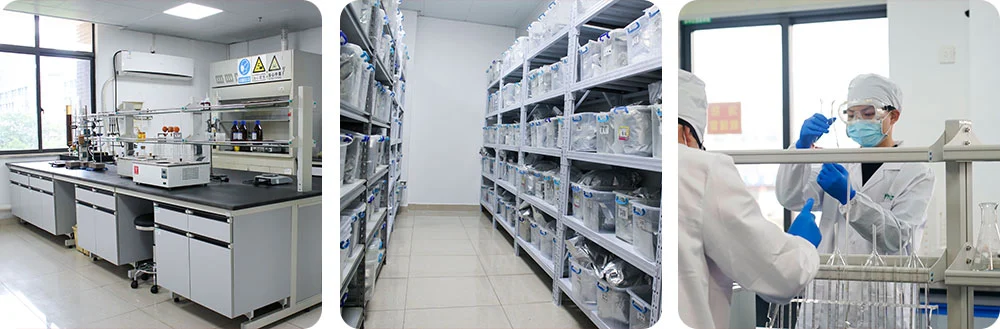
Naturalin Biotech has been making collagen peptides and other natural products in its cGMP-certified 45,000 m² factory in Hunan, China, for more than 20 years. It makes its bovine and marine collagen peptide lines in a way that is certified by ISO 9001, FSSC 22000, HACCP, GMP, and Kosher/Halal. Naturalin has more than 40 product invention patents and an in-house QC lab with HPLC, UV, AAS, and TLC tools. This gives formulation teams and quality managers the batch-to-batch uniformity they need.
Here are the main supply benefits that set Naturalin apart from other bulk suppliers:
- Customization capability: Concentration adjustments, particle size specification, and application-specific formulation support are available on request.
- Verified testing: Products are regularly tested by SGS, Eurofins, and NSF to meet client-specific safety and compliance requirements.
- Fast lead times: Standard lead time runs 3–7 working days, with inquiry responses within 24 hours.
- DDP delivery: Full door-to-door delivery service is available for the US market, combining sea, air, and land transport.
Tested and confirmed SGS, Eurofins, and NSF test products on a regular basis to make sure they meet the safety and security needs of each client.
Fast lead times: The standard lead time is 3–7 working days, and you'll hear back from us within 24 hours if you have a question.
It's possible to get full door-to-door delivery service in the US market, which includes shipping by sea, air, and land.
Future Trends and Innovations in Bulk Collagen Peptides for Food and Nutrition Manufacturing
Clean-Label and Traceability Demand
Consumer-facing brands are feeling more and more pressure to say where their ingredients come from. This is forcing procurement teams to demand full traceability from the farm where the raw materials come from to where the powder is made. In the next three to five years, suppliers who spend money on organically certified or traceable raw materials will have an advantage over their competitors.
Bioavailability Advancements
The technology behind enzyme-based digestion keeps getting better. With newer production methods, it's easier to control how the molecular weights are distributed, which results in peptide fractions with more focused bioactivity. Finding out more about certain dipeptide and tripeptide sequences, like Pro-Hyp and Hyp-Gly, is adding to the solid evidence for functional claims in the sports and skin health areas.
Emerging Application Categories
In addition to traditional supplements, collagen peptides are being used in functional drinks with added electrolytes, plant-based protein blends (as an extra source of amino acids), and medical nutrition formats. If purchasing teams start working with makers that can do joint research and development (R&D) now, they will be better prepared to move quickly as these areas grow.
Conclusion
It takes more than just looking at price sheets to find the right collagen peptides for RTD drinks, sports nutrition, and food production. Long-term product success depends on many things, such as the quality of the ingredients, the consistency of the batches, following the rules, and having responsive supplier support. There are different benefits to using bovine and marine collagen peptides in formulation. It is important to choose the right grade for your application from the start to avoid having to redo the formulation process many times. Your production schedule will stay on track if you work with a maker that has confirmed certifications, lets you make changes, and keeps a lot of stock on hand.
FAQ
How are collagen peptides different from gelatin in manufacturing?
Gelatin is partially hydrolyzed collagen that forms gels at room temperature and is not fully water-soluble. Hydrolyzed collagen peptides go through a more complete enzymatic process, resulting in a powder that dissolves clearly in both hot and cold water without gelling. For RTD beverages and protein powders, collagen peptides are the correct ingredient choice.
What is the recommended dosage for a functional RTD beverage?
For sports recovery claims, the typical inclusion rate is 5–10 g per serving. For skin hydration and beauty claims, 2.5–5 g per serving is standard, often combined with Vitamin C. Always confirm dosing against your specific health claim and applicable regulatory requirements in your target market.
Is bulk collagen safe for long-term manufacturing use?
Yes. Hydrolyzed collagen from bovine or marine sources has a well-established safety profile, supported by GRAS status in the US and broad regulatory acceptance in the EU and Asia-Pacific markets. Verify that your supplier provides certificates of analysis, heavy metal screening data, and microbiological testing results for each batch.
Can collagen peptides be combined with plant proteins?
Yes. Collagen peptides complement plant protein blends well because they supply amino acids — particularly glycine and hydroxyproline — that plant proteins lack, creating a more complete amino acid profile.
Partner with Naturalin Biotech for Your Collagen Peptide Supply
Naturalin Biotech has collagen peptides from both cows and fish that are made to work well in business settings. These peptides are GMP-certified, third-party tested, and can be fully customized to fit your needs. We can help you develop your product from a sample to a large scale because we are a trusted collagen peptides manufacturer with more than 20 years of experience. Get in touch with our team right away at market@naturalinbio.com or naturalinbio.com for details, prices, and samples.
Please note: All products and related services on this website are offered exclusively to corporate clients. We do not accept orders from individual buyers or retail orders.
References
1. Shaw, G., et al. "Vitamin C–enriched gelatin supplementation before intermittent activity augments collagen synthesis." American Journal of Clinical Nutrition, 2017.
2. Proksch, E., et al. "Oral supplementation of specific collagen peptides has beneficial effects on human skin physiology." Skin Pharmacology and Physiology, 2014.
3. Zdzieblik, D., et al. "Collagen peptide supplementation in combination with resistance training improves body composition and increases muscle strength." British Journal of Nutrition, 2015.
4. Bello, A.E., & Oesser, S. "Collagen hydrolysate for the treatment of osteoarthritis and other joint disorders." Current Medical Research and Opinion, 2006.
5. Grand View Research. "Collagen Market Size, Share & Trends Analysis Report." Grand View Research Industry Report, 2023.
6. Sibilla, S., et al. "An overview of the beneficial effects of hydrolysed collagen as a nutraceutical on skin properties." The Open Nutraceuticals Journal, 2015.