What does Co-Enzyme Q10 Powder do?
Co Enzyme Q10 Powder serves as a critical compound supporting cellular energy production and antioxidant defense within the human body. This fat-soluble, vitamin-like substance plays an essential role in mitochondrial ATP synthesis, which powers nearly every metabolic process. Beyond energy generation, ubiquinone—the scientific name for this compound—neutralizes harmful free radicals that accelerate aging and cellular damage. For manufacturers in the nutraceutical, cosmetic, and pharmaceutical sectors, understanding its biochemical action helps optimize formulation strategies and product positioning in competitive markets.
Introduction
The demand for Co-Enzyme Q10 Powder continues to rise across multiple industries globally, driven by growing awareness of its role in cellular energy production, healthy ageing support, and overall metabolic wellness. We know that people who work in procurement, research and development, and quality assurance are under more and more pressure to find high-purity ingredients that meet strict regulatory standards while also staying within budget. This guide solves those problems by looking at the biochemical features of ubiquinone, comparing different product types, and listing important things to think about when buying it. This resource gives you useful information on how to find and use this important ingredient in your products, whether you're making anti-aging skin care, healthy drinks, or food supplements.
Understanding Co-Enzyme Q10 Powder: Properties and Benefits
Chemical Structure and Natural Occurrence
Co-Enzyme Q10 Powder, which is also called ubiquinone, is in the benzoquinone family and has a long isoprenoid side chain. The chemical is found naturally in human cells' mitochondria, especially in parts that need a lot of energy, like the heart, liver, and kidneys. The most bioactive form is made by natural microbial fermentation methods, which usually use Rhodobacter sphaeroides or Saccharomyces cerevisiae. This form that comes from fermentation keeps the all-trans isomer structure, which is the same as what the body naturally has. This makes sure that it has the best biological activity and safety ratings.
Technical Specifications and Physical Characteristics
High-quality ubiquinone powder looks like crystalline yellow to orange matter and doesn't smell or taste bad when stored properly. The combination has a low freezing point, between 48°C and 52°C. This means that the temperature must be carefully controlled during milling and tableting to avoid caking. It's hard to figure out how to dissolve this powder because it dissolves easily in chloroform and acetone but not so much in ethanol and not at all in water. Modern technological advances, like microencapsulation technologies and cold-water-soluble beadlet formulations, have solved this problem, giving beverage manufacturers more ways to use their products.
Scientifically Validated Health Benefits
Clinical research indicates that Co Enzyme Q10 Powder supplementation supports cardiovascular function by enhancing mitochondrial efficiency in cardiac muscle cells. Studies have shown that individuals with suboptimal CoQ10 levels may benefit from Co Enzyme Q10 Powder supplementation to improve energy utilization and reduce markers of oxidative stress. The compound also offers potential benefits for dermal applications, as the antioxidant properties of Co Enzyme Q10 Powder help neutralize reactive oxygen species generated by UV exposure, supporting healthy skin ageing. Pharmaceutical applications of Co Enzyme Q10 Powder include adjunctive support in certain metabolic conditions where mitochondrial function is a consideration. The bio-identical nature of fermentation-derived Co Enzyme Q10 Powder makes it a suitable ingredient for long-term use in nutritional supplements, functional foods, and wellness formulations. With high purity, stable quality, and strong antioxidant performance, Co Enzyme Q10 Powder provides manufacturers with a reliable solution for developing cardiovascular health products, anti-ageing formulas, and energy support supplements.
Quality Standards and Purity Considerations
High-quality ubiquinone powder has to meet strict pharmacopoeial standards set by the USP, EP, and JP. The assay purity usually falls between 98% and 101%, and the best products guarantee a 100% all-trans configuration without any cis-isomers, which are common in synthetic alternatives. Optimising particle size is a key part of making a good recipe. Standard mesh grades are between 40 and 80 mesh, but micronised versions get D90 values below 10 µm, which makes dissolve rates much faster. Specifications for bulk density between 0.4 and 0.6 g/ml make sure that high-speed encapsulation machines have a regular fill weight, which helps contract makers with their production problems.
Comparing Co-Enzyme Q10 Powder with Other Forms
Powder Versus Capsule and Liquid Formats
Co-Enzyme Q10 Powder form has clear benefits for large-scale industrial uses, especially when it comes to manufacturing freedom and low cost. Unlike pre-encapsulated products, bulk powder lets manufacturers change dosage amounts and mix ingredients that work well together to fit specific product ideas. For some uses, liquid forms are more convenient, but they can be unstable for long periods of time because they oxidise and break down photochemically. Powder stays more stable on the shelf when it is kept away from light and moisture. This cuts down on waste and makes sure that the product stays effective throughout its lifecycle. By mixing powder with different carrier oils, like soybean, olive, or MCT oil, you can get the best absorption in softgel packaging, which takes into account the compound's naturally lipophilic nature.
Natural Fermentation Versus Synthetic Production
The way the product is made has a big effect on both its cleanliness and its biological function. Fermentation-derived ubiquinone has a molecular structure that is very similar to that found in human tissues. This makes it more biocompatible and lowers the risk of side effects. Synthetic options might have small amounts of cis-isomers or production waste that lower their safety and effectiveness. While fermentation-derived powder may involve higher initial costs, the investment is justified for pharmaceutical-grade applications where enhanced bioavailability and regulatory acceptance are critical factors. Contract manufacturers and original equipment manufacturers (OEMs) are asking for natural fermentation sources more and more to meet customer demands for clean labels and meet regulatory requirements in markets with strict plant extract standards.
Certification and Supplier Reliability
Suppliers that you can trust keep a full set of certifications for products such as Co Enzyme Q10 Powder, including GMP, ISO9001, FSSC22000, HALAL, and Kosher. These credentials show that strict rules for manufacturing and quality control are being followed during the production of Co Enzyme Q10 Powder and other nutritional ingredients. Verification by a third party, like SGS, Eurofins, or NSF labs, makes sure that the Co Enzyme Q10 Powder product is pure, effective, and safe. Suppliers with well-established traceability systems keep records of where the raw materials come from, how the fermentation process works, and the specific analytical data for each batch of Co Enzyme Q10 Powder. This helps manufacturers meet the more complicated regulatory documentation needs of global markets while ensuring consistent quality, stability, and reliability. By choosing a qualified Co Enzyme Q10 Powder supplier with strong certification systems, supplement brands can develop high-quality cardiovascular support products, antioxidant formulas, and functional health solutions with greater confidence.
Procurement Considerations for Co-Enzyme Q10 Powder
Minimum Order Quantities and Pricing Structures
The MOQ levels set by most well-known sellers for Co-Enzyme Q10 Powder are between 25 and 500 kilograms, based on the purity grade and any special formulas. When you make a bigger commitment, the price per kilogram goes down. However, procurement managers have to weigh the price advantages against the costs of keeping inventory. Price stability terms in bulk buying contracts protect against changes in the prices of raw materials. This makes budgeting for yearly production planning easier. Clear price lists should show the costs of base materials, quality tests, different packaging choices, and logistics issues separately. This lets you correctly figure out the total cost of ownership.
Supplier Evaluation and Due Diligence
Checking that the manufacturing facility follows the right quality management systems is the first step in a good supplier evaluation. Virtual factory walks of factories or on-site surveys show how much they can make, how advanced their equipment is, and how clean they are. References from current clients in related industries are a great way to find out about the dependability of service, the responsiveness of technical help, and the ability to solve problems. Analytical method validation documentation shows that suppliers use HPLC, UV, or AAS testing protocols that are in line with pharmacopoeial requirements. This makes sure that there is consistency from batch to batch, which is important for keeping the integrity of the product.
Supply Chain Logistics and Inventory Management
International shipments need to be coordinated with many different regulatory bodies. They also need paperwork like phytosanitary certificates, certificates of analysis, and certificates of origin. Experienced providers offer DDP (Delivered Duty Paid) services that combine sea, land, and air transportation to get goods to customers as quickly as possible while keeping customs problems to a minimum. For materials that are in stock, wait times are usually between three and seven working days. For custom formulas, development times are longer. Just-in-time delivery benefits are weighed against the risk of supply continuity by strategic inventory management. This is especially important for seasonal production cycles or new product launches that need to be available all the time.
Value-Added Services and Technical Support
Progressive suppliers do more than just trade commodities such as Co Enzyme Q10 Powder. They also help with formulation, support stability testing, and provide regulatory consultation for Co Enzyme Q10 Powder applications. Different needs in the nutraceutical, cosmetic, and functional food industries can be met by customization options such as changing the content, adjusting the particle size, and creating custom packages for Co Enzyme Q10 Powder products. Rapid sample development services shorten the time it takes to create new products by allowing R&D teams to test different formulations before committing to full-scale production. Suppliers with expertise in Co Enzyme Q10 Powder can provide technical guidance on dosage forms, ingredient compatibility, and product optimization. Support after the sale that includes application troubleshooting, quality documentation, and ongoing regulatory paperwork makes long-term relationships stronger and simplifies the whole buying process. By offering reliable Co Enzyme Q10 Powder solutions, professional suppliers help brands develop effective dietary supplements, antioxidant formulas, energy support products, and premium health products for global markets.
How to Use Co-Enzyme Q10 Powder Effectively in Your Products
Formulation Best Practices for Dietary Supplements
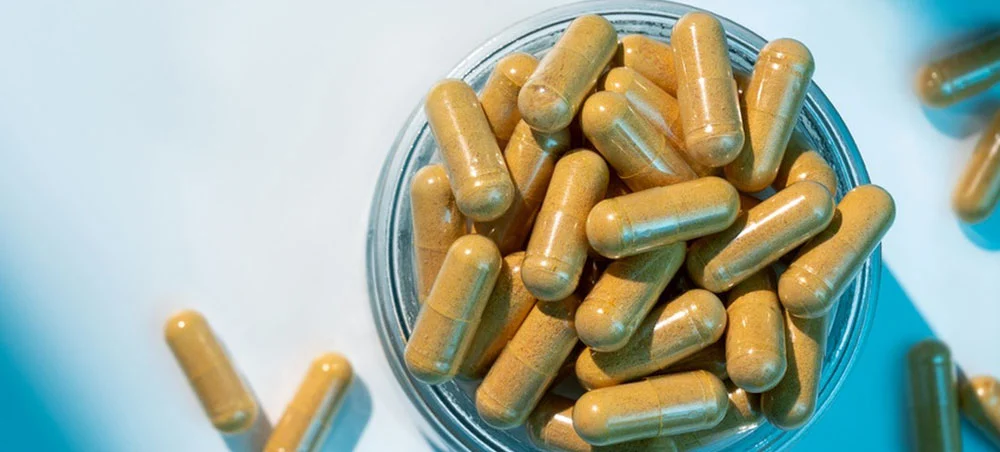
Typical formulation approaches for dietary supplements using Co-Enzyme Q10 Powder generally range within established daily intake levels for cardiovascular wellness support, but for medicinal purposes, bigger doses may be needed with the help of a doctor. Softgel encapsulation is still the best way to deliver the powder because it combines it with carrier oils that help the body absorb it better. The 98% pure grade stops problems with settling during production and makes sure that label claims are correct, which is important for following the rules. Controlling the temperature during the packaging process keeps the product's effectiveness throughout the production process. Manufacturers should set up strict stability testing procedures that check how well the product keeps its potency over a longer period of time, usually three to six months at 40°C and 75% relative humidity.
Integration into Cosmetic and Skincare Formulations
High-end anti-aging goods put ubiquinone into oil-in-water emulsions or liposomal delivery methods that make it easier for the product to get into the skin. One of the hardest things is keeping white cream bases from turning yellow. High-purity powder is better at keeping colours stable than lower-grade powders. Concentrations used in most cases are between 0.1% and 1.0% by weight, taking into account how the recipe looks and how much it costs. Combining antioxidants like vitamins C and E makes their effects stronger by using different ways to get rid of free radicals. Quality control tests should use microscopy to make sure that the dispersion is uniform and peroxide value measurements to keep an eye on oxidation markers over the shelf life periods that were set.
Enhancing Bioavailability Through Synergistic Compounds
Combining ubiquinone with piperine (black pepper extract) greatly increases the rate of absorption by stopping the liver from breaking down nutrients. Phospholipid complexation technologies make ubiquinol-lipid matrices that are better at mixing with water, which fixes the problem of the substance not dissolving well in water. Adding vitamin E does two things: it protects ubiquinone from reactive breakdown while it is being stored, and it also acts as an extra antioxidant in living things. More and more, companies that make high-end formulations are using these advanced delivery systems to set their goods apart in crowded markets and show that their higher selling prices are fair because they work better.
Conclusion
Co Enzyme Q10 Powder is a strategically important ingredient for companies seeking to address consumer demand for cardiovascular wellness, healthy ageing, and metabolic support products. Its ability to support the production of cellular energy and provide powerful antioxidant defence makes it a key ingredient in many nutraceutical, cosmetic, and medicinal products. Strategic purchasing choices that focus on supplier dependability, quality certifications, and expert support skills make sure that you always have access to high-purity materials that meet strict regulatory standards. As the market gets more complex, companies that work with experienced suppliers gain a competitive edge through customised recipes, quick innovation cycles, and thorough quality assurance systems that protect the brand's image and the trust of customers.
FAQ
What are the primary benefits of using Co-Enzyme Q10 powder in product formulations?
Among its key functional benefits, Co-Enzyme Q10 Powder supports cellular energy production, provides antioxidant protection against free radical damage, and promotes cardiovascular wellness. Formulation freedom lets you choose your own dosage levels and combos of ingredients that work well together that aren't possible in pre-encapsulated forms. The powder form stays more stable during storage and shipping than liquid forms, which cuts down on waste and makes sure that the product stays effective throughout its lifecycle.
How do manufacturers determine appropriate dosage levels for different applications?
How much to give depends on the planned use cases and the types of people who will be using the product. Dietary supplement formulations typically incorporate established daily intake levels for general wellness support, while higher concentrations may be specified for applications with specific functional objectives. Cosmetic formulas use 0.1 to 1.0% by weight, depending on how the formula looks and how much it costs. Talking to suppliers who offer expert support is a good way to find the best amount for a certain product idea while still following the rules.
What kinds of licenses should suppliers provide to ensure quality and safety?
Suppliers with a good reputation keep GMP, ISO9001, and FSSC22000 certifications that show they follow quality management systems. The HALAL and Kosher labels make more products available in more markets. Validation by a third party, like SGS, Eurofins, or NSF laboratories, makes sure that the product is pure, effective, and safe. Pharmacopoeial agreement with USP, EP, or JP standards makes sure that the all-trans isomer configuration is correct and that there are no manufactured contaminants.
Partner with Naturalin Biotech for Premium Co Enzyme Q10 Powder
Naturalin Biotech has pharmaceutical-grade Co-Enzyme Q10 Powder that can help you reach your manufacturing goals and meet the strictest quality standards. Our fermentation-derived material is at least 98% pure and has a 100% all-trans configuration. It comes with full analytical paperwork and proof from a third party. We can make changes that suit your needs, such as micronising for better digestibility, microencapsulating for better stability, and making beadlets that dissolve in cold water for use in drinks. Our experienced research and development team has over 40 patents and 20 years of experience working with plant extracts. They can help you make quick samples, improve your formulations, and get technical advice all the way through the lifecycle of your product. Our DDP delivery service makes sure that logistics to the US market go smoothly, and our FSSC22000-certified factory makes sure that there is a steady supply at prices that are competitive. Send an email to market@naturalinbio.com to ask for samples and talk about how Naturalin Biotech can become your reliable supplier for a long-term partnership that works.
References
1. Crane, F.L. (2001). Biochemical functions of coenzyme Q10. Journal of the American College of Nutrition, 20(6), 591-598.
2. Garrido-Maraver, J., Cordero, M.D., Oropesa-Avila, M., et al. (2014). Coenzyme Q10 therapy. Molecular Syndromology, 5(3-4), 187-197.
3. Hidaka, T., Fujii, K., Funahashi, I., et al. (2008). Safety assessment of coenzyme Q10. BioFactors, 32(1-4), 199-208.
4. Langsjoen, P.H., & Langsjoen, A.M. (2008). Supplemental ubiquinol in patients with advanced congestive heart failure. BioFactors, 32(1-4), 119-128.
5. Mortensen, S.A., Rosenfeldt, F., & Kumar, A. (2014). The effect of coenzyme Q10 on morbidity and mortality in chronic heart failure. JACC: Heart Failure, 2(6), 641-649.
6. United States Pharmacopeia. (2023). Ubidecarenone monograph. USP-NF 2023, Official Standards.