7 Benefits of Tomato Extract Powder
For B2B buyers handling the vitamin, food, cosmetic, and nutraceutical businesses, Tomato Extract Powder offers seven game-changing benefits. Standardized for lycopene levels between 1% and 10%, this concentrated phytochemical ingredient solves important problems in the industry, such as maintaining consistency across production batches, making the product more bioavailable than fresh tomatoes, and meeting international quality standards that include HPLC verification. If you know about these benefits, you can make smart decisions about where to get the ingredients you need to make heart-healthy supplements, anti-aging cosmetics, or functional drinks that meet the needs of consumers who want clean labels.
Introduction
Lycopene-rich plant extracts are important parts of current formulation plans because people all over the world want natural ingredients that have been proven to work by science. In the nutraceutical, functional food, and personal care industries, procurement workers are becoming more and more aware that buying choices have a direct effect on how well products work, how they stand out in the market, and how well they comply with regulations. This detailed guide answers the questions of R&D scientists, quality assurance managers, and buying directors who need detailed technical specifications, metrics for measuring source reliability, and data on how versatile an application can be. We look at differences in composition, bioavailability benefits, and compliance frameworks to give you actionable insights that transform choosing ingredients from a transactional process into a strategic competitive advantage for your manufacturing operations.
Understanding Tomato Extract Powder: Composition and Key Benefits
What Makes This Extract Unique?
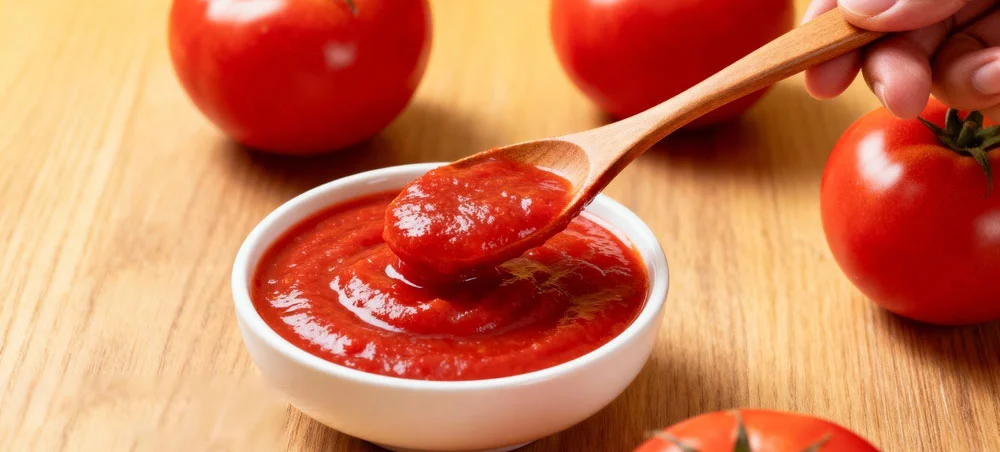
This concentrated ingredient comes from Lycopersicon esculentum Mill. and is very different from regular Tomato Extract Powder or paste. The latest solvent extraction and supercritical CO2 methods keep beneficial carotenoids, like lycopene, beta-carotene, phytoene, and phytofluene, while getting rid of the water that breaks down raw materials. Standardization makes sure that lycopene amounts are always the same, which is confirmed by HPLC testing. This solves the problem of batch-to-batch variability that formulation scientists face.
Core Nutritional Profile
The detailed details of the ingredient show why buying teams put it at the top of their list. Because it has less than 5% moisture, less than 5% ash, and particles that are 60-80 mesh, the powder mixes easily into capsules, tablets, drinks, and skin products. The bioactive form of lycopene, the trans-isomer form, stays stable thanks to good manufacturing controls. Its antioxidant capacity can be measured with ORAC testing. This standardized nutrient density solves the main problem of making sure that functional claims are always true across production runs.
Seven Strategic Advantages Overview
Value propositions with many parts affect procurement decisions. The benefits include protecting the heart through antioxidants, aiding the skin with anti-aging formulas, better nutrient absorption than whole-food alternatives, options for clean-label certification, storage and transport benefits, lower costs through bulk buying, and access to networks of trusted suppliers. Each benefit directly addresses a different problem that quality assurance teams, supply chain managers, and product development directors face when they work in markets that are very competitive.
Benefit 1: Potent Antioxidant Support and Cardiovascular Health
Clinical Evidence for Heart Protection
Peer-reviewed research shows that lycopene's antioxidant qualities lower signs of oxidative stress that are linked to the progression of cardiovascular disease. Studies in nutritional science journals show that concentrated Tomato Extract Powder raises the amount of lycopene in the blood to levels that can't be reached by eating tomatoes alone. Because carotenoids are lipophilic, they need special ways to get to where they need to go. This is exactly what extract powders do through micronization and possible microencapsulation technologies.
Application in Functional Foods
Standardized extracts are used by companies making heart-healthy products to back up structure-function claims that follow FDA rules. A lycopene standard of 5% makes it possible to accurately calculate dosages for supplement facts panels, while a 10% concentration is best for high-potency formulas aimed at the clinical nutrition market. The ingredient stays stable during the encapsulation and tableting processes, which protects its bioactivity during production heat exposures. This makes sure that the end product works the way the formulators intended it to.
Benefit 2: Skin Health and Anti-Aging Properties
Dermatological Research Validation
It has been shown in clinical studies that both taking lycopene-rich Tomato Extract Powder by mouth and putting it on the skin make a difference in terms of skin elasticity, hydration levels, and photoprotection markers. Reactive oxygen species speed up the breakdown of collagen and the aging of the epidermis. The antioxidant cascade neutralizes these species. Formulators of cosmetics like that the ingredients work well and also make claims about their natural origin that appeal to consumers.
Formulation Versatility Across Categories
Personal care buying teams find extracts that can be used in serums, creams, and vitamins for mouth health. The powder form works with oil-in-water emulsions that have already been spread out in lipid carriers, and the water-soluble beadlet form can be used right away in beverage applications. Solubility changes, decolorization for neutral-tinted formulations, and compound blends combining lycopene with antioxidants like vitamin C or resveratrol are some of the ways that Naturalin Biotech can make its products unique.
Benefit 3: Enhanced Nutrient Bioavailability and Versatile Uses
Superior Absorption Mechanisms
Comparative bioavailability studies show that Tomato Extract Powder works better than whole tomatoes. This is because the cell walls are broken down during extraction, and the particles are reduced to an 80 mesh fineness. During the production process, carotenoids are freed from chromoplast structures and put in a form that is easy for the intestinal epithelium to absorb. Dietary supplement makers can use expected pharmacokinetic profiles to help them make dose suggestions that are backed up by data on absorption.
Cross-Industry Application Spectrum
The ingredient is used in functional drinks that need to be mixed with cold water, nutritional bars for cooking that need to be stable at high temperatures, and pharmaceutical preparations that are meant to improve certain health outcomes. As a result, procurement requirements change. For example, supplement makers put a lot of weight on HPLC-verified potency and heavy metal tests, while food makers put a lot of weight on flavor balance and color stability under pasteurization conditions. Because it can work in a variety of industrial settings, it cuts down on the need for many specialized materials.
Benefit 4: Natural and Certified Organic Options for Cleaner Labeling
Certification Standards Impact
Organic approval through the USDA NOP and EU standards meets the needs of consumers and retailers who want to sell natural products. The approval trail, which goes from choosing non-GMO seeds to growing them without using pesticides and then extracting them without using solvents and supercritical CO2, helps set the product apart in the market and supports its high price. Quality assurance teams make sure that certifications are real by checking paperwork and doing audits of suppliers. This makes sure that label claims can stand up to regulatory scrutiny.
Validating Supplier Compliance
When buying Tomato Extract Powder, suppliers are checked to see if they have up-to-date ISO9001, FSSC22000, HALAL, and Kosher certifications, as well as organic credentials. Naturalin Biotech is a recognized technical authority by regulatory groups because it wrote the national market standards for plant extracts in China. Independent testing by SGS, Eurofins, and NSF laboratories confirms that the specifications are met. This provides the proof needed for regulatory submissions in the North American and European markets.
Benefit 5: Long Shelf Life and Easy Storage Solutions
Optimizing Stability Parameters
The low moisture content and possible antioxidant stabilizers give Tomato Extract Powder a two-year shelf life when kept in controlled settings (below 25°C and below 60% relative humidity). Light and air are the main things that break down carotenoids, but bulk packing in aluminum foil-lined fiber drums protects them from both. Procurement managers like long-term steadiness because it lowers the need to constantly turn over stockpiles and reduces the number of times that old materials have to be written off.
Logistics and Transit Considerations
Sample review orders and full-scale production packages can both be shipped through DHL, FedEx, air freight, and ocean containers. Naturalin's DDP shipping service for U.S. markets makes clearing customs easier and lowers the uncertainty of landing costs. Monitoring the temperature during transport and making sure the warehouse is in good shape when the ingredient arrives, make sure it gets to the production floors fully functional. This is proven by a certificate of analysis testing that shows the lycopene content meets the requirements for purchase.
Benefit 6: Cost Efficiency and Bulk Purchasing Advantages
Regional Price Dynamics
Buying Tomato Extract Powder from companies in China, like Naturalin Biotech, can save you money while keeping the quality the same as buying from companies in Europe and North America. The difference in prices is due to combined supply lines that include organic farms that grow the raw materials, in-house extraction facilities, and packaging for the finished product. Organic certification adds about 20–30% more value than regular grades, and higher lycopene concentrations lead to proportional price rises that represent the economics of extraction yield.
Strategic Procurement Approaches
Mid-sized producers can get industrial prices without having to keep too much inventory on hand because commercial orders require minimum order numbers that start at 25 kg. Samples are available to help with formulating before full-scale purchasing decisions are made. By negotiating yearly supply agreements with delivery schedules every three months, you can lock in good prices and make sure that production managers always have the supplies they need. If you look at the total landed cost, which includes freight, testing, and storage, instead of just the price per kilogram, you can see how cost-effective something really is. Suppliers who give expert support, formulation advice, and customization services add value that goes beyond the price of a commodity.
Benefit 7: Trusted Supplier Networks for Quality Assurance and Compliance
Supplier Vetting Criteria
For procurement to be excellent, production capacity, quality system maturity, and experience of legal compliance must all be carefully looked at. Key signs include being able to produce more than 1,000 tons per year, testing in-house using HPLC and UV spectroscopy, and being able to track Tomato Extract Powder from harvesting to releasing finished products. Naturalin has more than 40 patents covering different ways to extract ingredients and how to use them. These patents show that the company can come up with new ideas, which helps customers find products that are different from others.
Customization and Private Label Services
OEM and ODM clients get full recipe development support, which includes changing lycopene concentrations, changing sensory profiles by deodorizing, and making compound mixes that work together to reach certain health goals. Being able to make powders, grains, and liquid extracts under private label agreements lets brand owners control the details of the product while using already-established production infrastructure. Technical teams provide data for stability testing, regulatory documentation packages, and application guidance that helps new products get to market faster.
Conclusion
When procurement professionals have to balance the need for efficacy with regulatory compliance, cost constraints, and supply reliability, working with established Tomato Extract Powder manufacturers can be a strategic advantage. The seven benefits listed—from cardiovascular and dermatological uses to bioavailability benefits, organic certification options, logistical benefits, cost optimization, and supplier expertise—address the many factors that quality assurance managers, R&D scientists, and purchasing directors have to think about every day when making decisions. Naturalin Biotech has a wide range of integrated services, from our own organic farms and advanced extraction facilities to full testing and customization, which makes us more than just an ingredient supplier for your formulation success.
FAQ
What distinguishes tomato extract from simple tomato powder?
Bioactive lycopene is concentrated to standard amounts (1–10%) in tomato extract using solvent-based or supercritical extraction. This is proven by HPLC tests. Simple tomato powder is made by drying tomatoes without concentrating them. It has a lower and more variable lycopene content, which makes it unsuitable for exact supplement formulation or clinical dose needs.
How should bulk quantities be stored after delivery?
Keep containers that are sealed in cool, dry places that are below 25°C and have humidity levels below 60%. Light doesn't get through aluminum foil-lined packages. Once it's opened, keep air out of it as much as possible and use it within six months for best strength retention. If kept properly, the material will stay alive for two years.
Are there safety considerations for high-dose applications?
Lycopene has good safety profiles in clinical literature, and there are no upper intake limits set by regulatory authorities. The usual daily dose for supplements is between 10 mg and 30 mg. Making things under GMP guidelines and checking for heavy metals, pesticides, and microbes that could be harmful ensures that the safety of the ingredients meets pharmaceutical-grade standards.
Partner with a Certified Tomato Extract Powder Supplier
Naturalin Biotech has been working with botanical extracts for more than 20 years and can help you with your formulation problems. Our Tomato Extract Powder is a prime example of this expertise, offering HPLC-verified lycopene content in concentrations from 1% to 10% with full traceability, GMP compliance, and a comprehensive certification portfolio that supports global market access. Our lycopene extracts, which come in amounts from 1% to 10% and have been checked by HPLC, have all the ISO9001, FSSC22000, HALAL, and Kosher certifications needed to sell them on the global market. We keep items in stock so that they can be delivered in 3–7 days, we accept sales of at least 25 kg, and we can send samples for R&D to test. Our expert team can help you with formulation, make changes to powder and granule forms, and create compound blends that are perfect for your needs. Get in touch with our purchasing agents at market@naturalinbio.com to talk about your specific needs, ask for certificates of analysis, and find out how our fully integrated supply chain, which includes organic farms and advanced extraction facilities, can give your production operations the consistency and dependability they need.
References
1. Hillary SK. "Lycopene: Chemistry, Biology, and Implications for Human Health and Disease." Nutrition Reviews, vol. 56, no. 2, 1998, pp. 35-51.
2. Agarwal S, Rao AV. "The Part of Lycopene as an Antioxidant in Cancer and Heart Disease." Journal of the American College of Nutrition, vol. 19, no. 5, 2000, pp. 563-569.
3. Stahl W, Sies H. "Bioactivity and Protective Effects of Natural Carotenoids." Biochimica et Biophysica Acta, vol. 1740, no. 2, 2005, pp. 101-107.
4. Rizwan M et al. "Tomato Paste Rich in Lycopene Protects Against Cutaneous Photodamage in Humans: A Randomized Controlled Trial." British Journal of Dermatology, vol. 164, no. 1, 2011, pp. 154-162.
5. Giovannucci E. "Tomatoes, Tomato-Based Products, Lycopene, and Cancer: Review of the Epidemiologic Literature." Journal of the National Cancer Institute, vol. 91, no. 4, 1999, pp. 317-331.
6. Unlu NZ et al. "Carotenoid Absorption from Salad and Salsa by Humans is Enhanced by the Addition of Avocado or Avocado Oil." Journal of Nutrition, vol. 135, no. 3, 2005, pp. 431-436.