Organic Cranberry Extract Powder vs Concentrate: Key Differences
It's important to know the difference between Organic Cranberry Extract Powder and concentrate when you're shopping for cranberry goods for recipes. Standardized proanthocyanidins (PACs) in Organic Cranberry Extract Powder typically run from 10% to 60%. It's easy to mix into dry blends, capsules, or tablets, and the active ingredients stay stable over time. Concentrates, on the other hand, are liquid or almost liquid and contain more water. They taste great in drinks, but they need to be shipped in a cold chain and don't last as long. It is known that Vaccinium macrocarpon is good for the urinary system and that it fights free radicals. But the two formats are very different in how they feel, how they need to be handled, and how well they work with different formulations. Which one you pick will have a big impact on cost, compliance, and how well the product works.
Introduction
Nutraceuticals, functional foods, skincare, and animal nutrition all over the world are big fans of cranberry-based products. Researchers, quality control teams, and people in charge of buying things always have a hard time choosing between Organic Cranberry Extract Powder and watery concentrate. Each style has its own pros and cons that depend on the rules, the supply chain, and the needs of the product.
Type-A proanthocyanidins are bioactive substances that have been shown to be good for the health of the urinary system and to be antioxidants. They are found in organic cranberry extracts from Vaccinium macrocarpon. It will depend on the type you choose whether it gives you a correct reading, works well with other items, is stable, and how much it costs to own overall. You can choose ingredients that help you reach your product development goals, follow the rules set by regulators, and get your product on the market if you know these differences.
Looking to buy either type? This study tells you about them by looking at purity standards, strength measures, stability profiles, and use cases. This guide makes it clear when to use powder or concentrate for your business, whether you make skin care items, food supplements, or drinks that are good for you.
Understanding Organic Cranberry Extract Powder and Concentrate
What Is Organic Cranberry Extract Powder?
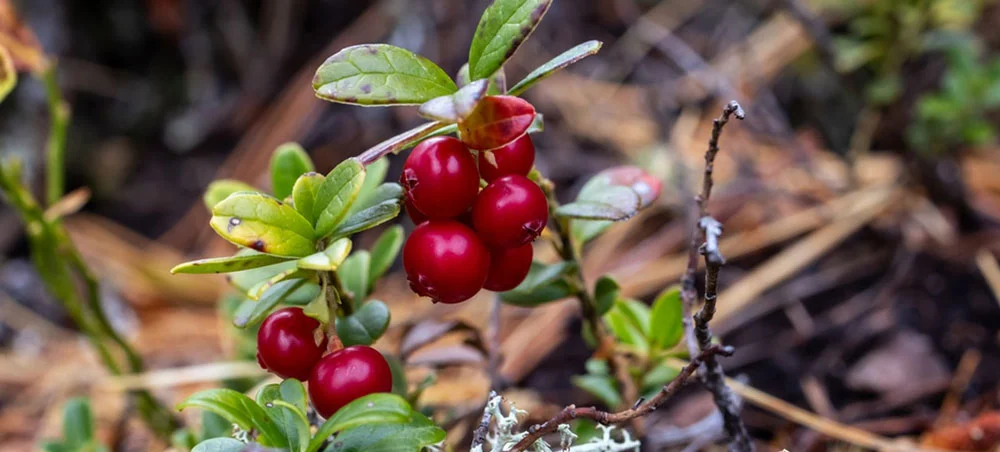
The Vaccinium macrocarpon berries used to make Organic Cranberry Extract Powder were grown without the use of any artificial fertilizers or pesticides. A liquid or enzymes are used to get the berries out of the plant. The extract is dried with either vacuum drying or spray drying to make a fine powder that usually has an 80–100 mesh size. The BL-DMAC method or UV spectrophotometry is used to check the PAC content. This is the best way in the business to measure Type-A links.
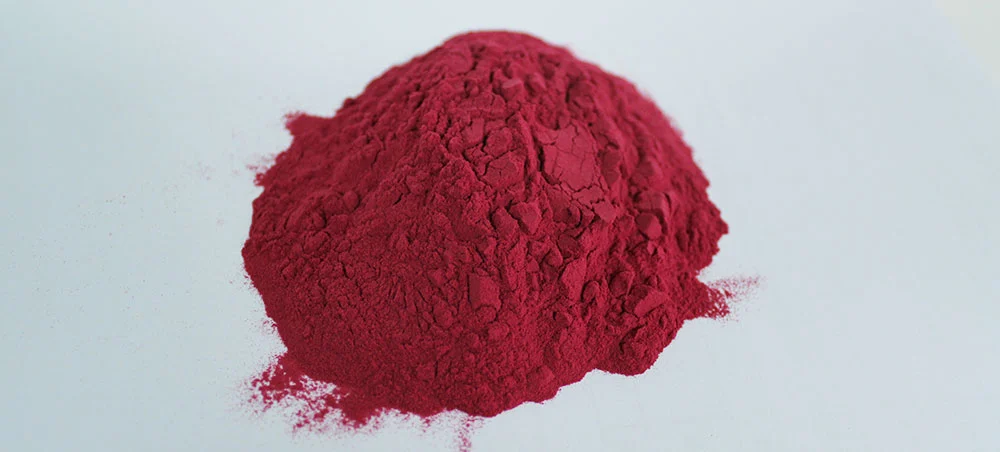
The low wetness level (below 5%) of this powder form lowers the risk of germs and extends the shelf life to 24–36 months when stored in cool, dry, safe places. Its color, which runs from bright red to deep red, shows that it has polyphenols and anthocyanins in it. The characteristic sour smell shows that it is a real plant. Organic labels, such as USDA NOP, EU Organic, and Canada Organic, make it possible to track the food from the farm to the customer. This gets rid of the need for carriers made in a lab, like maltodextrin or silicon dioxide.
What Is Cranberry Concentrate?
Cranberry concentrate is a thick liquid or paste that is mostly solid. It is made by taking the juice out of the cranberries and letting it evaporate under low pressure. For sugars, PACs, and organic acids like quinic acid and malic acid, this method gets rid of the water. Most of the time, the concentrate keeps between 50 and 70% of its solids. To keep it stable, it needs to be frozen or chilled.
The color of concentrates is bright, and they taste like real cranberries, but they only last 6 to 12 months, are more likely to get microbes on them, and are harder to ship because they need to be kept cold. It's hard to say exactly how much PAC is in a liquid extract because the amount changes a lot, normally between 1% and 10%.
Production Processes and Quality Standards
The organic cranberry fruit is used in both forms, but they are made in different ways, and Organic Cranberry Extract Powder is produced through a multi-step extraction and drying process that concentrates the bioactive proanthocyanidins while removing water and fiber, resulting in a standardized, shelf-stable ingredient ideal for supplements and functional foods. To make powder, you need to remove the solvent (with water, ethanol, or both), filter, concentrate, and dry it. In this way, a standardized ingredient is made that can be kept on the shelf and is useful for dry mixing and packaging. When you use mechanical pressing, chemical processing, or vacuum evaporation to make concentrates, the taste molecules stay the same, but they don't last as long.
As part of quality control, HPLC analysis is used to measure PAC. Heavy metals like lead, arsenic, and cadmium are also screened for. Pesticide leftovers are tested for, and bacterial evaluation is done. The ISO 9001, HACCP, and FSSC 22000 certificates of suppliers with a good name are always up to date. If they have third-party approval from SGS, Eurofins, or NSF, you can trust them more.
Key Differences Between Organic Cranberry Extract Powder and Concentrate
Purity and Potency Metrics
Organic Cranberry Extract Powder gives you better control over the strength. You can give accurate amounts in pills, tablets, and functional food matrices by making sure they all have the same PAC ratios (10%, 25%, 40%, and 60%). It is important that the BL-DMAC test consistently finds the same number of Type-A PACs from one production batch to the next.
Since concentrates don't have to follow strict rules, the amount of PAC they have can change based on the season, the fruit's maturity, and how it was handled. When the claims on the package need to be backed up by clinical studies, this lack of security makes it harder to make products.
Stability and Shelf Life Considerations
It is very safe to use powdered goods. Microbes and enzymes can't break down or grow things that are less than 5% wet. Packages that are sealed keep air out and keep their shape for 24 to 36 months at room temperature. This stability cuts down on waste, makes it easier to keep track of stock, and lets food be shipped around the world without having to be refrigerated.
Concentrates lose their strength very quickly. Still present enzymes, more water activity, and sugar content all help fermentation, mold growth, and PAC oxidation. It is possible to store food in a refrigerator for up to 12 months, but it costs more and makes the supply chain more complicated. When you buy something from another country, these are important things to keep in mind.
Dosage Flexibility and Formulation Compatibility
Hard capsules, tablets, softgels, sachets, and gummies are all dry foods that work really well with powder. It is easy to mix with vitamins, minerals, and other ingredients because it flows freely. Custom mesh sizes can be used with many types of processing tools, and because they dissolve better (microencapsulation, spray-drying with carriers), they can be used in drinks.
It works well in drinks, health shots, syrups, and mouth treatments that are liquid, and Organic Cranberry Extract Powder can be easily dissolved into these liquid formats, though formulators should account for its natural acidity and high solids content when designing recipes to ensure proper dispersion and flavor balance. People who buy drinks like the way it tastes, the way it is, but it needs to be balanced because it is very acidic (pH 2.5–3.5), and its high solids content needs to be spread out.
Application Scenarios Across Industries
Nutraceutical companies use powder to make tablets that boost the immune system and capsules that keep the urinary tract healthy. Strict PACs make sure that the products work in a clinical setting and that the labels are correct. People who make functional drinks like using concentrates to make juice mixes and health shots that are ready to drink. This is because people like drinks that taste like they really do.
Powder is used in cleansing creams and serums to fight aging because it keeps emulsions from getting bacteria in them. Feed premixes are made with powder because it is strong enough to handle high temperatures when pelleting and can be kept for a long time.
Procurement Insights: How to Choose Between Powder and Concentrate?
Quality Certifications and Supplier Reliability
Also, pay extra attention to sellers who have GMP, ISO 9001, FSSC 22000, or religious safety certifications for things like Halal and Kosher. These are some of the qualifications that buyers should look for. Traceability paperwork, such as farm surveys and batch licenses, keeps the organic quality and makes the supply chain clear.
Ask approved labs like SGS, Eurofins, and NSF to send you third-party test results that prove the amount of PAC, the microbial limit, and the lack of contaminants. If suppliers are quick to respond, can help with technology issues, and are willing to send samples, it means they want the relationship to work.
Price Dynamics and Bulk Purchasing Strategies
Powder prices change based on how much PAC it has, whether it is organic, and how hard it is to work with. Prices range from $30 to $150 per kilogram, depending on what you want. Sales of 100 kg or more can save you money, and for trial periods, the minimum order quantity (MOQ) can be as low as 25 kg.
The price of concentrate changes based on how many grains are in it and how it is packed. Even though it costs less per kilogram, it usually costs more to own than powder because it needs to be kept cold, has a shorter shelf life, and the recipe has to be changed.
Sample Ordering and Logistics Solutions
Ask for examples before you place a business order, and for Organic Cranberry Extract Powder, this means requesting samples from multiple batches to evaluate color consistency, solubility, flavor profile, and PAC content through independent laboratory testing. Independent tests should be done to check the PAC level, the organoleptic traits (taste, smell, and color), and the stability. The stability tests should be done in the same way that the product will be stored.
For markets in the US, the best shipping companies offer DDP (Delivered Duty Paid) shipping, which includes ocean freight, customs clearance, and delivery within the country. This makes it easy to bring things into the country. Express options like DHL and FedEx can get small items to their destination faster. For sending large amounts of goods, air and ocean freight are the most cost-effective options. Check how long you have to wait. People whom you can trust keep items in stock, so they can be sent out 3–7 business days after you pay.
Health Benefits and Usage Guidance for Organic Cranberry Extract Powder
Urinary Tract Health and Bacterial Anti-Adhesion
Type-A PACs keep Escherichia coli from sticking to epithelial cells in the urinary system, which stops illnesses from happening again. Every day, 200 mg to 500 mg of standardized 25–40% PAC powder can give you between 36 mg and 72 mg of PACs.
Antioxidant and Anti-Aging Properties
It is the polyphenols in cranberries that stop reactive oxygen species from doing damage to cell structures. Because of this, cranberry extracts are good for the immune system, the heart, and the skin, and can be found in dietary supplements and creams that you put on your skin.
Organic vs. Non-Organic: Compliance and Market Demand
When people buy organic food, they don't have to worry about GMOs, chemical residues, or the earth's health in the long run. The USDA and EU make sure that foods can be grown without chemicals by making sure that they follow the rules. Market records show that organic goods cost 15–30% more than regular ones. This shows that people are ready to pay more for clean brands.
Recommended Dosage and Safety Considerations
In tests, taking 36–120 mg of PAC every day was found to be safe and not cause many side effects. For bladder health, most formulas come in 500 mg powder that is adjusted to 25% PACs, which equals 125 mg PACs per dose. Serums and creams with a powder content of 1 to 5 percent are used in makeup.
Conclusion
It depends on how you want to make the product, how stable you want it to be, and how well your supply chain works, which is why you choose between Organic Cranberry Extract Powder and concentration. Powder is great for making dietary supplements, useful foods, and makeup because it has a steady amount of PAC, can be mixed in many ways, and stays fresh for a long time. It can be used in drinks and has a real taste and color. It does, however, need to be kept in a cold chain and has shorter use dates. When getting something, teams need to think about things like how reliable the source is, the total cost of ownership, how consistent the potency is, and how well it meets legal requirements. If you work with certified manufacturers, you can be sure of quality, be able to track your order, and get technical help. This lets you make goods that are safe and meet the wants of the market.
FAQ
What is the primary difference between organic cranberry extract powder and concentrate?
Organic Cranberry Extract Powder is ideal for making pills and tablets because of its normal PAC level (10–60%), low moisture content, and long shelf life (24–36 months). The solid and concentrate both taste the same, but the concentrate has more water and can be used for drinks. It also lasts only 6 to 12 months.
How can I verify supplier certifications and product quality?
If someone makes something, you can ask for copies of third-party test results from SGS, Eurofins, or NSF, as well as organic licenses from the USDA NOP or the EU. Use the BL-DMAC method to do your own PAC analysis, and use sample trials to make sure that each batch is uniform.
Can I substitute powder for concentrate in my formulation?
What is used instead depends on the situation. If you process powder the right way, you can make it dissolve in drinks. Powder works best when it's dry. When the taste needs to be true to life, concentrate is great for liquid goods. To change forms, it's important to make changes to the recipe. For example, the dose should be recalculated, a pH buffer should be added, and the solubility should be checked.
Partner with a Trusted Organic Cranberry Extract Powder Manufacturer
Naturalin Biotech has been extracting plants for more than 20 years and has standardized its Organic Cranberry Extract Powder from 10% to 60% PACs. Our certificates in ISO 9001, FSSC 22000, USDA NOP, EU Organic, HALAL, and Kosher make sure we follow the rules in every market around the world. We have our own organic farming bases, more than 40 different technologies, and do our own research and development. This means we can make powders, grains, and water-soluble forms that are perfect for your recipe.
This is possible because our things are ready to ship and our wait time is 3–7 working days. With sample orders and trial quantities (MOQ 25 kg), the risk of buying something is kept to a minimum. It's also easier to handle logistics with full DDP delivery to the US. You can get free samples and talk to our technical team about your project by emailing market@naturalinbio.com. You can trust Naturalin Biotech to give you Organic Cranberry Extract Powder. We care about quality, being honest, and the success of our relationships. Visit naturalinbio.com to see all of our plant-based ingredients.
References
1. Howell, A.B., Reed, J.D., Krueger, C.G., et al. (2005). A-type cranberry proanthocyanidins and uropathogenic bacterial anti-adhesion activity. Phytochemistry, 66(18), 2281-2291.
2. Blumberg, J.B., Camesano, T.A., Cassidy, A., et al. (2013). Cranberries and their bioactive constituents in human health. Advances in Nutrition, 4(6), 618-632.
3. Feliciano, R.P., Krueger, C.G., Reed, J.D. (2015). Methods to determine effects of cranberry proanthocyanidins on extraintestinal infections. Molecular Nutrition & Food Research, 59(7), 1292-1306.
4. Pappas, E., Schaich, K.M. (2009). Phytochemicals of cranberries and cranberry products. Critical Reviews in Food Science and Nutrition, 49(9), 741-781.
5. Côté, J., Caillet, S., Doyon, G., et al. (2010). Bioactive compounds in cranberries and their biological properties. Critical Reviews in Food Science and Nutrition, 50(7), 666-679.
6. Neto, C.C. (2007). Cranberry and blueberry: Evidence for protective effects against cancer and vascular diseases. Molecular Nutrition & Food Research, 51(6), 652-664.