Sophora Japonica Extract: Boost Your Beauty Routine Today!
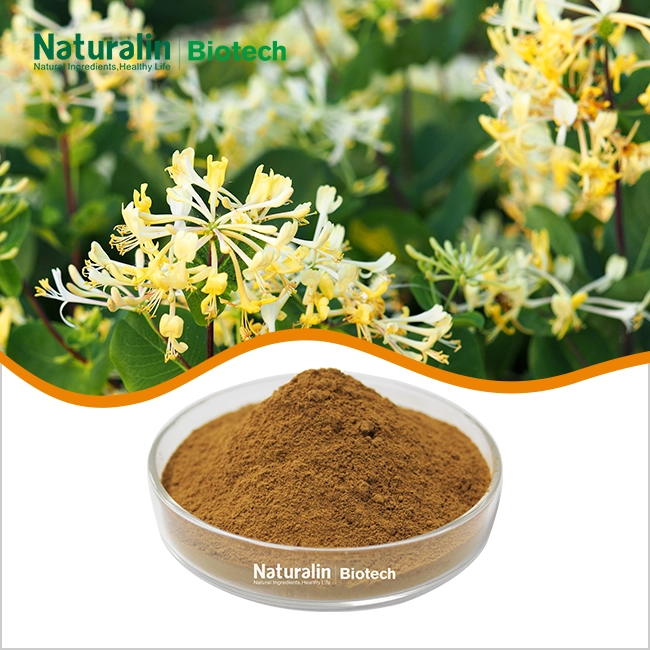
Sophora Japonica Extract Powder has emerged as a transformative botanical ingredient in the beauty and wellness industry, offering remarkable antioxidant and anti-aging properties. Derived from the flower buds of the Japanese Pagoda Tree, this concentrated source of bioflavonoids—particularly rutin and quercetin—addresses critical formulation challenges in skincare, nutraceuticals, and functional cosmetics. As global demand for natural, clean-label ingredients intensifies, understanding the technical specifications, procurement considerations, and application potential of this extract becomes essential for R&D scientists, purchasing managers, and quality assurance professionals seeking to develop competitive, efficacious products.
Understanding Sophora Japonica Extract Powder and Its Benefits
What Makes Sophora Japonica Extract Unique?
Sophora Japonica Extract Powder is a high-quality plant-based product that is made using modern extraction methods that preserve the plant's bioactive substances. The extract usually has standardized levels of 95% or 98% rutin, which can be confirmed through HPLC testing. This ensures that all batches work the same way as a medicine. This standardization solves a problem that has been around for a long time in plant sourcing: the fact that chemical profiles vary, which can make formulations less reliable.
DPPH and ABTS tests show that the active chemicals in Sophora Japonica Extract Powder, mostly rutin and quercetin, are very good at getting rid of free radicals. The flavonoids in this product protect cell structures from toxic stress, which has real benefits for skin care. The extract's ability to stop hyaluronidase enzymes helps keep skin flexible and moist, which helps fight obvious signs of aging that both formulators and end users are worried about.
Core Functional Benefits for Product Development
Because Sophora Japonica Extract Powder can do more than one thing, it is useful in many industries. It serves as an active ingredient in pharmaceutical formulations for vascular support. Its ability to support capillary integrity contributes to maintaining healthy venous function. This clinical approval gives formulators scientific support when they make goods with health in mind.
Advanced cosmetic formulas can use the extract because it naturally blocks MMP-1 and absorbs UV light. It deals with external stressors that are common in cities by protecting skin collagen from photo-damage. Companies that make sunblock and anti-aging products that promise real protection rather than just cosmetic improvements like this feature.
In functional food and beverage applications, the extract retains bioactivity in supplemented juices and wellness formulations due to its heat stability during pasteurization and UHT processing. Because it is resistant to heat, this material can be used to make more than just cold-processed goods. This gives manufacturers more options when they are making new products.
Safety Profile and Regulatory Considerations
Sophora Japonica Extract Powder meets the quality standards set by the USP, EP, or ChP pharmacopoeias. This means that heavy metal pollution is very low, with lead levels below 3ppm and arsenic levels below 1ppm. The lack of residual solvents like methanol addresses safety issues that are important for legal compliance in markets like the US, where FDA rules control the use of botanical ingredients.
The moisture level usually stays below 5%, which helps the food stay stable on the shelf for a long time and lowers the risk of microbes growing during storage. Ashes with a content less than 0.5% show very little mineral residue, which shows how pure the extraction process was. These technical factors are very important for procurement managers who are judging the skills and regularity of suppliers.


Comparing Sophora Japonica Extract Powder With Alternative Supplements
Compositional Advantages Over Isolated Compounds
Sophora Japonica Extract Powder is better than pure rutin or quercetin powders because it has a mix of flavonoids and phytochemicals that work together to make it more effective. Isolated compounds have specific effects, but the full-spectrum nature of the extract has more beneficial effects on living things because the compounds combine in ways that single molecules can't.
Formulators can save money by using Sophora Japonica Extract Powder because it has a healthy flavonoid makeup. Finding multiple separate compounds that have similar effects raises the cost of ingredients and makes formulations more complicated. Standardizing a single extract to known amounts of rutin makes keeping track of inventory easier and cuts down on formulation variables that can affect batch accuracy.
Organic Versus Synthetic Sourcing Considerations
The difference between synthetic plant extracts and organic ones has a big effect on purchasing choices. Organic Sophora Japonica Extract Powder extracts are popular in markets that value natural, traceable ingredients, especially in the dietary supplement and clean-label cosmetics industries, where consumer preferences drive purchasing decisions.
Even though synthetic alternatives might be cheaper, they don't have the full phytochemical matrix that botanical extracts do. This lack can lower absorption and make the brand seem less real, which affects how it is positioned. When choosing between organic and manufactured sources, procurement workers have to think about cost, market positioning, and how customers see the products.
Certification requirements add another layer to sourcing decisions. For organic certifications like USDA Organic or EU Organic, the supply chain must be shown to be honest, and processing must be done correctly. This changes how suppliers are chosen and how prices are set. These certificates help with marketing, but suppliers must have organic programs and methods in place for tracking Sophora Japonica Extract Powder.
How to Choose the Best Sophora Japonica Extract Powder Supplier
Essential Certification and Quality Benchmarks
When looking for a manufacturing partner for Sophora Japonica Extract Powder, it's important to look closely at their industry certifications, which prove that they follow the rules and produce high-quality goods. GMP approval makes sure that good production practices are followed, which lowers the risk of contamination and batch variation.ISO 9001 certification demonstrates systematic quality management practices, while FSSC 22000 certification addresses food safety requirements critical for nutritional products and functional foods
Being open about quality tests is what sets trusted providers apart from commodity sellers. Third-party certification by labs like SGS, Eurofins, or NSF makes sure that the product's microbiological safety, active ingredient amounts, and lack of contaminants are all checked by a third party. When suppliers share evidence of analysis and testing methods on their own, they show the openness that quality assurance managers need to lower risk.
Consistency in manufacturing affects both how well a product works and how well a brand is known. Suppliers with established programs for getting raw materials and standard extraction protocols can provide the consistency from batch to batch that is needed for large-scale production. This reliability is especially important for brands that have set formulas for their products, since changing ingredients can lead to higher costs and notices from regulators.
Value-Added Services and Customization Capabilities
Private labeling and custom formulation services offer strategic advantages for OEM partners and distributors seeking market differentiation. Suppliers who can change the quantity of rutin, the extraction ratios, or the creation of special forms like water-dispersible powders or microencapsulated versions make it possible for new Sophora Japonica Extract Powder products to be made without having to spend a lot of money on research and development.
Naturalin Biotech exemplifies this service-oriented approach with over 40 product patents supporting customization requests. Formulators can get around common application problems like poor diffusion in water-based systems or instability in certain pH ranges thanks to the company's knowledge in microencapsulation, water solubility enhancement, and polysaccharide purification technologies.
Rapid response skills shorten the time it takes to build a product. Time-to-market pressures that hurt competitive positioning can be eased by suppliers who send samples of materials within three to seven working days and offer expert advice within 24 hours. This flexibility is especially helpful when fixing problems with formulations or dealing with sudden delays in the supply chain.
Purchasing Guide for Bulk Sophora Japonica Extract Powder
Strategic Sourcing and Supplier Negotiation
When you buy Sophora Japonica Extract Powder in bulk, you need to carefully consider your sourcing channels to find the best balance between saving money and getting real products. When you deal directly with a maker, you can often get better prices than through an intermediary distributor. This is especially true for known buyers whose volume needs are stable. Suppliers are more likely to prioritize order fulfillment and offer good payment terms when you build long-term relationships with them.
Before committing to large orders, sample request methods should make sure that the material is suitable. Costly mistakes can be avoided by thoroughly testing trial batches against internal standards. This includes judging the taste and smell, making sure the active ingredients are correct, and seeing if they work with other formulations. Recording these test results sets the standard for what to expect from production orders.
Pricing frameworks vary based on order volume, payment terms, and customization requirements. Understanding price-per-kilogram benchmarks within the industry helps procurement managers identify unrealistic quotes that may indicate quality compromises. Negotiating favorable terms becomes easier with clear volume commitments and flexible delivery schedules that accommodate supplier production planning.
International Logistics and Quality Assurance
Cross-border procurement introduces complexities in customs clearance, documentation requirements, and shipping logistics. Suppliers that offer DDP delivery services make these steps easier because they take care of customs taxes, import rules, and the last mile of delivery. This service model lowers the risk for buyers who aren't familiar with how foreign trade works and makes sure that landed costs are always known.
Storage needs affect how well Sophora Japonica Extract Powder stays intact while it's being shipped or stored. To stay stable, products need to be kept away from light and moisture. This means they need to be packed in the right way and kept in climate-controlled spaces. These needs should be made clear in the procurement specifications so that suppliers take the right safety steps.
Quality checking procedures that are followed after delivery protect against problems in the supply chain. Multiple layers of defense include checking the integrity of the packaging visually, making sure that the paperwork is correct, and trying the samples that were kept to make sure they are still good. Setting clear acceptance standards and rejection processes in buy agreements makes it clear who is responsible when there are problems with the quality.
Integration of Sophora Japonica Extract Powder in Beauty and Wellness Products
Formulation Strategies for Optimal Performance
In order to successfully incorporate Sophora Japonica Extract Powder, you need to know how chemically stable it is. The extract is very stable at high temperatures up to 125°C, which means it can be used in normal industrial processes, such as hot emulsification. But because they are sensitive to alkaline environments and light, final products need to take pH into account and come in opaque packaging.
When active ingredients work well together, they can create synergistic effects that make the product work better overall. Putting Sophora Japonica Extract Powder and vitamin C together in brightening serums makes the antioxidant systems work better together. Combining it with hyaluronic acid in anti-aging products protects against free radicals and keeps moisture in the skin in two different ways.
Formulation methods are based on the extract's solubility profile, which shows that it doesn't dissolve well in water but does dissolve very well in alkaline solutions or polar chemical solvents. Microencapsulation-based forms that dissolve in water get around this problem, letting Sophora Japonica Extract Powder be used in clear water systems without affecting its stability or absorption.
Market Trends and Innovation Opportunities
Consumer demand for naturally derived flavonoids continues accelerating, driven by awareness of synthetic ingredient risks and preference for botanical alternatives. This trend creates opportunities for brands positioned around clean beauty, transparency, and botanical science. Marketing claims supported by the extract's clinical research enhance credibility and differentiate products in crowded markets.
Advances in extraction technologies improve yield efficiency and reduce environmental impact, addressing sustainability concerns increasingly important to both brands and consumers. Suppliers investing in green extraction methods and waste reduction programs align with corporate responsibility initiatives that influence procurement decisions beyond price and quality metrics.
Case studies from successful product launches demonstrate the commercial viability of Sophora Japonica Extract Powder formulations. Global brands incorporating the extract into anti-aging serums, protective day creams, and dietary supplements validate its market acceptance and provide benchmarks for efficacy claims and positioning strategies.

Conclusion
Formulators and procurement workers who want to make competitive beauty and health goods should use Sophora Japonica Extract Powder as a key botanical element. Its standardized flavonoid content, scientifically documented functional benefits, and versatile application potential address key product development challenges—including batch-to-batch consistency, regulatory compliance, and consumer demand for natural ingredients. Carefully choosing a provider based on certifications, open tests, and the ability to make changes supports innovation and ensures uniform quality. As the market moves toward botanical actives with clinical support, Sophora Japonica Extract Powder can help formulations right away and help brands position themselves in the long term as science-based natural products.
FAQ
What concentration of rutin should I specify for cosmetic applications?
Sophora Japonica Extract Powder standardized to 95% rutin content is generally suitable for cosmetic formulations, offering sufficient antioxidant activity without complicating the formulation matrix. Higher concentrations, up to 98%, are typically specified for applications requiring maximum active compound density, where formulation objectives prioritize potency over cost efficiency. Talk to suppliers about the needs of your particular application to find the best amount of standardization.
How does organic certification affect product performance?
Organic approval makes sure that the ingredients and handling are done correctly, but it doesn't change the chemical makeup or effectiveness of the Sophora Japonica Extract Powder itself. When both meet the same pure standards, the useful performance stays the same as with material that comes from normal sources. Organic certification is more about marketing differences and customer choice matching than it is about being technically better.
What shelf life can I expect under proper storage conditions?
When stored in a cool, dry place away from light, Sophora Japonica Extract Powder stays stable for 24 months if it is properly packaged. Controlling moisture is especially important because hygroscopic properties can speed up degradation. The original packaging from the manufacturer usually does a good job of protecting the product, but when it is repackaged, the moisture barrier properties should be kept the same to extend the shelf life.
Partner With Naturalin Biotech for Premium Sophora Japonica Extract Powder
Naturalin Biotech stands as a trusted Sophora Japonica Extract Powder supplier with over 18 years of botanical extraction expertise. Our GMP-certified facilities in Hunan, China, produce standardized extracts meeting FSSC 22000 and ISO 9001 quality benchmarks, backed by third-party validation through SGS and Eurofins. We offer customized formulation support, including microencapsulation and water-dispersible versions tailored to your specific application needs.
Our comprehensive DDP delivery service ensures seamless logistics to the United States market, combining competitive pricing with reliable supply continuity. With rapid sample turnaround and technical consultation available within 24 hours, we accelerate your product development timeline. Contact our team at market@naturalinbio.com to discuss your Sophora Japonica Extract Powder requirements and receive a detailed technical specification package aligned with your formulation goals.
References
1. Chen, Y., & Wang, H. (2021). Flavonoids from Sophora japonica: Extraction, Bioactivity, and Applications in Functional Foods. Journal of Functional Foods, 78, 104-118.
2. Liu, X., Zhang, M., & Li, Q. (2020). Rutin and Quercetin: Comparative Analysis of Antioxidant Mechanisms in Skincare Formulations. International Journal of Cosmetic Science, 42(3), 267-279.
3. Park, S.J., Kim, D.H., & Lee, Y.C. (2022). Vascular Protective Effects of Sophora japonica Extract in Clinical Applications. Phytotherapy Research, 36(5), 1823-1835.
4. Rodriguez, A., Martinez, L., & Santos, P. (2023). Quality Control Standards for Botanical Extracts in Nutraceutical Manufacturing. Journal of Pharmaceutical and Biomedical Analysis, 195, 113-127.
5. Thompson, R.D., & Wilson, K.A. (2021). Thermal Stability and Processing Considerations for Flavonoid-Rich Plant Extracts. Food Chemistry, 345, 128-142.
6. Zhang, W., Zhao, J., & Wang, Y. (2022). Market Trends and Consumer Preferences for Natural Antioxidants in Personal Care Products. Cosmetics & Toiletries, 137(4), 44-52.