Benefits of Ivy Leaf Extract Powder
Ivy Leaf Extract Powder delivers validated respiratory support through standardized saponin content (typically 5-12% hederacoside C), making it a trusted ingredient for nutraceutical formulations targeting respiratory wellness and seasonal comfort.Derived from Hedera helix leaves through controlled extraction processes, this botanical powder offers consistent bioactivity backed by clinical research. For procurement teams sourcing ingredients for respiratory supplements, functional beverages, or topical formulations, understanding the quality parameters and application versatility of this extract ensures competitive product differentiation and regulatory compliance across diverse markets.
Introduction
The global wellness industry's respiratory health area keeps growing. Botanical extracts have a big part of the market because people like using plant-based options. Ivy Leaf Extract Powder from Hedera helix has become a well-known and scientifically proven herbal ingredient. It is listed in European pharmacopoeias and has been the subject of decades of clinical research. It has roots in traditional European plant medicine, but it is now extracted using modern methods, making it a great ingredient for business-to-business uses.
The people who work in procurement for the personal care, food and beverage, and nutraceutical businesses are under more and more pressure to find products that are safe, effective, and acceptable to regulators. The standardised active chemicals in Ivy Leaf Extract Powder meet these needs. These are mostly triterpenoid saponins and flavonoids, which have measurable benefits on opening up airways and reducing inflammation. In addition to being used in respiratory products, its antioxidant qualities have caught the attention of skin care formulators looking for natural ingredients to use in anti-aging and relaxing products.
This guide talks about the practical things that procurement managers need to think about when they are looking at botanical extracts. We look at methods for quality control, formulation strategies for specific uses, comparisons with other products, and factors for choosing a provider. Whether you're in charge of sourcing ingredients for a brand of dietary supplements, research and development for the creation of functional beverages, or managing supply chains for contract manufacturing operations, knowing these factors helps you make strategic decisions that match product development goals with market opportunities and legal requirements.
What Is Ivy Leaf Extract Powder and Its Core Benefits?
Botanical Origin and Active Compounds
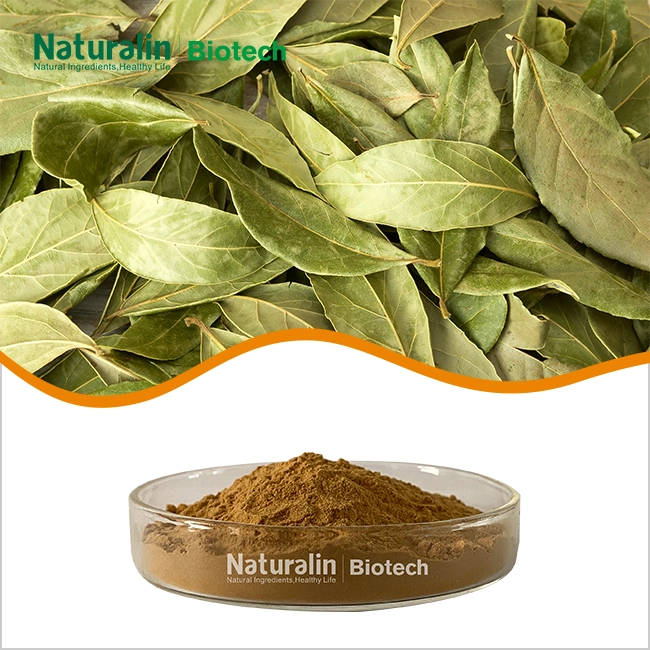
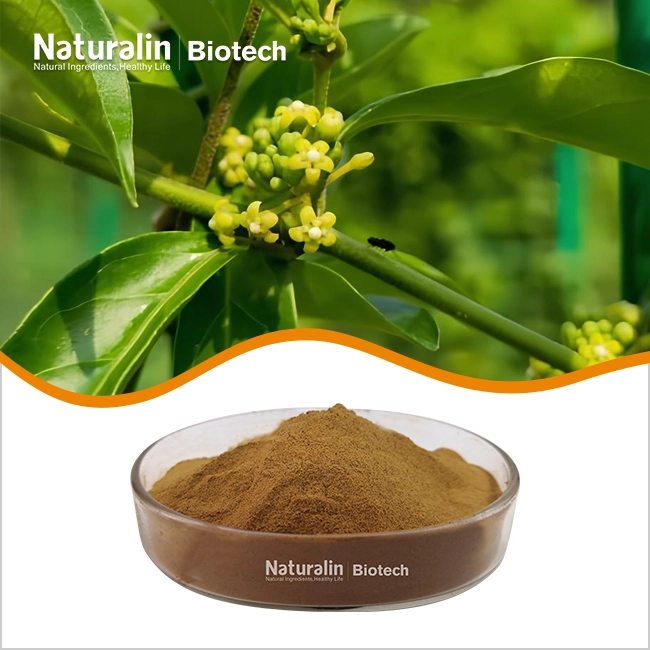
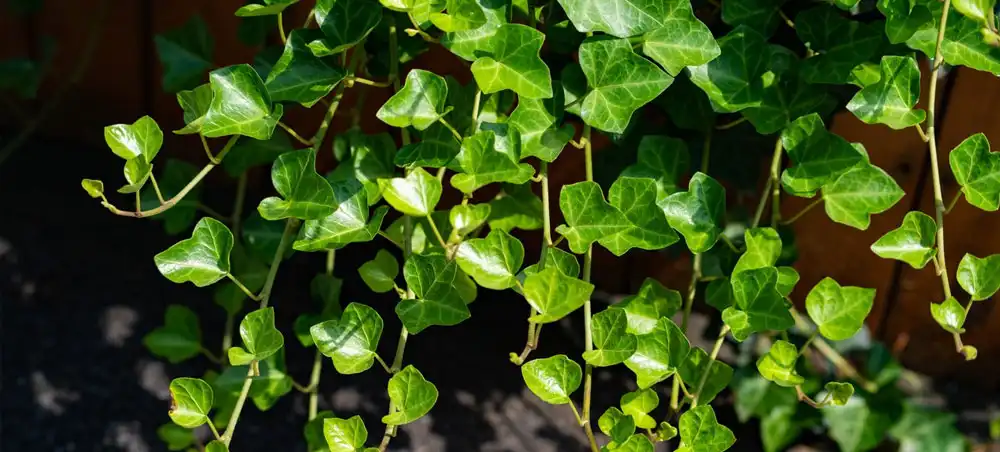
Hedera helix, which is also called English ivy or European ivy, is a plant in the Araliaceae family that grows in large numbers in cold areas. Traditional herbalists have used the leaves' bioactive ingredients to treat respiratory problems for hundreds of years. Modern methods of separation concentrate these chemicals into standard Ivy Leaf Extract Powder forms that can be used for large-scale production.
The therapeutic profile is based on two main types of compounds. Triterpenoid saponins, especially hederacoside C and alpha-hederin, have mucolytic properties that make it easier to cough up mucus and make bronchial secretions less thick. These saponins also act like surfactants, which helps relax the smooth muscles in the bronchi. In addition to helping the lungs, flavonoids like kaempferol and rutin also help fight free radicals and inflammation. High-Performance Liquid Chromatography (HPLC) analysis confirms that the amount of saponin in the product should be between 5% and 12% according to quality standards. This makes sure that there is consistency from batch to batch, which is important for regulatory filings and consumer safety.
Evidence-Based Respiratory Support
Clinical studies have demonstrated the beneficial effects of ivy leaf extract on respiratory function, with research indicating improvements in cough frequency, mucus clearance, and overall respiratory comfort compared to placebo groups. The extract supports respiratory function through pathways that promote airway comfort, offering a botanical alternative with a well-documented safety profile. Because of its pharmacological nature, it works especially well in formulas for kids and older people, where safety is very important.
The European Medicines Agency has recognized ivy leaf preparations for traditional use in supporting respiratory health, providing a regulatory foundation for formulation scientists developing products in this category. In markets where herbal medicines follow set approval paths, this regulation acknowledgement gives formulation scientists a solid base for backing up product claims. There have been few reports of side effects, mostly mild digestive issues. This suggests that it should be included in over-the-counter medicines and dietary supplements that aim to improve respiratory health.
Beyond Respiratory Applications
Ivy Leaf Extract Powder is useful for more than just lung health because it contains a wide range of compounds. Oxygen Radical Absorbance Capacity (ORAC) and DPPH (2,2-diphenyl-1-picrylhydrazyl) tests show that the antioxidant capacity of the sample suggests that it could be used in cosmetics. Because the extract can neutralise free radicals and stop inflammatory molecules, it is used to make anti-aging serums and relaxing skin care products. Pet food manufacturers are also exploring the extract's functional properties as a natural ingredient for animal wellness formulations.
How to Use Ivy Leaf Extract Powder Effectively in B2B Products
Dosage Guidelines and Formulation Considerations
Clinical research provides dosing frameworks that inform product development. Adult formulations typically utilize standardized extract quantities aligned with clinical study parameters, while products intended for children require proportionally adjusted concentrations with careful attention to taste-masking due to the extract's inherent bitterness, and the taste needs to be carefully considered because the extract is naturally bitter and needs to be flavoured.
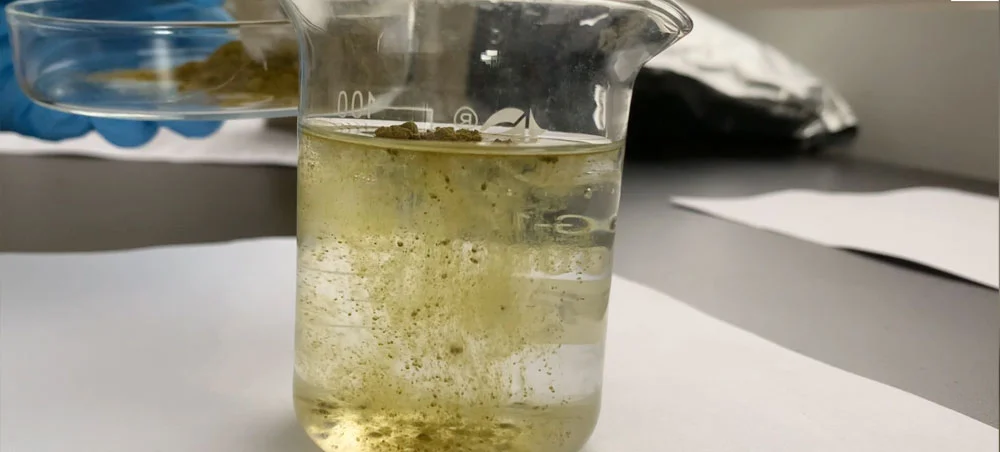
When the bulk density is between 0.45-0.60 g/ml, the powder form is greatly beneficial for making capsules and tablets because it can be easily compressed and poured. When used in beverages, solubility is the most important factor. Although native Ivy Leaf Extract Powder doesn't dissolve well in water, manufacturers can ask for spray-dried or microencapsulated versions that do dissolve easily in water. A particle size distribution goal of 95% through 80 mesh provides a smooth smoothness in ready-to-drink mixes and stops problems with settling during storage. During stability studies, compatibility testing with other botanical extracts, vitamins, and excipients showed that the extract stays effective under normal storage conditions.
Quality Assurance Protocols for Procurement
In addition to a basic study of the Certificate of Analysis (CoA), procurement teams must set up strict processes for checking. Active marker quantification using HPLC is the main quality check that makes sure the saponin content meets the requirements. Comprehensive quality review, on the other hand, includes screening for contaminants in a number of different groups.
ICP-MS tests for heavy metals should show that Lead (<2.0 ppm), Arsenic (<1.0 ppm), Mercury (<0.1 ppm), and Cadmium (<1.0 ppm) levels are below the standards set by the FDA for dietary supplements and the European Pharmacopoeia. Gas Chromatography-Mass Spectrometry (GC-MS) and Liquid Chromatography-Mass Spectrometry (LC-MS) are very important for analysing pesticide residues because ivy grows in a lot of different places where it is exposed to different levels of farming chemicals. Microbiological testing according to USP <61> and <62> guidelines confirms that the Total Aerobic Microbial Count is less than 10,000 cfu/g, the Yeast and Mould Counts are less than 1,000 cfu/g, and there are no pathogens like Salmonella and E. coli. Getting third-party approval from labs like SGS, Eurofins, or NSF boosts credibility and lowers supply chain risk.
Regulatory Compliance Across Markets
To find your way around the regulatory world, you need to know what the rules are in each state. According to US law, Ivy Leaf Extract Powder is a dietary supplement. Depending on its marketing background, it may be given the Generally Recognised as Safe (GRAS) title or the New Dietary Ingredient (NDI) designation. European markets are governed by either the Traditional Herbal Medicinal Products Directive or the Food Supplements Directive, which mean that different types of paperwork are needed. The Natural Health Products Regulations in Canada and the Therapeutic Goods Administration in Australia have different rules about what a pamphlet should say and what good manufacturing practice should be used. Professionals in procurement should check that the sites of suppliers have the right certifications, such as GMP compliance, ISO 9001, FSSC 22000, and organic certifications (USDA NOP, EU Organic), so that they can support government filings and customer audits further down the line.
Comparison Insights: Ivy Leaf Extract Powder vs Other Alternatives
Powder Versus Liquid Extract Forms
Botanical extracts are sold in a number of different forms, each of which has its own handling and formulation characteristics. Ivy Leaf Extract Powder has practical benefits, such as lower shipping costs because it is lighter, longer shelf life without needing to be refrigerated, and easier inventory management. On the other hand, liquid extracts are better for solubility right away in drinks and tinctures, but they come with problems like higher alcohol levels, problems with standardisation over time, and shipping limits.
Regarding the cost of purchase, powder forms usually have better cost-per-dose economics when the concentration difference is taken into account. A 10:1 Ivy Leaf Extract Powder, which means that 10 kg of raw leaf makes 1 kg of extract, has a much higher active chemical density than liquid versions that may only use 1:2 or 1:5 extraction ratios. When it comes to keeping, powder is better because it stays effective for 24 to 36 months at room temperature. Liquid extracts, on the other hand, may need to be kept cool and lose their thermolabile chemicals more quickly.
Ivy Leaf Versus Alternative Respiratory Botanicals
When purchasing teams look at lung health ingredients, they come across a number of plant choices, each with its own pharmacological profile and place in the market. Eucalyptus leaf extract that has been standardised for its essential oil content (mainly 1,8-cineole) has strong aromatic properties and quick mucolytic effects, but it may irritate the lungs of sensitive people. The thyme extract, which is high in thymol and carvacrol, kills germs and helps with breathing, which can work well together in combination formulas.
The unique bronchodilatory process in Ivy Leaf Extract Powder is mediated by saponins, which makes it different from eucalyptus, which has a more stimulating profile. Ivy Leaf Extract Powder has a lot of information about how safe its products are for kids, which gives it an edge in formulas for kids whose parents want safe, clinically proven ingredients. Regulatory status also helps Ivy Leaf Extract Powder in European markets, where product approvals are easier because of proof of traditional use and good assessment reports from regulatory officials. Based on a price analysis, Ivy Leaf Extract Powder is usually between eucalyptus and thyme in terms of how much it costs per kilogram. The final product's economics depend on how much is needed and how it is to be standardised.
Organic Versus Conventional Sourcing
The choice about organic approval has big effects on how products are positioned and how much they cost. Organic Ivy Leaf Extract Powder commands a significant price premium over conventional grades, reflecting the additional certification and traceability requirements throughout the supply chain., but it opens up new markets where clean labels and organic approval are important for buying choices. For products to be certified organic, they must be free of manmade chemicals, not contain GMOs, and be handled according to strict organic standards all the way through the supply chain.
When providers use the right farming and production methods, the quality factors for organic and conventional sources should be the same. The levels of heavy metals, microbes, and active saponin depend more on how the plant was extracted and the environment than on its organic status. But organic approval gives you more peace of mind about chemical residues, which is important because ivy is an attractive plant and regular farming may use fungicides and herbicides. When making purchasing decisions, companies should think about how willing their target market is to pay higher prices and how competitive organic certification makes supplement areas that are already full.
Procurement Guide: How to Source High-Quality Ivy Leaf Extract Powder
Supplier Evaluation Framework
To find trustworthy extract makers, you need to do a thorough evaluation of their success across a number of different areas. Manufacturing capacity is the most important thing to think about—suppliers should be able to show that they can produce enough each year to meet your expected demand plus a growth buffer. Site visits or full video tours of the facility reveal important operational details, such as processing areas that are only used for that purpose, environmental controls, and high-tech equipment. Look for chromatography tools and the ability to spray dry, which makes powder with better properties than simple oven drying. Spray drying also shows that you've put money into quality assurance infrastructure.
Track records of suppliers should be carefully looked into by checking with current customers who work in similar application spaces. Years of experience in the botanical extract industry, stable key technical staff, and a history of regulatory inspections that didn't find any major problems are all signs of operational maturity. Financial stability, which can be seen in credit reports or financial records for bigger sellers, keeps supplies from being interrupted when a business goes out of business. Traceability standards are being pushed by stores and regulatory bodies, and they want more information about where the raw materials come from, including information about growth areas and collection methods.
Documentation and Certification Verification
Each batch delivery should come with full paperwork packages that back up claims of quality and show compliance with regulations. The Certificate of Analysis needs to list the tests that were done (HPLC for saponins, ICP-MS for heavy metals, and GC-MS for pesticides) and give real numbers instead of just "pass" or "fail" labels. Physical properties that affect manufacturing processes should be listed in specification sheets. These should include particle size distribution, bulk density, moisture content, and solubility characteristics.
Strategic Purchasing Approaches
When you make a volume promise, you can get better price structures, but you have to think about the supply chain. Annual buy deals with delivery plans every three months keep inventory costs in check while increasing prices per unit. Knowing the supplier's production schedule can help you place the best order at the best time. For example, many companies that make plant extracts run campaigns where certain extracts are only made in certain months, when prices are lowest.
When comparing prices, it's important to keep specification equality in mind, since a cheaper 5% saponin extract might not be as useful as a normal 10% product. Figure out the cost-per-dose based on how well the active ingredient is delivered instead of the price per kilogram of the raw material. Working capital needs are affected by payment terms. For example, many Asian suppliers need letters of credit or upfront payments. On the other hand, well-known North American and European suppliers may offer net-30 or net-60 terms. Having ties with several approved sources gives you more sourcing options and negotiating power. It also protects you from the risks of being dependent on a single source, which can throw off your production schedules.
Maximizing the Benefits of Ivy Leaf Extract Powder in Product Development
Respiratory Health Supplement Formulations
An important use for Ivy Leaf Extract Powder is in respiratory health products that deal with seasonal problems and environmental irritants. Capsule products with only one ingredient are easy to use and give standard extract amounts that are in line with clinical study methods. In more advanced formulas, Ivy Leaf Extract Powder is mixed with other plants that work well together, like elderberry to help the immune system, N-acetylcysteine to help break down mucus, or vitamin C to boost antioxidants. These combined methods appeal to people who want all-around respiratory support and help products stand out in supplement areas that are already very crowded.
When working with Ivy Leaf Extract Powder for ready-to-drink and powder mix drinks, functional beverage makers have to deal with special formulation difficulties. Because the extract is naturally bitter, it needs to be carefully disguised with honey, natural fruit flavours, or flavouring systems that keep the label clean. Solubility enhancement methods, such as spray drying with carrier matrices or microencapsulation technologies, make sure that the extract stays mixed in the product for as long as it lasts without forming crystals. For clear drinks, very strict requirements for low turbidity and colour intensity are needed. This could mean extra processing steps that suppliers should talk about during technical discussions.
Skincare and Cosmetic Applications
Plant products that have been shown to have anti-inflammatory and antioxidant qualities are becoming more popular in the cosmetic ingredient market. Because it has polyphenols, Ivy Leaf Extract Powder can be used in anti-aging serums, soothing creams, and hair treatments. The extract blocks the action of collagenase and elastase enzymes, which break down the extracellular matrix. This supports claims that it can help keep skin firm and flexible.
When making cosmetics, you have to pay close attention to how the colour and smell might affect the final look of the product. When making light-colored creams and lotions, the specifications should include readings of colour strength (measured spectrophotometrically) and ask for grades that have been decolored. Water-soluble versions work better with serums and toners that are made of water, while oil-soluble versions made by encapsulation or esterification work better with oil-based mixtures. Preservation systems need to take into account the organic content of the extract and any possible microbial nutrients. They also need to be tested to make sure they work well throughout the product's shelf life.
Emerging Trends and Market Opportunities
As consumers become more environmentally aware, brands are making purchasing choices that take sustainability into account more and more. Suppliers who show responsible harvesting, use of green energy in production, and minimising trash in the stream can set themselves apart from competitors. Organic certification is one sign of sustainability, but complete environmental programs do more than just meet organic standards. They also include efforts to reduce carbon emissions, save water, and protect biodiversity.
Formulation methods for food, drinks, and supplements are still being changed by the "clean label" movement. Ivy Leaf Extract Powder fits in with this trend because it is a well-known plant ingredient that has been used for a long time and has been shown to be effective in clinical studies. Product marketing can use the fact that the product is approved by European regulators and has a lot of safety information to reassure customers. Being clear about the extraction solvents—water-ethanol extraction is better than chemical solvents—supports the clean label stance and meets customer demands for naturally barely processed ingredients.
Conclusion
For strategic buying of Ivy Leaf Extract Powder, procurement operations that serve a variety of business-to-business (B2B) sectors need to find a balance between quality control, legal compliance, and cost management. The respiratory benefits of the extract have been proven by clinical research and regulatory approval. This makes it a good base for developing new products in the nutraceutical, functional food, and personal care industries. When procurement professionals use thorough supplier evaluation protocols, understand standardisation parameters, and know what formulation requirements are needed for each application, their companies will have a competitive edge in markets that care more and more about effectiveness, transparency, and sustainability. Because it combines traditional knowledge about plants with current extraction science and quality control methods, Ivy Leaf Extract Powder is a great ingredient for product development teams that want to target the natural ingredient and respiratory health markets.
FAQ
What standardization level should be specified for respiratory supplement applications?
Extracts standardized to 5-12% saponins (measured as hederacoside C) are typically specified for respiratory wellness formulations, as this range aligns with clinical research parameters and established safety profiles,that have been set over many years of use. Instead of vague claims about "standardised extracts," procurement specifications should ask for HPLC verification with actual numbers. This will ensure batch consistency, which is important for regulatory filings and consumer safety expectations.
How can quality assurance teams make sure that something is real and stop it from being tampered with?
Comprehensive authentication uses more than one method of analysis. When you use HPLC fingerprinting to compare chromatographic patterns to reference standards, you can find plants that have been substituted for more expensive ones. Under a microscope, the leaf cells of Hedera helix show unique patterns that are only found in that plant. DNA barcoding is the only way to be sure of a species' identity for important contracts. Asking for testing by a third party through an independent lab adds an extra layer of security that protects against complex schemes of adulteration that are becoming more common in plant supply chains.
What shelf life can be expected under standard warehouse conditions?
When Ivy Leaf Extract Powder is made correctly, the active ingredients stay stable for 24 to 36 months when kept below 25°C in packing that doesn't let wetness in and the humidity is kept below 60%. According to ICH standards, accelerated stability tests can predict how things will break down. During this time, the saponin content usually drops by less than 5%. Instead of the manufacture date, procurement contracts should include a promised minimum potency at expiration. This way, buyers further down the line will always get ingredients that meet the label claims, no matter how long the finished product is on the shelf.
Partner With Naturalin Biotech for Premium Ivy Leaf Extract Powder Supply
Naturalin Biotech has pharmaceutical-grade Ivy Leaf Extract Powder, along with a lot of quality documentation and knowledge of how to follow regulations, to meet your needs for botanical ingredients and respiratory health. As a top supplier that has been specialising in standardised plant extracts for over 15 years, we have GMP-certified factories that make batches that are always the same and meet HPLC verification standards, as well as microbiological requirements that are in line with international pharmacopoeias. Our technical team offers customised formulation support, ranging from improving solubility for use in beverages to figuring out the best particle size for making capsules. This makes sure that our services fit perfectly into your product development process.
We know that people who work in sourcing need partners they can trust to do more than just give ingredients. Our FSSC 22000 food safety management, organic, and Kosher/Halal certifications help you reach more customers in more markets. Our full DDP delivery service to the US makes operations easier and speeds up time-to-market. Every batch is checked by Naturalin's dedicated quality control laboratory, which has HPLC, ICP-MS, and GC-MS instruments. SGS and Eurofins third-party validations add extra security. Contact our purchasing agents at market@naturalinbio.com to ask for technical details, examples to test, and pricing models for large orders that are customised to your yearly needs and application goals.
References
1. Hofmann D, Hecker M, Völp A. "Efficacy of dry extract of ivy leaves in children with bronchial asthma – a review of randomized controlled trials." Phytomedicine 10(2-3):213-220, 2003.
2. Schaefer A, Ludwig F, Giannetti BM, et al. "Efficacy of two dosing schemes of a liquid containing ivy leaves dry extract EA 575 versus placebo in the treatment of acute bronchitis in adults." European Journal of Medical Research 21:32, 2016.
3. European Medicines Agency. "Assessment report on Hedera helix L., folium." EMA/HMPC/325715/2017, Committee on Herbal Medicinal Products, 2017.
4. Cwientzek U, Ottillinger B, Arenberger P. "Acute bronchitis therapy with ivy leaves extracts in a two-arm study: A double-blind, randomised study versus another ivy leaves extract." Phytomedicine 18(13):1105-1109, 2011.
5. Fazio S, Pouso J, Dolinsky D, et al. "Tolerance, safety and efficacy of Hedera helix extract in inflammatory bronchial diseases under clinical practice conditions: A prospective, open, multicentre postmarketing study in 9657 patients." Phytomedicine 16(1):17-24, 2009.
6. Sieben A, Prenner L, Sorkalla T, et al. "α-Hederin, but not hederacoside C and hederagenin from Hedera helix, affects the binding behavior, dynamics, and regulation of beta 2-adrenergic receptors." Biochemistry 48(15):3477-3482, 2009.