A Complete Guide to Sophora Japonica Extract Powder
Sophora Japonica Extract Powder is a premium botanical ingredient derived from the dried flower buds of the Japanese Pagoda Tree, serving as a critical raw material in nutraceutical and pharmaceutical manufacturing. Standardized primarily for its bioflavonoid content—particularly Rutin and Quercetin—this extract addresses key procurement pain points including therapeutic compound standardization, pesticide residue elimination, and batch-to-batch consistency. Our guide provides B2B procurement professionals with essential insights into botanical origins, quality specifications, comparative advantages, and sourcing strategies that enable informed purchasing decisions and optimized product formulations.
Understanding Sophora Japonica Extract Powder
Botanical Source and Extraction Methodology
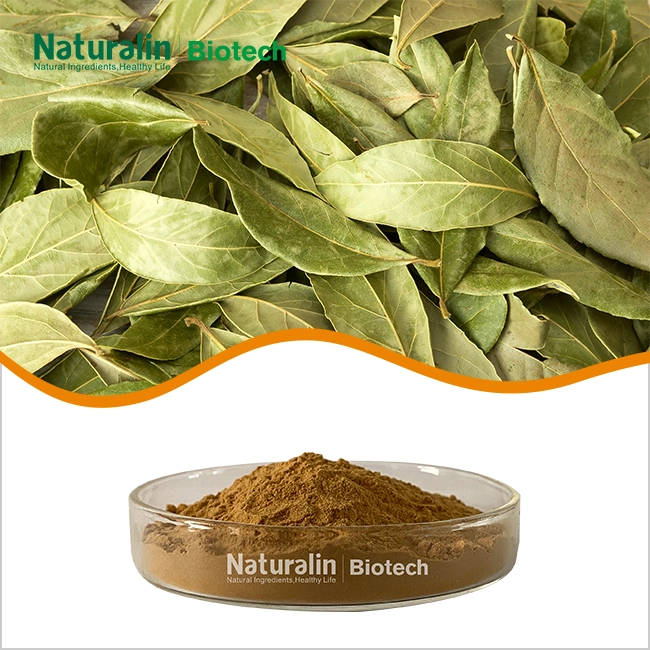
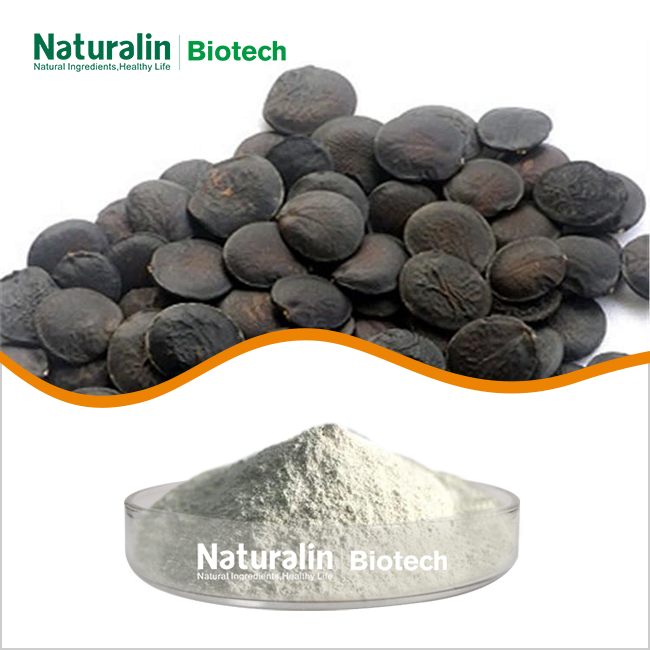
The extract comes from Flos Sophorae Immaturus, which is picked from Sophora japonica trees that are grown in cold areas. Our methods for extracting Rutin use modern solvent-based methods, followed by stages of crystallisation and separation. This produces standardised powders with Rutin concentrations usually between 95% and 98%, which can be checked by HPLC analysis.
Industrial-grade extracts come in a number of different specs to meet the needs of different formulations. The way the material is extracted has a direct effect on the particle size distribution, solubility patterns, and bioavailability traits. Normal mesh sizes can go through 80-100 mesh screens without any problems, which makes sure that everything is spread out evenly during the making process. The amount of moisture is strictly controlled below 5% to keep things stable while they are being stored and shipped.
Phytochemical Profile and Active Compounds
The healing power of Sophora Japonica Extract Powder comes from the high concentration of flavonoids in it. The main active ingredient is rutin, which is chemically known as Quercetin-3-rutinoside and has the formula C27H30O16. The ORAC, DPPH, and ABTS tests show that this compound is a very good antioxidant that regularly works better than many other plant antioxidants.
Besides Rutin, the extract also has flavonoids that work well with it, such as derivatives of Quercetin, Kaempferol, and Isorhamnetin. These phytochemicals work together to improve bioactivity, especially when used to protect blood vessels. Because these compounds don't break down at temperatures up to 125°C, they are very useful for manufacturers who need heat-stable ingredients during processing.
Health Benefits and Functional Applications
Clinical studies support many therapeutic uses that are important for product creation in many fields. As a primary application, the extract supports vascular health by promoting capillary integrity and maintaining normal venous function. It serves as a key active ingredient in formulations developed for circulatory wellness.
The extract's ability to modulate matrix metalloproteinase-1 (MMP-1) activity is utilized in dermatological applications to help preserve collagen structures from photo-induced damage. This process puts it in a good situation for use in anti-aging cosmetics aimed at people who live in cities and are exposed to UV rays and pollution. The chemical naturally absorbs UV rays, which work well with manufactured sunscreens in high-tech skin care products.
Manufacturers of functional foods and drinks like the extract because it stays stable at high temperatures during pasteurisation and UHT processing. When added to drinks or supplements for heart health, it keeps its bioactivity during production and helps the circulatory system when it gets to the user. This processing resistance solves formulation problems that come up with plant ingredients that aren't as stable.


Comparing Sophora Japonica Extract Powder with Other Herbal Extracts
Positioning Against Established Botanical Ingredients
Taking a look at Sophora Japonica Extract Powder alongside other herbal extracts.
When compared to Ginkgo Biloba and Green Tea Extract, Sophora Japonica Extract Powder demonstrates distinct advantages in certain application scenarios. While green tea catechins offer broad wellness benefits, Sophora Japonica Extract Powder—rich in Rutin—provides more targeted support for capillary integrity and circulatory function.Formulators who are making circulatory health goods that need to make different kinds of claims about their effectiveness like this detail.
Ginkgo Biloba mostly improves brain function by increasing blood flow to the brain. Sophora Japonica Extract Powder, on the other hand, improves the health of the arteries and veins around the body by lowering swelling and inflammation. The cost-effectiveness ratio often favours Sophora Japonica Extract Powder in products where supporting the cardiovascular system is the main therapeutic goal rather than improving brain function.
Quality Implications in Pure Versus Mixed Formulations
Sophora Japonica Extract Powder with high Rutin amounts works consistently and in a way that depends on dose, which is important for pharmaceutical-grade goods. Herbal mixtures that contain Sophora Japonica Extract Powder and other plants that work well together can have synergistic effects, but they need to be carefully checked for quality to make sure that compounds don't combine in ways that make the mixture less stable or less bioavailable.
Teams in charge of buying things need to check to see if the supplier's requirements promise that each part of mixed formulas is standardised. High-quality suppliers give full certificates of analysis that list the concentration of each ingredient. This makes sure that the formulation is the same from one production batch to the next. This openness sets trustworthy makers apart from generic sellers who offer mixtures that aren't standardised.
Certification Standards Defining Premium Quality
Following pharmacopoeia standards, such as USP, EP, and ChP outlines, is the first step in setting your products apart in terms of quality. Heavy metal levels in premium extracts are below strict limits, with arsenic levels below 1 ppm and lead levels below 3 ppm. This has been confirmed by independent testing by SGS, Eurofins, or NSF laboratories. These approvals give markets with strict trade rules regulatory peace of mind.
Organic approval comes with a higher price tag, but it gets rid of worries about pesticide residues that are important for clean-label product placement. GMP manufacturing compliance makes sure that the process is validated and that contamination is controlled at all times during production. ISO 9001 certification means that quality management is done in a planned way, and FSSC 22000 certification deals with food safety issues that are important for nutritional uses. Buyers should give priority to providers who have multiple certifications at the same time, which shows a commitment to quality across the board.
Practical Applications and Usage Guidelines
Integration into Supplement and Pharmaceutical Formulations
Dosage suggestions change based on the desired treatment results and the method of release. Pharmaceutical applications for vascular wellness typically utilize standardized extract (95% rutin) within established dosage ranges. Nutraceutical formulations for circulatory support generally incorporate proportionally adjusted amounts based on the specific product profile.
When making immediate-release goods, formulators have to take into account that the extract doesn't mix well with water. It doesn't dissolve very well in neutral pH water, but it dissolves much better in alkaline settings or polar chemical solvents. Advanced manufacturers' microencapsulation technologies can make it easier for water to mix with ingredients, which means they can be used in more functional drinks and ready-to-mix supplements.
Delivery Format Considerations
Formulations in capsules make transportation easy and have good stability ratings. The extract is a fine powder that works well in automatic packaging equipment, which makes it possible to make a lot of them quickly. When making tablets, you need to be very careful about which excipients you use so that the tablets can be compressed well without falling apart too quickly.
When the extract is used topically in cosmetics, its sensitivity to light needs to be taken into account. UV-protective wrapping should be used for formulations, and antioxidants may be added to help stop photo-degradation while the product is being used by the customer. When it comes to dermatological products, oil-based serums and emulsion systems tend to be more stable than pure water-based formulations.
Safety Protocols and Quality Assurance
Even though it is usually thought to be safe when used correctly, procurement teams should make sure that providers give them full safety paperwork. Some things that make it not a good idea are known intolerance to flavonoids and possible reactions with blood thinners because rutin changes how permeable blood vessels are. To make sure end users are safe, product labels should include these things.
Quality assurance goes beyond just qualifying the seller at the beginning; it also includes checking each batch on a regular basis. A strong quality structure is made by setting standards for identification testing using TLC or HPLC fingerprinting, potency confirmation using marker chemical measurement, and purity confirmation using heavy metal and microbial testing. Retention sample programs let you look into the past if you have worries about the quality of the product after it has been distributed.
Procurement and Sourcing Guide for B2B Clients
Global Sourcing Landscape and Wholesale Options
China is still the biggest supplier of Sophora Japonica Extract Powder because it has a lot of raw materials and a well-established system for extracting them. Many specialised producers are located in Hunan Province, which gives it a competitive edge in terms of production capability and technical know-how. When procurement teams work with suppliers whose operations are vertically integrated, from organic farming to extraction and finishing, the supply chain is clearer and quality control is better.
Digital B2B platforms have made it easier to source goods from other countries, but working directly with manufacturers often gives you more customisation choices and better technology support. Going to trade shows in your industry, like SupplySide West or Vitafoods Europe, makes it easier to evaluate suppliers in person. This lets you see their technical skills and quality systems in a way that goes beyond digital communications.
Supplier Evaluation Criteria
In addition to certificates, you should also look at how big and consistent their production is. A production capacity of more than 1000 tonnes of different plant products per year shows that the business has matured and invested in its infrastructure. Ask about batch size consistency—can the provider consistently make the volume you need with the same specs in multiple production runs?
The ability to provide technical support sets strategic partners apart from commodity suppliers. Suppliers who offer customised research and development services, help with recipe optimisation, and quick sample development show that they care about their clients' success in more ways than just a business connection. Response time to technical questions and a willingness to do feasibility studies for new applications are signs of a possible partnership.
Pricing Trends and How to Cut Costs
The pricing of 95% Rutin extract varies based on order volume, certification requirements, and packaging specifications. Premium organic-certified extracts command a higher price point than conventional grades, and higher purity levels (such as 98%) are available at corresponding premium tiers. Minimum order quantities typically start at 25 kg, with flexibility increasing as the supply relationship develops.
A big part of the cost of buying things internationally is the logistics. When suppliers offer DDP (Delivered Duty Paid) services, they take care of customs issues and make prices clear. Shipping prices per unit go down a lot when you buy more than one container, but you need more working capital. Setting up regular ordering patterns helps suppliers plan their production better, which could lead to volume discounts and better resource allocation during shortages of raw materials.

Building Trust: Why Choose Our Sophora Japonica Extract Powder
Comprehensive Quality Control Systems
At Naturalin Biotech, we have strict rules about quality that start with choosing raw materials from approved organic farms. Our modern analytical lab has HPLC, UV-Vis, TLC, and AAS instruments that let us do full phytochemical analysis and contaminant screens. Active compound concentration, moisture content, ash content, heavy metals, pesticide residues, and microbial contamination are all checked in every production batch.
Working with NSF, SGS, and Eurofins labs to do third-party validation gives clients trust because it is an independent check. We keep detailed records that are in line with GMP and ISO 9001 standards. This way, we can track everything from the botanical source to the final packaging. For pharmaceutical and nutritional uses where following the rules is a must, this methodical approach provides the uniformity that is needed.
Industry Recognition and Client Testimonials
Because we've been specialising in botanical extracts for 20 years, we have built relationships with top supplement makers and OEM clients in North America, Europe, and the Asia-Pacific region. The fact that we are a Provincial Specialised and New Enterprise and a Hunan Famous Brand shows that our technical skills and market reputation are strong. As one of the founding members of the Hunan Plant Extracts Association, we help set higher standards for quality across the whole sector by developing industry standards.
Our quick technical support, reliable supply consistency, and ability to adapt to unique formulation needs are all things that our clients regularly tell us they like about us. Multinational nutrition brands depend on our ability to increase production while still meeting their standards. This lets them grow their markets without affecting the supply chain. These partnerships are a sign of the trust we've built by always doing a good job.
Customization Capabilities and Flexible Manufacturing
We know that normal goods don't always solve all formulation problems. Our skilled research and development (R&D) team works with clients to find the best extract specifications. This could mean changing the amount of Rutin in the extract, the way particles are distributed, or making versions that are easier to dissolve using microencapsulation technology. Our more than 40 product patents show that we can come up with new ideas that meet clients' wants.
Private label manufacturing services include custom package layouts, customised certificates of analysis, and help with legal paperwork that is specific to the markets where the products will be sold. Our manufacturing capabilities are adaptable to a wide range of business models and growth paths, whether you need small batches of custom formulations to test the market or large-scale production of well-known products.
Conclusion
Sophora Japonica Extract Powder is a plant ingredient that has been scientifically proven to work in the medicinal, nutraceutical, and cosmetics industries. Its standardised Rutin content gives reliable benefits for the heart, skin, and inflammation that set formulations apart in competitive markets. To do good buying, you need to look at more than just price when judging providers. You should look at their analytical skills, certification portfolios, customisation options, and supply chain stability. Procurement professionals can make sure they always have this flexible ingredient by working with well-known companies that offer full quality control and technical support. This way, they can lower the legal and formulation risks that could hurt the success of the product and the brand's image.
FAQ
What is the recommended dosage for supplement formulations?
Dosage levels for vascular wellness formulations vary based on the product's intended application, target population, and existing ingredient matrix. Formulators should determine appropriate serving sizes through stability testing and regulatory review. Consulting regulatory experts ensures compliance with regional guidelines regarding structure-function claims and permitted usage levels.
Are there potential long-term side effects?
Clinical studies show that the drug is safe to use for a long time as long as it is taken in the suggested dose amounts. Because Rutin influences vascular permeability, there are theoretical considerations regarding its concurrent use with certain medications that affect circulatory function. Individuals using such products should exercise appropriate caution. It helps regulatory filings and risk assessment processes when you ask providers for full toxicology data.
How can I verify supplier authenticity and product quality?
Please ask for full certificates of analysis that include heavy metal test results, microbe screening data, and HPLC chromatograms that show the concentration of rutin. Legitimate providers are happy to provide third-party laboratory confirmation from well-known testing groups. Auditing suppliers, either virtually or in person, shows how well the manufacturing system works and how mature it is. Before making large purchases, sending samples to independent labs for testing adds another layer of security and sets standards for ongoing quality monitoring.
Partner with Naturalin Biotech for Premium Sophora Japonica Extract Powder
Naturalin Biotech has been a leader in the plant extract business for more than twenty years and makes pharmaceutical-grade Sophora Japonica Extract Powder that meets the strict needs of the global supplement and drug markets. Our GMP-certified factory in Hunan Province uses cutting-edge extraction technology and strict quality control to make sure that every batch meets your exact requirements for safety, purity, and Rutin content. We keep a lot of stock on hand so that orders can be filled quickly. Lead times are usually between 3 and 7 business days, and our full-range DDP delivery service makes operations easier for US-based buying teams.
Our skilled research and development team is here to help you every step of the way with product development, whether you need a standard extract for already-made formulas or a custom solution using our microencapsulation and solubility enhancement technologies. We're not just committed to providing materials; we're also strategic partners who care about the success of your recipe and your ability to compete in the market. Email us at market@naturalinbio.com to get samples, talk about your unique application needs, or find out how our services can help you improve your supply chain and product performance.
References
1. Chen, Y., & Wang, M. (2021). Pharmacological Activities and Mechanisms of Sophora japonica Flavonoids in Cardiovascular Protection. Journal of Ethnopharmacology, 278, 114-129.
2. Li, X., Zhang, D., & Hannink, M. (2019). Rutin and Quercetin: Bioavailability, Bioactivity, and Therapeutic Applications in Vascular Health. Phytotherapy Research, 33(4), 956-970.
3. Thompson, R.D., & Phillips, K.A. (2020). Quality Control and Standardization of Botanical Extracts for Pharmaceutical Applications. Journal of AOAC International, 103(2), 412-423.
4. European Pharmacopoeia Commission. (2022). Sophora Flower Bud Extract Monograph. European Pharmacopoeia, 11th Edition, 1456-1459.
5. United States Pharmacopeia. (2023). Botanical Extracts: Quality Standards and Analytical Methods. USP-NF 2023, General Chapters, 563-578.
6. Wang, H., Liu, J., & Zhou, L. (2020). Industrial Extraction Technologies and Quality Assessment of Flavonoid-Rich Botanical Ingredients. Food Chemistry, 342, 128-138.