Ginger Powder: Uses, Benefits, Manufacturing Process
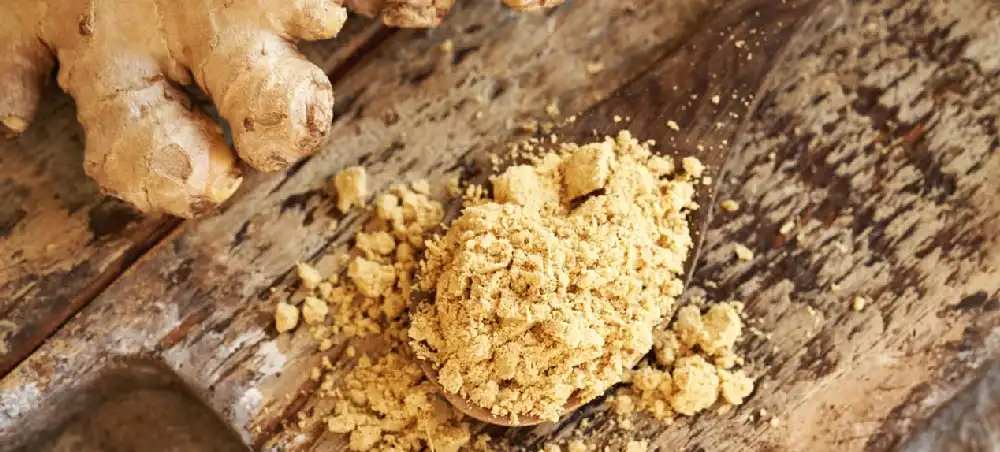
Ginger Powder, which comes from the dried and ground root of Zingiber officinale Roscoe, has become an important part of many food, beauty, and medicine products. Fresh ginger has 85–90% water and breaks down quickly. Professionally made Ginger Powder levels out the bioactive content, especially gingerol (0.5%–1%), keeps it fresh for two years, and gets rid of weather issues that are important for planning the supply chain. Standardized Dried Ginger Powder solves basic operating problems and enables scalable production across multiple uses, making it ideal for procurement managers wanting uniform active ingredient levels, batch reproducibility, and regulatory compliance.
Understanding Ginger Powder: Composition and Differences
Origin and Bioactive Profile
The functional parts of any plant ingredient are what make it work. Ginger Powder contains a lot of gingerols, which are pungent phenolic compounds that help with digestion and inflammation. It also has shogaols, which are made during heat processing, volatile oils that add flavor, and polysaccharides that help the immune system. Testing with high-performance liquid chromatography (HPLC) shows that pharmaceutical-grade powders contain gingerol at levels between 0.5% and 1%. This provides uniformity in the formulation that fresh ginger can't always provide. This standardization is important when researching and developing dietary supplements that need exact doses or when making drinks that need the same level of taste strength across all batches.
Commercial Types and Purity Standards
When procurement workers look for this ingredient, they come across a number of different types. Clean-label brands like organic choices because they meet strict USDA NOP and EU organic rules. When preparing a lot of food, conventional grades are the most cost-effective choice. Different mesh sizes—from 60 mesh for tea mixes to 100 mesh or more for instant drinks—affect how well they dissolve and how they feel in the mouth. People who are buying should make sure that the sellers can tell the difference between whole-root powder and spent material, which has a volatile oil level of less than 0.5% and doesn't work as well.
Fresh Ginger versus Powdered Form
Fresh ginger works well in kitchens that want to make a strong sensory effect right away, but it can be hard to ship to commercial buyers. Moving water weight adds to the cost of transportation, keeping things cold makes things more complicated, and enzyme activity lowers shelf stability. These points of pressure are gone when you use Ginger Powder. Moisture levels below 10% stop microbes from growing, ambient storage conditions lower the cost of the warehouse, and concentrated strength lets smaller amounts do the same job, which cuts down on freight volume and handling costs.
Key Uses and Benefits of Ginger Powder in B2B Applications
Nutraceutical and Pharmaceutical Integration
Ginger has been shown in clinical studies to help with nausea, support digestive comfort, and provide antioxidant action. Manufacturers of tablets use uniform powder to make sure that each unit contains the right amount of gingerol, which is required by FDA labeling rules. Capsule formulators like that the ingredient works well with other ingredients and has consistent flow qualities during the packaging process. Because of these technical benefits, Ginger Powder is used in many gut health formulas, anti-inflammatory mixes, and metabolic support products on the market today.
Food and Beverage Applications
When people make useful drinks, they use fine-mesh powder (80–100 mesh) to keep the powder in solution without settling, so the drinks look good and taste the same every time. Solid drink makers like the ingredient because it stays stable during spray-drying processes and helps with the clean-label placement. The powder has a longer shelf life than fresh options, which is good for bakery uses because it keeps food from going bad and causing production losses. The warm and spicy notes in the scent help the product stand out in areas with a lot of competition, from health drinks to performance nutrition bars.
Cosmetic and Personal Care Formulations
Skincare companies use Ginger Powder ingredient because it helps the circulation and is an antioxidant. It is used in anti-aging products and products for hair health. The ingredient works well with emulsion systems and can give active chemicals through skin application, which makes it appealing to haircare companies that want to help people who are having problems with thinning hair. To make sure that formulations are safe and that they follow regulations in all global markets, quality assurance teams give more weight to suppliers who offer heavy metal tests (ICP-MS for lead, arsenic, cadmium, and mercury) and bacterial clearance.
Safety and Regulatory Considerations
Buyers in bulk need to make sure that powder sources follow strict bacterial rules: Salmonella negative per 25g, E. coli below 10 CFU/g, and overall plate counts that are appropriate. These conditions can be met with steam cleaning or controlled light methods that don't hurt bioactivity. Certifications like ISO9001, FSSC22000, HACCP, HALAL, and Kosher show that a seller is committed to quality management systems, which is something that institutional buyers look for when they check the qualifications of vendors during buying reviews.
Manufacturing Process of Ginger Powder: From Root to Ready Product
Raw Material Sourcing and Pre-Processing
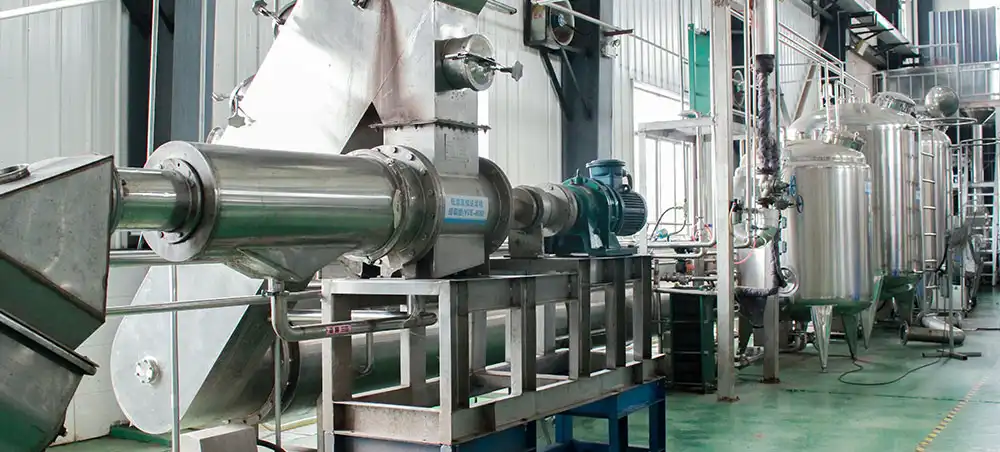
The farm gate is where great production starts. Leading providers work with farmers who follow Good Agricultural Practices (GAP). This makes sure that the ingredients can be tracked from the field to the end product. Fresh rhizomes are washed to get rid of dirt and then sliced to a regular thickness. This is a very important step that affects how well they dry and the color of the finished product. When you slice things unevenly, you lose water in different places, which can lead to microbial risk or oxidative breakdown that makes the food less stable on the shelf.
Drying Technologies and Quality Impact
Thermal drying methods for Ginger Powder have a big effect on how well bioactive substances are retained and how the food tastes. Hot air drying at controlled temperatures keeps the gingerol content while lowering the wetness level to below 10%, which is the goal. Freeze-drying keeps volatile chemicals and bright color, but it makes production three to five times more expensive, so it can only be used for high-end supplement brands. As a way to tell the difference between high-quality whole-root powder and lower-quality spent material, procurement teams should ask for limits on acid-insoluble ash (≤2.0%) and volatile oil content standards (usually 1.5% to 3.0% v/w).
Milling, Sieving, and Particle Size Control
The choice of grinding tools affects how the particles are distributed and how well they work. Hammer mills make a wide range of sizes that are good for tea blends, while jet mills make tiny powders that are needed for mixing drinks. Buyers are sure to get material that meets their processing needs when they choose a mesh type of 60, 80, or custom specs. When particles aren't evenly distributed, they can't move properly during tablet compression or encapsulation. This leads to more production slowdown and higher scrap rates, which cut into manufacturers' profits.
Testing, Certification, and Packaging Protocols
Each production lot is checked for quality by thorough chemical testing before it is released. Gas chromatography-mass spectrometry (GC-MS) checks for pesticide residues, and third-party labs (SGS, Eurofins, NSF) provide independent verification to support regulatory applications. HPLC proves the amount of gingerol present. Multiple layers of moisture-barrier materials used for packaging keep humidity and rust at bay while in transit. Larger amounts are shipped in fiber drums lined with food-grade polyethylene, while smaller amounts are sent in foil bags, which keep the product's structure during transport.
How to Choose the Best Ginger Powder for Your Business
Evaluating Supplier Credentials and Capabilities
There's more to sourcing choices than just comparing prices. Buyers should check with sources to see if they have separate handling lines that keep food from getting contaminated with other foods. This is especially important for gluten-free claims that need ELISA testing below 20ppm. When going from small test batches to large business quantities, manufacturing capacity is important. Facilities that produce more than 1,000 metric tons per year show that they have the infrastructure to support long-term supply deals. Technical support services, such as helping with recipe development and quickly turning around samples (3–7 working days), shorten the time it takes to make a product and get it to market.
Organic versus Conventional Selection Criteria
Adding Ginger Powder to organic approval comes with a higher price tag, but it opens up new markets that value natural and traceable products. Brands that are aimed at health-conscious consumers can often justify higher raw material costs by noting that customers are more willing to pay for certified organic positioning. Conventional grades work well for low-cost applications where being organic does not provide a significant advantage over alternative materials. Buyers should consider whether the positioning of their finished product and the retail channels they aim to reach make the organic investment worthwhile, or whether standard quality specifications are sufficient to meet their formulation goals and margin requirements.
Minimum Order Quantities and Logistics Considerations
MOQ designs that are flexible can be used for both testing and mass production. Suppliers who offer sample sizes and small batch orders (below 25 kg) make it possible to try formulations without having to spend a lot of money. For commercial sales, the minimum weight is usually 25 kg. This helps mid-sized makers balance economies of scale with a good inventory turnover rate. Shipping choices, like DHL or FedEx for pressing samples, air freight for middling amounts, and ocean freight for large shipments, should work with strategies for planning inventory and managing cash flow.
Maximizing the Value of Ginger Powder in Your Supply Chain
Storage and Handling Best Practices
Paying attention to the environment is necessary to keep the purity of ingredients throughout the supply chain. So that volatile oils don't break down and colors don't fade, storage places should stay cool (below 25°C), dry (relative humidity below 60%), and out of direct sunshine. First-in, first-out (FIFO) inventory cycle makes sure that materials are used up within their two-year shelf life. Properly closing after partial use stops moisture absorption that could lead to the growth of microbes or sticking problems that hurt the performance of processing.
Strategic Formulation Integration
Ginger Powder has been used successfully by companies in many fields to make their products stand out. Functional beverage brands use standard powder along with plants that work well together, like turmeric and cinnamon, to create a health image that works well. Dietary supplement makers like that the ingredient works well with excipients for tablets and pill fill materials, which speeds up the production process. Cosmetic formulators use the powder's claims of natural origin while providing antioxidant benefits that have been proven by science. This meets both the needs of consumers who want natural ingredients and their standards for performance.
Emerging Market Trends and Future Outlook
More people are interested in traceable, sustainably grown botanical products because they want more information. Brands that want to tell genuine stories choose suppliers that show they follow ethical buying policies, grow crops in an organic way, and care for the environment. New developments in extraction technology offer better bioavailability formulations and water-soluble forms that will get around the problems with solubility that exist now. Keeping up with these changes allows procurement teams to take advantage of new ideas while handling supply chain risks related to the abundance of raw materials and changes in regulations.
Conclusion
To find good Ginger Powder, you have to weigh a lot of different factors. These include bioactive standardization confirmed by HPLC testing, regulatory compliance shown by ISO and HACCP certifications, particle specifications that match application needs, and the supplier's ability to handle both small-scale production and trial quantities. The ingredient has been shown to work well in nutraceutical, food, beverage, and skincare uses. It is also easier to get than fresh options, which is why formulation experts keep buying it. By giving more weight to suppliers who offer customization services, clear quality paperwork, and technical teamwork, procurement managers make sure that there is reliable access to this flexible botanical ingredient and lower the risks in the supply chain.
FAQ
What gingerol concentration should I specify for supplement formulations?
For pharmaceutical-grade uses, the gingerol level needs to be between 0.5% and 1%, which can be confirmed by HPLC tests. This range strikes a good mix between low cost and high functionality, offering high enough bioactive amounts to support digestive health and reduce inflammation. There are higher amounts, but they raise the cost of the raw materials and don't provide any more medicinal benefits for most uses.
How does mesh size affect beverage application performance?
Suspension steadiness and taste are directly affected by the size of the mesh. Beverages need 80-100 mesh or smaller to keep sediments to a minimum and keep the texture from being rough. Coarser sizes (60 mesh) work best for tea bags or dry blends, where it's not important to see the particles. When you match the mesh design to the processing tools and the sensory properties you want, you can avoid expensive reformulation processes.
What certifications matter most when qualifying suppliers?
Fundamental quality control systems are shown by ISO9001, FSSC22000, and HACCP. Organic licenses (USDA NOP, EU) let you get into certain types of markets. HALAL and Kosher make it easier to get food to more people. Partnering with a third party like SGS or Eurofins for testing gives you independent proof that helps with government filings and customer checks during the vendor qualification process.
Partner with a Trusted Ginger Powder Manufacturer
Naturalin Biotech is an expert at providing pharmaceutical-grade Ginger Powder (Zingiber officinale Roscoe) that has been tested and found to contain between 0.5% and 1% gingerol. Our ISO9001, FSSC22000, HALAL, and Kosher certifications help meet global legal standards. We can also customize the mesh size (60, 80, or any other size you need), the taste profile, and the solubility. With more than 20 years of experience with plant extracts, more than 40 patents, and cutting-edge microencapsulation technology, we can help you with recipe development, which will speed up the development of your new products. Lead times of 3–7 working days are guaranteed by ready stock, and a flexible MOQ allows for both sample orders and business sales starting at 25 kg. The DDP door-to-door delivery service makes things easier for buyers in the US. For your next formulation project, email our team at market@naturalinbio.com to get specs, COA paperwork, and suggestions based on your unique needs.
References
1. Sharma, P.K., Singh, V., and Ali, M. (2016). "Chemical Composition and Antimicrobial Activity of Fresh Rhizome Essential Oil of Zingiber officinale Roscoe." Journal of Pharmacognosy and Phytochemistry, 5(2), 149-153.
2. Grzanna, R., Lindmark, L., and Frondoza, C.G. (2005). "Ginger—An Herbal Medicinal Product with Broad Anti-Inflammatory Actions." Journal of Medicinal Food, 8(2), 125-132.
3. Bode, A.M. and Dong, Z. (2011). "The Amazing and Mighty Ginger." In: Benzie, I.F.F., Wachtel-Galor, S. (Eds.), Herbal Medicine: Biomolecular and Clinical Aspects, 2nd Edition. CRC Press/Taylor & Francis, Boca Raton.
4. Govindarajan, V.S. (1982). "Ginger—Chemistry, Technology, and Quality Evaluation: Part 1." Critical Reviews in Food Science and Nutrition, 17(1), 1-96.
5. Ravindran, P.N. and Babu, K.N. (2005). Ginger: The Genus Zingiber. CRC Press, Boca Raton, Florida.
6. Ali, B.H., Blunden, G., Tanira, M.O., and Nemmar, A. (2008). "Some Phytochemical, Pharmacological and Toxicological Properties of Ginger (Zingiber officinale Roscoe): A Review of Recent Research." Food and Chemical Toxicology, 46(2), 409-420.