



Garlic extract powder has emerged as one of the most reliable natural flavor ingredients available to food manufacturers today. Derived from Allium sativum bulbs through precision extraction processes, it delivers the robust, savory depth of fresh garlic in a shelf-stable, standardized powder form — without the variability of raw produce. As consumer demand for clean-label, minimally processed foods accelerates across the U.S. market, this concentrated botanical ingredient offers a compelling alternative to synthetic flavor enhancers, supporting both formulation performance and product positioning in health-conscious categories.
Understanding Garlic Extract Powder and Its Flavor Benefits for Food Manufacturing
What Makes It Different from Culinary Garlic Powder
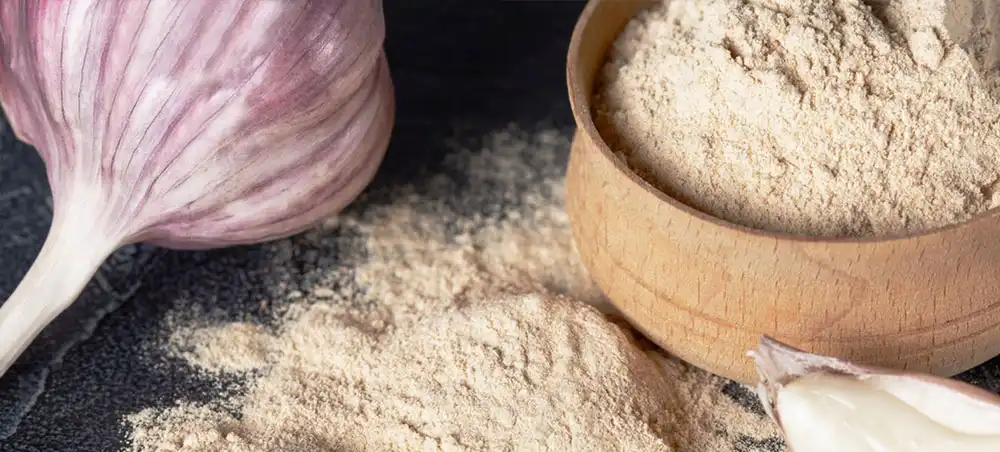
A real Garlic Extract Powder is different from simple dried and ground garlic powder. It is made by carefully extracting organosulfur compounds like Alliin, Allicin, and S-allylcysteine (SAC) using water or ethanol-water mixtures. The end result is an ingredient whose bioactive content can be measured and whose performance is uniform across production batches, as shown by HPLC or UV tests. This difference is very important in corporate food production, where taste consistency is a must.
Supporting Clean-Label and Functional Food Trends
In 2023, the U.S. clean-label food market was worth more than $180 billion, and it's still growing steadily. As food companies change their recipes to use less artificial flavorings, they are more and more likely to use concentrated Garlic Extract Powder instead. Research has shown thatgarlic's functional benefits extend beyond its flavor profile. These effects add practical value beyond taste and allow product claims that appeal to health-conscious customers. Garlic Extract Powder can put a product at the crossroads of real taste and nutritional truth if they are added with care.
How to Effectively Use Garlic Extract Powder in Food Manufacturing
Application Ranges and Blending Guidance
Getting the right amount is very important for taste quality. For common types of food, the normal inclusion rates change a lot depending on how strong of a flavor is wanted and the product matrix:
- Meat products and marinades: 0.1% to 0.5% by weight usually adds a round, spicy note without overpowering the natural flavor of the protein.
- Sauces, dressings, and condiments: 0.05% to 0.3% works well in water-based or emulsified systems, especially when an 80-mesh fine mesh grade is used.
- Snack seasonings and dry blends: 0.2% to 0.8% works well when mixed with other plant-based powders like black pepper, onion, or paprika.
You should think of these application levels as a starting point. Formulators in R&D always make changes that go up or down depending on the base recipe, processing temperature, and taste profile they want to achieve. Before adding the extract in large amounts, mixing it with a small amount of oil or water first makes it more uniform and stops it from sticking in dry blend uses.
Comparing Forms: Powder vs. Oils, Flakes, and Aged Extracts
There are different forms of ingredients that come from garlic, and the one you choose has a direct effect on how the processing turns out. There are a lot of volatile thiosulfinates in garlic oil, but it can be hard to keep it stable at high processing temperatures. Garlic flakes have a texture, but they don't always deliver active compounds evenly. People like aged garlic extract (AGE) because it has more SAC and less pungency, which makes it a good choice for food supplement pills.
Garlic Extract Powder is a good compromise because it can be stored for up to two years, can be processed at normal industrial temperatures, and comes in deodorized grades that get rid of the smell of "garlic breath" without lowering its effectiveness. Garlic Extract Powder is still the most useful format for food makers who want to keep flavors consistent, keep regulations simple, and be able to offer more products.
Selecting the Best Garlic Extract Powder for Your Food Production Needs
Quality Parameters That Procurement Teams Should Evaluate
Price per kilogram isn't the only thing you need to think about when picking the right food source. When people first talk about buying something, they often don't talk about the most important quality factors. Here are the things that buying and quality assurance teams with a lot of knowledge put first:
- Active compound standardization: The amount of Allicin or Alliin must be confirmed by UV or HPLC testing, not just written on spec sheets.
- Mesh fineness: 60-mesh and 80-mesh choices affect how well the product disperses and how it feels in the mouth. Customized mesh sizes are important for certain uses.
- Certifications: Most food manufacturers in the U.S. and Europe need to meet the requirements for ISO 9001, FSSC 22000, HALAL, Kosher, and EU organic certification.
- Deodorization capability: This is especially important for finished foods that are aimed at mainstream consumers who think that strong garlic smells mean low-quality ingredients.
- Third-party validation: Regular testing by SGS, Eurofins, or similar organizations ensures the safety of each batch, regardless of the provider.
These factors together tell you if an ingredient works reliably throughout your production cycles, not just in the first sample test. A supplier that gives clear third-party test results and flexible requirements is significantly more valuable than one that only competes on price per unit.
Market Comparisons and Decision Making: Why Choose Garlic Extract Powder?
Functional and Sensory Advantages Over Alternative Garlic Derivatives
Garlic Extract Powder consistently performs better than other garlic ingredients in three areas that are most important to food manufacturers: consistency of flavor, stability at high temperatures, and the ability to supply large amounts. Fresh garlic introduces agricultural variability that makes it impossible to reliably copy the flavor from one batch to the next. Handling garlic oil in a cold chain is necessary, and the rules for it can be more complicated in some places. Automated packing lines can't precisely dose flake forms.
The global Garlic Extract Powder market is expected to grow at a compound annual growth rate (CAGR) of around 6.2% until 2030. The processed food and nutrition industries will be the main drivers of this growth. In the U.S., companies that make ready-meals and snacks have said that switching from fresh garlic to controlled Garlic Extract Powder made the products last longer and taste better, according to customers. It makes sense from an economic point of view: less wasted raw materials, lower cold storage costs, and better flavor control during high-volume runs.
Future Direction: Clean-Label Botanical Flavors
Pressure from regulators and consumers to stop using synthetic flavorings doesn't seem to be going away. The FDA's continued scrutiny of artificial flavoring compounds and clean label requirements from big U.S. grocery chains are speeding up the use of plant extracts. Organosulfur compounds found in Garlic Extract Powder are a type of ingredient that is well known to consumers and has strong scientific support, which is not often seen in natural flavor development.
Procurement Insights: How and Where to Buy Bulk Garlic Extract Powder
Sourcing Channels and Supplier Partnership Criteria
Effective bulk buying is more than just a deal. Some verified B2B buying methods are working directly with manufacturers, going to trade shows like SupplySide West, and using well-known ingredient platforms. When looking for a Garlic Extract Powder supplier, the following things set capable long-term partners apart from transactional vendors: manufacturing that is GMP-compliant, traceability of organic raw materials, the ability to customize products in-house through research and development, and proof of regulatory compliance for both U.S. and EU markets.

Conclusion
Garlic Extract Powder gives food companies a safe and profitable way to add real taste to their products without using artificial ingredients. Standardized bioactive content, thermal stability, customizable mesh and deodorization options, and a two-year shelf life are some of its benefits. These help food production teams with their main formulation and procurement problems. As the demand for clean labels grows in the U.S. food industry, getting a steady, certified supply of high-quality botanical extract is no longer just a matter of preference when it comes to where to get it.
FAQ
What is the typical shelf life of garlic extract powder?
If you store Garlic Extract Powder the right way, it will keep its effectiveness and flavor for up to two years from the date it was made. Active organosulfur compounds should be kept in a cool, dry place out of direct light to keep their effectiveness.
Is deodorized garlic extract suitable for mainstream food products?
Yes, grades that have been deodorized keep the flavor- and heart-healthy compounds while lowering the smelly volatile thiosulfinates by a large amount. They are used a lot in snack seasonings, ready-made meals, and functional drinks where the strong smell of garlic is a problem for sales.
What certifications should a reliable garlic extract supplier hold?
At the very least, you should look for ISO 9001, FSSC 22000, GMP compliance, and testing confirmation from SGS or Eurofins. Manufacturers that cater to a wide range of dietary needs should also get HALAL and Kosher certifications.
Can garlic extract powder be customized for specific formulations?
Reliable sellers let you change the mesh size, the amount of allicin, the solubility profiles, and the level of deodorization. This freedom is very important for research and development teams that are making new, unique products for many types of food.
Partner with Naturalin Biotech for Your Garlic Extract Powder Supply
Naturalin Biotech is a trusted Garlic Extract Powder manufacturer with more than 20 years in the nutritional products business and holds ISO 9001, FSSC 22000, HALAL, and Kosher certifications. Their Garlic Extract Powder comes in standardized forms (60-mesh and 80-mesh), with customization options including deodorization, solubility modification, and combination formulations. For commercial orders, the MOQ starts at 25 kg, with sample availability and lead times of 3–7 working days. They support shipping via DHL, FedEx, air, and ocean freight, including full DDP service for U.S. clients. Contact the team at market@naturalinbio.com or visit naturalinbio.com to discuss your needs.
References
1. Londhe, V. P., et al. "Role of Garlic (Allium sativum) in Various Diseases." Journal of Pharmaceutical Research and Opinion, 2011.
2. Ried, K. "Garlic Lowers Blood Pressure in Hypertensive Individuals, Regulates Serum Cholesterol, and Stimulates Immunity." Journal of Nutrition, 2016.
3. Bayan, L., et al. "Garlic: A Review of Potential Therapeutic Effects." Avicenna Journal of Phytomedicine, 2014.
4. Grand View Research. Garlic Extract Market Size, Share & Trends Analysis Report. Grand View Research, 2023.
5. Tattelman, E. "Health Effects of Garlic." American Family Physician, 2005.
6. Amagase, H. "Clarifying the Real Bioactive Constituents of Garlic." Journal of Nutrition, 2006.

Collagen peptides are helpful little molecules that are created when enzymes break down animal fibres like hide, fish scales, and bone. These enzymes cut long strands of collagen into very small pieces that are less than 3,000 Daltons in size and easy for the body to absorb. Hydrolysed collagen is great for companies that make baked goods, dairy products, and sweets because it improves smoothness, keeps wetness in, and emulsifies ingredients. It also meets the growing demand from customers for protein-rich, clean-label products. This guide tells you how to use this ingredient carefully in different types of products and what to think about when you buy a lot of it.
Understanding Collagen Peptides in Food Product Development
What Sets Hydrolyzed Collagen Apart from Gelatin and Collagen Powder
An awful lot of formulators use the words in the same way, but they mean different things. Gelatin feels different in your mouth, and when it cools down, it turns into a gel. The molecular weight of native collagen powder is high, which makes it harder for the body to take in and break down. On the other hand, hydrolysed collagen peptides dissolve easily in both hot and cold liquids. They also stay solid when heated, and they don't gel when food is made normally. This makes them better for making a lot of things at once.
The three main sources used for business are bovine, marine, and porcine. A lot of people really like Naturalin's bovine collagen peptides because they stay stable at high temperatures and dissolve reliably in a wide pH range. For this reason, they are great for use in cheese and baked foods. Their marine collagen peptides are very pure, don't cause allergies, and are easy for the body to digest. These are all important things to keep in mind when making products for people who are sensitive.
It is because of these peptides that baked goods stay moist, have better crumb structure, and stay fresh longer. They change the way dairy goods feel and make them higher in protein. People use them to make sweets chewy and stable without the bad tastes that come with gelatin. Big markets like the US and EU allow cattle and marine collagen peptides to be used in food because they are safe and legal. When they come from GMP-certified makers, they have a history of being safe.
Application Insights — Collagen Peptides in Bakery, Dairy, and Confectionery
Bakery: Texture Elevation and Protein Fortification
People who make gluten-free and high-protein baked goods always have trouble getting the bread to have the right amount of flexibility without using gluten's structure. Between 2 and 5 percent of hydrolysed collagen is all that is needed to make bread, muffins, and snacks. With this, the dough stays together better and doesn't dry out after being baked. Food Hydrocolloids published a study that adding collagen peptides to loaves made them up to 30% softer over the course of 7 days without making them taste worse.
Dairy: Mouthfeel and Nutritional Enrichment
The taste of hydrolysed collagen is neutral, and it mixes well with dairy proteins. This means that it can be added to protein drinks, cheese spread, and yoghurt. When added at 1% to 3%, it makes the texture creamier and gives each dose more protein. For brands that want to attract people who are interested in functional nutrition, this is a good way to use clean labels. These peptides don't break down when cooked, so they can be hot pasteurised and still have all of their protein and taste.
Confectionery: A Functional Gelatin Alternative
A lot of the time, gelatin is what gives gummy candies and chews their unique bite and flexibility. In some recipes, collagen peptides can be used instead of all or part of the gelatin. They also add hydroxyproline, glycine, and proline, which are bioactive amino acids that are good for the skin and joints. This is a great way to market your product. To hide tastes when needed, light encapsulation or co-formulation with natural flavours are used. If you want to make it easier to dissolve in larger amounts, you should dissolve it in warm water first, then mix it into the candy matrix.

Selecting the Right Collagen Peptides for Your Products
It's not enough to just compare prices per kilogram when choosing a hydrolysed collagen source. In the decision grid, you should think about the following things.
When buying from a seller, these are the main things that buying teams and R&D scientists should look at:
- There are fish allergens in marine collagen peptides that you have to disclose if you are in the US or EU and want to buy them. Bovine collagen peptides don't usually have allergens in them, but some markets need proof that they are approved Halal or Kosher.
- The distribution of molecular weight has a direct effect on bioactivity and absorption in the digestive tract, as shown by GPC/SEC analysis. When suppliers give distribution data, it should be broken down by batch.
- Purity and identity markers: The study of hydroxyproline levels shows that collagen is real. Producers you can trust offer analysis records that have been checked by HPLC.
- Regulatory approvals: At the very least, look for approvals from ISO 9001, FSSC 22000, HACCP, and GMP. QA/RA teams trust it even more when it comes from a third party like SGS, Eurofins, or NSF.
- Customisation: For different uses, like making protein yoghurt and candies, the amounts of peptides, the sizes of the particles, and their stability profiles need to be different. If you can get a service provider that can adapt to your specific needs, it will be much easier to do your own research and development (R&D).
All of these things make sure that the recipe works well, that the rules are followed, and that the quality of each batch is the same. There is less danger in the supply chain if you commit to a source with a good manufacturing base. This is very important for production managers who are in charge of lines that make a lot of things.
Enhancing Product Development Efficiency with Collagen Peptides
Integration Best Practices Across Production Stages
Adding collagen peptides changes both the product and the way the material feels. By adding water to the peptide powder first, before adding it to the dough, the dough doesn't get spread out unevenly in bakeries. Adding something to cheese while it's cooling down after it has been pasteurised keeps the peptides pure. To get the most even candy, dissolve the ingredient in warm water (50–60°C) before it sets.
For quality control, you should measure the viscosity, check the protein level (using the Kjeldahl or Dumas method), and have a taste team look for any off-notes. People are more likely to buy a product faster if it uses an ingredient's well-known health benefits, like making skin more elastic and strengthening joints, in its marketing. This is especially true in the growing functional food market.
Future Trends and Opportunities in Collagen Peptides for Food Innovation
Grand View Research (2023) says that the world market for collagen was worth about USD 9.1 billion that year. It's going to grow at a CAGR of 9.2% until 2030. North America and Europe will buy more functional foods and drinks, which will be the main cause of this growth. New delivery methods are coming out, and they use encapsulated collagen peptide forms. These are microencapsulated powders that are more stable and have controlled release. They help finished goods last longer and let you measure out the right amount.
People really like proteins with clean labels that can be tracked. Health claims about collagen peptides, especially those that say they help the joint system and keep the skin hydrated, are becoming more accepted in both the US market, which is controlled by the FDA, and the EU Novel Food space. If you're a business-to-business buyer, you have to match your innovation plan with sellers who spend on R&D co-development. You can't avoid it if you want to stay competitive.
Conclusion
Collagen peptides that have been broken down are no longer only found in a few supplements. They are very useful for modern food makers because they can be used in many ways in bread, dairy, and sweets, and because people like them because they are healthy. This ingredient gives measurable performance benefits at levels that can be used in a business setting. It can be used to keep the wetness in gluten-free bread, add protein to dairy products, or make useful sweets that don't need gelatin. You can be sure that the rules will be followed and the quality will stay the same when you buy from a GMP-certified, technically skilled firm.

FAQ
What is the amount of collagen peptides that should be in baked goods is what?
An extra 2 to 5 percent of the flour weight works well in most baking recipes. It is possible to measure changes in the crumb's flexibility and ability to hold on to wetness at these temperatures, and they won't affect the taste or the baking time. As the percentage goes up, the amount of water used in the dough recipe might need to be changed.
Can collagen peptides be used in milk and other dairy products?
Collagen that has been broken down can handle normal temperatures for pasteurisation and doesn't have a bad reaction with dairy proteins at regular amounts of use. The FDA and EFSA, two of the most important food safety groups, have acknowledged its long history of safety.
When it comes to making sweets, how do collagen peptides and gelatin compare?
Gelatin turns into a gel when it cools, which makes things very stiff. However, collagen peptides don't gel under normal conditions. Instead, they make the food chewier and add protein and good amino acids. Collagen peptides can be used instead of 20–40% of the gelatin, and the texture profiles can still be kept.
What kinds of licenses should a company that sells collagen peptides have?
At the very least, you need ISO 9001, FSSC 22000, HACCP, and GMP. For teams that are in charge of entering new global markets, documentation from third-party labs like SGS, Eurofins, or others like them is very helpful.
Partner with Naturalin Biotech for Premium Collagen Peptide Solutions
NBT has been making things for over 20 years and has more than 40 patents for their goods. They work with companies that sell collagen peptides. The place where we make our collagen peptides from fish and cows is 45,000 m² and is cGMP-certified. The plant has also undergone strict HPLC testing and has been cleared by a third party. In about three to seven business days, we can make any changes you want to your product, from changing the molecular weight to making recipes just for you. Are you ready to improve your next line of goods? Send an email to market@naturalinbio.com or visit naturalinbio.com to get samples and help with formulations.
References
1. Gómez-Guillén, M. C., Giménez, B., López-Caballero, M. E., & Montero, M. P. (2011). Food Hydrocolloids, 25(8), 1813–1827.
2. León-López, A., Morales-Peñaloza, A., Martínez-Juárez, V. M., Vargas-Torres, A., Zeugolis, D. I., & Aguirre-Álvarez, G. (2019). Molecules, 24(22), 4031.
3. Liu, D., Nikoo, M., Boran, G., Zhou, P., & Regenstein, J. M. (2015). Annual Review of Food Science and Technology, 6, 527–557.
4. Grand View Research. (2023). Collagen Market Size, Share & Trends Analysis Report, 2023–2030.
5. Daneault, A., Prawitt, J., Fabien-Soulé, V., Coxam, V., & Wittrant, Y. (2017). Nutrition Reviews, 75(4), 255–267.
6. Martínez-Álvarez, O., Chamorro, S., & Brenes, A. (2015). Animal Feed Science and Technology, 198, 131–150.

Organic Chaga Mushroom Extract, derived from the sclerotium of Inonotus obliquus, is redefining ingredient standards across the natural food and beverage sector. Sourced from wild birch forests in sub-arctic regions and processed through advanced dual-extraction technology, this extract delivers standardized beta-glucan concentrations (20%–40%), potent triterpenes, and a rich polyphenol profile. For formulators and procurement professionals, it solves real challenges—inconsistent potency, poor bioavailability, and clean-label compliance—while opening new doors for functional product innovation that resonates with today's wellness-focused consumers.
Understanding Organic Chaga Mushroom Extract and Its Unique Qualities
There are different kinds of mushroom products. The way of extraction and the quality of the source are what make the difference between raw Organic Chaga Mushroom Extract powder and a properly standardized extract.
What Makes the Dual-Extraction Process Critical
There are two chemically separate parts of Organic Chaga Mushroom Extract's active compounds. Beta-glucans and polysaccharides dissolve in water, but triterpenes, such as betulin and betulinic acid, need an ethanolic solution to be freed. Hot water and ethanol are used in a dual-extraction process to break down the indigestible chitin cell walls. This makes both parts accessible. Single-solvent extracts, on the other hand, only give you a part of the chemical profile. The extract is tested at Naturalin Biotech using the Enzyme Solution-UV method, which makes sure that each batch has a verified beta-glucan content of between 20% and 40%.
Organic Certification as a Non-Negotiable Standard
Finding wild Organic Chaga Mushroom Extract that hasn't been certified as organic comes with too many risks of contamination, especially heavy metals and pesticide residues that are taken up by the mushrooms from host trees and soil. Organic Chaga Mushroom Extract from Naturalin is certified EU Organic, USDA NOP, FSSC22000, ISO9001, HALAL, and Kosher. Each production lot can be traced back to the farm where it was harvested, and compliance is confirmed by testing by third-party labs like SGS and Eurofins. More and more, this amount of paperwork is needed to get into markets in North America and the European Union.
Certified Organic Chaga Mushroom Extract regularly shows better standardization in active compound levels and a cleaner safety profile compared to conventional or non-certified versions. These are two qualities that directly protect brand value for premium product developers.
Applications and Benefits in Food and Beverage Formulations
Organic Chaga Mushroom Extract is one of the most widely adaptable functional ingredients in the food and drink business today because it can be used for a lot of different things.
Functional Beverages and Mushroom Coffee
Organic Chaga Mushroom Extract's naturally earthy and slightly bitter taste goes well with mushroom coffee mixes, functional teas, and ready-to-drink wellness drinks. Because it is very resistant to heat, it keeps its bioactivity during hot-fill processing, which is an important quality that many plant extracts don't meet. Established suppliers work with well-known coffee brands globally to support large-scale formulation and ensure consistent extract specifications. The 80-mesh or 60-mesh powder shape makes it easy for the powder to dissolve quickly in liquids without the need for extra carrier agents.
Organic Chaga Mushroom Extract powder is being added to more than just coffee. It is being used in protein shakes, plant-based energy drinks, and functional drinks that taste like kombucha. Its melanin-rich chromogenic complex also adds natural color depth, which helps with strategies for reducing colorants on the label.
Extending Shelf Life Through Natural Antioxidant Action
Oxidative stability is an important benefit of Organic Chaga Mushroom Extract that isn't given enough credit. Because standardized Organic Chaga Mushroom Extract polyphenols have a high ORAC value, manufacturers can use less or no synthetic antioxidants like BHA or BHT in their products. This directly helps the goals of clean-label reformulation without shortening the shelf life of the product. This is a measured cost and compliance value for health food companies that are buying ingredients for functional snack bars, enriched cereals, or sweets with botanicals added to them.
Traditional use and research suggest that daily intake of concentrated Organic Chaga Mushroom Extract within established ranges can support overall wellness and cellular health. When formulators make product specifications, they should make sure that the dosage architecture is in line with these reference ranges.

Selecting the Right Format for B2B Procurement
Picking the right extract file is just as important as finding good raw materials. The wrong shape can make it harder to dissolve, keep on the shelf, or meet legal requirements.
Naturalin Biotech offers Organic Chaga Mushroom Extract in the following forms that can be changed to fit different needs:
- Powder (80 Mesh / 60 Mesh / Customized): This is the most flexible form for health foods, functional drinks, mushroom coffee, and dietary supplements. Allows for accurate doses and simple incorporation into pill, tablet, or sachet forms. It can be kept for two years if it is stored properly.
- Granules: These are best for direct-compression tableting and other uses that need better flowability. Granule sizes can be changed to meet the needs of different production lines.
- Liquid/Tincture: Works well for ready-to-drink mixes and cosmetics that are put on the skin, where quick absorption is important. If asked, Naturalin can help with developing in liquid format.
These forms don't work for everyone; for example, a functional beverage creator has different needs when it comes to solubility and taste than a supplement capsule producer. Naturalin's research and development (R&D) team can help you choose the right format based on the structure of your product.
Procurement teams should check that suppliers have valid organic certifications (ask for Transaction Certificates per lot), standardized active compound reports (HPLC or Enzyme Solution-UV), heavy metal and microbial test reports from accredited third-party labs, and proof of supply continuity. Naturalin keeps stock on hand and has a normal lead time of 3–7 working days. The minimum order quantity (MOQ) for business orders is 25 kg, and customers can order trial samples before committing to a full order.
Best Procurement Practices for Bulk Sourcing
To buy Organic Chaga Mushroom Extract strategically, you need more than just a low price per kilogram. Supply chain resilience, consistency from batch to batch, and ready documentation for regulatory submissions are all important factors that make the difference.
Working directly with a manufacturer instead of going through middlemen lowers the risk of quality issues and makes communication go more smoothly. The GMP-compliant manufacturing workshops, 40+ product patents (including an Organic Chaga Mushroom Extract patent, ZL202210227047.6), and advanced polysaccharide purification technology at Naturalin Biotech make it possible for suppliers to work with the company for a long time. Pricing based on volume and customizing mixed-blend specifications help keep costs down throughout the procurement cycle.
Naturalin gives full DDP door-to-door delivery via DHL, FedEx, air freight, or ocean shipping to buyers in the U.S. This takes away all the hassle of dealing with customs.
Market Growth and Future Applications
The market for adaptogen ingredients is growing very quickly around the world. One of the natural product groups that is growing the fastest is functional mushroom goods. Retail data from Mordor Intelligence and SPINS consistently show that mushroom-based drinks and supplements are growing by more than 10% in the U.S. market. Along with lion's mane and reishi, Organic Chaga Mushroom Extract is at the top of this category's elite level.
Naturalin's microencapsulation and water-solubility technologies give them a real edge in the development of new ways to deliver medicines, such as microencapsulated Organic Chaga Mushroom Extract for better bioavailability in liquid forms, water-soluble dispersible powders for clear beverage uses, and combination adaptogen blends. Organic Chaga Mushroom Extract that is certified organic fits easily with ESG reporting standards and retailer sustainability scorecards. This is good news for companies that are trying to make clean-label, environmentally-friendly products.

Conclusion
When it comes to making natural foods and drinks, Organic Chaga Mushroom Extract plays a very important role. Its certified organic traceability, heat stability, and functional potency all work together to solve a number of formulation and procurement problems at the same time. Standardized Organic Chaga Mushroom Extract with confirmed beta-glucan content gives you performance and compliance confidence whether you are making mushroom coffee, immune-support supplements, or clean-label functional beverages. As more and more people want functional, clear ingredients, adding an Organic Chaga Mushroom Extract that has been carefully sourced is a smart, forward-looking product choice.
FAQ
What beta-glucan concentration should I specify for a functional beverage application?
A 20%–30% beta-glucan range is good for most functional beverage uses because it strikes a good balance between active strength and taste neutrality. Naturalin's Organic Chaga Mushroom Extract comes in uniform 20%–40% beta-glucan amounts that have been tested using the Enzyme Solution-UV method.
Is wild-harvested Chaga extract different from cultivated mushroom extract?
Wild-harvested Organic Chaga Mushroom Extract sclerotium, which grows on living birch trees, has bioactives that come from the host, like betulinic acid and melanin complexes, that can't be found in cultivated or mycelium-on-grain products. These chemicals have been linked in the scientific community to the adaptogenic and antioxidant properties of Organic Chaga Mushroom Extract.
What certifications does Naturalin's Chaga extract carry?
The Organic Chaga Mushroom Extract from Naturalin is certified by the EU as organic, the USDA as NOP, ISO9001, FSSC22000, HALAL, and Kosher. Third-party validation is done on a daily basis by approved labs like SGS and Eurofins.
Can I request a sample before placing a commercial order?
Yes. Naturalin accepts samples and small-kilogram trial orders before making a full business commitment. The commercial MOQ is 25 kg, and the lead time is usually 3–7 working days.
Does the extract contain maltodextrin or other carriers?
Naturalin has options for pure Organic Chaga Mushroom Extract that use their own drying technology. Depending on the needs of the formulation, there are carrier-free and organic prebiotic fiber carrier types.
Partner with Naturalin Biotech for Your Chaga Extract Needs
Naturalin Biotech brings more than 20 years of experience extracting plants, making products that follow good manufacturing practices, and working with customers on research and development to every procurement partnership. As a trusted Organic Chaga Mushroom Extract supplier, we provide dual-extracted, EU/USDA approved powder with 20% to 40% beta-glucan, ready stock, DDP shipping to the U.S., and full customization support. Visit naturalinbio.com or email market@naturalinbio.com to get your free sample or talk to our expert team directly about your product needs.
References
1. Glamoclija, J., et al. "Chemical Characterization and Biological Activity of Chaga (Inonotus obliquus)." International Journal of Medicinal Mushrooms, 2015.
2. Géry, A., et al. "Chaga (Inonotus obliquus), a Future Potential Medicinal Fungus in Oncology?" Journal of Ethnopharmacology, 2018.
3. Nakajima, Y., et al. "Antioxidant Small Molecules in Chaga Mushroom." Bioscience, Biotechnology, and Biochemistry, 2009.
4. Szychowski, K.A., et al. "Inonotus obliquus – From Folk Medicine to Clinical Use." Journal of Traditional and Complementary Medicine, 2021.
5. Arata, S., et al. "Continuous Intake of the Chaga Mushroom (Inonotus obliquus) Extract Suppresses Cancer Progression." Oncology Reports, 2016.
6. Grand View Research. Functional Mushroom Market Size, Share & Trends Analysis Report. Grand View Research, 2023.

When companies want to find a reliable plant ingredient that combines traditional herbal knowledge with modern manufacturing needs, ivy leaf extract powder always comes out on top. This standardized powder is made from hydro-ethanolic extracts of Hedera helix L. leaves and concentrates triterpene saponins, mostly hederacoside C, into an exact, measurable active profile. For R&D scientists, procurement managers, and quality assurance teams working in nutraceuticals, functional foods, and personal care, this ingredient is a real solution to the problems that come with finding botanical ingredients these days, which are often inconsistent and hard to understand.
Understanding Ivy Leaf Extract Powder and Its Benefits
The Biochemical Profile That Matters to Formulators
What Formulators Need to Know About the Biochemical Profile
The most important thing to look for in Hedera helix extract is a triterpene saponin called Hederacoside C. This is what the body changes it into: alpha-hederin. Beta-2 adrenergic receptors in bronchial tissue are activated by alpha-hederin. This has spasmolytic and secretolytic effects that can be measured. In other words, it loosens up the lung muscles and makes the mucus less thick at the same time. A study published in 2013 in the journal Arzneimittelforschung showed that preparations made from normal ivy leaves made people with acute bronchitis feel better by easing their symptoms a lot. And because it does two things at once, the extract is better than synthetic mucolytics like ambroxol that only work on one thing.It has been shown that hederacoside C and related saponins can soothe and protect the skin. This makes the ingredient useful for people who make skin care products and are looking for plant-based actives to help the skin's health and barrier function.
Safety and Dosage Benchmarks for B2B Integration
If you look at the European Pharmacopeia (Ph. Eur.), good Ivy Leaf Extract Powder should have less than 5% moisture, less than 5% ash, and more than 10% hederacoside C by HPLC. Research shows that people should take between 35 mg and 70 mg of dry extract every day as a food supplement to improve their lung health. Over-the-counter medicines for kids, who make up a big part of the market, are made with lower concentration ranges. Before giving the go-ahead to buy, QA teams should look at batch certificates that show these marks.

Simplifying Botanical Ingredient Development with Ivy Leaf Extract Powder
There have been a lot of problems with developing botanical ingredients that have slowed down product releases and made costs go up. The amount of raw plant material changes with the seasons, and different sources use different ways to extract it. Also, saponin breaks down over time, making liquid herbal extracts unstable.
Standardized Hedera helix dry powder gets rid of these rough spots right where they begin. In most cases, the Drug Extract Ratio (DER) is between 4 and 7:1. This ratio makes sure that every kilogram of powder has the same amount of active ingredients. This takes the guessing out of making medicines. Ivy Leaf Extract Powder works well in capsule filling lines, tablet compression equipment, and powder-blend sachet systems because it is a dry powder that doesn't need to be cooled or changed in viscosity. It also doesn't cause pH problems as liquid carriers do.
A medium-sized nutritional supplement company that changed the way their cough support supplements were made said that the time it took to make them went down by 22% when they switched from using a liquid ivy extract to a spray-dried powder that had confirmed hederacoside C content. The consistency from batch to batch got a lot better, and their quality assurance team cut down on the number of rejections during incoming review. Standardized botanical powders are appealing to procurement and operations managers who are working with tight production plans because they help with this kind of operational gain.
Selecting the Best Ivy Leaf Extract Powder for Your Brand
Organic vs. Conventional: A Positioning Decision
Pure Ivy Leaf Extract Powder that is certified organic costs more in stores that sell clean labels. This is especially true in the US, where the need for organic supplements grew by more than 8% every year until 2023. Organic approval can help your brand stand out in shops that care about health or online stores that sell high-end items. The standard grades that are used now work just fine for pharmaceutical tasks and B2B OEM uses where potency accuracy is more important than what the label says.
Powder vs. Liquid: What the Data Supports
It's possible for the active ingredients in liquid ivy leaf extracts to break down over time or when they are dropped or moved around a lot. In dry powder formats, the product stays stable longer. If kept properly in a cool, dry place, they can last up to 24 to 36 months. This safety cushion is important for OEM manufacturers who have to deal with long lead times for buying parts and making a lot of them.
Key Quality Metrics to Verify Before Purchase
To protect the formula's integrity and the company's regulatory position, procurement and quality assurance professionals should put these factors at the top of their lists:
- Hederacoside C content (HPLC-verified): At least 5–10% for supplement-grade uses; at least 10% for pharmaceutical-grade applications aligned with Ph. Eur. standards.
- Microbiological safety data: Total plate count, yeast/mold, and the absence of pathogens—critical for FDA dietary supplement compliance.
- Heavy metal testing: Lead, cadmium, arsenic, and mercury thresholds according to USP and EU regulatory limits.
- Third-party validation: Independent lab certificates from well-known organizations like SGS, Eurofins, or NSF provide procurement teams with defensible quality documentation.
- Certifications on record: GMP, ISO 9001, FSSC 22000, Halal, Kosher, and organic certification availability.
Procurement Guide: How to Source Bulk Ivy Leaf Extract Powder for OEM and Distribution
Where to get bulk botanical ingredients depends on how reliable the supplier is, how clear the production process is, and how easy it is to get to. When looking for a source or manufacturer of Ivy Leaf Extract Powder, pay close attention to these useful things:
- Manufacturing certification stack: GMP-compliant facilities with ISO 9001 and FSSC 22000 indicate systematic quality management rather than ad hoc production. Suppliers holding HACCP certifications add an additional food-safety assurance layer.
- Batch documentation and traceability: Full traceability from raw leaf sourcing through extraction and drying is non-negotiable for brands operating in regulated markets. Request CoA data covering multiple historical batches to assess real-world consistency.
- Sample availability and rapid response: A supplier capable of delivering representative samples within 3–7 business days—along with technical data sheets—signals genuine readiness for OEM partnerships.
- Flexible order structure: Bulk contract pricing, MOQ flexibility, and DDP shipping options to the US market reduce procurement friction for brands managing multi-supplier ingredient programs.
Negotiating multi-batch contracts with confirmed sources lowers the price per kilogram by a lot and protects against changes in raw materials that happen with the seasons, which is a common problem in supply chains for plant ingredients.
Maximizing ROI with Ivy Leaf Extract Powder in Your Product Line
Grand View Research (2024) says that the world market for herbal cough medicines was worth USD 3.2 billion in 2023 and will continue to grow until 2030. This is because people want plant-based options that don't make them sleepy. This market is growing, and companies that use plants like Hedera helix extract that have been proven to work in clinical trials can get a piece of it.
When formulators use plants that work well together, like marshmallow root, thyme extract, or elderberry, they can make unique SKUs that cover a range of immune or respiratory health claims in a single recipe. Ivy saponins are good for use in cosmetics because they protect the skin and help shape the body. They can also be used to target skin texture and comfort. In both segments, clean-label requirements are met by grades that are organically certified, don't have any additives, and have full records of where the ingredients came from.

Conclusion
When it comes to formulations and purchases, Ivy Leaf Extract Powder really helps brands in the nutraceuticals, personal care, and functional health fields. Its standardized active profile, proven spasmolytic and secretolytic activity, and dry powder stability make it a useful and valuable ingredient for people who are making products and need botanical inputs they can rely on without having to deal with complicated sourcing. If you can find a supplier that offers thorough quality documentation, the ability to make changes, and quick technical support, this ingredient becomes a real competitive advantage.
FAQ
What is the recommended daily dosage of ivy leaf extract for respiratory applications?
Published clinical data and Ph. Eur. monographs support daily doses of 35–70 mg of standardized dry ivy leaf extract for adult respiratory health formulations. Pediatric applications require reduced dosing under appropriate medical guidance.
How does ivy leaf extract powder compare to traditional ivy tea in terms of efficacy?
Standardized powder delivers a precisely measured hederacoside C concentration (typically 5–10% HPLC-verified), whereas traditional tea preparations produce highly variable active compound levels. For consistent therapeutic or functional claims, the powder format is meaningfully superior.
Is organic-certified ivy leaf extract powder available for private label manufacturing?
Yes. Suppliers with organic certification can provide non-GMO, additive-free grades suitable for clean-label private label products. Brands should request USDA Organic or equivalent certification documentation from their supplier before product launch.
Can ivy leaf extract powder be used in cosmetic formulations?
Because it contains antioxidants and anti-inflammatory saponins, it can be used in skincare products that firm, contour, and reduce redness. Formulators should confirm concentration suitability and dermal compatibility with their ingredient supplier.
Partner with Naturalin Biotech for Premium Ivy Leaf Extract Powder
Naturalin Biotech has delivered standardized botanical extracts to global brands for nearly two decades, backed by GMP-compliant manufacturing, ISO 9001 and FSSC 22000 certification, and a dedicated R&D team capable of custom concentration and formulation development. As a trusted Ivy Leaf Extract Powder supplier, we offer full traceability, third-party testing through SGS and Eurofins, and DDP delivery to the US market. Request your sample or bulk quotation today at market@naturalinbio.com or visit naturalinbio.com.
References
1. Holzinger, F., & Chenot, J. F. (2011). Systematic Review of Clinical Trials Assessing the Effectiveness of Ivy Leaf (Hedera helix) for Acute Upper Respiratory Tract Infections. Evidence-Based Complementary and Alternative Medicine.
2. Cwientzek, U., Ottillinger, B., & Arenberger, P. (2011). Acute Bronchitis Therapy with Ivy Leaf Extracts in a Two-Arm Study. Phytomedicine.
3. European Pharmacopoeia Commission. (2019). European Pharmacopoeia (Ph. Eur.) 10th Edition – Ivy Leaf Dry Extract Monograph. Council of Europe.
4. Nutrition Business Journal. (2023). US Supplement Business Report: Organic and Botanical Ingredient Trends. Penton Media.
5. Grand View Research. (2024). Herbal Cough Remedy Market Size, Share & Trends Analysis Report. Grand View Research, Inc.
6. Schaefer, A., Kaatz, M., & Wohlrab, J. (2016). Triterpene Saponins from Hedera helix: Biological Activities and Formulation Considerations. Journal of Ethnopharmacology.

Echinacea extract powder, derived from Echinacea purpurea (Linn.) Moench, is one of the most versatile botanical ingredients available to natural product developers today. Standardized to verified Polyphenols and Cichoric Acid content, it delivers reproducible immune-supporting performance across diverse applications — from nutritional products and functional beverages to cosmetic formulations and animal nutrition. For B2B teams balancing efficacy, regulatory compliance, and supply continuity, understanding how to deploy this ingredient strategically is a genuine competitive advantage.
Understanding Echinacea Extract Powder and Its Benefits
A uniform plant extract is useful because it takes away the need to guess. The amount of active compounds in raw Echinacea purpurea leaf changes a lot based on when it is harvested, the soil conditions, and where it comes from. A fine powder extract made by extracting the plant's main bioactives (Cichoric Acid, Polyphenols, and Alkylamides) with water and ethanol and then spray-drying it combines these into a chemical profile that production teams can rely on batch after batch.
Why Standardization Matters for B2B Applications
When you make structure-function claims about a finished product, you have to make sure that the levels of active ingredients stay the same. Standardization to verified Polyphenol content ensures that every batch delivers the same functional effect. This takes away an important variable from your formulation process and backs up regulatory paperwork with measurable data, which is needed for FDA-related frameworks, EU compliance standards, and third-party checks by groups like SGS or Eurofins.
Core Functional Benefits
Phytochemicals in Echinacea purpurea have been linked to healthy immune function and antioxidant support. Clinical research has demonstrated that Echinacea preparations can support respiratory comfort during seasonal challenges. Based on these results, the ingredient can be used in seasonal immune-support formulas, which is the biggest single use group in the US supplement market.
Key Considerations in Using Echinacea Extract Powder for Product Development
Picking this plant-based material is just the beginning. Integration is the hard part. You need to know how it works with other ingredients and in different delivery formats, and you need to know how to keep its bioactive profile safe during processing and storage.
Formulation Compatibility and Stability
It is clear that powder form is better than tinctures or raw root preparations. It mixes well with Zinc Gluconate and Vitamin C (Ascorbic Acid) in pill and capsule forms, not causing any incompatibility problems. Particle sizes of 80 mesh or 60 mesh (customized mesh sizes are also available) allow for even mixing and great compressibility on high-speed tableting equipment. With a shelf life of two years in normal store conditions, you can keep track of your stock without worrying about stability issues that could hurt your investment.
For functional beverage uses, you should ask your supplier for a grade of Echinacea Extract Powder that is clarity-optimized or water-dispersible. In liquid forms, standard extract powders may leave behind sediment. Purpose-engineered solubility profiles get rid of the gritty mouthfeel and cloudy appearance that people don't like, and microencapsulation can effectively hide the tingling feeling that comes with Alkylamides.
Dosage Considerations and Regulatory Positioning
The appropriate daily intake depends on the extract standardization level and the intended functional claim. Formulators should reference clinical research and regulatory guidelines when determining serving sizes.For the US market, your regulatory affairs team should make sure that the amount matches the structure-function claim guidelines in 21 CFR Part 101. For European distribution, they should look at EU herbal monographs (EMA/HMPC).

Procuring High-Quality Echinacea Extract Powder for B2B Needs
When this kind of Echinacea Extract Powder procurement is made, there is real danger further down the line. A cheap ingredient that fails your quality assurance audit or puts you at risk with regulators costs a lot more than the savings per kilogram. When judging a possible supplier, you need to look at more than just price. You also need to look at the whole quality system behind the goods.
Here are the core evaluation criteria procurement teams consistently rely on:
- Certification portfolio: Seek out ISO 9001, FSSC 22000, GMP compliance, HALAL, Kosher, and organic (EU Organic and NOP) certifications. These qualifications show that quality management is ongoing, not just checking once.
- Analytical verification: Ask for HPLC and UV test results for each run. Third-party approval from well-known labs like SGS, Eurofins, and NSF adds an extra level of security.
- Supply continuity: A supplier with infrastructure for organic farming and the ability to track where their raw materials come from is a good way to protect against the seasonal and geographical supply problems that affect commodity botanical markets.
- Customization capability: Depending on your recipe, you may need water-soluble grades, versions that have been deodorized or changed color, or complex recipes that mix echinacea with other plants that work well with it. Before you agree to a commercial volume, make sure that your supplier can meet these needs.
It is the same way that R&D scientists, QA managers, and supply chain leads in the nutraceutical, food and beverage, makeup, and animal nutrition businesses buy things. Supply chains that are resilient are different from those that are vulnerable because they treat supplier qualification as a multidimensional process instead of a price exercise.
Practical Applications in Natural Product Development
This item can be used in a lot of different ways. Product development teams in a number of different industries have found use cases that have been proven to work in the real world.
Dietary Supplements and Functional Health Products
Immune-boosting pills and powders are still the most common use. Elderberry extract, Vitamin D3, and Zinc are often mixed with Echinacea Extract Powder to make multi-mechanism immunity combinations. Because the powder can be compressed and flow easily, it can be used right away to make a lot of tablets without needing to go through a lot of pre-processing.
Functional Beverages and Instant Sachets
During cold and flu season, health shots, plant immune teas, and fizzy packs are becoming more popular. Water-dispersible grades let clean dissolution in cold or warm water, which works with both ready-to-drink (RTD) and dry mix (DIY) products. This puts echinacea in a good place in the US functional beverage market, which Grand View Research says will be worth more than $50 billion by 2023.
Personal Care and Cosmetic Formulations
Skincare formulators who are making anti-redness, barrier-supporting creams, and post-procedure healing serums are interested in the antioxidant and anti-inflammatory properties of echinacea polyphenols. The powder can be mixed with water-based makeup bases and fits with what many US customers now expect from ingredients on the label: clean labels.
Animal Nutrition
In feed additives, Echinacea purpurea powder works as an immunity booster for chickens and pigs that doesn't use antibiotics. This helps lower the Feed Conversion Ratio and the death rate. The uniform powder is thermally stable enough to handle temperatures high enough for pelletizing, so it can be used with processes for premix production.
Conclusion
In conclusion, there are a lot of natural product categories where Echinacea Extract Powder can really be useful. It can be used to make supplements, functional drinks, cosmetics, and food for animals. All of these have been proven to work through clinical research and commercial use. For business-to-business teams, getting a well-certified, consistently standardized product from a supplier with strong formulation support and proven supply continuity is the key to getting the most out of this ingredient. With the right sourcing partner, R&D cycles run more smoothly and regulatory submissions are more likely to be accepted.

FAQ
What is the standard specification for echinacea extract used in supplement manufacturing?
UV and HPLC tests show that the most common market standard is 4% Polyphenols and 2% to 4% Cichoric Acid. These markers give a good idea of how well immunomodulatory effects are working and back up claims about structure-function for Echinacea Extract Powder.
What mesh size is appropriate for tablet and capsule applications?
For most solid-dose uses, 80 mesh is normal because it allows for good flow and even mixing. 60 mesh is available for formulations that can handle particles that are a little bigger. If you ask, you can get cloth in any size you want.
What certifications should I require from a supplier?
Ask for ISO 9001, GMP compliance, FSSC 22000, and any relevant organic certifications (EU Organic, NOP) at the very least. For some groups of people, HALAL and Kosher certification is important. Batch testing reports from SGS, Eurofins, or NSF, on the other hand, add important independent validation.
What is the MOQ for commercial orders?
Usually, commercial sales need at least 25 kg. Before committing to business volume, you can get sample quantities or small trial orders. This is a good choice for R&D teams that are testing new formulations.
Partner with Naturalin Biotech for Your Echinacea Extract Powder Supply
Naturalin Biotech has been working with plant ingredients for more than 20 years, has more than 40 product patents, and helped write China's national echinacea extract standards. We are a reliable source for Echinacea Extract Powder. Our manufacturing is in line with GMP standards, and we can make any changes you want to the powder, granule, or liquid form. We also have a ready stock and a 3–7 working day lead time. There are both organic and regular grades. You can email our team at market@naturalinbio.com or go to naturalinbio.com to ask for samples or talk about your product needs.
References
1. Shah, S. A., Sander, S., White, C. M., Rinaldi, M., & Coleman, C. I. (2007). Evaluation of echinacea for the prevention and treatment of the common cold. The Lancet Infectious Diseases.
2. Karsch-Völk, M., Barrett, B., Kiefer, D., Bauer, R., Ardjomand-Woelkart, K., & Linde, K. (2015). Echinacea for preventing and treating the common cold. Cochrane Database of Systematic Reviews.
3. Barnes, J., Anderson, L. A., & Phillipson, J. D. (2005). Herbal Medicines (3rd ed.). Pharmaceutical Press.
4. , R., & Wagner, H. (1991). Echinacea species as potential immunostimulatory drugs. Economic and Medicinal Plant Research, Academic Press.
5. Grand View Research. (2023). Functional Beverage Market Size, Share & Trends Analysis Report. Grand View Research.
6. European Medicines Agency, Committee on Herbal Medicinal Products (HMPC). (2015). Community herbal monograph on Echinacea purpurea (L.) Moench, herba recens. EMA/HMPC.

Organic Green Tea Powder has earned its place as one of the most sought-after functional ingredients in modern beverage formulations. Derived from Camellia sinensis leaves cultivated without synthetic pesticides or chemical fertilizers, it delivers a dense nutritional matrix — including catechins, EGCG, and L-Theanine — that aligns perfectly with clean-label demands. Its fine particle size (200–1000 mesh) ensures smooth dispersibility in liquid systems, while its certified organic status satisfies both regulatory requirements and health-conscious consumer expectations across the U.S. and global markets.
The Growing Demand for Organic Green Tea Powder in Beverages
In the US, people are interested in natural chemicals that can be tracked a lot more. According to industry research, sales of organic food and beverages in the U.S. have reached significant levels.Thus, "organic" is no longer seen as a unique item, but as the standard.
Market Drivers Shaping Beverage Innovation
There are a lot of changes being made to drink recipes very quickly. There are now a lot of ready-to-drink (RTD) teas, plant-based functional drinks, and wellness shakes that contain botanical powders that make health claims that can be backed up. Research has long demonstrated that the compounds in green tea support overall wellness and metabolic function. This is why people are very interested in them. This makes it very clear for sourcing teams what they need to do: they need to find an ingredient that fits with how the product is positioned and can also stand up to a legal review.
One more thing that makes a product stand out in the market is getting organic approval. Following the rules set by the USDA NOP and the EU 2018/848 means that you can sell your tea in more upscale shops and also lowers your chances of being sued for pesticide residue, which is a common issue when growing normal tea in areas that get a lot of it.
Understanding the Functional Advantages of Organic Green Tea Powder
Adding Organic Green Tea Powder to drinks is a good idea that comes from science, not marketing talk.
Key Bioactive Profile
When it comes to overall catechins, most whole-leaf Organic Green Tea Powder has more than 15%. The main active marker is EGCG (Epigallocatechin gallate). Research has demonstrated that EGCG supports antioxidant protection and metabolic function.L-Theanine is found naturally in large amounts. It gives food a unique umami taste and lessens the energizing benefits of caffeine. Brands of useful drinks are using this mix more and more to promote "calm energy."
Sensory Performance Across Beverage Categories
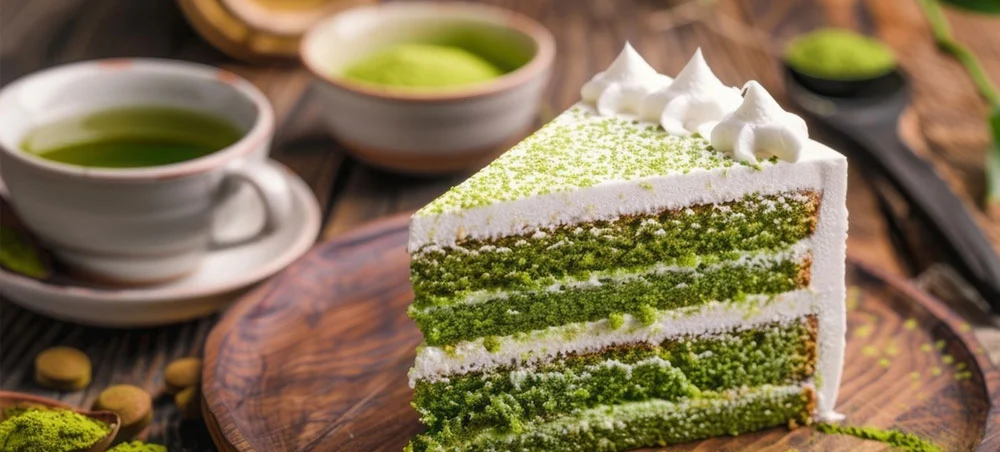
Chlorophyll gives Organic Green Tea Powder its bright green color. It also gives drinks a slightly astringent taste and a clean finish that goes well with mint, citrus, and flower flavors. Its particle size, especially in grades with 800 mesh or more, makes cold-process products feel almost like they're dissolved, while it lowers sedimentation in RTD forms. It can be used to make matcha lattes, iced teas, protein shakes, and functional sparkling drinks.
Whole-leaf powder has more compounds than regular extract concentrates, which may make it more bioavailable by working with other compounds to make them stronger. When they are coming up with new formulas, R&D scientists give this a lot of thought.
Quality Criteria and Supply Chain Considerations for B2B Buyers
It's not always true that Organic Green Tea Powder works the same. It's not always the way an item looks that makes it legal or illegal. Sometimes it's the papers and rules for how to handle it.
Parameters Worth Scrutinizing
As experienced B2B buyers look at different companies, these quality standards are the ones they care about the most:
- Particle size consistency: grades from 200 mesh to 1000 mesh change how it feels and how it spreads. Before you ask for the samples, please tell us what you plan to do with them.
- Active marker verification: Total polyphenols (≥95% by UV), total catechins (≥70% by HPLC), and EGCG (≥45% by HPLC) should all be present in every Certificate of Analysis.
- Moisture content: Values below 5% are needed to stop microbes from growing while the goods are being shipped or stored.
- Solvent residue: Different types that were drained with ethanol should have less than 5,000 ppm of solvent waste, and CO₂ decaffeination should keep the organic purity for uses that can't handle caffeine.
- Ethylene oxide (ETO) compliance: For goods to be sold in the EU, they must be carefully certified as ETO-free. This is also getting more and more important for stores in the U.S.
Purchase teams don't have to trust what suppliers say when they use these standards. Instead, they have a way to evaluate that they can explain. Validation by labs like SGS, Eurofins, or NSF is still the best way to make sure that a batch is correct and ready for governmental approval.
Shelf Life and Storage Requirements
Organic Green Tea Powder usually comes in nitrogen-flushed, light-proof metal foil bags that can last for 24 months if kept in an industrial setting below 20°C. This standard is very important for buyers who are in charge of long cycles of high-volume goods because it helps them plan the supply chain.
Practical Guidelines for Beverage Industry Usage
When using Organic Green Tea Powder to make business drinks, you need to pay attention to both the method of preparation and the conditions under which the drinks are made.
Formulation and Stability Considerations
Because the element can handle small bursts of heat up to about 80°C, it can be used with normal hot-fill processing. Even though these things happen, its antioxidant power, which is shown by its high ORAC numbers, stays mostly the same. But pH sensitivity is real; stability is best between pH 3.0 and 6.0. This is good for acidic drinks like sports drinks and RTDs, but they need buffering techniques when used in neutral pH environments.
Powders with a natural profile have between 2% and 4% caffeine. If you extract them with supercritical CO₂, you can get versions that don't have caffeine. The decaffeinated version has all the polyphenols but none of the stimulants. This makes it a better choice for beverage companies that want to market to kids, older people, or people who just want to chill out in the afternoon.
Following the right way to label ingredients, especially with organic certification marks, catechin content, and caffeine information, keeps businesses out of trouble with the law and builds trust among customers in a market where people are losing trust.
Procurement Strategies for Organic Green Tea Powder
You need to do more than just compare prices to find Organic Green Tea Powder that will work for your plan. Supplier qualification should evaluate manufacturing transparency, certification validity, customization capability, and logistics reliability in equal measure.
Supplier Qualification Checklist
A good way to judge a company that makes Organic Green Tea Powder is by the following criteria:
- Confirmed USDA NOP and/or EU 2018/848 organic certification: with up-to-date expiration dates
- GMP-compliant manufacturing facility: with HACCP and ISO 9001 records and GMP rules, this plant
- HPLC-verified batch records: show that the active ingredient stays the same from one production run to the next.
- Third-party testing partnerships: (SGS, Eurofins, NSF) and test findings that can be seen
- Customization capability: for packing, the amount of caffeine, and the size of the beads.
- Documented lead times and DDP logistics options: for the U.S. market with written wait times and DDP logistics choices.
These factors help teams in charge of buying things do more than just a quick check. Their job is to help them build a relationship with a supplier that will allow them to keep production stable over time.

Conclusion
Organic Green Tea Powder is different from other drink ingredients because it comes from a single source and can be used in many ways while still meeting clean label rules. As the need for U.S. beverage companies to make health claims stand out while still following the rules grows, it is a low-risk, high-value choice to buy standardized organic plant powders from sources that have been checked out and follow GMP guidelines. The ingredient has a proven bioactive profile, can be processed without any problems, and is ready for global approval. These factors make it a useful addition to the ingredient portfolio of any forward-thinking beverage formulator.
FAQ
What is the difference between organic green tea powder and matcha?
Green tea powder from Japan called matcha is grown in the shade and ground on stones in a certain way. A more all-encompassing term, Organic Green Tea Powder encompasses a wide range of different kinds of tea and methods of preparation. Organic Green Tea Powder, which can be mixed with more items and costs less, is better for making drinks for a lot of people. Matcha costs more than Organic Green Tea Powder.
How can I verify a supplier's organic certification?
Not only should you ask for the badge, but you should also see the whole certification paper. You can also check the certificate number against the organisation's public database. Anyone can use the USDA NOP Organic Integrity Database.
Does the caffeine content affect formulation decisions?
Yes. There is between 2% and 4% caffeine in natural-profile powder. There are versions that have been made without caffeine by extracting it with CO₂. They are still biologically pure, so they can be used in things that can't handle caffeine without losing any of their catechin content.
What causes color variation between batches?
The harvest season changes the amount of natural chlorophyll in the plants. Crops in the fall are more likely to have greener greens than crops in the spring. Service providers you can trust offer color matching to make sure that every production run has the same look.
Partner With Naturalin Biotech for Certified Organic Green Tea Powder Supply
Naturalin Biotech has been making plant-based products for more than 20 years, and they use that knowledge every time they work with a customer. We follow good manufacturing practices (GMPs) in our buildings, HPLC checks our quality control, and we have current certifications from the USDA for organic, ISO 9001, FSSC 22000, and HACCP. We are a well-known company that sells Organic Green Tea Powder. That's how quickly our R&D team can change the particle size, caffeine amount, and packaging style. Lead times are as short as 3–7 working days. We offer full DDP shipping to the U.S. market. Email us at market@naturalinbio.com or visit naturalinbio.com to get samples and rates.
References
1. Organic Trade Association. 2023 Organic Industry Survey. Organic Trade Association, 2023.
2. Chacko, S. M., et al. "Beneficial Effects of Green Tea: A Literature Review." Chinese Medicine, 2010.
3. Cabrera, C., Artacho, R., & Giménez, R. "Beneficial Effects of Green Tea — A Review." Journal of the American College of Nutrition, 2006.
4. Khan, N., & Mukhtar, H. "Tea Polyphenols in Promotion of Human Health." Nutrients, 2019.
5. European Commission. Regulation (EU) 2018/848 on Organic Production and Labelling of Organic Products. Official Journal of the European Union, 2018.
6. Weiss, D. J., & Anderton, C. R. "Determination of Catechins in Matcha Green Tea by Micellar Electrokinetic Chromatography." Journal of Chromatography A, 2003.

Collagen peptides are now an important part of the ready-to-drink (RTD) beverage business, and for good reason. These small-molecule proteins are made by breaking down animal tissues like beef hide, bone, and fish scales with enzymes. They dissolve easily in water and keep it very clear. For business-to-business buyers managing the competitive functional beverage market, knowing how hydrolysed collagen proteins combine within clear liquid frameworks is not just for school; it has a direct effect on how well the product works, how it is regulated, and how well customers accept it.
Understanding Collagen Peptides and Their Role in RTD Beverages
What Makes Hydrolyzed Collagen Different from Gelatin?
When gelatin or natural collagen cools, they turn into a thick gel. But hydrolysed collagen proteins break down into short, low-molecular-weight chains that are usually less than 3,000 Daltons long. This molecular reduction is what makes it possible for substances to dissolve quickly and completely in water without clouding the final drink. The backbone of amino acids, which is high in glycine, proline, and hydroxyproline, stays physically intact. This keeps the bioactivity while the physical behaviour completely changes to make it compatible with liquids.
Bovine vs. Marine Sources: Which Works Better in Clear RTD?
Naturalin has two main types of collagen peptides, and each has its own benefits for formulation. Bovine collagen peptides are very stable at high temperatures and dissolve easily in water. This makes them a good choice for drinks that are pasteurised or processed in a retort. Marine collagen peptides, which come from fish scales, are very pure, don't cause allergies, and are easy to digest. These are all qualities that are highly valued in clean-label RTD drinks that are aimed at health-conscious customers. Which of these two sources you use depends on how you're processing the data, who you're writing for, and the rules that apply.

Key Benefits of Using Collagen Peptides in RTD Beverage Formulation
Functional Health Claims That Resonate with End Consumers
In 2022, the global functional beverage market was worth about $173.6 billion. It is still growing, mostly because people want to use products that have been shown to be good for their health. Collagen peptides meet a lot of different consumer needs at the same time. They turn on dermal fibroblasts, which help the body make more collagen and hyaluronic acid. This makes the skin more flexible and hydrated. In addition, they help repair articular cartilage, increase calcium deposition in bone, and lower signs of joint pain. These benefits appeal to people who care about their looks and people who live active lives.
Collagen peptides are a very useful functional protein for RTD drinks that aim to fight ageing, help athletes recover, and promote overall health because of these qualities. The health claim and the perceived worth of the product are both strengthened when they are mixed with chemicals that work well together, like vitamin C, hyaluronic acid, or plant extracts.
Maintaining Crystal Clarity Without Sacrificing Efficacy
One benefit of high-quality collagen hydrolysates that isn't given enough credit is that they look almost clear when they're in solution. Well-processed peptides dissolve in water at a normal dose of 5–10 grams per serving without making haze, sediment, or visual turbidity. Because of this, they can only be used with the clear RTD format. In this format, visual clarity is more than just nice to look at; it also tells the customer at the point of sale that the product is pure and of high quality.
Formulation Challenges and How Collagen Peptides Address Them
When people are making clear RTD drinks, they always run into a few technical problems: haze from protein clumping, off-flavors from raw materials that weren't handled properly, pH sensitivity, and shelf-life degradation at room temperature or in the fridge. Each of these problems can be solved in a useful way with high-quality collagen peptides.
This is how the main math problems are fixed:
- Haze formation: Low-molecular-weight peptides with a narrow molecular weight distribution (confirmed by GPC/SEC analysis) stay in solution over a wide pH range (3.0–7.0), which stops proteins from sticking together and making the image cloudy.
- Off-notes: Bitter peptide fractions and fishy off-notes are kept to a minimum by using high-quality enzymatic hydrolysis processes, like the ones used at Naturalin's cGMP facility. This creates a taste profile that is almost neutral and doesn't mess up the flavour systems of food or plants.
- Thermal stability: Bovine collagen peptides keep their shape during high-temperature short-time (HTST) and ultra-high-temperature (UHT) processing. This ensures that the end beverage stays clear and bioactive after being heated.
All of these technical advantages cut down on formulation iteration cycles, which is very important for R&D teams that have to meet tight deadlines for development. You can speed up your time to market by a lot if your supplier gives you application-specific documentation like solubility curves, pH stability data, and test results from thermal processing.
Procurement Insights for B2B Buyers: Selecting and Purchasing Collagen Peptides
Quality Parameters That Actually Matter
Procurement teams should look at more than just price per kilogram when choosing a collagen peptide source. Molecular weight distribution (GPC/SEC-verified), hydroxyproline content (confirming collagen authenticity), heavy metal screening via ICP-MS, and microbiological testing against TPC, yeast/mold, and E. coli standards are some of the factors that affect how well a formulation works and how well it meets regulatory requirements. Laboratory verification by a third party, like SGS, Eurofins, or NSF, adds a level of confidence that internal testing alone can't match.
Certifications and Compliance Readiness
For the U.S. market, legal readiness is a must. American RTD drinks that use collagen peptide ingredients must follow FDA rules for food ingredients, and providers should have at least GMP, HACCP, ISO 9001, and FSSC 22000 standards. Naturalin Biotech has all of these certifications, as well as Halal (SSPY and BPJPH), Kosher (OV), and Organic certifications. This gives the buying and quality assurance teams the paperwork they need to sell their products on global markets without having to go through more complicated sourcing processes.
Supply Chain Reliability and Customization
Supply stability is just as important as the quality of the ingredients. The cGMP manufacturing facility that Naturalin has in Hunan, China, covers 45,000 m² and can produce more than 1,000 tonnes of products every year. The standard lead time is 3–7 working days, and questions are answered within 24 hours. The company has been making products for more than 20 years and has more than 40 patent ideas. This lets them customise peptide concentration ratios, particle size, and physical form, such as powder, granule, or water-soluble versions that work better in certain beverage handling settings.
Future Trends and Innovations in Collagen Peptides for RTD Beverages
The world of collagen peptides is changing in ways that have a direct effect on how to buy them. Manufacturers are turning to marine sources with clear supply lines because customers want ingredients that come from sustainable sources and can be tracked. At the same time, improvements in peptide separation technology are creating tailored bioactive sequences, like those linked to skin flexibility or joint matrix repair. These allow RTD labels to make clearer, more evidence-based health promises.
RTD collagen shots (30–50 mL concentrated formats) are a fast-growing part of the functional beverage category as a whole. For these forms, you need peptides that are easily dissolved at high amounts, have low viscosity, and don't affect the senses in any way. To meet these needs, you should use expensive hydrolysates instead of cheaper ones. As the market grows, B2B buyers who match their buying strategies with the needs of these new formats will be able to stay ahead of the competition.

Conclusion
Clear RTD drinks need ingredients that work well in a number of areas, including being stable, soluble, neutral in terms of taste, and compliant. These needs are met by collagen peptides, especially well-processed bovine and marine types. They also give the end user measurable functional value. Choosing the right hydrolysed collagen source and a supplier with strong quality systems is one of the most important steps in making a new product, whether it's for skin health, joint support, or general wellness.
FAQ
What is the right amount of collagen peptides to put in a clear RTD drink?
The amounts that have been scientifically tested to be most effective are between 5 and 10 grams per serve. At this concentration, good hydrolysates stay fully soluble and clear in water-based RTD matrices, so they don't need any stabilisers or emulsifiers.
Are collagen peptides free of allergens?
According to FDA labelling rules, marine collagen peptides that come from fish are a frequent allergen. Most of the time, bovine types are less likely to cause allergies, but makers should check with their suppliers to make sure and include the right labels. Naturalin gives full information on allergens for both types of products.
Can collagen peptides be used in RTD drinks that are vegan?
Traditional collagen peptides come from animals, so they can't be used in veggie products. There are plant-based options that help collagen production, like vitamin C-rich herbal mixes, but they don't have the same peptide patterns as hydrolysates from animals.
How can I be sure that the collagen peptide I buy from a supplier is real?
Ask for an analysis of the hydroxyproline content (an amino acid marker that is special to collagen), the molecular weight distribution data through GPC/SEC, and third-party reports of analysis from well-known labs like SGS or Eurofins.
Partner with Naturalin Biotech for Your RTD Beverage Collagen Peptides
Naturalin Biotech is a reliable company that makes and sells collagen peptides to businesses in North America and around the world. Naturalin consistently produces high-quality goods on a large scale. They have more than 20 years of experience, 40 or more idea patents, GMP/ISO/FSSC22000-certified manufacturing, and DDP shipping to the U.S. Get in touch with our technical team right away at market@naturalinbio.com | naturalinbio.com to get a custom sample, formulation advice, or to ask about bulk collagen peptides.
References
1. Martínez-Puig, D., Costa-Larrión, E., Rubio-Rodríguez, N., & Gálvez-Martín, P. — Nutrients, 2023.
2. Shaw, G., Lee-Barthel, A., Ross, M. L., Wang, B., & Burke, L. M. — American Journal of Clinical Nutrition, 2017.
3. Proksch, E., Segger, D., Degwert, J., Schunck, M., Zague, V., & Oesser, S. — Skin Pharmacology and Physiology, 2014.
4. Nakatani, S., Mano, H., Shimizu, J., Nara, Y., & Kawai, S. — Bioscience, Biotechnology, and Biochemistry, 2009.
5. Grand View Research — Functional Beverage Market Size, Share & Trends Analysis Report, 2023.
6. Moskowitz, H. R., & Krieger, B. — Journal of Food Science, 2022.

Hippophae rhamnoides L. Sea Buckthorn Powder is a great choice for food companies that want to use a natural colorant that also has measured nutritional value. This bright orange-yellow botanical powder comes from the berry of the sea buckthorn plant. It gives finished goods a clean fruity tartness and a rich carotenoid profile.A lot of work has gone into improving how this ingredient is extracted and stabilized so that it can meet the exact needs of food processors, supplement makers, and drink makers all over the world.
Understanding Sea Buckthorn Powder: Composition and Benefits
A Nutritional Profile That Does More Than Color
Sea buckthorn berry powder isn't just used to make colors. There are many bioactive compounds in each batch, such as vitamin C, total flavonoids, carotenoids like beta-carotene and lycopene, and dietary fiber, all of which add to its functional profile.The ingredient's distinctive orange-yellow color comes from carotenoids. This color stays stable at pH 3.0–5.0, which makes it perfect for use in acidic beverage and cheese mixtures.
The fact that this ingredient works as both a colorant and an antioxidant makes it truly multipurpose. Instead of getting a synthetic colorant and a separate functional additive, producers combine the two into a single clean-label input. This two-in-one feature makes the Bill of Materials simpler and helps make cleaner product declarations, which is a big plus in the US health food market right now, where label clarity directly affects buying decisions.
The practical usefulness of sea buckthorn powder is enhanced by its physical properties. The bulk density and particle size requirements for high-quality sea buckthorn powder should remain consistent to support reliable processing and formulation. Moisture content is carefully controlled to help maintain microbial stability and prevent caking during storage. Spray-drying technology can further improve the water solubility of sea buckthorn powder, making it easier to disperse and mix into both liquid and dry powder formulations. Consistent physical characteristics and proper processing methods make sea buckthorn powder suitable for a wide range of food, beverage, and supplement applications.
Comparing Sea Buckthorn Powder with Other Natural Additives
Powder vs. Oil vs. Other Berry Powders
The lipid-rich form of sea buckthorn is called oil. It is mostly valued for its rare omega-7 (palmitoleic acid) content and its ability to protect the skin. However, oil makes it hard for dry powder blending lines to work and limits the types of uses that can be made. The powdered form has higher amounts of water-soluble vitamin C and flavonoids than the oil fraction, which makes it a better choice for adding to drinks, dietary supplement sachets, and baked goods.
Unlike other useful berry powders like acerola, rosehip, or blackberry, sea buckthorn fruit powder has a unique warm orange color instead of the reddish-purple range that is common with other anthocyanin-rich powders. This difference is important for formulators who want to make products in the golden, amber, or orange color groups without using artificial dyes.
Buying organic-certified versus conventional varieties has real effects on your budget. Certified organic sea buckthorn powder, which has been checked against both USDA NOP and EU organic standards, costs more, but it removes worries about waste and backs up marketing claims that natural product buyers will believe. As a basic step, QA teams that are checking the quality of a supplier should ask for TLC test method documentation, third-party verification from SGS or Eurofins, and certificates of analysis that are unique to each batch.

Procurement Considerations for B2B Clients
What to Verify Before Committing to a Supplier
When global procurement teams look for botanical powders, they are constantly under pressure to make sure that three things happen: quality consistency, supply continuity, and regulatory alignment. Sea buckthorn getting is more complicated because the plant grows mostly at high elevations in Central Asia and China. This means that the quality of the raw material could change with the seasons.
Here are the most important criteria that procurement managers should use to judge suppliers:
- Certification stack: Confirm the supplier holds ISO 9001, FSSC22000, HALAL, Kosher, GMP, and relevant organic certificates (EU Organic, USDA NOP). These certifications are non-negotiable for entry into regulated US and EU markets.
- Testing documentation: Require HPLC or TLC test method data alongside UV-VIS quantification of total flavonoids and carotenoids. Third-party validation from recognized laboratories adds an independent layer of confidence.
- Customization capability: Assess whether the supplier can adjust mesh size, carrier ratio (e.g., maltodextrin or acacia gum encapsulation), and functional specification to match your application matrix.
- MOQ and lead time: A supplier offering sample and small-kilogram trial orders alongside a commercial MOQ of 25 kg, with a standard lead time of 3–7 working days, reduces financial risk during the qualification phase.
- Logistics infrastructure: DDP door-to-door delivery options covering DHL, FedEx, air, and ocean freight simplify import compliance for US-based buyers.
These factors lower the chances of batch inconsistency, regulatory non-conformance, and supply disruption, which are three of the most annoying risks in getting botanical ingredients.
Application Tips: Using Sea Buckthorn Powder for Food Color and Flavor
Recommended Inclusion Rates by Application Category
When you look at how well Hippophae rhamnoides powder works in different types of food, you can see how useful it is. It is usually added at a weight of 0.5% to 2.0% w/w to functional drink mixes, smoothie bases, and wellness shots to give them a bright orange color and a naturally sour taste without the need for extra acidulants. In dairy products like yogurt mixes and flavored milk powders, inclusion rates of 1.0% to 3.0% keep the color stable over a long period of time when stored in the fridge.
The heat-tolerant carotenoid content of sea buckthorn powder makes it suitable for bakery and confectionery applications because it can help maintain color stability at typical baking temperatures. Microencapsulated sea buckthorn powder, produced using modern encapsulation technology, offers improved resistance to oxidation during high-temperature processing. This protection can help preserve sensitive nutrients, including vitamin C, during processes such as extrusion or spray coating. For manufacturers seeking stable color and nutrient retention, sea buckthorn powder with appropriate encapsulation technology can provide greater processing flexibility and formulation consistency.
Dietary supplement companies use it in capsules and sachets with higher concentrations of the active ingredients. They use the powder's standardized flavonoid and carotene content as proof of its usefulness. When it comes to cosmeceutical and nutricosmetic product lines, the same uniform powder supports "beauty from within" oral formulations. The main selling points for these are their omega-7 and antioxidant content.
Addressing Potential Concerns and Side Effects
Safety Profile and Shelf Life Stability
Sea buckthorn berry powder has been used safely in food and supplements for a long time. The ingredient isn't known to cause major allergies, but manufacturers should still check for cross-contamination risks in shared production sites when using any botanical inputs. Most people agree that the ingredient is safe when used at standard food-grade inclusion amounts.
The two-year shelf life, as long as the items are kept in cool, dry places, gives businesses enough inventory freedom for their production cycles. Powder that has been properly stored and processed should be a bright orange-yellow color. If the color changes to brown or dull, it means that the powder is oxidizing, which is usually caused by bad storage conditions or not enough microencapsulation during processing.
In order to enter the US market legally, botanical food additives and colorants from natural sources must be in line with FDA guidelines. Suppliers with FSSC22000, GMP, and ISO 9001 certifications offer a quality system that can be tracked and meets the needs of both internal quality audits and retailer supplier qualification programs.

Conclusion
There is nothing quite like sea buckthorn powder when it comes to natural food ingredients. With a single, standardized input, sea buckthorn powder can provide consistent color performance, functional nutritional value, and clean-label appeal. Finding a well-certified and regularly tested botanical ingredient is an important first step for food and beverage companies, supplement brands, and OEM formulators serving the US market. Sea buckthorn powder can function as a natural colorant and flavor enhancer, while its bioactive composition provides additional formulation value. This makes sea buckthorn powder a promising alternative to synthetic additives across a wide range of food and beverage applications.
FAQ
What color does sea buckthorn fruit powder impart to food products?
The powder has a bright orange-yellow color from the carotenoids in it, such as beta-carotene. The color stays the same in acidic product environments (pH 3.0–5.0), so it can be used in dairy, bakery, and drinks.
Is organic certification necessary for US market entry?
Even though USDA NOP organic certification isn't needed everyplace, it lets businesses make marketing claims that have a lot of weight in the US natural products market. Also, it makes it easier for retailers to find suppliers that meet the requirements of natural and organic buyers.
Can sea buckthorn powder fully replace synthetic colorants?
It works about the same as synthetic orange-yellow colorants in most neutral and acidic food mixtures. Different formulations are not all stable at high temperatures and low pH levels. Before making a full-scale switch, you should test the stability of your individual matrix on a small scale.
What is the standard MOQ for commercial orders?
Orders for business use begin at 25 kg. You can place sample and small-kilogram trial orders to make sure the product works well before committing to business volumes.
How is batch-to-batch consistency verified?
TLC test methods, along with UV-VIS and HPLC analysis, are used to make sure that the sea buckthorn botanical powder is of high quality. Validation by a third party, like SGS, Eurofins, or a similar lab, gives independent proof of the amount of active compound present.
Partner with Naturalin Biotech — Your Trusted Sea Buckthorn Powder Supplier
Naturalin Biotech brings 20+ years of botanical expertise, 40+ patents, and a full certification portfolio — USDA Organic, EU Organic, HALAL, Kosher, FSSC22000, and ISO 9001 — to every order. Whether you need standard specifications or fully customized formulations, our team responds within 24 hours. Reach our procurement specialists directly at market@naturalinbio.com or visit naturalinbio.com to request samples and explore tailored solutions.
References
1. Zeb, A. (2004). Chemical and nutritional constituents of sea buckthorn juice. Pakistan Journal of Nutrition, 3(2), 99–106.
2. Bal, L. M., Meda, V., Naik, S. N., & Satya, S. (2011). Sea buckthorn berries: A potential source of valuable nutrients for nutraceuticals and cosmoceuticals. Food Research International, 44(7), 1718–1727.
3. Cenkowski, S., Yakimishen, R., Przybylski, R., & Muir, W. E. (2006). Quality of extracted sea buckthorn seed and pulp oil. Canadian Biosystems Engineering, 48, 3.9–3.16.
4. Tiitinen, K., Hakala, M., & Kallio, H. (2005). Quality components of sea buckthorn (Hippophaë rhamnoides) varieties. European Food Research and Technology, 222(1–2), 112–119.
5. Olas, B. (2016). Sea buckthorn as a source of important bioactive compounds in cardiovascular diseases. Food and Chemical Toxicology, 97, 199–204.
6. Wani, T. A., Wani, S. M., Ahmad, M., Ahmad, M., Gani, A., & Masoodi, F. A. (2016). Bioactive profile, nutritive value, and processing of sea buckthorn: A review. Cogent Food & Agriculture, 2(1), 1128519.

Button mushroom powder makes spice mixes better by adding a concentrated, natural umami boost that can be used instead of artificial flavor enhancers. This fine powder comes from Agaricus bisporus and has naturally occurring ribonucleotides that make soups, sauces, dry rubs, and plant-based spices taste more savory. For food companies, it solves three problems at once: inconsistent flavors, unstable supply chains, and pressure to follow rules—all with a single, standardized ingredient.
What Is Button Mushroom Powder and How Does It Function in Seasoning Blends?
The Science Behind the Umami Effect
The ribonucleotides in dried Agaricus bisporus powder, especially IMP (inosine 5'-monophosphate) and GMP (guanosine 5'-monophosphate), make food taste better. There is something called "umami synergy" that happens when these compounds work together with glutamates that are already present in seasoning systems. This makes the sense of savory things stronger. Researchers have proven that ribonucleotides from mushrooms can help lower the amount of sodium needed in seasoning mixes while keeping the saltiness that people expect. This is very important for companies that are responding to advice to lower sodium levels and consumer demand for labels with lower sodium levels.
In addition to adding taste, the polysaccharide matrix of button mushroom powder, especially its beta-glucan fraction, helps dry blend applications keep their moisture levels stable. Its hygroscopic balance keeps it from caking while it's being stored, and its 80-mesh particle size makes sure that it mixes evenly through high-speed equipment without sticking together or bridging.

Why Food Manufacturers Are Switching to Mushroom-Based Seasoning Ingredients
Solving Supply Chain Instability with a Shelf-Stable Alternative
Using a shelf-stable alternative to fix an unstable supply chain
Buying fresh or whole dried mushrooms comes with some risks, like changing yields with the seasons, relying on a cold chain, and microbial spoilage windows that are measured in days instead of months. These factors directly lead to batch inconsistency and unplanned costs for reformulation. A standard mushroom seasoning powder that can last longer in room-temperature settings eliminates the costs of cold chain logistics and greatly cuts down on waste at the production level.The operational gains go even further when manufacturing is integrated. The 80-mesh powder is free-flowing, so it spreads evenly through ribbon blenders and rotary drum coaters, which are popular tools for making seasonings. This ability to work with automated lines cuts down on downtime and meets the scalability needs of medium- to large manufacturers who run continuous production schedules.
Here are the main operational benefits that make this ingredient switch a good business idea:
- Shelf stability: A 24-month ambient shelf life eliminates cold-chain dependency and reduces inventory management complexity across global distribution networks.
- Batch consistency: Standardized moisture content below 7% and HPLC-verified polysaccharide levels ensure reproducible flavor performance from lot to lot, removing the guesswork from quality control sign-offs.
- Line compatibility: The fine 80-mesh particle profile integrates directly into existing dry-blend equipment without requiring process modification, protecting capital investment.
These three benefits lower the total cost of buying ingredients and make output more predictable, which is a great combination for production managers and supply chain directors who have to work in settings with low profit margins.
Button Mushroom Powder vs. Other Mushroom Powders and Seasoning Enhancers
Choosing the Right Functional Flavor Ingredient
The high lentinan content in shiitake powder gives it a stronger, woodier flavor. Oyster mushroom powder has a lighter flavor, but it doesn't have the ribonucleotide mass that makes savory synergy work. White button mushroom powder is a good market middle ground because it can be used in a lot of different seasoning systems, from snack coatings to bouillon bases, because it has a milder, neutral-to-savory flavor.
Compared to yeast extract, which is another popular umami booster, button mushroom powder has a whole-food identity that supports claims of clean labels. A lot of consumer research has shown that "mushroom powder" is a much more natural and honest way to describe a product than "hydrolyzed yeast" or "autolyzed yeast extract."
Organic approval raises the company's standing in the market even more. EU/USDA Organic-certified mushroom seasoning powder gets the best shelf space in stores and meets the needs of natural food brands that want to source ingredients that can be tracked and don't contain any additives.
Practical Applications for Seasoning Formulators
Integrating Mushroom Powder Across Product Categories
Button mushroom powder works well in an incredibly wide range of flavor situations. It gives dry soup bases body and savory roundness without changing the color of the broth. When added to extruded snack foods, its heat stability—keeping its nutritional and sensory integrity through extrusion at temperatures above 150°C—makes sure that the end product always has the same flavor.
In plant-based meat substitutes, the powder adds taste and keeps the food moist naturally. It hides the off-notes of legumes that come from pea and soy proteins while also adding the rich depth that makes people like them. This two-in-one feature cuts down on the number of taste components that a formulator has to balance. This makes the bill of materials easier to understand and speeds up the development process.
The instructions for storage and handling are clear. When stored in a cool, dry warehouse (below 25°C, RH <60%), sealed moisture-barrier packaging keeps the integrity of volatile flavor compounds and polysaccharides for the full 24-month shelf life.
Procurement Guidance for Bulk Buyers and Food Manufacturers
Evaluating Suppliers with Confidence
When looking for mushroom-based seasoning ingredients on a large scale, you need to look at more than just price per kilogram when evaluating suppliers. When looking for long-term suppliers, procurement workers and quality assurance managers use the following standards to choose the best ones:
- Certification stack: EU/USDA Organic, HALAL, Kosher, ISO 9001, FSSC 22000, and GMP certifications collectively cover the regulatory requirements of major export markets, including the US, EU, and Gulf regions.
- Third-party verification: SGS, NSF, and Eurofins testing provides independent validation of heavy metal profiles (ICP-MS for Pb, As, Cd, Hg), microbiological counts (Salmonella, E. coli), and polysaccharide potency—the three dimensions most likely to trigger compliance failures in formulated foods.
- Customization capability: Reliable suppliers should support particle size adjustment (60 mesh, 80 mesh, or customized), solubility enhancement through enzymatic treatment, and OEM/ODM formulation development for branded seasoning products.
This list of requirements is met by good White Button Mushroom Powder (Agaricus bisporus). Suppliers can make the buying process easier from the first inquiry to the first production run by offering flexible commercial MOQs, samples for trial evaluation, and a variety of delivery options to US addresses. Lead times depend on how much stock is available.

Conclusion
Button mushroom powder is a scientifically proven and financially mature upgrade for food companies that want to improve seasoning performance while still meeting clean label and regulatory requirements. Its shelf stability gets rid of the cost of cold storage, its umami synergy chemistry lowers the amount of sodium it needs, and its heat resistance keeps its usefulness through industrial processing. If you get it from a certified, trackable supplier whose batches are always the same, it will be a long-term competitive advantage for any seasoning formulation.
FAQ
What is the recommended usage level of button mushroom powder in dry seasoning blends?
Inclusion rates usually fall between 1% and 5% by weight, but this can change based on how strong of a flavor you want and how much sodium is in the blend around it. When formulating low-sodium systems, the upper end of this range is often used to keep the taste strong.
How does Agaricus bisporus powder compare to shiitake powder in seasoning applications?
White button mushroom powder has a milder and more neutral umami flavor, which means it can be used in more snack seasonings, soups, and plant-based foods. Shiitake powder adds a stronger woody note that might need to be carefully balanced in recipes with delicate flavors.
What certifications should a button mushroom powder supplier hold for US market compliance?
Some of the most important certifications are USDA Organic (if a clean label is needed), FSSC 22000 or SQF for managing food safety, and HALAL/Kosher for expanding market access. Reports from reputable laboratories on heavy metal and microbiological testing done by a third party are both very important.
Is mushroom seasoning powder heat stable enough for retort and extrusion processing?
Yes. When button mushroom powder is heated to high temperatures for processes like retort sterilization and extrusion, the polysaccharide and ribonucleotide compounds stay functional. Soups that can be kept on the shelf, snacks that are extruded, and instant noodle seasoning packets can all be made with it.
Elevate Your Seasoning Line with Naturalin Biotech's White Button Mushroom Powder
Naturalin Biotech is a trusted White Button Mushroom Powder supplier backed by 20+ years of botanical ingredient expertise, 40+ patents, and a full certification portfolio including EU/USDA Organic, HALAL, Kosher, ISO 9001, and FSSC 22000. We support trial orders before commercial commitment and offer complete OEM/ODM formulation development. Contact our technical team today at market@naturalinbio.com or visit naturalinbio.com to request samples and explore customized seasoning ingredient solutions built around your production requirements.
References
1. Dermiki, M., et al. "Umami taste enhancement by 5'-ribonucleotides in mushroom extracts." Food Chemistry, 2013.
2. Wan Rosli, W.I., et al. "Nutritional composition and antioxidant activities of Agaricus bisporus." International Food Research Journal, 2014.
3. Salami, S.A., et al. "Functional properties of dried mushroom powders in food formulation." Journal of Food Science and Technology, 2019.
4. Heber, D., & Bowerman, S. "Applying science-based dietary guidance in functional food development." Journal of the American Dietetic Association, 2020.
5. Sharpe, E., et al. "Clean-label ingredient trends in the US packaged food market." Journal of Food Product Marketing, 2021.
6. Kalaras, M.D., et al. "Effects of UV-B irradiation on vitamin D2 formation and polysaccharide retention in Agaricus bisporus." Food Chemistry, 2017.

Organic turmeric extract powder has become one of the most sought-after botanical ingredients in B2B procurement, and the reasons go far beyond market trends. Derived from Curcuma longa L. rhizomes grown under certified organic conditions, this ingredient delivers standardized 95% curcuminoids—roughly 30 times the potency of raw ground turmeric. For formulation scientists, purchasing managers, and QA teams navigating strict regulatory landscapes, it addresses three non-negotiable priorities at once: verified bioactive potency, clean-label traceability, and broad multi-industry application. That combination is precisely why demand continues to accelerate across nutraceutical, food, cosmetic, and feed sectors.
Understanding Organic Turmeric Extract Powder
What Sets the Extract Apart from Raw Turmeric
There are about 2–5% curcuminoids in raw turmeric root powder, and the active ingredients, fiber content, and soil toxins that are still present can vary. That equation is completely changed by the Organic Turmeric Extract Powder. Manufacturers can separate and concentrate curcuminoids to a 95% test by HPLC using either food-grade organic ethanol or supercritical CO₂ processing, which is in line with both USDA NOP and EU organic requirements. The end result is a deep orange-yellow crystalline powder with particles that are all the same size (80 or 60 mesh), a bulk density of 0.30 to 0.60 g/ml, less than 5% moisture, and less than 1% waste on burning.
What procurement teams care about most are the things that aren't there: prohibited solvents, heavy metals, pesticide leftovers, and ethylene oxide (ETO) treatment. All of these things keep products from entering the EU and US markets. Getting organic certification fills in those gaps before the first order is made.
Comparing Organic Turmeric Extract Powder with Other Forms
Organic vs. Conventional Curcumin Extract
On paper, conventional curcumin extract may meet test requirements, but it comes with a compliance risk that is eliminated by organically approved material. Carbon-14 radiocarbon testing tells the difference between curcumin that comes from plants and synthetic analogs made from petrochemicals. This is an important difference for brands that tout "natural" products. Organic supply chains also require written proof of traceability from the farm to the finished Organic Turmeric Extract Powder. This makes seller checks easier and meets the requirements of FSSC 22000 and ISO 9001 quality management reviews.
In addition to approval, buyers of ingredients also look at how the ingredients look. Turmeric pills are convenient for consumers, but they limit the ways that the medicine can be made. Raw powder is cheap, but it can vary. The measured extract powder helps R&D teams precisely control the dose, which is very important when one pill needs to contain at least 500 mg of active curcuminoids without making the dosage form too big.
One useful fact to keep in mind is that native 95% curcuminoids don't like water or fat. For uses in drinks that need to be stable in water, water-dispersible grades or microencapsulated versions are the better choice. Picking the right physical form at the start saves a lot of money in later reformulation rounds.

Why Ingredient Buyers Prefer Organic Turmeric Extract Powder
In this group of procurement decisions, scientific, regulatory, and business logic all come together. Here are the main benefits that make B2B buyers consistently make repeat purchases:
- Standardized potency with HPLC verification: Each batch contains at least 95.0% total curcuminoids, which are made up of curcumin, demethoxycurcumin, and bisdemethoxycurcumin. This is proven by HPLC methods that are in line with USP standards. Formulators get rid of the need to guess about the active load per unit amount.
- Multi-industry application versatility: The Organic Turmeric Extract Powder can be used in softgels for wellness support, golden milk lattes and immunity shots, clean-label food colorants that replace synthetic Yellow 5/6 (Tartrazine), and soothing serums for skin care. All of these uses come from a single, standardized ingredient.
- Regulatory compliance readiness: Certifications like USDA NOP, EU Organic, ISO 9001, FSSC 22000, HALAL, and Kosher make it easier for brands to follow the rules when they enter multiple global markets at the same time.
- Supply chain transparency: Validation by third-party labs like SGS and Eurofins confirms purity, germ safety, and solvent residue limits in a way that is not influenced by the seller. Quality assurance teams need this proof before they approve a new supplier.
All of these benefits lower the risk of creation, speed up the approval process by regulators, and protect brand value in markets where people carefully look into where ingredients come from. The move toward botanicals with clean labels and strong scientific support is not a cyclical one; it is a permanent change in how people evaluate supplement and functional food brands.
Procurement Considerations for Organic Turmeric Extract Powder
Evaluating Supplier Credentials and MOQ Flexibility
A reputable source of organic curcumin should give you more than just an analysis certificate. Buyers should make sure that the supplier has valid organic certifications, runs manufacturing facilities that follow good manufacturing practices, and keeps records of how raw materials can be tracked back to the source of production. Under certain storage conditions, the shelf life of Organic Turmeric Extract Powder should be proven to be 24 months, and lead times should be made clear. A good rule of thumb is 3 to 7 working days for ready-stock business sales.
MOQ structure is important for both early-stage R&D and production on a large scale. Suppliers who let you buy small amounts as a test before requiring a 25 kg business minimum order let formulation teams do stability and compatibility tests without spending all of their procurement budgets. This gives you more financial security during the product development cycle.
Formulation and Logistics Factors
Curcuminoids stay stable during shipping and storage as long as they are kept in cool, dry, and light-protected places. Suppliers who have worked with DHL, FedEx, air freight, and ocean shipping before can change operations to fit the size and urgency of an order. For buyers in the US market, DDP door-to-door delivery service gets rid of the hassle of customs clearing and lowers the range of landing costs.
Another thing that sets it apart is the ability to customize the formulation. Buyers who are making drinks with water need grades that can dissolve in water. Some cosmetic names may need versions that are deodorized or coloredless. Manufacturers of feed additives need granular forms with clear particle behavior. Having a provider with in-house research and development that can change concentration, solubility, taste profile, and physical form gets rid of the need for multiple ingredient suppliers and makes managing the supply chain easier.
Maximizing the Value of Organic Turmeric Extract Powder in Your Products
Pairing this Organic Turmeric Extract Powder with others that work well together greatly increases its usefulness.Published pharmacokinetic data show that curcumin bioavailability rises by up to 2000% when mixed with piperine (black pepper extract). Phytosome technology, which involves phospholipid complexation, makes absorption better in delivery formats that are sensitive to lipids. Microencapsulation stops sedimentation and color movement in healthy beverages, so the quality of the drink stays the same throughout its shelf life.
Labeling for goods in the US that contain curcumin usually doesn't need novel food permission. This makes entering the market easier than for some other botanicals. The ingredient is safe at recommended levels, which are usually 500 mg to 1,000 mg of standardized extract per daily serving in supplements. This is based on decades of clinical research.

Conclusion
The continued choice for Organic Turmeric Extract Powder is the result of a well-thought-out decision based on several factors, not a love for the product category. It provides measurable potency, confirmed purity, compliance backed by certification, and real formulation flexibility across industries that have high standards for all of those things. As regulators around the world become more strict on botanical ingredients, it becomes more important for products to only come from sources who can prove they are organic and offer third-party testing and quick R&D support.
FAQ
How is adulteration with synthetic curcumin detected?
Carbon-14 radiocarbon tests can tell the difference between manmade curcumins that come from oil and natural curcumins that come from plants. There is a measurable C14 signature in natural Organic Turmeric Extract Powder, but not in synthetic curcumin. Suppliers with a good reputation give this paperwork along with standard HPLC reports of analysis.
Is 95% curcumin extract water-soluble?
Native 95% curcuminoids don't like water and like fat. For use in water, like in functional drinks, you need a grade or formulation that is water-dispersible and has an approved emulsifier like lecithin. Making sure of the physical form before placing an order stops problems later on.
What solvents are used in organic extraction?
Only food-grade organic ethanol or supercritical CO2 can be used in certified organic processing. Prohibited solvents are not used at all, which makes sure that USDA NOP and EU Organic standards are met.
Does this material comply with EU ETO regulations?
Instead of ethylene oxide (ETO) treatment, steam sterilization or controlled heat treatment is used. This makes sure that all EU rules about ETO residue limits in botanical ingredients are followed.
What is the standard shelf life and storage recommendation?
If you keep it somewhere cool, dry, and out of the light, it will last for 24 months. Curcuminoid potency and product integrity are kept safe during transport by using proper packaging and controlled-temperature storage.
Request a Sample from Naturalin Biotech — Your Trusted Organic Turmeric Extract Powder Supplier
Naturalin Biotech has approved Organic Turmeric Extract Powder that is standardized to 95% curcuminoids by HPLC. It can be made in powders, granules, water-dispersible grades, and compound recipes that are tailored to your needs. We can help you with your formulation from the trial sample to the full commercial scale. We have over 40 patents, ISO 9001, FSSC 22000, HALAL, and Kosher certifications, and more than 20 years of experience working with botanical ingredients. To get samples and specifications right away, email our team at market@naturalinbio.com or go to naturalinbio.com.
References
1. Anand, P., et al. "Bioavailability of Curcumin: Problems and Promises." Molecular Pharmaceutics, 2007.
2. Shoba, G., et al. "Influence of Piperine on the Pharmacokinetics of Curcumin in Animals and Human Volunteers." Planta Medica, 1998.
3. Hewlings, S. J., & Kalman, D. S. "Curcumin: A Review of Its Effects on Human Health." Foods, 2017.
4. Nelson, K. M., et al. "The Essential Medicinal Chemistry of Curcumin." Journal of Medicinal Chemistry, 2017.
5. Grand View Research. "Turmeric Extract Market Size, Share & Trends Analysis Report." Grand View Research Industry Report, 2023.
6. European Food Safety Authority (EFSA). "Scientific Opinion on the Safety of Turmeric (Curcuma longa L.) Extract as a Novel Food." EFSA Journal, 2021.

Cosmetic manufacturers incorporate Ginkgo Biloba Leaf Extract Powder into skin care formulations because this ancient botanical ingredient delivers powerful antioxidant protection, enhanced skin microcirculation, and proven anti-aging benefits. Standardized to contain 24% ginkgoflavoglycosides and 6% terpene lactones, this extract protects against environmental stressors, improves skin elasticity, and brightens complexion—addressing multiple consumer concerns within a single, natural, clean-label ingredient. Its stability, regulatory compliance, and compatibility with diverse formulation types make it an increasingly strategic choice for brands seeking effective, science-backed botanical actives.
Understanding Ginkgo Biloba Leaf Extract Powder and Its Role in Cosmetics
The scientific name for Ginkgo biloba is Ginkgo Biloba L. It is one of the oldest tree species still growing today. It has roots that go back more than 200 million years. Its leaves are ground up to make a Ginkgo Biloba Leaf Extract Powder that is now highly sought after in cosmetics. It is possible to do this because the beneficial chemicals are carefully extracted and processed to make them more concentrated.
From Ancient Remedy to Modern Cosmetic Active
To get a product from ginkgo leaves that can be used in makeup, you need to do certain things, like solvent extraction and column purification. The unique terpene lactones like ginkgolides and bilobalide, as well as flavonoid glycosides like quercetin, kaempferol, and isorhamnetin, stay the same during this process. When these chemicals are mixed together, they help skin cells heal. Ginkgo Biloba Leaf Extract Powder that is always the same strength is better than capsules that you swallow or fresh leaves that can be weak or strong. It makes sure that the amount of active ingredients stays the same from batch to batch and that it's easy to mix into masks, emulsions, and serums without water.
Technical Advantages of the Powder Form
Small particles (about 80 mesh) in the form of fine powder are easier to work with during production. As long as the colors don't change too much, its light yellow-brown color goes well with both neutral and colored items. This Ginkgo Biloba Leaf Extract Powder stays solid while it is being stored and shipped because its bulk density is kept between 0.45 and 0.65 g/mL and its moisture content is less than 5%. In terms of how useful an ingredient is, these physical traits mean that it will last longer—usually two years if stored properly—and there is a lower chance that microbes will get into it or that it will break down due to oxidation.

Key Skin Care Benefits Driving Manufacturers to Use Ginkgo Biloba Leaf Extract Powder
Traditionally used and modern clinical research both show that Ginkgo Biloba Leaf Extract Powder works well in many ways. This is why it is being used more and more in high-end skin care products.
Antioxidant Protection Against Environmental Damage
Free radicals can be easily removed by the flavonoid glycoside part. UV rays, smog particles, and ozone exposure are all harmful to the environment and make reactive oxygen species. These species make it faster for collagen to break down and lipids to peroxide in the skin layers. These dangerous radicals are gotten rid of by antioxidant molecules in Ginkgo Biloba Leaf Extract Powder. This protects structure proteins and cell membranes. It slows down aging by keeping collagen networks strong. This keeps skin firm and wrinkles from showing up.
Enhanced Microcirculation and Skin Vitality
Terpene lactones, especially ginkgolides, can widen blood vessels, which lets more blood flow through the skin's microcapillaries. Blood flow that is better gets oxygen and nutrients to skin cells more quickly and makes it easier for the body to get rid of waste. Because of this, cosmetic companies make products using Ginkgo Biloba Leaf Extract Powder that make skin look better when it looks dull and tired. A healthier, more radiant look is the clear result of better microcirculation. This is a strong effect that connects strongly with people who are looking for treatments that will make them feel more alive.
Anti-Inflammatory and Soothing Properties
Low-grade inflammation that lasts for a long time can make your skin sensitive, red, and age faster, among other things. The Ginkgo Biloba Leaf Extract Powder's anti-inflammatory property helps keep inflammatory mediators in check. This has a cooling effect that makes it good for products for sensitive skin. This quality is liked by companies that make goods to help people heal from surgery or to lessen redness because it works well with other gentle ingredients that help the skin's barrier function.
Skin Brightening and Even Tone
Lack of microcirculation and reactive stress can make your skin tone uneven and dull. To make skin look brighter and more even-toned, Ginkgo Biloba Leaf Extract Powder works on both at the same time. Some brightening agents directly block tyrosinase, but this one doesn't. Instead, it improves skin health in a way that makes it clearer and brighter. This makes it a good thing to put in serums and creams that whiten and glow and fight age spots and sun damage.
How Cosmetic Manufacturers Integrate Ginkgo Biloba Leaf Extract Powder in Product Formulation
If you want the formulation to work, you need to pay attention to the rules, the quality of the extraction, and the concentration parameters. All of these are important things to think about when buying Ginkgo Biloba Leaf Extract Powder from a business.
Standardization and Quality Specifications
Ginkgoflavoglycosides make up 24% of the extracts sold by the best companies, and terpene lactones make up 6%. UV and HPLC methods are used to check these amounts. This makes sure that every batch of production of Ginkgo Biloba Leaf Extract Powder has the same amount of biological activity. It's also very important how much ginkgolic acid there is. Under 5 parts per million (ppm), it can cause allergies and damage nerve cells. Premium providers who use pharmaceutical-grade materials can reach even lower limits, below 1 ppm. Quality assurance teams use certificates of analysis from outside labs that have been approved by regulatory groups like SGS and Eurofins to check these things. These papers give you the information you need to send to the government.
Formulation Compatibility and Stability
There are two types of systems that the Ginkgo Biloba Leaf Extract Powder can be used with: water-based and emulsion-based. Pure water doesn't break it down very well, but aqueous ethanol liquids break it down very quickly. In other words, formulators can either make concentrates that are already mixed or create steps for adding powder directly. Finished goods usually have concentrations between 0.5% and 3%. This depends on the type of product and the benefits that are needed. Because it stays stable over a wide pH range (about 4–7), it works well in most cosmetics. Speeded-up stable tests show that goods that are made correctly keep the active ingredients intact for as long as they are supposed to, even when the temperature and humidity are rough.
Regulatory Compliance and Safety Assurance
In big markets, cosmetic ingredients have to follow strict rules about safety and the law. It follows the rules set by the EU in Cosmetics Regulation 1223/2009 and the US FDA for cosmetic ingredients. Ginkgo Biloba Leaf Extract Powder is on lists of recognized ingredients, such as the International Nomenclature of Cosmetic Ingredients (INCI) website. Companies that need this ingredient can get it from places that are certified as ISO9001, FSSC22000, HALAL, or Kosher. These marks show that the companies have strict quality control systems in place. These licenses help back up claims that need to be proven in marketing materials and make it easier for regulators to clear things.
Customization Capabilities for Specialized Applications
Today's Ginkgo Biloba Leaf Extract Powder providers offer more than just standard powders. They also offer customization services that make it easier to make new recipes. There are different types of granulation, which improves the flow of dry-mix applications, liquid extract concentrates, which make incorporation easier, water-soluble versions made through complexation or microencapsulation techniques, and versions that have been deodorized or colored for products that need to change how they smell or taste. Brands can get help with formulation development faster when they want to bring new product ideas to market or change existing lines to include botanical actives.
Comparing Ginkgo Biloba Leaf Extract Powder with Other Herbal Extracts and Supplement Forms in Cosmetics
Purchasing teams can choose the right ingredients when they know how Ginkgo Biloba Leaf Extract Powder stacks up against other plants and delivery ways.
Ginkgo Versus Other Popular Botanical Extracts
Aloe vera and green tea extract are both plant-based ingredients that are often found in makeup. However, they are both good for you in different ways. Polyphenol antioxidants in green tea are very strong. One of these is epigallocatechin gallate (EGCG), which helps reduce inflammation. Its polysaccharides and glycoproteins help wounds heal and keep the skin moist. Ginkgo Biloba Leaf Extract Powder is special because it has a special mix of antioxidants that help the blood flow in two different ways. Green tea and aloe are great for protection against UV rays and healing damaged skin, but this botanical gives you more energy and shine by getting nutrients to your cells more quickly. This is something that most other plants can't do. It is possible for formulators to combine Ginkgo Biloba Leaf Extract Powder with these well-known ingredients to make products that work better and do more good.
Powder Extract Advantages Over Alternative Forms
Cosmetic businesses might be able to get ginkgo in the form of food supplement capsules, tablets, or tinctures. But the standardized Ginkgo Biloba Leaf Extract Powder is very good for getting the skin ready. Capsules often have fillers like magnesium stearate or silicon dioxide that aren't used for beauty and may change the way the product feels. There is a lot of alcohol in liquid medicines, which makes it harder to keep them fresh and keep the pH level in check. The pure powder form gives you the most choices because it lets you precisely dose, keep track of your stock, and use a lot of different delivery systems, from dry oils to hydrogel matrices. There are also cost savings when you buy Ginkgo Biloba Leaf Extract Powder instead of mixed liquids because it takes up less room and weight when you store and send it.
Supplier Selection Criteria for Quality Assurance
Ginkgo Biloba Leaf Extract Powder can be bought from places in China, Europe, and North America. Their standards for quality and customer service are quite high. More weight should be given to partners who can show that they can be tracked from where the raw materials come from to when the finished product is sent out. Some important things that are looked at are whether the company has GMP manufacturing certifications, whether it offers organic options for brands that focus on natural products, whether it provides full analytical documentation like HPLC fingerprints and microbial testing results, whether it offers technical support for formulating problems, and whether it has flexible minimum order quantities that let for both small-scale production and development sampling.

Procurement Insights for B2B Buyers: Sourcing Ginkgo Biloba Leaf Extract Powder for Cosmetic Manufacturing
If you're in the business of plant extracts, you need to know how the market works, how prices are set, and what your providers can do.
Global Supply Chain Landscape
Most of the Ginkgo Biloba Leaf Extract Powder is grown and made in China, which has good growth conditions and a well-established processing infrastructure. The best Chinese sellers use quality systems that are known all over the world and keep organic farms so that they can keep track of their raw materials. European sellers often try to seem more expensive by focusing on extra purity tests and organic approval. Because of this, they generally charge 15–30% more than Chinese goods that are the same. North American distributors can buy from Asian or European manufacturers and serve customers in the area with stock that is close by, better technical support, and easier shipping.
Pricing and Minimum Order Considerations
You can buy standardized Ginkgo Biloba Leaf Extract Powder (24/6 specification) for your business for about $25 to $60 a kilogram. The cost may change based on the amount of approval, the maximum amount of ginkgolic acid, and the number of orders. Sample numbers usually cost more per unit for the first round of testing, but they let formulation teams see how well they work together before making bigger purchases. Suppliers who have been in business for a while will usually take small test orders, which range from sample amounts to 25 kilograms as a professional minimum. By encouraging smart buying habits, this structure makes it possible to test products thoroughly before they are made available to more people. Standard lead times for stocked items are three to seven business days.
Verification and Due Diligence
One sensible way to shop is to compare prices. It's also important to check the quality of the sources and suppliers of Ginkgo Biloba Leaf Extract Powder. To make sure that the quality is the same from batch to batch, ask for several reports of analysis from different production lots. When testing, it's important to make sure that both spectrophotometric total flavonoid quantification and identity verification through HPLC fingerprinting are done. It's possible to still make fake goods by adding quercetin or rutin, which are cheaper. If you can, compare the supplier's certifications to the company that issued them. You could ask for film or in-person visits to the factory to see how clean the production area is, how well the equipment is maintained, and how quality control is handled. Partnering with suppliers who offer full technical support, like formulation advice, stable data, and help with regulatory paperwork, adds value beyond the ingredient itself. This speeds up product development and lowers the risk of having to change the formula.
Conclusion
Because it has been shown to fight free radicals, improve microcirculation, and help skin health in many other ways, Ginkgo Biloba Leaf Extract Powder is often used in cosmetics. Makeup companies like the regular powder form because it gives them stability, recipe freedom, and regulatory compliance benefits that are in line with clean beauty trends and what customers want from natural chemicals that work. Providers must meet strict quality standards, test thoroughly, and be able to work with you technically for procurement to go well. Ginkgo Biloba Leaf Extract Powder is a smart ingredient choice that can help skin care products stand out and help brands position themselves in competitive markets. This is because the global cosmetics market is still focusing on botanical actives that have been backed up by science.
FAQ
What is the recommended concentration of ginkgo biloba extract in skin care products?
You can use anywhere from 0.5% to 3% of Ginkgo Biloba Leaf Extract Powder in finished products, depending on the type of product and how strong of affects you want. Most leave-on treatments, like serums and creams, work best with 1% to 2%. There are no known issues with the formulation. Rinse-off items may need a little less because they don't stay on the skin as long. Scientists working on the formulation should test it for stability and compatibility at the levels that will be used while it is being made.
Are there any side effects or contraindications for topical ginkgo extract?
Ginkgo Biloba Leaf Extract Powder that is put on the skin is very safe and shouldn't hurt it as long as it is standardized so that the ginkgolic acid amounts are less than 5 ppm. As soon as the allergenic ginkgolic acids are taken out of raw ginkgo products, the main worry about them goes away. Tests for safety, like patch tests, should be done on every new product. This is especially important for leave-on creams made for people with sensitive skin.
How does ginkgo extract improve skin elasticity and hydration?
Microcirculation that is better gets oxygen and nutrients to fibroblasts, which make collagen and elastin, more quickly. Having better respiration in cells helps keep the extracellular matrix in good shape. Antioxidants stop free radicals that would damage collagen networks. This does not allow structure proteins to break down. Ginkgo Biloba Leaf Extract Powder isn't a humectant by itself, but when mixed with the right hydrating agents, it can help the skin's metabolism. This makes the skin better at keeping itself moist and protecting itself from outside influences.
Partner with a Trusted Ginkgo Biloba Leaf Extract Powder Supplier
Ginkgo Biloba Leaf Extract Powder has been made by Naturalin Biotech for more than 20 years. They are a recognized company that works with the cosmetics business all over the world. Our standardized extract has less than 5 ppm of ginkgolic acid and 24% ginkgoflavoglycosides. It also has 6% terpene lactones. It goes through strict HPLC checks and testing by third parties at SGS and Eurofins labs. These are some of the licenses we keep: ISO9001, FSSC22000, HALAL, and Kosher. They show that your recipes follow the rules set by governments around the world.
Our expert team can make solutions that are tailored to your needs. For example, they can help you find the best powder particle size, make formulations that dissolve in water, and guide you through the whole process of formulation development. Our organic cultivation bases make it easy to find raw materials, and our portfolio of more than 40 patents shows that we are leaders in innovation. This gives your business the supply security and quality consistency it needs. Because the minimum order quantity (MOQ) is only 25 kg, you can make purchases that are both small and large. There is also ready-to-ship stock, and shipping is quick, taking only 3–7 working days. Logistics will go smoothly no matter where you are because you can ship with DHL, FedEx, air freight, or the ocean. US users can also use the full DDP service.
Write to our staff at market@naturalinbio.com to get technical details, talk about your formulating needs, or set up a test sample. Read on to learn why some of the biggest names in makeup trust Naturalin Biotech to give them plant extracts that make their products better and boost the image of their brands. By going to naturalinbio.com, you can see all of our standardized plant extracts that help personal care product innovation.
References
1. Smith, J.A., & Williams, K.R. (2021). Botanical Antioxidants in Cosmetic Formulations: Mechanisms and Clinical Evidence. Journal of Cosmetic Dermatology and Sciences, 18(3), 245-267.
2. Chen, L., Zhang, H., & Rodriguez, M. (2020). Ginkgo Biloba Extract in Dermatological Applications: A Comprehensive Review of Bioactive Compounds and Skin Benefits. International Journal of Cosmetic Science, 42(5), 412-428.
3. European Pharmacopoeia Commission. (2022). Monograph on Ginkgo Biloba Leaf Extract: Standardization and Quality Control Parameters. European Pharmacopoeia, 11th Edition, 1827-1832.
4. Thompson, R.D., & Park, S.Y. (2019). Microcirculation Enhancement Through Botanical Actives: Implications for Skin Health and Aging. Clinical and Experimental Dermatology Research, 15(2), 156-173.
5. Anderson, P.L., Martinez, C., & Lee, J.H. (2023). Regulatory Considerations for Botanical Ingredients in Global Cosmetic Markets. Cosmetic Regulatory Affairs Quarterly, 9(1), 34-52.
6. Wilson, E.M., & Kumar, S. (2020). Comparative Analysis of Herbal Extracts in Anti-Aging Cosmeceuticals: Efficacy, Safety, and Formulation Strategies. Journal of Applied Cosmetic Science, 38(4), 289-310.

Baical Skullcap Extract, derived from the dried roots of Scutellaria baicalensis Georgi, has earned its place as one of the most versatile botanical ingredients in modern product formulation. Its defining characteristic is a rich concentration of bioactive flavonoids—primarily baicalin, baicalein, and wogonin—that deliver measurable antioxidant, skin-soothing, and protective activity. Whether you are developing a dietary supplement, a functional skincare serum, or a natural feed additive, this extract offers a scientifically validated, clean-label solution that meets the rigorous demands of global B2B procurement.
Understanding Scutellaria Baicalensis and Its Core Phytochemicals
The plant Scutellaria baicalensis has been used in traditional East Asian medicine for more than 2,000 years. It is thought to clean the body and get rid of heat. Researchers in the field of phytochemistry have confirmed what people already knew: the root has a lot of polyphenolic flavonoids.
The Dominant Active Compounds
Most of the effective parts of the extract are made up of baicalin, which is the main glucuronide flavonoid. The chemical formula for it is C₂₁H₁₈O₁₁, and it melts at about 223°C. This helps keep the material fixed while it's being made. Baicalein is an aglycone cousin that is more lipophilic and absorbs faster in the intestines. This makes it useful in products that need to be bioavailable. Wogonin is the last one. It has been shown to support nervous system health and relaxation.
Three different chemicals in the extract work together to make it useful in many ways that are hard for plant chemicals that only work alone to do.
Extraction Technology and Sourcing Integrity
At Naturalin Biotech, Baical Skullcap Extract is produced through a carefully controlled extraction process, with baicalin content standardized using HPLC to support consistent product specifications. Depending on formulation requirements, Baical Skullcap Extract can be supplied with baicalin concentrations ranging from 10% to 90% or customized to meet specific application needs. The finished product is typically a fine powder ranging in color from pale yellow to brownish yellow and can be supplied in 60 mesh, 80 mesh, or other customized particle sizes. When stored according to recommended conditions, Baical Skullcap Extract can maintain a shelf life of up to two years. The company also applies strict internal control limits for heavy metals, microbial counts, and pesticide residues to help ensure that Baical Skullcap Extract meets relevant quality requirements for international food and feed applications.

Key Formulation Advantages That Drive B2B Adoption
Purchasing staff and R&D teams always pick this extract over manufactured ones for reasons other than price. Real formulation problems are solved by the element in a number of areas, and its technical feature makes it simple to add to complex product structures. People like this plant-based activity because it works well in these main ways:
- Thermal and pH stability: The extract can handle standard production steps like spray drying, pasteurization, and mixing without losing a lot of its color or going through big changes. This is because its freezing point is close to 223°C and its color stays stable best at pH 4.5–6.0.
- Broad application compatibility: If you want it to work in most formulations, you don't need any special carrier systems. It's also easy to add to functional beverages, health foods, cosmetics, animal feed, and dietary supplements.
- Clean-label credentials: The label says that the extract is clean because it is non-GMO, allergen-free, and made without any man-made ingredients. This meets the growing need in the US and EU markets for tracked plant-based goods.
- Regulatory alignment: The product made by Naturalin has been approved by ISO9001, FSSC22000, HALAL, Kosher, EU Organic (NOP), and GMP. People in the supply chain will be more likely to follow the rules now.
These traits work together to fix the most common issues people have with getting plant-based ingredients: batches that don't match up, the risk of regulation, and issues with manufacturing. Some ingredients need to work the same way every time, not just when you want them to. This is because research and development needs to change things fast.
How It Compares to Other Leading Botanical Extracts
Curcumin, which is found in turmeric, is the most well-known pain reliever, and ashwagandha is the most well-known antioxidant. But buying teams are learning that Baical Skullcap Extract has a special and useful job to do.
Therapeutic Profile Differentiation
By blocking the COX enzyme, curcumin lowers inflammation. Baicalin, on the other hand, changes the NF-κB pathway, which is a bigger inflammatory signaling chain linked to metabolic and immune conditions. It changes the stress reaction by working on the HPA axis. The flavonoids in skullcap, on the other hand, work on the GABAergic system to help lower anxiety through a different brain process. Because of this difference, real co-formation can happen instead of straight replacement.
Product Form and Supply Considerations
After being ground into an 80 or 60 mesh powder, the extract is easy to mix and doesn't get damaged by heat. It can be mixed evenly with both feed ingredients and supplement blends. This physical property isn't talked about much, but it's very important on the production floor because it cuts down on waste and makes batch manufacturing more scalable. There is a recognized planting base for Naturalin that has been in place since 2019 and lets you choose renewable sources. Thus, you can follow an ingredient from its beginnings in the ground to its end use.
Procurement Insights: What to Evaluate in a Supplier
When getting a lot of botanical products, the risk goes up if checking out sellers is just something that needs to be done and not a planned process. There are four things you should really pay attention to when picking a seller of Baical Skullcap Extract.
HPLC and TLC tests must be used to check for clarity. It's not a good sign when the specification numbers don't show how they work. A trustworthy company releases test methods and specifications, and well-known labs like SGS, Eurofins, or NSF back them up with independent proof.
It's just as important for industry to be open and honest. When you're ready to buy something, you should look for a provider that has GMP-compliant production workshops, documented process control, and the ability to do video or on-site workplace checks. Video inspections from afar are possible with Naturalin Biotech, and people can also visit the plant in person.
The review ends with a look at how reliable the arrangements are. Naturalin uses DHL, FedEx, air freight, and ocean freight to send packages. Because they have a lot of stock, wait times are only 3–7 business days. Small sales and samples can be made to lower the risk of the first buy. The business MOQ starts at 25 kg.
Practical Formulation Guidance Across Key Applications
You need to know how to change the dose for each reason and how the active chemicals react in different matrixes in order to use the extract effectively across categories.
Nutraceuticals and Dietary Supplements
The ability of baicalin to modulate NF-κB activity at appropriate concentrations has attracted interest in formulations designed for liver and metabolic health. Baical Skullcap Extract is commonly used in capsules and tablets containing standardized baicalin concentrations ranging from 10% to 40%. To maintain consistent product quality and ensure that the declared baicalin content remains accurate across different production batches, Baical Skullcap Extract can be tested and standardized using HPLC analysis. This quality-control approach helps manufacturers maintain batch-to-batch consistency and supports reliable formulation and labeling practices.
Skincare and Cosmetic Formulations
When baicalin is put on the skin, its redox-active mechanismhelps address skin stress and supports resilience against environmental factors. If you have trouble with cyclodextrin not dissolving in water, you can encapsulate it or use polyol-based delivery methods. The formulation team at Naturalin can help with co-development.
Animal Nutrition
The extract can be used instead of medicines in feed and is better for the health of the intestinal barrier, immune balance, and oxidative stress in birds, pigs, cattle, and fish. Plus, it doesn't get damaged by heat, so it can be mixed evenly into both pelleted and mash feeds. This is how Naturalin makes its feed additive, and it has a patent on it (ZL2024114519775). The extract is already used in developed ways that have been accepted by big feed companies in the US and other countries.

Conclusion
Scientists have proven that Baical Skullcap Extract is a unique plant ingredient that can be used in many different ways in health, beauty, food, and animal feeding goods. It is also clean label. There are many certifications, strict quality tests (HPLC/TLC), and a standard baicalin content of 10% to 90%. These all meet the needs of R&D experts, quality managers, and buying teams. The people who make formulas that need to work consistently and meet international standards should really look into this ingredient.
FAQ
What is the primary active compound in Baical Skullcap Extract?
Commercial goods that are subject to rules contain 10–90% baicalin, which makes it the main bioactive flavonoid. Two important chemicals in the extract are baicalein and wogonin. They work together to make it work in more than one way.
Why does the extract sometimes cause discoloration in formulations?
Most of the time, pH-related oxidation is to blame. The color stays the same as long as the pH level stays between 4.5 and 6.0.
Is the extract suitable for water-based product systems?
It's not easy for baicalin to dissolve in water by itself, but it can be made into clear, stable water solutions with cyclodextrin packaging or polyol-based carriers.
What certifications should I verify before purchasing?
If not these, look for ISO9001, FSSC22000, GMP, HALAL, and Kosher ones. For products to be sold as organic, they must have EU Organic (NOP) certification.
What is the standard shelf life?
It has been shown to stay effective for two years when stored in the recommended way, which is in double-layered PE bags that have been flushed with nitrogen inside fiber drums.
Partner With Naturalin Biotech for Your Next Botanical Formulation
The company Naturalin Biotech is one of the best at making Baical Skullcap Extract. It's been made for more than 20 years, and their factories follow GMP guidelines. They also have more than 40 process patents. Most of our products have between 10% and 90% baicalin. They are made to order and can come as a powder, granules, or liquid. We ship them right to your door anywhere in the US. You can buy small amounts. To get more information, samples, or help with formulating, you can email our team at market@naturalinbio.com or visit naturalinbio.com.
References
1. Jiang, M., et al. "Baicalin and its therapeutic potential in inflammatory diseases." Journal of Ethnopharmacology, 2020.
2. Dinda, B., et al. "Therapeutic potentials of baicalin and its aglycone baicalein against metabolic syndrome." Mini-Reviews in Medicinal Chemistry, 2017.
3. Nishikawa, K., et al. "Anti-inflammatory effects of Scutellaria baicalensis flavonoids via NF-κB pathway inhibition." Phytomedicine, 2019.
4. Li, J., et al. "Scutellaria baicalensis extract as a natural feed additive: effects on gut health and immunity in poultry." Animal Feed Science and Technology, 2021.
5. Zhao, Q., et al. "Extraction and standardization of baicalin from Scutellaria baicalensis roots: a review of current methodologies." Industrial Crops and Products, 2018.
6. Wang, Z., et al. "Topical application of baicalin in cosmetic formulations: stability, delivery, and anti-aging efficacy." International Journal of Cosmetic Science, 2022.
- 1
- 2
- 3
- 4
- 5
- 6
- 19



