Organic Turmeric Extract Powder Enhances Functional Food Product Innovation
In the United States, the creation of useful foods is changing as a result of organic turmeric extract powder. This concentrated plant ingredient comes from Curcuma longa L. rhizomes that were grown naturally and were tested to make sure they contained 95% curcuminoids. It has about 30 times the active ingredient of raw turmeric root powder. Manufacturers of nutraceuticals, functional beverages, and health foods are turning to standardized curcumin extract as a science-based solution that meets the needs of bioavailability, batch consistency, and regulatory compliance all at the same time.
What Is Organic Turmeric Extract Powder and Why Does It Matter?
From Root to Standardized Extract
Normal turmeric root powder doesn't have more than 2% to 5% curcuminoids, so it can't be used in medicines. It has been proven that 95% of the three main curcuminoids—curcumin, demethoxycurcumin, and bisdemethoxycurcumin—are present. Either food-grade organic ethanol or supercritical CO2 extraction is used to do this. This method of extraction gets rid of synthetic solvents like hexane or acetone while leaving the bioactive parts alone.
Clean-Label Profile and Contamination Control
Pesticides and heavy metals won't get into spice-grade turmeric if the raw materials come from an organic source. It is not allowed to use irradiation or ethylene oxide (ETO) to sterilize food that has an organic stamp from the USDA NOP or the EU. The current rules for importing into the EU check both of these methods. These methods of cleaning are no longer used because steam cleaning is safer.
Anti-Inflammatory and Antioxidant Functionality
In 2017, a study published in the journal Nutrients found that curcumin changes NF-κB pathways and can help reduce inflammation at levels that can be reached with concentrated products. It means that capsules will be smaller, ingredients will cost less per dose, and product makers will be able to make better claims on the package. These are all very important perks in the tough market for healthy foods.
How Organic Turmeric Extract Compares to Other Turmeric Forms?
Potency and Concentration Gap
About 3% of the curcumin in a gram of normal turmeric powder is active. The amount that works is the same in an extract with 95% curcuminoids that is only a third of the size. This difference in percentage changes the capsule's size, the cost per dose, and the formulation's ability to be changed easily. All of these things are important for R&D scientists who have to follow strict rules about dosage forms.
Bioavailability and Delivery Considerations
It works best in delivery systems that use lipids because native 95% organic turmeric extract powder is lipophilic and hydrophobic. For drinks, you need a grade that either dissolves in water or is microencapsulated so the product doesn't settle and form rings. As reported in the Journal of Nutritional Biochemistry in 2011, adding phospholipids or piperine to the extract in the form of softgels can make it 20 times easier for the body to absorb.
Organic vs. Synthetic Curcumin
There is no natural Carbon-14 radiocarbon signature in synthetic curcumin that is made from petroleum. Testing with carbon-14 makes it very clear the difference between curcumin that is made in a lab and curcumin that comes from plants. This is a useful tool for companies that want to back up what they say on their natural or organic labels. If you buy organic extracts that have been approved, you will avoid fraud and legal trouble in both the US and EU markets.
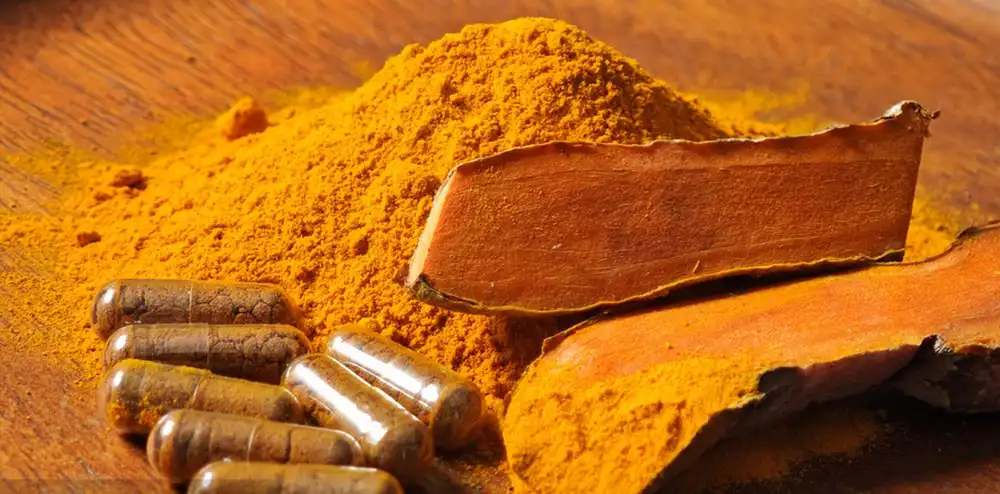
Functional Food Innovation Enabled by Curcumin-Rich Extracts
Applications Across Product Categories
Here are the main areas where organic turmeric extract powder makes a difference and works well in a range of useful food types:
- Dietary supplements (for joint and brain health): curcuminoids are the main ingredient in softgels and capsules, and they are usually mixed with piperine to help the body absorb them. It is easy to put therapeutic doses of 500 mg or more into normal pill forms because the extract is very dense.
- Functional drinks and vegetable blends: these are used in health shots, healing drinks, and golden milk coffee. To keep things clear and stable in liquid mixtures, you need water-dispersible grades or lecithin-emulsified formats.
- Natural food colouring and preservation: Can be used instead of synthetic Yellow 5/6 (Tartrazine) on the label of organic bakery, meat, and snack products; it also has antimicrobial properties that make the food last longer.
The extract is used in these ways that show why buying teams in the food, drink, and vitamin businesses see it as a must-have item and not just a normal plant.
Formulation Challenges and Practical Solutions
Curcumin is hard to make because it doesn't mix well with water and quickly turns into an oxide when it comes into contact with UV light or when the pH level changes. These issues can be fixed by using microencapsulation technology and making the product better at absorbing water. This means that the product can work reliably in many types of food. It is very helpful for companies that get grades of curcumin that dissolve in water when they are making clear drinks.
ROI for Product Developers
The extract has more potency per gram, so less base material is used in each batch. This saves money on storage and shipping. The number of QA rejects and re-formulation processes is lower when the amounts of active ingredients are the same across groups and have been checked using HPLC. The time it takes for new products to hit the market is cut down by this.
Procurement Guide: Selecting the Right Organic Turmeric Extract Supplier
Certification and Traceability Requirements
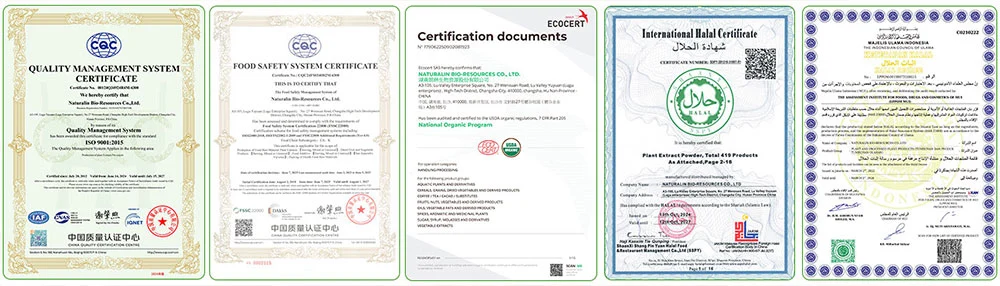
Buyers of organic turmeric extract powder should make sure that sellers have at least the USDA NOP, EU Organic, ISO 9001, FSSC 22000, HALAL, and Kosher standards in order to sell their goods in the US and EU. There is proof that these rules about food safety, the organic chain of custody, and quality control have been checked by a third party, not just said to be true.
Quality Testing Standards
HPLC for curcuminoid analysis is the usual way to test this ingredient. Plus, make sure there is less than 5% moisture, less than 1% waste when burned, bits that are the right size (normally 80 mesh or 60 mesh, but this can be changed), and no ETO leftovers. A third-party check, like SGS, Eurofins, or NSF, gives you extra trust that your own quality control can't give you.
MOQ, Lead Time, and Supply Stability
An honest supplier should let you order samples or small amounts before making a business promise. As a general rule, the commercial MOQ should be 25 kg, lead times should be 3 to 7 working days, and there should always be stock on hand. The buying teams can choose the best shipping method for cost and speed based on the size and timing of the order. These methods include DHL/FedEx, air freight, and ocean freight.
Future Trends in Functional Food Development with Turmeric Extracts
Clean-Label and Organic Demand Growth
That said, Grand View Research (2023) says the world's curcumin market was worth USD 58 million in 2022 and will keep growing at a rate of 12.7% per year until 2030. People want organic, non-GMO, plant-based products that are known to be good for them. This is what's really going to drive growth. More and more people want certified organic extract grades over regular turmeric powder because of this trend.
Advances in Extraction and Bioavailability Technology
Over the past few years, supercritical CO₂ extraction has become more common as a way to keep volatile bioactives while still passing the standards for organic certification. Curcumin can now be found in more goods, like water-based drinks and makeup that you put on your skin, thanks to nanoemulsion and phytosome delivery technologies. Before, formulators had trouble with stability. This lets them make new goods.
Strategic Procurement Alignment
Buying teams can keep their supply chains safe from changes in seasonal raw materials if they build long-term partnerships with manufacturers that grow their own crops and have the ability to extract materials in-house. Vertically integrated providers can also cut down on the time it takes to make new formulas. This is important because the market is making it faster and faster to make new goods.
Conclusion
The main formulation and compliance requirements that functional food makers face today are met by Organic turmeric extract powder, which is standardized to 95% curcuminoids and confirmed by HPLC. Because it can be used in a lot of different products, from food supplements to functional drinks and clean-label colorants, it is a good investment to use this ingredient. Picking a source with organic certification, the ability to do extractions in-house, and open third-party testing cuts down on procurement risk and speeds up the time it takes to go from research and development to market launch. The numbers and trends make it clear that demand for this type of food will continue to rise in both the US and foreign markets.
FAQ
How does organic turmeric extract differ from regular curcumin supplements?
Curcumin pills that are sold in stores usually use materials that were grown in a way that isn't certified organic, which may contain pesticide residues that could be harmful. It is made from certified organic ingredients and is standardized to contain 95% curcuminoids. This makes sure that it is both effective and clean-label-friendly.
Is this extract suitable for beverage formulations?
Native 95% curcumin extract dissolves in fat and needs a grade that dissolves in water or is microencapsulated for use in clear drinks. Both phytosome technology and emulsification based on lecithin work well for making mixtures that are water-based.
What certifications should I require from a supplier?
Check for USDA NOP or EU Organic, ISO 9001, FSSC 22000, HALAL, and Kosher at the very least. Each batch should come with a third-party testing report from SGS, Eurofins, or NSF so that compliance can be checked.
What is the recommended dosage range for functional food products?
Curcuminoids in doses of 500 mg to 1,000 mg per day have been shown to help reduce inflammation in studies. Formulating in this therapeutic range needs a lot less material than making turmeric powder from scratch because the extract is 95%.
How can I verify the extract is not adulterated with synthetic curcumin?
Carbon-14 (radiocarbon) testing tells the difference between manmade curcumin made from fuel and natural curcumin made from plants. There is a measurable C14 isotope signal in natural organic turmeric, but not in manufactured curcumin.
Partner With Naturalin Biotech for Your Organic Turmeric Extract Supply
Naturelin Biotech has been making botanical extracts for more than 20 years and has more than 40 registered product patents that are given to its clients. Certified organic turmeric extract powder is what we make. We have water-soluble grades with 95% curcuminoids that have been tested by HPLC, and we can make any recipe you want. The wait time is between 3 and 7 working days, and the smallest amount you can order is 25 kg. To get a sample and start the manufacturing process, email our team at market@naturalinbio.com or go to naturalinbio.com.
Please note: All products and related services on this website are offered exclusively to corporate clients. We do not accept orders from individual buyers or retail orders.
References
1. Aggarwal, B. B., & Harikumar, K. B. (2009). Potential therapeutic effects of curcumin. The International Journal of Biochemistry & Cell Biology, 41(1), 40–59.
2. Hewlings, S. J., & Kalman, D. S. (2017). Curcumin: A review of its effects on human health. Nutrients, 9(10), 1247.
3. Shoba, G., et al. (1998). Influence of piperine on the pharmacokinetics of curcumin. Planta Medica, 64(4), 353–356.
4. Marczylo, T. H., et al. (2007). Comparison of systemic availability of curcumin with that of curcumin formulated with phosphatidylcholine. Cancer Chemotherapy and Pharmacology, 60(2), 171–177.
5. Anand, P., et al. (2007). Bioavailability of curcumin: Problems and promises. Molecular Pharmaceutics, 4(6), 807–818.
6. Grand View Research. (2023). Curcumin Market Size, Share & Trends Analysis Report, 2023–2030. Grand View Research.