Is Button Mushroom Powder Suitable for Seasoning Blends, Soup Bases, and Snack Formulas?
Yes, button mushroom powder can be used in spice mixes, soup bases, and snack recipes as long as the right amount is used. Food that is stored this way stays thick and doesn't go bad. That way, no one on your team will have to deal with how to keep fresh mushrooms cold since they don't last long. Dried mushrooms taste better and are lighter than fresh ones because they are mostly water. What makes it work is the size of the particles, how much is used, how well the water is controlled, and how easily it can spread. To test these things, you need to make your own matrix. You can find the ingredients here, and this guide tells you how to rate each use.
Understanding Button Mushroom Powder
What Is Button Mushroom Powder?
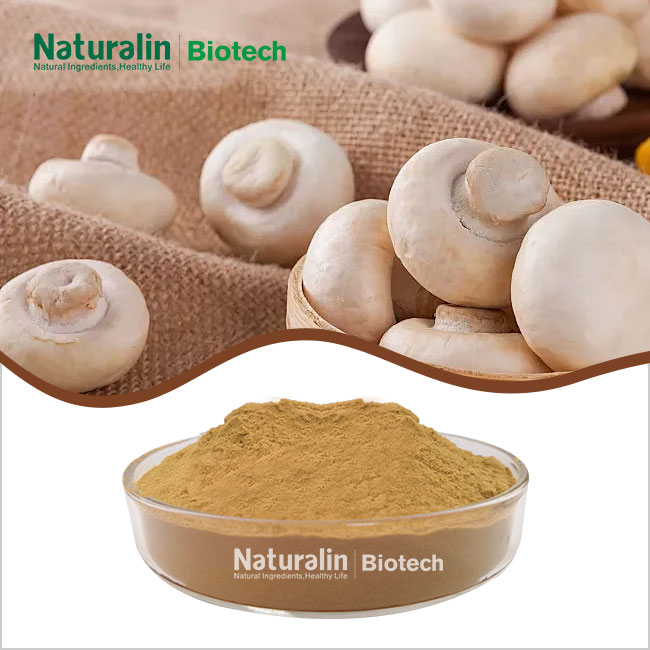
The most common type of mushroom grown in the US is Agaricus bisporus. To make button mushroom powder, it is dried out and then ground up. There are two kinds of mushrooms used to make it: white and brown (cremini). Fillers, salt, natural flavors, or things that keep the mixture from sticking together are in some store-bought brands of the product. Pure goods only have mushrooms in them. I always tell people to read the list of allergens and ingredients before they buy something. Agaricus bisporus is the source of our White Button Mushroom Powder, which is 80 mesh. It doesn't have mycelium, fillers, or other things in it. The best way to compare products is with samples instead of names, since they vary in color, smell, flavor strength, moisture, and how well they spread.
How Is Button Mushroom Powder Made?
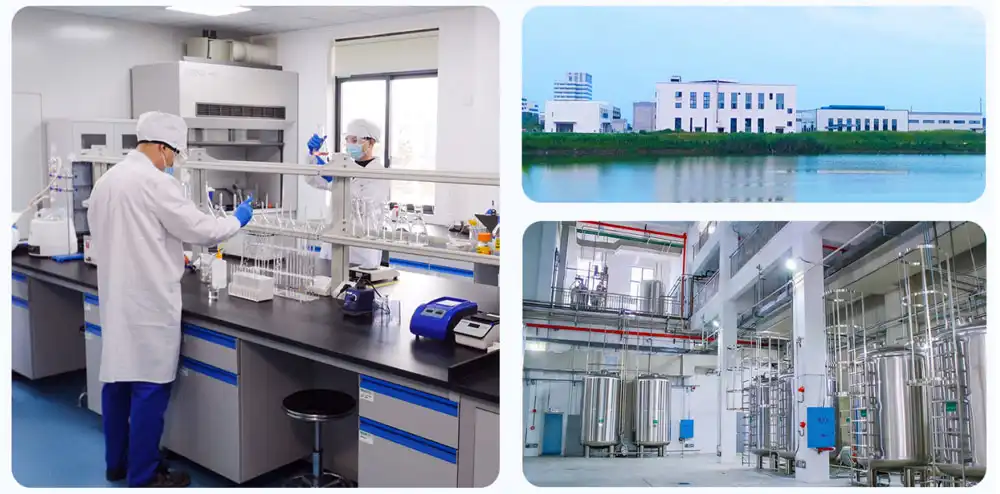
The first step in making something is to choose and check the raw materials. It needs to be cleaned, dried, ground, sieved, tested, and packed after that. You should ask your supplier about the drying process because it changes the color, smell, stability, and amount of water in the microbes. The pieces stay the same size when you sieve something. The powder will not mix with other things the same way it does now. Our team uses GMP-compliant facilities for both water extraction and dual extraction. An 80-mesh screen test is used to see what size the particles are. We have HPLC, UV, and AAS tools in our lab. It is not SGS, NSF, or Eurofins that test the goods that are sent to them. You can keep track of each batch with HACCP and GMP. After the powder is made, it is put into containers that keep out air, light, and water so it can be shipped or stored.
How Does It Compare with Fresh Mushrooms, Extracts, and Mushroom Seasoning?
Mushrooms need to be kept in the fridge because they are mostly water and go bad quickly. Dried powder does all of that work for you. It gives you a dry ingredient that can be mixed on its own. Our powder will last for two years. Because it has more whole mushrooms than mushroom extracts, mushroom powder tastes and smells more like real mushrooms. When used in smaller amounts, mushroom extracts tend to taste stronger and mix better. A lot of different things can be used to season mushrooms. The things that might be in it are starch, MSG, salt, etc. Don't buy anything that says "white mushroom powder" if you don't know what it means. If you want to compare prices, don't just look at the price per kg. The real cost changes based on how much is sent and what kind of carrier is used.
Performance in Seasoning Blends, Soup Bases, and Snack Formulas
Seasoning Blends
You can add earthy, savory notes to dry seasonings for meat, plant-based meals, noodles, pasta, potatoes, vegetables, and dry gravies with button mushroom powder. The umami taste in food comes from free glutamate and 5'-nucleotides, which can be found in mushrooms, according to a study by Yamaguchi and Ninomiya. They all work together to make the taste better. Yeast, salt, onion, garlic, herbs, or yeast can be added to the powder. The size of the particles is important for mixing them evenly. The holes in an 80-mesh grind are about 177 microns wide. Make sure that your other powders will fit in this grinder so that they don't get mixed up. Afterward, test how strong the scent is, how well it flows, and how much it cakes in real production and storage conditions. Only then should you lock the formula.
Soup Bases
You can add button mushroom powder to mushroom broths, cream soups, instant soups, and broths. It already looks, smells, and tastes like fresh mushrooms; you don't need to do anything else. To make a simple dry base, mix the powder with pepper, herbs, garlic, onion, starch, or cream powder. First, try using it at a few different speeds. Next, add water to the base the same way your customer will. Check the viscosity, how it feels in your mouth, and for any lumps, sediment, or particles that float on top. Try it again after you heat it up. There are fibers in the powder, so it spreads out but doesn't break up all the way. Please let us know if you'd like the broth to be clearer. Through microencapsulation or formulation work, our team can change how well it dissolves.
Snack Formulas
It will taste better if you coat chips, crackers, nuts, popcorn, extruded pieces, or other snacks with the powder. Before putting it on, most teams mix it with nutritional yeast, salt, spices, or cheese powder. How well something sticks can be changed by how it is coated, how much oil or water is used, and the size of the particles. Start with less powder and slowly add more. The notes could taste earthy or bitter if you use too much. When things have too much water in them, they don't last as long. When things get hot, they might look or smell different. So, choose packaging that keeps air and water out, and first do a small test run.
Nutrition, Labeling, and Compliance
Nutritional Profile and Calories
How much button mushroom powder is good for you will depend on the type of mushroom and how it was grown, dried, and milled. To get the numbers on the label, don't use any old mushroom tables. Use the certificate of analysis from the supplier instead. There is less water in dried protein, so it looks like it has more protein per 100 grams. However, you only need a small amount to make food. Pure powder is not the same as many mushroom seasonings because it does not have any extra salt added to it. The polysaccharides, ergosterol, and selenium that are found in large amounts in our powder are of interest to people who make medicines. Check out the test results for any compound you want to write about.
Health Positioning for Food Applications
Research on mushrooms as a healthy food was looked at in The Mushrooms and Health Summit, which came out in 2014 in The Journal of Nutrition. Some of these chemicals are selenium, polysaccharides, and ergosterol. In the US, you have to back up health claims or claims about how something works or looks with proof. Savory foods shouldn't make any health claims. Taste, umami, and lists of natural ingredients should be on clean labels instead. As part of the plan, you should keep health messages for drinks or supplements that are supposed to help you.
Labeling and US Compliance
The FDA has a rule called 21 CFR Part 117 that you must follow if you make food in the US. You have to check the suppliers as part of that job. Ask for the microbiological test results, the list of allergens, the list of ingredients, and proof of where the food came from. There are nine main allergens in the US. Moss is not one of those things. Just make sure to check for any binder or anti-caking agent. Organic from the EU and USA is one of the certifications we have. GMP, HALAL, and Kosher are some of the other certifications we have. If you say that your product is organic, the certificate that was used in your supply chain has to match. Before you launch, make sure that everything you say is true in every market.
Choosing and Buying Button Mushroom Powder for Commercial Use
Core Specifications to Compare
Just do what it says to do to finish the job. When someone makes seasonings, they care about how the mixture flows and how the flavors stay the same. Things like dispersibility, hydration, and sediment are things that people think about when they make soup. The snack teams test how well the food stays warm, sticks together, and smells. You can compare their overall quality by looking at things like what kind of plant or animal they are, where they came from, how much water they contain, the particle size, color, microbial limits, heavy metals, pesticides, GMO status, how long they will last, and how they are stored. You might not get the best powder if you only look at price. Perhaps a less expensive one needs a bigger dose or more carriers. We offer standard grades of 60 mesh and 80 mesh, as well as sizes that are made to order. You can also tell us what kind of liquids, powders, or granules you need.
Quality Testing and Documentation
The review by KalaÍ in the Journal of the Science of Food and Agriculture states that mushrooms can absorb heavy metals from the soil in which they grow. This makes rigorous testing essential for every batch of button mushroom powder. You should request a certificate of analysis (COA) covering pesticide residues, microbiological contaminants, heavy metals, and moisture content. At Naturalin Biotech, we use HPLC, UV, and AAS to test our products, which are also evaluated by SGS, NSF, and Eurofins. Our HACCP- and GMP-based quality management systems enable us to trace each batch throughout production. You are welcome to visit our facility or take a virtual video tour to learn more about our manufacturing processes. To ensure transparency and confidence from the outset, request these quality records before placing your first order rather than waiting until after the order has been placed.
Bulk, Private-Label, and Shipping Terms
We can only take 25 kg of business orders at a time, but we do offer samples and small test orders. Most things that are ready to ship are sent out in 3–7 business days. Items can be sent by DHL/FedEx, air, or sea. In the US, we offer DDP door-to-door delivery. The people who buy things for you won't have to deal with customs. Set the purpose, approve a sample, check that the specs are met, do a pilot run, and go over all the paperwork one last time before sending the package. This is what you do for an OEM/ODM or private-label project. You can also pay in a number of ways. Our team can change how much of each ingredient you use, how they taste, and how well they mix in order to make your product work. We've been in business for more than 20 years and have patents on more than 40 technologies.
Testing Workflow and Final Decision
A Practical Formulation Workflow
Instead of just water, you should test them on real food. To begin, try a few different amounts. Next, find the middle point and check each one against it. You should write down how strong the flavor is, how it smells, what color it is, how it feels in your mouth, how long the taste lasts, how well it spreads, and how stable it is. Check how the coating behaves, how it separates, and how well it can handle heat and shear during pilot production. Also, check the mixing time and how well the equipment works. For R&D, we always do the same things: we talk about what we need, see if it's possible, come up with a solution, test it to make sure it works, start making a lot of them, and then follow up after the sale. We'll get back to you in 24 hours if you ask, so your development team can quickly go through sample rounds.
Shelf-Life and Packaging Checks
When studying shelf-life, it's important to look at caking, moisture uptake, color, loss of aroma, microbial stability, and the strength of the package. This is true for both slow and fast situations. Our White Button Mushroom Powder can be kept for two years if it is kept in its original packaging and stored in a cool, dry location. You can still change how water works by adding oils, salt, and other things. This means that the seasoning, soup base, or snack you make may age in different ways. It's a good idea to see how that works with water to protect the final mix. Set the final shelf life based on what your supplier tells you and what you check yourself. On the factory floor, tighten up open bags again.
When Is Button Mushroom Powder the Right Choice?
For soups, sauces, snacks, and plant-based foods that need a mushroom that doesn't change over time, button mushroom powder is the best choice. This method works best when you can't handle fresh mushrooms or when a machine blender needs a dry ingredient. If you want to see the pieces, feel like they are still fresh, or taste like they were just cooked, fresh mushrooms are still the best choice. With extracts, you can get full solubility or a very strong flavor. Ready-made seasonings for mushrooms can also help them grow faster. Match the ingredient to the thing you want to make because they all work in different ways. Before giving the order, you should get samples, lists of specs, test results, and information on how the goods will be packed. After that, test it on your own on a bench and a pilot unit.
Conclusion
When the recipe calls for it, you can use button mushroom powder in sandwich mixes, soup bases, and snack recipes. You can eat it, it stays fresh on the shelf, and it's easier to handle than fresh mushrooms. It comes from Agaricus bisporus mushrooms that have been dried. There are different uses for seasonings that come in a bottle and those that are already made. Tests must be done on real food in order to be valid. Because how well they work depends on the size of the particles, how much you use, how wet they are, and how well they mix. People who want to buy something should look at the records for safety, nutrition, heavy metals, microbes, any certifications, and US compliance. Also, it would be better to compare prices based on how much was used instead of how much was sold per kilogram. Before the powder goes on sale, it is tested to make sure it meets standards for taste, texture, and how long it lasts. Checks for dosage, pilot runs, and shelf life are a few of these.
FAQ
Is button mushroom powder suitable for seasoning blends, soup bases, and snacks?
Yes. To find out how it works, change the amounts, sizes, and how well they mix in your own formula. Also, check to see how well you can manage the water.
How does powder differ from mushroom extract?
Powder is better if you want to keep more of the whole mushroom solids. With extracts, however, the flavor can be made stronger, and the powder can be mixed better with less of it.
Does the powder dissolve completely in water?
Natural powder spreads out but doesn't melt all the way because it has fibers in it. Our microencapsulation technology can be changed to meet your needs. This makes it more likely to break down and spread out.
How should I store it?
With the lid on, put it somewhere dry and cool. Maximum storage time for our White Button Mushroom Powder is two years.
Which documents can I request?
A certificate of analysis, a list of allergens and ingredients, microbiological results, and copies of your certifications, such as EU/USDA Organic, ISO 9001, FSSC 22000, HALAL, and Kosher, are all things we can give you.
Can I order a sample before bulk?
Yes. You can order samples and small test orders, but the minimum order quantity (MOQ) for business orders is 25 kg.
Request a Button Mushroom Powder Sample or Bulk Quotation
Would you like to buy button mushroom powder for cooking, soup, or snacks in your next recipe? In order to deliver to the U.S., Naturalin Biotech needs at least 25 kg of goods and 3–7 business days. They charge duty and packaging (DDP). We've been in business for over 20 years and have more than 40 patents. We can also make formulas just for you. Our R&D team will get back to you in 24 hours if you email market@naturalinbio.com with your application, our goal volume, and your specifications. Please go to naturalinbio.com to learn more.
Please note: All products and related services on this website are offered exclusively to corporate clients. We do not accept orders from individual buyers or retail orders.
References
1. Journal of the Science of Food and Agriculture, 2013. "A review of chemical composition and nutritional value of wild-growing and cultivated mushrooms."
2. The Journal of Nutrition, 2014. "Mushrooms and Health Summit Proceedings."
3. The Journal of Nutrition, 2000. "Umami and Food Palatability."
4. Food Chemistry, 2016. "Evaluation of umami taste in mushroom extracts by chemical analysis, sensory evaluation, and an electronic tongue system."
5. U.S. Food and Drug Administration, 2015. "Current Good Manufacturing Practice, Hazard Analysis, and Risk-Based Preventive Controls for Human Food (21 CFR Part 117)."
6. Codex Alimentarius Commission, 2020. "General Principles of Food Hygiene (CXC 1-1969)."