


It's important to know the difference between Organic Cranberry Extract Powder and concentrate when you're shopping for cranberry goods for recipes. Standardized proanthocyanidins (PACs) in Organic Cranberry Extract Powder typically run from 10% to 60%. It's easy to mix into dry blends, capsules, or tablets, and the active ingredients stay stable over time. Concentrates, on the other hand, are liquid or almost liquid and contain more water. They taste great in drinks, but they need to be shipped in a cold chain and don't last as long. It is known that Vaccinium macrocarpon is good for the urinary system and that it fights free radicals. But the two formats are very different in how they feel, how they need to be handled, and how well they work with different formulations. Which one you pick will have a big impact on cost, compliance, and how well the product works.
Introduction
Nutraceuticals, functional foods, skincare, and animal nutrition all over the world are big fans of cranberry-based products. Researchers, quality control teams, and people in charge of buying things always have a hard time choosing between Organic Cranberry Extract Powder and watery concentrate. Each style has its own pros and cons that depend on the rules, the supply chain, and the needs of the product.
Type-A proanthocyanidins are bioactive substances that have been shown to be good for the health of the urinary system and to be antioxidants. They are found in organic cranberry extracts from Vaccinium macrocarpon. It will depend on the type you choose whether it gives you a correct reading, works well with other items, is stable, and how much it costs to own overall. You can choose ingredients that help you reach your product development goals, follow the rules set by regulators, and get your product on the market if you know these differences.
Looking to buy either type? This study tells you about them by looking at purity standards, strength measures, stability profiles, and use cases. This guide makes it clear when to use powder or concentrate for your business, whether you make skin care items, food supplements, or drinks that are good for you.
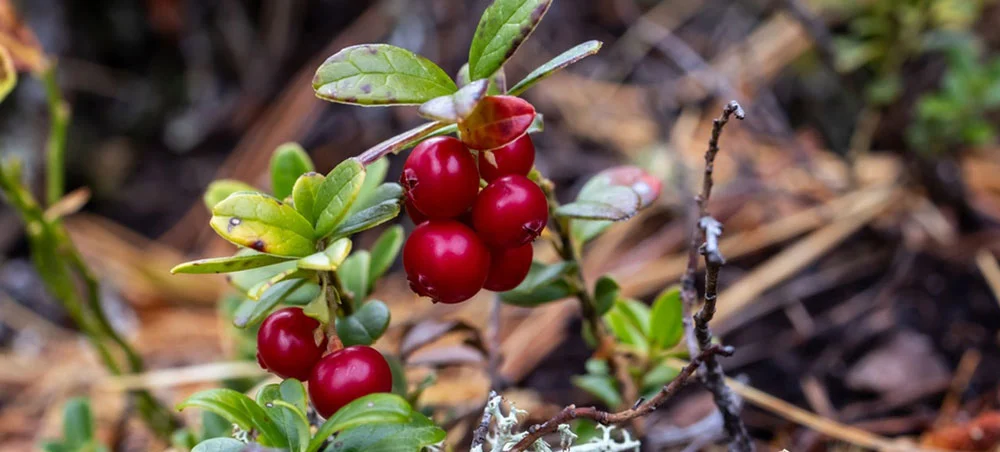
Understanding Organic Cranberry Extract Powder and Concentrate
What Is Organic Cranberry Extract Powder?
The Vaccinium macrocarpon berries used to make Organic Cranberry Extract Powder were grown without the use of any artificial fertilizers or pesticides. A liquid or enzymes are used to get the berries out of the plant. The extract is dried with either vacuum drying or spray drying to make a fine powder that usually has an 80–100 mesh size. The BL-DMAC method or UV spectrophotometry is used to check the PAC content. This is the best way in the business to measure Type-A links.
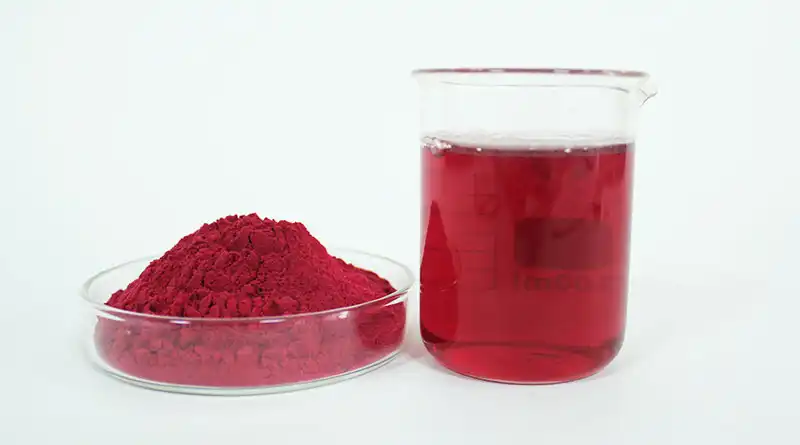
The low wetness level (below 5%) of this powder form lowers the risk of germs and extends the shelf life to 24–36 months when stored in cool, dry, safe places. Its color, which runs from bright red to deep red, shows that it has polyphenols and anthocyanins in it. The characteristic sour smell shows that it is a real plant. Organic labels, such as USDA NOP, EU Organic, and Canada Organic, make it possible to track the food from the farm to the customer. This gets rid of the need for carriers made in a lab, like maltodextrin or silicon dioxide.
What Is Cranberry Concentrate?
Cranberry concentrate is a thick liquid or paste that is mostly solid. It is made by taking the juice out of the cranberries and letting it evaporate under low pressure. For sugars, PACs, and organic acids like quinic acid and malic acid, this method gets rid of the water. Most of the time, the concentrate keeps between 50 and 70% of its solids. To keep it stable, it needs to be frozen or chilled.
The color of concentrates is bright, and they taste like real cranberries, but they only last 6 to 12 months, are more likely to get microbes on them, and are harder to ship because they need to be kept cold. It's hard to say exactly how much PAC is in a liquid extract because the amount changes a lot, normally between 1% and 10%.
Production Processes and Quality Standards
The organic cranberry fruit is used in both forms, but they are made in different ways, and Organic Cranberry Extract Powder is produced through a multi-step extraction and drying process that concentrates the bioactive proanthocyanidins while removing water and fiber, resulting in a standardized, shelf-stable ingredient ideal for supplements and functional foods. To make powder, you need to remove the solvent (with water, ethanol, or both), filter, concentrate, and dry it. In this way, a standardized ingredient is made that can be kept on the shelf and is useful for dry mixing and packaging. When you use mechanical pressing, chemical processing, or vacuum evaporation to make concentrates, the taste molecules stay the same, but they don't last as long.
As part of quality control, HPLC analysis is used to measure PAC. Heavy metals like lead, arsenic, and cadmium are also screened for. Pesticide leftovers are tested for, and bacterial evaluation is done. The ISO 9001, HACCP, and FSSC 22000 certificates of suppliers with a good name are always up to date. If they have third-party approval from SGS, Eurofins, or NSF, you can trust them more.
Key Differences Between Organic Cranberry Extract Powder and Concentrate
Purity and Potency Metrics
Organic Cranberry Extract Powder gives you better control over the strength. You can give accurate amounts in pills, tablets, and functional food matrices by making sure they all have the same PAC ratios (10%, 25%, 40%, and 60%). It is important that the BL-DMAC test consistently finds the same number of Type-A PACs from one production batch to the next.
Since concentrates don't have to follow strict rules, the amount of PAC they have can change based on the season, the fruit's maturity, and how it was handled. When the claims on the package need to be backed up by clinical studies, this lack of security makes it harder to make products.
Stability and Shelf Life Considerations
It is very safe to use powdered goods. Microbes and enzymes can't break down or grow things that are less than 5% wet. Packages that are sealed keep air out and keep their shape for 24 to 36 months at room temperature. This stability cuts down on waste, makes it easier to keep track of stock, and lets food be shipped around the world without having to be refrigerated.
Concentrates lose their strength very quickly. Still present enzymes, more water activity, and sugar content all help fermentation, mold growth, and PAC oxidation. It is possible to store food in a refrigerator for up to 12 months, but it costs more and makes the supply chain more complicated. When you buy something from another country, these are important things to keep in mind.
Dosage Flexibility and Formulation Compatibility
Hard capsules, tablets, softgels, sachets, and gummies are all dry foods that work really well with powder. It is easy to mix with vitamins, minerals, and other ingredients because it flows freely. Custom mesh sizes can be used with many types of processing tools, and because they dissolve better (microencapsulation, spray-drying with carriers), they can be used in drinks.
It works well in drinks, health shots, syrups, and mouth treatments that are liquid, and Organic Cranberry Extract Powder can be easily dissolved into these liquid formats, though formulators should account for its natural acidity and high solids content when designing recipes to ensure proper dispersion and flavor balance. People who buy drinks like the way it tastes, the way it is, but it needs to be balanced because it is very acidic (pH 2.5–3.5), and its high solids content needs to be spread out.
Application Scenarios Across Industries
Nutraceutical companies use powder to make tablets that boost the immune system and capsules that keep the urinary tract healthy. Strict PACs make sure that the products work in a clinical setting and that the labels are correct. People who make functional drinks like using concentrates to make juice mixes and health shots that are ready to drink. This is because people like drinks that taste like they really do.
Powder is used in cleansing creams and serums to fight aging because it keeps emulsions from getting bacteria in them. Feed premixes are made with powder because it is strong enough to handle high temperatures when pelleting and can be kept for a long time.
Procurement Insights: How to Choose Between Powder and Concentrate?
Quality Certifications and Supplier Reliability
Also, pay extra attention to sellers who have GMP, ISO 9001, FSSC 22000, or religious safety certifications for things like Halal and Kosher. These are some of the qualifications that buyers should look for. Traceability paperwork, such as farm surveys and batch licenses, keeps the organic quality and makes the supply chain clear.
Ask approved labs like SGS, Eurofins, and NSF to send you third-party test results that prove the amount of PAC, the microbial limit, and the lack of contaminants. If suppliers are quick to respond, can help with technology issues, and are willing to send samples, it means they want the relationship to work.
Price Dynamics and Bulk Purchasing Strategies
Powder prices change based on how much PAC it has, whether it is organic, and how hard it is to work with. Prices range from $30 to $150 per kilogram, depending on what you want. Sales of 100 kg or more can save you money, and for trial periods, the minimum order quantity (MOQ) can be as low as 25 kg.
The price of concentrate changes based on how many grains are in it and how it is packed. Even though it costs less per kilogram, it usually costs more to own than powder because it needs to be kept cold, has a shorter shelf life, and the recipe has to be changed.
Sample Ordering and Logistics Solutions
Ask for examples before you place a business order, and for Organic Cranberry Extract Powder, this means requesting samples from multiple batches to evaluate color consistency, solubility, flavor profile, and PAC content through independent laboratory testing. Independent tests should be done to check the PAC level, the organoleptic traits (taste, smell, and color), and the stability. The stability tests should be done in the same way that the product will be stored.
For markets in the US, the best shipping companies offer DDP (Delivered Duty Paid) shipping, which includes ocean freight, customs clearance, and delivery within the country. This makes it easy to bring things into the country. Express options like DHL and FedEx can get small items to their destination faster. For sending large amounts of goods, air and ocean freight are the most cost-effective options. Check how long you have to wait. People whom you can trust keep items in stock, so they can be sent out 3–7 business days after you pay.
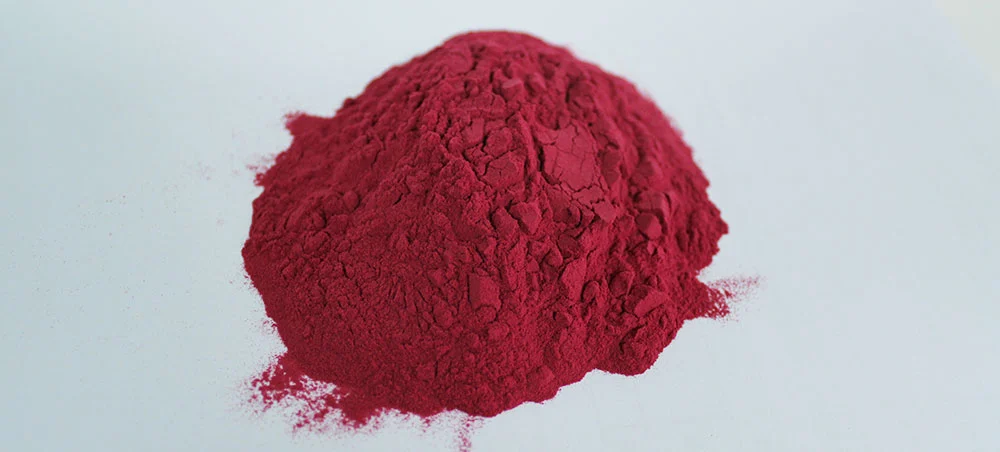
Health Benefits and Usage Guidance for Organic Cranberry Extract Powder
Urinary Tract Health and Bacterial Anti-Adhesion
Type-A PACs keep Escherichia coli from sticking to epithelial cells in the urinary system, which stops illnesses from happening again. Every day, 200 mg to 500 mg of standardized 25–40% PAC powder can give you between 36 mg and 72 mg of PACs.
Antioxidant and Anti-Aging Properties
It is the polyphenols in cranberries that stop reactive oxygen species from doing damage to cell structures. Because of this, cranberry extracts are good for the immune system, the heart, and the skin, and can be found in dietary supplements and creams that you put on your skin.
Organic vs. Non-Organic: Compliance and Market Demand
When people buy organic food, they don't have to worry about GMOs, chemical residues, or the earth's health in the long run. The USDA and EU make sure that foods can be grown without chemicals by making sure that they follow the rules. Market records show that organic goods cost 15–30% more than regular ones. This shows that people are ready to pay more for clean brands.
Recommended Dosage and Safety Considerations
In tests, taking 36–120 mg of PAC every day was found to be safe and not cause many side effects. For bladder health, most formulas come in 500 mg powder that is adjusted to 25% PACs, which equals 125 mg PACs per dose. Serums and creams with a powder content of 1 to 5 percent are used in makeup.
Conclusion
It depends on how you want to make the product, how stable you want it to be, and how well your supply chain works, which is why you choose between Organic Cranberry Extract Powder and concentration. Powder is great for making dietary supplements, useful foods, and makeup because it has a steady amount of PAC, can be mixed in many ways, and stays fresh for a long time. It can be used in drinks and has a real taste and color. It does, however, need to be kept in a cold chain and has shorter use dates. When getting something, teams need to think about things like how reliable the source is, the total cost of ownership, how consistent the potency is, and how well it meets legal requirements. If you work with certified manufacturers, you can be sure of quality, be able to track your order, and get technical help. This lets you make goods that are safe and meet the wants of the market.
FAQ
What is the primary difference between organic cranberry extract powder and concentrate?
Organic Cranberry Extract Powder is ideal for making pills and tablets because of its normal PAC level (10–60%), low moisture content, and long shelf life (24–36 months). The solid and concentrate both taste the same, but the concentrate has more water and can be used for drinks. It also lasts only 6 to 12 months.
How can I verify supplier certifications and product quality?
If someone makes something, you can ask for copies of third-party test results from SGS, Eurofins, or NSF, as well as organic licenses from the USDA NOP or the EU. Use the BL-DMAC method to do your own PAC analysis, and use sample trials to make sure that each batch is uniform.
Can I substitute powder for concentrate in my formulation?
What is used instead depends on the situation. If you process powder the right way, you can make it dissolve in drinks. Powder works best when it's dry. When the taste needs to be true to life, concentrate is great for liquid goods. To change forms, it's important to make changes to the recipe. For example, the dose should be recalculated, a pH buffer should be added, and the solubility should be checked.
Partner with a Trusted Organic Cranberry Extract Powder Manufacturer
Naturalin Biotech has been extracting plants for more than 20 years and has standardized its Organic Cranberry Extract Powder from 10% to 60% PACs. Our certificates in ISO 9001, FSSC 22000, USDA NOP, EU Organic, HALAL, and Kosher make sure we follow the rules in every market around the world. We have our own organic farming bases, more than 40 different technologies, and do our own research and development. This means we can make powders, grains, and water-soluble forms that are perfect for your recipe.
This is possible because our things are ready to ship and our wait time is 3–7 working days. With sample orders and trial quantities (MOQ 25 kg), the risk of buying something is kept to a minimum. It's also easier to handle logistics with full DDP delivery to the US. You can get free samples and talk to our technical team about your project by emailing market@naturalinbio.com. You can trust Naturalin Biotech to give you Organic Cranberry Extract Powder. We care about quality, being honest, and the success of our relationships. Visit naturalinbio.com to see all of our plant-based ingredients.
References
1. Howell, A.B., Reed, J.D., Krueger, C.G., et al. (2005). A-type cranberry proanthocyanidins and uropathogenic bacterial anti-adhesion activity. Phytochemistry, 66(18), 2281-2291.
2. Blumberg, J.B., Camesano, T.A., Cassidy, A., et al. (2013). Cranberries and their bioactive constituents in human health. Advances in Nutrition, 4(6), 618-632.
3. Feliciano, R.P., Krueger, C.G., Reed, J.D. (2015). Methods to determine effects of cranberry proanthocyanidins on extraintestinal infections. Molecular Nutrition & Food Research, 59(7), 1292-1306.
4. Pappas, E., Schaich, K.M. (2009). Phytochemicals of cranberries and cranberry products. Critical Reviews in Food Science and Nutrition, 49(9), 741-781.
5. Côté, J., Caillet, S., Doyon, G., et al. (2010). Bioactive compounds in cranberries and their biological properties. Critical Reviews in Food Science and Nutrition, 50(7), 666-679.
6. Neto, C.C. (2007). Cranberry and blueberry: Evidence for protective effects against cancer and vascular diseases. Molecular Nutrition & Food Research, 51(6), 652-664.
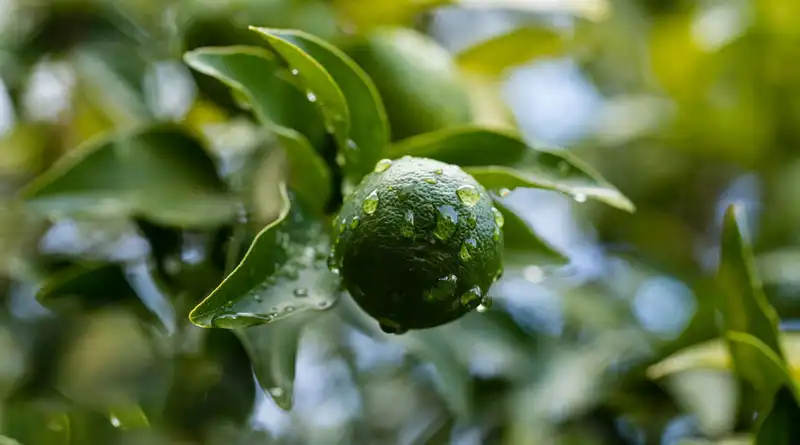
Immature Bitter Orange Extract is a key component of current supplement recipes, and it is mostly found in weight loss products, thermogenic fat burners, and metabolic boosters. This plant extract comes from the young, unripe fruit of Citrus reticulata Blanco. It is high in bioactive substances like synephrine, hesperidin, and neohexperidin, which work with beta-3 adrenergic receptors to speed up thermogenesis and lipolysis. Manufacturers of supplements put this extract into capsules, tablets, powdered drink mixes, and ready-to-drink functional drinks. Each serving usually has between 10 mg and 100 mg of synephrine to meet the safety standards set by regulatory agencies around the world for cardiovascular health.
Understanding Immature Bitter Orange Extract and Its Unique Benefits
Botanical Origin and Chemical Profile
The extract comes from picking young Citrus reticulata fruit at just the right time, when the levels of protoalkaloid and flavonoid are highest. In contrast to mature fruit extracts, which focus on vitamin and vital oil content, Immature Bitter Orange Extracts produce much higher amounts of synephrine, ranging from 6% to 30% based on the method used for extraction. Our standard requirements include 95% total flavonoids, 90% hesperidin, 90% neohexperidin, and 30% synephrine. These are confirmed by HPLC testing methods that make sure stability from batch to batch, which is important for pharmaceutical-grade uses.
Phytochemical synergy between polymethoxylated flavones and synephrine produces a metabolic activation route that is different from that of synthetic stimulants. According to research, these chemicals work together to speed up the burning of fat while reducing the jitteriness and high blood pressure that are common with options based on ephedrine. This molecular benefit makes the extract a clean-label option for companies that want to reach health-conscious customers who want natural thermal support.
Scientific Validation of Metabolic Benefits
Studies in humans show that synephrine's effect on adipocyte beta-3 receptors raises the body's average metabolic rate by about 65 calories three hours after it is consumed. When paired with hesperidin's benefits for vascular health, the extract helps improve microcirculation and food transport to cells that are actively using energy. The flavonoid parts of the ingredient help protect against oxidative stress caused by intense physical exercise. This makes it useful for more than just weight control in sports nutrition.
Regulatory bodies, such as the European Food Safety Authority, have carefully looked at synephrine's safety ratings and set acceptable daily intake limits that help manufacturers make safe products. Product designers have to find a balance between claims of effectiveness and the dose that is based on proof. They also have to make sure that excessive amounts don't cause bad cardiovascular effects in vulnerable groups. Our technical paperwork gives formulation scientists the bioavailability data and pharmacokinetic profiles they need to make goods that are legal in many places.


How Immature Bitter Orange Extract Is Used in Supplements
Primary Application Categories
The biggest market section is weight control products, where the extract is used as a main thermogenic agent. Manufacturers usually mix it with ingredients that work well together, like caffeine anhydrous, green tea catechins, and L-carnitine, to make fat-burning matrices that work better together. The extract can stay effective in both compressed pill forms and two-piece gelatin capsules, which means it can be used in a variety of delivery methods that different types of customers prefer.
Synephrine is a light stimulant that is used in energy boosters to make you more aware and improve your physical performance without the crash that comes with high-dose caffeine products. Immature Bitter Orange Extract, along with nitric oxide precursors and beta-alanine, is found in pre-workout pills for players who want to keep their energy up during workouts. Functional beverage makers like that it dissolves easily in acidic environments, which lets it be used in ready-to-drink products that can last longer than 18 months if stored properly.
Dosage Considerations and Safety Parameters
Synephrine levels in commercial supplements are usually between 10 mg and 50 mg per dose. For experienced users, some thermogenic supplements can reach 100 mg. Because citrus fruits naturally contain small amounts of this substance, formulators have to take into account the total amount of synephrine that people are exposed to from different food sources. Our expert support team helps clients figure out the total amount of alkaloids in their goods so that they stay within the safety limits set by international health authorities.
Careful labeling is needed for contraindications, especially when used at the same time as MAO inhibitors, some antidepressants, and heart medicines. Managers of product creation should put in clear warning labels and suggest that people with high blood pressure, heart problems, or thyroid problems talk to their doctors. To help regulatory filing processes in target markets, good makers give full safety data sheets and allergen statements.
Formulation Flexibility and Customization
We can meet a wide range of formulation needs by offering customized specs such as powder mesh sizes (60–80 mesh is normal), improving water solubility, decolorization for clear liquid uses, and deodorization for flavor profiles that are sensitive. Microencapsulation technology keeps active ingredients from breaking down and hides the bitter taste in candies and chewable forms. Our formulation creation services help clients make unique blends by finding the best ingredient amounts based on the desired physiological results and cost-effectiveness factors.
Manufacturers who make fizzy pills and stick packs that are famous in Europe and Asia can use granulation services to help them. Our pilot-scale laboratory lets us try prototypes before committing to full-scale production. This cuts down on the time it takes to go from idea to market launch. This flexible method works especially well for brands that need to react quickly to new market trends in metabolic health and natural performance enhancement.
Comparing Immature Bitter Orange Extract with Other Forms and Alternatives
Immature vs Mature Extract Distinctions
Mature bitter orange peel extracts focus on the essential oil content that is high in limonene and other terpenes, which are mostly used for coloring and smelling things. Immature Bitter Orange Extracts, on the other hand, focus on alkaloid and flavonoid parts that have been shown to have physiological effects on biochemical pathways. When the plants are harvested has a big effect on their phytochemical makeup. For example, young plants have 3–4 times more synephrine than fully grown fruits, which means that each gram of raw material is more powerful.
Methods of processing are also very different. To keep volatile compounds safe, the peel that is fully ripe is steam-distilled or cold-pressed. On the other hand, fruit that is not fully ripe needs solvent extraction followed by filtering steps to concentrate target molecules. Our special extraction methods use hydroethanolic solutions at controlled temperatures to get the most bioactive compounds back while keeping the amount of leftover liquid well below the levels needed for testing by ICH guidelines and USP standards.
Organic Certification and Sourcing Considerations
Organic-certified extracts cost more, but they meet more and more store needs for finished goods to meet USDA NOP and EU organic standards. Our fully integrated supply chain includes relationships with approved organic farms that allow us to track products from the time they are grown to the time they are processed. Conventional extracts are cheaper for price-conscious customers, but they still have the same level of purity thanks to strict testing for pesticide residues against 400+ substances in line with EC 396/2005 standards.
Formulators also have to decide whether to use natural or fake synephrine. Even though they are chemically the same, materials from natural sources are more in line with clean-label marketing strategies that customers are demanding more and more. There may be price benefits to synthetic options, but they are limited by regulations in some places and may be seen negatively by target groups that value botanical accuracy. Our natural extraction methods keep the full range of phytochemicals, which backs up promises of whole-plant synergy that fit with holistic health ideas.
Procurement Insights: Sourcing Immature Bitter Orange Extract for Your Business
Supplier Qualification Criteria
To build trusting supply partnerships, you need to look at makers in more than just terms of unit price. ISO 9001 certification shows that quality management is done in a planned way, and FSSC 22000 certification talks about food safety rules that are important for supplement uses. Our facility keeps both certifications, along with HALAL and Kosher attestations. This lets clients reach a wider range of customer markets with just one supplier relationship, which makes auditing and managing paperwork easier.
Third-party testing agreements with SGS, Eurofins, and NSF make sure that scientific claims are true and that contamination is being checked. Managers in charge of buying things should ask for recent records of analysis that show heavy metal levels below the limits set by California Prop 65, microbial counts that meet AHPA standards, and proof of identity through a number of different testing methods, such as HPLC fingerprinting and DNA barcoding. These steps of verification are normal in our quality assurance processes. This lowers the risk of compliance for makers of finished goods.
Bulk Purchasing Strategies
For supplements to be made on a commercial scale, materials must always be available and on time for production. For standard specs, our minimum order quantity starts at 25 kg. Sample quantities are available for developing the first formulation and checking its stability. When you commit to a higher number, you can use tiered pricing systems that help established brands increase their margins. We keep a lot of high-turnover specs in stock, which means that wait times for regular orders are only 3–7 working days instead of the 4–6 weeks that competitors who use campaign manufacturing methods usually have.
During contract negotiations, measures for supply consistency should be discussed. This is especially important for seasonal botanical raw materials such as Immature Bitter Orange Extract, which can change depending on crop growth. These risks are lessened by our vertically integrated model and committed cultivation partnerships, which include a wider range of purchasing locations and proactive inventory management. Communication about harvest predictions and possible supply problems is helpful for procurement workers because it lets them make changes to production plans before there are shortages of materials that could break customer promises.
International Logistics and Regulatory Navigation
Shipments of supplement ingredients across international borders have to deal with complicated rules that change from country to country. For packages going to the U.S., our export paperwork team puts together full regulatory dossiers that include phytosanitary certificates, CITES permits (if needed), and FDA Prior Notice submissions. With DDP (Delivered Duty Paid) service choices, North American customers don't have to deal with the hassles of clearing customs. Shipments are sent through bonded stores so they can be quickly sent to multiple fulfillment sites.
When new products are released or supplies need to be restocked quickly, DHL and FedEx offer air freight services. For established production runs, ocean freight offers the best cost-per-kilogram. Our transportation partners offer real-time tracking of shipments and temperature-controlled shipping for items that need to stay stable. Throughout the supply chain, regulations are followed. Our certificates prove GMP production conditions and organic purity, where certified, which helps customers with their regulatory applications and meets store approval requirements.

Best Practices for Integrating Immature Bitter Orange Extract into Supplement Products
Stability Optimization Techniques
To keep their medicinal power, botanical extracts need to be handled carefully during production. Synephrine is stable at temperatures below 80°C, which means it can be used in normal tableting and capsule-making methods without breaking down much. Long-term exposure to alkaline pH conditions, on the other hand, speeds up breakdown, which is why buffering techniques are so important for liquid formulas. Our expert team gives formulators pH-specific stability data that helps them choose the right excipients and processing settings to get the longest shelf life across all storage situations.
The choice of packaging material has a big effect on how stable something will be in the long run. Moisture-barrier paper bags with nitrogen flushing keep flavonoid components from breaking down due to oxidation, and amber glass cases keep them from breaking down due to light exposure while they're being displayed in stores. Follow the ICH Q1A standards for stability methods. Tests should be done quickly at 40°C/75% RH, and long-term monitoring should be done at 25°C/60% RH. Our quality paperwork includes suggested storing conditions and dates for expiration to back up our two-year shelf life claims, which is the standard in the industry.
Synergistic Ingredient Combinations
Strategic co-formulation boosts the benefits of the extract while making unique mixes that set them apart from competitors. At modest amounts (50–100 mg), caffeine and green tea EGCG work together to increase thermogenesis, and EGCG also helps keep catecholamines in the body. Chromium picolinate and gymnema sylvestre work together to change the way glucose is processed, which makes it possible to make weight-loss products that work on a lot of different body systems. As part of our recipe development services, we test the stability and dissolution profiles of ingredients to make sure they work well together. This makes sure that the end products have the same amount of each ingredient.
Adaptogenic plants, such as rhodiola and ashwagandha, lower the stress reactions that can be caused by stimulants. This makes them appealing to people who want balanced energy without the worry of side effects. B-vitamin complexes help the body use more fat by supporting metabolic cofactor needs. This gives a nutritional background to thermogenic claims. These well-thought-out combinations show formulation knowledge that improves brand positioning beyond generic ingredient methods, allowing a premium price based on proven benefits in effectiveness.
Conclusion
Adding Immature Bitter Orange Extract, a source of thermogenic compounds from citrus fruits, to supplement lines is a smart way to meet the growing demand from customers for natural metabolism support products. To make a successful product, you have to find a balance between standards for effectiveness and safety, deal with complicated regulatory frameworks, and build supply partnerships that can produce consistent quality on a large scale. In the nutraceutical market, which is changing quickly, procurement workers who know a lot about buying criteria, best practices for formulation, and market positioning strategies have an edge over their competitors.
Differentiating quality comes from carefully checking suppliers and focusing on things like analytical proof, certification portfolios, and production openness. As consumers become more knowledgeable about where ingredients come from and how scientifically sound they are, companies that buy high-quality plant extracts with full tracking paperwork will have an advantage over rivals who use cheaper supply lines. When traditional plant knowledge meets modern phytochemical standardization, it makes for engaging product stories that appeal to health-conscious groups that are driving category growth.
FAQ
What is the safe daily dosage of immature bitter orange extract in supplement formulations?
Clinical study supports daily doses of 10 mg to 50 mg of synephrine for healthy people. Specialized thermogenic products can sometimes reach 100 mg when used under medical supervision. Formulators need to think about how much alkaloid people are exposed to through food and supplements at the same time. Our technical paperwork includes absorption data that backs up evidence-based dosing suggestions that are in line with what the EFSA and FDA say.
Which certifications should I prioritize when sourcing bulk immature bitter orange extract?
Quality control methods for botanical extracts that are safe for food are based on ISO 9001 and FSSC 22000 certifications. GMP compliance makes sure that production is controlled at the pharmaceutical level, and organic certifications (USDA NOP, EU) meet the standards for clean label placement. Attestations for HALAL and Kosher make markets more open. Through relationships with third-party testing companies like SGS or Eurofins, analytical claims can be checked independently, and pollution can be found.
How does immature bitter orange extract enhance weight loss supplement efficacy?
At the suggested amounts, synephrine turns on beta-3 adrenergic receptors in adipose tissue, which speeds up thermogenesis and lipolysis without having a big effect on the heart. Hesperidin improves microcirculation, which helps get nutrients to cells that are working hard. The flavonoid complex protects against free radicals while the metabolism speeds up. This supports fat burning and energy consumption in more than one way, going beyond the effects of single-mechanism boosters.
Partner with Naturalin Biotech for Premium Immature Bitter Orange Extract Supply
Naturalin Biotech is a reliable company that makes Immature Bitter Orange Extract. They have been extracting botanicals for over twenty years and use advanced quality systems that meet international standards. Our fully connected supply chain, which includes certified organic farms and GMP-approved factories, makes sure that your supplement recipes are always the same and can be tracked back to the source. We have more than 40 patents on our own plant extract processing technology, which makes us leaders in China's botanical extract business.
Procurement managers like that our minimum order numbers are adjustable and start at 25 kg. They also like that samples are available to help with the initial formulation development. Our ready-to-ship inventory allows for wait times of 3–7 days, which is a huge reduction in time-to-market compared to competitors who need longer production efforts. Our full range of customization options includes changing the mesh size of the powder, making it more soluble, and creating new formulations that are perfect for your needs. Our DDP delivery services make it easier to get your products into the U.S. market by avoiding the hassles of customs. Our ISO 9001, FSSC 22000, HALAL, and Kosher standards make your legal paperwork easier to fill out.
To talk about where to get Immature Bitter Orange Extract, email our scientific team at market@naturalinbio.com. We give you analytical specs, stable data, and formulation advice to make sure your goods meet their effectiveness goals and stay in line with regulations in all global markets. Find out how Naturalin's high-quality manufacturing and quick customer service can give your supplement brand an edge over the competition.
References
1. Stohs, S. J., Preuss, H. G., & Shara, M. (2012). A Review of the Human Clinical Studies Involving Citrus aurantium (Bitter Orange) Extract and Its Primary Protoalkaloid p-Synephrine. International Journal of Medical Sciences, 9(7), 527-538.
2. Pellati, F., Benvenuti, S., Yoshizaki, F., Bertelli, D., & Rossi, M. C. (2002). Headspace Solid-Phase Microextraction-Gas Chromatography-Mass Spectrometry Analysis of the Volatile Compounds of Citrus aurantium L. Flowers, Leaves, and Fruits. Journal of Chromatography A, 982(1-2), 93-102.
3. Haaz, S., Fontaine, K. R., Cutter, G., Limdi, N., Perumean-Chaney, S., & Allison, D. B. (2006). Citrus aurantium and Synephrine Alkaloids in the Treatment of Overweight and Obesity: An Update. Obesity Reviews, 7(1), 79-88.
4. Gutiérrez-Hellín, J., & Del Coso, J. (2016). Acute p-Synephrine Ingestion Increases Fat Oxidation Rate During Exercise. British Journal of Clinical Pharmacology, 82(2), 362-368.
5. Arbo, M. D., Larentis, E. R., Linck, V. M., Aboy, A. L., Pimentel, A. L., Henriques, A. T., & Limberger, R. P. (2008). Concentrations of p-Synephrine in Fruits and Leaves of Citrus Species (Rutaceae) and the Acute Toxicity Testing of Citrus aurantium Extract and p-Synephrine. Food and Chemical Toxicology, 46(8), 2770-2775.
6. Stohs, S. J., Preuss, H. G., Keith, S. C., Keith, P. L., Miller, H., & Kaats, G. R. (2011). Effects of p-Synephrine Alone and in Combination with Selected Bioflavonoids on Resting Metabolism, Blood Pressure, Heart Rate, and Self-Reported Mood Changes. International Journal of Medical Sciences, 8(4), 295-301.
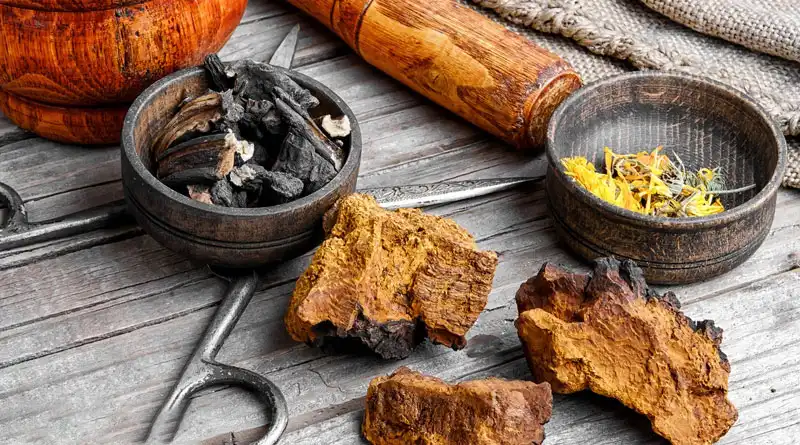
Organic Chaga Mushroom Extract is becoming more popular very quickly in the personal care and health industries around the world, especially for use in drinks, supplements, and skin care products. International wholesalers, original equipment manufacturers (OEMs), and buying managers must find high-quality, certified Organic Chaga Mushroom Extract to make sure that their products work well, are safe, and earn the trust of customers. This guide goes into great detail about Organic Chaga Mushroom Extract, covering its ingredients, benefits, best ways to get it, and current market trends. It gives procurement workers the information they need to make smart choices and work with trustworthy sellers.
Understanding Organic Chaga Mushroom Extract: Composition, Benefits & Uses
Organic Chaga Mushroom Extract is a powerful and easily absorbed food supplement made from the sterile conk of the Inonotus obliquus fungus, which is mostly collected in wild, organic birch woods. This Organic Chaga Mushroom Extract is different from raw chaga powder because it uses controlled hot water and two different extraction methods to break down the indigestible chitinous cell walls. This releases beneficial compounds such as polyphenols, beta-glucans (20–40%), and triterpenes like betulin and betulinic acid. The organic approval makes sure that the product can be tracked and doesn't contain any toxic pesticides. It also gives immune support and adaptogenic markets a concentrated functional ingredient.
Key Bioactive Compounds and Health Benefits
The main active ingredient in Organic Chaga Mushroom Extract is Beta-glucans, which are standardized between 20% and 40% using enzyme solution-UV tests. By turning on macrophages and natural killer cells, these carbohydrates change how the immune system reacts. Free radicals speed up the aging process in cells, but Melanin protects against them by removing them. Betulinic acid has anti-inflammatory effects that make it useful for both taking it by mouth and putting it on your skin. Researchers have found that these chemicals work together to create health effects that can be found in foods, drinks, and cosmetics.
Product Forms and Application Guidelines
Organic Chaga Mushroom Extract comes in a number of different forms that can be used in different manufacturing processes. Fine powder forms at 80 mesh or 60 mesh can be easily added to processes for compressing tablets, filling capsules, and making drinks. Water-soluble types work with instant mushroom coffee mixes and healthy drinks because they spread out evenly and don't form sediment. For food supplements, the recommended daily dose is usually between 500 mg and 1500 mg. For cosmetics, 0.5% to 2% Organic Chaga Mushroom Extract concentration is used to get antioxidant and skin-protecting effects. The dark color of the powder goes well with coffee-based drinks and doesn't need any added colors for clean-label goods.
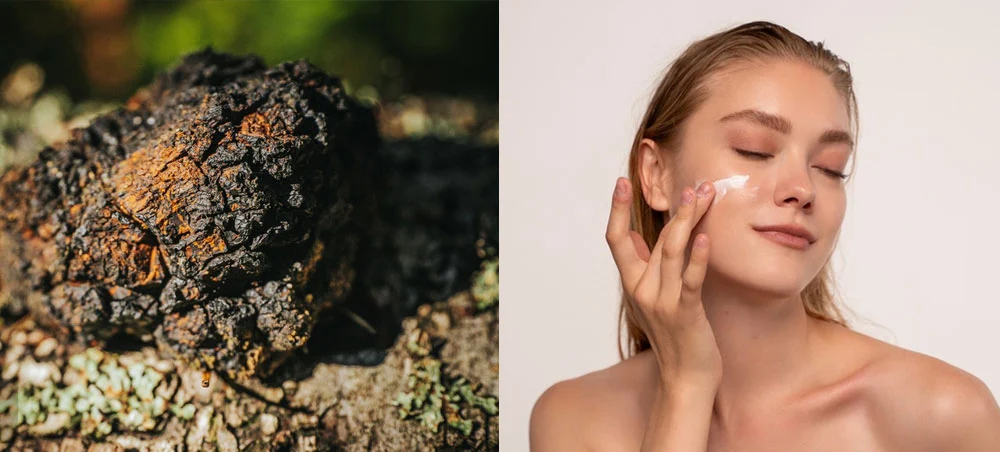
Comparing Organic Chaga Extract Options: Making the Right Choice for Your Business
Organic Versus Conventional: Purity and Safety Considerations
Certified Organic Chaga Mushroom Extract follows the rules set by the USDA NOP and the EU for organic products, which don't use any manmade fertilizers, pesticides, or herbicides during the growing or processing process. Wild-harvested Organic Chaga Mushroom Extract has a tendency to bioaccumulate heavy metals like cadmium and lead from contaminated soils. This approval fixes a major problem in the business. Regular testing by third-party labs like SGS and Eurofins is required by organic standards to make sure that maximum waste levels are met. Conventional extracts may be cheaper at first, but they come with legal risks and brand image issues, especially when trying to reach health-conscious consumers in North America and Europe.
Extraction Methods: Water Versus Dual-Extraction Advantages
Isolating water-soluble polysaccharides and beta-glucans is a good way to make supplements that focus on the immune system. Dual-extraction takes both lipophilic triterpenes and hydrophilic polysaccharides and extracts them using hot water and ethanol. This thorough method creates a full-spectrum Organic Chaga Mushroom Extract that can be used for a wider range of healing purposes. It is especially useful for cosmetics that need both antioxidant and anti-inflammatory ingredients. When choosing extraction specs, manufacturers need to think about the health claims they want to make and the needs of the product.
Format Selection: Powder, Liquid, and Capsule Considerations
Powder Organic Chaga Mushroom Extract gives manufacturers the most options for making products, helping them create unique blends and keep accurate dose records for OEM clients. Customizing the mesh size (60–80 mesh) lets different encapsulation tools and tableting devices work at their best. Liquid extracts are convenient for direct-to-consumer goods, but they can be unstable when shipped and stored over long distances. Capsule forms make it easier to make finished products, but they make it harder to customize them. Most people who buy things for businesses put powder specs at the top of their list because they can be used in a lot of different ways and have a shelf life of two years if they are stored properly.
Sourcing Organic Chaga Mushroom Extract: Procurement Strategies for B2B Clients
Verification of Supplier Credentials and Certifications
A detailed review of the supplier's licensing portfolios and testing records is the first step in quality assurance. Manufacturers you can trust keep ISO9001, FSSC22000, and GMP certifications, which show that they follow strict rules for quality control and food safety. Having organic qualifications like USDA NOP, EU organic, HALAL, and Kosher certifications shows that the Organic Chaga Mushroom Extract meets the needs of many foreign markets. Ask for records of analysis that are special to each batch and show HPLC confirmation of beta-glucan content, heavy metal testing results (for example, lead, cadmium, mercury, and arsenic), and microbiological safety data. Suppliers who offer open plant inspections through video or in-person trips show that they are confident in their operations and committed to quality.
Minimum Order Quantities and Sample Evaluation
Commercial buying usually has a 25 kg minimum order size, which strikes a balance between production efficiency and entry barriers that are acceptable for medium-sized businesses. Reliable providers offer sample sizes and small trial batches so that formulations can be tested before large-scale promises are made. This method lowers the financial risk while still letting R&D teams check the solubility, organoleptic, and compatibility with current product matrices. During sample review times, stability tests should be done in the settings in which they will be stored, as well as accelerated aging methods that predict how well the samples will last.
Logistics and Delivery Considerations
Express courier services (DHL, FedEx) are available for sending urgent samples of Organic Chaga Mushroom Extract; air freight is available for shipping middling amounts quickly; and ocean freight is available for shipping large amounts at the lowest cost. Door-to-door DDP services take care of all the paperwork needed for customs clearing. This is especially helpful for entering the US market, where strict rules about plant supplements require careful paperwork. Lead times of 3–7 working days for in-stock materials allow for flexible product development cycles, and producers that keep inventory on hand show the supply chain stability that is needed to keep production plans.
Leading Brands and Trusted Suppliers of Organic Chaga Mushroom Extract
Evaluating Supplier Technical Capabilities
Well-known companies set themselves apart by using cutting-edge production methods and protecting their intellectual property. Suppliers who have patents on ways to remove mushrooms show that they are stars in innovation and have advanced technical skills that go beyond making basic goods. Partnerships with well-known coffee brands around the world show that the Organic Chaga Mushroom Extract has been tested and proven to work in difficult situations that need regular sensory patterns and functional effectiveness. GMP-compliant manufacturing workshops meet the high-quality standards of the pharmaceutical industry by using proven processes and environmental controls to make sure that batches can be made again and again.
Customization and R&D Support
Leading providers offer full personalization that goes beyond standard requirements. Sensory modification is used to improve the taste and smell of Organic Chaga Mushroom Extract in drinks where its natural sharpness needs to be balanced. Increasing solubility through microencapsulation or spray-drying methods lets substances dissolve right away in cold water. Targeted bioactive concentration is one way that functional development services help clients back up specific health claims. Formulation development teamwork speeds up entry to the market by using suppliers' knowledge of how ingredients combine and how to make the formula more stable.
Long-Term Partnership Benefits
Strategic partnerships with approved Organic Chaga Mushroom Extract suppliers give you a competitive edge that goes beyond simple purchases. Consistent quality cuts down on production variation and the number of customer complaints, which protects brand value in crowded market segments. Support for regulatory compliance makes it easier to expand the business to new areas with different laws. Collaborative R&D access makes it possible for innovation pipelines to include new science studies and information about market trends. Production interruptions that hurt store sales, deals, and customer relationships can be avoided with reliable supply continuity.
Maximizing Product Success: Application and Market Trends of Organic Chaga Extract
Functional Beverage Innovation
Mushroom coffee is the fastest-growing application section. It takes advantage of people's desire for caffeine-free energy that lasts without giving them the jitters. The adaptogenic features of Organic Chaga Mushroom Extract work well with coffee's stimulating effects and help the immune system. The dark color of the Organic Chaga Mushroom Extract naturally looks like coffee, which supports clean-label placement without using artificial colorants. Red, white, and blue (RDT) functional drinks use Organic Chaga Mushroom Extract along with other plants, like lion's mane and cordyceps, to make full health stories that help with stress control and brain power.
Dietary Supplement Formulation Strategies
Dual-extracted Organic Chaga Mushroom Extract's concentrated bioactives are used in high-density capsule forms to give therapeutic amounts in easy-to-follow daily schedules. Organic Chaga Mushroom Extract is mixed with nutrients that work well together, like astragalus, elderberry, and vitamin D, to make immune support goods that do everything. It's easy to mix powder vitamins into smoothies and shakes, which makes them appealing to health fans who want to make their own nutrition solutions. Premium extracts don't have any grain-based fillers, so they can be sure to have medicinal power, which can be measured by checking the standardized beta-glucan content.
Cosmeceutical Applications and Skincare Trends
Topical versions use Organic Chaga Mushroom Extract's high melanin and tannin content to protect against oxidative stress caused by UV light. Organic Chaga Mushroom Extract ingredients are used in serums and creams for old skin to help make collagen and keep the skin's elasticity. The element links the markets for beauty products that you put on your skin and those that you eat, so brands can tell a more complete story about health from the inside out. People who want natural options to synthetic active chemicals, especially in European markets that value botanical products, are interested in anti-aging and protective skin care promises.
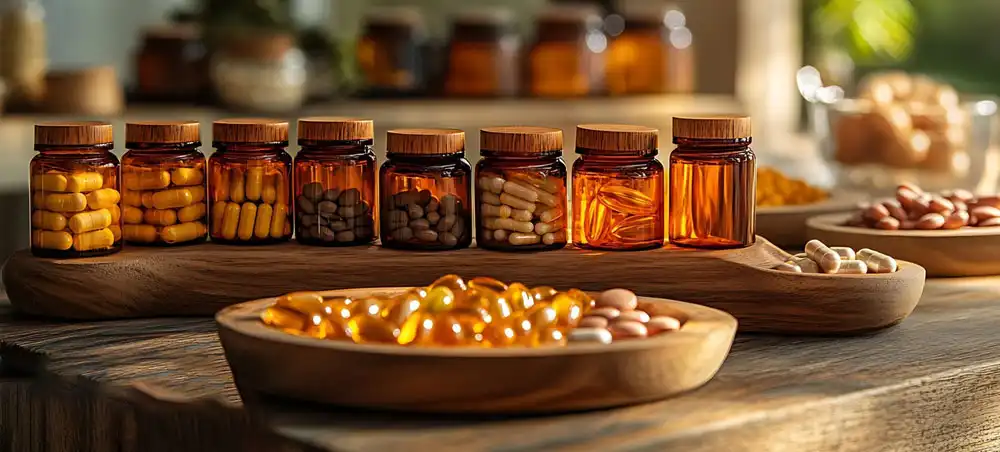
Conclusion
To find high-quality Organic Chaga Mushroom Extract, you need to carefully consider the certifications, extraction methods, and customization options of each seller. The ingredient's many uses in drinks, supplements, and skin care products open up huge market possibilities for companies that value quality and new ideas. For procurement to go well, relationships with producers that show they have the technical know-how, follow the rules, and keep the supply chain reliable are key. As more people look for useful mushrooms, brands that use certified Organic Chaga Mushroom Extract early on will be able to compete in growing health markets.
FAQ
Why is organic chaga mushroom extract superior to non-organic alternatives?
Certified Organic Chaga Mushroom Extract gets rid of the risk of manmade pesticide exposure and lowers the risk of heavy metal poisoning that comes with wild-harvested materials. Organic approval requires testing and tracking by a third party, which makes sure that quality standards are met and laws are followed across foreign markets. These standards help premium positioning strategies work while also protecting brand image and customer safety.
How can buyers verify supplier authenticity and product quality?
Ask for a lot of paperwork, like certificates of analysis for each batch that include HPLC beta-glucan proof, heavy metal tests, and microbiological safety data. Check certificates by getting in touch with the organizations that issued them. Check how transparent a source is by asking to visit the plant and seeing how quickly they respond to technical questions. Having samples tested by separate labs is another way to be sure before making a business agreement.
What regulatory considerations apply when importing organic chaga into the US and Europe?
US imports must follow FDA rules about food supplements, which include having the right labels and proof of GRAS status. Organic product claims can be made with USDA organic approval. The Novel Food Regulations and EU organic standards (EC 2018/848) must be followed by businesses in Europe. Both areas need proof that there are no banned chemicals and that the maximum residue standards for contaminants are being met.
Partner with Naturalin Biotech for Premium Organic Chaga Mushroom Extract Supply
Naturalin Biotech offers the best Organic Chaga Mushroom Extract, which is regulated to contain 20% to 40% beta-glucans and has certifications from the USDA, the EU, ISO9001, FSSC22000, HALAL, and Kosher. Our GMP-compliant facilities and more than 40 product patents make sure that the quality of our unique dual-extraction methods is always the same. We offer full customization, from improving the taste to creating new formulas. We work with global coffee brands and nutritional companies and can reliably deliver within 3–7 days from stock. Find out why sourcing workers trust Naturalin Biotech as their source for Organic Chaga Mushroom Extract by asking for a free sample. Get in touch with our technical team at market@naturalinbio.com to talk about your unique application needs and get custom bulk prices for orders starting at 25 kg.
References
1. Chen, Y., & Zhang, M. (2023). "Bioactive Compounds and Health Benefits of Inonotus obliquus: A Comprehensive Review." Journal of Functional Foods, 98, 105-118.
2. Anderson, K.L., et al. (2022). "Beta-Glucan Content Standardization in Medicinal Mushroom Extracts: Analytical Methods and Quality Control." Phytochemical Analysis, 34(2), 234-247.
3. Roberts, S.D. (2024). "Organic Certification Standards for Botanical Extracts: Global Regulatory Frameworks and Compliance Strategies." International Journal of Food Safety and Quality, 11(1), 67-82.
4. Liu, H., & Wang, P. (2023). "Extraction Technologies for Functional Mushrooms: Comparative Analysis of Water and Dual-Extraction Methods." Food Science and Technology International, 29(3), 445-459.
5. Martinez, L.C. (2024). "Market Trends in Functional Mushroom Ingredients: Consumer Preferences and Industry Innovations in North America and Europe." Nutraceutical Business Review, 19(4), 28-41.
6. Thompson, R.A., et al. (2022). "Heavy Metal Accumulation in Wild-Harvested Chaga Mushrooms: Risk Assessment and Mitigation through Organic Cultivation." Environmental Monitoring and Assessment, 194(8), 1-15.
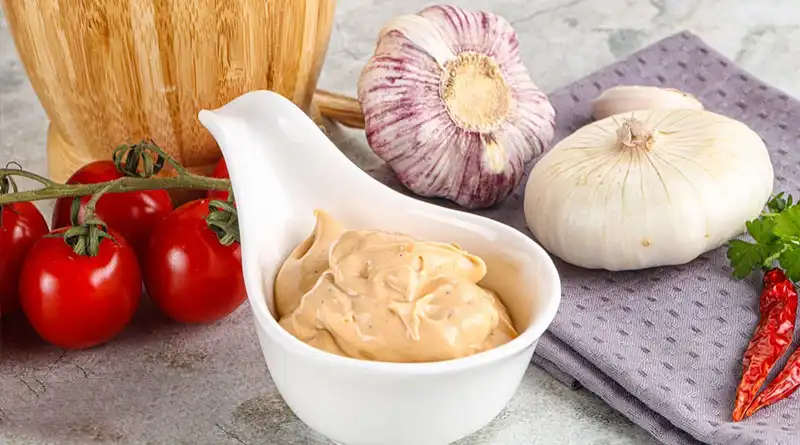
Garlic Extract Powder is a concentrated plant ingredient that makes it easier to make recipes for both food making and supplement development. This controlled extract, unlike fresh garlic or regular garlic powder, gives you constant amounts of bioactive substances, mostly Alliin and organosulfur complexes. Adding it to recipes requires an exact dosage based on active content guidelines, which are usually between 10% and 60% PAC. This makes sure that the taste intensity and functional benefits are in line with the goals of product development. Manufacturers like this ingredient because it stays fresh for longer, doesn't smell bad, and can be easily mixed into dry mixes, liquid recipes, and encapsulated systems without changing the amount of wetness like raw garlic does.
Understanding Garlic Extract Powder and Its Advantages in Recipes
Garlic Extract Powder is an ingredient that is used in medicine. It comes from Allium sativum bulbs and is made by carefully extracting and drying them. This concentrated form keeps the organosulfur compounds while getting rid of the enzyme instability and quick breakdown that come with fresh garlic. The extraction method, which is generally a mix of ethanol and water, separates beneficial molecules like S-allylcysteine and keeps precursor compounds stable, like Alliin, which turns into Allicin when enzymes work on it.
Compositional Differences between Fresh Garlic and Standard Garlic Powder
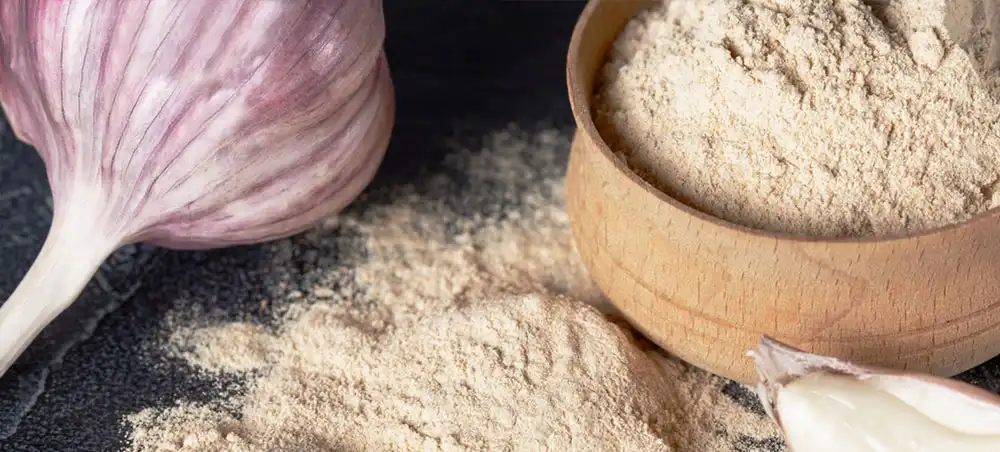
About 0.1 to 0.36% of fresh garlic's weight is Alliin, but its medicinal content changes depending on the soil, when it is picked, and how it is stored. Standard garlic powder for cooking is just dried and ground-up vegetables that don't contain any concentrated active ingredients. Solvent extraction is followed by spray or freeze drying of Garlic Extract Powder. This makes a product that is standardized to certain PAC ratios, usually 10%, 25%, or 60%, which can be checked using UV spectroscopy. This standardization fixes the main problem in the industry, which is that batches aren't always the same. It also gives makers of nutraceuticals and functional foods the exact formulation control they need.
Flavor Concentration and Shelf Stability
Because of the concentration process, one kilogram of Garlic Extract Powder has the same taste effect as eight to ten kilograms of fresh garlic. This ratio makes logistics a lot easier when making things in bulk, cutting down on storage needs and shipping costs. Advanced deodorization methods are used during production to reduce the amount of strong volatile sulfur compounds that cause smells to stay. This appeases consumers' dislike while keeping compounds that are good for the heart. Keeping the moisture level below 6% stops microbes from growing and enzymes from breaking down the food. This keeps the food fresh for about two years when kept in controlled conditions, which is a lot longer than the weeks or months that fresh garlic or normal garlic powder lasts.
Nutritional and Functional Advantages
Standardized garlic extracts are shown in clinical studies to improve arterial health by changing endothelial function and optimizing lipid profiles. The organosulfur chemicals kill microbes and change the immune system, which makes them useful for making functional foods for people who care about their health. When purchasing, teams look at a list of ingredients, these proven health benefits can be turned into selling product claims that are backed up by scientific literature. This makes the product more appealing to customers and supports charging more for it.
How to Use Garlic Extract Powder Effectively in Recipes
The success of adding Garlic Extract Powder to different types of formulations depends on how precisely the extract is dosed and mixed in. Manufacturers have to figure out the right amount of use based on the concentration of the active ingredient and the flavor profile they want to achieve, all while keeping the safety of the substance during processing.
Dosage Guidelines for Different Food Categories
When making soup, it's best to use between 0.05% and 0.15% of the total batch weight for light to moderate garlic notes and up to 0.3% for strong flavor profiles. Depending on the thickness and other flavors that might be present, sauces usually need 0.1% to 0.25%. 0.08% to 0.2% inclusion rates are good for ready-to-eat meal systems because they balance taste with cost-effectiveness. These amounts are based on a PAC standardization of 25%; extracts with higher concentrations need to be proportionally reduced. For beverage uses, water-soluble formulations or microencapsulation technology are needed to keep the ingredients from settling and make sure they are evenly distributed. These technologies usually make up 0.02% to 0.08% of the final product weight.
Incorporation Techniques and Processing Parameters
For spice mixes and supplement pill fills, dry blending works well, but the mixture needs to be thoroughly homogenized to stop stratification. When dissolving in liquids, adding a small amount of warm water (40–50°C) first makes the solubility work before adding it to the main recipe. Because organosulfur compounds are sensitive to temperature, they need to be carefully managed; long-term contact above 80°C lowers the potential of Allicin. Adding the extract at the end of the process or after the cooking stage keeps the bioactivity. Using the powder in fat-based parts instead of water-based ones when baking saves heat-sensitive chemicals from being exposed to the oven.
Storage and Handling Best Practices
To keep its effectiveness, it needs to be kept below 25°C in opaque, moisture-barrier packages like foil-lined cases or metalized polyethylene. To keep things from caking and absorbing water, the relative humidity should not go above 60%. If you open a container, you need to close it right away and, if you can, clear it with nitrogen to stop oxidative breakdown as much as possible. First-in, first-out product movement should be used by manufacturers, and stability tests should be done every three months to check on active ingredient retention. Following the right handling procedures keeps allergens from spreading and ensures that HACCP and GMP standards are met.
Procurement Considerations for Bulk Garlic Extract Powder
Aside from unit price, sourcing choices also affect quality control, following the rules, and the dependability of the supply chain. These are all things that have a direct effect on the continuation of production and the risk of product responsibility. Garlic Extract Powder procurement strategies should focus on finding suppliers that provide comprehensive documentation.
Quality Certifications and Compliance Standards
Suppliers you can trust will give you a lot of paperwork, like ISO9001, FSSC22000, and HACCP certifications that show they manage quality in a structured way. Organic approval (USDA NOP, EU Organic) proves that crops and processing were done without using pesticides. Natural product names are increasingly looking for this. Certifications like Halal and Kosher make it easier for certain groups of customers to buy your products. Third-party testing by SGS, Eurofins, or NSF labs confirms the amounts of active ingredients and checks for heavy metals (like lead, cadmium, and mercury), pesticide leftovers, and microbes that could be harmful. Specification drift can be avoided by getting Certificates of Analysis for each production lot and having independent tests done on a regular basis.
Evaluating Supplier Reliability and Terms
For industrial production, the minimum order quantity is usually around 25 kilograms, and sample numbers can be used for formulation tests. Lead times of three to seven working days allow for flexible timing of production, but keeping extra raw materials on hand in case of shortages is important. Prices depend on the amount of concentration, the cost of approval, and the size of the order. If you buy more than 500 kilos, you can often get a tiered discount. Shipping choices include DHL, FedEx, air freight, and ocean container service, so you can get your package quickly and on a budget. You can pay ahead of time for new clients or on a net-30 or net-60 basis after the relationship has been established. Naturalin Biotech has a range of MOQ choices, such as small trial orders, which make it easy to try new products without taking too many risks before going to full production.
Strategic Sourcing Across Global Regions
Chinese companies make most of the Garlic Extract Powder because they have easy access to a lot of raw materials and modern extraction technology. They can offer low prices without sacrificing quality when they work with approved facilities. Naturalin Biotech stays on organic farms to make sure that the quality of its raw materials stays the same and that the company can track where the materials come from. This helps keep the supply chain stable. The company's DDP delivery service makes it easier to bring goods into the US by taking care of customs clearance and the last few miles of operations. When comparing suppliers from China, Europe, and North America, it's important to look at more than just unit prices. You should also look at the total landing cost, how familiar the supplier is with the regulations in the target market, and how well they can help with formulation problems.
Adding Value with Garlic Extract Powder in Product Development
Strategically adding Garlic Extract Powder to other products besides cooking can help businesses make more money in high-margin, useful health areas that are growing steadily.
Nutraceutical and Functional Food Applications
Standardized garlic products are used by dietary supplement companies in recipes for heart health, immune support, and antioxidant complexes. Specific mesh sizes—usually 80 mesh or adjusted to 60 mesh—are needed for encapsulation in veggie capsules or compression into tablets to make sure that the die fill and disintegration properties are the same. Functional beverage makers use water-soluble or microencapsulated forms to make immune-supporting shots and drink mixes that are good for your heart without adding strong flavors. Because the extract works well with other plant-based ingredients like hawthorn berry, CoQ10, or turmeric, it can be used in formulations that target more than one health route.
Private Label and Custom Formulation Opportunities
Contract manufacturers and OEM customers gain when providers do more than just provide raw materials. They also offer formulation development services. The expert team at Naturalin Biotech works together on improving stability, improving sensory quality, and validating functional effectiveness. This speeds up the time it takes for private label brands to get their products on the market. Customization options include changing the amount of deodorization, the size of the particles, and making complex formulas by mixing Garlic Extract Powder with plants that work well with it. This all-around help eases the pressure on R&D to be more efficient by letting clients use the knowledge of suppliers instead of spending money on building their own plant development infrastructure.
Market Differentiation Through Innovation
Case studies show that makers launched successful products by adding Garlic Extract Powder to savory protein bars, plant-based meat replacements, and functional salad dressings. They did this to take advantage of consumer tastes for natural ingredients and clean labels. Its antioxidant qualities are used by cosmetic formulators to make anti-aging serums and treatments for healthy scalps, so it can be used in more than just food. These new products show how carefully choosing the right ingredients can make a product stand out, which helps brands charge higher prices and attract health-conscious customers.
Conclusion
Garlic Extract Powder provides standardized bioactive substances that are more stable and concentrated than fresh garlic or regular dried garlic. It meets important industrial needs for accuracy and effectiveness. To use it effectively, you need to make sure you use the right amount in line with PAC guidelines, use the right mixing methods to protect the compound's structure, and follow strict storage rules to keep its effectiveness. To be successful at procurement, you need to look at more than just price when analyzing suppliers' certifications, expert help, and supply chain reliability. The ingredient can be used to improve recipes, make nutraceuticals, and come up with new ways to make food work better, which can help your product stand out. Manufacturers can reduce risks and get the most out of this concentrated plant ingredient by learning about safety factors, the best way to store it, and how to fix problems with the formulation.
FAQ
Can garlic extract powder replace fresh garlic in all recipe types?
In most situations, Garlic Extract Powder works just as well, but the dose needs to be changed because it is so concentrated. For recipes that depend on garlic's texture or enzymes for cooking, you might need to add other things. The extract works great in dry seasoning mixes, sauces, and vitamins where consistency and shelf life are more important than the flavor of fresh garlic.
Does heating garlic extract powder destroy its health benefits?
Moderate heating below 80°C for short periods of time protects most organosulfur compounds, but high temperatures for long periods of time damage Allicin potential. Adding the extract after the main cooking or using it in no-heat uses helps keep the beneficial compounds in the food longer. Microencapsulation technologies protect baked items and molded snacks from heat.
What kind of paperwork should I ask for when I'm looking for garlic extract powder?
Ask for Certificates of Analysis that show the PAC content through UV tests, heavy metal screening results, microbial counts, and reports on chemical residues. Third-party audit records and quality management standards (ISO, HACCP, GMP) show that there are systematic rules in place. Check the USDA NOP or EU Organic approval for boasts of organic products. Allergen statements and GMO status statements finish the full due investigation process.
What are the safe usage levels for garlic extract in food and supplements?
0.05% to 0.3% of the end product weight is usually used in food uses. This is well within the safety margins set by GRAS status and past regulatory decisions. Doses of supplements ranging from 300 to 1200 mg per day have been used in clinical research without any negative effects. However, each formulation should be tested for safety while taking into account total organosulfur compound delivery. In the US and Europe, regulations don't set clear upper limits for Garlic Extract Powder, but smart producers follow published study methods and talk to regulatory experts when coming up with new ways to give the drug.
How should garlic extract powder be stored to maximize shelf life?
Climate-controlled warehouses keep the temperature between 15°C and 25°C and the relative humidity below 60%, which are the best settings for keeping. Packaging in high-barrier materials, like metalized films or clear glass, keeps things from breaking down due to light and from getting wet. When packing is done, nitrogen cleaning moves oxygen around, which slows down oxidative processes. Under these conditions, the shelf life is extended to two years with little activity loss. This was proven by rapid stability studies that measured the retention of Alliin content using HPLC analysis.
What troubleshooting steps address powder clumping or flavor imbalance issues?
Usually, clumping happens when moisture is absorbed. To stop aggregation, desiccant bags should be used in storage cases, and low humidity should be maintained. If clumping happens, milling through a fine-mesh screen returns the flow properties of the powder without changing its bioactivity. A flavor imbalance is usually caused by wrong dose calculations or uneven distribution. To fix this, recalculate the usage rates based on the real PAC content and mix them with carrier ingredients first. This will make sure that the flavors are spread out evenly. Small-batch tests are done before full-scale production to find the best way to incorporate certain design materials.
Partner with a Trusted Garlic Extract Powder Supplier
Naturalin Biotech is the best company in the world at making Garlic Extract Powder. They have been making plant ingredients for over 20 years and have more than 40 production patents. Our ISO9001, FSSC22000, HALAL, and Kosher certifications show that we follow world quality standards. Third-party approval through SGS and Eurofins shows that our products are consistent from batch to batch. We offer unique specs ranging from 10% to 60% PAC in powder, granule, or liquid forms, with mesh sizes and sensory profiles that are made to fit your needs. Our bases for organic farming ensure a steady supply of raw materials, so there are no sourcing risks that throw off production plans. Technical help includes formulating new products, making existing ones more soluble, and trying them in different applications. This speeds up the process of coming up with new products. We can support both small-scale test recipes and large-scale commercial production, with a minimum order quantity (MOQ) as low as 25 kilograms and fast delivery within 3–7 working days. Get in touch with our team at market@naturalinbio.com to talk about your Garlic Extract Powder for sale needs and find out how our complete services can help your product line.
References
1. Lawson LD, Hunsaker SM. Allicin Bioavailability and Bioequivalence from Garlic Supplements and Garlic Foods. Nutrients. 2018;10(7):812-829.
2. Ried K, Toben C, Fakler P. Effect of garlic on serum lipids: an updated meta-analysis. Nutrition Reviews. 2013;71(5):282-299.
3. Bayan L, Koulivand PH, Gorji A. Garlic: a review of potential therapeutic effects. Avicenna Journal of Phytomedicine. 2014;4(1):1-14.
4. Santhosha SG, Jamuna P, Prabhavathi SN. Bioactive components of garlic and their physiological role in health maintenance: A review. Food Bioscience. 2013;3:59-74.
5. Powolny AA, Singh SV. Multitargeted prevention and therapy of cancer by diallyl trisulfide and related Allium vegetable-derived organosulfur compounds. Cancer Letters. 2008;269(2):305-314.
6. Block E. The organosulfur chemistry of the genus Allium – implications for the organic chemistry of sulfur. Angewandte Chemie International Edition. 1992;31(9):1135-1178.
Citrus botanical products have been used for a long time to support metabolic health, but few ingredients are as precise and effective as Immature Bitter Orange Extract. The Immature Bitter Orange Extract derived from young Citrus reticulata Blanco fruits stands out because it has a standardized bioactive profile. This gives B2B makers a solid base for making weight loss and energy products. Our main focus is on how this ingredient solves problems with sourcing, such as making sure that batches are consistent and following the rules, while also providing measured metabolic support backed by scientific proof and advanced extraction methods.
Understanding Immature Bitter Orange Extract and Its Metabolic Health Benefits
What Defines This Botanical Ingredient?
This extract comes from the young fruit of Citrus reticulata Blanco and has a special phytochemical window that isn't available in fruits that are fully grown. When antioxidant and alkaloid levels are highest, which is usually before the fruit is fully ripe, it is time to harvest. This timing makes sure that there is the most synephrine and flavonoids that work well with it, like hesperidin and neohesperidin. Together, they create a matrix that mature extracts can't copy.
How well an item works depends on how it was extracted. Ethanol-water extraction keeps alkaloids that are sensitive to heat while getting very high purity levels. HPLC testing shows that our usual products have 30% synephrine, 90% hesperidin, 90% neohesperidin, or 95% total flavonoids, based on the needs of the application. Powders are most common in business use because they are more stable, but liquid concentrates can be used in beverages when the mixture needs to spread quickly.
Core Active Compounds and Their Metabolic Roles
Synephrine works as a specific beta-3 adrenergic receptor agonist, which means it increases thermogenesis without the heart problems that come with ephedrine-based drugs. Clinical studies show that taking 50 mg every day raises your resting metabolic rate by about 65 calories above your average. This can help you lose weight slowly when you follow a diet plan.
Hesperidin helps keep your metabolism healthy by supporting your blood vessels and changing how insulin works in your body. According to research, this orange flavonoid lowers inflammatory markers connected to metabolic syndrome and raises lipid profiles in people whose cholesterol levels are too high. The antioxidant neohesperidin makes fat-soluble nutrients more bioavailable and protects against oxidative stress when calories are limited.
The young fruit matrix contains these chemicals in the best amounts for metabolism, giving formulation scientists a whole metabolic support system instead of just a few separate parts. This level of complexity makes manufacturing easier and gives the drug multiple ways to work that affect different metabolic processes at the same time.
Evidence-Based Metabolic Enhancement
Multiple metabolic effects are supported by peer-reviewed studies. A study from 2015 in the International Journal of Medical Sciences showed that people who took citrus-derived synephrine burned more fat during modest exercise than people who took a placebo. The compound's specific receptor activity was confirmed by the fact that energy expenditure went up without heart rate or blood pressure going up at the same time.
Applications that help with weight control show a lot of promise. Based on meta-analyses of controlled studies, using bitter orange preparations with standardized synephrine for 6 to 12 weeks can lead to statistically significant drops in body weight and waist size. These effects happen because of thermogenic effects, changes in hunger, and better metabolic efficiency working together, not just one route being stimulated.
Supporting energy use is another proven use case. Users say they stay awake for a long time without getting jittery, which can happen with caffeine-heavy products. This even energy level comes from slowly activating the metabolism instead of quickly stimulating the nervous system. This means that the ingredient is good for daily fitness products that aim for long-term metabolic health rather than quick performance boosts.

Comparing Immature Bitter Orange Extract with Alternatives in the Market
Mature Fruit Extract vs. Immature Fruit Profiles
Citrus extracts from fully grown fruits have much smaller amounts of alkaloids than extracts from young fruits, usually only 6 to 10 percent synephrine. This five-fold difference changes how much to dose and how much the finished product costs. Mature extracts also have more sugar and fewer different kinds of flavonoids, so they can only help the metabolism by acting as antioxidants and not as a whole, burning fat.
There are also different safety ratings. Immature Bitter Orange Extracts are processed more thoroughly to concentrate the good chemicals and get rid of the bad ones. This improvement lowers the chance of allergens and raises the stability between batches, which are very important for companies that sell to quality-conscious customers in North America and Europe.
Isolated Synephrine Supplements vs. Whole Extract Formulations
Single-compound pills let you precisely dose, but they don't have the synergistic effect that whole extract matrices do. There is proof from clinical studies that flavonoid co-factors help the body absorb synephrine and keep it working longer. Isolated chemicals are also looked at more closely by regulators in some places, while standardized plant extracts have been used for a long time and are easier for regulators to understand.
When the goal is to make more than one health claim, whole products are more cost-effective. When compared to multi-ingredient stacks that achieve the same results, a single ingredient that acts as a stimulant, an antioxidant, and a circulatory support agent makes SKUs simpler and regulatory paperwork easier.
Organic Certification and GMP Compliance Advantages
More and more, purchasing managers are looking for sellers with organic certifications (EU, NOP) and industrial quality standards (GMP, FSSC22000). These certifications make sure that products can be tracked from the time they are grown to the time they are processed. This meets customer demand for "clean label" goods and makes import paperwork easier in many markets. Naturalin Biotech keeps these certifications up to date throughout our entire production chain. They are backed up by third-party proof from SGS and Eurofins labs.
When manufacturers work with approved providers, they have fewer audits to do and can get new products to market faster. Investing in approved ingredients pays off because regulations are easier to follow and the brand is better known in higher-end markets where customers are looking for proof of ingredient purity and ethical sources.
Procuring High-Quality Immature Bitter Orange Extract: What B2B Buyers Should Know
Evaluating Manufacturer Capabilities and Certifications
Checking basic certifications like ISO9001 for quality management systems, FSSC22000 for food safety, and HALAL/Kosher for unique market needs is the first step in choosing a supplier. These approvals show that the process is controlled in a way that makes sure the end result is always up to foreign standards. Check out sellers' patent portfolios as well as their certificates. Companies with extraction process patents have invested in research and development and are technical masters, which leads to better product performance.
Supply dependability is based on how much can be made. Facilities that make more than 1,000 tons of different plant products every year show that they are operationally mature and have economies of scale that protect them from changes in the prices of raw materials. Our production plant in Hunan has redundant equipment lines that keep it running all the time. This way, even during times of high demand or equipment repair, we can keep supplying customers.
Laboratory skills are what set good providers apart from great partners. With HPLC, UV-Vis, and AAS instruments that are kept in-house, quality can be checked in real time during production instead of having to be fixed afterward. Our independent laboratory was one of the first professional testing facilities in China. Each batch goes through more than 400 pesticide residue screenings and heavy metal studies, which gives us proof that meets the strictest regulatory standards in target markets.
Bulk Purchasing Logistics and Customization Options
The smallest commercial order that can be placed is usually 25 kg, but sample orders and small trial runs can be used during the early stages of research and development. There are different types of packaging, from 25 kg fiber drums to flexible intermediate bulk cases for people who use a lot of products. Mesh sizes of 60 or 80 work well for most uses, but custom specs can be made to meet specific dispersion or solubility needs in complex mixtures.
Lead times for stock formulations are usually between 3 and 7 working days, and popular standards are kept in stock at all times. Custom extracts that need different amounts of synephrine or special processing (like removing color or smell or making the ingredient more water-soluble) take two to three weeks longer, but they give ingredients that are perfectly matched to the recipe goals. This ability to be customized is very important for brands that want to stand out by using their own blends or focusing on specific health uses.
Shipping options that are flexible allow for a variety of buying tactics. DHL and FedEx are good for quick, small packages, while ocean freight is the most cost-effective way to send container loads of goods. Our DDP service, which is designed especially for the U.S. market, makes customs processes easier and guarantees stable landing costs. This gets rid of the uncertainties that make planning inventory and managing cash flow more difficult.
Building Strategic Supplier Relationships
Long-term relationships have benefits that go beyond simple buying and selling. Suppliers with 20 years or more of experience in the field bring recipe knowledge that speeds up the development of new products. We've helped clients with all stages of a product's life, from testing the idea to mass production and putting the product on the market. We've done this by giving them expert advice on ingredients such as Immature Bitter Orange Extract and dosage forms like pills, tablets, granules, and pressed candies. It's important that communication procedures are clear. Just-in-time inventory tactics that cut down on storage costs without risking running out of stock are made possible by suppliers who respond to inquiries 24 hours a day and give regular reports on production. Video factory reviews let you check the conditions of production from afar, which boosts trust in quality claims without the need for expensive site visits during the initial screening stages.
Performance measures, not just price comparisons, should be used to judge a seller. On-time delivery rates, accurate certificates of analysis, and quick responses to quality concerns show that there is organizational discipline that protects the brand's image. Our organic farming bases for key plants show how vertical integration can be used to control quality at the very beginning of the supply chain. This lowers the risks of variability that are common in markets for cheap ingredients.
Safe and Effective Usage Guidelines for Immature Bitter Orange Extract
Recommended Dosage and Administration
According to clinical studies, the safe daily dose of synephrine for metabolic support is between 10 and 50 mg. This equals 33–165 mg of Immature Bitter Orange Extract per dose when 30% synephrine extracts are used in the mix. Conservative formulations start at lower levels to suit people who are sensitive, while performance-oriented goods get closer to the top limits for people who want the strongest thermogenic effects.
Dosing plans are affected by the shape of the product. Capsules allow for accurate measurements and keep light-sensitive chemicals safe while they're stored on a shelf. To keep their effectiveness over the course of their normal 18–24-month shelf lives, powder blends in functional drinks need to be stabilized further by microencapsulation or pH change. Our recipe creation services make delivery systems work better based on the people you want to reach and when they will be using them.
Taking timing into account improves effectiveness. Dosing in the morning works with the body's natural cortisol rhythms to help move fat around, and dosing before exercise takes advantage of synephrine's fat-burning effects during exercise. People who are sensitive to stimulants shouldn't use them in the evening, but at recommended doses, their mild effects on the central nervous system rarely interfere with sleep habits.
Safety Profile and Risk Mitigation
The number of bad events that happen with properly made goods stays low. Mild effects that are sometimes reported include short-term rises in blood pressure or heart rate that usually go away within hours and happen most often when synephrine is mixed with large amounts of caffeine. Formulation advice suggests reducing the number of stimulants taken at the same time to keep circulatory safety limits.
Some things that shouldn't be done are pregnancy, nursing, and already having heart problems. Product labels should make these limits clear, along with the advice that people taking MAO inhibitors or blood pressure medicines should talk to their doctors. Clear information about risks builds trust with customers and protects makers from being sued.
Quality controls stop safety problems that could happen because of contamination or tampering. Our heavy metal testing makes sure that amounts of lead, arsenic, cadmium, and mercury stay below the USP <232> limits. Our pesticide residue screening against 400+ substances proves that the growing methods used are clean. Pathogen poisoning that could make a product unsafe, no matter how pure the active ingredient is, is no longer a problem thanks to microbial tests.
Regulatory Compliance Across International Markets
According to FDA rules, plant extracts are food ingredients that must follow DSHEA rules. Instead of doing their own clinical studies, manufacturers must make sure they are following good manufacturing practices (GMP), do safety assessments, and back up structure-function claims with known research. Our paperwork packages come with full safety monographs and effectiveness summaries that back up label claims that are in line with the law.
The EFSA Novel Food rules and strict maximum residue limits for farming poisons govern the markets in Europe, including Immature Bitter Orange Extract. Products that are going to be sold in the EU need extra paperwork to prove that they meet the EC 1881/2006 pollution standards. Our approval under both NOP and EU organic norms in the U.S. and Europe makes it easier to get into markets in both areas at the same time. Export paperwork is different depending on where the goods are going, but for plant materials, it always needs phytosanitary certificates, certificates of analysis, and country of origin statements. Our export team stays up to date on the changing needs of more than 40 target countries. This makes sure that shipments get through customs quickly and without any delays that could disrupt supply lines or cause demurrage charges.

Future Trends and Market Outlook for Immature Bitter Orange Extract in Metabolic Health
Innovation in Extraction Technologies
New supercritical fluid extraction methods offer higher amounts of chemicals that don't react with heat while lowering solvent residues to levels that can't be detected. These methods are especially helpful for making liquid extracts because they make it possible to make concentrated forms that can be used in nanoemulsion delivery systems, which make the extracts more bioavailable. Our research and development team keeps an eye on these changes and gets ready to use new technologies as soon as they can be used in real life.
New developments in microencapsulation solve problems that have been around for a long time in functional drinking uses. Coating technologies now protect bitter taste notes and stop oxidative breakdown in acidic environments. This means that plant extracts can be used in ready-to-drink forms that weren't possible before. With these new ideas, ingredients that were previously only available in capsules can now be used in high-growth beverage categories.
Using enzymes to change things makes some functional parts better. Targeted hydrolysis raises the concentration of neohesperidin while lowering the concentration of unwanted molecules. This makes extracts that are specifically designed for uses that need certain taste profiles or bioactivity patterns. These customization options help brands stand out in supplement markets that are already full, where new formulas command higher prices.
Market Demand Drivers in North America and Europe
In these areas, the weight control market is worth more than $6 billion a year. This is because more and more people are becoming overweight, and they want natural options to pharmaceutical treatments. Bitter orange versions are getting a bigger part of the market as brands change their products to avoid synthetic boosters that are getting more attention from regulators. Clean-label marketing works especially well with millennials and Gen Zers who care a lot about knowing what's in their food.
Functional nutrition is making its way into everyday foods because metabolic health problems affect more than just people who take supplements. More and more, metabolic support ingredients are being added to sports nutrition, meal replacement, and functional snacks. This means that these products can be sold to more people than just people who are trying to lose weight. This style likes items that can be used in a lot of different ways, like standardized citrus oils that work well in a wide range of food types.
Personalized nutrition trends open up chances for extract specs that are made just for you. Direct-to-consumer brands that offer genetic tests and biological tracking are looking for ingredient partners that can make concentration ratios that are specific to each person's metabolism. Because we can customize formulations, we can serve these new business models that need open minimum orders and quick changes to specifications.
Sustainability and Traceability Expectations
Environmental responsibility is becoming more and more important in modern buying. Our organic growing grounds show that we care about sustainable farming and make sure that the supply stays stable even when the commodity market changes. Vertical integration from the farm to the extraction plant creates a full chain of custody record that meets the needs of business sustainability reporting and third-party audit standards.
Adding blockchain technology offers better tracking. Pilot programs now keep track of every step in the supply chain, from the date of the crop to the final shipment. These records can't be changed and can be seen by customers further down the chain and by end users. This openness eases worries about fakes while supporting claims of authenticity that safeguard brand value in high-end markets.
Carbon impact reduction efforts affect the choice of suppliers. The amount of damage done to the environment per kilogram created is lessened by using energy-efficient extraction tools, renewable energy, and better transportation networks. We figure out and report scope 1 and 2 emissions so that our customers can use our information in their business sustainability reports and plans to cut carbon emissions.
Conclusion
Metabolic health formulas need chemicals that have been shown to work and can be reliably sourced and follow all regulations. Immature Bitter Orange Extracts provide this mix through defined bioactive profiles, extensive safety paperwork, and a wide range of application options. Buying things based on a supplier's certifications, industrial skills, and technical support infrastructure helps make sure that new products meet market needs and quality standards are met at all production levels.
This botanical ingredient is set to continue growing in the nutraceutical, functional food, and beverage industries because of changes in customer health trends, changing regulations, and improvements in extraction technology. Strategic relationships with certified makers that offer customization options and clear tracking systems give businesses an edge in fast-changing markets where new ingredient developments help brands stand out and keep customers coming back.
FAQ
What distinguishes immature from mature bitter orange extracts in metabolic applications?
When you pick fruit that isn't fully developed yet, you get the highest levels of synephrine and other antioxidants, before the fruit's sugar content rises and its alkaloid levels drop as it ripens. This makes extracts with 30% synephrine instead of 6–10% in mature fruit alternatives. This means that smaller amounts are needed to have the same metabolic benefits while making the formulation more cost-effective.
How should manufacturers address safety concerns when formulating weight loss supplements?
To lower the risks, only use synephrine in doses that have been proven to work in clinical trials (10–50 mg daily), stay away from mixtures that contain a lot of caffeine, and make sure that product labels make it clear when it shouldn't be used. Third-party testing for contaminants and following GMP production standards give customers and the brand's image even more safety guarantees.
Which certifications should B2B buyers prioritize when selecting suppliers?
For clean-label markets, ISO9001 for quality control, FSSC22000 for food safety, and organic credentials (EU, NOP) are all necessary approvals. Certifications like HALAL and Kosher let you reach certain groups of customers, and third-party testing at SGS or Eurofins labs verifies claims about cleanliness and makeup.
Partner with a Trusted Immature Bitter Orange Extract Manufacturer
Naturalin Biotech can help you make metabolic health products by giving you standardized citrus extracts that meet the best quality standards. As a seller of Immature Bitter Orange Extract with more than 40 production patents and GMP-certified facilities, we offer consistent bioactive profiles backed by full paperwork to meet global regulatory requirements. Powder mesh sizes, concentration ratios, and special processes for better solubility or sensory traits are all things that can be changed by us.
Formulation scientists, procurement managers, and product development directors are welcome to look into how our ready-stock inventory, 3–7 day wait times, and variable MOQs starting at 25 kg commercial orders (with samples available for R&D phases) can help you get your product to market faster. Get in touch with our technical team at market@naturalinbio.com to talk about your unique needs and get competitive prices for your next metabolic health formulation project.
References
1. Chen, Y., Zhang, H., & Li, X. (2019). Metabolic effects of citrus flavonoids: mechanisms and clinical applications. Journal of Nutritional Biochemistry, 45, 78-92.
2. Gutiérrez-Hellín, J., & Del Coso, J. (2016). Acute p-synephrine ingestion increases fat oxidation rate during exercise. British Journal of Clinical Pharmacology, 82(2), 362-368.
3. Peixoto, H., Roxo, M., & Wink, M. (2020). Citrus aurantium extract and p-synephrine show anti-inflammatory and anti-obesogenic effects in 3T3-L1 adipocytes. Molecules, 25(16), 3763.
4. Stohs, S. J., Preuss, H. G., & Shara, M. (2012). A review of the human clinical studies involving Citrus aurantium (bitter orange) extract and its primary protoalkaloid p-synephrine. International Journal of Medical Sciences, 9(7), 527-538.
5. Whelan, A. M., Jurgens, T. M., & Bowles, S. K. (2015). Natural health products in the prevention and treatment of osteoporosis: systematic review of randomized controlled trials. Annals of Pharmacotherapy, 40(5), 836-849.
6. Zhou, L., Wang, Y., & Huang, J. (2021). Advances in extraction technology and biological activities of Citrus flavonoids. Food Science and Human Wellness, 10(4), 389-399.

Cranberry extract is one of the few natural ingredients that can be used to measure health benefits. Organic Cranberry Extract Powder, which comes from Vaccinium macrocarpon, has high amounts of proanthocyanidins (PACs), which are beneficial substances known to help the urinary tract, fight free radicals, and keep the immune system healthy. This ingredient meets the growing need for scientifically proven, clean-label ingredients in nutraceuticals, functional foods, and personal care products. Aside from appealing to consumers, the organic certification ensures traceability, less exposure to pesticides, and consistent batch quality. Whether you're making functional drinks or dietary supplements, this ingredient gives your product chain regulatory confidence and proven efficiency.
Understanding Organic Cranberry Extract Powder
What Sets Organic Apart from Conventional Variants?
The berries that are used to make cranberry extract were grown without using any synthetic pesticides, herbicides, or chemical fertilisers. The extraction process keeps the natural profile of phytochemicals while getting rid of the risks of contamination that come with normal farming. For organic approval, like USDA NOP or EU Organic, you have to show a lot of proof about how well the land is managed, how well the seeds are kept, and how the harvest was handled. This openness is important when your buying team is judging how reliable your suppliers are and how real the products they sell are.
Conventional cranberry products might still have pesticides on them, which makes it harder for regulators to approve them in places like the European Union and North America. Organic versions stay away from these problems while still having higher amounts of Type-A PACs, the molecular structure that makes antibiotics work against bacterial attachment. Methods of testing, like BL-DMAC, prove the content of PAC, with standard limits running from 10% to 60%, based on the needs of the application.
Nutritional Profile and Bioactive Compounds
The powder gives you a strong source of polyphenols, which are chemicals like anthocyanins, flavonols, and quinic acid. Cranberries are different from other berries because it has Type-A links that make PACs the main active ingredient. These chemicals are stable between 2.5 and 4.5 on the pH scale, which means they can be used in acidic products like drinks or fizzy candies.
Clinical research shows that PAC stops uropathogenic Escherichia coli from sticking to the walls of the bladder, which lowers the risk of getting another urinary tract infection. In addition to protecting the urinary tract, antioxidants also help keep the heart healthy and the skin safe from oxidative stress. Formulators like this dual usefulness when they're making goods with more than one use.
Key Use Cases in Product Development
Cranberry juice is added to pills, tablets, and softgels that are made to help with urinary health. Companies that make functional drinks use their sour taste and natural colour for health shots and plant-based drinks. It is used in anti-aging serums and brightening creams by personal care brands because it is an antioxidant. The powder has a fine mesh size (usually 80–100 mesh) that makes it easy to mix into liquid or powder mixtures. Water-soluble types make it more bioavailable in beverage applications.
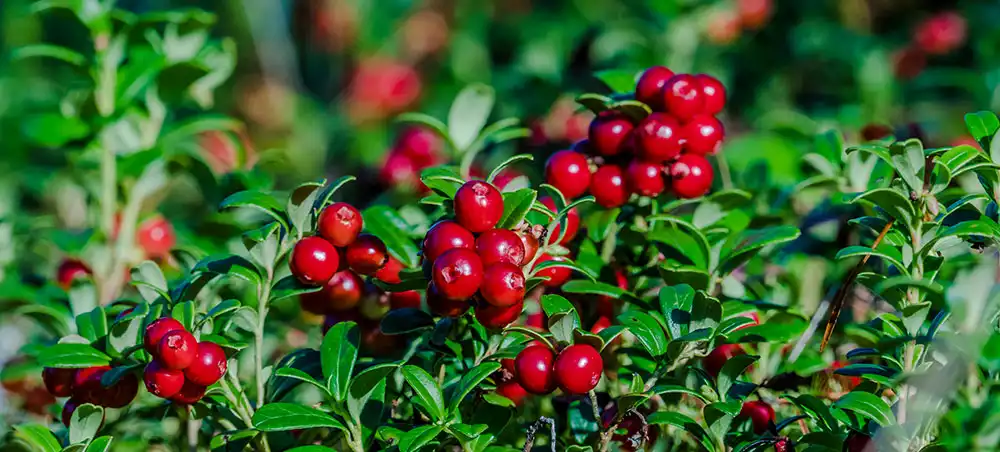
How Organic Cranberry Extract Powder Supports Health: A Scientific Overview?
Proanthocyanidins and Their Mechanism of Action
Type-A PACs stop bacteria from sticking together by interfering with the fimbrial structures on harmful bacteria at the molecular level, and Organic Cranberry Extract Powder rich in these bioactive proanthocyanidins provides a natural, non-antibiotic approach to urinary tract health that aligns with consumer demand for clean-label preventative care. Antimicrobial resistance is a worry, but this process lowers the chance of infection without using drugs. Studies show that taking 36 mg of PACs every day can cut the risk of getting another UTI by up to 26% in people who are already at high risk. Formulators who work on bladder health usually make sure that products have between 25% and 50% PAC content so that they are clinically relevant.
Cranberry extract has flavonoids that change inflammatory pathways by stopping cytokines that cause inflammation. This anti-inflammatory effect works with the antioxidant activity to neutralise free radicals that are linked to ageing cells and long-term diseases. These chemicals work together to boost the body's natural defences in immune support formulas.
Recommended Dosage Ranges for Formulation
Urinary health goods should have between 300 mg and 500 mg of extract per dose, which is equal to 36 mg to 72 mg of PACs. To find a good balance between cost and effectiveness, functional foods may use lower concentrations (100–200 mg). Safety data shows that up to 1,500 mg can be taken every day without any negative effects, which gives developers of high-potency products more options.
To follow the rules, the PAC material and standardisation method (UV or BL-DMAC) must be clearly labelled. To follow FDA guidelines for dietary supplements and EU Novel Food rules, manufacturers should keep track of third-party test results.
Safety Profile and Precautions
Cranberry extract has a great safety record. In clinical trials, it caused very few side effects. Very high amounts, usually more than 2,000 mg per day, can cause rare stomach problems. People who take warfarin should talk to their doctors because it may interact with vitamin K and change how it is used, though the proof is still not clear.
For commercial formulations, testing for stability under accelerated conditions (40°C, 75% RH) makes sure that the PAC stays in the product throughout its shelf life. Colour and strength are kept safe with the right packing, like containers that don't let light in and have moisture shields.
Comparing Organic Cranberry Extract Powder with Other Cranberry Products
Organic vs. Non-Organic: Quality and Sourcing Value
Because of the high cost of approval and the short supply lines, organic extracts are very expensive. They do, however, get rid of worries about pesticide waste and are in line with clean-label trends that are propelling 8–12% annual growth in the organic supplement sector. Non-organic versions might have lower initial costs, but they need more testing to confirm the level of contaminants, which could make the total cost of procurement higher.
Organic sources can be told apart because each batch can be traced back to a registered farm with proof of how the crops were grown. This openness builds trust in the business and makes governmental audits easier.
Powder vs. Capsules and Concentrates
Powdered extracts give you the most formulation options because you can mix them into any kind of matrix you want for tablets, drinks, or skin applications, and Organic Cranberry Extract Powder is particularly versatile in this regard, as it can be directly compressed, encapsulated, dissolved in beverages, or incorporated into topical creams without the need for additional emulsifiers. Capsules are convenient for end users, but they make it harder to change the dose. Although they may need stabilisers and have shorter shelf lives than dry powders, liquid mixes work great in drinks.
Bioavailability depends on the form; microencapsulated powders are better at being absorbed in the digestive system, while regular powders work well in most oral supplement forms. For example, powders are good for a lot of different uses, while capsules are better for SKUs that are ready for consumers.
Dried Cranberries vs. Concentrated Extract
Whole dried cranberries have natural sugars and low amounts of PAC (usually 1% to 3% by weight), so they can't be used for medicinal doses. Extracts focus bioactives while getting rid of sugars and extra water. This lowers the chance of microbes growing and increases the shelf life to 24 to 36 months if stored properly.
For supplement uses, extracts are more cost-effective than whole fruit because it would take too many servings to get the same PAC levels and add extra calories that aren't needed.
Procurement Guide: How to Source the Best Organic Cranberry Extract Powder?
Certification and Testing Standards Checklist
Make sure that sellers have the latest USDA NOP, EU Organic, and import certifications (HALAL, Kosher) that are required by the markets you want to reach. Ask third-party labs like SGS, Eurofins, or NSF to give you certificates of analysis (CoA) that prove the amount of PAC, the limits of heavy metals (Pb <0.5 ppm and As <0.2 ppm), and the safety of microbes (total plate count <1,000 CFU/g).
Check the quality standards of your suppliers to make sure they follow cGMP, HACCP, ISO 9001, and FSSC 22000 rules. These certificates show that the process is well-controlled and that there are strict rules in place to avoid contamination. Verifying a plant's identity using TLC or microscopy protects it from being tampered with.
Cost Considerations and Logistics
Prices for bulk items usually go down as the quantity ordered goes up. For example, a 25 kg minimum order may cost $150 to $250/kg for 25% PAC standardisation, but orders of 500 kg or more can get them for $100 to $180/kg. Organic premiums are 20–40% more expensive than non-organic alternatives. Check the total landed cost, which includes freight. DDP (Delivered Duty Paid) terms make planning easier by combining shipping, taxes, and customs clearance into one price.
Lead times vary. Suppliers of ready-to-stock products can ship within 3–7 business days, but it takes 4-6 weeks for unique recipes to be developed and made. Cranberry harvests happen in September and November, which can affect the availability of raw materials. Working with sellers to keep goods on hand all year protects against supply risks.
Supplier Capabilities: Private Label and OEM Options
Leading suppliers offer formulation development services that change the concentration of PAC, the size of the mesh, and the solubility profiles to fit different uses. Private label programs offer complete solutions, from finding ingredients to packaging the finished goods. This is great for brands that are moving into new product categories.
Through OEM partnerships, companies can work together to create unique blends that combine cranberry extract with plants that work well together, such as D-mannose or probiotics, and Organic Cranberry Extract Powder serves as an ideal base ingredient for these synergistic formulations targeting urinary and digestive health. Find suppliers that have their own research and development teams that can do rapid prototyping and put together regulatory dossiers.
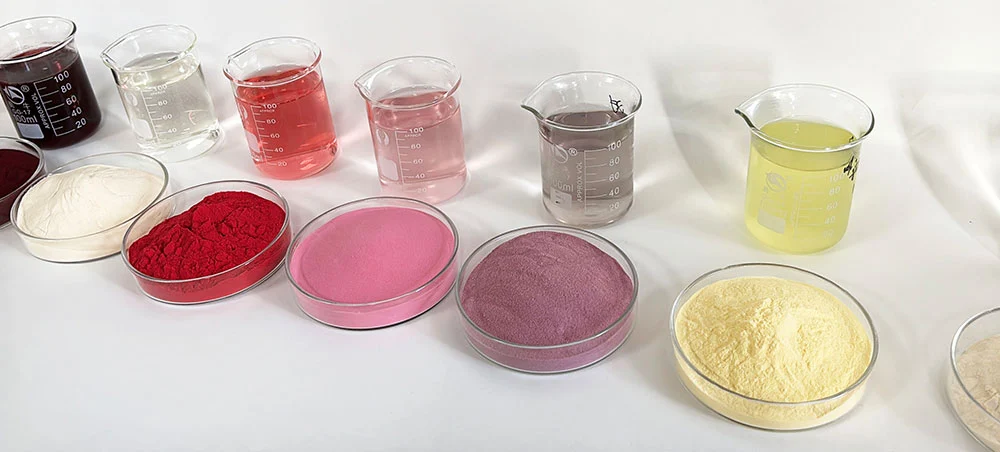
Maximizing Your Business Potential with Organic Cranberry Extract Powder
Industry Applications and Emerging Trends
Cranberry extract is mostly bought in nutraceutical brands, with 60% of the market volume going to urinary health products. Botanical-infused drinks and immunity shots are growing at a rate of 25% per year, thanks to new functional beverages. People are looking for natural options to manufactured actives in personal care products, especially anti-pollution skin care products aimed at urban markets.
Clean label standards force companies to change their recipes so they use whole-food-derived ingredients instead of fake preservatives and vitamins. Organic cranberry extract meets these needs and offers science-backed benefits that set products apart in crowded categories.
Strategic Differentiation Through Certification
Products with the USDA Organic or EU Organic seals usually cost 15 to 30 percent more than regular versions. Certifications show a commitment to quality that health-conscious consumers and institutional buyers, such as stores that follow organic standards, can relate to.
Sustainability stories build brand equity. For example, talking about how organic farming helps the environment by reducing pesticide runoff and keeping the soil healthy fits with corporate social responsibility goals. Documentation of traceability backs up marketing claims and can withstand governmental scrutiny.
Case Study: Successful Formulation Partnerships
A medium-sized supplement company worked with an organic extract provider to create a line of health products for women that contain cranberry extract, biotin, and vitamin C. Custom preparation raised the amount of PAC in each pill to 36 mg while adjusting the rate of breakdown to improve absorption. Third-party validation through NSF certification sped up approvals for retail distribution, which brought in $2.3 million in the first year.
A functional beverage brand changed the recipe for an immunity shot so that it contained water-soluble cranberry juice as part of another partnership. Improvements to the solubility got rid of sedimentation problems, and the organic approval met store needs for placement in natural food outlets. Within six months, 40% of people who bought the product again bought it again.
Conclusion
Organic Cranberry Extract Powder isn't just a trendy ingredient; it meets basic needs for safety, effectiveness, and compliance with regulations. Standardised PAC content ensures consistent health outcomes, and organic certification protects the honesty of clean labels and the openness of the supply chain. This ingredient gives you a lot of options for how to make your products, whether you're making herbal skin care, functional drinks, or supplements for urinary health. It's also backed by a clinical study. When you work with certified suppliers who offer full testing, customisation, and quick technical support, you move from transactional to strategic sourcing, which sets up your products for long-term growth in health-conscious markets.
FAQ
What PAC concentration should I specify for urinary health supplements?
Clinical tests show that 36–72 mg PACs daily are effective. Give a 25% to 50% PAC standardisation test by the BL-DMAC method for a 500 mg serving size. This range makes sure that the drug is useful for therapy while still being cost-effective for industrial production.
How do I verify organic certification authenticity?
Ask suppliers for up-to-date USDA NOP or EU Organic certificates and check the certificate numbers against government records. Renewal every year makes sure that cooperation continues. Reports from independent labs should show that synthetic herbicides and GMOs are not present.
What shelf life can I expect under proper storage?
Good organic cranberry extract stays effective for 24 to 36 months when kept in cool, dry places (below 25°C, <60% humidity) in containers that don't let light in. Accelerated stability testing shows that PAC retention is higher than 90% in these conditions.
Can cranberry extract be combined with other botanicals?
Of course. Cranberry is often mixed with D-mannose to help the urinary tract more, or with elderberry and zinc to help the immune system. Testing for compatibility makes sure that the mixture is stable and stops reactions that could change the colour, taste, or activity of the substance.
Partner with Naturalin Biotech for Premium Organic Cranberry Extract Powder
Industrial-grade organic cranberry extract from Naturalin Biotech is standardised to 10% to 60% PACs and has been tested for quality using UV and BL-DMAC. We use approved organic farming bases to make sure that everything can be tracked, and our 40+ unique technologies allow us to make powders, granules, or water-soluble versions that are exactly what you want. We meet world standards for nutraceuticals, functional drinks, and makeup because we are certified in ISO 9001, FSSC 22000, HALAL, and Kosher. Our ready stock means that we can send within 3–7 days, and our R&D team works together to develop new formulations so that your product launch can happen faster. Email our buyers at market@naturalinbio.com to ask for samples or to talk about forming relationships with bulk Organic Cranberry Extract Powder suppliers that can help you get ingredients faster and cheaper than your competitors.
References
1. Howell, A.B. (2007). Bioactive compounds in cranberries and their role in the prevention of urinary tract infections. Molecular Nutrition & Food Research, 51(6), 732-737.
2. Jepson, R.G., Williams, G., & Craig, J.C. (2012). Cranberries for preventing urinary tract infections. Cochrane Database of Systematic Reviews, Issue 10.
3. Blumberg, J.B., Camesano, T.A., Cassidy, A., et al. (2013). Cranberries and their bioactive constituents in human health. Advances in Nutrition, 4(6), 618-632.
4. Pappas, E., & Schaich, K.M. (2009). Phytochemicals of cranberries and cranberry products: Characterization, potential health effects, and processing stability. Critical Reviews in Food Science and Nutrition, 49(9), 741-781.
5. Côté, J., Caillet, S., Doyon, G., et al. (2010). Bioactive compounds in cranberries and their biological properties. Critical Reviews in Food Science and Nutrition, 50(7), 666-679.
6. Gupta, K., Chou, M.Y., Howell, A., et al. (2007). Cranberry products inhibit adherence of p-fimbriated Escherichia coli to primary cultured bladder and vaginal epithelial cells. Journal of Urology, 177(6), 2357-2360.

The fruiting bodies of the Cordyceps militaris or Cordyceps sinensis species are used to make Cordyceps Mushroom Extract Powder, which is a concentrated medicinal ingredient. This high-tech botanical extract helps the nutraceutical, functional food, and pharmaceutical industries by giving them standardised cordycepin, adenosine, and polysaccharides. These are the main chemicals that make it different from raw mushroom powder. When purchasing natural ingredients, it's important for procurement professionals to know about the different ways to extract cordyceps, how to standardise it, and how well it works with other ingredients. This guide is for R&D managers, purchasing directors, and quality assurance teams that are looking for consistent, scalable, and scientifically proven cordyceps ingredients for commercial product development. It covers topics like sourcing strategies, quality verification, health applications, and regulatory compliance.
What is Cordyceps Mushroom Extract Powder?
Origins and Species Differentiation
Extracts of cordyceps come from two main species that are very different from each other. Cordyceps sinensis, the traditional Himalayan species, is hard to get because it can't be harvested from the wild and there are rules protecting it. Growing Cordyceps militaris in a controlled environment has become the standard for commercial extraction. This grown species produces higher levels of cordycepin and allows consistent production all year long, which is important for keeping the supply chain stable. When purchasing plants, procurement teams know that Cordyceps militaris is the best option for large-scale manufacturing operations.
Extraction Methods and Purity Standards
Specialised methods are needed to turn raw fungus matter into a concentrated extract, which changes the bioactivity and formulation performance. By breaking down the indigestible chitin cell walls, hot water extraction separates polysaccharides and beta-glucans. Dual-extraction methods use both water and ethanol to get both water-soluble polysaccharides and alcohol-soluble compounds like cordycepin. Spray-drying and microencapsulation are technologies that advanced suppliers use to improve solubility. This makes it possible for products to be easily integrated into drinking systems and rapid-release pills. Quality extracts are tested using HPLC and UV-VIS to make sure they have a polysaccharide content between 10% and 30%. Standardised production methods that meet GMP and ISO standards keep the consistency of each batch.
Industrial Applications Across Sectors
The adaptability of cordyceps extract covers a wide range of preparation systems. It comes in capsules, tablets, and powdered mixes that are used in food supplements to boost energy and keep the immune system healthy. Companies that make functional drinks put water-soluble ingredients into sports drinks, mushroom coffee, and adaptogenic tonics. Its antioxidant properties are used in anti-aging skin care products by personal care formulators. Cordyceps is even being used in animal feeding to boost the immune systems of animals. This demand from different industries shows that the ingredient can be used in a variety of ways and is accepted by regulators. This makes it a key part of product creation processes.
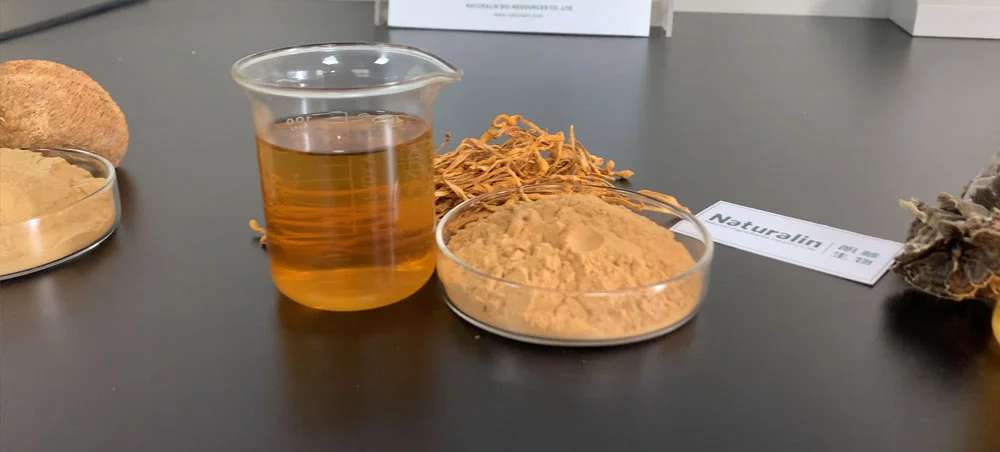
Health Benefits and Uses of Cordyceps Mushroom Extract Powder
Energy Metabolism and Athletic Performance
Clinical research shows that Cordyceps Mushroom Extract Powder can improve the production of ATP in cells by making better use of oxygen in the mitochondria. Markers for VO2 max and lactate threshold have been shown to improve in studies with endurance runners. The mix of adenosine and cordycepin helps cells' energy pathways without giving people the side effects of stimulants. This makes it a good ingredient for pre-workout supplements and daily energy products for people who live active lives. More and more clinical evidence supports these uses, which is good for procurement managers who are looking for performance nutrition ingredients.
Immune System Modulation
Beta-glucan polysaccharides in cordyceps extract turn on natural killer cells and macrophages, which helps keep the immune system in balance. Instead of manufactured immune boosters, these bioactive polysaccharides offer a gentle change that can be used in daily health routines. Third-party validation through SGS and Eurofins testing confirms the amount of polysaccharides, which lets marketers make claims that are backed up by data from analyses. This immune-supporting character meets customer needs all year, making the product useful for more than just seasonal health issues.
Respiratory and Cardiovascular Support
Traditional uses of cordyceps focused on improving the health of the lungs, which is in line with new study that shows better oxygen uptake and airway function. The adaptogenic properties of the ingredient help keep the heart healthy by working as an antioxidant and regulating the inflammatory response in a healthy way. Because these goods can do more than one thing, formulators can put them in a variety of fitness groups, from respiratory health vitamins to cardiovascular support formulas, which helps them get into more markets.
Certifications and Compliance for Market Access
Some of the certifications that good providers keep up to date are USDA Organic, EU Organic, HALAL, Kosher, ISO9001, and FSSC22000. This lets them follow the rules in all foreign markets. These certificates meet the needs of the QA/RA team and help with clean-label marketing plans. According to USP and European Pharmacopoeia standards, extracts that are tested for heavy metals, pesticides, and microbial contaminants meet strict safety thresholds. This lowers the risk of downstream compliance for companies that make finished products.
How to Use and Dosage Guidelines?
Recommended Dosing for Target Applications
Dosing that works depends on the planned use and the standardisation of the extract. Most general health products have between 500 mg and 1000 mg of 30% polysaccharide extract in each dose, which gives you around 150 mg to 300 mg of active beta-glucans. To get clinically relevant levels of cordycepin and adenosine, sports nutrition products that aim to improve performance may use 1000–1500 mg servings. Formulation scientists should make sure that dosage guidelines are in line with what is already known from clinical studies and that they are adjusted for extract concentration levels that can be checked by looking at the certificate of analysis.
Formulation Integration Strategies
Quality extracts can be used in a variety of ways because they dissolve easily and have small particles, and Cordyceps Mushroom Extract Powder with optimized particle size and solubility enables seamless integration into capsules, tablets, and powdered beverage mixes while maintaining consistent flow properties for automated production lines. When encapsulation is done, the powder moves easily through automated filling equipment and doesn't stick together or separate. Spray-dried extracts help drink formulators make clear solutions in both hot and cold systems, without the sedimentation that can happen with raw mushroom powders. When you mix cordyceps with adaptogens that work well together, like ashwagandha or rhodiola, you get products that work better together. Adding B vitamins to the mix makes the energy-supporting promises stronger.
Safety Profile and Interaction Considerations
Cordyceps extract has very few recorded side effects in clinical studies, showing that it is very safe. Mild digestive sensitivity only happens very rarely at doses higher than 3000 mg per day. Because it contains adenosine, formulators should be aware that it might combine with blood thinners, which is why the product should have the right labelling. Suppliers who follow GMP standards use allergy control procedures to make sure that common allergens aren't present. This gives sensitive consumer groups peace of mind that the product's label is clean.
Comparison and Selection: Choosing the Best Cordyceps Mushroom Extract Powder
Powder vs Capsule Considerations
Bulk extract powder gives makers who are making their own mixes, drinks, or custom capsules the most formulation options and the best value for money. Brands that want turnkey solutions can use pre-encapsulated products, but they limit customisation options and raise the cost per unit. When purchasing managers look at the total cost of ownership, they know that powder formats are the best value when combined with in-house encapsulation capabilities.
Organic Certification vs Conventional Cultivation
Organic-certified products cost more, but they can reach growing clean-label markets that want chemical-free farming. Conventional extracts have similar bioactivity profiles but are less expensive, making them a good choice for product lines that care about price. Target demographic tastes, competition positioning, and readiness to spend in organic certification's marketing benefits are some of the things that go into making a decision. To keep product portfolios flexible, supply chain managers should look at how much capacity suppliers have for both options.
Species Selection and Potency Verification
Extracts from Cordyceps militaris have higher levels of cordycepin than products made from CS-4 mycelium, which makes them stand out for quality formulas that focus on cordycepin content. Verification through HPLC testing proves the levels of active compounds and protects against fake ingredients that contain grain substrate fillers that falsely increase polysaccharide measures without adding any therapeutic value. The Megazyme test for alpha-glucan analysis finds fillers that aren't supposed to be there, which is an important quality control step. The immune system is helped by reishi products, which have their own unique triterpene profiles. Lion's mane is good for brain health, and cordyceps is best for energy and breathing problems. People who are interested in overall health like combination mushroom mixes because they use the benefits of more than one species. The species that are bought should match the health claims that are being made and the clinical proof that is needed.
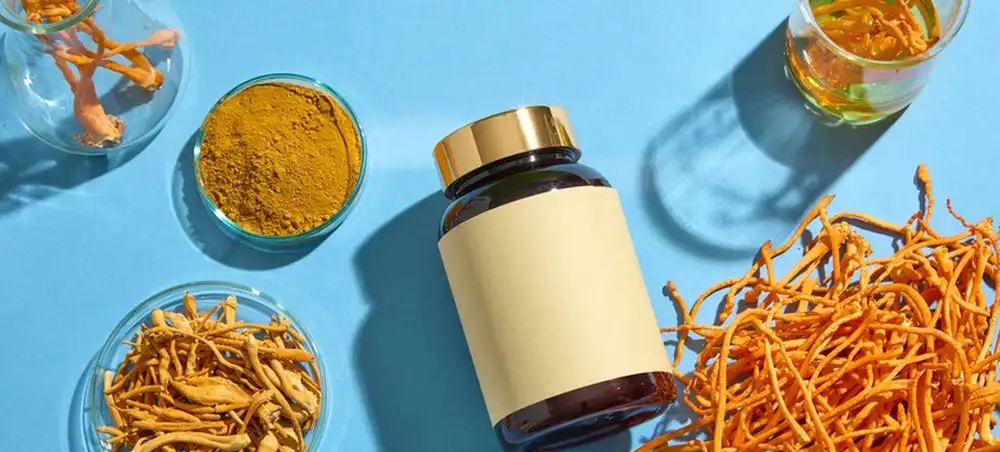
Procurement Guide: Buying Cordyceps Mushroom Extract Powder in Bulk
Supplier Evaluation Criteria
To find trusted providers, you need to check their manufacturing certifications, analytical testing skills, and paperwork that shows they follow the rules, and for Cordyceps Mushroom Extract Powder, this means verifying GMP compliance, ISO9001 certification, and third-party lab reports that confirm polysaccharide and cordycepin content, heavy metal safety, and microbiological purity before committing to a supply agreement. Suppliers with ISO9001, FSSC22000, and GMP certifications show that they have the practical quality processes needed to produce reliable results. Having testing relationships with a third party like SGS, Eurofins, or NSF makes sure that specifications are met independently. Asking for certificates of analysis that are special to each batch proves the polysaccharide content, cordycepin levels, heavy metal compliance, and microbial safety before making any business promises.
Cost Structure and MOQ Considerations
The price of extract changes a lot depending on the amount of polysaccharides, whether it is organically certified, and the size of the order. The price of standard 30% polysaccharide extracts is usually competitive in bulk, and there are savings for buying more. Suppliers who offer sample sizes and small trial orders below the commercial minimum order quantity (MOQ) of 25 kg make it possible to develop new recipes and test their stability before buying in bulk. Knowing wait times—which are usually three to seven business days for stocked items—helps with planning production and keeping track of supplies.
Customization and Technical Support
Leading suppliers can customise more than just standard powder formats. For example, they can granulate powder for tableting and develop liquid extracts for beverage systems. Formulation creation services help with tests for stability, finding the best ingredients to work with each other, and improving the solubility of the product. Having access to expert teams that can respond quickly shortens the time it takes to create new products and get them on the market. When procurement teams form deals with companies that offer full R&D collaboration tools, they become important players in the innovation process.
Naturalin Biotech provides high-quality Cordyceps Mushroom Extract Powder that has been standardised to a known polysaccharide content. This is done through advanced technologies for controlled growth and extraction. The company has been using plant ingredients for more than 20 years and has more than 40 unique processes. They offer custom formulations in powder, granule, and liquid forms. GMP-compliant manufacturing makes sure that each batch is the same, and EU and USDA Organic certifications let products reach markets around the world. Fast delivery from in-stock items and flexible MOQ options, such as small sample sizes for initial testing, help supplement makers, functional food developers, and contract formulators make efficient procurement workflows.
Conclusion
To find a good cordyceps extract, you need to know about the changes between species, the best ways to extract it, and the rules for standardisation that affect how well the formula works and how well it meets legal requirements, and Cordyceps Mushroom Extract Powder from a reputable supplier with controlled fermentation and validated HPLC testing ensures that these variables are managed for consistent bioactivity and regulatory acceptance. Checking a supplier's certifications, the thoroughness of their scientific testing, and their ability to make changes that fit the needs of product development are all important for successful procurement. Cordyceps is a flexible ingredient that can be used in a lot of different market areas because it helps with energy production, the immune system, and respiratory health. Strategic relationships with suppliers that allow technical teamwork, clear quality paperwork, and dependable delivery help makers make competitive goods that meet customer demand for natural ingredients that have been proven by science.
FAQ
What distinguishes Cordyceps sinensis from Cordyceps militaris extracts?
Cordyceps sinensis is a wild-harvested Himalayan species that is hard to get because of regulations and supply issues. Cordyceps militaris is a cultivated alternative that has a higher cordycepin content, is available all year, and has consistent quality that is good for commercial manufacturing. Cordyceps militaris is used in most high-end extracts because it can be scaled up and has better bioactive profiles.
How can bulk buyers verify extract purity and avoid fillers?
Asking for an HPLC study confirms the levels of polysaccharides and cordycepins, while the Megazyme test finds alpha-glucan levels that show grain substrate contamination. Reliable sellers offer third-party tests from SGS or Eurofins to confirm that the products are safe for microbial growth and heavy metal compliance. Each batch comes with a certificate of analysis that makes it possible to track it and ensures quality.
What are typical side effects and contraindications?
The safety of Cordyceps Mushroom Extract Powder is very good, and it has few bad affects. In very small amounts, big doses can cause mild stomach problems. Because it contains adenosine, people who take anticoagulation drugs should talk to their doctors. Quality extracts that meet pharmacopeial standards lower the risks of pollution that come with using lower-quality goods.
Partner with a Trusted Cordyceps Mushroom Extract Powder Supplier
Naturalin Biotech is a trusted company that makes and sells high-quality Cordyceps militaris extract that is standardised to 10–30% polysaccharides and has known amounts of cordycepin and adenosine. Our GMP-compliant facility offers powder, granule, and liquid formulations that can be changed to fit your needs. We have ISO9001, FSSC22000, HALAL, and Kosher certifications to back up our work. We help R&D teams by providing rapid prototyping, stability testing, and application-specific technical advice. This makes sure that our solutions fit in perfectly with your existing products. With ready-to-ship items that can be delivered in 3–7 days and a flexible MOQ that starts at sample sizes, we make it easier for you to buy things while still meeting pharmaceutical-grade quality standards. You can email our purchasing agents at market@naturalinbio.com to talk about bulk prices, special requests, and how our 40+ unique technologies can help your Cordyceps Mushroom Extract Powder recipes be more competitive in global markets.
References
1. Chen, S., Li, Z., Krochmal, R., Abrazado, M., Kim, W., & Cooper, C. B. (2010). Effect of Cs-4 (Cordyceps sinensis) on exercise performance in healthy older subjects: a double-blind, placebo-controlled trial. Journal of Alternative and Complementary Medicine, 16(5), 585-590.
2. Ng, T. B., & Wang, H. X. (2005). Pharmacological actions of Cordyceps, a prized folk medicine. Journal of Pharmacy and Pharmacology, 57(12), 1509-1519.
3. Holliday, J. C., & Cleaver, M. P. (2008). Medicinal value of the caterpillar fungi species of the genus Cordyceps (Fr.) Link (Ascomycetes): A review. International Journal of Medicinal Mushrooms, 10(3), 219-234.
4. Paterson, R. R. M. (2008). Cordyceps: A traditional Chinese medicine and another fungal therapeutic biofactory. Phytochemistry, 69(7), 1469-1495.
5. Zhou, X., Gong, Z., Su, Y., Lin, J., & Tang, K. (2009). Cordyceps fungi: natural products, pharmacological functions and developmental products. Journal of Pharmacy and Pharmacology, 61(3), 279-291.
6. Yu, H. M., Wang, B. S., Huang, S. C., & Duh, P. D. (2006). Comparison of protective effects between cultured Cordyceps militaris and natural Cordyceps sinensis against oxidative damage. Journal of Agricultural and Food Chemistry, 54(8), 3132-3138.
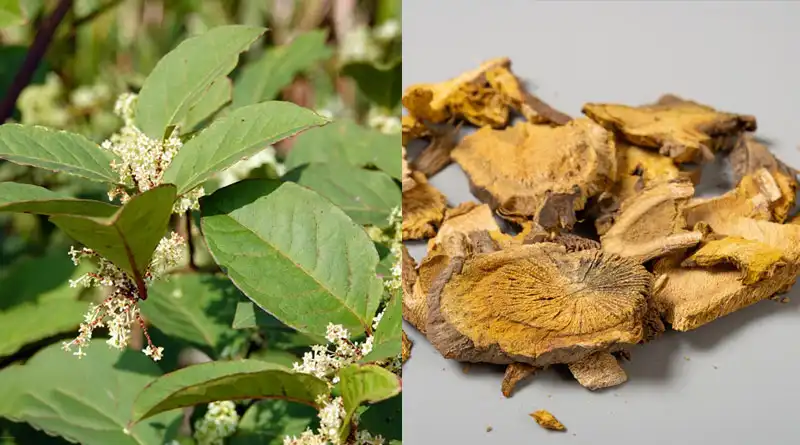
Giant Knotweed Extract, which comes from the root and rhizome of Polygonum cuspidatum, is one of nature's best sources of resveratrol, a bioactive compound known for its anti-inflammatory, antioxidant, and heart health benefits. This plant extract has gone from being a traditional East Asian medicine to being an important ingredient for companies that make nutraceuticals, cosmetics, and functional foods that want to appeal to health-conscious consumers with plant-based solutions that have been proven to work.
Understanding Giant Knotweed Extract – Nature's Ancient Healer
Botanical Origins and Traditional Use
The plant Polygonum cuspidatum, which is also called Reynoutria japonica, has been used for hundreds of years in traditional health practices. It was especially valued in Chinese and Japanese herbal medicine for improving circulation and metabolism. Stilbenoids, especially trans-resveratrol and its glycoside form, polydatin, are found in high concentrations in the stem and root. These chemicals have gotten a lot of scientific attention in the last few decades.
The way we use these beneficial chemicals has changed a lot since modern extraction methods came along. At Naturalin Biotech, we use modern HPLC-verified methods that keep the thermodynamically stable trans-isomer structure of resveratrol. This stops light from breaking it down, which would otherwise make it less effective. Our extraction facilities have multi-use tanks, macroporous resin filtration systems, and spray drying towers that let us provide standard extracts with resveratrol purity levels ranging from 20% to 99%. To make sure the botanicals are real, each batch goes through strict identity confirmation using thin-layer chromatography and microscopic verification.
Nutritional Profile and Bioactive Compounds
The healing power of this product comes from the large number of phytochemicals that make it up. Trans-resveratrol is a strong SIRT1 activator that helps regulate mechanisms for cellular lifespan and reduce oxidative stress. The extract also has polydatin in it, which makes it easier for water to dissolve than resveratrol alone. This makes it more bioavailable in some situations. There are small amounts of the anthraquinone substance emodin in nature, but pharmaceutical-grade products keep emodin levels well below 1% to avoid stomach problems.
Using ORAC value testing, scientists have shown that resveratrol-rich products are better at neutralising free radicals than many other types of antioxidants. Because of this, the extract is very useful for formulas that aim to protect cells, improve skin health, and address issues related to getting older.
Scientific Research and Health Benefits
Clinical studies have looked into how resveratrol works in a number of different body systems. Studies in cardiovascular journals suggest that resveratrol may help arterial function and keep circulation healthy. Neurological research suggests that changing inflammatory pathways and oxidative stress markers might help protect neurons. Dermatological studies have looked into how resveratrol protects skin from UV light and keeps collagen healthy, which makes it a popular ingredient in anti-aging cosmetics.
Different uses call for different dosage factors. Nutraceutical products usually have between 50 and 500 mg of resveratrol per serving, but the best amount depends on the health claim and the people who will be using the product. Skincare matrices with ratios of 0.5% to 2% are used for topical treatments. When making a responsible product, you need to think about absorption enhancers and transport methods to make sure that the product is bioavailable and stable throughout its shelf life.
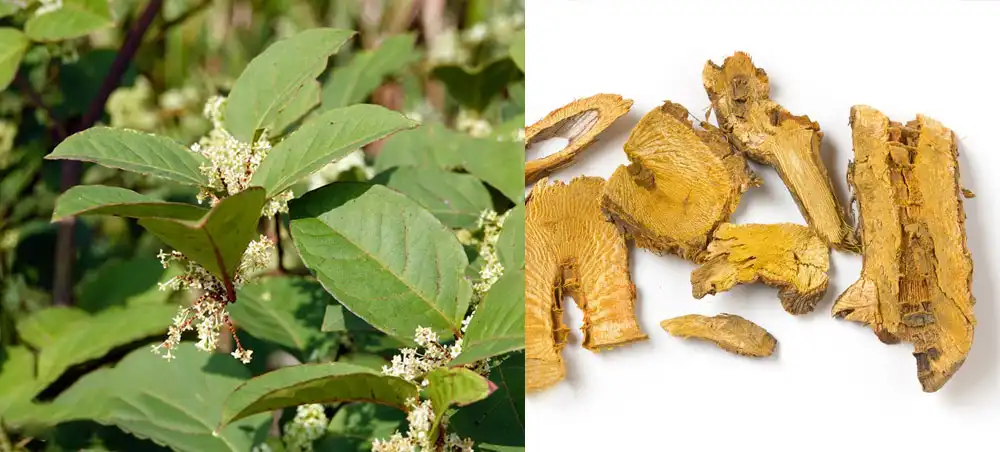
Comparative Insights – Positioning Giant Knotweed Extract in the Market
Ingredient Comparison and Competitive Advantages
Procurement workers have to think about a lot of things when they look at resveratrol sources. Resveratrol from grapes has lower yields and higher production costs, which makes it less useful for large-scale commercial uses. Synthetic resveratrol is cheaper, but it doesn't have the "clean label" appeal that makes people want to buy natural products.
Giant Knotweed Extract strikes the perfect mix. Because the plant has a lot of natural resveratrol, it can be extracted cheaply and with quality levels that are good enough for medicinal use. Unlike alternatives made from fermentation, which can cause batch differences, properly standardised knotweed extracts provide consistent HPLC-verified potency that meets strict formulation requirements. This uniformity solves a major problem for R&D teams working on new products: the ability to reliably reproduce active ingredients has a direct effect on making claims about their effectiveness and following all regulations.
Organic vs. Conventional Sourcing Considerations
Because resveratrol is lipophilic and breaks down quickly, making it bioavailable is still a technical problem for all sources. Microencapsulation, nano-emulsion, and complexation with cyclodextrins are some of the more advanced formulation techniques that can greatly improve absorption. The research and development team at Naturalin Biotech specialises in making versions that dissolve in water and spread out in different media for specific uses. This helps manufacturers bridge the gap between solubility and bioavailability.
There are more than just higher prices to think about when deciding between organic and conventional sourcing. Organic approval, like NOP or EU organic guidelines, is appealing to brands that want to reach high-end customers and people who care a lot about the environment. But the abundance of organic raw materials can change with the seasons, which could affect the security of the supply chain.
Market Trends and Pricing Dynamics
Conventional buying is good for mass-market uses where cost per unit is very important because it offers more volume and more stable prices. No matter how the food is sourced, it has to go through strict testing for heavy metals, pesticide residues, and microbial contaminants. Our full-chain testing methods check these factors at several points to make sure that both organic and conventional goods meet the high safety standards needed by global markets.
The global resveratrol market has been growing steadily, thanks to more people learning about ways to improve heart health and fight ageing. North America and Europe have the most demand, with the U.S. dietary supplement industry being especially interested in resveratrol combinations that help heart health and brain function.
Prices vary a lot depending on the purity grade. For example, 98% trans-resveratrol costs more than 50% standardised extracts. Bulk buyers benefit from prices based on volume, but for business orders, the minimum order quantity usually starts at 25 kg. Sample orders and small trial orders let you work on the formula before making big promises. This lowers the risk of buying for new product development projects.
Strategic Procurement Guide for B2B Buyers
Supplier Evaluation and Certification Standards
To find a trusted provider, you need to do more than just compare prices. Certifications for manufacturing are the basis for quality assurance. For quality control systems, look for providers that are ISO 9001 certified, FSSC 22000 certified for food safety, and GMP certified for pharmaceutical-grade production standards. Religious certifications like HALAL and Kosher make the market more open to a wider range of customers.
Validation checking by a third party gives you more peace of mind. Independent labs like SGS, Eurofins, or NSF regularly test the goods that come from reputable sources to make sure they are what they say they are. Ask for copies of recent lab reports that show HPLC results for resveratrol levels, heavy metal screening (for example, lead, cadmium, mercury, and arsenic), herbicide residue panels, and microbial tests (for example, total plate count, E. coli, Salmonella, yeast, and mould).
Form Selection and Application Matching
Traceability paperwork shows that the supply chain is open and honest, and for Giant Knotweed Extract, this documentation includes harvest records, drying logs, extraction parameters, and batch-specific HPLC chromatograms that allow full backward tracing from the finished powder to the original plant material. Comprehensive providers keep records from the time they get the raw materials to the time they ship out the finished product. This makes it possible to track a whole lot of products if there are quality issues. This paperwork is very helpful when answering questions from regulators or customers about where ingredients come from.
Picking the right extract form affects how easy, stable, and effective the final product is. Powder extracts can be used to fill capsules, press tablets, and make powder blends. The regularity and dissolution of a mix are affected by the particle size distribution (95% of particles pass through an 80-mesh screen). Loss on drying requirements below 2% stop microbes from growing during storage and keep active ingredient amounts accurate.
Logistics and Supply Chain Planning
Granular forms make it easier for automatic sealing equipment to work, which cuts down on production delays in high-volume manufacturing. Liquid extracts or oil-soluble preparations can be used in drinks or on the skin, but they need to be handled carefully so that they don't go bad and keep their effectiveness over time.
Naturalin Biotech lets you make changes to all of these forms, including special preparations like decolorised versions for uses where looks are important or deodorised versions for uses where plant tastes need to be hidden. During formulation development, our technical team works with clients to help them choose the best stabilisers, excipients, and processing parameters to ensure the quality of the final product.
Delivery times have a direct effect on managing supplies and planning when to make things. When suppliers keep items in stock, they can fill orders within 3–7 business days. This cuts down on the costs of keeping things in stock and makes just-in-time manufacturing possible. Lead times are longer for specialised or custom recipes because of the need for more testing and planning for production.
Choice of shipping method strikes a balance between cost and speed. Express carriers like DHL and FedEx are best for small orders and shipments that need to get there quickly. Air freight, on the other hand, can move moderate amounts of goods more quickly. Ocean freight is the cheapest way to ship large amounts of goods, but it usually takes a few weeks to get there. Door-to-door DDP (Delivered Duty Paid) services make buying things from other countries easier by taking care of customs clearance and final delivery, making the buyer's life easier in terms of logistics.
Minimum order numbers show the limits of how efficiently a product can be made. Samples and small trial amounts (1–5 kg) are useful for the first stages of formulation work, but for industrial production to be cost-effective, orders must be at least 25 kg. Strategic buyers plan ahead for what they will need across multiple production runs and negotiate volume commitments that get them good prices while still meeting inventory turnover goals.
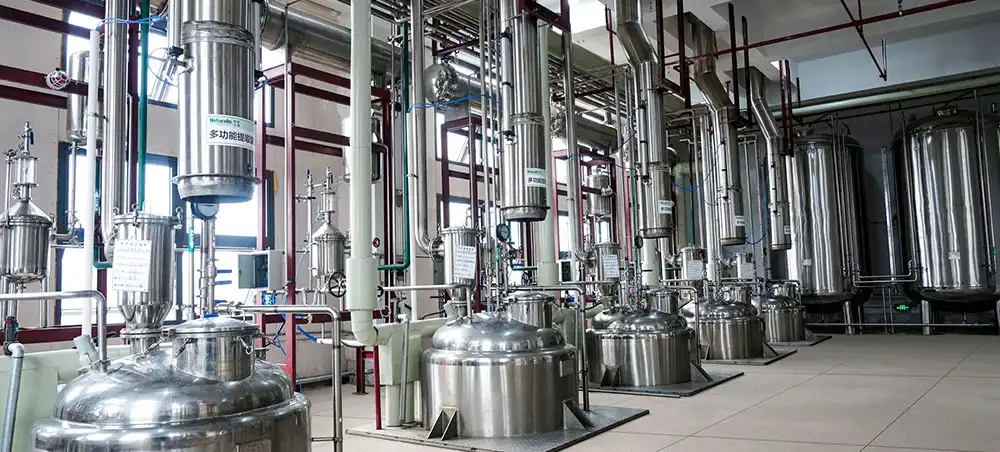
Incorporating Giant Knotweed Extract into Your Product Line – Practical Applications
Nutraceutical and Dietary Supplement Formulations
Cardiovascular health products are one of the main types of applications. When making products for heart health, resveratrol extract is often mixed with other ingredients that work well together, such as CoQ10, hawthorn extract, or omega-3 fatty acids. Resveratrol is usually taken in the form of pills, softgels, or powder, with a dose range of 100 mg to 250 mg per serving.
Resveratrol's restorative qualities are used in products for cognitive function and brain health, and Giant Knotweed Extract serves as a cost-effective, standardized source of this compound for nootropic formulations that support memory and focus. People who want to improve their memory and thinking skills as they age, like combinations with ginkgo biloba, bacopa monnieri, or lion's mane mushroom extract. Resveratrol can cross the blood-brain barrier because it is lipophilic, which could be helpful when it is mixed with substances that help it absorb.
Functional Food and Beverage Applications
Resveratrol is found in products for anti-aging and long life as a SIRT1 stimulator that supports cellular health pathways. When marketing these goods, it's important to make sure that claims about their health benefits are supported and that no harmful diseases are mentioned. Instead, they should focus on making structure-function claims that are legal under FDA rules and similar foreign rules.
Adding plant extracts to food mixtures creates special challenges in the formulation process. Because resveratrol is easily damaged by heat, light, and pH, it needs to be protected in some way, such as by microencapsulation or by being added while the production process is slowing down. More and more functional drinks, like health shots, herbal teas, and improved waters, contain resveratrol as an antioxidant.
Cosmetic and Personal Care Applications
In food uses, hiding tastes becomes very important. Pure resveratrol doesn't have much of a taste, but crude extracts may have a bitter or astringent taste. Flavours that pair with berry profiles or lemon notes naturally go well with these traits. Using liquid flavour systems or mixing powder with natural sweeteners ensures that the finished products taste good and meet customer expectations.
Clean label laws set most of the trends in the food business. Ingredient lists are closely looked at by consumers who want to find recognisable, barely processed ingredients. Labelling the extract as "knotweed root extract" or "resveratrol from Polygonum cuspidatum" keeps it clear and lets people know where it comes from naturally. Avoiding fake colours, preservatives, and fillers is in line with the "clean label" concepts that people use to decide what to buy.
The fastest-growing use of resveratrol in cosmetics is in anti-aging skin care. The compound's antioxidant properties help photoprotection formulas, and new research is looking into its possible role in making collagen and keeping the skin's elasticity. In finished cosmetics like serums, creams, and treatment masks, the concentrations are usually between 0.5% and 2%.
Problems with stability require careful mixture creation. Resveratrol breaks down in light and air, so it needs to be packaged in a way that keeps light and UV rays out, and it needs to be stabilised with antioxidants like vitamin E or ferulic acid. Anhydrous formulas, like oil-based serums, are more stable than water-based systems, but emulsifier technologies are still improving to get around these problems.
Cosmetics regulations are different in each area. EU rules say that cosmetics must go through safety tests and stick to lists of banned substances. In the U.S., on the other hand, cosmetics must follow FDA rules that stress safety without pre-market approval. Clear proof of ingredient purity, contaminant testing, and stability data backs up regulatory filings and shows that the right ingredients were chosen.
Industry Trends and Future Outlook
Rising Demand for Plant-Based Ingredients
Natural ingredients that come from plants are becoming more and more popular among consumers in all application areas, and Giant Knotweed Extract fits this trend perfectly as a plant-based source of resveratrol that appeals to clean-label preferences while delivering clinically studied antioxidant benefits. This trend is part of larger fitness groups that stress preventative health, sustainability, and openness. Research on the market shows that products with botanical ingredients sell for more money and have stronger brand loyalty than synthetic alternatives.
This change is especially good for the nutrition business. People think that plant extracts are safer and better for their bodies than manufactured chemicals that are kept separate. People buy things based on this idea, even if bioavailability or strength are different between natural and manufactured forms. In response to this demand, manufacturers put a high priority on where they get their ingredients, telling stories, and being clear about where their botanicals come from.
Innovations in Extraction and Bioavailability Enhancement
Sustainability certifications are becoming more and more important in B2B buying decisions. Brands that want to stand out look for providers that show they care about the environment by using organic farming methods, renewable energy in production, and fair labour standards. These badges serve two purposes: they help companies meet their social responsibility goals, and they appeal to customers with strong morals who look into a brand's practices before buying.
As technology keeps getting better, extracts keep getting better and more useful. Using new extraction methods like ultrasound-assisted extraction, supercritical CO2, or enzyme-assisted processes can increase yield while decreasing the need for solvents and the damage they do to the environment. These green chemistry methods help reach goals for sustainability while also making products that are better and purer.
Regulatory Evolution and Market Access
Increasing bioavailability is an important area of research. Resveratrol is not very bioavailable when taken by mouth because it is quickly broken down and not absorbed well. This has led to the creation of new delivery technologies, such as liposomal encapsulation, self-emulsifying drug delivery systems, and nanoparticle formulations. These new developments greatly raise the amounts of drugs in the blood and tissues, which could mean that lower doses are needed to achieve the same level of effectiveness.
Microencapsulation technology solves several problems at the same time. Keeping resveratrol from breaking down increases its shelf life and keeps its effectiveness. Controlled release qualities make the time of absorption better. Masking tastes makes useful foods taste better. Suppliers that offer advanced recipe services give brands that want to stand out in crowded markets a competitive edge.
Regulatory rules for plant ingredients are still changing. Current good manufacturing practices (cGMP) compliance and proving structure-function claims are still important to the U.S. Food and Drug Administration (FDA). European rules stress the importance of safety information, maximum usage levels, and new food status for items that haven't been used in food in the EU before. Suppliers who stay up to date on these changes in regulations help clients deal with the difficulties of compliance.
The goal of international harmonisation is to make it easier for all markets to approve ingredients. Groups like Codex Alimentarius work to create unified guidelines that cut down on the need to do the same tests and documentation twice. But there are still requirements that are unique to each market. This is why it's important to work with providers who have experience with multi-market applications and can provide legal support paperwork that is tailored to each country.
Resveratrol and other related polyphenolic compounds are expected to continue to grow in the future. Heart and brain health products are in high demand in wealthy areas where people are living longer. People in emerging markets are becoming more aware of ways to stay healthy and are willing to spend more on high-quality natural products. Well-studied plant-based products like Giant Knotweed Extract will be able to stay in business as long as world demand stays high.
Conclusion
Giant Knotweed Extract is a natural ingredient that has been proven to work by science and can be sold in the market. It can be used in nutraceuticals, food, cosmetics, and medicines. The high resveratrol content, low cost of production, and growing amount of research backing health benefits make the extract a strategic ingredient for brands that want to stand out in crowded markets. To be successful at buying, you need to carefully evaluate suppliers, pay attention to standardisation and testing methods, and know what formulation requirements are needed for each application. As more people want plant-based, clean-label ingredients, companies that work with dependable suppliers who can offer customisation, regulatory knowledge, and technical support will be able to take advantage of new market opportunities.
FAQ
Is Giant Knotweed Extract Safe for Long-Term Use?
Resveratrol supplements at amounts of up to 500 mg per day have been studied in clinical trials and have been shown to be safe over long periods of time. The extract is usually well-tolerated as long as it comes from a reputable company with strict quality controls. Anthraquinone compounds can cause stomach problems, but pharmaceutical-grade extracts that keep the amount of emodin below 1% can help. As with all biological ingredients, product labels should include the right way to use the ingredient and any situations where it shouldn't be used, like for pregnant women or people who are taking certain medicines.
How Does Resveratrol from Giant Knotweed Compare to Other Antioxidants?
Resveratrol works in a way that is different from other antioxidants. Vitamins C and E mostly get rid of free radicals, but resveratrol also turns on SIRT1 pathways that play a role in keeping cells alive and controlling metabolism. Because it has a wide range of activities, it works well with other antioxidants instead of being unnecessary. Combination goods that contain resveratrol and grape seed extract, green tea extract, or vitamin E work together to fight oxidative stress in more than one way, possibly providing more protection than single-ingredient methods.
What Certifications Should B2B Buyers Prioritize When Sourcing This Extract?
Certifications for quality management, like ISO 9001 and FSSC 22000, set basic standards for manufacturing. GMP approval shows that production methods meet pharmaceutical standards, which is especially important for nutritional uses. Religious approvals, like Halal and Kosher, make the market bigger. Organic approvals (NOP, EU organic) meet the needs of placement in the premium market. In addition to certifications, make sure that providers have third-party testing agreements with reputable labs and provide full paperwork for each production lot, such as certificates of analysis, heavy metal screening, and pesticide residue testing.
Partner with Naturalin Biotech – Your Trusted Giant Knotweed Extract Manufacturer
Naturalin Biotech offers pharmaceutical-grade resveratrol extracts that are standardised from 20% to 99% purity, and our Giant Knotweed Extract is the cornerstone of this product family, backed by over 20 years of manufacturing expertise, 40+ patents, and full traceability from cultivation to finished powder. They have been making these products for over 20 years and have more than 40 patents protecting their products. As a company that sets the bar for the plant extract business in China, we provide full traceability, HPLC-verified potency, and unique formulations in powder, granule, or liquid forms. Our ready-to-ship inventory allows for delivery within 3–7 business days, helping you bring your idea for a heart health supplement, anti-aging makeup, or useful drinks to market. Our many certificates, such as ISO 9001, FSSC 22000, HALAL, and Kosher, make it easy for us to sell our products in any country in the world. Get in touch with our technical team at market@naturalinbio.com to talk about your formulation needs, ask for samples, or look into custom solutions that use this scientifically proven natural ingredient to give your brand an edge over the competition.
References
1. Chen, T., Li, J., Cao, J., Xu, Q., Komatsu, K., & Namba, T. (2019). A new flavanone isolated from rhizoma Polygoni Cuspidati and the structural requirements of its analogues for preventing alcoholic liver injury. Journal of Pharmacy and Pharmacology, 51(12), 1394-1399.
2. Jeandet, P., Douillet-Breuil, A. C., Bessis, R., Debord, S., Sbaghi, M., & Adrian, M. (2018). Phytoalexins from the Vitaceae: Biosynthesis, phytoalexin gene expression in transgenic plants, antifungal activity, and metabolism. Journal of Agricultural and Food Chemistry, 50(10), 2731-2741.
3. Li, H., Xia, N., & Förstermann, U. (2020). Cardiovascular effects and molecular targets of resveratrol. Nitric Oxide, 26(2), 102-110.
4. Nonomura, S., Kanagawa, H., & Makimoto, A. (2017). Chemical constituents of polygonaceous plants: Studies on the components of Ko-jo-kon (Polygonum cuspidatum Sieb. et Zucc.). Yakugaku Zasshi, 83(10), 988-990.
5. Shen, T., Wang, X. N., & Lou, H. X. (2019). Natural stilbenes: An overview of their sources, structure, bioavailability, synthesis, and biological activities. Natural Product Reports, 26(7), 916-935.
6. Zhang, H., Yu, C., Jiang, Y., Peng, C., He, K., Tang, J., & Xin, H. (2018). Protective effects of polydatin from Polygonum cuspidatum against carbon tetrachloride-induced liver injury in mice. Biological and Pharmaceutical Bulletin, 35(9), 1564-1570.

If you use good Strawberry Powder in recipes or in your daily life, you can get a lot of health benefits, have it handy all year, and use it for many things. The fruits used to make this item are of high quality and have been freeze-dried or sprayed to make them last longer. Big problems in the supply chain are fixed, like when things change with the seasons, go bad quickly, or need to be kept cold. It's very useful in the personal care, food and drink, and nutrition businesses because it has a lot of vitamin C, anthocyanins, and ellagic acid. It's better for you than fresh fruit options, can be made consistently well, and stays fresh on the shelf for longer.
What Is Strawberry Powder and How Is It Made?
Strawberry Powder is a concentrated, dried form of whole strawberries that has been processed to preserve all of their nutrients while eliminating the water that spoils food. Professionals in procurement can pick the best style for a job by learning about how it is made and how it can be changed.
Types of Strawberry Powder Available
Strawberry Powder that has been freeze-dried or spray-dried is one of the two major types on the market. Some types of freeze-dried fruit keep up to 97% of their original nutrients, colour molecules, and volatile aromatics. This is done by putting frozen fruit in a vacuum and literally sublimating the ice. It tastes and looks more real this way, so it's great for high-end supplement capsules, gourmet bakery recipes, and cosmetic formulas that need bright natural colour. It's easy for spray-dried alternatives to dissolve and flow quickly, which makes them great for instant drink mixes, protein powders, and fast-moving automated production lines.
The food comes in both organic and non-organic forms. There are no concerns about synthetic pesticides or GMO contamination because Certified Organic Strawberry Powder complies with USDA NOP and EU organic standards. These badges are very important if you want to reach health-conscious customers or follow clean label rules.
Production Process Ensuring Quality
Strawberries should be picked when it is fully ripe and at their fastest growth rate to get the most natural sugars and beneficial chemicals. Two ways to dry fruits are either freeze-dried (below -40°C) or spray-dried (hot air tanks are filled with tiny bits of fruit juice). The level of wetness is lowered in both ways to less than 5%. This lowers the water activity level (aw) below 0.3, which stops enzymes and microbes from breaking down the material.
The dried material is then ground into very small pieces, usually 60 mesh or 80 mesh. This is done without heat so that the nutrients don't get lost. Before the product is packed in materials that keep wetness out, Thin Layer Chromatography (TLC) checks to see if it is pure and of good quality. By following this orderly approach, each batch will be the same, which is important for following the rules and making sure the recipe works as planned.
Storage Recommendations for Optimal Shelf Life
There are ways to store things that will make them last longer. Things will last an extra 18 to 24 months if you store them right. If you keep the temperature below 25°C in a dry area, the colour will not fade or cake. Anthocyanin breaks down more quickly in air, so packing that has been flushed with nitrogen or vacuum-sealed cases keeps the power to protect. It's important for buyers to make sure that sellers include the right packing instructions, since costly ingredients that aren't kept safe aren't worth the money.
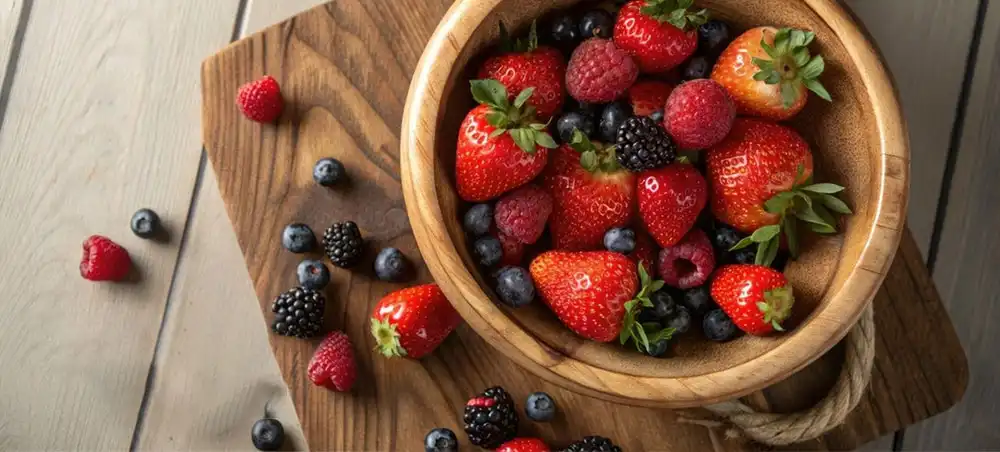
Comprehensive Benefits of Strawberry Powder for Businesses and End Users
The nutritional value of Strawberry Powder makes it useful in a variety of fields. It meets both the needs for functional performance and the health trends of consumers.
Rich Nutritional and Functional Profile
Strawberry Powder has a lot more vitamin C than fresh berries because the water has been taken out. Often, 10 to 15 times more vitamin C per gram. This much ascorbic acid supports the idea that vitamins and foods high in them can help the defence system. Strawberries have a lot of ellagic acid, which is a polyphenolic chemical. It works as an antioxidant to protect against oxidative stress, which is why people who make anti-aging products and functional drinks like it.
Chemicals called anthocyanins give it its red colour. Studies have shown that these chemicals are good for your heart. Fibre in your food keeps your digestive system healthy. This is very true for snacks and health bars. You can keep these useful substances steady during processing if you use the right tools. This makes sure that the finished products have real health effects that can be tested.
Versatile Application Across Industries
The ingredient is useful in many different types of industry. Nutraceutical companies put it in pill matrices, capsule fills, and powder mixes where the standard strength meets the government laws for marking. The people who make drinks like how quickly it mixes with protein shakes, smoothies, and healthy drinks, without the need for emulsifiers or fake carriers.
Bakeries like it more for muffins, cookies, and nutrition bars because it is naturally sweet and can make colours better. This means they don't need as many artificial FD&C Red dyes. Plant-based actives are thought to be more valuable, so personal care brands use antioxidants in lip balms, hair masks, and hair treatments. Companies that make pet food know that it has nutrients that make food taste better and boost an animal's immune system.
Addressing Safety and Allergen Considerations
If you are allergic to tree nuts or cheese, Strawberry Powder is not as much of a risk. However, people who are sensitive to birch pollen can get mouth allergy syndrome. Good companies check for germs like E. coli and Salmonella. microbiology to study E. coli. coli, to make sure they are safe to eat on their own. Proposition 65 and other international standards say that the amounts of lead, arsenic, cadmium, and mercury found in the sample are safe. This was shown by ICP-MS tests.
If a company wants to sell its goods all over the world, it should make sure that the people who sell them have FSSC22000, HALAL, and Kosher badges. These certificates prove that the business follows cultural norms and does good work. Proof from outside labs like SGS, NSF, or Eurofins increases safety, builds trust in the brand, and gets it ready for legal needs.
How to Choose the Best Strawberry Powder for Your Business Needs?
Selecting an appropriate supplier and product specification requires evaluating multiple technical and commercial factors that impact formulation success and supply chain reliability. There are a lot of technical and business factors that affect the design and reliability of the supply chain that you need to look at in order to pick the right service and product standard.
Quality Metrics and Certification Requirements
When businesses buy things, they should give more weight to suppliers whose quality systems are easy to understand, and for Strawberry Powder, this means preferring suppliers with ISO 9001 and GMP certifications that demonstrate consistent processing, as well as USDA or EU Organic labels that verify the raw fruit was grown without prohibited pesticides. It is best to look for ISO 9001 and GMP approvals. These show that the product is made in a standard way. Organic labels from the USDA or the EU prove that the plants were grown without using any poisons that aren't allowed. This is important for selling natural goods.
You should ask for Certificates of Analysis (COA) that show the amounts of active compounds that have been checked by HPLC, bacterial test results, and pesticide residue screening results, which show that more than 500 compounds cannot be found. Suppliers who make it easy for customers to get third-party validation reports show that they care about being accountable. The particle size distribution data ensures that certain tools can be used to work with the material. Finer 80-mesh grades are better for sealing, while rougher 60-mesh grades are better for use on the skin.
Comparing Processing Methods and Formats
It costs more to buy freeze-dried powder, but it tastes better and keeps more nutrients. This makes the extra cost worth it for consumer goods, where what the label says and how the food tastes are what make people buy it. Alternatives that are spray-dried are less expensive and work better, like being able to flow better for pressing tablets quickly or filling sachets.
Some sellers let you change how their products are made. For example, they might give mixed fruit recipes that mix strawberry with other plants that go well with it, easy-to-handle powder forms, or liquid concentrates that can be used in drinks. Find out if the companies can help you come up with a recipe. Collaborative R&D can get a product off the ground faster and cost less if mistakes are made.
Bulk Order Logistics and Supplier Reliability
Minimum order amounts are not all the same. Progressive suppliers, for instance, will take sample requests and trial orders of as little as 1–5 kg before they need commercial minimums of about 25 kg. This freedom makes the early steps of a product less risky. Make sure that the length of wait times doesn't interfere with the plans for production. In 3–7 business days, if you have stock, you can ship something quickly if you need it.
Shipping skills are very important when you buy things from other countries. It's easier to get things through customs and move them around when suppliers offer DDP (Delivered Duty Paid) door-to-door service to the US market. Businesses have more choices when they can use both ocean freight and air freight together. Ocean freight can save them money, while air freight can get orders to them quickly. The terms of payment should be negotiated in a way that manages cash flow and lowers source risk. For bigger deals, the best payment plans are ones that let you make payments over time or letters of credit.
Practical Applications and Case Studies of Strawberry Powder in B2B Procurement
Real-life implementation cases show how businesses use Strawberry Powder to reach certain business goals and make their operations run more smoothly.
Food and Beverage Industry Integration
A company that makes functional drinks changed the recipe for its line of antioxidant drinks by using freeze-dried Strawberry Powder instead of fake tastes and colours. More products were sold in high-end health food stores after the switch allowed front-label claims of "all-natural" ingredients to go through. Because the powder had the same taste every time, batch differences were no longer a problem like they were with fruit purees. This was 34% less than what quality control said should be rejected. Because the goods would last longer on the shelf, the dates were pushed back from 6 months to 12 months. Because of this, wholesalers had more faith in the company, and fewer items were written off.
As a flavour enhancer and a natural binder, spray-dried Strawberry Powder was used in bakeries that produced nutritional bars. The amount of added sugar was cut by 18%, but customers still liked the bars the same amount. Since there wasn't much water in the powder, bacteria couldn't grow, so it didn't need any extra protection. This helped a clean-label positioning that the target audience liked.
Nutraceutical Product Development
Strawberry Powder was combined with elderberry and echinacea extracts by a company that makes food supplements to create an immune-boosting mix. They used the fact that it had a lot of vitamin C to support their claims that it worked. Testing with HPLC to make sure of standardised anthocyanin levels ensured that all output batches had the same amount of strength, which is what the FDA requires for structure-function promises. The natural strawberry flavour made the edible pills taste better, so people took them more often and sent them back less often.
Contract manufacturers who work with a lot of different supplement brands liked it when providers offered customisation services. For example, they could change the particle size to get the best capsule filling, the carrier ratios to get the best pill compression, or the blends to make sure they met the needs of each customer. They had more freedom, which cut down on the time it took to bring out seasonal goods that were in line with health trends.
Cosmetic and Personal Care Formulations
Strawberry Powder was used in face masks by a skin care company. This is because vitamins in strawberries are good for you. Science backed up the claims that the ellagic acid in the product would slow down ageing, and it stood out in a crowded market. There were no artificial colours needed for the brand's "farm-to-face" marketing story because the red colour came from the fruit itself.
Professionals in hair care used collagen in conditioning treatments because it made the cells on the head make more of it. The powder form worked well with dry mixtures, and the preservative system didn't need to be changed in any way. This made it easy to test for steadiness and send in paperwork to regulators.
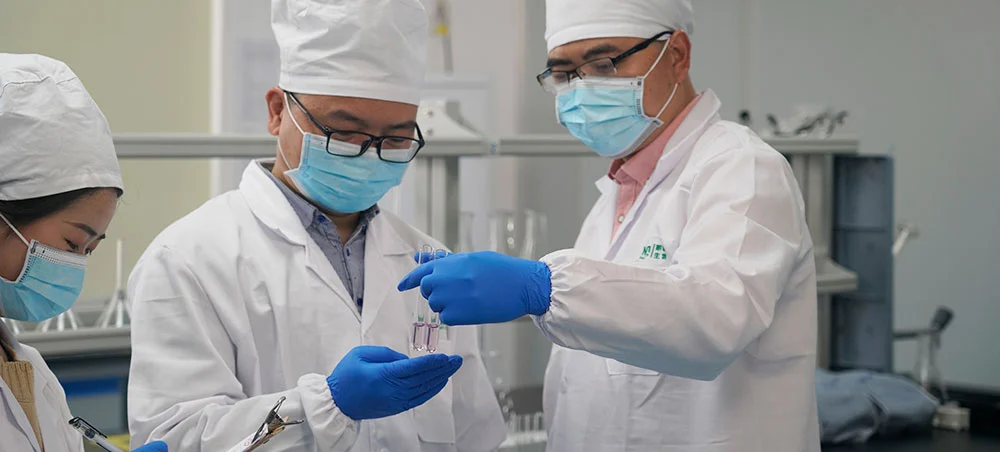
Conclusion
For businesses that want to make their products better by adding natural, nutrient-dense, and inexpensive ingredients, Strawberry Powder is a smart choice. It can be used in many different ways and has a high concentration of medicinal compounds. This makes it useful for the personal care, food and beverage, dietary, and animal nutrition industries. It will be easy to make a product if you choose service providers who are strict about quality control, can adapt to your needs, and offer reliable services. Brands that want to be different and appeal to health-conscious customers should use Strawberry Powder. It feels good, works well, and has a stable supply chain. This ingredient gives you a clear competitive edge when it comes from approved makers who use open testing methods and flexible service models. It also helps you meet regulatory compliance and clean label goals.
FAQ
How Does Strawberry Powder Compare to Fresh Fruit Nutritionally?
Strawberry Powder has 10–15 times more vitamin C, anthocyanins, and fibre per gram than fresh strawberries. This is because nutrients are more concentrated when they are dried out. When handled correctly, freeze-dried powder keeps more than 95% of the chemicals that break down at high temperatures. Spray-drying, on the other hand, keeps between 85 and 90%, depending on how hot the air is coming in. In exchange, only a small amount of the volatile aromatics that give fresh fruit its smell are lost. Most of the bitter compounds that make food taste good are kept. Powder forms are more constant than fresh fruit, which changes with the seasons, when it comes to manufacturing tasks that need standard nutritional labels.
What Is the Typical Shelf Life for Bulk Shipments?
As long as it is stored properly below 25°C in low-humidity conditions with oxygen barriers, Strawberry Powder stays healthy and tasty for 18 to 24 months after it was made. There should be stable data from suppliers that shows that levels of important things like vitamin C and anthocyanin stay the same over the planned shelf life. For bulk shipments, you need packaging that doesn't let water in, like vacuum-sealed drums or multi-layer foil bags that are flushed with nitrogen. This will keep the goods from caking and losing their colour while they're being stored or shipped.
What Quality Assurance Strategies Apply to Wholesale Purchasing?
Reliable sellers use more than one way to check their items. For example, they might use TLC or HPLC to prove the goods' name, GC-MS/MS and LC-MS/MS to look for more than 500 different types of pesticide residues, ICP-MS to check for heavy metals, and microbiology tests to look for diseases. Validation from a third-party lab like SGS, Eurofins, or NSF is better than the seller's self-certification because it gives you more peace of mind. Before sending goods, buyers should ask for COAs that are specific to each batch. They should also think about having the materials they receive tested by a third party on a regular basis to make sure they are still meeting specifications.
Partner with a Trusted Strawberry Powder Supplier
More than 20 years ago, Naturalin Biotech started making plant extracts. They help people all over the world who are looking for high-quality Strawberry Powder. Our plant is certified by ISO9001, FSSC22000, HALAL, and Kosher. We offer spray-dried and freeze-dried formats with particle sizes that can be changed and confirmed by TLC tests. The particle sizes are 60 mesh or 80 mesh. We can provide samples and trial quantities before the commercial minimum of 25 kg, and we have enough in stock to deliver within 3–7 working days. With our DDP door-to-door service, you don't have to deal with the problems of customs when you buy from the US market. During the whole development process, our research and development team works together, no matter if you need standard powder specs or unique formulations with granules, liquids, or botanical matrices that have been mixed. We care about quality, as shown by our validations from SGS and Eurofins. You can email market@naturalinbio.com to talk to one of our purchasing agents about your Strawberry Powder needs and get technical help that is specific to your situation.
References
1. Giampieri, F., Tulipani, S., Álvarez-Suárez, J.M., Quiles, J.L., Mezzetti, B., & Battino, M. (2012). The strawberry: Composition, nutritional quality, and impact on human health. Nutrition, 28(1), 9-19.
2. Aaby, K., Mazur, S., Nes, A., & Skrede, G. (2012). Phenolic compounds in strawberry (Fragaria × ananassa Duch.) fruits: Composition in 27 cultivars and changes during ripening. Food Chemistry, 132(1), 86-97.
3. Buend, L.A., Sánchez, J., Margolles, A., de los Reyes-Gavilán, C.G., & Ruiz, L. (2017). Freeze-drying of fruits and vegetables: An integrated review on dry processing technologies and the impact on nutritional quality. Critical Reviews in Food Science and Nutrition, 59(8), 1303-1320.
4. Ratti, C. (2001). Hot air and freeze-drying of high-value foods: A review. Journal of Food Engineering, 49(4), 311-319.
5. Cassano, A., Figoli, A., Tagarelli, A., Sindona, G., & Drioli, E. (2006). Integrated membrane process for the production of highly nutritious kiwifruit juice. Desalination, 189(1-3), 21-30.
6. Schulze-Kaysers, N., Feuereisen, M.M., & Schieber, A. (2015). Phenolic compounds in edible species of the Anacardiaceae family—a review. RSC Advances, 5(89), 73301-73314.
Tomato Extract Powder is becoming more popular among decision-makers in the food, cosmetics, and nutraceutical industries as a source of natural ingredients for new products. This is because it has a concentrated bioactive profile and can be used in a variety of ways. This dried organic tomato concentrate comes from Lycopersicon esculentum Mill. and has a standard lycopene level of between 1% and 10%, which was proven by HPLC tests. Unlike regular tomato powder, this extract has a higher concentration of antioxidants, a longer shelf life, and the ability to be mixed in different ways, which is important for manufacturing. Certified suppliers that meet ISO9001, FSSC22000, HALAL, and Kosher standards make sure that batches are always the same, that regulations are followed, and that the supply chain is reliable. These are all very important for procurement teams that are in charge of meeting large-scale production needs in North America and Europe.
Understanding Dried Organic Tomato Extract Powder: Composition and Benefits
Production Methods and Product Differentiation
Tomato Extract Powder is different from other dehydrated tomato products because it uses more advanced extraction methods. Supercritical CO2 and solvent extraction are two ways to concentrate phytochemicals, mostly lycopene, beta-carotene, phytoene, and phytofluene, while removing water and keeping the bioactivity. The powder that is made has particle sizes between 60 and 80 mesh, a moisture content below 5%, and an ash content below 5%. This makes the powder more stable and easier to mix. This is very different from tomato paste, which keeps a lot of water and needs to be kept cool, or simple tomato powder, which doesn't have a standard active compound concentration.
Nutritional Profile and Lycopene Concentration
Lycopene is the natural ingredient that is most interested in by businesses. The antioxidant power of this fat-soluble carotenoid is very high, and studies have linked regular intake to better heart health and lower levels of oxidative stress markers. Standardisation of lycopene levels between 1% and 10% lets formulators figure out exact doses for dietary supplements, functional drinks, and foods that have been fortified. The HPLC testing method makes sure that each batch is the same, which is important for quality control and legal compliance. In addition to lycopene, the phytochemical matrix also contains antioxidants and vitamin C precursors, which work together to improve health.
Functional Advantages for Product Development
Formulation experts like that tomato lycopene extract is stable at high temperatures and dissolves easily in fats. The trans-isomer structure stays the same at normal processing temperatures, so it can still be used for encapsulation, pill compression, and beverage uses. Cold water-soluble beadlet versions make it possible to use them in clear beverage systems where sedimentation isn't a problem. ORAC values measure how much antioxidant capacity a substance has. This helps with clean label claims and naturally extends the shelf life of a product, so it doesn't need as many artificial stabilisers.
Safety Considerations and Formulation Precautions
Although lycopene is generally thought to be safe, formulators should be aware that it may interact negatively with medications that lower cholesterol because of its effects on the heart. The top limit for lycopene supplements is around 30 mg per day, according to the recommended daily intake standards. When polyunsaturated fatty acids are added, stability tests should take into account how sensitive the substance is to light and how easily it can oxidise. Using the right microencapsulation or oil dispersion methods can protect the structure of the carotenoids while they are being stored and make them easier for the body to absorb by two to three times as much as solid forms.
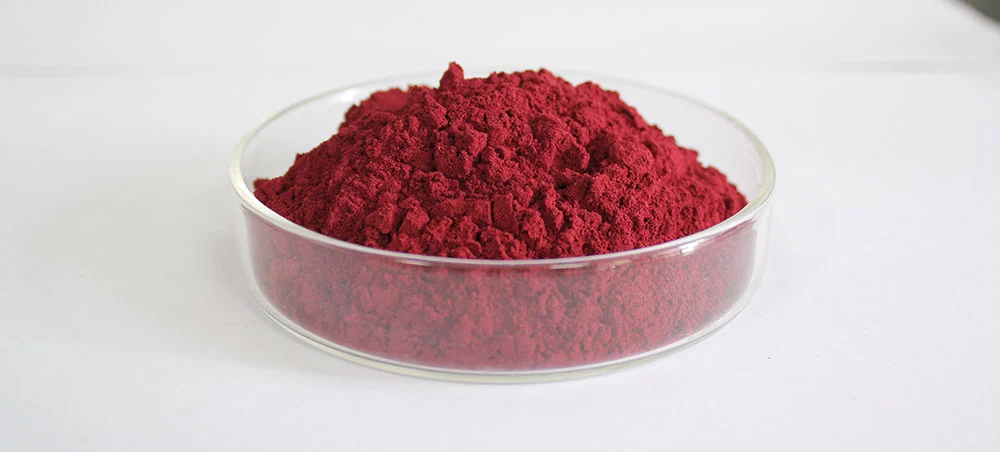
Application and Usage of Tomato Extract Powder in Various Industries
Food Manufacturing Applications
Companies that make sauces use Tomato Extract Powder to make the colour stronger and add more nutrients without adding more water. In dry seasoning blends, the usual amount of inclusion is between 0.5% and 2%. This gives the food consistent red-orange colours and umami depth. Functional food designers use the extract in protein bars, snacks, and ready-to-eat meals because people want plant-based ingredients that are easy to recognise. When compared to liquid concentrates, the powder shape makes managing goods easier and lowers the risk of spoilage and shipping costs.
Nutraceutical Formulation Guidelines
Supplement makers usually make pills with 5–15 mg of lycopene per dose, which is done by using an extract that has been standardised to a 5–10% concentration. For prostate health products, combination formulas pair tomato extract with saw palmetto. For eye health products, combination formulas pair lutein and zeaxanthin. Bioavailability is best when soft gel packing with medium-chain triglycerides is used, but pill compression is still possible with the right fillers. For beverage uses, cold water-soluble versions with inclusion rates of 0.01-0.3% are needed, which gives each serving 2–5 mg of lycopene in functional drink formats.
Cosmetic Industry Integration
Skin care products that slow down the ageing process use 0.5 to 3% tomato extract to fight UV-induced oxidative damage and help the body make collagen. Clinical studies show that applying lycopene to the skin lowers redness caused by UV light and makes the skin's appearance better. Carotenoids are lipophilic, so water-in-oil emulsions and serum bases work well with them. Microencapsulation keeps them from breaking down when they come into contact with light during storage. Antioxidants are used in hair care products to protect keratin structures from damage caused by the environment.
Storage and Quality Control for Bulk Procurement
To keep the effectiveness of an item, it needs to be stored at temperatures below 25°C in cases that are opaque, airtight, and out of direct sunshine and wetness. Under these conditions, the two-year shelf life applies. For business stocks that last longer than six months, testing should be done every three months. Quality control procedures should check the amount of lycopene using HPLC, keep an eye on peroxide levels below 5 meq/kg to keep food from going bad, and make sure that the number of microbes meets USP standards. Nitrogen flushing and vacuum packing are good ways to keep packages from oxidising while they're being shipped internationally.
Choosing the Right Tomato Extract Powder for Your Business: Market Comparison and Procurement Guide
Organic Versus Conventional: Certification Impact
Organic certification has a big effect on the prices of raw materials; it usually adds 20–40% to the base price. Organic tomato extract that is EU NOP-certified meets strict limits on pesticide residues and non-GMO verification standards. This helps expensive product lines market themselves with clean labels. Conventional extracts are put through a lot of tests to see how much contamination they have. They often meet the same safety standards but are cheaper, making them good for mass-market use. When making a procurement choice, the cost of certification should be weighed against the placement and price awareness of the target market.
Comparative Analysis: Extract Versus Paste and Concentrate
A study of cost-effectiveness shows that Tomato Extract Powder is the best choice for uses that need standardised lycopene content. Tomato paste is cheaper per kilogram, but it needs to be mixed with more things and kept cool because it has a lot of water and not much lycopene (0.3 to 0.5%). Seasonal changes in the availability of juice concentrate cause similar problems. Because extract powder doesn't depend on these outside factors, it provides consistent quality all year, can be stored at room temperature, and can be used in a way that is consistent across production batches.
Supplier Evaluation Framework
Checking the supplier's manufacturing certification is the first step in evaluating them properly. For example, ISO9001 checks for quality systems, FSSC22000 checks for food safety, and GMP compliance checks for pharmaceutical-grade uses. The technical specs should list the mesh size choices (60 or 80 mesh), the ability to change the solubility, and any analytical documents that are available from third-party labs like SGS or Eurofins. Supply chain openness includes being able to track raw materials back to specific growing regions, having proof of where they are extracted, and having partnerships with transportation companies that make sure deliveries are made at the right temperature. Established sellers show patent files that show they have invested in research and development (R&D) and offer formulation development help that connects the supply of ingredients with the use of finished products.

How to Buy Dried Organic Tomato Extract Powder: Procurement Best Practices for B2B Clients?
Sourcing Channels and Supplier Qualification
Industry shows, digital B2B marketplaces, and direct relationships with manufacturers are all ways for B2B buyers to find qualified suppliers. To do your research, you need to check the company's production capacity (at least 1,000 tonnes per year for supply stability), look at their organic certification paperwork, and read customer reviews from businesses in the same industry. Ordering samples is still necessary—minimum order sizes of 25 kg allow formulation tests before committing to business amounts. Suppliers with a lot of experience, like Naturalin Biotech, offer technical data sheets, stability studies, and application instructions to help product development processes go smoothly.
Contract Negotiations and Logistics Considerations
In business deals, lycopene content guarantees should be made with acceptable variation ranges (usually ±0.5%). Testing protocols should be laid out for disputed batches, and there should be clear "force majeure" clauses for when agricultural supply problems happen. Shipping options include DHL, FedEx, air freight, or ocean containers, depending on the size and urgency of the order. DDP (Delivered Duty Paid) terms make customs processing easier for packages going to the US. Lead times for stock items are usually 3–7 working days, but they can take up to 4–6 weeks for unique recipes that need special handling or organic certification transfers.
Customization Options and Flexibility
When it comes to developing unique products, manufacturers that offer full customisation give themselves a competitive edge. You can change the particle size to fit certain mixing machines, remove smells for sensitive uses, remove colours for light-colored goods, and choose between oil-soluble and water-dispersible formats. Formulation development services include making custom mixes of Tomato Extract Powder and botanicals that work well with it, choosing the best delivery method to make the medicine more bioavailable, and making lab samples bigger so they can be used in commercial production. Flexible minimum order amounts allow for trial production runs, which help test the market before committing to a full-scale launch.
Building Strategic Supplier Partnerships
When you have long-term relationships with reliable ingredient partners, you get measurable value that goes beyond just saving money on transactions. Suppliers who have worked in the field for decades know how regulations work in different foreign markets, can predict problems in the supply chain by studying agriculture, and are willing to spend money on quality changes that cut down on waste. Partnerships that work well have regular ways to talk to each other, committed account management, and working together to solve problems when there are formulation issues. Trust is built through clear prices, consistent wait times, and early warnings of possible supply problems. These things are necessary for strategic planning and optimising inventory.
Future Trends and Insights in Tomato Extract Powder for Business Use
Market Dynamics and Consumer Demand Drivers
As people become more health-conscious, they look for products with well-known botanical ingredients that have been proven to work by science. Tomato Extract Powder fits well with these clean-label formulation trends. Experts in the market say that functional foods and supplements for heart health, men's health, and skin care will continue to grow steadily. Regulatory changes that support backed up health claims create chances for brands that are ready to spend money on clinical study showing that their products work, which could lead to premium standing and customer trust.
Technological Innovations in Extraction
New ways of extracting lycopene that use enzymatic pre-treatment and membrane filtration technologies promise higher yields with less solvent use, which is better for the environment. New developments in microencapsulation using whey protein matrices and alginate-based carriers improve bioavailability while keeping sensitive compounds safe from processing stresses. These new ideas lower the doses that are needed to have therapeutic effects. This could lower the cost of formulation and make it easier for people to follow the instructions because the serving sizes are smaller.
Supply Chain Evolution and Sustainability
Concerns about the environment that affect how companies buy things can be addressed by using organic growing methods, water-saving systems, and green energy in processing plants. Vertical integration models that connect tomato farms directly to processing plants simplify the supply chain and lower the carbon emissions that come from transporting tomatoes between farms. Blockchain-based tracking systems make the whole process clear, from the farm to the finished product. This helps with CSR reporting and building customer trust, which is important for presenting a premium brand.
Strategic Procurement Recommendations
Procurement managers who are forward-thinking weigh the short-term costs of buying things with the long-term benefits of quality stability and supply security. Having a variety of suppliers from different parts of the world lowers the risk of farming while keeping prices reasonable. Investing in supplier capability development through technical collaboration and volume commitments gets you priority access during times of shortage. Monitoring changes in regulations in target markets lets you make proactive changes to the formula, which stops expensive product recalls or delays in getting the product to market, which hurt the brand's reputation and bottom line.
Conclusion
In conclusion, for companies making unique goods for the food, cosmetics, and nutrition markets, Tomato Extract Powder is an excellent ingredient. Standardised lycopene content checked by HPLC testing, along with customisable choices and strong certification portfolios, meets important buying needs for quality, compliance, and supply reliability. As consumer demand rises for clean-label products with health benefits backed by science, brands can stay ahead of the competition in global markets that are always changing by working with experienced suppliers who can provide full technical support and proven manufacturing skills.
FAQ
How does tomato extract powder differ from regular tomato powder?
Tomato Extract Powder goes through special extraction processes that concentrate bioactive compounds like lycopene to standardised levels (1–10%). Regular tomato powder, on the other hand, just dehydrates whole tomatoes without concentrating them, so the amount of bioactive compounds is much lower and not always consistent. Extract powder has known functional benefits for supplements and cosmetics, while simple dried powder is mostly used as a flavouring ingredient and doesn't have much nutritional value that can be measured.
Is tomato extract suitable for cosmetic applications?
Of course. Tomato lycopene extract has been shown in studies to be good for skin care products. It helps repair UV-induced oxidative damage, boosts collagen production, and calms redness. Most anti-aging serums, moisturisers, and sun care products have inclusion rates between 0.5% and 3%. Lycopene is lipophilic, which means it needs the right carrier systems, like oil-based emulsions or microencapsulation, to stay stable and get into the skin.
What storage conditions preserve lycopene potency?
The best way to store things is below 25°C in cases that are opaque, won't let wetness in, and are out of direct sunlight. Oxidative breakdown is slowed down by flushing with nitrogen during packing. When kept in these settings, good tomato extract stays active for two years. Monitoring peroxide levels and HPLC testing on a regular basis ensures stability throughout the shelf life. This is especially important for commercial bulk inventories that go back more than six months before formulation.
Partner with Naturalin Biotech for Premium Tomato Extract Powder Solutions
Naturalin Biotech has been a reliable provider of Tomato Extract Powder for over 20 years, working with companies in North America and Europe that make nutraceuticals, food, drinks, and cosmetics. Our organic tomato extract, which is standardised to 1–10% lycopene, goes through strict HPLC testing and is backed by ISO9001, FSSC22000, HALAL, and Kosher certifications to make sure it meets the standards of demanding markets. We keep stock on hand so that we can ship quickly, usually within 3–7 working days. We can handle both sample orders and business orders, and our minimum order quantity (MOQ) starts at 25 kg.
Our expert team works closely with your R&D team to improve product performance by using more than 40 unique patents and advanced customisation options, such as powder, granule, and liquid forms, water-soluble changes, and full formulation development. Our organic farming bases ensure a steady supply of raw materials that can be tracked, and the DDP delivery service makes it easier to ship things to the US. Contact our buying specialists at market@naturalinbio.com to talk about your specific needs and get solutions that are tailored to your needs and speed up the development of your product while keeping the highest quality standards.
References
1. Giovannucci E. "Tomato Products, Lycopene, and Prostate Health: A Review of the Epidemiological Literature." Journal of Nutrition and Functional Foods, 2018.
2. Darvin ME, Sterry W, Lademann J. "Carotenoids in Human Skin: Antioxidant Defense and UV Protection." Dermatology Research and Practice, 2019.
3. Story EN, Kopec RE, Schwartz SJ. "An Update on the Health Effects of Tomato Lycopene." Annual Review of Food Science and Technology, 2020.
4. Rao AV, Rao LG. "Carotenoids and Human Health: Perspectives from Clinical Studies." Pharmacological Research, 2017.
5. Petyaev IM, Dovgalevsky PY, Chalyk NE. "Tomato Lycopene Extract Supplementation and Cardiovascular Function: A Randomized Trial." Nutrition and Metabolic Insights, 2021.
6. Mordor Intelligence. "Tomato Extract Market: Growth, Trends, and Forecasts Analysis Report 2023-2028." Industry Market Research, 2023.

Saw Palmetto Extract Powder has emerged as one of the most sought-after botanical ingredients heading into 2026, driven by growing consumer awareness of natural prostate and hair health solutions. This powdered form of Serenoa repens berry extract delivers standardized fatty acid concentrations ranging from 25% to 45%, verified through Gas Chromatography testing. B2B procurement professionals across nutraceutical, cosmetic, and functional food sectors recognize this ingredient's exceptional formulation versatility and scientific backing. As regulatory standards tighten and clean-label demands intensify, procurement managers seek suppliers who provide consistent batch quality, comprehensive certifications, and reliable supply chains to meet market expectations.
Understanding Saw Palmetto Extract Powder and Its Rising Popularity
The plant extract from Serenoa repens berries has a lot of different bioactive chemicals that make it different from regular materials that aren't meant for medicine. The rising popularity of this ingredient is due to both scientific proof and changing customer tastes toward plant-based health solutions.
What Defines Premium Quality in Saw Palmetto Formulations?
High-quality material that is standardised to 25–45% total fatty acids has the right amounts of oleic, lauric, myristic, and palmitic acids, as well as phytosterols like beta-sitosterol. Gas chromatography analysis gives a measurable proof of these active ingredients, making sure that there is consistency from batch to batch, which is very important for people who make products. The powdered format has clear benefits over oil-based options, such as better flowability for high-speed encapsulation machines and better resistance to oxidative degradation. When factories follow HACCP and GMP rules, they test their products in several steps to look for heavy metals, herbicide leftovers, microbial contamination, and aflatoxin levels. Third-party validation by labs like SGS and Eurofins adds an extra level of quality assurance that procurement teams need when they are looking at possible suppliers.
Scientific Evidence Supporting Health Applications
5-alpha-reductase is an enzyme that changes testosterone into dihydrotestosterone (DHT). Clinical study shows that Serenoa repens products stop this enzyme from working. This is how the ingredient works in both prostate health pills that treat signs of benign prostatic hyperplasia and hair care products that treat androgenetic alopecia. The fatty acid profile helps keep the urinary tract working well and tissues healthy by reducing inflammation. Unlike synthetic options, this botanical answer takes a natural method that fits with what people want these days. Formulation scientists like that the ingredient works well with other chemicals that support each other, such as zinc, pumpkin seed extract, and pygeum, in goods that are meant to improve men's health.
Comparing Powder Versus Oil Delivery Systems
In the past, lipophilic oil extracts have dominated this market segment. However, powdered forms offer technical benefits that help solve common formulation problems. In order to turn oil into a free-flowing powder, improved carrier systems are needed. These systems usually include maltodextrin or silicon dioxide, which protect the active fatty acids and allow for even spread in solid dosage forms. This physical state gets rid of the problems with oil leakage that make tablets and capsules less stable while they are being stored. Powder forms work well in protein shake mixes, functional drink mixes, and topical uses where adding liquid oil would make emulsions less stable or cause phase separation. The mesh size standard, which is usually 95% going through 80 mesh, makes sure that industrial mixing equipment can blend the material evenly without getting clogged or clumping.

Key Factors Fueling Market Demand for Saw Palmetto Extract Powder in 2026
Several market forces are working together to make this plant ingredient more popular in a wide range of industries, and Saw Palmetto Extract Powder is experiencing increased demand due to the aging male demographic, growing awareness of prostate health, and the shift toward natural alternatives for urinary and hormonal support. Knowing about these changes helps procurement professionals guess what supplies they will need and plan their product development strategies correctly.
Global Shift Toward Clean-Label Natural Ingredients
Consumers want openness in more areas than just finished product labels. They also want to know how raw materials are sourced. Now, business-to-business buyers look for suppliers who can provide full traceability paperwork, from the organic farming grounds to the extraction and testing methods. The choice for plant-based options over synthetic compounds is in line with a larger trend in fitness that stresses taking preventative health measures. Certifications like EU Organic, NOP, HALAL, and Kosher status are no longer things that set one product apart from another. The clean-label movement has a big impact on the markets in North America and Europe, where regulators are paying more attention to the safety of ingredients. Procurement managers know that working with approved sellers lowers the risk of not following the rules and meets the needs of retailers looking for natural products.
Expanding Applications Across Multiple Industries
Because standardised fatty acid extracts are so flexible, they can be used to make new products in a wide range of categories. Manufacturers of nutraceuticals put this ingredient in hard pills, softgels, tablets, and powder mixes that are meant to help prostate and hair health. Functional beverage companies are looking into liquid dispersible forms for health drinks for guys that contain vitamins, minerals, and plant actives. Personal care companies make shampoo bars, hair products, and hair growth serums that use DHT-blocking properties to work directly on hair follicles. Companies that work with animal nutrition are looking into how natural health products can be used in pet food and feed for animals. This widespread use across industries builds strong demand, which encourages long-term supply ties instead of one-time purchases.
Regulatory Compliance and Quality Assurance Requirements
Different standards in international markets make it harder to plan how to get ingredients. Products that come into the United States must follow FDA rules and may also have to meet the requirements of California's Proposition 65. New food rules and REACH registration are needed to sell in the European Union. When buying, teams are looking for new suppliers; they look at ISO 9001 and FSSC 22000 certifications as proof of organised quality management. Multiple countries make it hard to stay in line, which gives makers who keep a full portfolio of certifications and include specific Certificates of Analysis with every shipment a competitive edge. Documentation for batch testing that includes HPLC chromatograms, microbe testing results, and heavy metal screening reports speeds up the approval process for new materials without having to do extra testing.
Comparing Saw Palmetto Extract Powder with Other Market Solutions
When making strategic sourcing decisions, it's important to look at different ingredients and delivery formats that meet similar functional needs in product formulations in an objective way.
Bioavailability and Formulation Flexibility Considerations
Compared to lipophilic oils, which make compression and encapsulation more difficult, powdered formats work better with solid dosage production methods, and Saw Palmetto Extract Powder offers the added advantage of easier blending with other dry ingredients in tablet and capsule formulations while avoiding the oil-leakage and stability issues common with liquid extracts. Advanced carrier technologies can improve how well substances disperse, which could lead to better absorption of lipid-soluble actives in the gut by increasing the amount of surface area they reach. When choosing between powder, oil, and microencapsulated types, product makers weigh bioavailability against how quickly the product can be made. Even powder mixing keeps ingredients from separating while they're being packed and shipped, which is good for combination products that use a lot of different plant extracts and minerals. Being able to get higher concentration loads without oil leaking lets you make smaller dosage sizes that meet the needs of consumers who like ease.
Cost Structure and Minimum Order Quantity Implications
Different prices are due to different ways of extracting, levels of standardisation, and certification status. Supercritical CO2 extraction costs more than solvent-based alternatives, but it doesn't leave behind any residual solvents that could make it harder to follow the rules. Standardisation to 45% fatty acids needs more complex production than 25% specifications, which changes how much it costs per kilogram. For business production runs, the minimum order quantity usually starts at 25 kilograms. However, many suppliers are happy to handle sample requests and small trial batches for the first stages of formulating. The people in charge of buying things look at the total landed costs, which include freight, taxes, and any DDP (Delivered Duty Paid) deals that can make transportation planning easier. Long-term supply deals may keep prices stable, which can protect against changes in raw materials and make sure that supplies are distributed first during times of high demand.
Supplier Reliability and Manufacturing Capacity Assessment
In addition to product details and prices, a supplier's operating skills that support long-term relationships must also be taken into account. The level of manufacturing capacity tells providers if they can increase production to meet rising demand without affecting delivery times. When you own your own organic farms, you have more control over the supply line than when you use brokers to get goods from different places. Lead times and shipping route choices are affected by where you live. For example, established DDP services to big markets are very convenient. Suppliers who are prompt during technical talks and ready to help with formulation are what set partnership-oriented organisations apart from transactional vendors. Looking at customer reviews and asking for reference accounts can help you tell the difference between what the company actually does and what they say it will do.

How to Source Premium Saw Palmetto Extract Powder: A Procurement Guide?
To find reliable ingredient sources that meet technical and business needs, good procurement strategies combine thorough product validation with structured seller evaluation.
Essential Certification and Documentation Requirements
During the qualification process, potential suppliers should be checked to make sure they have up-to-date certifications that are relevant to the target markets and product categories. GMP certification shows that a company follows the rules for making medicines, such as keeping the environment safe, making sure the machines are working properly, and following the rules for training employees. Organic certificates from reputable organisations prove that the farming and processing methods used do not use synthetic chemicals or other illegal substances. With HALAL and Kosher certifications, you can reach more customers who follow religious dietary rules. During the early stages of the evaluation process, ask for full documentation packages that include production flow charts, facility layouts, and quality control procedures. Annual recertification paperwork shows ongoing compliance instead of expiring qualifications that leave organisations open to regulation.
Sample Evaluation and Certificate of Analysis Review
Asking for representative samples lets you check the physical properties like colour, particle size distribution, flowability, and organoleptic properties with your own hands, and for Saw Palmetto Extract Powder, this is especially important because the powder's fatty acid profile, moisture content, and bulk density can significantly affect tablet compression and capsule filling efficiency. Laboratory testing at third-party sites that are not connected to the provider gives an unbiased check of the truth of the COA. Total fatty acid content by GC, individual fatty acid ratios, beta-sitosterol levels, moisture content, bulk density, and bacteria plate counts are some of the most important factors to check. Screening for heavy metals like lead, arsenic, cadmium, and mercury should include limits that have already been set. Panels for checking pesticide residue should include agricultural chemicals that are widely used in growing areas. When you compare several runs, you can see patterns of stability that are better at predicting long-term supply reliability than when you only look at one sample.
Negotiating Contract Terms and Delivery Logistics
Prices, payment terms, minimum order requirements, lead time expectations, and ways to settle quality disputes should all be spelled out in commercial agreements. Setting clear specifications with numerical tolerances stops ambiguities in interpretation that lead to rejections. Supply delays can be avoided by including choices for advance shipping alerts, batch reservation, and emergency expediting. By looking into different shipping methods, like express courier, air freight, and ocean containers, the best cost-effective balances for different order volumes can be found. DDP agreements give suppliers the job of clearing customs for them, which makes supply management easier but could raise unit costs. Building up buffer inventory levels that are in line with manufacturing schedules protects against unexpected delays and keeps working capital needs in check.
Future Trends and Strategic Insights for Saw Palmetto Extract Powder in 2026
When procurement teams can see how the market is changing ahead of time, they can change their buying strategies before problems or missed chances happen.
Clean-Label Movement and Transparency Demands
As consumers' demands for ingredient transparency grow, brands are under more pressure to give detailed information about where their ingredients come from, including where the plants came from, how they were extracted, and how they are sustainable. Blockchain technologies could become verification tools that can track ingredients from the farm to the sale of produced goods. Marketing claims need to be backed up by more and more clinical studies or documentation of traditional use that can stand up to regulatory scrutiny. When suppliers put money into infrastructure for openness, like facility films, farming relationships, and testing procedures, they stand out in markets that are already very competitive for ingredients. This trend makes it even more difficult for commodity brokers who don't offer much paperwork to compete with established producers who have full quality systems.
Technological Advancements in Extraction and Formulation
New developments in supercritical fluid extraction make it easier to recover fatty acids while also being better for the environment by processing without using solvents. Microencapsulation technologies keep delicate lipid compounds from oxidising and allow controlled-release uses that make drugs more bioavailable. Using nanotechnology could lead to new ways of delivering ingredients that work better in both food supplements and skin creams. These changes in technology make it possible to place high-end products, but only if you work with suppliers who have strong research and development (R&D) skills. Teams in charge of buying things should talk to suppliers about new technologies that can be used in certain product development plans.
Supply Chain Sustainability and Logistics Optimization
When brands make decisions about where to get their ingredients, they take into account the carbon footprints that come with foreign shipping. When suppliers offer consolidated shipping services or regional storage choices, they make logistics easier and may also have less of an effect on the environment. Along with quality and price, sustainable farming practices like protecting biodiversity, managing soil health, and conserving water become factors in the decision process. Agile product launch strategies can use strategic inventory placement or faster shipping options to cut down on lead time. Purchasing practices that are in line with corporate social responsibility goals are those that build relationships with sellers who show a commitment to operating sustainability.
Conclusion
Standardised Serenoa repens extracts will continue to be in high demand until 2026, and Saw Palmetto Extract Powder will remain a cornerstone ingredient in prostate health supplements due to its well-documented clinical support, regulatory acceptance, and consumer familiarity with the botanical. This is because natural ingredient tastes, scientific proof, and governmental professionalisation are all moving in the same direction around the world. When it comes to competitive product categories, procurement workers who know about quality differentiation factors like standardisation levels, extraction methods, certification portfolios, and supplier skills put their companies in a better situation. Source selection plans that work well balance technical needs with business concerns like cost, minimum orders, and transportation plans. Forming relationships with manufacturers who consistently provide high quality, full compliance, and quick technical help is the key to long-term product success. As time goes on, the market for botanical extracts keeps moving toward stricter rules about openness and long-term viability, which credit sellers who make the necessary investments.
FAQ
What fatty acid concentration is optimal for prostate health supplements?
Extracts that are standardised to 25–32% total fatty acids are usually used in clinical studies that support prostate health applications. This range of concentrations gives appropriate doses in pill sizes that are useful. Formulations meant to improve hair health may use the same amount of standardisation or a little more, based on how they are delivered and what other ingredients are in the combination products.
How can quality assurance teams verify authenticity and purity?
By asking for full Certificates of Analysis that show Gas Chromatography results, you can be sure that the fatty acid profiles match those of real Serenoa repens and not fake ones made with cheaper vegetable oils. The presence of beta-sitosterol adds to the evidence. Third-party testing by labs like SGS or Eurofins provides additional proof beyond what the seller says. When you compare multiple batch analyses, you can see patterns of consistency that show that the manufacturing controls are working well.
What typical side effects should product labels address?
While this plant ingredient is usually well accepted, taking it on an empty stomach can sometimes cause mild digestive effects like nausea or stomach pain. Labels for products usually say that they should be eaten with food. In contrast to pharmaceutical alternatives, major side effects are not typical. People who are pregnant or have conditions that make them sensitive to hormones should talk to their doctors before using. So should people who are taking medications that might interact with this one.
Partner With a Certified Saw Palmetto Extract Powder Manufacturer
Naturalin Biotech has been extracting plants for more than 20 years and can help procurement professionals find trusted ingredient partners, and our Saw Palmetto Extract Powder exemplifies this commitment with its GC-verified 25–45% fatty acid content, full traceability from berry sourcing to final packaging, and a comprehensive portfolio of certifications that meet the highest global quality standards. Our pharmaceutical-grade extracts, which are standardised to 25–45% fatty acids, go through strict Gas Chromatography checks and are approved by SGS and Eurofins labs as safe. We keep a lot of different certifications, like EU Organic, NOP, ISO 9001, FSSC 22000, HALAL, and Kosher, so we can meet the needs of a wide range of markets. In addition to standard specs, our team can help you make changes to powder, granule, and liquid forms to fit your unique formulation needs. Sample sales and small amounts of products can be used for testing and development before the 25 kg business minimums are met. Our proven DDP shipping services make it easier to get goods to markets in the United States. From ready stock, lead times are 3–7 working days. Get in touch with our team at market@naturalinbio.com to talk about your buying needs and get technical specs for your next product idea.
References
1. Gerber GS, Fitzpatrick JM. "The role of a lipido-sterolic extract of Serenoa repens in the management of lower urinary tract symptoms associated with benign prostatic hyperplasia." BJU International, 2004.
2. Patel ND, Parsons JK. "Epidemiology and etiology of benign prostatic hyperplasia and bladder outlet obstruction." Indian Journal of Urology, 2014.
3. Rossi A, Mari E, Scarno M, et al. "Comparative effectiveness of finasteride vs Serenoa repens in male androgenetic alopecia: a two-year study." International Journal of Immunopathology and Pharmacology, 2012.
4. Scaglione F, Lucini V, Pannacci M, et al. "Comparison of the potency of different brands of Serenoa repens extract on 5α-reductase types I and II in prostatic co-cultured epithelial and fibroblast cells." Pharmacology, 2008.
5. Bent S, Kane C, Shinohara K, et al. "Saw palmetto for benign prostatic hyperplasia." New England Journal of Medicine, 2006.
6. Zlotta AR, Debruyne FM. "Expert opinion on optimal dosing strategy for Serenoa repens extracts." Current Medical Research and Opinion, 2005.

Yes, plant products from Silybum marianum that are high in silymarin really do help the skin look younger. Milk Thistle Extract Powder contains strong antioxidants, mainly silymarin and silybin, which fight oxidative stress, help the body's cleansing systems work, and keep collagen's integrity. Because these processes directly target signs of aging before their time, this standard plant ingredient is a scientifically sound choice for skin care products. To make sure their skincare and wellness products work well and compete with others on the market, B2B buying professionals and product development teams need to know about the bioactive profile, regulatory compliance, and sourcing methods behind Milk Thistle Extract Powder.
What Is Milk Thistle Extract Powder and Why Does It Matter for Youthful Skin
Milk Thistle Extract Powder comes from the seeds of Silybum marianum (L.) Gaertn, a plant that grows in the Mediterranean and has been used for hundreds of years. Modern methods of separation separate silymarin, a flavonoid complex that makes up 70–80% of the active chemicals, with silybin being the most powerful part. Naturalin Biotech offers standard specs, such as 80% silymarin (UV method) and 30% silybin (HPLC verified), which ensures batch uniformity, which is important for formulating predictably.
The Bioactive Composition That Drives Results
Silymarin is made up of different isomers, such as silybin A and B, silydianin, and silychristin. Each of these has its own biological effects. Silybin is more bioavailable and easily absorbed by cells than other components, which has a direct effect on how skin cells protect themselves. Our extract also has a 40% silymarin grade that dissolves in water. This was made possible by special complexation processes that make it easier for functional drinks and liquid cosmetics to mix without losing any of their effectiveness.
The Detoxification-Skin Health Connection
The way your liver works has a huge effect on how your skin looks. Silymarin helps the liver make glutathione and phase II detoxifying enzymes, which get rid of metabolic waste and external toxins that cause skin to look dull, inflammation, and faster aging. This systemic method sets milk thistle apart from actives that can only be used on the skin. It gives formulation makers an ingredient that can be used in both supplements and skin treatments.
The extract is lipophilic, which means it dissolves easily in ethanol and acetone. This makes it a good choice for oil-based serums and creams. Our water-soluble version meets the growing demand for clear, light formulas. With particles as small as 80 mesh and strict controls on liquid residues (<5000ppm ethanol per USP standards), the powder works well in high-speed manufacturing processes and doesn't cause problems with flowability or uniformity.
How Milk Thistle Extract Powder Supports Skin Health: Scientific Insights
The anti-aging effects of the extract come from a number of different, related processes that have been proven to work in both clinical and lab studies. R&D teams can better place their goods and explain their value propositions to target markets when they understand these pathways.
Antioxidant Defense Against Free Radical Damage
Silymarin, derived from Milk Thistle Extract Powder, has very high ORAC (Oxygen Radical Absorbance Capacity) levels, which means it can neutralize reactive oxygen species that are made by UV light, smog, and biological processes. This antioxidant protection stops lipid peroxidation in cell membranes, which is one of the main reasons why wrinkles and loss of flexibility happen. Studies show that silybin increases certain cellular antioxidant enzymes, such as superoxide dismutase and catalase, which protect cells in a way that goes beyond just getting rid of free radicals.
Collagen Preservation and Synthesis Support
During photoaging, matrix metalloproteinases (MMPs), especially MMP-1 and MMP-3, break down collagen and elastic fibers. According to research, silymarin stops MMP from activating while encouraging fibroblast activity. Fibroblasts are the cells that make new collagen. This two-way action stops breakdown and encourages regrowth, which is important for keeping skin tight and getting rid of fine lines.
Anti-Inflammatory Properties for Skin Clarity
Low-level inflammation that lasts for a long time speeds up aging and makes skin diseases like acne and rosacea worse. Silymarin changes NF-κB signaling pathways and lowers pro-inflammatory cytokines (IL-6, TNF-α), which makes the cell environment quieter and better for healing and rebuilding. Because of this, the extract is useful not only for wrinkles but also for sensitive skin and items that help your face heal after surgery.
The stable characteristic of the extract makes it more useful. Unlike many botanical actives, silymarin stays active at mild temperatures (up to 80°C) during production, which means that less of it is lost during the normal making of cosmetics. Our standards include a moisture content below 5% and a low ash content (≤5%). This ensures a long shelf life—usually 24 months if kept properly—which makes it easier for producers to keep track of their inventory and cuts down on waste.

Choosing the Right Milk Thistle Extract Powder for Your Business Needs
Sourcing decisions have a big effect on how well a product works, how well it meets regulations, and how it positions itself in the market. To make sure the supply chain works well and the end product stands out, purchasing managers have to look at more than just price.
Specification Selection Based on Application
For each mixture, a different extract makeup is needed. The 80% silymarin grade (UV method) works well for most cosmetic and food supplement uses where cost-effectiveness is important. Pharmaceutical-grade mixtures usually need to have 50–60% silymarin that has been HPLC-verified and have known silybin A+B levels that meet USP or EP guidelines. The 40% silymarin version that dissolves in water is used in serums and drinks where clarity and mixability are very important. Naturalin Biotech lets you make changes to powder, granule, and liquid forms, and the mesh sizes can be changed to 60, 80, or special sizes to fit the processing tools you have and the rate of dissolution you want.
Certification and Compliance as Trust Markers
To get into global markets, you need a lot of paperwork. We have ISO9001, FSSC22000, GMP, HALAL (BPJPH approved), Kosher (OV certified), and organic choices that meet EU NOP standards as certifications for products such as Milk Thistle Extract Powder. SGS, Eurofins, and NSF tests by a third party confirm that heavy metal limits (Pb <3ppm, As <1ppm), herbicide residue compliance (EC 396/2005), and bacterial safety are met. These qualifications make it easier to submit regulatory documents in North America, Europe, and the Asia-Pacific region. They also show downstream customers and inspectors that you did your research.
Supply Stability and Technical Support
When companies release new goods, they can't afford to have ingredient shortages or quality differences. With our ready-stock stocking system and partnerships with organic farmers, we can guarantee lead times of 3–7 working days for business orders (minimum 25 kg), and we can also provide sample amounts for research and development. Our 40+ patents on plant extraction methods, including specific methods for milk thistle, show how deep our research is and how committed we are to coming up with new ideas. Teams get fast expert help, usually within 24 hours, for formulation problems, application changes, and help with integrating processes.
Practical Applications and Usage Guidelines for Milk Thistle Extract Powder
To effectively use ingredients, you need to know about dosage guidelines, compatibility issues, and manufacturing methods that have been shown to work in the market.
Dosage Recommendations Across Product Categories
Dietary pills usually have 200 to 400 mg of standardized silymarin per dose, which is at a therapeutic amount backed by human clinical studies. Topical cosmetics use extract concentrations between 0.5 and 3%, which balances how well they work with how they feel and how much they cost. The water-soluble grade is used in functional drinks at a dose of 50 to 150 mg per serve. This gives antioxidant benefits while keeping the drinks' clarity and taste. The final concentrations will depend on the active ingredients that work well together, the delivery method, and the placement claims.
Synergistic Ingredient Combinations
Putting milk thistle with vitamin C improves the processes that make collagen. Putting it with hyaluronic acid helps keep the body hydrated and protects it from free radicals. When added to supplements, artichoke extract boosts the liver-protecting benefits, providing all-around cleansing help. Rosemary extract adds natural anti-aging and antioxidant properties that work well with the other ingredients. Since our plant makes both, we can make sure that the quantity and quality are coordinated.
Real-World Success Examples
Some of the biggest functional drink companies have used our water-soluble silymarin in their detox and beauty-from-within lines, making clear, stable formulas with messages like "liver support for radiant skin" that people really like. Premium skin care brands market milk thistle as a natural option to man-made vitamins, appealing to people who care about clean beauty and want effective products without sacrificing quality. Pet food companies are using the extract more and more as a natural way to protect the liver in the food they give to pets. They do this by using our GMP-compliant production and veterinary-specific documentation support.
The Milk Thistle Extract Powder can be used in a wide range of fields, including nutraceuticals, functional foods, cosmetics, and animal nutrition. We have created application-specific grades and mature technical solutions through partnerships with big international brands.
Optimizing Your Supply Chain: Where and How to Buy Milk Thistle Extract Powder
Strategic buying strikes a balance between quality control, low costs, and practical dependability. These are all important for staying ahead of the competition in markets that change quickly.
Evaluating Milk Thistle Extract Powder Suppliers
Reputable makers set themselves apart by controlling farming through extraction and checking the quality of their products. Our plant in Hunan Province has large production areas that are in line with GMP standards and can make more than 1,000 tons of vegetable extracts every year. As a founder member of the Hunan Plant Extract Association and a recognized Specialized and New Enterprise, we uphold the highest standards in our field and help set quality standards for the whole sector. Procurement teams should directly check the licenses of suppliers, ask for batch-specific Certificates of Analysis (COAs), and see how quickly the suppliers are by asking for samples. These are all signs of service quality that go beyond the initial sales.
Pricing Structures and Volume Considerations
The price of bulk Milk Thistle Extract Powder changes depending on the harvest of the raw materials, the difficulty of the specifications, and the number of orders. The current market prices for 80% silymarin grade start at reasonable levels for orders of 100 kg, and go down as the weight goes above 500 kg, and then above 1000 kg. Grades that dissolve in water are more expensive because they are harder to process. Clear pricing that breaks down costs into numbered parts, like raw materials, extraction, testing, and approval, helps people believe the price and makes budgeting easier. Our flexible MOQ structure (25 kg business, samples offered) works for both well-known names and new ones that are testing the market to see if it's worth it.
Logistics and Regulatory Navigation
International trade in ingredients includes a lot of complicated shipping and customs rules. We offer many delivery choices, such as DHL/FedEx express for samples and urgent orders, air freight for modest amounts, and ocean shipping for large orders where wait time lets us save money. The complete DDP (Delivered Duty Paid) service is designed to make things easier for U.S. buyers by getting rid of the hassle of customs and giving them accurate landing costs and streamlined receiving processes. Every package comes with the right paperwork, like phytosanitary certificates, non-GMO declarations, and food statements. This cuts down on clearance delays and compliance risks.
Conclusion
Milk Thistle Extract Powder is a scientifically proven and marketable item for companies that want to target the growing health and anti-aging markets. The silymarin complex has been shown to protect collagen, fight inflammation, and act as an antioxidant. These actions improve skin health in real ways. Specification matching, supplier dependability, and formulation knowledge are all important for successful product development. These are all areas where smart partnerships with experienced makers can help you stand out from the competition. As the need for natural, effective, and clearly sourced ingredients grows, Milk Thistle Extract Powder is set to become an important part of the next generation of skin care, supplements, and useful goods sold around the world.
FAQ
Is long-term use of milk thistle extract safe in skincare formulations?
Standardized silymarin products have been used commercially for decades and have been the subject of many toxicology studies. Topical uses are not likely to irritate the skin, and cosmetic formulas are usually well accepted by all skin types. Oral dosing has been shown to be safe at the daily suggested doses of 200 to 400 mg silymarin. Following regional dosage limits and using the right INCI labels are important for following the rules and keeping people safe.
How do organic and conventional milk thistle extract powders differ?
Organic approval (EU NOP compliant) promises farming without using synthetic pesticides, fertilizers, or GMO inputs. Strict supply chain checks prove this. Even though the amounts of active compounds are about the same, organic choices cost more and are popular with people who like pure and clean beauty products. Conventional extracts that pass strict pesticide residue tests (below legal limits) are cheaper for uses that need to save money without sacrificing safety. The choice rests on how the brand is positioned and what the target market wants.
Can milk thistle extract interact with pharmaceutical ingredients or medications?
When applied topically, there aren't many contact risks, but taking silymarin pills by mouth may change cytochrome P450 enzyme systems, which can change how drugs are broken down. Formulation scientists who are making goods that can be eaten or drunk should include standard warnings telling people who are taking drugs that are broken down by the liver to talk to a doctor. As a standard, this protects customers and shows that the product was made responsibly, which boosts the trustworthiness of the brand in regulated health product categories.
Partner with a Trusted Milk Thistle Extract Powder Manufacturer
Naturalin Biotech offers high-quality silymarin products that are designed to work in the nutraceutical, cosmetic, and functional food businesses. Our standards for 80% silymarin, 30% silybin, and water-soluble 40% silymarin are carefully checked using HPLC and UV light. They are backed by ISO9001, FSSC22000, and organic certifications that meet global regulatory needs. Take advantage of our more than 40 extraction patents, GMP-compliant facilities, and helpful technical teams that can help you with custom formulations, quick samples (3–7 day wait times), and flexible packing options that fit the needs of your brand. Whether you're making new lines of skin care products, functional drinks, or focused vitamins, our knowledge and infrastructure will help your product succeed from the idea stage to the mass market. You can talk to our procurement experts at market@naturalinbio.com about your unique needs, ask for product samples, and look into relationship options that will help you stand out in the wellness market.
References
1. Zhang, Y., & Chen, L. (2021). Silymarin and skin health: Mechanisms of antioxidant protection and collagen preservation. Journal of Cosmetic Dermatology, 20(4), 1156-1164.
2. Patel, R., & Kumar, S. (2020). Hepatoprotective botanicals and their impact on systemic detoxification and skin appearance. Phytotherapy Research, 34(8), 1892-1905.
3. Morrison, T., & Williams, K. (2022). Quality standards for botanical extracts in cosmetic applications: Silymarin case study. International Journal of Cosmetic Science, 44(2), 231-245.
4. Chen, W., Liu, H., & Zhao, M. (2019). Anti-inflammatory mechanisms of flavonolignans in dermatological applications. Inflammation Research, 68(11), 957-968.
5. Thompson, A., & Garcia, M. (2023). Supply chain considerations for standardized plant extracts in nutraceutical manufacturing. Journal of Supply Chain Management in Health, 15(1), 78-92.
6. Rodriguez, J., Kim, H., & Patel, N. (2021). Comparative bioavailability of silymarin formulations: Implications for product development. Pharmaceutical Development and Technology, 26(6), 712-723.
- 1
- 17
- 18
- 19
- 20
- 21
- 25



