Dried Organic Tomato Extract Powder: A Flavor Powerhouse For Your Business
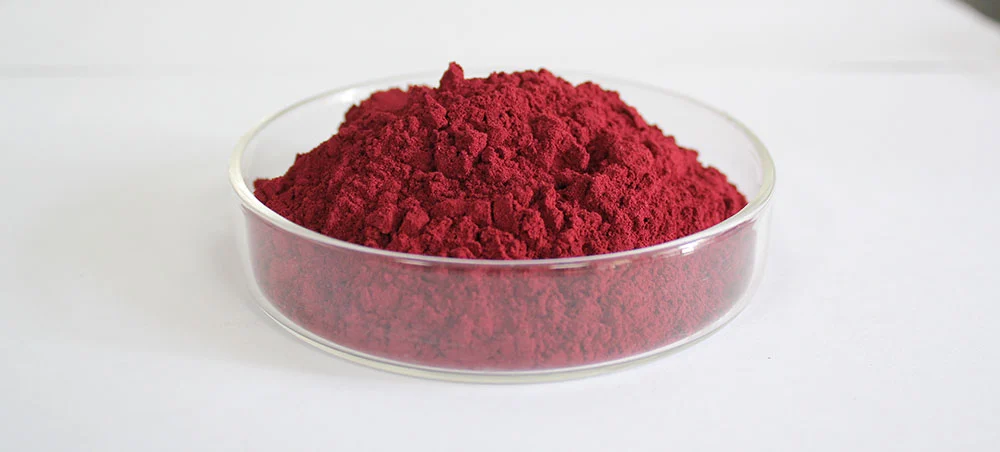
Tomato Extract Powder is becoming more popular among decision-makers in the food, cosmetics, and nutraceutical industries as a source of natural ingredients for new products. This is because it has a concentrated bioactive profile and can be used in a variety of ways. This dried organic tomato concentrate comes from Lycopersicon esculentum Mill. and has a standard lycopene level of between 1% and 10%, which was proven by HPLC tests. Unlike regular tomato powder, this extract has a higher concentration of antioxidants, a longer shelf life, and the ability to be mixed in different ways, which is important for manufacturing. Certified suppliers that meet ISO9001, FSSC22000, HALAL, and Kosher standards make sure that batches are always the same, that regulations are followed, and that the supply chain is reliable. These are all very important for procurement teams that are in charge of meeting large-scale production needs in North America and Europe.
Understanding Dried Organic Tomato Extract Powder: Composition and Benefits
Production Methods and Product Differentiation
Tomato Extract Powder is different from other dehydrated tomato products because it uses more advanced extraction methods. Supercritical CO2 and solvent extraction are two ways to concentrate phytochemicals, mostly lycopene, beta-carotene, phytoene, and phytofluene, while removing water and keeping the bioactivity. The powder that is made has particle sizes between 60 and 80 mesh, a moisture content below 5%, and an ash content below 5%. This makes the powder more stable and easier to mix. This is very different from tomato paste, which keeps a lot of water and needs to be kept cool, or simple tomato powder, which doesn't have a standard active compound concentration.
Nutritional Profile and Lycopene Concentration
Lycopene is the natural ingredient that is most interested in by businesses. The antioxidant power of this fat-soluble carotenoid is very high, and studies have linked regular intake to better heart health and lower levels of oxidative stress markers. Standardisation of lycopene levels between 1% and 10% lets formulators figure out exact doses for dietary supplements, functional drinks, and foods that have been fortified. The HPLC testing method makes sure that each batch is the same, which is important for quality control and legal compliance. In addition to lycopene, the phytochemical matrix also contains antioxidants and vitamin C precursors, which work together to improve health.
Functional Advantages for Product Development
Formulation experts like that tomato lycopene extract is stable at high temperatures and dissolves easily in fats. The trans-isomer structure stays the same at normal processing temperatures, so it can still be used for encapsulation, pill compression, and beverage uses. Cold water-soluble beadlet versions make it possible to use them in clear beverage systems where sedimentation isn't a problem. ORAC values measure how much antioxidant capacity a substance has. This helps with clean label claims and naturally extends the shelf life of a product, so it doesn't need as many artificial stabilisers.
Safety Considerations and Formulation Precautions
Although lycopene is generally thought to be safe, formulators should be aware that it may interact negatively with medications that lower cholesterol because of its effects on the heart. The top limit for lycopene supplements is around 30 mg per day, according to the recommended daily intake standards. When polyunsaturated fatty acids are added, stability tests should take into account how sensitive the substance is to light and how easily it can oxidise. Using the right microencapsulation or oil dispersion methods can protect the structure of the carotenoids while they are being stored and make them easier for the body to absorb by two to three times as much as solid forms.
Application and Usage of Tomato Extract Powder in Various Industries
Food Manufacturing Applications
Companies that make sauces use Tomato Extract Powder to make the colour stronger and add more nutrients without adding more water. In dry seasoning blends, the usual amount of inclusion is between 0.5% and 2%. This gives the food consistent red-orange colours and umami depth. Functional food designers use the extract in protein bars, snacks, and ready-to-eat meals because people want plant-based ingredients that are easy to recognise. When compared to liquid concentrates, the powder shape makes managing goods easier and lowers the risk of spoilage and shipping costs.
Nutraceutical Formulation Guidelines
Supplement makers usually make pills with 5–15 mg of lycopene per dose, which is done by using an extract that has been standardised to a 5–10% concentration. For prostate health products, combination formulas pair tomato extract with saw palmetto. For eye health products, combination formulas pair lutein and zeaxanthin. Bioavailability is best when soft gel packing with medium-chain triglycerides is used, but pill compression is still possible with the right fillers. For beverage uses, cold water-soluble versions with inclusion rates of 0.01-0.3% are needed, which gives each serving 2–5 mg of lycopene in functional drink formats.
Cosmetic Industry Integration
Skin care products that slow down the ageing process use 0.5 to 3% tomato extract to fight UV-induced oxidative damage and help the body make collagen. Clinical studies show that applying lycopene to the skin lowers redness caused by UV light and makes the skin's appearance better. Carotenoids are lipophilic, so water-in-oil emulsions and serum bases work well with them. Microencapsulation keeps them from breaking down when they come into contact with light during storage. Antioxidants are used in hair care products to protect keratin structures from damage caused by the environment.
Storage and Quality Control for Bulk Procurement
To keep the effectiveness of an item, it needs to be stored at temperatures below 25°C in cases that are opaque, airtight, and out of direct sunshine and wetness. Under these conditions, the two-year shelf life applies. For business stocks that last longer than six months, testing should be done every three months. Quality control procedures should check the amount of lycopene using HPLC, keep an eye on peroxide levels below 5 meq/kg to keep food from going bad, and make sure that the number of microbes meets USP standards. Nitrogen flushing and vacuum packing are good ways to keep packages from oxidising while they're being shipped internationally.
Choosing the Right Tomato Extract Powder for Your Business: Market Comparison and Procurement Guide
Organic Versus Conventional: Certification Impact
Organic certification has a big effect on the prices of raw materials; it usually adds 20–40% to the base price. Organic tomato extract that is EU NOP-certified meets strict limits on pesticide residues and non-GMO verification standards. This helps expensive product lines market themselves with clean labels. Conventional extracts are put through a lot of tests to see how much contamination they have. They often meet the same safety standards but are cheaper, making them good for mass-market use. When making a procurement choice, the cost of certification should be weighed against the placement and price awareness of the target market.
Comparative Analysis: Extract Versus Paste and Concentrate
A study of cost-effectiveness shows that Tomato Extract Powder is the best choice for uses that need standardised lycopene content. Tomato paste is cheaper per kilogram, but it needs to be mixed with more things and kept cool because it has a lot of water and not much lycopene (0.3 to 0.5%). Seasonal changes in the availability of juice concentrate cause similar problems. Because extract powder doesn't depend on these outside factors, it provides consistent quality all year, can be stored at room temperature, and can be used in a way that is consistent across production batches.
Supplier Evaluation Framework
Checking the supplier's manufacturing certification is the first step in evaluating them properly. For example, ISO9001 checks for quality systems, FSSC22000 checks for food safety, and GMP compliance checks for pharmaceutical-grade uses. The technical specs should list the mesh size choices (60 or 80 mesh), the ability to change the solubility, and any analytical documents that are available from third-party labs like SGS or Eurofins. Supply chain openness includes being able to track raw materials back to specific growing regions, having proof of where they are extracted, and having partnerships with transportation companies that make sure deliveries are made at the right temperature. Established sellers show patent files that show they have invested in research and development (R&D) and offer formulation development help that connects the supply of ingredients with the use of finished products.

How to Buy Dried Organic Tomato Extract Powder: Procurement Best Practices for B2B Clients?
Sourcing Channels and Supplier Qualification
Industry shows, digital B2B marketplaces, and direct relationships with manufacturers are all ways for B2B buyers to find qualified suppliers. To do your research, you need to check the company's production capacity (at least 1,000 tonnes per year for supply stability), look at their organic certification paperwork, and read customer reviews from businesses in the same industry. Ordering samples is still necessary—minimum order sizes of 25 kg allow formulation tests before committing to business amounts. Suppliers with a lot of experience, like Naturalin Biotech, offer technical data sheets, stability studies, and application instructions to help product development processes go smoothly.
Contract Negotiations and Logistics Considerations
In business deals, lycopene content guarantees should be made with acceptable variation ranges (usually ±0.5%). Testing protocols should be laid out for disputed batches, and there should be clear "force majeure" clauses for when agricultural supply problems happen. Shipping options include DHL, FedEx, air freight, or ocean containers, depending on the size and urgency of the order. DDP (Delivered Duty Paid) terms make customs processing easier for packages going to the US. Lead times for stock items are usually 3–7 working days, but they can take up to 4–6 weeks for unique recipes that need special handling or organic certification transfers.
Customization Options and Flexibility
When it comes to developing unique products, manufacturers that offer full customisation give themselves a competitive edge. You can change the particle size to fit certain mixing machines, remove smells for sensitive uses, remove colours for light-colored goods, and choose between oil-soluble and water-dispersible formats. Formulation development services include making custom mixes of Tomato Extract Powder and botanicals that work well with it, choosing the best delivery method to make the medicine more bioavailable, and making lab samples bigger so they can be used in commercial production. Flexible minimum order amounts allow for trial production runs, which help test the market before committing to a full-scale launch.
Building Strategic Supplier Partnerships
When you have long-term relationships with reliable ingredient partners, you get measurable value that goes beyond just saving money on transactions. Suppliers who have worked in the field for decades know how regulations work in different foreign markets, can predict problems in the supply chain by studying agriculture, and are willing to spend money on quality changes that cut down on waste. Partnerships that work well have regular ways to talk to each other, committed account management, and working together to solve problems when there are formulation issues. Trust is built through clear prices, consistent wait times, and early warnings of possible supply problems. These things are necessary for strategic planning and optimising inventory.
Future Trends and Insights in Tomato Extract Powder for Business Use
Market Dynamics and Consumer Demand Drivers
As people become more health-conscious, they look for products with well-known botanical ingredients that have been proven to work by science. Tomato Extract Powder fits well with these clean-label formulation trends. Experts in the market say that functional foods and supplements for heart health, men's health, and skin care will continue to grow steadily. Regulatory changes that support backed up health claims create chances for brands that are ready to spend money on clinical study showing that their products work, which could lead to premium standing and customer trust.
Technological Innovations in Extraction
New ways of extracting lycopene that use enzymatic pre-treatment and membrane filtration technologies promise higher yields with less solvent use, which is better for the environment. New developments in microencapsulation using whey protein matrices and alginate-based carriers improve bioavailability while keeping sensitive compounds safe from processing stresses. These new ideas lower the doses that are needed to have therapeutic effects. This could lower the cost of formulation and make it easier for people to follow the instructions because the serving sizes are smaller.
Supply Chain Evolution and Sustainability
Concerns about the environment that affect how companies buy things can be addressed by using organic growing methods, water-saving systems, and green energy in processing plants. Vertical integration models that connect tomato farms directly to processing plants simplify the supply chain and lower the carbon emissions that come from transporting tomatoes between farms. Blockchain-based tracking systems make the whole process clear, from the farm to the finished product. This helps with CSR reporting and building customer trust, which is important for presenting a premium brand.
Strategic Procurement Recommendations
Procurement managers who are forward-thinking weigh the short-term costs of buying things with the long-term benefits of quality stability and supply security. Having a variety of suppliers from different parts of the world lowers the risk of farming while keeping prices reasonable. Investing in supplier capability development through technical collaboration and volume commitments gets you priority access during times of shortage. Monitoring changes in regulations in target markets lets you make proactive changes to the formula, which stops expensive product recalls or delays in getting the product to market, which hurt the brand's reputation and bottom line.
Conclusion
In conclusion, for companies making unique goods for the food, cosmetics, and nutrition markets, Tomato Extract Powder is an excellent ingredient. Standardised lycopene content checked by HPLC testing, along with customisable choices and strong certification portfolios, meets important buying needs for quality, compliance, and supply reliability. As consumer demand rises for clean-label products with health benefits backed by science, brands can stay ahead of the competition in global markets that are always changing by working with experienced suppliers who can provide full technical support and proven manufacturing skills.
FAQ
How does tomato extract powder differ from regular tomato powder?
Tomato Extract Powder goes through special extraction processes that concentrate bioactive compounds like lycopene to standardised levels (1–10%). Regular tomato powder, on the other hand, just dehydrates whole tomatoes without concentrating them, so the amount of bioactive compounds is much lower and not always consistent. Extract powder has known functional benefits for supplements and cosmetics, while simple dried powder is mostly used as a flavouring ingredient and doesn't have much nutritional value that can be measured.
Is tomato extract suitable for cosmetic applications?
Of course. Tomato lycopene extract has been shown in studies to be good for skin care products. It helps repair UV-induced oxidative damage, boosts collagen production, and calms redness. Most anti-aging serums, moisturisers, and sun care products have inclusion rates between 0.5% and 3%. Lycopene is lipophilic, which means it needs the right carrier systems, like oil-based emulsions or microencapsulation, to stay stable and get into the skin.
What storage conditions preserve lycopene potency?
The best way to store things is below 25°C in cases that are opaque, won't let wetness in, and are out of direct sunlight. Oxidative breakdown is slowed down by flushing with nitrogen during packing. When kept in these settings, good tomato extract stays active for two years. Monitoring peroxide levels and HPLC testing on a regular basis ensures stability throughout the shelf life. This is especially important for commercial bulk inventories that go back more than six months before formulation.
Partner with Naturalin Biotech for Premium Tomato Extract Powder Solutions
Naturalin Biotech has been a reliable provider of Tomato Extract Powder for over 20 years, working with companies in North America and Europe that make nutraceuticals, food, drinks, and cosmetics. Our organic tomato extract, which is standardised to 1–10% lycopene, goes through strict HPLC testing and is backed by ISO9001, FSSC22000, HALAL, and Kosher certifications to make sure it meets the standards of demanding markets. We keep stock on hand so that we can ship quickly, usually within 3–7 working days. We can handle both sample orders and business orders, and our minimum order quantity (MOQ) starts at 25 kg.
Our expert team works closely with your R&D team to improve product performance by using more than 40 unique patents and advanced customisation options, such as powder, granule, and liquid forms, water-soluble changes, and full formulation development. Our organic farming bases ensure a steady supply of raw materials that can be tracked, and the DDP delivery service makes it easier to ship things to the US. Contact our buying specialists at market@naturalinbio.com to talk about your specific needs and get solutions that are tailored to your needs and speed up the development of your product while keeping the highest quality standards.
References
1. Giovannucci E. "Tomato Products, Lycopene, and Prostate Health: A Review of the Epidemiological Literature." Journal of Nutrition and Functional Foods, 2018.
2. Darvin ME, Sterry W, Lademann J. "Carotenoids in Human Skin: Antioxidant Defense and UV Protection." Dermatology Research and Practice, 2019.
3. Story EN, Kopec RE, Schwartz SJ. "An Update on the Health Effects of Tomato Lycopene." Annual Review of Food Science and Technology, 2020.
4. Rao AV, Rao LG. "Carotenoids and Human Health: Perspectives from Clinical Studies." Pharmacological Research, 2017.
5. Petyaev IM, Dovgalevsky PY, Chalyk NE. "Tomato Lycopene Extract Supplementation and Cardiovascular Function: A Randomized Trial." Nutrition and Metabolic Insights, 2021.
6. Mordor Intelligence. "Tomato Extract Market: Growth, Trends, and Forecasts Analysis Report 2023-2028." Industry Market Research, 2023.