Organic Cranberry Extract Powder Benefits: Working For Your Health
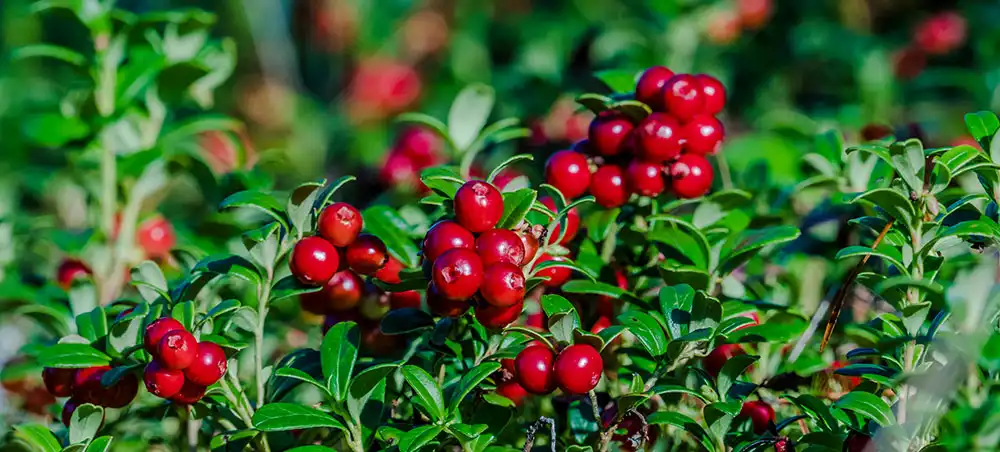
Cranberry extract is one of the few natural ingredients that can be used to measure health benefits. Organic Cranberry Extract Powder, which comes from Vaccinium macrocarpon, has high amounts of proanthocyanidins (PACs), which are beneficial substances known to help the urinary tract, fight free radicals, and keep the immune system healthy. This ingredient meets the growing need for scientifically proven, clean-label ingredients in nutraceuticals, functional foods, and personal care products. Aside from appealing to consumers, the organic certification ensures traceability, less exposure to pesticides, and consistent batch quality. Whether you're making functional drinks or dietary supplements, this ingredient gives your product chain regulatory confidence and proven efficiency.
Understanding Organic Cranberry Extract Powder
What Sets Organic Apart from Conventional Variants?
The berries that are used to make cranberry extract were grown without using any synthetic pesticides, herbicides, or chemical fertilisers. The extraction process keeps the natural profile of phytochemicals while getting rid of the risks of contamination that come with normal farming. For organic approval, like USDA NOP or EU Organic, you have to show a lot of proof about how well the land is managed, how well the seeds are kept, and how the harvest was handled. This openness is important when your buying team is judging how reliable your suppliers are and how real the products they sell are.
Conventional cranberry products might still have pesticides on them, which makes it harder for regulators to approve them in places like the European Union and North America. Organic versions stay away from these problems while still having higher amounts of Type-A PACs, the molecular structure that makes antibiotics work against bacterial attachment. Methods of testing, like BL-DMAC, prove the content of PAC, with standard limits running from 10% to 60%, based on the needs of the application.
Nutritional Profile and Bioactive Compounds
The powder gives you a strong source of polyphenols, which are chemicals like anthocyanins, flavonols, and quinic acid. Cranberries are different from other berries because it has Type-A links that make PACs the main active ingredient. These chemicals are stable between 2.5 and 4.5 on the pH scale, which means they can be used in acidic products like drinks or fizzy candies.
Clinical research shows that PAC stops uropathogenic Escherichia coli from sticking to the walls of the bladder, which lowers the risk of getting another urinary tract infection. In addition to protecting the urinary tract, antioxidants also help keep the heart healthy and the skin safe from oxidative stress. Formulators like this dual usefulness when they're making goods with more than one use.
Key Use Cases in Product Development
Cranberry juice is added to pills, tablets, and softgels that are made to help with urinary health. Companies that make functional drinks use their sour taste and natural colour for health shots and plant-based drinks. It is used in anti-aging serums and brightening creams by personal care brands because it is an antioxidant. The powder has a fine mesh size (usually 80–100 mesh) that makes it easy to mix into liquid or powder mixtures. Water-soluble types make it more bioavailable in beverage applications.
How Organic Cranberry Extract Powder Supports Health: A Scientific Overview?
Proanthocyanidins and Their Mechanism of Action
Type-A PACs stop bacteria from sticking together by interfering with the fimbrial structures on harmful bacteria at the molecular level, and Organic Cranberry Extract Powder rich in these bioactive proanthocyanidins provides a natural, non-antibiotic approach to urinary tract health that aligns with consumer demand for clean-label preventative care. Antimicrobial resistance is a worry, but this process lowers the chance of infection without using drugs. Studies show that taking 36 mg of PACs every day can cut the risk of getting another UTI by up to 26% in people who are already at high risk. Formulators who work on bladder health usually make sure that products have between 25% and 50% PAC content so that they are clinically relevant.
Cranberry extract has flavonoids that change inflammatory pathways by stopping cytokines that cause inflammation. This anti-inflammatory effect works with the antioxidant activity to neutralise free radicals that are linked to ageing cells and long-term diseases. These chemicals work together to boost the body's natural defences in immune support formulas.
Recommended Dosage Ranges for Formulation
Urinary health goods should have between 300 mg and 500 mg of extract per dose, which is equal to 36 mg to 72 mg of PACs. To find a good balance between cost and effectiveness, functional foods may use lower concentrations (100–200 mg). Safety data shows that up to 1,500 mg can be taken every day without any negative effects, which gives developers of high-potency products more options.
To follow the rules, the PAC material and standardisation method (UV or BL-DMAC) must be clearly labelled. To follow FDA guidelines for dietary supplements and EU Novel Food rules, manufacturers should keep track of third-party test results.
Safety Profile and Precautions
Cranberry extract has a great safety record. In clinical trials, it caused very few side effects. Very high amounts, usually more than 2,000 mg per day, can cause rare stomach problems. People who take warfarin should talk to their doctors because it may interact with vitamin K and change how it is used, though the proof is still not clear.
For commercial formulations, testing for stability under accelerated conditions (40°C, 75% RH) makes sure that the PAC stays in the product throughout its shelf life. Colour and strength are kept safe with the right packing, like containers that don't let light in and have moisture shields.
Comparing Organic Cranberry Extract Powder with Other Cranberry Products
Organic vs. Non-Organic: Quality and Sourcing Value
Because of the high cost of approval and the short supply lines, organic extracts are very expensive. They do, however, get rid of worries about pesticide waste and are in line with clean-label trends that are propelling 8–12% annual growth in the organic supplement sector. Non-organic versions might have lower initial costs, but they need more testing to confirm the level of contaminants, which could make the total cost of procurement higher.
Organic sources can be told apart because each batch can be traced back to a registered farm with proof of how the crops were grown. This openness builds trust in the business and makes governmental audits easier.
Powder vs. Capsules and Concentrates
Powdered extracts give you the most formulation options because you can mix them into any kind of matrix you want for tablets, drinks, or skin applications, and Organic Cranberry Extract Powder is particularly versatile in this regard, as it can be directly compressed, encapsulated, dissolved in beverages, or incorporated into topical creams without the need for additional emulsifiers. Capsules are convenient for end users, but they make it harder to change the dose. Although they may need stabilisers and have shorter shelf lives than dry powders, liquid mixes work great in drinks.
Bioavailability depends on the form; microencapsulated powders are better at being absorbed in the digestive system, while regular powders work well in most oral supplement forms. For example, powders are good for a lot of different uses, while capsules are better for SKUs that are ready for consumers.
Dried Cranberries vs. Concentrated Extract
Whole dried cranberries have natural sugars and low amounts of PAC (usually 1% to 3% by weight), so they can't be used for medicinal doses. Extracts focus bioactives while getting rid of sugars and extra water. This lowers the chance of microbes growing and increases the shelf life to 24 to 36 months if stored properly.
For supplement uses, extracts are more cost-effective than whole fruit because it would take too many servings to get the same PAC levels and add extra calories that aren't needed.
Procurement Guide: How to Source the Best Organic Cranberry Extract Powder?
Certification and Testing Standards Checklist
Make sure that sellers have the latest USDA NOP, EU Organic, and import certifications (HALAL, Kosher) that are required by the markets you want to reach. Ask third-party labs like SGS, Eurofins, or NSF to give you certificates of analysis (CoA) that prove the amount of PAC, the limits of heavy metals (Pb <0.5 ppm and As <0.2 ppm), and the safety of microbes (total plate count <1,000 CFU/g).
Check the quality standards of your suppliers to make sure they follow cGMP, HACCP, ISO 9001, and FSSC 22000 rules. These certificates show that the process is well-controlled and that there are strict rules in place to avoid contamination. Verifying a plant's identity using TLC or microscopy protects it from being tampered with.
Cost Considerations and Logistics
Prices for bulk items usually go down as the quantity ordered goes up. For example, a 25 kg minimum order may cost $150 to $250/kg for 25% PAC standardisation, but orders of 500 kg or more can get them for $100 to $180/kg. Organic premiums are 20–40% more expensive than non-organic alternatives. Check the total landed cost, which includes freight. DDP (Delivered Duty Paid) terms make planning easier by combining shipping, taxes, and customs clearance into one price.
Lead times vary. Suppliers of ready-to-stock products can ship within 3–7 business days, but it takes 4-6 weeks for unique recipes to be developed and made. Cranberry harvests happen in September and November, which can affect the availability of raw materials. Working with sellers to keep goods on hand all year protects against supply risks.
Supplier Capabilities: Private Label and OEM Options
Leading suppliers offer formulation development services that change the concentration of PAC, the size of the mesh, and the solubility profiles to fit different uses. Private label programs offer complete solutions, from finding ingredients to packaging the finished goods. This is great for brands that are moving into new product categories.
Through OEM partnerships, companies can work together to create unique blends that combine cranberry extract with plants that work well together, such as D-mannose or probiotics, and Organic Cranberry Extract Powder serves as an ideal base ingredient for these synergistic formulations targeting urinary and digestive health. Find suppliers that have their own research and development teams that can do rapid prototyping and put together regulatory dossiers.
Maximizing Your Business Potential with Organic Cranberry Extract Powder
Industry Applications and Emerging Trends
Cranberry extract is mostly bought in nutraceutical brands, with 60% of the market volume going to urinary health products. Botanical-infused drinks and immunity shots are growing at a rate of 25% per year, thanks to new functional beverages. People are looking for natural options to manufactured actives in personal care products, especially anti-pollution skin care products aimed at urban markets.
Clean label standards force companies to change their recipes so they use whole-food-derived ingredients instead of fake preservatives and vitamins. Organic cranberry extract meets these needs and offers science-backed benefits that set products apart in crowded categories.
Strategic Differentiation Through Certification
Products with the USDA Organic or EU Organic seals usually cost 15 to 30 percent more than regular versions. Certifications show a commitment to quality that health-conscious consumers and institutional buyers, such as stores that follow organic standards, can relate to.
Sustainability stories build brand equity. For example, talking about how organic farming helps the environment by reducing pesticide runoff and keeping the soil healthy fits with corporate social responsibility goals. Documentation of traceability backs up marketing claims and can withstand governmental scrutiny.
Case Study: Successful Formulation Partnerships
A medium-sized supplement company worked with an organic extract provider to create a line of health products for women that contain cranberry extract, biotin, and vitamin C. Custom preparation raised the amount of PAC in each pill to 36 mg while adjusting the rate of breakdown to improve absorption. Third-party validation through NSF certification sped up approvals for retail distribution, which brought in $2.3 million in the first year.
A functional beverage brand changed the recipe for an immunity shot so that it contained water-soluble cranberry juice as part of another partnership. Improvements to the solubility got rid of sedimentation problems, and the organic approval met store needs for placement in natural food outlets. Within six months, 40% of people who bought the product again bought it again.
Conclusion
Organic Cranberry Extract Powder isn't just a trendy ingredient; it meets basic needs for safety, effectiveness, and compliance with regulations. Standardised PAC content ensures consistent health outcomes, and organic certification protects the honesty of clean labels and the openness of the supply chain. This ingredient gives you a lot of options for how to make your products, whether you're making herbal skin care, functional drinks, or supplements for urinary health. It's also backed by a clinical study. When you work with certified suppliers who offer full testing, customisation, and quick technical support, you move from transactional to strategic sourcing, which sets up your products for long-term growth in health-conscious markets.
FAQ
What PAC concentration should I specify for urinary health supplements?
Clinical tests show that 36–72 mg PACs daily are effective. Give a 25% to 50% PAC standardisation test by the BL-DMAC method for a 500 mg serving size. This range makes sure that the drug is useful for therapy while still being cost-effective for industrial production.
How do I verify organic certification authenticity?
Ask suppliers for up-to-date USDA NOP or EU Organic certificates and check the certificate numbers against government records. Renewal every year makes sure that cooperation continues. Reports from independent labs should show that synthetic herbicides and GMOs are not present.
What shelf life can I expect under proper storage?
Good organic cranberry extract stays effective for 24 to 36 months when kept in cool, dry places (below 25°C, <60% humidity) in containers that don't let light in. Accelerated stability testing shows that PAC retention is higher than 90% in these conditions.
Can cranberry extract be combined with other botanicals?
Of course. Cranberry is often mixed with D-mannose to help the urinary tract more, or with elderberry and zinc to help the immune system. Testing for compatibility makes sure that the mixture is stable and stops reactions that could change the colour, taste, or activity of the substance.
Partner with Naturalin Biotech for Premium Organic Cranberry Extract Powder
Industrial-grade organic cranberry extract from Naturalin Biotech is standardised to 10% to 60% PACs and has been tested for quality using UV and BL-DMAC. We use approved organic farming bases to make sure that everything can be tracked, and our 40+ unique technologies allow us to make powders, granules, or water-soluble versions that are exactly what you want. We meet world standards for nutraceuticals, functional drinks, and makeup because we are certified in ISO 9001, FSSC 22000, HALAL, and Kosher. Our ready stock means that we can send within 3–7 days, and our R&D team works together to develop new formulations so that your product launch can happen faster. Email our buyers at market@naturalinbio.com to ask for samples or to talk about forming relationships with bulk Organic Cranberry Extract Powder suppliers that can help you get ingredients faster and cheaper than your competitors.
References
1. Howell, A.B. (2007). Bioactive compounds in cranberries and their role in the prevention of urinary tract infections. Molecular Nutrition & Food Research, 51(6), 732-737.
2. Jepson, R.G., Williams, G., & Craig, J.C. (2012). Cranberries for preventing urinary tract infections. Cochrane Database of Systematic Reviews, Issue 10.
3. Blumberg, J.B., Camesano, T.A., Cassidy, A., et al. (2013). Cranberries and their bioactive constituents in human health. Advances in Nutrition, 4(6), 618-632.
4. Pappas, E., & Schaich, K.M. (2009). Phytochemicals of cranberries and cranberry products: Characterization, potential health effects, and processing stability. Critical Reviews in Food Science and Nutrition, 49(9), 741-781.
5. Côté, J., Caillet, S., Doyon, G., et al. (2010). Bioactive compounds in cranberries and their biological properties. Critical Reviews in Food Science and Nutrition, 50(7), 666-679.
6. Gupta, K., Chou, M.Y., Howell, A., et al. (2007). Cranberry products inhibit adherence of p-fimbriated Escherichia coli to primary cultured bladder and vaginal epithelial cells. Journal of Urology, 177(6), 2357-2360.