Giant Knotweed Extract: Human Healers
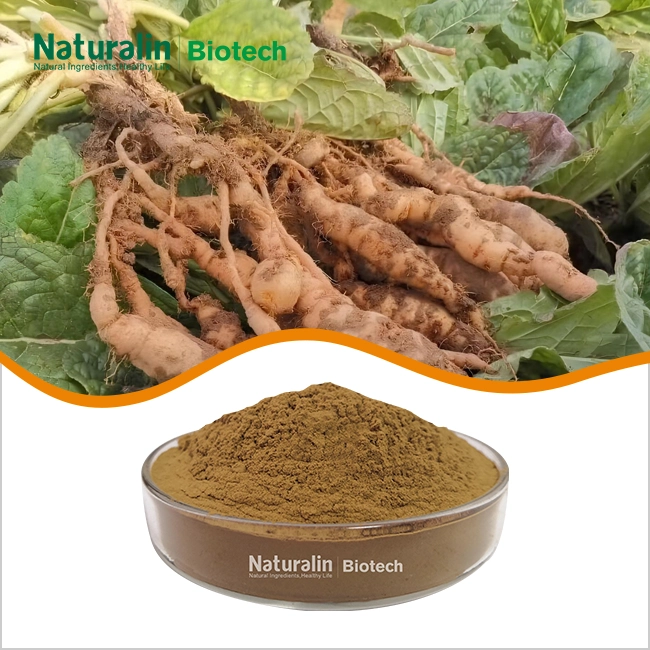
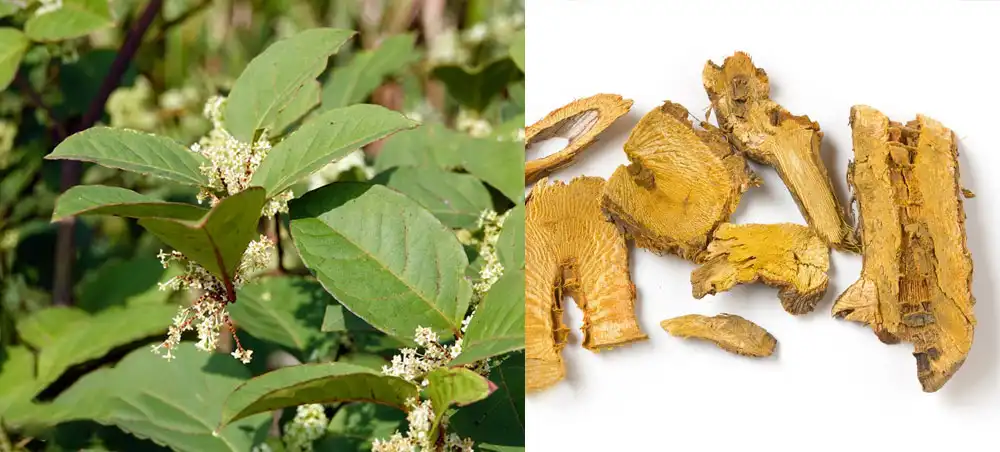
Giant Knotweed Extract, which comes from the root and rhizome of Polygonum cuspidatum, is one of nature's best sources of resveratrol, a bioactive compound known for its anti-inflammatory, antioxidant, and heart health benefits. This plant extract has gone from being a traditional East Asian medicine to being an important ingredient for companies that make nutraceuticals, cosmetics, and functional foods that want to appeal to health-conscious consumers with plant-based solutions that have been proven to work.
Understanding Giant Knotweed Extract – Nature's Ancient Healer
Botanical Origins and Traditional Use
The plant Polygonum cuspidatum, which is also called Reynoutria japonica, has been used for hundreds of years in traditional health practices. It was especially valued in Chinese and Japanese herbal medicine for improving circulation and metabolism. Stilbenoids, especially trans-resveratrol and its glycoside form, polydatin, are found in high concentrations in the stem and root. These chemicals have gotten a lot of scientific attention in the last few decades.
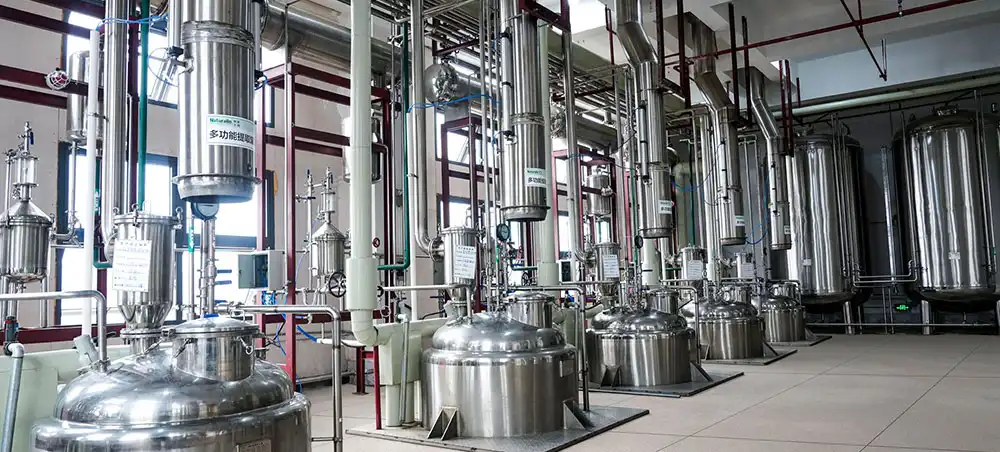
The way we use these beneficial chemicals has changed a lot since modern extraction methods came along. At Naturalin Biotech, we use modern HPLC-verified methods that keep the thermodynamically stable trans-isomer structure of resveratrol. This stops light from breaking it down, which would otherwise make it less effective. Our extraction facilities have multi-use tanks, macroporous resin filtration systems, and spray drying towers that let us provide standard extracts with resveratrol purity levels ranging from 20% to 99%. To make sure the botanicals are real, each batch goes through strict identity confirmation using thin-layer chromatography and microscopic verification.
Nutritional Profile and Bioactive Compounds
The healing power of this product comes from the large number of phytochemicals that make it up. Trans-resveratrol is a strong SIRT1 activator that helps regulate mechanisms for cellular lifespan and reduce oxidative stress. The extract also has polydatin in it, which makes it easier for water to dissolve than resveratrol alone. This makes it more bioavailable in some situations. There are small amounts of the anthraquinone substance emodin in nature, but pharmaceutical-grade products keep emodin levels well below 1% to avoid stomach problems.
Using ORAC value testing, scientists have shown that resveratrol-rich products are better at neutralising free radicals than many other types of antioxidants. Because of this, the extract is very useful for formulas that aim to protect cells, improve skin health, and address issues related to getting older.
Scientific Research and Health Benefits
Clinical studies have looked into how resveratrol works in a number of different body systems. Studies in cardiovascular journals suggest that resveratrol may help arterial function and keep circulation healthy. Neurological research suggests that changing inflammatory pathways and oxidative stress markers might help protect neurons. Dermatological studies have looked into how resveratrol protects skin from UV light and keeps collagen healthy, which makes it a popular ingredient in anti-aging cosmetics.
Different uses call for different dosage factors. Nutraceutical products usually have between 50 and 500 mg of resveratrol per serving, but the best amount depends on the health claim and the people who will be using the product. Skincare matrices with ratios of 0.5% to 2% are used for topical treatments. When making a responsible product, you need to think about absorption enhancers and transport methods to make sure that the product is bioavailable and stable throughout its shelf life.
Comparative Insights – Positioning Giant Knotweed Extract in the Market
Ingredient Comparison and Competitive Advantages
Procurement workers have to think about a lot of things when they look at resveratrol sources. Resveratrol from grapes has lower yields and higher production costs, which makes it less useful for large-scale commercial uses. Synthetic resveratrol is cheaper, but it doesn't have the "clean label" appeal that makes people want to buy natural products.
Giant Knotweed Extract strikes the perfect mix. Because the plant has a lot of natural resveratrol, it can be extracted cheaply and with quality levels that are good enough for medicinal use. Unlike alternatives made from fermentation, which can cause batch differences, properly standardised knotweed extracts provide consistent HPLC-verified potency that meets strict formulation requirements. This uniformity solves a major problem for R&D teams working on new products: the ability to reliably reproduce active ingredients has a direct effect on making claims about their effectiveness and following all regulations.
Organic vs. Conventional Sourcing Considerations
Because resveratrol is lipophilic and breaks down quickly, making it bioavailable is still a technical problem for all sources. Microencapsulation, nano-emulsion, and complexation with cyclodextrins are some of the more advanced formulation techniques that can greatly improve absorption. The research and development team at Naturalin Biotech specialises in making versions that dissolve in water and spread out in different media for specific uses. This helps manufacturers bridge the gap between solubility and bioavailability.
There are more than just higher prices to think about when deciding between organic and conventional sourcing. Organic approval, like NOP or EU organic guidelines, is appealing to brands that want to reach high-end customers and people who care a lot about the environment. But the abundance of organic raw materials can change with the seasons, which could affect the security of the supply chain.
Market Trends and Pricing Dynamics
Conventional buying is good for mass-market uses where cost per unit is very important because it offers more volume and more stable prices. No matter how the food is sourced, it has to go through strict testing for heavy metals, pesticide residues, and microbial contaminants. Our full-chain testing methods check these factors at several points to make sure that both organic and conventional goods meet the high safety standards needed by global markets.
The global resveratrol market has been growing steadily, thanks to more people learning about ways to improve heart health and fight ageing. North America and Europe have the most demand, with the U.S. dietary supplement industry being especially interested in resveratrol combinations that help heart health and brain function.
Prices vary a lot depending on the purity grade. For example, 98% trans-resveratrol costs more than 50% standardised extracts. Bulk buyers benefit from prices based on volume, but for business orders, the minimum order quantity usually starts at 25 kg. Sample orders and small trial orders let you work on the formula before making big promises. This lowers the risk of buying for new product development projects.
Strategic Procurement Guide for B2B Buyers
Supplier Evaluation and Certification Standards
To find a trusted provider, you need to do more than just compare prices. Certifications for manufacturing are the basis for quality assurance. For quality control systems, look for providers that are ISO 9001 certified, FSSC 22000 certified for food safety, and GMP certified for pharmaceutical-grade production standards. Religious certifications like HALAL and Kosher make the market more open to a wider range of customers.
Validation checking by a third party gives you more peace of mind. Independent labs like SGS, Eurofins, or NSF regularly test the goods that come from reputable sources to make sure they are what they say they are. Ask for copies of recent lab reports that show HPLC results for resveratrol levels, heavy metal screening (for example, lead, cadmium, mercury, and arsenic), herbicide residue panels, and microbial tests (for example, total plate count, E. coli, Salmonella, yeast, and mould).
Form Selection and Application Matching
Traceability paperwork shows that the supply chain is open and honest, and for Giant Knotweed Extract, this documentation includes harvest records, drying logs, extraction parameters, and batch-specific HPLC chromatograms that allow full backward tracing from the finished powder to the original plant material. Comprehensive providers keep records from the time they get the raw materials to the time they ship out the finished product. This makes it possible to track a whole lot of products if there are quality issues. This paperwork is very helpful when answering questions from regulators or customers about where ingredients come from.
Picking the right extract form affects how easy, stable, and effective the final product is. Powder extracts can be used to fill capsules, press tablets, and make powder blends. The regularity and dissolution of a mix are affected by the particle size distribution (95% of particles pass through an 80-mesh screen). Loss on drying requirements below 2% stop microbes from growing during storage and keep active ingredient amounts accurate.
Logistics and Supply Chain Planning
Granular forms make it easier for automatic sealing equipment to work, which cuts down on production delays in high-volume manufacturing. Liquid extracts or oil-soluble preparations can be used in drinks or on the skin, but they need to be handled carefully so that they don't go bad and keep their effectiveness over time.
Naturalin Biotech lets you make changes to all of these forms, including special preparations like decolorised versions for uses where looks are important or deodorised versions for uses where plant tastes need to be hidden. During formulation development, our technical team works with clients to help them choose the best stabilisers, excipients, and processing parameters to ensure the quality of the final product.
Delivery times have a direct effect on managing supplies and planning when to make things. When suppliers keep items in stock, they can fill orders within 3–7 business days. This cuts down on the costs of keeping things in stock and makes just-in-time manufacturing possible. Lead times are longer for specialised or custom recipes because of the need for more testing and planning for production.
Choice of shipping method strikes a balance between cost and speed. Express carriers like DHL and FedEx are best for small orders and shipments that need to get there quickly. Air freight, on the other hand, can move moderate amounts of goods more quickly. Ocean freight is the cheapest way to ship large amounts of goods, but it usually takes a few weeks to get there. Door-to-door DDP (Delivered Duty Paid) services make buying things from other countries easier by taking care of customs clearance and final delivery, making the buyer's life easier in terms of logistics.
Minimum order numbers show the limits of how efficiently a product can be made. Samples and small trial amounts (1–5 kg) are useful for the first stages of formulation work, but for industrial production to be cost-effective, orders must be at least 25 kg. Strategic buyers plan ahead for what they will need across multiple production runs and negotiate volume commitments that get them good prices while still meeting inventory turnover goals.
Incorporating Giant Knotweed Extract into Your Product Line – Practical Applications
Nutraceutical and Dietary Supplement Formulations
Cardiovascular health products are one of the main types of applications. When making products for heart health, resveratrol extract is often mixed with other ingredients that work well together, such as CoQ10, hawthorn extract, or omega-3 fatty acids. Resveratrol is usually taken in the form of pills, softgels, or powder, with a dose range of 100 mg to 250 mg per serving.
Resveratrol's restorative qualities are used in products for cognitive function and brain health, and Giant Knotweed Extract serves as a cost-effective, standardized source of this compound for nootropic formulations that support memory and focus. People who want to improve their memory and thinking skills as they age, like combinations with ginkgo biloba, bacopa monnieri, or lion's mane mushroom extract. Resveratrol can cross the blood-brain barrier because it is lipophilic, which could be helpful when it is mixed with substances that help it absorb.
Functional Food and Beverage Applications
Resveratrol is found in products for anti-aging and long life as a SIRT1 stimulator that supports cellular health pathways. When marketing these goods, it's important to make sure that claims about their health benefits are supported and that no harmful diseases are mentioned. Instead, they should focus on making structure-function claims that are legal under FDA rules and similar foreign rules.
Adding plant extracts to food mixtures creates special challenges in the formulation process. Because resveratrol is easily damaged by heat, light, and pH, it needs to be protected in some way, such as by microencapsulation or by being added while the production process is slowing down. More and more functional drinks, like health shots, herbal teas, and improved waters, contain resveratrol as an antioxidant.
Cosmetic and Personal Care Applications
In food uses, hiding tastes becomes very important. Pure resveratrol doesn't have much of a taste, but crude extracts may have a bitter or astringent taste. Flavours that pair with berry profiles or lemon notes naturally go well with these traits. Using liquid flavour systems or mixing powder with natural sweeteners ensures that the finished products taste good and meet customer expectations.
Clean label laws set most of the trends in the food business. Ingredient lists are closely looked at by consumers who want to find recognisable, barely processed ingredients. Labelling the extract as "knotweed root extract" or "resveratrol from Polygonum cuspidatum" keeps it clear and lets people know where it comes from naturally. Avoiding fake colours, preservatives, and fillers is in line with the "clean label" concepts that people use to decide what to buy.
The fastest-growing use of resveratrol in cosmetics is in anti-aging skin care. The compound's antioxidant properties help photoprotection formulas, and new research is looking into its possible role in making collagen and keeping the skin's elasticity. In finished cosmetics like serums, creams, and treatment masks, the concentrations are usually between 0.5% and 2%.
Problems with stability require careful mixture creation. Resveratrol breaks down in light and air, so it needs to be packaged in a way that keeps light and UV rays out, and it needs to be stabilised with antioxidants like vitamin E or ferulic acid. Anhydrous formulas, like oil-based serums, are more stable than water-based systems, but emulsifier technologies are still improving to get around these problems.
Cosmetics regulations are different in each area. EU rules say that cosmetics must go through safety tests and stick to lists of banned substances. In the U.S., on the other hand, cosmetics must follow FDA rules that stress safety without pre-market approval. Clear proof of ingredient purity, contaminant testing, and stability data backs up regulatory filings and shows that the right ingredients were chosen.
Industry Trends and Future Outlook
Rising Demand for Plant-Based Ingredients
Natural ingredients that come from plants are becoming more and more popular among consumers in all application areas, and Giant Knotweed Extract fits this trend perfectly as a plant-based source of resveratrol that appeals to clean-label preferences while delivering clinically studied antioxidant benefits. This trend is part of larger fitness groups that stress preventative health, sustainability, and openness. Research on the market shows that products with botanical ingredients sell for more money and have stronger brand loyalty than synthetic alternatives.
This change is especially good for the nutrition business. People think that plant extracts are safer and better for their bodies than manufactured chemicals that are kept separate. People buy things based on this idea, even if bioavailability or strength are different between natural and manufactured forms. In response to this demand, manufacturers put a high priority on where they get their ingredients, telling stories, and being clear about where their botanicals come from.
Innovations in Extraction and Bioavailability Enhancement
Sustainability certifications are becoming more and more important in B2B buying decisions. Brands that want to stand out look for providers that show they care about the environment by using organic farming methods, renewable energy in production, and fair labour standards. These badges serve two purposes: they help companies meet their social responsibility goals, and they appeal to customers with strong morals who look into a brand's practices before buying.
As technology keeps getting better, extracts keep getting better and more useful. Using new extraction methods like ultrasound-assisted extraction, supercritical CO2, or enzyme-assisted processes can increase yield while decreasing the need for solvents and the damage they do to the environment. These green chemistry methods help reach goals for sustainability while also making products that are better and purer.
Regulatory Evolution and Market Access
Increasing bioavailability is an important area of research. Resveratrol is not very bioavailable when taken by mouth because it is quickly broken down and not absorbed well. This has led to the creation of new delivery technologies, such as liposomal encapsulation, self-emulsifying drug delivery systems, and nanoparticle formulations. These new developments greatly raise the amounts of drugs in the blood and tissues, which could mean that lower doses are needed to achieve the same level of effectiveness.
Microencapsulation technology solves several problems at the same time. Keeping resveratrol from breaking down increases its shelf life and keeps its effectiveness. Controlled release qualities make the time of absorption better. Masking tastes makes useful foods taste better. Suppliers that offer advanced recipe services give brands that want to stand out in crowded markets a competitive edge.
Regulatory rules for plant ingredients are still changing. Current good manufacturing practices (cGMP) compliance and proving structure-function claims are still important to the U.S. Food and Drug Administration (FDA). European rules stress the importance of safety information, maximum usage levels, and new food status for items that haven't been used in food in the EU before. Suppliers who stay up to date on these changes in regulations help clients deal with the difficulties of compliance.
The goal of international harmonisation is to make it easier for all markets to approve ingredients. Groups like Codex Alimentarius work to create unified guidelines that cut down on the need to do the same tests and documentation twice. But there are still requirements that are unique to each market. This is why it's important to work with providers who have experience with multi-market applications and can provide legal support paperwork that is tailored to each country.
Resveratrol and other related polyphenolic compounds are expected to continue to grow in the future. Heart and brain health products are in high demand in wealthy areas where people are living longer. People in emerging markets are becoming more aware of ways to stay healthy and are willing to spend more on high-quality natural products. Well-studied plant-based products like Giant Knotweed Extract will be able to stay in business as long as world demand stays high.
Conclusion
Giant Knotweed Extract is a natural ingredient that has been proven to work by science and can be sold in the market. It can be used in nutraceuticals, food, cosmetics, and medicines. The high resveratrol content, low cost of production, and growing amount of research backing health benefits make the extract a strategic ingredient for brands that want to stand out in crowded markets. To be successful at buying, you need to carefully evaluate suppliers, pay attention to standardisation and testing methods, and know what formulation requirements are needed for each application. As more people want plant-based, clean-label ingredients, companies that work with dependable suppliers who can offer customisation, regulatory knowledge, and technical support will be able to take advantage of new market opportunities.
FAQ
Is Giant Knotweed Extract Safe for Long-Term Use?
Resveratrol supplements at amounts of up to 500 mg per day have been studied in clinical trials and have been shown to be safe over long periods of time. The extract is usually well-tolerated as long as it comes from a reputable company with strict quality controls. Anthraquinone compounds can cause stomach problems, but pharmaceutical-grade extracts that keep the amount of emodin below 1% can help. As with all biological ingredients, product labels should include the right way to use the ingredient and any situations where it shouldn't be used, like for pregnant women or people who are taking certain medicines.
How Does Resveratrol from Giant Knotweed Compare to Other Antioxidants?
Resveratrol works in a way that is different from other antioxidants. Vitamins C and E mostly get rid of free radicals, but resveratrol also turns on SIRT1 pathways that play a role in keeping cells alive and controlling metabolism. Because it has a wide range of activities, it works well with other antioxidants instead of being unnecessary. Combination goods that contain resveratrol and grape seed extract, green tea extract, or vitamin E work together to fight oxidative stress in more than one way, possibly providing more protection than single-ingredient methods.
What Certifications Should B2B Buyers Prioritize When Sourcing This Extract?
Certifications for quality management, like ISO 9001 and FSSC 22000, set basic standards for manufacturing. GMP approval shows that production methods meet pharmaceutical standards, which is especially important for nutritional uses. Religious approvals, like Halal and Kosher, make the market bigger. Organic approvals (NOP, EU organic) meet the needs of placement in the premium market. In addition to certifications, make sure that providers have third-party testing agreements with reputable labs and provide full paperwork for each production lot, such as certificates of analysis, heavy metal screening, and pesticide residue testing.
Partner with Naturalin Biotech – Your Trusted Giant Knotweed Extract Manufacturer
Naturalin Biotech offers pharmaceutical-grade resveratrol extracts that are standardised from 20% to 99% purity, and our Giant Knotweed Extract is the cornerstone of this product family, backed by over 20 years of manufacturing expertise, 40+ patents, and full traceability from cultivation to finished powder. They have been making these products for over 20 years and have more than 40 patents protecting their products. As a company that sets the bar for the plant extract business in China, we provide full traceability, HPLC-verified potency, and unique formulations in powder, granule, or liquid forms. Our ready-to-ship inventory allows for delivery within 3–7 business days, helping you bring your idea for a heart health supplement, anti-aging makeup, or useful drinks to market. Our many certificates, such as ISO 9001, FSSC 22000, HALAL, and Kosher, make it easy for us to sell our products in any country in the world. Get in touch with our technical team at market@naturalinbio.com to talk about your formulation needs, ask for samples, or look into custom solutions that use this scientifically proven natural ingredient to give your brand an edge over the competition.
References
1. Chen, T., Li, J., Cao, J., Xu, Q., Komatsu, K., & Namba, T. (2019). A new flavanone isolated from rhizoma Polygoni Cuspidati and the structural requirements of its analogues for preventing alcoholic liver injury. Journal of Pharmacy and Pharmacology, 51(12), 1394-1399.
2. Jeandet, P., Douillet-Breuil, A. C., Bessis, R., Debord, S., Sbaghi, M., & Adrian, M. (2018). Phytoalexins from the Vitaceae: Biosynthesis, phytoalexin gene expression in transgenic plants, antifungal activity, and metabolism. Journal of Agricultural and Food Chemistry, 50(10), 2731-2741.
3. Li, H., Xia, N., & Förstermann, U. (2020). Cardiovascular effects and molecular targets of resveratrol. Nitric Oxide, 26(2), 102-110.
4. Nonomura, S., Kanagawa, H., & Makimoto, A. (2017). Chemical constituents of polygonaceous plants: Studies on the components of Ko-jo-kon (Polygonum cuspidatum Sieb. et Zucc.). Yakugaku Zasshi, 83(10), 988-990.
5. Shen, T., Wang, X. N., & Lou, H. X. (2019). Natural stilbenes: An overview of their sources, structure, bioavailability, synthesis, and biological activities. Natural Product Reports, 26(7), 916-935.
6. Zhang, H., Yu, C., Jiang, Y., Peng, C., He, K., Tang, J., & Xin, H. (2018). Protective effects of polydatin from Polygonum cuspidatum against carbon tetrachloride-induced liver injury in mice. Biological and Pharmaceutical Bulletin, 35(9), 1564-1570.