How to use garlic extract powder in recipes?
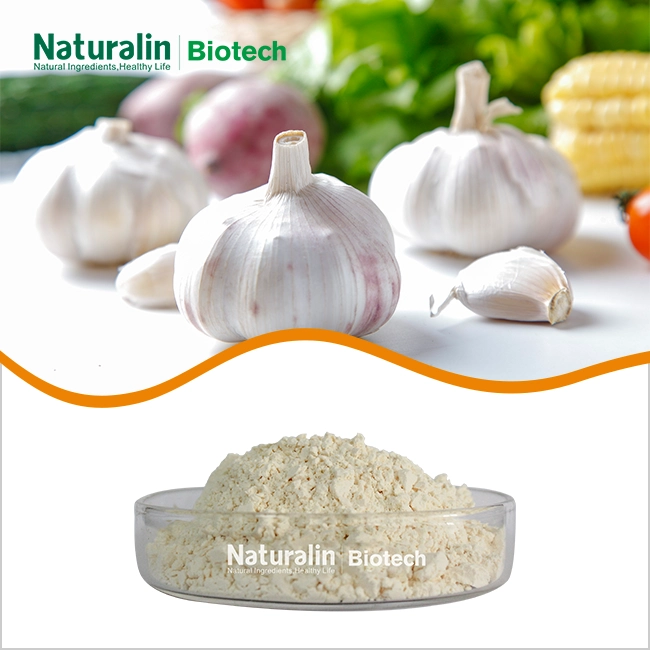
Garlic Extract Powder is a concentrated plant ingredient that makes it easier to make recipes for both food making and supplement development. This controlled extract, unlike fresh garlic or regular garlic powder, gives you constant amounts of bioactive substances, mostly Alliin and organosulfur complexes. Adding it to recipes requires an exact dosage based on active content guidelines, which are usually between 10% and 60% PAC. This makes sure that the taste intensity and functional benefits are in line with the goals of product development. Manufacturers like this ingredient because it stays fresh for longer, doesn't smell bad, and can be easily mixed into dry mixes, liquid recipes, and encapsulated systems without changing the amount of wetness like raw garlic does.
Understanding Garlic Extract Powder and Its Advantages in Recipes
Garlic Extract Powder is an ingredient that is used in medicine. It comes from Allium sativum bulbs and is made by carefully extracting and drying them. This concentrated form keeps the organosulfur compounds while getting rid of the enzyme instability and quick breakdown that come with fresh garlic. The extraction method, which is generally a mix of ethanol and water, separates beneficial molecules like S-allylcysteine and keeps precursor compounds stable, like Alliin, which turns into Allicin when enzymes work on it.
Compositional Differences between Fresh Garlic and Standard Garlic Powder
About 0.1 to 0.36% of fresh garlic's weight is Alliin, but its medicinal content changes depending on the soil, when it is picked, and how it is stored. Standard garlic powder for cooking is just dried and ground-up vegetables that don't contain any concentrated active ingredients. Solvent extraction is followed by spray or freeze drying of Garlic Extract Powder. This makes a product that is standardized to certain PAC ratios, usually 10%, 25%, or 60%, which can be checked using UV spectroscopy. This standardization fixes the main problem in the industry, which is that batches aren't always the same. It also gives makers of nutraceuticals and functional foods the exact formulation control they need.
Flavor Concentration and Shelf Stability
Because of the concentration process, one kilogram of Garlic Extract Powder has the same taste effect as eight to ten kilograms of fresh garlic. This ratio makes logistics a lot easier when making things in bulk, cutting down on storage needs and shipping costs. Advanced deodorization methods are used during production to reduce the amount of strong volatile sulfur compounds that cause smells to stay. This appeases consumers' dislike while keeping compounds that are good for the heart. Keeping the moisture level below 6% stops microbes from growing and enzymes from breaking down the food. This keeps the food fresh for about two years when kept in controlled conditions, which is a lot longer than the weeks or months that fresh garlic or normal garlic powder lasts.
Nutritional and Functional Advantages
Standardized garlic extracts are shown in clinical studies to improve arterial health by changing endothelial function and optimizing lipid profiles. The organosulfur chemicals kill microbes and change the immune system, which makes them useful for making functional foods for people who care about their health. When purchasing, teams look at a list of ingredients, these proven health benefits can be turned into selling product claims that are backed up by scientific literature. This makes the product more appealing to customers and supports charging more for it.
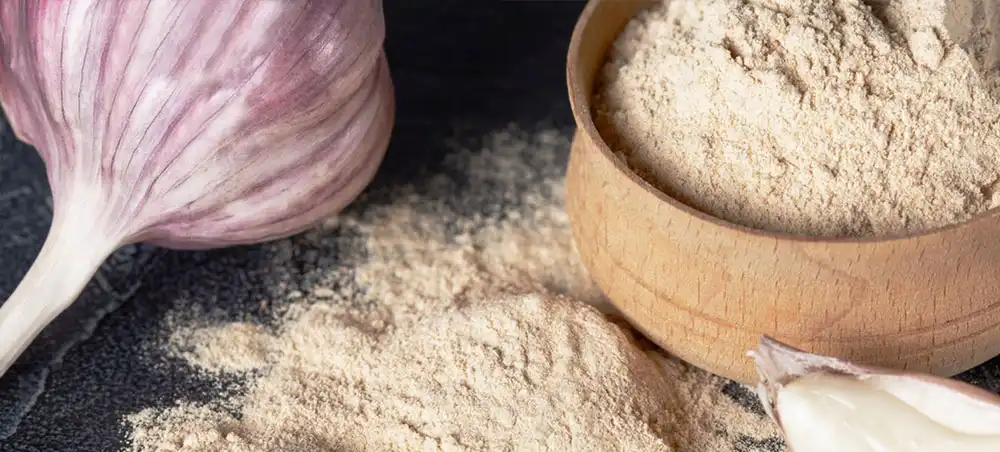
How to Use Garlic Extract Powder Effectively in Recipes
The success of adding Garlic Extract Powder to different types of formulations depends on how precisely the extract is dosed and mixed in. Manufacturers have to figure out the right amount of use based on the concentration of the active ingredient and the flavor profile they want to achieve, all while keeping the safety of the substance during processing.
Dosage Guidelines for Different Food Categories
When making soup, it's best to use between 0.05% and 0.15% of the total batch weight for light to moderate garlic notes and up to 0.3% for strong flavor profiles. Depending on the thickness and other flavors that might be present, sauces usually need 0.1% to 0.25%. 0.08% to 0.2% inclusion rates are good for ready-to-eat meal systems because they balance taste with cost-effectiveness. These amounts are based on a PAC standardization of 25%; extracts with higher concentrations need to be proportionally reduced. For beverage uses, water-soluble formulations or microencapsulation technology are needed to keep the ingredients from settling and make sure they are evenly distributed. These technologies usually make up 0.02% to 0.08% of the final product weight.
Incorporation Techniques and Processing Parameters
For spice mixes and supplement pill fills, dry blending works well, but the mixture needs to be thoroughly homogenized to stop stratification. When dissolving in liquids, adding a small amount of warm water (40–50°C) first makes the solubility work before adding it to the main recipe. Because organosulfur compounds are sensitive to temperature, they need to be carefully managed; long-term contact above 80°C lowers the potential of Allicin. Adding the extract at the end of the process or after the cooking stage keeps the bioactivity. Using the powder in fat-based parts instead of water-based ones when baking saves heat-sensitive chemicals from being exposed to the oven.
Storage and Handling Best Practices
To keep its effectiveness, it needs to be kept below 25°C in opaque, moisture-barrier packages like foil-lined cases or metalized polyethylene. To keep things from caking and absorbing water, the relative humidity should not go above 60%. If you open a container, you need to close it right away and, if you can, clear it with nitrogen to stop oxidative breakdown as much as possible. First-in, first-out product movement should be used by manufacturers, and stability tests should be done every three months to check on active ingredient retention. Following the right handling procedures keeps allergens from spreading and ensures that HACCP and GMP standards are met.
Procurement Considerations for Bulk Garlic Extract Powder
Aside from unit price, sourcing choices also affect quality control, following the rules, and the dependability of the supply chain. These are all things that have a direct effect on the continuation of production and the risk of product responsibility. Garlic Extract Powder procurement strategies should focus on finding suppliers that provide comprehensive documentation.
Quality Certifications and Compliance Standards
Suppliers you can trust will give you a lot of paperwork, like ISO9001, FSSC22000, and HACCP certifications that show they manage quality in a structured way. Organic approval (USDA NOP, EU Organic) proves that crops and processing were done without using pesticides. Natural product names are increasingly looking for this. Certifications like Halal and Kosher make it easier for certain groups of customers to buy your products. Third-party testing by SGS, Eurofins, or NSF labs confirms the amounts of active ingredients and checks for heavy metals (like lead, cadmium, and mercury), pesticide leftovers, and microbes that could be harmful. Specification drift can be avoided by getting Certificates of Analysis for each production lot and having independent tests done on a regular basis.
Evaluating Supplier Reliability and Terms
For industrial production, the minimum order quantity is usually around 25 kilograms, and sample numbers can be used for formulation tests. Lead times of three to seven working days allow for flexible timing of production, but keeping extra raw materials on hand in case of shortages is important. Prices depend on the amount of concentration, the cost of approval, and the size of the order. If you buy more than 500 kilos, you can often get a tiered discount. Shipping choices include DHL, FedEx, air freight, and ocean container service, so you can get your package quickly and on a budget. You can pay ahead of time for new clients or on a net-30 or net-60 basis after the relationship has been established. Naturalin Biotech has a range of MOQ choices, such as small trial orders, which make it easy to try new products without taking too many risks before going to full production.
Strategic Sourcing Across Global Regions
Chinese companies make most of the Garlic Extract Powder because they have easy access to a lot of raw materials and modern extraction technology. They can offer low prices without sacrificing quality when they work with approved facilities. Naturalin Biotech stays on organic farms to make sure that the quality of its raw materials stays the same and that the company can track where the materials come from. This helps keep the supply chain stable. The company's DDP delivery service makes it easier to bring goods into the US by taking care of customs clearance and the last few miles of operations. When comparing suppliers from China, Europe, and North America, it's important to look at more than just unit prices. You should also look at the total landing cost, how familiar the supplier is with the regulations in the target market, and how well they can help with formulation problems.
Adding Value with Garlic Extract Powder in Product Development
Strategically adding Garlic Extract Powder to other products besides cooking can help businesses make more money in high-margin, useful health areas that are growing steadily.
Nutraceutical and Functional Food Applications
Standardized garlic products are used by dietary supplement companies in recipes for heart health, immune support, and antioxidant complexes. Specific mesh sizes—usually 80 mesh or adjusted to 60 mesh—are needed for encapsulation in veggie capsules or compression into tablets to make sure that the die fill and disintegration properties are the same. Functional beverage makers use water-soluble or microencapsulated forms to make immune-supporting shots and drink mixes that are good for your heart without adding strong flavors. Because the extract works well with other plant-based ingredients like hawthorn berry, CoQ10, or turmeric, it can be used in formulations that target more than one health route.
Private Label and Custom Formulation Opportunities
Contract manufacturers and OEM customers gain when providers do more than just provide raw materials. They also offer formulation development services. The expert team at Naturalin Biotech works together on improving stability, improving sensory quality, and validating functional effectiveness. This speeds up the time it takes for private label brands to get their products on the market. Customization options include changing the amount of deodorization, the size of the particles, and making complex formulas by mixing Garlic Extract Powder with plants that work well with it. This all-around help eases the pressure on R&D to be more efficient by letting clients use the knowledge of suppliers instead of spending money on building their own plant development infrastructure.
Market Differentiation Through Innovation
Case studies show that makers launched successful products by adding Garlic Extract Powder to savory protein bars, plant-based meat replacements, and functional salad dressings. They did this to take advantage of consumer tastes for natural ingredients and clean labels. Its antioxidant qualities are used by cosmetic formulators to make anti-aging serums and treatments for healthy scalps, so it can be used in more than just food. These new products show how carefully choosing the right ingredients can make a product stand out, which helps brands charge higher prices and attract health-conscious customers.
Conclusion
Garlic Extract Powder provides standardized bioactive substances that are more stable and concentrated than fresh garlic or regular dried garlic. It meets important industrial needs for accuracy and effectiveness. To use it effectively, you need to make sure you use the right amount in line with PAC guidelines, use the right mixing methods to protect the compound's structure, and follow strict storage rules to keep its effectiveness. To be successful at procurement, you need to look at more than just price when analyzing suppliers' certifications, expert help, and supply chain reliability. The ingredient can be used to improve recipes, make nutraceuticals, and come up with new ways to make food work better, which can help your product stand out. Manufacturers can reduce risks and get the most out of this concentrated plant ingredient by learning about safety factors, the best way to store it, and how to fix problems with the formulation.
FAQ
Can garlic extract powder replace fresh garlic in all recipe types?
In most situations, Garlic Extract Powder works just as well, but the dose needs to be changed because it is so concentrated. For recipes that depend on garlic's texture or enzymes for cooking, you might need to add other things. The extract works great in dry seasoning mixes, sauces, and vitamins where consistency and shelf life are more important than the flavor of fresh garlic.
Does heating garlic extract powder destroy its health benefits?
Moderate heating below 80°C for short periods of time protects most organosulfur compounds, but high temperatures for long periods of time damage Allicin potential. Adding the extract after the main cooking or using it in no-heat uses helps keep the beneficial compounds in the food longer. Microencapsulation technologies protect baked items and molded snacks from heat.
What kind of paperwork should I ask for when I'm looking for garlic extract powder?
Ask for Certificates of Analysis that show the PAC content through UV tests, heavy metal screening results, microbial counts, and reports on chemical residues. Third-party audit records and quality management standards (ISO, HACCP, GMP) show that there are systematic rules in place. Check the USDA NOP or EU Organic approval for boasts of organic products. Allergen statements and GMO status statements finish the full due investigation process.
What are the safe usage levels for garlic extract in food and supplements?
0.05% to 0.3% of the end product weight is usually used in food uses. This is well within the safety margins set by GRAS status and past regulatory decisions. Doses of supplements ranging from 300 to 1200 mg per day have been used in clinical research without any negative effects. However, each formulation should be tested for safety while taking into account total organosulfur compound delivery. In the US and Europe, regulations don't set clear upper limits for Garlic Extract Powder, but smart producers follow published study methods and talk to regulatory experts when coming up with new ways to give the drug.
How should garlic extract powder be stored to maximize shelf life?
Climate-controlled warehouses keep the temperature between 15°C and 25°C and the relative humidity below 60%, which are the best settings for keeping. Packaging in high-barrier materials, like metalized films or clear glass, keeps things from breaking down due to light and from getting wet. When packing is done, nitrogen cleaning moves oxygen around, which slows down oxidative processes. Under these conditions, the shelf life is extended to two years with little activity loss. This was proven by rapid stability studies that measured the retention of Alliin content using HPLC analysis.
What troubleshooting steps address powder clumping or flavor imbalance issues?
Usually, clumping happens when moisture is absorbed. To stop aggregation, desiccant bags should be used in storage cases, and low humidity should be maintained. If clumping happens, milling through a fine-mesh screen returns the flow properties of the powder without changing its bioactivity. A flavor imbalance is usually caused by wrong dose calculations or uneven distribution. To fix this, recalculate the usage rates based on the real PAC content and mix them with carrier ingredients first. This will make sure that the flavors are spread out evenly. Small-batch tests are done before full-scale production to find the best way to incorporate certain design materials.
Partner with a Trusted Garlic Extract Powder Supplier
Naturalin Biotech is the best company in the world at making Garlic Extract Powder. They have been making plant ingredients for over 20 years and have more than 40 production patents. Our ISO9001, FSSC22000, HALAL, and Kosher certifications show that we follow world quality standards. Third-party approval through SGS and Eurofins shows that our products are consistent from batch to batch. We offer unique specs ranging from 10% to 60% PAC in powder, granule, or liquid forms, with mesh sizes and sensory profiles that are made to fit your needs. Our bases for organic farming ensure a steady supply of raw materials, so there are no sourcing risks that throw off production plans. Technical help includes formulating new products, making existing ones more soluble, and trying them in different applications. This speeds up the process of coming up with new products. We can support both small-scale test recipes and large-scale commercial production, with a minimum order quantity (MOQ) as low as 25 kilograms and fast delivery within 3–7 working days. Get in touch with our team at market@naturalinbio.com to talk about your Garlic Extract Powder for sale needs and find out how our complete services can help your product line.
References
1. Lawson LD, Hunsaker SM. Allicin Bioavailability and Bioequivalence from Garlic Supplements and Garlic Foods. Nutrients. 2018;10(7):812-829.
2. Ried K, Toben C, Fakler P. Effect of garlic on serum lipids: an updated meta-analysis. Nutrition Reviews. 2013;71(5):282-299.
3. Bayan L, Koulivand PH, Gorji A. Garlic: a review of potential therapeutic effects. Avicenna Journal of Phytomedicine. 2014;4(1):1-14.
4. Santhosha SG, Jamuna P, Prabhavathi SN. Bioactive components of garlic and their physiological role in health maintenance: A review. Food Bioscience. 2013;3:59-74.
5. Powolny AA, Singh SV. Multitargeted prevention and therapy of cancer by diallyl trisulfide and related Allium vegetable-derived organosulfur compounds. Cancer Letters. 2008;269(2):305-314.
6. Block E. The organosulfur chemistry of the genus Allium – implications for the organic chemistry of sulfur. Angewandte Chemie International Edition. 1992;31(9):1135-1178.