


American Ginseng Extract Powder derived from Panax quinquefolius L. has become an essential ingredient for manufacturers developing innovative functional beverages and nutritional products. This botanical extract, standardized to 70% ginsenosides through HPLC testing, offers formulators a powerful combination of adaptogenic properties, immune support, and cognitive enhancement. As the functional beverage market continues its rapid expansion, ingredient suppliers and product developers increasingly recognize this extract's unique capacity to deliver science-backed health benefits while maintaining clean-label appeal. Unlike its Asian counterpart, American ginseng provides a gentler, Yin-nourishing effect that resonates with consumers seeking balanced energy without overstimulation, making it particularly valuable for daytime beverages, ready-to-drink nutrition products, and supplement formulations targeting stress management and sustained vitality.
Understanding American Ginseng Extract Powder in Functional Beverages and Nutrition
Understanding the plant features and bioactive profile of American Ginseng Extract Powder is the first step to making a good product. This root comes from North America and has a unique mix of ginsenosides, mostly Rb1, Rg1, and Re. These set it apart from other types of ginseng in terms of both its chemical makeup and its physiological effects.
Botanical Origin and Extraction Excellence
Panax quinquefolius grows best in cooler climates in North America. The quality and amount of bioactive compounds it produces are affected by how carefully it is grown. To keep the molecular structure of heat-sensitive ginsenosides, modern extraction methods use low-temperature processes and spray drying. These advanced techniques make extracts that are always strong, usually with 70% ginsenoside content, which can be proven by HPLC analysis. The extraction process gets rid of impurities and concentrates good compounds, making a fine powder that is very stable and has a unique light-yellow to brownish-yellow color.
Ginsenosides and Polysaccharides: The Functional Core
Ginsenosides, which are complex saponin substances that have many bodily effects, are the main bioactive components in this extract that are good for you. Rb1 ginsenoside helps to calm and nourish Yin, and Rg1 ginsenoside helps the brain work and the body use energy. Besides these saponins, the extract also has useful carbohydrates that help control the immune system and protect against free radicals. Because these compounds work well together, the ingredient is great for formulas that need to help with stress, mental clarity, and long-lasting energy without the jittery effects that come with high-caffeine products.
Dosage Precision and Safety Parameters
To make a product that works well and tastes good, the amount needs to be carefully controlled. In functional beverage applications, 100 to 400 mg of standardized extract is usually added per serving. In nutritional supplements, 200 to 500 mg may be added every day. These ranges provide measurable health benefits while still following all global market regulations. Manufacturers who care about quality check each batch using strict testing methods that check the content of active ingredients, keep heavy metal limits below 3ppm for lead and 1ppm for arsenic, and make sure bacterial safety by checking total plate counts below 1000 cfu/g. This level of strict quality control meets the needs of R&D scientists and QA managers who want consistent performance across production runs.

Comparing American Ginseng Extract Powder with Other Ginseng Types for Product Development
To choose the right ingredients strategically, you need to know how the different types of ginseng affect how the formula works and how the customers feel about it. Because of its unique chemical makeup, American Ginseng Extract Powder has clear benefits for certain types of products.
American versus Asian Ginseng: Compositional Differences
Both types are in the Panax genus, but the amounts of ginsenoside in them cause very different bodily reactions. There are more Rg1 molecules in Asian ginseng than Rb1 molecules, which makes it more stimulating and Yang-promoting. The higher Rb1 level in American ginseng makes it have softer, cooling effects that appeal to people who want to feel healthy and energized without being too stimulated. This difference in composition affects how the product is positioned: Asian varieties are better for pre-workout energy drinks and functional drinks for the day, while American varieties are better for workplace productivity supplements. When choosing ingredients that fit with target groups and product claims, procurement managers like these differences.
Organic Certification and Quality Differentiation
The choice between organic and standard has a big effect on how the brand is positioned and how much it costs. Certified organic American Ginseng Extract Powder costs more than other extracts, but it has marketing benefits in natural food stores and with health-conscious customers. To get organic certification, you have to follow NOP rules, which say that synthetic pesticides are not allowed and that you can track an ingredient from the farm to the finished product. Third-party testing by SGS or Eurofins confirms that pesticide residues can't be found, which is in line with EC 396/2005 rules. When they are looking for ingredients for their product processes, formulation scientists and buying managers have to think about these quality factors along with budgets and brand positioning strategies.
Pure Extracts versus Synergistic Blends
Another strategy choice that manufacturers have to make is whether to use pure American Ginseng Extract Powder or to use blended formulas. Pure extracts are the most effective and make labeling easier, making them perfect for goods that stress the purity of a single ingredient. Blended formulations combine American ginseng with botanicals that work well together, such as rhodiola, ashwagandha, or cordyceps. This creates synergistic effects that work on many aspects of health at the same time. These combinations can help products stand out in crowded markets and may even lower the cost of each serving through strategic ratios.
Optimizing Functional Beverage and Nutrition Formulas with American Ginseng Extract Powder
To make a technical recipe work, you need to pay close attention to how well it dissolves, how stable it is, and how it tastes. Using American Ginseng Extract Powder to improve functional drink and nutrition formulas requires understanding technical formulation challenges.
Solubility and Matrix Compatibility
How well American Ginseng Extract Powder dissolves in water depends on how it was processed and how much ginsenoside is in it. Standard extracts have a middling absorption in water, which is good enough for clear beverages when mixed properly. Before adding the powder to main beverage systems, formulators mix it with small amounts of water or compatible carriers like maltodextrin to get the best integration. This method stops areas of high concentration that could lead to bitter flavor spikes or incomplete dissolution. Microencapsulation technologies make it easier for ingredients to mix and hide bitter tastes. These are especially useful for ready-to-drink products where customers want good taste along with useful benefits.
Thermal Stability and Processing Requirements
For companies that make drinks using pasteurization or hot-fill processes, knowing about thermal stability is very important. Ginsenosides can handle some heat during normal pasteurization cycles below 85°C, so they keep working properly during normal production processes. Long-term exposure to high temperatures can break down sensitive chemicals, which is why time is so important in the process. Most of the time, spray-dried extracts are more stable at high temperatures than other types. Stability studies tailored to the processing parameters help production managers make sure that finished products keep their claimed levels of potency for the full 24 months if they are stored properly.
Regulatory Compliance and Labeling Strategies
To get around different market regulations, you need to pay close attention to things like ingredient lists, health claims, and approval needs. In the US market, dietary supplements can make structure-function claims but not disease claims. This means that the text on the package needs to be carefully read. European markets require that new food laws and REACH rules are followed when they apply. It's important to keep track of HPLC test results, certificates of analysis, and third-party validation from well-known labs. This helps with regulatory submissions and boosts customer confidence. QA experts like it when sellers keep detailed technical paperwork that includes allergen statements, GMO status declarations, and kosher or halal certificates for goods that are aimed at certain groups of people.
Procurement Strategies for American Ginseng Extract Powder: What B2B Clients Need to Know
Finding the right American Ginseng Extract Powder means checking out the supplier's skills in a number of areas that have a direct effect on how well the product is made and how well it tastes.
Supplier Credentials and Manufacturing Standards
Suppliers with a good reputation show they follow the rules by getting globally recognized certifications like ISO9001 for quality management, FSSC22000 for food safety systems, and GMP for production practices. These certifications show that there is systematic quality control and process consistency that keeps differences between batches to a minimum. Purchasing managers with a lot of experience look for suppliers that have a lot of different certifications. They know that having comprehensive quality systems lowers the risk in the supply chain. Manufacturers who have their own analytical labs with HPLC, UV-Vis, and ICP-MS equipment can check specifications themselves instead of just using vendor certificates, which adds another level of quality assurance.
Volume Considerations and Lead Times
Knowing the minimum order quantities and delivery times helps purchasing managers keep production going while lowering the costs of their inventory. For standard products, commercial-scale suppliers usually set a minimum order size of 25 kg, and sample quantities are available for initial formulation tests. Lead times of 3–7 working days for in-stock materials allow for flexible production planning. On the other hand, developing and validating unique recipes may take 2–4 weeks. Building relationships with suppliers and keeping an inventory on hand lowers the risk of running out of raw materials during times of high demand. This is especially important for seasonal product launches or advertising campaigns.
Logistics and Import Compliance
Choosing the right shipping way, filling out the right paperwork for customs, and meeting import regulations are all parts of good supply chain management. When it comes to meeting the needs of both urgent orders and tight budgets, suppliers who offer full logistics support—including DHL/FedEx express shipping, air freight for medium-sized orders, and ocean freight for large volumes—are the most flexible. Door-to-door DDP services designed for US markets make it easier to import goods by combining paperwork, customs clearance, and final delivery into one package. Buying managers look for sellers who have experience exporting, know what the FDA registration requirements are, send accurate business invoices, and communicate clearly throughout the shipping process.

Future Trends: How American Ginseng Extract Powder Is Shaping the Functional Beverage and Nutrition Industry
Market trends and customer tastes are always changing, which opens up new chances to make new products that use adaptagenic botanicals. How American Ginseng Extract Powder is changing the functional drink and nutrition industry for the future is evident in the rising demand for natural adaptogens.
Rising Demand for Natural Adaptogens
People are much more aware of adaptogenic ingredients now that traditional botanical medicines are popular in the health world. This trend is good for American Ginseng Extract Powder because it is known to be safe, has been studied scientifically, and is popular in North American markets. According to market research, functional beverage categories that focus on stress relief, brain function, and immune support are expected to continue to grow. These are all uses where ginsenoside-rich extracts can be measured to be beneficial. Product designers are taking advantage of this demand by putting American Ginseng Extract Powder at the top of formulas for millennials and Gen Z customers who care about natural ingredients and clear sources.
Technological Advances in Bioavailability
Ginsenoside will be better absorbed and used by the body if more study is done on better delivery methods. Microencapsulation technologies keep sensitive compounds safe while they are being digested and allow controlled release patterns that make the functional benefits last longer throughout the day. Specialized processing techniques have led to the creation of water-soluble formulations that can be used in clear beverage formats that were previously hard for standard extracts. These new ideas let formulators lower the amount needed for each serve while keeping the same level of effectiveness. This could lower the cost of formulation while improving the customer experience by making things taste better and be easier to use.
Expansion Beyond Beverages into Diverse Applications
There are big market opportunities for functional drinks, and American Ginseng Extract Powder can also be used in other types of products. Standardized botanical extracts are being used more and more as main ingredients in ready-to-mix nutrition powders, meal replacements, and single-serve supplement packets. The cosmetics industry knows that ginsenosides have anti-aging and antioxidant properties, which is why they use extracts in high-end skin care products. The animal feeding industry looks into adding botanicals to pet food and cattle feed to boost immunity and performance. This wide range of applications gives ingredient suppliers more ways to make money and gives B2B clients from all kinds of industries more ways to reach new customers.
Conclusion
American Ginseng Extract Powder that has been standardized to 70% ginsenosides is a useful ingredient for companies that are making healthy drinks and nutrition goods that stand out. Its unique adaptogenic profile, scientific support, and clean label appeal meet customer needs and strict regulatory standards in all global markets. To build a good product, you need to know about the properties of the ingredients, figure out the best way to make it so it stays stable and tastes good, and connect with certified manufacturers who can offer consistent quality. As the market for functional ingredients grows, forward-thinking companies that add American Ginseng Extract Powder to their products gain a competitive edge by making formulations that are backed by science and appeal to health-conscious customers looking for natural ways to boost their energy, immunity, and brain power.
FAQ
How does American Ginseng Extract Powder work in functional drinks?
The high amount of ginsenosides, especially Rb1, Rg1, and Re, helps the body deal with stress, improves brain function, and keeps energy levels steady without overstimulating it. These bioactive substances and carbohydrates work together to help the immune system and protect it from damage caused by free radicals.
How does standardizing 70% ginsenoside help with product development?
Standardization guaranties stability from batch to batch, which is important for repeatable product performance and following the rules. HPLC testing of 70% ginsenoside content gives formulators a reliable way to predict the product's strength, which lets them figure out the right dose and be sure that the health benefits are delivered.
What is the recommended amount for use in functional drinks?
Functional drinks that work usually have between 100 mg and 400 mg of standardized extract per dose, which is the right amount of healing effect and taste that people can handle. This range has measurable adaptogenic effects while still tasting good and following all the rules in the key markets.
Is it possible to mix American Ginseng Extract Powder with other useful substances?
The extract works well when mixed with other plants that work well together, such as rhodiola, ashwagandha, or green tea extract. These kinds of combinations can make the product more effective overall while giving it a unique place in competitive markets.
Partner with Naturalin Biotech for Premium American Ginseng Extract Solutions
Naturalin Biotech has been working with nutritional ingredients for more than 20 years and can help you with the development of your functional drinks and nutrition formulas. As a reputable American Ginseng Extract Powder supplier, we keep a ready supply of 70% ginsenoside standardized extracts that have been tested and proven to be safe through HPLC analysis. Our products are backed by a number of certifications, such as ISO9001, FSSC22000, HALAL, and Kosher. Our advanced customization options include improving solubility, microencapsulation, and custom formulation development, all of which can be done quickly (3–7 days). Whether you need small amounts for formulation tests or large amounts (at least 25 kg), our technical team is here to help you every step of the way during the development process. Get in touch with us at market@naturalinbio.com to talk about your specific needs and find out how our ingredients backed by science can help your product do better in competitive markets.
References
1. Chen, W., Balan, P., & Popovich, D. G. (2019). Comparison of ginsenoside components in North American ginseng cultivars and their impact on functional food development. Journal of Functional Foods, 62, 103526.
2. Kiefer, D., & Pantuso, T. (2021). American ginseng extract in functional beverage formulations: Stability, bioavailability, and sensory considerations. Food Science and Technology International, 27(4), 356-371.
3. Lee, S. M., Bae, B. S., & Park, H. W. (2020). Characterization of standardized American ginseng extracts for nutraceutical applications: Quality control and regulatory perspectives. Journal of Ginseng Research, 44(2), 215-223.
4. Murphy, L. L., & Lee, T. J. (2018). Adaptogenic botanicals in modern beverage innovation: Market trends and formulation strategies. Beverage Industry Technical Quarterly, 15(3), 142-158.
5. Reay, J. L., Kennedy, D. O., & Scholey, A. B. (2019). Effects of Panax quinquefolius extract on working memory performance and mood in healthy adults: A systematic review. Nutritional Neuroscience, 23(11), 845-859.
6. Yun, T. K., & Choi, S. Y. (2020). Standardization and quality assurance of American ginseng extracts for global functional food markets. Food Control, 108, 106842.
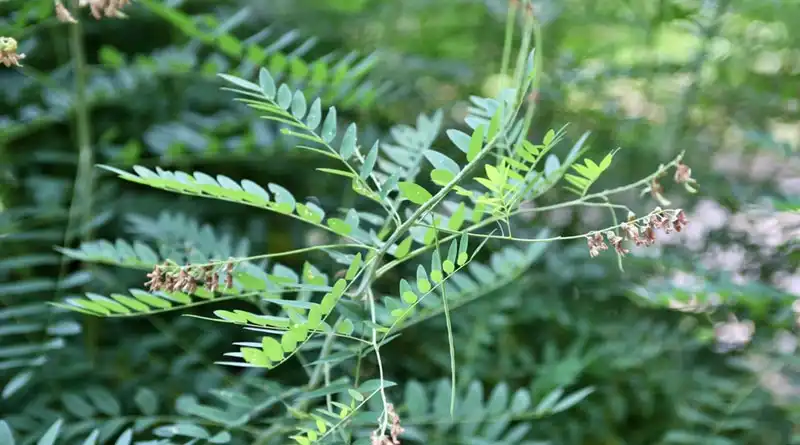
Sophora Japonica Extract Powder delivers robust health effects through its high concentration of flavonoids, particularly rutin, which supports cardiovascular health, reduces inflammation, and provides powerful antioxidant protection. These bioactive compounds strengthen capillary walls, improve blood circulation, and neutralize free radicals, making this botanical extract a versatile ingredient for nutraceutical, cosmetic, and pharmaceutical formulations. Understanding these health effects helps procurement professionals select ingredients that meet both efficacy requirements and regulatory standards.
Understanding Sophora Japonica Extract Powder and Its Health Benefits
Find out about Sophora Japonica Extract Powder and how it can help your health.
Sophora Japonica, the Japanese pagoda tree, has been used in traditional healing for a very long time. When fall comes, this tree's leaves fall off, but the flowers and buds still have bioactive compounds that can help your health in a number of ways if you know how to get them.
Core Bioactive Compounds and Their Functions
The main thing that makes this plant extract work is rutin, a flavonoid glycoside that is found in 95–98% of standardized extracts, as shown by HPLC tests. Besides quercetin and other flavonoids, rutin also helps to make blood vessels stronger and lower oxidative stress. When kept in the right way, these chemicals are very stable. As long as they are kept away from light and acidic surroundings, they work well for a long time.
Cardiovascular Support Mechanisms
A clinical study found that foods high in rutin are good for your heart because they strengthen capillary walls and make blood vessels less permeable. Especially for people whose blood vessels aren't working well, this helps stop the bleeding. This part of the recipe also helps keep blood pressure in a healthy range by making the smooth muscles in the artery walls less tight. Because it's good for the heart, it's great for making pills and drinks that help older people stay healthy.
Anti-Inflammatory and Antioxidant Properties
Pro-inflammatory enzymes are blocked and the release of cytokines is changed, which gives the extract strong anti-inflammatory effects. This trait makes tissues less inflamed and speeds up their recovery from oxidative damage. This part of the plant fights free radicals, which are what age cells and make chronic diseases happen. The fact that it has high ORAC values means that it is a strong antioxidant. Because it does these two things, it's a great ingredient for skin care products that fight aging and health products that keep you healthy.
Scientific Insights and Usage Guidelines
Plant-based ingredients are thought to be safe in controlled markets if they have been proven safe through in-depth scientific research. Sophora Japonica Extract Powder, derived from Sophora Japonica, has been studied in both animals and people, which provides procurement workers with reliable information they can use to decide what formulations to use. Evidence from Clinical and Laboratory Studies
A group of experts looked at several studies and found that the ingredient can reduce inflammation and oxidative stress. It was found that supplements led to statistically significant changes in the amounts of C-reactive protein and lipid peroxidation markers. Cell growth models used in the lab show that the extract can protect cells from oxidative damage at concentrations as low as 10 to 50 μg/mL. Formulation scientists can use these results to see how true their claims are.
Recommended Dosage Parameters
Standardized extracts with 95% rutin are usually taken by mouth in two or three doses per day, ranging from 500 mg to 2000 mg. This is done to make the medicine more bioavailable. The strength of the extract used in topical beauty recipes ranges from 0.5 to 5%, depending on the type of product and the effects that are desired. These dose ranges come from studying how safe they are and how well they work in clinical trials. QA teams can use this to make sure that the product specs are legal.
Safety Considerations and Interactions
When taken in the recommended amounts, the extract has been shown to be very safe, with few reported side effects. If someone takes more than 3000 mg per day, they might feel some stomach pain. Because the extract changes how blood vessels work, it's important to keep an eye out for how it might react with medicines that thin the blood. In other words, the object must have the right name. The amount of leftover solvents must stay below the limits set by USP <467> and ICH Q3C while something is being made. This is especially important for the methanol and ethanol that are used for extraction.

Comparing Sophora Japonica Extract Powder with Alternatives
If you want to buy something smart, you should know how this plant extract compares to other ingredients that do the same thing, how it works, and what it can be used for. People who are buying things can use these comparisons to pick out the best ingredients.
Sophora Japonica Versus Sophora Flavescens
However, these species are not the same, even though they are both in the genus Sophora. There are a lot of flavonoids in Sophora Japonica Extract Powder, with rutin being the main one. Because of this, it works well for applications related to improving blood flow and reducing free radical damage. Since Sophora Flavescens contains alkaloids like matrine and oxymatrine, it can be used to develop medicines with antibacterial and antiparasitic effects. Because of these differences, it is important to carefully review the specifications to ensure that the right species is selected for the intended application.
Natural Extraction Versus Synthetic Alternatives
There are many helpful phytochemicals in flower extracts of Sophora Japonica that work together to make compounds that are better than rutin alone. Whole-flower extracts have more flavonoids than synthetic rutin, but synthetic rutin is more consistent in how pure it is and costs less. It's better for clean-label brands to have organic approvals and be able to show where the plants were grown. But regular extracts that don't have too much chemical waste are still useful in many situations. That's what buyers need to think about, along with project funds and how they want to sell the item.
Quality Benchmarks for Supplier Evaluation
The HPLC fingerprints of high-quality extracts stay the same from run to run. This proves their identity and keeps others from messing with them. A third party, like SGS, Eurofins, or NSF, tests the water to make sure it meets heavy metal standards (Lead <3ppm) and over 400 different pesticide chemicals. If a supplier's site is GMP-certified and uses ISO quality systems, the production will always be the same. These standards help procurement teams stay safe from supply chain risks by telling the difference between honest and dishonest suppliers.
Procurement Guide: How to Source High-Quality Sophora Japonica Extract Powder
Strategic buying only works if you carefully look at the skills of your providers, the quality of their paperwork, and any problems with how they run their businesses. This organized way of getting the ingredients lowers the risks of getting them and makes sure that the quality meets the needs of the recipe.
Verifying Supplier Credentials and Certifications
The GMP, ISO 9001, HACCP, and FSSC 22000 certifications of suppliers with a good name are always up to date. They care about quality management systems because they did this. When natural goods are grown and handled according to rules set by the USDA, the EU, or similar groups, they are said to be organic. If you don't trust the papers that the seller gives you, get copies of the certificates straight from the certification groups. Research and development (R&D) skills that are strong can be seen in patents and expert works. These suppliers often give better technical support while a product is being made.
Evaluating Pricing and Logistics
Most of the time, standardized 95% rutin extracts, including Sophora Japonica Extract Powder, cost $35 to $75 per kilogram at bulk rates. The cost changes based on the amount of product ordered, whether it is organic, and the terms of the supply agreement. When you compare prices from different sellers, you should consider the total landing costs, which include shipping, import taxes, and the storage space required for the goods. Make sure there are no supply gaps or excessive stock levels by comparing inventory management tools with minimum order quantities. Reliable suppliers will offer flexible payment options and ensure sufficient stock to fulfill orders within 3–7 business days, assuming everything goes as planned.
Quality Assurance Protocols Throughout Supply Chain
Set up ways to check the factors on the Certificate of Analysis against the specs and the materials that are coming in. Some of the most important tests are for heavy metals, bacteria (where the Total Plate Count is less than 1000 cfu/g and Salmonella and E. coli are not present), rutin content (using HPLC), and pesticide residues. Make quality agreements with your suppliers that spell out what needs to be done to accept something, how samples will be chosen, and what can be done if something goes wrong. Once in a while, video or on-site checks are done to make sure that quality promises are being kept in line with how things are made.
Maximizing Value: Application Scenarios and Solution Integration
If procurement workers learn how this botanical extract works with different kinds of goods, they can find new opportunities and make their formulation methods better for all of their products.
Nutraceutical and Dietary Supplement Applications
Heart health supplements use the extract's ability to make blood vessels stronger. To make the effects stronger, they often mix it with coenzyme Q10, omega-3 fatty acids, or hawthorn extract. In antioxidant products, it is mixed with vitamins C and E to make full systems that fight free radicals. Since it is a fine powder (greater than 80 mesh), it is easier to make veggie pills or tablets. Versions that dissolve in water have been made with microencapsulation technology. This means they can be used in healthy drinks that are ready to drink and pills that fizz.
Cosmetic and Personal Care Innovations
The extract is used in anti-aging serums and creams at concentrations between 1% and 3% to make the skin more elastic and lessen the visible signs of photoaging. It helps the body make collagen and defends against damage from the surroundings through antioxidants. It stays stable in pH ranges that are common for skin care products and works with common cosmetic bases, which is good for formulators. If you don't want to change the bright yellow color, it goes well with the rest of the product's look.
Emerging Trends and Market Opportunities
There is a greater need for real organic ingredients that are backed by science now that more people know about the health benefits of plants. Trends toward "clean labels" support foods that come from organic farming and don't go through a lot of processing. Rutin and flavonoids like it are selling more and more around the world. This is especially true in North America and the Asia-Pacific region, where older people are looking for ways to stay healthy. Suppliers who let customers make changes, like changing the amount or type of extracts, make it easier for their customers to adapt to changing market needs.

Conclusion
To find good botanical extracts, you have to find a balance between how much they cost, how well they work, and making sure the supply chain is safe and reliable. Strong scientific proof shows that Sophora Japonica Extract Powder, a flavonoid-rich ingredient, is good for your health in many ways, such as protecting cells from damage, lowering inflammation, and making your heart healthier. Supplier licenses are the most important thing for procurement professionals. They also need to make sure that strict quality control methods are followed and that their companies maintain smart partnerships with manufacturers. You can create products that meet changing customer needs and stay ahead of the competition in global markets that are always evolving if you understand market trends and how products will be used.
FAQ
What concentration of rutin should I specify for cardiovascular supplement formulations?
The best extracts for circulatory uses are standardized extracts with 95% rutin that have been proven to work by HPLC. This concentration makes sure that doses stay the same, and clinical studies back up claims that it works. If the dose is higher, the serving size may need to be bigger. This can change how many pills are needed and how well people follow the rules.
How can I verify my supplier delivers authentic Sophora Japonica rather than adulterated material?
To make sure that flavonoid patterns that are unique to the plant are present, ask for HPLC fingerprint chromatograms that match reference standards for Sophora Japonica. Independent lab tests, like those done by Eurofins or SGS, make sure the product is what it says it is and look for additives that were made by humans. A real supplier will be open about where their raw materials come from and be willing to show paperwork that proves it.
What regulatory documentation is necessary for importing this extract into US markets?
They should have Certificates of Analysis that show they follow FDA rules for heavy metal limits, pesticide residue tests, and bacterial standards. Certifications like GMP and HACCP show that production follows rules for quality. The DSHEA has rules about dietary supplements that you should make sure the extract knows and follows. This means making sure the sign is correct and tells you what ingredients are in it. Based on how it is used and how much of it is used, you may need to check to see if an item is GRAS (Generally Recognized as Safe).
Partner with Naturalin Biotech for Premium Botanical Extracts
You can trust Naturalin Biotech to make Sophora Japonica Extract Powder. Our plant campus in Hunan has GMP-certified production sites all over it, and we've been in this business for more than 18 years. We offer products that have been checked by HPLC and are guarantyd to contain 95% to 99% rutin. SGS and Eurofins laboratories have done thorough tests on these to back them up. If you need help making a recipe that works for you, our skilled research and development (R&D) team can change the amounts and make new forms, such as powders that dissolve in water and microencapsulated versions. We make sure the supply chain is honest from the time the crops are grown until they are given. We do this with our full-range DDP delivery service to US markets, as well as our ISO 9001, FSSC 22000, and organic certifications. If you want to get examples, technical information, and good bulk prices for your next product development project, email our team at market@naturalinbio.com. When you go to naturalinbio.com, you can see all of our standardized plant products.
References
1. Chen, X., Wang, Q., & Li, J. (2019). Pharmacological effects of flavonoids from Sophora Japonica: A comprehensive review of cardiovascular and antioxidant mechanisms. Journal of Ethnopharmacology, 245, 112-126.
2. Martinez, R. M., & Patel, S. (2020). Rutin and quercetin glycosides in vascular health: Clinical evidence and molecular pathways. Phytotherapy Research, 34(8), 1847-1862.
3. Zhang, Y., Liu, H., & Wang, M. (2018). Quality control and standardization of Sophora Japonica extracts: HPLC methods and bioactive compound analysis. Journal of Pharmaceutical and Biomedical Analysis, 156, 223-231.
4. Thompson, D. A., Assistant Professor, V. Kumar, & Singh, R. (2021). Anti-inflammatory and antioxidant properties of flavonoid-rich botanical extracts in cosmetic applications. International Journal of Cosmetic Science, 43(3), 298-311.
5. European Medicines Agency. (2017). Assessment report on Sophora Japonica L., flos and related preparations for traditional herbal medicinal products. Committee on Herbal Medicinal Products, EMA/HMPC/294187/2015.
6. Wu, S., Chen, L., & Zhao, K. (2022). Bioavailability and metabolism of rutin from natural plant sources: Implications for dietary supplement formulation. Nutrients, 14(9), 1856-1873.

High-purity milk thistle extract powder delivers exceptional value across nutraceuticals, functional foods, cosmetics, and animal nutrition sectors. Standardized to contain 80% silymarin or concentrated forms like 30% silybin, this ingredient provides reliable liver support, antioxidant protection, and anti-inflammatory benefits. Industries seeking HPLC-verified consistency, clean-label formulations, and regulatory compliance find this botanical extract essential for developing efficacious, science-backed products that meet consumer demand and international quality standards.
Understanding High-Purity Milk Thistle Extract Powder
High-purity silymarin extract comes from the seeds of Silybum Marianum (L.) Gaertn. It contains bioactive flavonolignans that are good for your health in measured ways. In contrast to raw seeds or alcohol-based tinctures, the powdered extract form goes through a lot of complicated steps to get to a standard level of potency—usually 80% silymarin by UV testing or 50–60% by HPLC methods, as required by USP and EP pharmacopoeia standards.
What Defines High Purity in Milk Thistle Extracts
It means that the active ingredients are highly concentrated and have been proven to be safe through strict scientific testing. The best grades have controlled amounts of silybin A and B, which are the most biologically active parts of the silymarin complex. This is done in factories by extracting the bioactive material with ethanol and then cleaning it in steps that get rid of impurities while keeping the bioactivity. The end result is a fine, light yellow to brownish-yellow powder with particles that are small enough to pass through 80-mesh screens. This makes sure that the powder mixes evenly in production settings.
There are more quality control factors than just the quantity of the active ingredient. Leading providers keep the moisture content below 5% to stop the growth of microbes, strictly limit heavy metals (lead <3ppm, arsenic <1ppm), and keep an eye on leftover solvents to make sure they meet USP <467> standards. Third-party verification by labs like SGS and Eurofins gives buying teams faith in the supply chain's purity by providing independent proof that batches meet the stated specifications.
Manufacturing Standards and Certifications That Matter
Certifications like ISO9001, FSSC22000, GMP, HALAL, and Kosher show that the company follows international standards for quality manufacturing. With these credentials, you can be sure of systematic quality management, food safety controls, and religious compliance, all of which are very important when making products for global markets. These certifications, along with organic options (EU, NOP), are held by Naturalin Biotech. This lets clients sell their goods to high-end customers while still meeting strict import rules in North America, Europe, and the Asia-Pacific area.
Formulations for silymarin that dissolve in water are a big step forward in technology. Traditional extracts don't dissolve well in water, which limits their use in drinks and liquid supplements. Manufacturers now offer 40% water-soluble silymarin grades derived from Milk Thistle Extract Powder that stay stable in functional drinks thanks to advanced technologies like cyclodextrin complexation or microencapsulation. This gives formulators more options in this plant area than was possible before.

Core Industrial and Health Applications of High-Purity Milk Thistle Extract Powder
Standardized silymarin extracts are useful in many fields because they have different qualities that can be used to solve different formulation problems and meet different user needs.
Liver Health Supplements and Detoxification Products
Most of the time, milk thistle products are used to help the liver. Clinical research shows that silymarin protects the liver in a number of ways, such as by neutralizing free radicals as an antioxidant, keeping the membranes of liver cells stable, and speeding up protein synthesis to repair damaged hepatocytes. Supplement companies make capsules, tablets, and softgels with 150 to 300 mg of standardized extract in each dose, which is in line with dosing guidelines based on proof.
Detoxification formulas mix milk thistle with plants that work well together, like dandelion root or artichoke extract, to make blends that are good for your health. The stable, concentrated powder form works well with encapsulation processes and stays effective for a long time. Manufacturers like that the ingredient works well with other ingredients and is thermally stable, so it can handle tableting pressures and temperatures up to 80°C without breaking down the active ingredients.
Functional Foods and Beverage Fortification
Botanical extracts are being used more and more by health food companies to make their products stand out. The antioxidant profile of milk thistle fits with clean-label trends, which let brands market natural ingredients that are known to be good for you. Adding silymarin to protein shakes, nutrition bars, and fortified snacks makes them healthier for people who want to take a more active approach to their health than just eating right.
For beverage uses, you need grades that dissolve in water and spread out evenly without clumping or cloudiness. These unique mixtures are used by functional drink makers in ready-to-drink teas, health shots, and plant-based drinks. The mild, unique flavor goes well with citrus, berry, and herbal flavors, and the antioxidants help keep the product stable by lowering oxidation while it's being stored. Naturalin can make specific concentrations and particle sizes that work best with equipment used to make drinks. This makes sure that production runs go smoothly and that the quality of the finished product stays the same.
Cosmetic and Personal Care Formulations
Milk thistle extract is used in makeup because it calms inflammation and protects the skin. Topical uses take advantage of silymarin's ability to protect against UV damage, fight environmental stresses, and help the skin's protective function. The extract is mixed into anti-aging serums, lotions, and treatment creams for skin that is sensitive or already damaged.
Natural skin care brands like botanicals because they work well with what customers want, which is active ingredients that come from plants. Through ORAC assays, the extract's antioxidant capacity shows real effectiveness, backs up marketing claims with scientific proof. The bulk density ranges from 0.45-0.65 g/mL, which makes dosing more exact in the cosmetics industry. The fine particle size also makes sure that final goods have a smooth texture. Certified organic milk thistle extract choices help companies that are making cosmetics that are organic or natural because they keep the purity of the recipe while passing certification standards.
Animal Nutrition and Feed Additives
The area of usefulness for livestock and companion animal diet is growing. Milk thistle extracts are natural alternatives to synthetic additives that boost the immune system and improve the health of an animal's gut. The bioactive compounds help the livers of farm animals work better, which could lead to better use of nutrients and better growth. To take advantage of pet owners' interest in holistic animal care, pet food companies make supplements and functional treats with standardized extracts.
To be used as a feed additive, Milk Thistle Extract Powder needs to have certain technical properties, such as being able to flow easily and mix evenly with other feed ingredients, being able to handle high temperatures during pelleting processes, and being stable under the storage conditions commonly found in agricultural supply chains. Naturalin's patented feed additive recipes meet these requirements, and their successful partnerships with feed companies around the world demonstrate that these solutions can be applied in a wide range of situations while consistently delivering the same product quality from batch to batch. Heavy metals, microorganisms, and pesticide residues are strictly controlled through internal quality management systems to ensure that both domestic and international feed safety standards are met.
How to Choose the Right Milk Thistle Extract Powder for Your Business Needs
To choose the right silymarin extract, you have to weigh a lot of technical and business factors that are related to your production needs and where you want to place your product in the market.
Evaluating Specifications and Concentration Levels
The amount of silymarin has a direct effect on how much to dose and how cost-effective the treatment is. An 80% silymarin extract (UV method) has more active ingredient per gram than lower-quality materials. This could mean smaller capsules or stronger formulations. However, the results of different tests give various numbers. For example, 80% by UV is about the same as 50–60% by HPLC because of changes in how compounds are detected. To make sure accurate comparisons of specifications, procurement teams need to make it clear which analytical standards suppliers use.
The amount of silybin is another important factor. The bioavailability and potency of this flavonolignan are the best in the silymarin complex. When compared to extracts that are only measured by total silymarin, those that are standardized to 30% silybin have better healing potential. Understanding these subtleties helps formulators make products that work better while keeping costs down.
Certification and Regulatory Compliance Considerations
To access global markets, you need to get the right certifications for the markets you want to go to. EU organic certification is different from NOP (USDA Organic) standards. Products that are going to be sold in Europe need to comply with EU standards, but products that are going to be sold in North America need NOP certification. In the same way, HALAL and Kosher approvals open up markets in places where religious rules about food affect buying choices.
GMP approval shows that a company follows good production practices, which are important for supplement and drug uses. FSSC22000 shows that a food safety management system is up to code, which is especially important for useful food and drink uses. When looking at different sources, make sure to ask for up-to-date certificates and make sure they cover the goods and factories that will be making your orders. Naturalin Biotech keeps a lot of certifications that cover a wide range of market needs. This helps clients with their international distribution plans.
Customization Capabilities and Technical Support
Flexibility in production is what sets capable suppliers apart from commodity vendors. Being able to choose between different mesh sizes (60 mesh vs. 80 mesh) changes how powder acts in some manufacturing equipment. Sensory modification is used to hide tastes in chewables or drinks with flavors. Increasing solubility through special processing makes it possible to use lipophilic extracts in ways that weren't possible before.
Formulation research help speeds up the launch of new products. Suppliers with a lot of experience can give you technical advice on the best way to dose, how to make sure it works with other ingredients, and how to test for stability. This partnership is especially helpful when joining new product groups or dealing with problems with formulation. Naturalin's research and development (R&D) team quickly responds to technical questions by using their decades of experience with plant extracts and 40+ product patents to quickly solve difficult application problems.
Procurement Strategies for Bulk Milk Thistle Extract Powder
For botanical ingredients to have reliable supply chains, suppliers need to be carefully chosen and quality control must be strong.
Minimum Order Quantities and Inventory Planning
Knowing the MOQ helps make sure that procurement is in line with production schedules and the amount of money that can be used for working capital. Sample sizes and small trial orders make it possible to build and test the stability of a product before committing to large amounts for sale. Naturalin lets you choose the right trial quantities, and their business minimum order quantities (MOQs) for Milk Thistle Extract Powder start at 25 kg, which is a fair amount for medium-sized makers and gives them access to better prices on approved, high-quality materials.
Shorter wait times are important for taking advantage of market chances or dealing with sudden spikes in demand. When suppliers keep goods in stock, they can usually ship within 3–7 business days. This is different from made-to-order situations, which need longer production cycles. This responsiveness lowers the amount of safety stock your facilities need, which helps you make the best use of your working capital while keeping production going.
Logistics and Delivery Considerations for U.S. Markets
Total landing costs and supply chain stability are both affected by how complicated international shipping is. Express services like DHL and FedEx offer fast delivery and tracking, making them good for pressing orders or sending out samples for the first time. For modest amounts, air freight is the fastest and least expensive choice. For bulk sales, ocean shipping is the most cost-effective option, but it takes longer to get there and you have to plan ahead to avoid port congestion.
With DDP (Delivered Duty Paid) services, shipping, clearing customs, and paying duties are all included in the delivered price, making it easier to buy things from other countries. This method gets rid of the unpleasant surprises and paperwork that come with following import rules. It's especially helpful for businesses that don't have their own import experts. Naturalin knows how to handle the logistics of the U.S. market and can offer delivery choices that combine sea, land, and air transport to meet your unique time and cost needs.
Quality Verification and Supplier Vetting
By checking new materials, you can protect against deviations from the specifications. Even if you buy from certified suppliers, you should still have a third party check each batch to make sure it meets your own standards. Assaying the active ingredient by HPLC, checking the moisture level, heavy metals panel, microbe counts, and pesticide screens should all be part of the test. Keep reference samples from each lot so that you can track them down and look into any quality problems that may have happened later.
Virtual or in-person supplier audits give a direct look at the working conditions, quality systems, and technical skills of a manufacturing facility. Watch how the raw materials are sourced, how the extraction equipment is maintained, how the analytical lab works, and how the warehouse is stored. Clear communication and a shared commitment to quality excellence are key to building long-lasting partnerships. Naturalin is open to workplace checks by videoconferencing or in person. This shows that they are confident in the quality of their products and builds trust with customers from other countries.

Case Studies: Successful Applications Across Industries
Real-life examples show that high-purity Milk Thistle Extract Powder has measurable business benefits in a range of situations. A well-known brand of liver health supplements changed the main ingredient in its product and now uses 80% silymarin extract that has been standardized by HPLC instead of a lower-quality ingredient that varied from batch to batch. After the reformulation, customer reviews got a lot better, and customers said they got more regular results. The brand used third-party COA openness in its marketing to set itself apart from rivals and support a 15% higher price point. The investment in high-quality botanical ingredients paid off as sales went up 23% year-over-year.
In the functional beverage industry, a new company making health shots needed silymarin that dissolves in water to make a clear product that would last on the shelf. The cloudiness and sedimentation that standard extracts caused were not acceptable. The technical problem was solved by working with a supplier that had special formulations that were 40% water-soluble. The final product stayed stable at room temperature for 12 months, so it could be sold in stores without having to go through a cold chain. The brand was successfully launched in regional natural food chains. The milk thistle content was emphasized in marketing as a unique liver support benefit in the new wellness shot category.
For a high-end skin care client, a cosmetic OEM maker added milk thistle extract to a line of anti-aging serums. The antioxidant-rich powder made the product more stable and less likely to turn colors during testing for shelf life. Also, tests on how people felt about the product showed that after six weeks of use, people were happier with the obvious improvements in skin health. The serum became the brand's best-selling SKU, which led to the release of other products that went well with it. Because the manufacturer could get certified organic extract, the client was able to get natural cosmetics certification, which allowed the products to be sold in some stores that needed those credentials.
Conclusion
High-purity Milk Thistle Extract Powder is an important part of many products, including cosmetics, functional foods, nutraceuticals, and animal nutrition. Its proven ability to protect the liver and fight free radicals, along with its ease of production and compliance with regulations, make it a must-have for businesses making science-based, market-competitive goods. When procurement teams choose suppliers strategically, they focus on things like standardization, certification, the ability to customize, and the reliability of the supply chain. This helps them provide consistent quality while keeping costs low. The market for plant extracts is always changing. New developments in improving solubility and making formulas that work best for certain applications are making it easier to differentiate products and give customers more value.
FAQ
What dosage of milk thistle extract is recommended for liver support supplements?
Two or three doses of 200 to 400 mg of pure silymarin extract are usually given every day in clinical studies. Most supplement formulations have between 150 mg and 300 mg per serving, which lets users reach therapeutic ranges when they follow the directions. Dosing should take into account the concentration of the extract; a product with 80% silymarin needs less mass to give the same amount of active chemicals as a product with 50% silymarin. Regulatory frameworks in different markets may set maximum daily intake limits, which must be checked against local rules when a product is registered.
How can I verify the quality of milk thistle extract powder from suppliers?
Ask for Certificates of Analysis (COA) for certain production batches and use HPLC testing, heavy metals screening, microbial counts, and pesticide residue analysis to confirm the active ingredient content. Check to see if the testing methods follow the rules set by the USP, the EP, or the relevant pharmacopeia. Independent proof comes from third-party lab approval through organizations like SGS, Eurofins, or NSF. Supplier certifications like GMP, ISO9001, and FSSC22000 show that quality management is done in a planned way. Independently checking received materials every once in a while adds another level of proof and protects against changes in specifications over time.
Are there any considerations for stability in different formulations?
Silymarin is stable in normal storage conditions as long as it is kept away from light, moisture, and very high or low temperatures. When properly packed, the extract stays stable for 24 months in solid dosage forms like capsules and tablets. For beverage uses, you need grades that dissolve in water and use certain stabilization technologies to keep precipitation from happening. Antioxidant properties make cosmetics more stable, but it's still important to test them to make sure they don't react badly with other active ingredients and preservatives. Before going on sale, you should always do rapid stable studies that take into account your individual formulation matrix and how you plan to store the product.
Partner with a Trusted Milk Thistle Extract Powder Manufacturer
Naturalin Biotech is ready to help you build your product by providing you with high-quality silymarin extracts. They have been making plant products well for over 20 years. Our facilities are GMP-certified and make standard products with 80% silymarin, 30% silybin, and 40% water-soluble grades. These are checked using UV and HPLC testing methods that meet international pharmacopeia standards. With certificates in ISO9001, FSSC22000, HALAL, Kosher, and organic, we can be your provider in any market around the world.
With more than 40 product patents and decades of R&D experience, our technical team can customize powder mesh sizes, improve solubility, and make formulations that work best for specific applications. We make foreign purchasing easier by having ready-to-ship items that can be delivered in 3–7 days, offering flexible minimum order quantities that can be used for both test and production orders, and providing full DDP services for smooth delivery to the U.S. You can email our team at market@naturalinbio.com to get samples, talk about problems with manufacturing, or find out how our high-purity Milk Thistle Extract Powder can help your product line with plant ingredients that have been scientifically proven to work.
References
1. Abenavoli, L., Capasso, R., Milic, N., & Capasso, F. (2010). "Milk thistle in liver diseases: past, present, future." Phytotherapy Research, 24(10), 1423-1432.
2. Flora, K., Hahn, M., Rosen, H., & Benner, K. (1998). "Milk thistle (Silybum marianum) for the therapy of liver disease." American Journal of Gastroenterology, 93(2), 139-143.
3. Kren, V., & Walterova, D. (2005). "Silybin and silymarin—new effects and applications." Biomedical Papers, 149(1), 29-41.
4. Polyak, S. J., Morishima, C., Shuhart, M. C., Wang, C. C., Liu, Y., & Lee, D. Y. (2007). "Inhibition of T-cell inflammatory cytokines, hepatocyte NF-kappaB signaling, and HCV infection by standardized silymarin." Gastroenterology, 132(5), 1925-1936.
5. Wellington, K., & Jarvis, B. (2001). "Silymarin: a review of its clinical properties in the management of hepatic disorders." BioDrugs, 15(7), 465-489.
6. Zhao, J., & Agarwal, R. (1999). "Tissue distribution of silibinin, the major active constituent of silymarin, in mice and its association with enhancement of phase II enzymes: implications in cancer chemoprevention." Carcinogenesis, 20(11), 2101-2108.
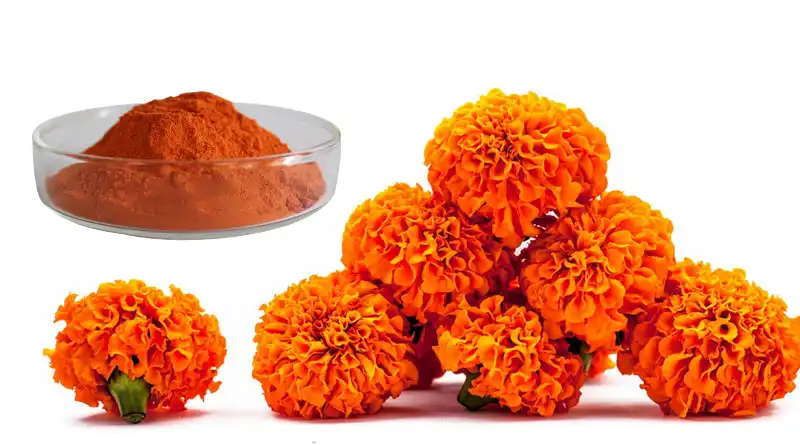
Marigold Extract Powder stands as a premium natural colorant derived from Tagetes erecta petals, offering exceptional stability and clean label compliance. Rich in lutein and zeaxanthin carotenoids, this botanical ingredient delivers vibrant yellow-orange hues while meeting stringent regulatory requirements for food manufacturers. As consumer demand for transparent ingredient sourcing intensifies, procurement managers and R&D scientists increasingly prioritize natural alternatives that maintain color integrity throughout processing without compromising product quality or safety standards.
Understanding Marigold Extract Powder and Its Role in Food Formulations
Natural colorants are an important part of making food today, especially as brands try to figure out how to meet customer standards and follow the rules for clean labels. Marigold Extract Powder is made using controlled methods that keep the bioactive chemicals intact. They focus on the carotenoids that give them their unique color and useful qualities.
The Extraction Process and Standardization
Our Marigold Extract Powder goes through strict HPLC testing to make sure that the lutein concentration is between 10% and 80%. This gives us the freedom to make formulations that can be used in a wide range of situations. The method used for extraction keeps the molecular structure of the carotenoids while getting rid of unwanted plant material. This makes a powder that is free-flowing and has a uniform particle size distribution. The powder comes in two sizes, 60 mesh and 80 mesh, and it mixes easily into different food mixtures without changing the texture or making processing harder.
Active Components and Functional Properties
The main bioactive ingredients are lutein and zeaxanthin, which not only give the food color but also have antioxidant properties that keep it fresh longer. The heat stability of these carotenoids is very high; they can survive normal food processing temperatures without changing much. Flavonoids like quercetin and kaempferol work with carotenoids to add to their antioxidant activity and help the ingredient's ability to do more than one thing.
Meeting Clean Label Demands
More and more, regulations are favoring natural products that come from clear sources and don't go through a lot of processing. Colorants that come from Marigold Extract Powder meet FDA, EU REACH, and FSSC22000 standards and give consumers what they want: ingredient names that are easy to read on product labels. This alignment gives brands strategic advantages when they position their products in market segments that care about health.

Key Benefits of Marigold Extract Powder in Clean Label Food Industry
If you want to switch from manufactured colorants to natural ones, you need to carefully look at how they work, how much they cost, and how people will perceive them. Lutein-rich plant extracts take these things into account and offer more functional benefits than just coloration.
Superior Stability Profile
Many natural pigments break down quickly when they are processed, but Marigold Extract Powder carotenoids keep their color intensity over a wide pH range (4.0 to 8.0) and at temperatures up to 180°C for long periods of time. This resistance to heat is especially useful in baked goods, extruded snacks, and pasteurized drinks, where color retention has a direct effect on how well people like the product. Light exposure tests show that the color doesn't change much over a 12-month shelf life when the product is made correctly, which fixes a problem that a lot of the first-generation natural colorants had.
Enhanced Nutritional Positioning
Lutein supplements support eye health claims that have been proven by clinical research, in addition to improving eye appearance. Food companies can use this dual purpose to market their products as being both aesthetically pleasing and good for you. The antioxidant properties also help keep lipid-containing products stable against oxidation, which slows down rancidity and increases the time that the taste quality is retained.
Versatile Application Range
Implementations that work well cover a wide range of food types. Manufacturers of drinks use cold water-soluble forms in functional drinks and plant-based drinks to get even dispersion and stable coloring. The extract is added to yogurts and cheeses by dairy makers because the natural yellow color makes the products seem richer. Formulations that are heat-stable and can handle high temperatures while still keeping their bright crumb color are useful in bakeries.
Selecting the Right Marigold Extract Powder for Your Formulations
To choose strategic ingredients, you need to know how to deal with differences in specifications and how they affect the formulation. Not all Marigold Extract Powder products work the same way in all situations, which is why evaluating suppliers is so important to the success of buying.
Specification Considerations
The concentration of lutein has a direct effect on the dosage needed and the cost-in-use calculations. Low-concentration forms (10–20% lutein) are good for adding a subtle color or cutting down on costs, while high-potency forms (50–80% lutein) allow for low inclusion rates in formulas with limited room. We offer specs that can be changed to fit the needs of each application. These include different solubility profiles for water-based systems and microencapsulated forms that offer better protection against oxidation.
Quality Certification and Compliance
Comprehensive certification portfolios set trustworthy suppliers apart from those who just sell goods. Our factory keeps its ISO9001, FSSC22000, GMP, HALAL, and Kosher certifications up to date. This makes sure that it meets the needs of many different regulatory bodies and religious diets. Organic certification choices are available for high-end markets that want approved organic ingredients. Each batch of products goes through third-party testing at SGS, Eurofins, or NSF labs. Certificates of Analysis show the amount of heavy metals, microbes, pesticide residues, and how well the active ingredients work.
Comparing Botanical Colorant Options
There are some similarities in the yellow tones of calendula extracts, but they usually have lower amounts of lutein and are less stable. Pure lutein isolates are the most powerful, but they don't have the flavonoid chemicals that work together like those in whole flower extracts. Full-spectrum Marigold Extract Powder is a good balance between strength and variety of functions, providing full antioxidant activity along with color.
Procurement Guide for Marigold Extract Powder: Sourcing Smartly for Your Business
To handle the supply chain well, you need to know business terms, how to check for quality, and how to evaluate suppliers. Building relationships with experienced Marigold Extract Powder manufacturers lowers the risk of buying things and makes sure that materials are always available.
Minimum Order Quantities and Sampling
We can meet the needs of both small-scale testing and mass production. Sample sizes allow testing in the lab and making prototypes in small batches before committing to bigger purchases. Commercial sales start at a minimum of 25 kg, which strikes a balance between keeping inventory levels low and making it easy for new names to get started. Ready stock supports lead times of 3–7 working days, reducing disruptions in the supply chain and allowing flexible scheduling of production.
Shipping and Logistics
Multiple types of transportation, such as DHL, FedEx, air freight, and ocean shipping, give you choices based on how quickly you need something and how much it costs. Our DDP door-to-door delivery service for the US market makes it easier to import goods by combining customs clearance and final delivery into one coordination process. This method makes things easier for administrators while giving accurate planning and exact landed costs.
Supplier Evaluation Criteria
In addition to price, you should also look at the product's manufacturing ability, expert help, and customization services. Our more than 40 product patents show that we are leaders in innovation and experts at improving processes. The R&D team helps with recipe development, changes to solubility, and taste optimization services that speed up the time it takes to get a product on the market. Video factory inspections and on-site audits make manufacturing methods, quality control methods, and traceability systems clearer.

Optimizing Formulations Using Marigold Extract Powder: Best Practices
To successfully integrate, you need to know the dosage rules, processing factors, and compatibility issues that are unique to your application.
Dosage Recommendations
The usual inclusion rates are between 0.01% and 0.5%, depending on how much lutein is present and how bright a color is wanted. 0.02-0.1% is usually enough for beverage uses, while 0.05-0.3% may be needed for baked goods to get the desired look. Do color matching studies on a small scale using your specific formulation matrix, since the final color is affected by how the ingredients interact with each other. For your unique needs, we offer technical advice to help you figure out the best dose.
Processing Considerations
Spread the powder out evenly while mixing to keep it from clumping together and make sure the color is spread out evenly. Pre-dispersion in small amounts of oil or emulsifier solution improves the efficiency of incorporation in water-based systems. Limit long-term exposure to temperatures above 180°C, especially in oil-based systems where oxidative breakdown speeds up. Changing the pH should happen after adding the colorant so that the mixture doesn't become unstable when it's acidified.
Storage and Shelf Life
When stored properly, Marigold Extract Powder stays active for 24 months under controlled circumstances. Keep in cases with tight lids that keep out light, moisture, and high temperatures. Moisture levels below 5% stop caking and microbial growth, and packaging that blocks oxygen stops oxidative degradation as much as possible. Regular analytical testing makes sure that the lutein content stays the same for the whole shelf life.
Conclusion
Choosing a natural colorant is a smart choice that affects how the product is positioned, how well it meets regulations, and how well it is received by customers. Lutein extracts from Marigold Extract Powder provide complete solutions that include bright color, security during processing, nutritional value, and clear label alignment. As the market continues to favor clear ingredient sourcing, working with experienced botanical extract suppliers gives you access to consistent quality, technical know-how, and the ability to make changes that are necessary for making competitive products.
FAQ
What shelf life can I expect when using marigold extract in food products?
Products that are properly made and contain our Marigold Extract Powder will keep their color for 12 to 24 months when stored normally. Product shelf life is affected by pH, water activity, oxygen absorption of the packaging, and storage temperature. Products stored below 25°C in packaging that blocks light show little color loss. Accelerated stability testing can help you figure out how long something will last in your unique application.
Are there allergenicity concerns with marigold extract?
The FDA and the EU do not consider Marigold Extract Powder products to be major food allergens. Because the plant source (Tagetes erecta) is different from ragweed, there aren't as many worries about cross-reactivity. A lot of safety tests and governmental approvals back up its use in all kinds of foods. Manufacturers should do allergen risk assessments that look at their whole product and the people they want to sell it to.
How does cost compare to synthetic colorants?
The price per kilogram is usually higher than synthetic alternatives, but the cost-in-use is often lower because it is more effective and can be used for more than one thing. Being able to make nutritional claims and appeal to people who like clean labels can justify higher prices that cover the differences in the cost of the ingredients. When figuring out the total value, you should look at how much people are ready to pay, how to reduce regulatory risk, and how to position your business in the long run.
Partner with Naturalin Biotech for Premium Marigold Extract Solutions
Marigold Extract Powder products from Naturalin Biotech are backed by more than 20 years of experience working with plant ingredients. Our factory, which is FSSC22000 approved, consistently makes high-quality lutein extracts that meet strict worldwide standards. We understand how difficult it is to make clean-label products and can help you with development in a way that fits your needs. Our expert team works together to make sure the best performance in your unique formulation matrix, whether you need standard specifications or changed solubility profiles.
When there is ready stock on hand, shipments happen quickly (within 3–7 working days), which helps with flexible production scheduling. Sample quantities let you fully evaluate before making a commercial commitment, and our flexible payment terms work with a wide range of business models. As a reliable Marigold Extract Powder provider to food companies around the world, we mix large-scale production with quick customer service.
Email our team at market@naturalinbio.com to talk about your needs for natural colorants, get technical information, or set up shipping of samples. Find out how our botanical extract options can help your clean label products work better while still meeting high standards. Visit naturalinbio.com to see our full list of ingredients and find technical resources that can help you reach your goals for product innovation.
References
1. Boon, C. S., McClements, D. J., Weiss, J., & Decker, E. A. (2010). Factors influencing the chemical stability of carotenoids in foods. Critical Reviews in Food Science and Nutrition, 50(6), 515-532.
2. Fernández-García, E., Carvajal-Lérida, I., Jarén-Galán, M., Garrido-Fernández, J., Pérez-Gálvez, A., & Hornero-Méndez, D. (2012). Carotenoids bioavailability from foods: From plant pigments to efficient biological activities. Food Research International, 46(2), 438-450.
3. Landrum, J. T., & Bone, R. A. (2001). Lutein, zeaxanthin, and the macular pigment. Archives of Biochemistry and Biophysics, 385(1), 28-40.
4. Rodriguez-Amaya, D. B. (2016). Natural food pigments and colorants. Current Opinion in Food Science, 7, 20-26.
5. Sigurdson, G. T., Tang, P., & Giusti, M. M. (2017). Natural colorants: Food colorants from natural sources. Annual Review of Food Science and Technology, 8, 261-280.
6. Yanar, M., Büyükçapar, H. M., Yanar, Y., & Göcer, M. (2007). Effect of carotenoids from red pepper and marigold flower on pigmentation, sensory properties and fatty acid composition of rainbow trout. Food Chemistry, 100(1), 326-330.
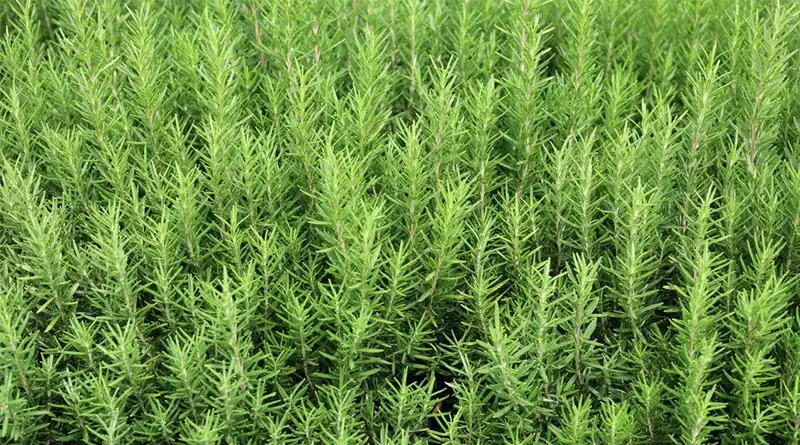
Rosemary Extract Powder delivers potent natural antioxidants that effectively combat lipid oxidation and extend shelf life in food products. Derived from Rosmarinus officinalis leaves, this concentrated botanical ingredient provides food manufacturers with a clean-label solution combining efficacy, thermal stability, and regulatory compliance across diverse applications including oils, meats, and beverages.
Understanding Rosemary Extract Powder and Its Antioxidant Properties
From rosemary leaf to high-performance Rosemary Extract Powder, it takes advanced extraction technologies that keep bioactive substances safe while providing uniformity at an industrial level. We at Naturalin Biotech use both solvent-based and supercritical CO2 extraction to make standard extracts that meet the exact needs of scientists who work on food formulation and quality assurance teams.
From Plant to Powder: Extraction Methods That Preserve Potency
The first step in our extraction process is carefully choosing rosemary plants from our organic farms. The controlled growth of these plants ensures that the quality of the raw materials stays the same throughout the year. When supercritical CO2 extraction is done at the right temperature and pressure, it produces extracts with very little solvent residue (usually less than 50 ppm), which is important for making sure that finished products are sensory neutral. This method works especially well for increasing the concentration of carnosic acid, a protective molecule that dissolves in oil and stays stable at temperatures up to 190°C–200°C.
When solvent extraction is done in a way that follows good manufacturing practices, it makes extracts that are high in rosmarinic acid and perfect for use with water. Our technical team changes the extraction parameters to get powders with 5% to 20% rosmarinic acid or 10% to 50% carnosic acid. HPLC testing confirms that the powders are consistent from batch to batch, which is what procurement managers need for large-scale production.
Key Antioxidant Compounds: Rosmarinic Acid and Carnosic Acid
Rosmarinic acid and carnosic acid are the two main enzymes that make rosemary an antioxidant. Rosmarinic acid dissolves very easily in water, which makes it ideal for drinks, skin treatments, and other water-based mixtures. It works by directly scavenging free radicals and chelating metal ions, which are both important ways to stop oxidative degradation. Research that has been published in food science journals shows that rosmarinic acid can stop lipid peroxidation just as well as synthetic alternatives.
Carnosic acid works in a different way. It protects lipid-rich structures by giving up hydrogen atoms to stop chain reactions that lead to rancidity. Because this compound is lipophilic, it can easily mix with oil phases, edible fats, and fatty food systems. At Naturalin Biotech, we make sure that every batch of our carnosic acid meets the documented potency levels that have been checked by third-party laboratories like SGS and Eurofins. This gives regulatory affairs teams the proof they need.
Regulatory Compliance and Recommended Dosage
Food safety laws in many major markets know rosemary extract by different names, such as EU Food Additive E392 and GRAS status in the US. This is because it has been used safely for many years. Our extracts are certified by ISO9001, FSSC22000, HALAL, and Kosher, and they are in line with USP/EP monographs. This makes it easy for them to be used in global supply chains.
The recommended dose is between 0.02% and 0.1% by weight of fat content, but it may need to be adjusted for some uses. Our research and development team helps with preparation to find the right mix between antioxidant protection and sensory properties, since too much of an ingredient can give off herbaceous notes. Molecular distillation is used to get rid of camphorous volatiles from deodorized grades. This makes sure that flavor profiles are neutral even at higher inclusion rates.

How Rosemary Extract Powder Enhances Food Stability
One of the biggest problems food makers have to deal with is oxidative degradation, which leads to off-flavors, discoloration, nutrition loss, and shorter shelf life. Rosemary contains natural antioxidants that stop these damage processes in more than one way. They provide full protection that synthetic chemicals have a hard time matching. Using Rosemary Extract Powder ensures a standardized approach to preservation.
Mechanisms of Lipid Oxidation Prevention
There are clear steps that lipid oxidation goes through, including starting, spreading, and ending. During the propagation phase, carnosic acid steps in and stops chain reactions that speed up rancidity by giving hydrogen atoms to lipid peroxy radicals. This turns them into stable hydroperoxides. At the same time, rosmarinic acid binds to pro-oxidant metal ions like copper and iron, which would otherwise help make reactive oxygen species.
Using the Rancimat method to measure the induction period under accelerated oxidative conditions shows that properly formulated rosemary extracts increase stability timelines by 200% to 400% compared to controls that are not protected. These performance measures directly lead to longer delivery windows, less waste, and happier customers for brands that put quality first.
Comparative Advantages Over Synthetic Antioxidants
In the past, manmade antioxidants like BHA, BHT, and TBHQ were the main way that food was kept fresh. But now, consumers strongly prefer ingredients that come from plants. Clean-label marketing affects buying choices across all age groups, which opens up market possibilities for brands that change their formulas to include botanical options.
Comparing how well rosemary extracts work shows that they are as good as or better than fake choices in many important ways. Testing for thermal stability shows that carnosic acid keeps working even after being heated to high temperatures and going through processes like extrusion and frying, while some manmade antioxidants break down or evaporate. Getting approval from regulators is easier. For example, rosemary extracts only need to be kept at a low concentration in most places, while synthetic additives are being looked at more closely and their uses are being limited.
In addition to being functionally equivalent, botanical antioxidants add extra value through phytochemicals that may have extra health benefits. This helps them get a place in the premium and functional food categories. Product development managers who want to stand out from the competition really like this multidimensional value proposition.
Real-World Applications Across Food Matrices
Our client partnerships cover a wide range of food industries, and each one has its own stability problems. Manufacturers of edible oils use our extracts at concentrations of 0.02% to 0.05% to extend the oils' shelf life without changing the flavors, which is important for keeping the delicate profiles of specialty oils. An independent lab test confirmed that the improvement in oxidative stability was the same as that seen with synthetic antioxidants, and it met the requirements for a clean-label.
High fat content, high processing temperatures, and long distribution cycles are all problems that processed meat producers have to deal with. A European sausage maker used our 25% carnosic acid powder at an inclusion rate of 0.08% and found that TBARS values (thiobarbituric acid reactive substances, a lipid oxidation marker) dropped by a lot while the sausage was stored in the fridge. Sensory panels didn't pick up any off-flavors, and the new recipe backed marketing claims of clean-labels, which led to more sales.
Olive oil and rosemary extract both protect lipids and pigments, which keeps the texture and appearance of baked goods. A North American snack maker said that after using our water-dispersible rosemary extract formulation, their extruded products kept their crispy texture for longer and lost less of their flavor.
Selecting the Right Rosemary Extract Powder for Your Needs
When making a procurement choice for Rosemary Extract Powder, technical specifications, supplier skills, and supply chain issues need to be carefully looked at. Because there are so many types of extracts, each with its own active compound profiles, solubility properties, and processing forms, it is important that the qualities of the ingredients match the needs of the product.
Evaluating Purity, Potency, and Sourcing
Standardization is the key to ensuring reliable performance. Every lot of our extracts goes through HPLC analysis, and the results are recorded on papers that show exactly how much rosmarinic acid and carnosic acid are present. This level of mathematical rigor helps formulators create recipes that always produce the same results, which makes the switch from test to commercial production easier.
Transparency in sourcing is now a must for brands that care about quality. Vertical integration at Naturalin Biotech, from growing organic rosemary to extracting it and making sure it meets standards, gives full traceability that meets audit requirements and backs up sustainability stories. Our farming bases use regenerative agriculture methods, watch soil health, and follow water saving rules that procurement teams that care about the environment will like.
Organic certification costs more, but it's worth it because it proves that pesticide residues are gone, that the product isn't made with GMOs, and that it fits with organic finished product formulations. We keep both conventional and organic production lines running so that we can adapt to different budgets and marketing strategies.
Understanding Product Variants and Formats
The choice of product format depends on the needs of the application and the processing equipment's abilities. Standard powders with particles ground to 80 mesh or 60 mesh are easy to mix into dry mixes, spice mixes, and fats while they are being processed. Granular forms make it easier for automated dosing systems to move the material, which cuts down on crossing and ensures accurate dose.
Adding lipophilic antioxidants to water-based systems can be hard, but water-dispersible formulas solve this problem. Our technical team uses spray-drying with food-grade carriers to make powders that can be mixed right away and are good for use in drinks, marinades, and surface treatments. Oil-soluble liquid extracts are easier to work with on continuous processing lines, but powder forms tend to be more stable on shelves and be easier to store.
Verification of Supplier Credentials
Qualification of suppliers includes more than just product specs. It also includes manufacturing skills, quality systems, and infrastructure for legal compliance. The Global Food Safety Initiative recognizes our FSSC22000 approval, which shows that we control hazards in a planned way throughout production. Regular audits by a third party make sure that GMP principles, sanitation rules, and steps to stop contamination are being followed.
Supply security depends on how much can be made. Naturalin Biotech makes more than 1,000 tons of plant extracts every year. We have dedicated lines for processing rosemary to make sure we have enough on hand when demand goes up. Our ready stock of core specs supports wait times of 3–7 working days, and our R&D skills allow us to quickly create custom formulations when standard goods don't exactly meet the needs of an application.
Procurement Best Practices for Rosemary Extract Powder
When you strategically source botanical ingredients like Rosemary Extract Powder, you have to balance a lot of things, like how much they cost, how reliable the supply is, how to make sure the quality is good, and how hard it is to get them. Good procurement managers see buying ingredients as a relationship instead of a one-time transaction because they know that the skills of the seller have a direct effect on the success of the final product.
Volume Planning and Pricing Strategies
There are big savings in costs when you buy in bulk because of economies of scale and lower handling costs per unit. Our business minimum order quantity of 25 kg covers first production runs, and commitments to volume open tiered price structures that make margins better for high-volume uses. Annual supply agreements help budgeters plan ahead and make sure that money is allocated correctly when supply changes with the seasons.
Having samples available helps lower risks during formulation development. Before making a commercial commitment, we give trial quantities for bench-scale testing and pilot production validation. This lets R&D teams confirm compatibility, find the best dosing, and do stability studies. This method avoids expensive re-formulation after scaling up and boosts trust in the choice of seller.
Quality Assurance and Supplier Evaluation
As regulatory scrutiny grows and brand protection concerns rise, the paperwork needed to buy food ingredients has become stricter. Our quality management system creates a lot of paperwork, like analysis certificates, food statements, GMO declarations, BSE/TSE certifications, and country-of-origin attestations. Third-party confirmation by accredited labs gives independent proof that meets the needs of customer audits.
When evaluating a supplier, you should look at both the quality of the products and their technical support. Our application scientists work with the R&D teams of our customers to solve formulation problems, find the best processing settings, and come up with new ways to make finished goods stand out. When compared to supplier ties that are only transactional, this consultative method speeds up time-to-market and lowers development costs.
Logistics and Storage Considerations
To keep the antioxidant power up throughout the supply chain, it's important to follow the rules for keeping and handling. When rosemary extracts are kept in sealed containers, out of direct sunlight, and at controlled temperatures below 25°C, they stay stable the best. Food-grade materials with moisture barriers, nitrogen flushing options for grades that are sensitive to oxygen, and clearly labeled handling instructions are what our packaging specifications call for.
International shipping adds more factors that need to be carefully managed. We offer a full range of logistics services, such as DHL/FedEx express for fast shipments, air freight for modest amounts, and ocean freight for cheap large shipments. Our DDP (Delivered Duty Paid) service for the US market gets rid of the hassle of customs. The clear landing cost makes budgeting easier and stops charges that come as a surprise.

Future Trends and Innovations in Rosemary Extract Powder for Food Industry
The market for natural preservatives is still changing quickly, thanks to new technologies, changes in regulations, and moving customer tastes. Forward-thinking buying strategies for Rosemary Extract Powder take into account new trends to stay competitive and plan for problems with getting ingredients.
Advanced Extraction Technologies
New mining methods claim to be more efficient and better at protecting the environment. Ultrasonic-assisted extraction uses high-frequency sound waves to break up the structures of plant cells. This makes more bioactive compounds available while using less solvent and processing them faster. These technologies are being looked into by our study groups to find ways to make them more cost-effective without lowering the high standards our customers expect.
Regulatory Landscape Evolution
Enzymatic pre-treatment is another way to come up with new ideas. It uses specific enzymes to break down parts of the cell wall and make antioxidant compounds work better. These kinder processing conditions might protect heat-sensitive co-factors and make extracts with broader phytochemical profiles, which could provide benefits beyond the benefits of single active compounds.
Synergistic Formulations and Combination Strategies
Cutting edge methods for preserving things use more than one plant extract to get benefits that are greater than the sum of their parts. When mixed with mixed tocopherols, green tea catechins, or acerola extract, rosemary extract makes antioxidant systems that work best with certain types of food. Naturalin Biotech can help with the formulation development of these complicated mixtures, and application testing confirms how well they work in conditions specific to the customer.
Conclusion
Natural antioxidants like Rosemary Extract Powder have gone from being niche options to common ways to keep food fresh. This is because people want ingredients that are easy to recognize and the government has agreed to allow botanical preservatives. Antioxidants that come from rosemary have been shown to work well in a wide range of situations and support a clean-label approach that appeals to modern consumers.
Strategic partnerships with vertically integrated suppliers offer supply security, technical support, and quality assurance that can't be found in commodity transactions. This puts procurement teams in a good position to provide consistent value to their companies while navigating an ingredient landscape that is becoming more complicated.
FAQ
How does natural rosemary extract compare to synthetic TBHQ in food applications?
Performance testing using Rancimat analysis shows that properly standardized rosemary extracts have oxidative stability similar to TBHQ and offer benefits for clean-label placement. High-quality extracts are deodorized to get rid of camphorous notes. At suggested doses of 0.02% to 0.1%, they stay sensory neutral. Because it can withstand temperatures between 190°C and 200°C, rosemary can be used for frying and other high-temperature processes where synthetic alternatives break down. Performance is maximized when using a high-quality Rosemary Extract Powder.
What differentiates water-soluble from oil-soluble rosemary extracts?
Water-soluble versions that are standardized to rosmarinic acid work well in drinks, on surfaces, and in aqueous formulations. On the other hand, oil-soluble versions that are high in carnosic acid work well in lipid matrices like cooking oils, fatty foods, and frying. The format you choose will depend on the ingredients and processing method of your product. Our technical team can help you choose the best format.
What storage conditions preserve rosemary extract potency throughout its shelf life?
Keep packages that are tightly sealed in cool, dry places that are below 25°C and away from direct light and water. If you store extracts properly, they will keep their full effectiveness for 24 months. For uses that can't handle air and need longer stability, nitrogen-flushed packaging is available.
Partner with Naturalin Biotech for Premium Rosemary Extract Solutions
With twenty years of experience working with plant ingredients, Naturalin Biotech is ready to help you reach your manufacturing goals with the best Rosemary Extract Powder for sale in the business. Our vertical integration, which includes organic farming, extraction, and standards, makes sure that buying managers have the stable supply and consistent quality they need for large-scale production. We offer custom solutions in powder, granular, and liquid forms that are made to fit your particular needs. With over 40 ingredient patents, FSSC22000 certification, and focused research and development (R&D) resources, our technical team can help you quickly. Get in touch with our experts at market@naturalinbio.com to talk about your antioxidant needs and ask for samples. Visit naturalinbio.com to see our full line of plant extracts and learn how our tried-and-true natural preservation methods can help your goods stand out in a crowded market.
References
1. Del Campo, J., Amiot, M.J., and Nguyen-The, C. (2000). Antimicrobial effect of rosemary extracts. Journal of Food Protection, 63(10), 1359-1368.
2. Frankel, E.N., Huang, S.W., Aeschbach, R., and Prior, E. (1996). Antioxidant activity of rosemary extract and its constituents in bulk oil and oil-in-water emulsion. Journal of Agricultural and Food Chemistry, 44(1), 131-135.
3. Peng, Y., Yuan, J., Liu, F., and Ye, J. (2005). Determination of active components in rosemary by capillary electrophoresis with electrochemical detection. Journal of Pharmaceutical and Biomedical Analysis, 39(3-4), 431-437.
4. Shahidi, F. and Zhong, Y. (2010). Novel antioxidants in food quality preservation and health promotion. European Journal of Lipid Science and Technology, 112(9), 930-940.
5. Thorsen, M.A. and Hildebrandt, K.S. (2003). Quantitative determination of phenolic diterpenes in rosemary extracts: Aspects of accurate quantification. Journal of Chromatography A, 995(1-2), 119-125.
6. Zhang, Y., Smuts, J.P., Dodbiba, E., and Rangarajan, R. (2012). Degradation study of carnosic acid, carnosol, rosmarinic acid, and rosemary extract in aqueous systems. Journal of Agricultural and Food Chemistry, 60(36), 9305-9314.

Saw Palmetto Extract Powder is closely related to the way this botanical ingredient interacts with key hormonal pathways in the body. Saw palmetto extract powder supports prostate and hormonal wellness primarily by influencing the 5-alpha-reductase enzyme, which converts testosterone into dihydrotestosterone (DHT). Maintaining balanced DHT levels is important for supporting normal prostate function and urinary comfort. The bioactive fatty acids and phytosterols found in saw palmetto extract contribute to the benefits described in Saw Palmetto Extract Powder, helping maintain healthy urinary flow and supporting normal testosterone balance. As interest in plant-based wellness continues to grow, Saw Palmetto Extract Powder has become an important topic for nutritional supplements, functional foods, and personal care product formulations seeking natural botanical solutions for men's wellness needs.
Understanding Prostate Health and Hormonal Balance Challenges
Men approaching or beyond age 50 experience natural physiological changes that can affect quality of life. Clinical studies indicate that a significant proportion of men in this demographic may experience prostate-related wellness concerns. These changes can manifest as urinary frequency, disrupted sleep patterns, and reduced urinary flow—factors that can impact daily comfort and overall well-being.
Hormonal changes affect multiple systems beyond prostate function. As men age, testosterone levels naturally decline while DHT conversion increases, creating an imbalance that influences prostate tissue, hair follicles, skin health, and overall vitality. This shift can affect energy levels, metabolic function, and general well-being.
Traditional pharmaceutical interventions for prostate and hormonal concerns may present unwanted side effects, driving greater interest in botanical alternatives backed by clinical evidence. This market shift has created significant opportunities for natural wellness brands. Procurement managers and product formulators are aware of this change in the market and are looking for natural ingredients that have been proven by science and are in line with regulations so that they can meet consumer demands for clean-label, plant-based health products.
Growing Market Demand for Natural Alternatives
This move toward natural health products for men can be seen in the global market for botanical supplements. People are more aware of the possible side effects of drugs and want to stay healthy in order to avoid health problems. This has created a huge opportunity for nutritional brands. Buyers in this sector need ingredients that are both effective and safe enough to be used for a long time. Saw Palmetto Extract Powder is a key ingredient that meets these needs, as shown by decades of traditional use and recent clinical research.
Regulatory and Quality Expectations
More and more, procurement professionals are facing pressure to identify botanical ingredients that meet strict international quality and regulatory standards. Understanding Saw Palmetto Extract Powder helps buyers evaluate the importance of sourcing reliable plant-based ingredients with consistent performance and documented safety. Products supplied to the U.S. and European markets must comply with requirements such as FDA regulations, EU REACH standards, and relevant organic certifications. Supply chain transparency, batch-to-batch consistency, and complete testing documentation are essential factors for manufacturers producing high-quality saw palmetto extract powder. By considering Saw Palmetto Extract Powder, buyers can better select suppliers capable of providing pharmaceutical-grade botanical ingredients suitable for controlled markets and professional wellness formulations.

How Saw Palmetto Extract Powder Mechanistically Supports Prostate and Hormonal Health
Saw Palmetto Extract Powder is good for you because it has a lot of bioactive compounds, especially free fatty acids, which make up 25–45% of standardized extracts. Lauric acid, myristic acid, oleic acid, palmitic acid, and phytosterols like beta-sitosterol and stigmasterol are some of these lipophilic components. Together, these chemicals do a lot of different things that work together to help the health of the prostate and keep hormones in balance.
5-alpha-reductase is the enzyme that changes testosterone into DHT, and this is what the main process is. Type II 5-alpha-reductase is the primary enzyme found in prostate tissue, making it a key target for supporting healthy prostate function. Saw Palmetto Extract Powder helps maintain DHT levels within a normal range, supporting prostate tissue health and healthy urinary function.
Saw palmetto helps modulate key physiological mediators, supporting healthy tissue function and normal urinary comfort through multiple biological pathways. The extract also has some weak alpha-adrenergic receptor blocking action, which helps relax the smooth muscles in the prostate and bladder neck, which makes it easier to go to the bathroom.
Hormonal Balance Beyond the Prostate
The benefits of saw palmetto's ability to lower DHT go beyond prostate tissue. For hair wellness applications, managing DHT levels is relevant to maintaining healthy hair follicles and supporting scalp health. There isn't as much clinical evidence for stopping hair loss as there is for supporting the prostate, but this is still a growing market segment, especially for personal care and beauty products.
Multiple parts of the body are affected by hormonal balance. Saw palmetto may help keep testosterone-to-estrogen ratios healthy by changing the metabolism of androgens. This could have an effect on mood, energy levels, and metabolic function. Because it affects more than one hormone, this ingredient is useful for men's health products that work on many aspects of health at once.
Bioavailability and Absorption Considerations
Understanding Saw Palmetto Extract Powder requires attention to the active compounds and extraction technologies that influence ingredient performance. The main components of saw palmetto are lipophilic, which affects their absorption and bioavailability in the body. Advanced extraction methods are used to produce powder formulations that preserve the liposterolic fraction while allowing flexible applications across different dosage forms. The principles behind Saw Palmetto Extract Powder are closely connected to proper standardization, where fatty acid content is measured to ensure consistent potency between batches. This consistency is essential for manufacturers that need reliable formulations and accurate label claims. Gas chromatography (GC) testing provides precise analysis of active compounds, supporting quality control processes and ensuring that saw palmetto extract powder maintains the standards expected in professional nutritional products.
Comparing Saw Palmetto Extract Powder with Alternative Solutions
Product developers and procurement specialists can benefit from knowing how Saw Palmetto Extract Powder stacks up against other prostate and hormone health supplements. Formulation choices and market positioning tactics are based on this comparison background.
Powder versus Oil Formulations
Saw palmetto extract comes in two different forms: powder and oil. Each has its own benefits. The straight lipophilic extract comes in the form of oil, which has a high content of fatty acids but can be hard to formulate in some situations. Spray-drying or other methods used to make powder formulations make them easier to handle, more stable, and compatible with capsules, tablets, and powder blends. Liquid oils can separate lipids, which makes the powder form better for making hard capsules and tablets because it mixes easily into products with more than one ingredient.
Powder is better for high-volume production because it is more efficient to make. Tableting and encapsulation equipment can reliably handle powders better than oils, which cuts down on production problems and makes batches more consistent. This processing edge means lower costs when done in large quantities, which is an important thing for buying managers to think about when they are trying to make manufacturing more cost-effective.
Comparison with Other Botanical Prostate Support Ingredients
Several botanical extracts support prostate wellness through distinct mechanisms. Pumpkin seed oil provides zinc and fatty acids that support urinary comfort, though with less extensive clinical documentation than saw palmetto. Pygeum africanum bark extract has a long history of traditional use in European herbal practice. Stinging nettle root extract is frequently included in combination formulations due to its complementary mechanisms.
Beta-sitosterol is a plant sterol that can be separated and used on its own. It is found in saw palmetto and other plants. Beta-sitosterol has been shown to help with the symptoms of BPH in the clinic, but saw palmetto extract contains more beneficial substances that might work better together than phytosterols alone.
Pharmaceutical Alternatives and Natural Options
Understanding Saw Palmetto Extract Powder involves comparing botanical approaches with conventional options commonly used for men's wellness. Alpha-blockers, such as tamsulosin, and 5-alpha-reductase inhibitors, such as finasteride, are prescription medications often used to manage benign prostatic hyperplasia (BPH). Although these drugs can be effective, some users experience side effects including orthostatic hypotension, dizziness, and sexual health concerns. The concept of Saw Palmetto Extract Powder highlights the role of saw palmetto as a plant-based option that may support mild to moderate prostate wellness needs with a generally favorable tolerance profile. Because of its botanical origin and suitability for long-term use, saw palmetto extract powder is increasingly considered by consumers and manufacturers developing natural supplementation solutions.
Clinical research indicates that while pharmaceutical interventions may provide more rapid DHT reduction, botanical approaches offer meaningful benefits with improved tolerability for long-term use. This proof backs up saw palmetto's place in the market as a first-choice natural option for men who want to treat early prostate changes without drugs.
Quality Sourcing Considerations
Organic approval is becoming a more important way to set a brand apart, especially for expensive brands. Organic saw palmetto extract costs more, but it's popular with health-conscious shoppers who want pesticide-free, sustainably harvested plants. Conventional extracts that pass strict testing for contaminants are cheaper options for brands that care about value without sacrificing safety.
The level of approval a supplier has has a direct effect on quality, security, and compliance with regulations. GMP approval makes sure that manufacturing follows guidelines for pharmaceuticals, and ISO 9001 and FSSC 22000 show that there are complete quality control systems in place. Third-party testing by labs like SGS and Eurofins makes sure that the product is pure, effective, and safe by checking for heavy metals, herbicide residues, microbe contamination, and mycotoxins.
Practical Guidance on Dosage, Timing, and Integration with Other Health Practices
Dosing tips based on evidence help product makers make better products and help end users get the best results. In studies that show Saw Palmetto Extract Powder works, people are usually given between 160 mg and 320 mg of a standardized extract that contains 85 to 95% fatty acids and sterols every day. When working with fatty acid extracts that are 25–45%, bigger total doses are needed to get the same amount of active compounds.
Most clinical protocols split the daily dose into two doses that are taken with meals. This helps the body absorb the fats better and reduces the chance of stomach pain. Because the active ingredients are lipophilic, they are better absorbed when eaten with fats. Microencapsulation or enhanced delivery technologies may help product developers make once-daily formulations that are more bioavailable.
Timeline for Noticeable Benefits
To set reasonable standards for customers, you need to know how long it takes for clinical responses. Prostate health usually gets better over time. After four to eight weeks of consistent supplementation, most studies show a measurable reduction in symptoms. Usually, you need to use it every day for 12 weeks or longer to get the most out of it. The biological processes at play explain this delayed reaction pattern. Lowering DHT levels and inflammation has long-lasting effects on prostate tissue, rather than relieving symptoms right away.
Labels and marketing materials for the product should clearly state these dates so that customers know what to expect and stay on track during the first few weeks, when they may not notice many changes. This openness builds trust in the company and keeps people from giving up too soon.
Synergistic Nutrient Combinations
A lot of the time, saw palmetto is not the only agent in men's health products. Zinc is needed for the prostate to work and for the body to use testosterone. Not getting enough zinc can cause the prostate to get bigger. Putting saw palmetto and zinc together makes a mechanistic combination that affects many processes that affect prostate health. Most people need between 15 mg and 30 mg of zinc every day. Zinc picolinate or zinc gluconate are two types of zinc that are very easily absorbed by the body.
Vitamin D has important effects on the health of the prostate, the immune system, and the balance of hormones. A lack of vitamin D is linked to a higher chance of prostate cancer and a higher frequency of BPH in epidemiological data. Adding 1000 to 2000 IU of vitamin D3 to saw palmetto supplements its direct effects by supporting the metabolism in a broader way.
Lycopene, the carotene that gives tomatoes their red color, builds up in prostate tissue and has qualities that stop cells from growing and damaging cells. There is clinical proof that taking lycopene supplements may lower the chance of prostate cancer and improve the health of the prostate as a whole. Selenium, a trace mineral that also has properties that protect the prostate, completes formulations that work on many biological targets.
Lifestyle Factors Enhancing Outcomes
Botanical supplements work best when used as part of larger plans to improve health. Regular exercise can help with bladder problems and hormonal balance in a number of ways, such as by lowering inflammation, controlling weight, and making insulin work better. Pelvic floor movements work on the muscles that control peeing, which works with saw palmetto to improve urine flow.
Focusing on whole foods, healthy fats, and lots of veggies while limiting processed foods, too much booze, and refined sugars creates an internal environment that supports hormone and prostate health. In this lifestyle setting, the benefits of botanical supplements are amplified while the root causes of metabolic dysfunction that lead to prostate enlargement are addressed.

Sourcing Saw Palmetto Extract Powder – Procurement Insights for B2B Buyers
When purchasing Saw Palmetto Extract Powder, procurement workers have to make a lot of choices that affect the quality of the products, their compliance with regulations, and the stability of the supply chain. Strategic sourcing starts with making clear specifications that list the parameters that are needed, such as the amount of fatty acids, the testing methods, the certification requirements, and the acceptable ranges for contaminant levels.
Standardization to 25–45% fatty acids is the most common industrial standard because it strikes a good balance between low cost and therapeutic value. Higher concentration extracts cost more, but they can be used in smaller amounts, which could lower the cost per serve in finished goods. Gas chromatography testing is the standard way to check that the fatty acid profile is correct because it gives accurate numbers.
Evaluating Supplier Capabilities
Size and capacity of a factory have a direct effect on the reliability of the supply chain and the ability to change prices. Suppliers that make thousands of kilograms a year show that they have well-established businesses that can handle rising demand without worrying about allocation. Production lead times of 3–7 working days mean that inventory is kept up and processes run smoothly, which are important for brands that need to manage just-in-time manufacturing plans.
Customization options are very valuable for brands that want to make their goods stand out. Suppliers who offer changing particle sizes, adding carriers for better flow qualities, microencapsulation for better stability, or liquid extract formulas make it possible for new ideas to be created that go beyond standard products. Formulation development support, such as stability testing, compatibility evaluation, and application guidance, speeds up the process of making new products.
Certification and Compliance Verification
Full certification files show that a provider is dedicated to quality and following the rules. Naturalin Biotech keeps its EU Organic, NOP, ISO 9001, FSSC 22000, HALAL, and Kosher certifications up to date. These cover the majority of global markets and dietary needs. These certifications are regularly checked by a third party, which makes sure that they are still valid and not just one-time accomplishments.
Each batch should come with a certificate of analysis that includes test results for identity confirmation, potency verification, and safety parameters. Heavy metal tests with an ICP-MS or AAS should show that the levels of lead, arsenic, cadmium, and mercury are within the allowed ranges. To make sure that organic claims or normal safety standards are met, testing for pesticide residues that include relevant chemicals is done. Microbiological safety is proven by tests like total plate count, yeast and mold, coliforms, and disease screens.
Commercial Terms and Supply Chain Logistics
Minimum order quantities make sure that both the buyer and the supplier can make the most of their production resources. Samples and small trial orders make it possible to build a recipe and test the market before committing to large quantities. Commercial minimum order quantities of 25 kg are a good starting point for well-known names and help suppliers make money.
Shipping choices have a big effect on how much it costs and how long it takes to get there. DDP (Delivered Duty Paid) services make buying things from other countries easier by letting the seller handle customs clearance and import duties. This makes costs more predictable and reduces the amount of work that needs to be done by the government. Express couriers, air freight, and ocean shipping are just a few of the carriers that can be used to get the best results based on haste and traffic.
Payment terms and quality guarantees protect the buyer's interests and help the seller keep track of their cash flow. Guaranties of specification compliance, retention periods until the certificate of analysis is reviewed, and reshipment policies for material that doesn't meet standards all help to build long-term partnerships based on mutual accountability.
Conclusion
Understanding Saw Palmetto Extract Powder is essential for brands developing natural wellness products for modern consumers. Saw Palmetto Extract Powder is a science-supported botanical ingredient with strong commercial potential, meeting growing demand for men's prostate and hormonal health solutions. The principles behind Saw Palmetto Extract Powder demonstrate why this ingredient has become valuable in nutraceutical formulations, as it offers multi-target biological activity, a favorable safety profile, and extensive research support.
Successful product development requires careful attention to raw material sourcing, standardization consistency, and formulation optimization. Manufacturers that understand Saw Palmetto Extract Powder can provide ingredients supported by quality certifications, advanced analytical testing, and customization capabilities that protect brand reputation and regulatory compliance. As consumer interest in natural, science-based wellness solutions continues to increase, saw palmetto extract powder remains a reliable botanical ingredient for product developers seeking innovative formulations that address changing market demands.
FAQ
How long does it take to see results from saw palmetto supplementation?
Clinical studies show that taking supplements every day for four to eight weeks usually leads to noticeable improvements in prostate health and urinary symptoms. For healing effects to reach their peak, use must usually continue for 12 weeks or more. Biologically, lowering DHT levels and inflammation has effects that build up over time on prostate tissue, which is why the reaction is slow. Response is different for each person depending on the severity of their symptoms, the dose, the quality of the extract, and other living factors. Product makers should tell customers about these realistic deadlines to keep them from having unrealistic expectations and to encourage them to stick with the plan during the first few months, when changes may not be very noticeable.
Can saw palmetto extract be safely combined with prescription medications?
Saw palmetto has a good safety record, and few drug interactions have been noted. But there could be interactions with blood thinners because they have mild antiplatelet effects, and there could also be interactions with hormone therapies, so be careful. People who are taking finasteride or other prescription drugs for prostate problems should talk to their doctors before adding botanical vitamins, because the joint effects on hormone levels need to be watched. Even though clinical studies haven't found any major side effects, it is still best for doctors to look at the full medical background of every patient. Suppliers should give full safety documentation so that formulators can make the right product labels and give healthcare professionals information that helps them make good clinical decisions.
Partner with a Trusted Saw Palmetto Extract Supplier
For B2B procurement to go well, you need people you can trust to provide regular quality and full support. Naturalin Biotech makes Saw Palmetto Extract Powder that is safe for use in medicines. Their powder is standardized to contain 25–45% fatty acids, which has been proven by gas chromatography tests. Our factory has ISO 9001, FSSC 22000, and GMP certifications, which make sure that every batch meets international government standards like EU Organic, NOP, HALAL, and Kosher.
We keep ready-to-ship items in stock so that lead times are only 3–7 working days. Our DDP door-to-door delivery service is designed for U.S. markets, so there are no customs issues and landed costs are always known. Our R&D team can help you with technical issues, whether you need standard powder, personalized granules, liquid extracts, or special mixtures that are easier to mix. They have over 40 patents and over 20 years of experience extracting plants.
You can get sample quantities and trial orders to make sure the quality is good before making a commercial commitment. Our normal MOQ is 25 kg, which works for both new names and well-known makers. As an honest company that makes saw palmetto extract powder, we back up every shipment with full certificates of analysis and third-party testing verification through SGS and Eurofins. Email our team at market@naturalinbio.com to talk about your needs and ask for examples. You can look at our full line of standardized botanical extracts that support men's health formulations at naturalinbio.com.
References
1. Bent S, Kane C, Shinohara K, et al. "Saw Palmetto for Benign Prostatic Hyperplasia." New England Journal of Medicine 354.6 (2006): 557-566.
2. Tacklind J, MacDonald R, Rutks I, Wilt TJ. "Serenoa repens for Benign Prostatic Hyperplasia." Cochrane Database of Systematic Reviews (2012).
3. Murugusundram S. "Serenoa Repens: Does It Have Any Role in the Management of Androgenetic Alopecia?" Journal of Cutaneous and Aesthetic Surgery 2.1 (2009): 31-32.
4. Pais P, Villar A, Rull S. "Determination of the Potency of a Novel Saw Palmetto Supercritical CO2 Extract for 5α-Reductase Inhibition Using a Cell-Free In Vitro Test System." Research and Reports in Urology 8 (2016): 41-49.
5. Bisson JF, Hidalgo S, Rozan P, Messaoudi M. "Preventive Effects of a Saw Palmetto/Nettle Root Combination on Testosterone-Induced Prostatic Hyperplasia in Wistar Rats." Phytotherapy Research 21.6 (2007): 551-558.
6. Vela-Navarrete R, Escribano-Burgos M, Farré AL, et al. "Serenoa Repens Treatment Modifies Bax/Bcl-2 Index Expression and Caspase-3 Activity in Prostatic Tissue from Patients with Benign Prostatic Hyperplasia." Journal of Urology 173.2 (2005): 507-510.
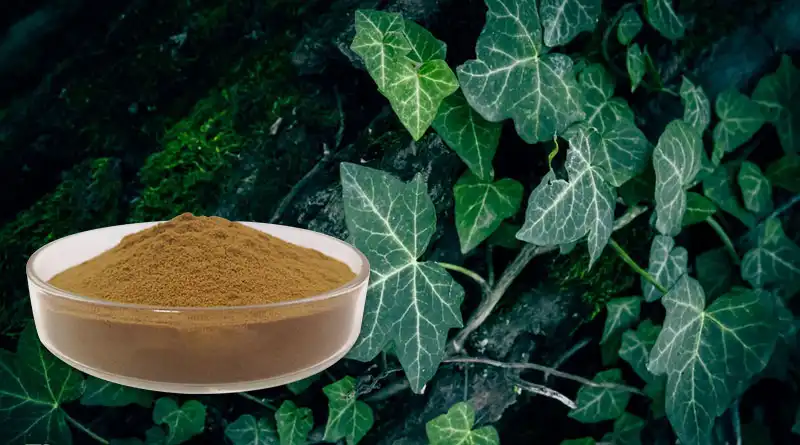
When formulating herbal respiratory syrups, selecting the right botanical ingredient can define your product's market success. Ivy Leaf Extract Powder stands out as a trusted, standardized solution offering consistent quality, superior stability, and proven efficacy for respiratory health applications. Extracted from Hedera helix leaves through controlled processes, this concentrated powder preserves bioactive saponins—particularly hederacoside C—that support mucolytic and bronchospasmolytic activity. For formulators and procurement managers in the nutraceutical and pharmaceutical industries, understanding how this botanical ingredient integrates into syrup formulations unlocks opportunities for developing market-ready, compliant, and consumer-preferred respiratory products.
Understanding Ivy Leaf Extract Powder and Its Role in Syrup Formulations
Botanical Origin and Extraction Process
People in Europe have used ivy leaf (Hedera helix) to help them breathe for hundreds of years. These days, to get useful chemicals out of dried leaves, water and ethanol are used to extract them. Soapy powder with a certain amount of saponin can be made this way. If you want something that stays consistent from batch to batch, liquid extracts or raw plant material are not as good as powder. Powder has a longer shelf life and better stability. These traits are in line with the strict requirements of production environments that follow GMP law.
Active Compounds and Mechanism of Action
There are triterpenoid saponins in ivy leaf extract that make it useful as medicine. Two of these are α-hederin and hederacoside C. These chemicals help get rid of mucus by making it less thick and making the cilia in the respiratory tract move faster, according to research. They also make it easier to breathe by relaxing the smooth muscles in the lungs. When the extract is standardized to a certain percentage of saponin, usually between 10% and 20%, doses and clinical results stay the same. This is very important for people who are making cough syrups or products for bronchial health.
Formulation Advantages for Syrup Manufacturers
The process of making it is easier when ivy leaf extract is used as a powder. When mixed with syrup bases that are based on water, the powder mixes quickly and stays the same while the batches are being mixed and filled. Formulators can make "clean label" things that don't have any fake ingredients because it works with fillers like sorbitol, glycerin, and preservatives. The powder's low wetness content also makes it less likely that microbes will get into it. This makes the product more solid for longer and makes sure it meets the bacteria limits set by the USP and the European Pharmacopeia.
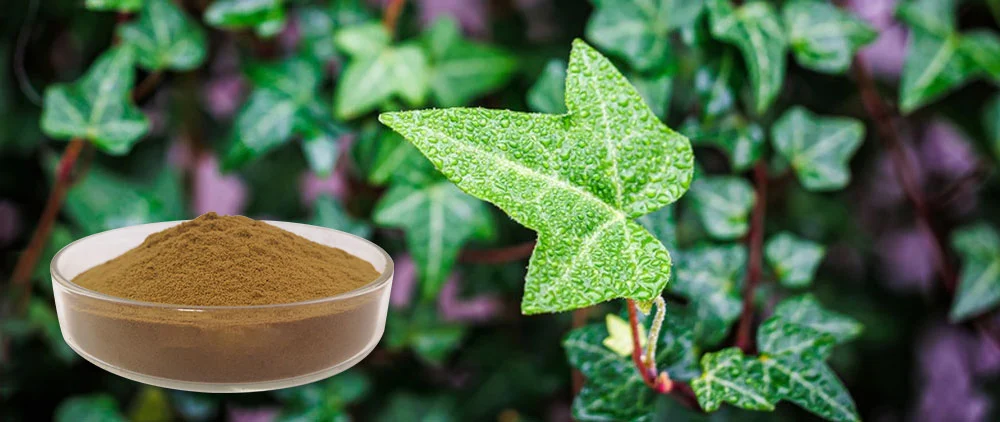
Comparing Ivy Leaf Extract Powder with Alternative Herbal Ingredients and Forms
Powder vs. Liquid Extract Forms
You can buy ivy leaf in liquid form, but the powder form is easier to work with when making a lot of it. Care must be taken to store liquid extracts so that they don't break down, and the amount may change due to things like evaporation or sedimentation. When making a product, it's important to get the right amount of active ingredients, and powders make that easy. For procurement teams that want to make the supply chain work better, this accuracy cuts down on waste, makes quality control better, and makes it easier to keep track of inventory.
Organic vs. Conventional Sourcing
What the government says and what the target market wants will determine whether to use organic or standard sources for Ivy Leaf Extract Powder. Clean-label trends are popular in North America and Europe, and organic ivy leaf extract fits in with them. It's popular with people who care about their health. Foods must be able to be tracked from the time they are grown to the time they are removed in order to be certified by groups like the USDA or the EU. This makes QA teams feel better. While organic approval may not be the most important thing to the customer, conventional sources may be cheaper and have more sellers. This makes them a good choice for recipes that need to stay within a budget.
Comparison with Other Herbal Expectorants
A lot of people choose licorice root, marshmallow root, or thyme extract. Ivy leaf extract stands out because there is a lot of scientific proof that it works for both kids and adults. Ivy leaf is easy to blend into syrups that taste good, while thyme's strong flavor chemicals can make it unpleasant to smell. You can feel better after taking marshmallow root, but it doesn't open up your airways as ivy saponins do. Licorice root does work, but people with high blood pressure shouldn't use it because it can make things worse. These comparisons help R&D teams pick plants that work well, are safe, and that people like.
Procurement Guide: Sourcing Quality Ivy Leaf Extract Powder for Bulk Supply
Supplier Certification and Compliance
The first thing you should do to find reliable sources is look at the important certifications that show the quality of the manufacturing and that it is legal. You should look for providers that are certified by ISO 9001, HACCP, or GMP. These prove that they follow the rules set by the international world for good management. When buying organic food, make sure the organic papers are real and come from a well-known company. You can also trust sellers even more if they show testing results from a third-party lab, such as SGS, Eurofins, or NSF. These results show that the product is pure and works well. Our plant at Naturalin Biotech follows the rules set by FSSC 22000 and GMP. Third-party testing tools that run all the time help make sure that every batch meets very high quality standards.
Evaluating Technical Specifications
Check the Certificate of Analysis (CoA) for important information when you look at quotes from sellers. HPLC should be used to measure the amount of active saponin, and standardization levels should be proven to be between 10% and 20%. ICP-MS tests show that safety standards for heavy metals like lead (<3.0 ppm), arsenic (<1.0 ppm), and mercury (<0.1 ppm) are being met. There can't be any viruses, and the total plate count must be less than 1,000 cfu/g. There must also be less than 100 cfu/g of yeast and mold. The size distribution of the particles in powder affects how well it flows and spreads. Most guidelines aim for 80 mesh (180 µm) or smaller for the best syrup absorption.
Minimum Order Quantities and Logistics
When you buy in bulk, you have to find a way to save money and get rid of your stock fast. Most of the time, the minimum order quantity (MOQ) for botanical extracts is between 25 kg and 100 kg. However, suppliers who are flexible may be able to handle smaller test batches for developing new products. Lead times change based on how busy the seller is and how much raw material is on hand. Once payment is received, it usually takes 3 to 7 business days to process things that are in stock. Customers in the U.S. can choose DDP (Delivered Duty Paid) shipping options, which make it easier to get goods through customs and send them. This makes operations easier. We offer a range of travel choices, including air freight for urgent orders and ocean freight for large amounts, so that our clients can get what they need at a price they can afford.
Ensuring Safety and Efficacy: Dosage, Side Effects, and Regulatory Considerations
Recommended Dosage Guidelines
Ivy leaf extract in syrups is based on clinical studies and how it has been used traditionally to come up with dose recommendations. Adults should take 25 mg to 50 mg of dried ivy leaf extract equivalent every two to three times a day. The dose for kids changes based on their age and weight, but it's usually between 10 mg and 20 mg per dose. When you make syrups, you should check to see how much total saponin is in each serving to make sure they are safe and useful for therapy. Monographs from groups like the European Medicines Agency (EMA) or Commission E should be read by formulators who want help based on facts.
Side Effects and Risk Mitigation
Most of the time, Ivy Leaf Extract Powder is safe and doesn't cause any problems. Mild gut pain or sickness may happen at higher doses, but not often when people stick to the specified amounts. This plant is in the Araliaceae family, and some people are allergic to it. Labels that make it clear about possible allergens and when not to use something (like while pregnant without a doctor's supervision) are important for consumers' safety and for following the rules. QA teams should set up strong ways to keep track of complaints so they can keep an eye on safety signs after the product has been released.
Global Regulatory Landscape
Making sure that a lot of people can get a product means knowing the rules that apply to each market. The FDA has rules about it because it is found in dietary supplements in the US. These rules come from the Dietary Supplement Health and Education Act (DSHEA). But labels can say things about structure and function that aren't true about diseases. As traditional herbal medicines, ivy leaf goods are often sold in Europe. This means they need to be listed under the Traditional Herbal Medicinal Products Directive (THMPD). People who work for Health Canada's Natural Health Products Directorate (NHPD) make sure that approved goods have proof that they are safe and work. The procurement and legal affairs teams can make good plans for entering new markets when they know about these models.
Optimizing Formulation Performance with Ivy Leaf Extract Powder
Enhancing Solubility and Stability
The best way to dissolve something in syrup depends on how the ingredients are mixed and which ones are used. A small amount of glycerin or propylene glycol should be mixed into the powder before adding it to the bulk syrup phase. This makes the powder more uniform and stops it from clumping. Saponins stay steady, and bacteria can't grow when the pH is between 4.0 and 6.0 and the right stabilizers are used, such as potassium sorbate or sodium benzoate. Tests of stability at high temperatures (40°C/75% RH) show that formulas keep working well and smelling good for the whole time they're stored.
Dosage Form Innovations
In addition to regular syrups, new ways of providing them are making the market bigger. For people who are always on the go, single-serve sachets with ivy leaf extract mixed with natural sweeteners and flavors are helpful because they let them know how much to take. Tablets that fizz and dissolve in water are a choice for people who don't want a thick appearance. The extracts need to be changed so that these new products can work, like making low-moisture powders for soda. This is why it's important to work with providers who can adapt.
Case Studies and Market Trends
Standardized ivy leaf extracts have been added to over-the-counter cough syrups by major European drug companies. This has worked well and won them a lot of loyal customers thanks to clinical validation and reliable product performance. In the same way, supplement companies in North America are adding ivy leaf to lung health mixes that are meant to boost the immune system during the winter. Consumers want information that comes from a clear source and has been tested by a third party. These are current trends that stress openness. When formulators work with providers that offer full tracking and paperwork, they get an edge in markets that are already very crowded.
Conclusion
Ivy Leaf Extract Powder is a stretchy plant part that science has shown to work. It is a key part of making syrups for breathing problems. It worries buyers, researchers, and quality control experts because it has a standard bioactive profile, can be made from other materials, and has been safe in the past. If you pick a reputable company with strong credentials, helpful customer service, and flexible shipping options, you can be sure that your formulations will meet legal and quality standards in every market around the world. Ivy leaf extract puts your brand on the cutting edge of plant innovation. This is important because more and more people are looking for natural lung treatments that work.
FAQ
What are the primary respiratory health benefits of ivy leaf extract powder?
You can keep your lungs healthy by using Ivy Leaf Extract Powder to break down mucus and loosen up the muscles in your airways. The saponins help make mucus less thick, which makes it easier to cough it up. Also, to help air flow, they loosen up the smooth muscles in the airways. It helps with breathing and lung pain because it does two things.
How does ivy leaf extract powder compare with other herbal extracts for cough formulations?
There is a good mix of clinical evidence that shows that ivy leaf extract is better than other options like thyme or marshmallow root. It also has good sensory qualities and can be used for many things. People choose it for many types of syrups because they know it is safe for kids and mixes well with many other things.
Where can I source bulk ivy leaf extract powder with reliable international shipping?
Getting things from sellers you can trust that have GMP certification, third-party testing, and well-established international logistics is the safest way to get things. Naturalin Biotech serves the U.S. market with bulk supply and full DDP services. They make sure that goods are shipped on time and that all rules are followed during the buying process.
Partner with Naturalin Biotech for Premium Ivy Leaf Extract Powder
It is their specialty at Naturalin Biotech to give you high-quality plant extracts that are tailored to your manufacturing needs. There are strict HPLC rules for the Ivy Leaf Extract Powder we sell, and it has ISO 9001, GMP, and FSSC 22000 certifications to back it up. There are more than 20 years of experience on our research and development team. They can help you change the concentration, make it easier to dissolve, and find the best way to do things for your specific needs. Your business will grow faster if you do this. It only takes us three to seven business days to fill an order because we keep a lot of stock on hand. Our DDP delivery services also make it easy for you to get to the U.S. market. You can email us at market@naturalinbio.com to talk about large supply options, get a certificate of analysis (COA), or look into private label options that will help your lung product line.
References
1. Hofmann, D., Hecker, M., & Völp, A. (2015). Efficacy of ivy leaf extract in children with bronchial asthma: A randomized, double-blind, placebo-controlled study. Phytomedicine, 22(12), 1130-1140.
2. Greunke, C., Hage-Hülsmann, A., & Sorkalla, T. (2014). A placebo-controlled, randomized, double-blind study on the efficacy of ivy leaf extract in the treatment of cough in children. Arzneimittelforschung, 64(9), 546-551.
3. European Medicines Agency. (2017). Assessment report on Hedera helix L., folium. EMA/HMPC/325715/2017.
4. Schulz, V., Hänsel, R., & Tyler, V. E. (2001). Rational Phytotherapy: A Physician's Guide to Herbal Medicine. Berlin: Springer-Verlag.
5. Wichtl, M. (2004). Herbal Drugs and Phytopharmaceuticals: A Handbook for Practice on a Scientific Basis. Stuttgart: Medpharm Scientific Publishers.
6. Fazio, S., Pouso, J., & Dolinsky, D. (2009). Tolerance, safety and efficacy of Hedera helix extract in inflammatory bronchial diseases under clinical practice conditions. Phytomedicine, 16(1), 17-24.

Milk Thistle Extract Powder solves standardization challenges by delivering precise silymarin content—typically 80% by UV or 50-60% by HPLC—ensuring batch-to-batch consistency that whole seed powders cannot match. This concentrated botanical ingredient eliminates variability in bioactive compounds through rigorous testing methods, enabling manufacturers to meet regulatory requirements and achieve reproducible product efficacy. By standardizing active ingredient levels in silymarin extracts, formulators can confidently scale production while maintaining quality assurance across nutraceutical, functional food, and cosmetic applications. The result is a reliable raw material that addresses the core pain points of botanical procurement: consistency, compliance, and supply chain trust.
Understanding Standardization Challenges in Botanical Formulas
Botanical raw materials are naturally variable, which makes things very hard for producers. The amount of bioactive compounds in plant materials is directly affected by things like the quality of the soil, the weather, and the time of harvest. When growing milk thistle in different places and times of the year, silymarin amounts can change a lot. This makes it almost impossible to be sure that raw plant powders will always be therapeutically effective.
Why Does Variability Threaten Product Quality?
Manufacturers have a lot of problems when the amount of silymarin in different batches changes by 20 to 40 percent. Formulation experts have a hard time getting the right doses, which means they have to make changes all the time, which slows down R&D processes. Quality assurance teams have to deal with test results that are hard to predict, which slows down batch releases and causes problems with compliance. When production managers use too much of a material to make up for weak batches, they have to deal with waste. This lack of predictability directly costs money because it causes production to stop, testing costs to go up, and the possibility of product recalls.
Regulatory Compliance Under Pressure
Regulatory bodies in markets around the world want plant goods to be consistent. For health claims, FDA rules in the US, EFSA rules in Europe, and Health Canada standards all stress the importance of standard amounts of active ingredients. Without standardized extracts, it's hard for companies to back up what they say on the label, which could lead to warning letters, import holds, or market closures. Buyers in business-to-business markets know that buying plants that aren't uniform is an unacceptable compliance risk.
Supply Chain Trust Depends on Predictability
The people who work in procurement need sellers who can meet their needs every quarter. When the amount of silymarin changes without warning, makers further down the supply chain lose faith in it. Because of this doubt, buyers have to keep expensive safety stock, test multiple times, and keep looking for other providers. Managing unreliable botanical suppliers often comes with more hidden costs than the savings that seem to be made by choosing cheaper raw materials. These costs include quality checks, re-creation work, and customer complaints.
How Milk Thistle Extract Powder Addresses Standardization Challenges?
Modern technologies for separation and regulation turn different types of plant matter into concentrated, reliable ingredients like Milk Thistle Extract Powder. The first step in making something is carefully choosing the Silybum marianum seeds. Next, the silymarin complex is separated and concentrated through solvent extraction and purification. Manufacturers can guarantee certain silymarin percentages with little variation by controlling the processing parameters and checking the results analytically.
Precise Active Ingredient Control
Modern milk thistle products are standardized to known amounts of silymarin using approved testing methods. UV spectrophotometry is a quick way to check for overall silymarin content, and HPLC (High-Performance Liquid Chromatography) gives you full profiles of flavonolignans like silybin A, silybin B, silydianin, and silychristin. These tests make sure that every batch meets the exact requirements, which are usually 80% total silymarin by UV or a detailed silybin content running from 30% for particular therapeutic uses. This level of scientific accuracy gets rid of the need to guess when making new formulations and makes it possible to do accurate dosing calculations.
Manufacturing Efficiency at Scale
In production settings, concentrated powdered extracts are much better than whole seed ingredients. Standardized silymarin extract needs five to eight times less material by weight than crushed seeds. This means it takes up less room, costs less to ship, and is easier to handle. The fine powder form, usually 80 mesh or smaller, makes sure that the drug is evenly distributed in mixtures and flows easily through automatic equipment for encapsulation or tableting. Different batches of material have the same level of heat stability during processing, so manufacturers only have to check the production parameters once instead of making changes for each new lot of material.
Enhanced Compliance and Marketing Value
Certified organic milk thistle products have extra benefits for brands that want to appeal to high-end customers. Organic approval through the USDA NOP, EU rules, or similar standards makes it possible to prove that an item came from a field and was used in a product. This paperwork meets the needs of both regulators and customers who want clean-label goods. Manufacturers with ISO9001, FSSC22000, HALAL, and Kosher certifications show that they manage quality in a systematic way, which makes it easier for buying companies to do audits. These validations by a third party set your product apart in the market and make it easier to get your new product approved by regulators.
Procurement Insights: Selecting the Right Milk Thistle Extract Powder for Botanical Formulas
To make smart purchasing choices, you must first comprehend the connection between design factors and end-product requirements. Different silymarin standardizations are used for different things, and matching extract grades to the needs of an application improves both performance and cost-effectiveness.
Evaluating Supplier Certifications and Testing Transparency
Suppliers you can trust for Milk Thistle Extract Powder give full Certificates of Analysis that include HPLC fingerprints, heavy metal screening results, pesticide residue tests, and microbiological safety data. Instead of only using their own testing, look for companies that also send their products to well-known third-party labs like Eurofins, SGS, or NSF for testing. GMP-certified factories have organized quality control methods that keep products from getting contaminated and allow for batch tracking. When looking at possible business partners, ask for historical batch data to see how consistent they have been over time. Reliable suppliers will be happy to share six to twelve months of analytical results that show tight specification ranges.
Balancing Cost Against Concentration and Purity
Even though 80% silymarin extracts are more expensive, they are the best choice for uses that need small dosage forms or strong therapeutic claims. For functional drinks or vitamins with a lower amount, water-soluble silymarin formulas at a 40% concentration may offer better value for money while also being more bioavailable. Find the cost-per-gram of the active ingredient instead of just the price of the raw materials. A 30% silybin extract that costs $120/kg has the same amount of active ingredients as an 80% silymarin extract that costs $280/kg, but it is made in a different way. By understanding these trade-offs, procurement professionals can get the most out of their ingredient budgets without sacrificing the effectiveness of the product.
Supply Chain Robustness and Customization Capabilities
Reliable sellers keep large amounts of ready-to-ship goods in their warehouses so that orders can be filled quickly. For normal specs, lead times are usually between 3 and 7 days. Minimum order quantities that are flexible, such as sample sizes for research and development (R&D) and 25 kg for commercial use, make it possible to do both development work and production scale-up. Advanced providers offer customization services, such as specific mesh sizes, changed solubility profiles, and blended formulas that are made to fit the needs of each application. Naturalin Biotech is a good example of this method because they offer full customization for powders, granules, and liquids, and they have more than 40 patent technologies and 20 years of experience making plant extracts.
Implementing Milk Thistle Extract Powder in Botanical Formulas: Best Practices
To successfully combine standardized extracts, you need to pay close attention to quality control protocols and formulation science. The following methods help makers get results that can be repeated while still following the rules.
Dosage Alignment with Therapeutic Claims
Clinical research on milk thistle consistently shows that silymarin doses of 140 mg to 420 mg per day, usually spread out over two or three administrations, are effective. To turn these clinical amounts into finished goods, you need to do precise math based on the potency of the extract. It takes about 525 mg of an 80% silymarin extract to give 420 mg of active silymarin, but a 30% silybin extract needs a different estimate to have the same therapeutic effect. Formulation scientists should look at published clinical studies that fit the health claims they want to make. This will make sure that the dosage recommendations are in line with the standards for evidence-based medicine. This scientific basis guards against complaints from regulators and backs up marketing claims.
Quality Control for Complex Botanical Blends
When you mix Milk Thistle Extract Powder with plants that work well together, like artichoke, dandelion, or turmeric, you need to make sure the mixture is stable. Some mixtures of botanicals work better when used together, while others may cause chemical reactions that lower the effectiveness or shorten the shelf life. Set up testing procedures that check the silymarin content of your product at regular times throughout its lifecycle, like when it's released, every six months, once a year, and when it goes bad. Accelerated stability studies at high temperatures and humidity levels can predict how well something will work in the long run and show how it might break down before it goes on sale. The studies' documentation backs up claims about shelf life and answers questions from regulatory authorities.
Real-World Standardization Success
When making liver health products with crude milk thistle seed powder, a medium-sized nutrition company had problems with batch differences all the time. The amount of silymarin in different lots of material varied from 1.5% to 3.2%, which meant that the formula had to be changed all the time and label claims were not always accurate. The company got the difference between batches to be less than 2% relative standard deviation after switching to an 80% standardized silymarin extract that was checked by HPLC. This stability got rid of 60% of the rejects from quality control, cut the time it took to make changes to the formulation by 75%, and made it possible to successfully sell to European markets with strict compositional standards. The case shows how standardized extracts can turn unstable raw materials into ingredients that can be used in large amounts.
Future Trends and Opportunities in Milk Thistle Extract Powder for Botanical Industry
New methods for extracting silymarin from plants keep making these ingredients better and more useful. New technologies get around the problems that exist now and create new market possibilities for makers who are willing to think ahead.
Advances in Extraction and Bioavailability Enhancement
Supercritical CO2 extraction methods make silymarin extracts that are very pure and don't leave behind any solvent residues. This makes them appealing to brands that use ultra-clean labels and meet the requirements for organic certification. Nano-emulsion technologies make naturally lipophilic silymarin compounds much more bioavailable when taken by mouth. This could mean that lower amounts are needed to get the same medicinal effects. Phytosome complexation, which involves silymarin joining with phospholipids, improves absorption rates and opens up new ways to deliver drugs, such as in functional drinks and cosmetics that you put on your skin. These new ideas come with higher prices, but they make goods that are unique and appeal to valuable market groups.
Expanding Application Territories
Milk thistle extracts are becoming more popular in areas other than traditional liver-protecting supplements. They are being used in sports nutrition to help with oxidative stress caused by exercise, in skin care products to fight UV damage and aging, and even in animal nutrition as natural alternatives to synthetic antioxidants in pet food and livestock feed. The feed industry really likes silymarin because it has been shown to improve gut health and immune system function, which opens up a lot of business-to-business possibilities. As this application market grows, suppliers who offer feed-grade specs, the right certifications, and particle size distributions for premix integration will be in a good situation.
Regulatory Evolution and Supplier Partnership Strategies
As regulations get stricter around the world, the supply chain needs to be more open, and safety paperwork needs to be more thorough. Novel Food rules in the European Union, changing FDA guidance on botanical food ingredients, and new heavy metal limits under California Proposition 65 all require suppliers with complex quality systems. Procurement professionals should focus on building long-term relationships with manufacturers that can show they can be proactive about compliance. This includes testing programs that cover everything, systems for keeping track of products, and quick technical support. These connections are very helpful when dealing with changes in regulations or meeting the unique needs of different export destinations.
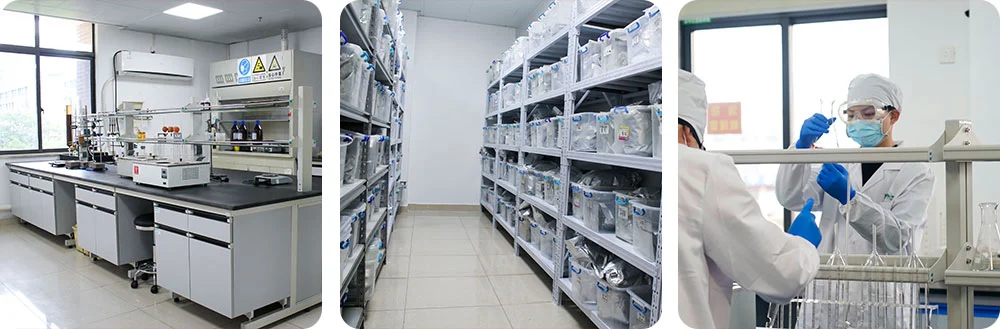
Conclusion
Natural variations in raw materials make it hard to standardize plant formulas. These variations threaten product stability, regulatory compliance, and the reliability of the supply chain. These issues can be fixed with Milk Thistle Extract Powder because it accurately measures silymarin levels, delivers active ingredients in a concentrated form, and undergoes strict scientific verification. Procurement pros get ingredients that allow for repeatable formulations and large-scale production by choosing providers with approved quality systems, clear testing methods, and the ability to customize. The botanical industry is moving toward better extraction technologies, wider application areas, and stricter regulatory standards. This is good for manufacturers who form partnerships with innovative, compliant suppliers who can support their long-term product development strategies.
FAQ
What silymarin concentration is optimal for dietary supplement formulations?
Most supplements for liver health that are backed by science use extracts that have been tested and found to contain 70–80% total silymarin by UV spectroscopy. This means that you get 200–420 mg of silymarin every day. Products that stress better absorption might say that their ingredients have 30% silybin, which is the most effective flavonolignan component. The best concentration varies on the limitations of the dosage form, the goal price, and the health claims that are being made.
How do organic certifications impact procurement decisions for milk thistle extracts?
Organic approval raises the cost of raw materials by 15 to 30 percent, but it gives you a marketing edge, meets customer demand for clean labels, and may allow you to charge more at retail. Certification is necessary for brands that want to sell natural products or go to foreign markets where people really want organic products. Conventional extracts are still a good deal for high-value items or uses where being organic doesn't give you much of a competitive edge.
What testing methods ensure consistent batch quality?
High-Performance Liquid Chromatography (HPLC) gives accurate profiles of flavonolignans that confirm the active ingredient structure, and UV spectrophotometry quickly confirms the total silymarin content. Full Certificates of Analysis should have testing for heavy metals (ICP-MS), testing for pesticide residues (GC-MS/LC-MS), and checking for bacterial safety. Third-party lab validation through Eurofins, SGS, or similar organizations gives supplier testing claims more weight.
Partner with Naturalin Biotech for Premium Milk Thistle Extract Powder
Naturalin Biotech provides pharmaceutical-grade silymarin extracts that meet the strict needs of nutraceutical manufacturers and formulation companies around the world. Our standard specifications, which include 80% silymarin, 30% silybin, and 40% water-soluble silymarin, are checked using UV and HPLC techniques. They are backed by ISO9001, FSSC22000, HALAL, and Kosher certifications. We can help you meet your production plans with on-time delivery because we are a reliable seller of Milk Thistle Extract Powder and keep a lot of it in stock. Customization services that include improving solubility, making mesh sizes smaller, and adding new functions help solve specific formulation problems. Our GMP-compliant facilities and 40+ patented technologies show that we've been coming up with new ways to use plant extracts for 20 years. Email our technical team at market@naturalinbio.com to talk about your unique needs, get full Certificates of Analysis, or set up shipping of samples. Visit naturalinbio.com to see our full list of plant ingredients and learn how our knowledge of the supply chain can help you reach your product development goals.
References
1. Abenavoli L, Capasso R, Milic N, Capasso F. "Milk thistle in liver diseases: past, present, future." Phytotherapy Research 24.10 (2010): 1423-1432.
2. Chambers CS, Holečková V, Petrásková L, Biedermann D, Valentová K, Buchta M, Křen V. "The silymarin composition and why does it matter?" Food Research International 100 (2017): 339-353.
3. Křen V, Walterová D. "Silybin and silymarin—new effects and applications." Biomedical Papers of the Medical Faculty of Palacký University 149.1 (2005): 29-41.
4. Loguercio C, Festi D. "Silybin and the liver: from basic research to clinical practice." World Journal of Gastroenterology 17.18 (2011): 2288-2301.
5. Polyak SJ, Ferenci P, Pawlotsky JM. "Hepatoprotective and antiviral functions of silymarin components in hepatitis C virus infection." Hepatology 57.3 (2013): 1262-1271.
6. Wellington K, Jarvis B. "Silymarin: a review of its clinical properties in the management of hepatic disorders." BioDrugs 15.7 (2001): 465-489.
Co Enzyme Q10 powder has emerged as a powerhouse ingredient transforming formulations across nutraceuticals, cosmetics, and pharmaceuticals. This guide addresses the urgent needs of procurement professionals navigating complex supply decisions in today's competitive market. As consumer demand for cellular health solutions accelerates and regulatory frameworks tighten globally, understanding this ubiquinone compound becomes essential. Whether you're formulating energy-boosting supplements, developing anti-aging skincare, or seeking compliant raw materials for pharmaceutical applications, we'll walk you through critical considerations that impact your bottom line and product efficacy. From bioavailability challenges to supplier evaluation criteria, this comprehensive resource equips you with practical insights to source high-quality coenzyme Q10 ingredients that meet strict industry standards.
Understanding Co Enzyme Q10 Powder: Properties, Benefits, and Uses
What Makes Co Enzyme Q10 Powder Unique
This benzoquinone compound dissolves in fat and is called ubiquinone in the scientific world. It is an essential part of making ATP in mitochondria. In contrast to capsule or oil forms, the powder form offers clear benefits for industrial formulation flexibility. The high-purity extraction, which is usually done through natural microbial fermentation with organisms like Rhodobacter sphaeroides, gives it a yellow to orange crystalline look. The all-trans isomer structure, which is found in top types that meet USP, EP, and JP standards, makes sure that the biological activity is the same as what our bodies naturally make. This is very important when making pharmaceutical-grade products because consistency has a direct effect on how well they work in the body.
Core Benefits Driving Market Adoption
The compound has two uses that make it very useful in many fields. As a necessary part of electron transport chains, it helps cells use energy, especially heart and muscle areas that need a lot of energy. At the same time, its strong antioxidant properties fight free radicals and protect lipid membranes from damage caused by oxidation. These traits solve important problems in the process of making products. Cardiovascular health products use it to give you more energy, and cosmetic companies use it to fight aging by protecting collagen and strengthening the skin barrier. Its versatility is the reason why demand keeps going up in many areas.
Industrial Applications and Formulation Considerations
Coenzyme Q10 is added by companies that make vitamins to energy drinks that are meant to improve physical performance and metabolic health. The food and drink business is using water-soluble beadlet forms in functional drinks more and more. However, because the chemical is lipophilic, it needs special technologies to dissolve. Personal care formulators like how stable it is when used on the skin, especially when microencapsulated to stop photodegradation. Pharmaceutical companies use materials that are safe for use in medicines and health goods that keep you healthy. For example, the particle size distribution is important for making tablets work well, the moisture content is important for stability, and the leftover liquid levels are important for safety. Knowing these details helps procurement teams set requirements that are in line with what can be made and how well the final product should work.
Comparing Co Enzyme Q10 Powder: Quality, Formulations, and Market Options
Powder Versus Alternative Delivery Forms
When looking at formats, you should think about how they will work with manufacturing and how bioavailable they need to be. Co Enzyme Q10 Powder gives formulators more options than any other ingredient, letting them make exact doses for pills, capsules, and mixed supplement matrices. Powder formats provide greater flexibility in large-scale production, while oil-based formats make it easier for lipids to dissolve but limit the types of applications that can be developed. The reduced form of ubiquinol is said to have better absorption, but it costs a lot more and doesn't last as long on the shelf. Standard Co Enzyme Q10 Powder grades that are 98 to 101% pure work well for large-scale production. But brands that want to be seen as high-end might ask for micronized versions with D90 particle sizes below 10 micrometers. This would greatly improve dissolution rates without making the recipe more complicated. The choice depends on the target consumers, applicable regulations, and expected profit margins. Organic Versus Synthetic Sourcing Considerations
Material that comes from fermentation makes up most of the quality segment. It makes natural-origin claims that meet clean-label requirements. This biotechnological method produces more pure trans-isomers than synthetic chemical methods and doesn't use any petrochemical starting materials. Some sellers have organic-certified choices, but they are still hard to find and cost more because they are positioned as a niche product. Synthetic versions might have cis-isomer contamination, which would make biological effectiveness lower and could lead to regulatory scrutiny in strict markets. When evaluating suppliers, ask for detailed records of the manufacturing process. Learn more about fermentation materials, purification processes, and isomer testing methods than just looking at certificates. These technical details are a much better way to find out about a product's real quality than marketing materials.
Evaluating Supplier Quality and Market Landscape
A thorough evaluation of the supplier guards the image of your brand and makes sure that each batch performs the same way. Ask for records of analysis that have been checked by HPLC and show that the active substance is within the allowed limits. Validation from a third party like SGS, Eurofins, or NSF boosts credibility, especially when entering regulated markets that need independent confirmation. Manufacturing standards are very important. Facilities that follow GMP and HACCP guidelines show that they have a method for controlling quality. In addition to certifications, you should look at records of production scale and batch consistency. A supplier that makes many metric tons every month has stable capacity, which means that supply doesn't get interrupted when demand goes up. Prices vary a lot depending on the grade of purity, the size of the particles, and the amount of the order. You can expect pharmaceutical-grade materials to cost more, while food-grade materials are cheaper for uses that can handle slightly lower purity levels.
Navigating the Procurement Process of Co Enzyme Q10 Powder for B2B Buyers
Strategic Advantages of Bulk Purchasing
Beyond lowering unit prices, volume agreements for Co Enzyme Q10 Powder bring about big economic gains. Suppliers often hold back production capacity for long-term bulk customers to make sure they get it when raw materials are in short supply. When seasonal demand spikes threaten inventory levels, this supply assurance is very important. Negotiating yearly contracts with set delivery dates makes planning your cash flow easier and gets you better terms. But for bulk orders of Co Enzyme Q10 Powder to stay in good condition, inventory management needs to be very advanced. Because the compound is sensitive to light and moisture, it needs to be stored in a climate-controlled area and used quickly. When comparing bulk pricing to just-in-time procurement models, you should figure out the total cost of ownership, which should include storage, insurance, and any waste from stock that has gone bad.
Vetting Suppliers for Long-Term Partnership
Doing your homework means a lot more than just reading through standard sheets. Ask for plant checks, either virtually or in person, to see how the products are made and how quality control is done. Check out their research and development (R&D) skills, especially if your plan calls for custom formulations or new ways to send medicines. If a seller has technology for microencapsulation or water dispersibility, they become a strategic partner instead of just a provider. Look at the logistics infrastructure and customs knowledge, especially if you want to buy something across borders. When suppliers offer DDP (Delivered Duty Paid) services, they take care of clearance issues and lower the uncertainty of landed costs. References from current clients in your industry can tell you a lot about how responsive you are to communication, how good your technical support is, and how well you can solve problems during production problems.
Direct Sourcing Versus Distributor Networks
When you buy directly from makers, you usually get better prices and better information about technical details. You can talk to production teams that know the ins and outs of formulations and can change things like particle size or carrier systems to fit your needs. This direct link makes sample development and iterative improvement cycles go faster. On the other hand, distributors make things easier by keeping inventory close to home, requiring smaller minimum orders, and sending with other items at the same time. They take on the risks of the exchange rate and make it easier to record compliance. Often, the best strategy is a mix of the two: building direct relationships with primary suppliers for core numbers while keeping partner accounts for backup supplies and fast orders when demand changes without warning.
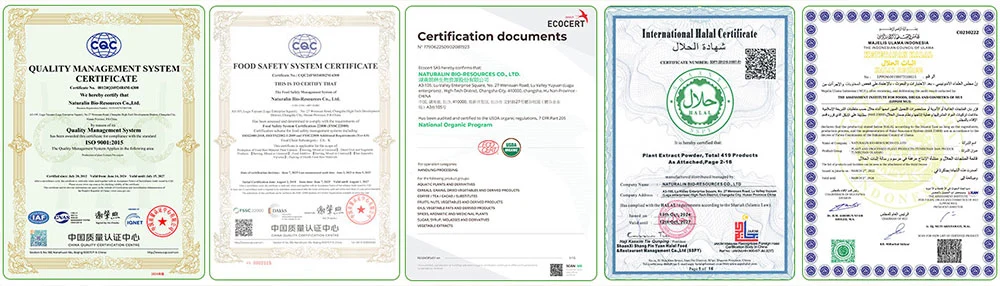
Future Trends and Market Insights in Co Enzyme Q10 Powder
Emerging Applications Reshaping Demand
Innovations keep making Co Enzyme Q10 Powder more useful in business. Cosmetic scientists are developing new serums that combine it with peptides and hyaluronic acid to create stronger anti-aging effects. Neuroprotective qualities are being studied in clinical trials, which could lead to new applications for drugs targeting brain health. The sports nutrition market has significant potential, with brands exploring ways to help endurance athletes improve their mitochondrial health. Animal nutrition is an area that has not been extensively studied yet, but early research suggests it could support animal wellness and enhance pet life quality. Early adopters can benefit from these evolving applications, but procurement teams need to closely monitor regulatory changes because new uses may require different approval pathways.
Market Drivers and Regulatory Landscape
Coenzyme Q10 use is growing faster because people are more aware of their health, especially older people who are looking for preventative health options. This demographic trend fits with the rising cost of health care, which is driving people to use self-care supplements. Regulatory environments are getting stricter around the world, and transparency in where ingredients come from and manufacturing quality systems are getting more attention. The EU's REACH rules and the FDA's focus on supply chain security make it harder for sellers who don't follow the rules to do business. For procurement professionals, this change in regulations means they need to build partnerships with suppliers that are based on strict documentation and being ready for audits. At the same time, buyers are looking for fermentation processes with smaller environmental impacts and suppliers who can show they are committed to reducing carbon emissions. This is changing the way people source goods.
Strategic Recommendations for Competitive Positioning
Change your buying habits to prepare for changes in the supply chain by expanding your ties with suppliers in different areas. Keep an eye on the patent landscape for technologies that improve bioavailability and could change the way formulations are made now. Invest in relationships with suppliers that allow co-development. This will put your company in a position to quickly take advantage of new uses. Set up just-in-time systems for specialty grades and build inventory buffers for key SKUs. Stay involved with industry groups to keep up with regulatory proposals that might change labeling rules or health claims that are legal. With these proactive steps, procurement goes from being a cost center to a strategic tool for setting yourself apart from competitors and responding to the market.
Conclusion
The market for Co Enzyme Q10 Powder has a lot of possibilities, but it can also be hard to navigate. Getting a steady supply of high-purity materials, keeping prices low without lowering quality, and working with suppliers who can support new ideas are all factors that need to be balanced in order to achieve success. Understanding technical details such as isomer configuration and particle engineering helps you have better conversations with potential business partners. As applications expand and government regulations become stricter, purchasing decisions have a greater impact on product performance and brand reputation. With the information in this guide, you'll be able to choose the right provider, negotiate favorable terms, and build supply chains that last. In the future, your company will be able to benefit from this ingredient's continued growth across a wide range of industrial applications by staying flexible and forming strategic partnerships. FAQ
What quality factors matter most when sourcing coenzyme Q10 powder?
Focus on making sure the all-trans isomer is pure by using HPLC testing, since this structure determines biological activity. To make sure that claims of natural origin are true and that the isomer profiles are better, make sure that the production method is fermentation-based rather than synthetic. Check to see if the particle size distribution fits the needs of your industrial tools and formulation. To make sure safety rules are followed, ask for heavy metal and leftover solvent tests. Supplier certifications like GMP, ISO, and HACCP show that quality management is done in a planned way.
How can buyers verify purity and potency in bulk orders?
Ask for analysis certificates from third-party labs like SGS or Eurofins that have been approved for each production lot. Set up methods for checking arriving materials using HPLC to independently confirm that the active content meets the requirements. Set up plans for retention samples that allow testing to be done in the past if problems with the mixture happen. You might want to do source checks to see how they handle quality control and how well they can analyze data. Need proof that the finished product can be tracked back to the fermentation batches.
What safety considerations apply to commercial coenzyme Q10 products?
At the recommended doses, coenzyme Q10 has great safety profiles, with no major side effects reported in clinical literature. At high doses, mild stomach pain happens very rarely. Make sure the goods follow the recommended maximum daily dose for your area, which is usually between 100 and 200 mg for supplements. Think about possible interactions with blood thinners that would require the right labeling. If you are targeting sensitive groups, make sure the product is allergen-free. When stability tests are done correctly, they stop degradation that could lower effectiveness without putting people at risk.
Partner with Naturalin Biotech for Premium Coenzyme Q10 Solutions
Naturalin Biotech has been making coenzyme Q10 powder for over 20 years and works with top companies in the nutraceuticals, cosmetics, and pharmaceuticals industries. Our GMP-compliant factories in Hunan make pharmaceutical-grade materials that meet USP and EP standards. The quality of our all-trans isomer is higher than 98%, as confirmed by HPLC. We offer flexible customization options, such as optimizing particle size, water-dispersible beadlets, and microencapsulated forms that are made to fit your product needs. Our research and development team can help with rapid prototyping and can usually get samples to you within 3–7 business days. We make it easier for businesses around the world to follow the rules by having certifications in FSSC22000, ISO9001, Halal, and Kosher. You can talk to our technical experts about your project needs, get full specs, or set up plant audits by emailing market@naturalinbio.com. You can look through our full catalog of natural ingredients, which are backed by more than 40 patents and proven manufacturing excellence, at naturalinbio.com.
References
1. Crane, F.L. (2001). Biochemical functions of coenzyme Q10. Journal of the American College of Nutrition, 20(6), 591-598.
2. Hernández-Camacho, J.D., Bernier, M., López-Lluch, G., & Navas, P. (2018). Coenzyme Q10 supplementation in aging and disease. Frontiers in Physiology, 9, 44.
3. Garrido-Maraver, J., Cordero, M.D., Oropesa-Ávila, M., Fernández Vega, A., de la Mata, M., Delgado Pavón, A., ... & Sánchez-Alcázar, J.A. (2014). Coenzyme Q10 therapy. Molecular Syndromology, 5(3-4), 187-197.
4. Žmitek, K., Pogačnik, T., Mervic, L., Žmitek, J., & Pravst, I. (2017). The effect of dietary intake of coenzyme Q10 on skin parameters and condition. BioFactors, 43(5), 132-140.
5. Saini, R. (2011). Coenzyme Q10: The essential nutrient. Journal of Pharmacy and Bioallied Sciences, 3(3), 466-467.
6. López-Lluch, G., Del Pozo-Cruz, J., Sánchez-Cuervo, C., Molina, J.A., Fernández-Ayala, D.J., & Navas, P. (2010). Bioavailability of coenzyme Q10 supplements depends on carrier lipids and solubilization. Nutrition, 26(11-12), 1118-1123.
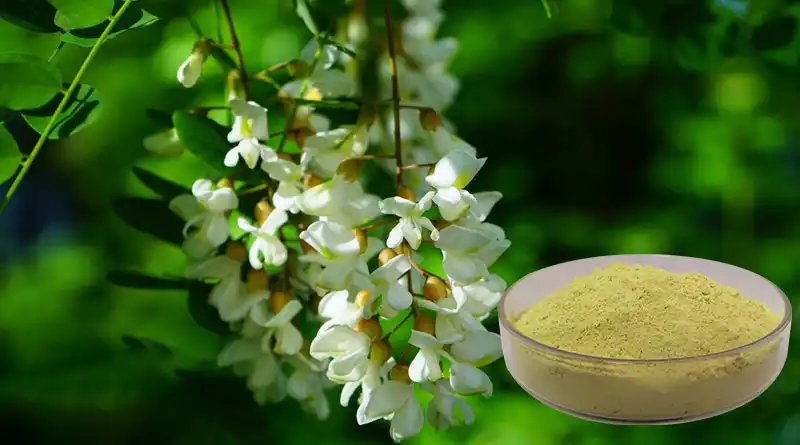
When we talk about formulating botanical skincare products that stand the test of time, stability becomes the defining factor between a premium product and one that disappoints. Sophora Japonica Extract Powder has emerged as a game-changing ingredient that addresses this exact challenge. Derived from the dried flower buds of the Japanese Pagoda Tree, this botanical powerhouse delivers exceptional antioxidant protection while significantly extending product shelf life. Rich in bioactive flavonoids like rutin and quercetin, it solves critical formulation pain points—oxidative degradation, ingredient incompatibility, and microbial vulnerability—that plague botanical skincare manufacturers. For procurement professionals and R&D teams seeking reliable, science-backed ingredients, understanding how this extract enhances formula stability is essential to making informed sourcing decisions.
Understanding Sophora Japonica Extract Powder and Its Key Components
Any plant ingredient that works depends on how well it is standardized and what chemicals are in it. The flower buds of the Styphnolobium japonicum tree, which has been used in traditional medicine for hundreds of years, are carefully picked to make Sophora Japonica Extract Powder. The high concentration of bioactive flavonoids in this extract makes it very useful for modern skin care products.
Primary Active Compounds
Two flavonoids, rutin (quercetin-3-O-rutinoside) and quercetin, are what make the extract work. Professional-grade extracts are usually standardized to have 95% or 98% rutin content, which is checked through HPLC analysis. This makes sure that performance is the same from batch to batch. Standardization solves a common problem in procurement: it makes strength more reliable, which gets rid of the need to guess when formulating. Because of how they are structured at the molecular level, these substances are very good at getting rid of free radicals. This means that they can protect other botanical actives in your products from oxidative breakdown.
Physical and Chemical Characteristics
Formulators can use this material more smoothly if they understand its basic profile. The powder is a fine, crystalline material that is light yellow to greenish yellow and usually goes through 80-100 mesh screens. It can withstand temperatures up to 125°C, so it can be used in a variety of industrial processes without breaking down. The extract is sensitive to light and alkaline surroundings, though, so it needs to be stored carefully. The moisture content stays below 5%, which helps the food stay stable on the shelf for a long time, which is important for buying in bulk and keeping track of inventory.
Standardization and Quality Benchmarks
The best extracts follow the rules set by the USP, EP, or ChP pharmacopeias. This makes sure that there isn't any heavy metal poisoning (Pb <3ppm, As <1ppm) and that there are no liquids left over. These strict quality standards have a direct effect on the safety and legal compliance of your end product. Checking third-party certifications from labs like SGS or Eurofins is a must when evaluating suppliers if you want to keep quality control high throughout your supply chain.
Challenges in Botanical Skincare Formula Stability and How Sophora Japonica Extract Powder Addresses Them?
Formulations for botanical skin care products have stability issues that synthetic ingredients don't usually have. Environmental factors can change the color or smell of natural actives, and most importantly, they can lose their effectiveness before the product gets to the customer.
Oxidative Degradation Prevention
Oxidation is the main thing that hurts plant formulas. Plant-based ingredients lose their effectiveness when they come into contact with air, and they may even make chemicals that are bad for your face. This is stopped by the high ORAC (Oxygen Radical Absorbance Capacity) number of Sophora Japonica Extract Powder. Free radicals can't hurt ingredients like vitamin C, other plant extracts, or unsaturated oils because the extract has flavonoids that fight them. This protective process makes the shelf life of the product much longer. For example, stability increases of 30 to 40 percent have been seen in recipes using standardized sophora extracts compared to controls that were not protected.
Synergistic Interactions with Other Botanicals
Not only does this product work as an antioxidant on its own, but it also works very well with other plant actives. Adding things like rosemary extract, cranberry extract, or olive leaf chemicals to a recipe makes it more stable than when those ingredients are used alone. This synergistic effect lets formulators use fewer preservatives while still protecting against microbes, which is in line with clean beauty trends that sourcing teams are putting more emphasis on.
Enzyme Inhibition Properties
The extract's ability to stop hyaluronidase enzymes from working is another way it improves stability. By stopping enzymes from breaking down polysaccharides and proteins in recipes, it keeps the texture and active ingredient integrity throughout the span of the product. In emulsion systems, where enzyme activity can weaken structure stability, this is especially helpful.
Comparative Evaluation: Sophora Japonica Extract Powder vs Other Flavonoid Extracts in Skincare
When choosing flavonoid-rich extracts for skin care uses, the best way to choose ingredients is to know their comparative advantages. There are many plant sources of flavonoids, but not all of them offer the same benefits for stability or compatibility with other ingredients.
Concentration and Potency Advantages
Sophora Japonica Extract Powder has much higher standardized rutin concentrations than other flavonoid sources like grapeseed extract or green tea extract. It can often reach 95–98% purity. Because it is so concentrated, it only takes a small amount to get the antioxidant protection you want. This lowers the overall cost of preparation while still giving you the most security benefits. Because the extract is concentrated, it makes formulation math easier because exact dosage is possible without using large amounts of ingredients that make texture development harder.
Organic Certification Considerations
Organic-certified Sophora Japonica Extract Powder meets the growing demand for natural ingredients that have been approved by the market. But buying teams have to weigh the benefits of approval against the risk of higher costs and less stable supplies. Organic certification from reputable organizations improves the story of a brand and meets certain legal requirements in places like the EU, where natural claims are being closely examined. Naturalin Biotech keeps both organic and conventional supply lines going, so formulators can choose the best choices based on how they want to place their products and how much money they have to spend.
Format Flexibility for Manufacturing
The style of an extract has a direct effect on how well a product works and how efficiently it is made. Sophora Japonica comes in a number of different forms, including fine powder for use in formulations that don't need water, water-dispersible grades for use in water-based systems, and microencapsulated versions that are more stable in harsh pH environments. This variety of formats lets purchasing managers say exactly what their production lines need, which cuts down on the work needed to change the recipe and speeds up the time it takes to get new products on the market.
Procurement Insights: Selecting and Sourcing Quality Sophora Japonica Extract Powder for Skincare Manufacturing
A good way to buy ingredients is to find a mix between quality control, following the rules, saving money, and making sure the supply chain is reliable. When it comes to plant extracts, where natural variation adds to the complexity, setting clear evaluation criteria keeps your production lines from having to stop for expensive repairs.
Supplier Evaluation Criteria
When looking at possible sophora extract suppliers, there are a few important things that determine how well the partnership will work in the long term. Transparency in the Certificate of Analysis (COA) is very important. Reliable providers give full testing records for every batch, such as HPLC chromatograms showing flavonoid content, microbial testing results, heavy metal screens, and pesticide residue analysis. In addition to proof, supplier certificates show that quality control is being done in a planned way. GMP-certified factories, ISO 9001 quality systems, and FSSC 22000 food safety management all show that they are operating at a high level, which makes quality assurance easier for you.
Market Dynamics and Pricing Strategies
The price of sophora extract changes depending on a number of factors, such as the amount of raw materials harvested, the extraction method used, the purity requirements, and the number of orders placed. Knowing about these factors helps buying teams bargain well. Buying in bulk usually saves you a lot of money—minimum order quantities (MOQs) often lower the cost per kilogram by 15–25% compared to buying in smaller amounts. To find the right balance between the costs of keeping inventory and the saves from not buying it, you need to carefully look at your production estimates and storage space. Total landing costs are also affected by factors related to regional sources. Manufacturers in China, where Sophora japonica grows in large amounts, often offer lower prices, but delivery times are longer than with local providers.
Quality Verification Best Practices
Requesting samples for internal testing before agreeing to large-scale purchases guards against specification mismatches. When you try a sample, you should see how well it dissolves in your specific formulation matrix, how stable it is under fast conditions, and how it looks and smells. This hands-on testing finds possible compatibility problems before they get in the way of production. Setting up quality agreements with clear acceptance criteria, testing schedules, and fixes for batches that don't meet specifications also makes everyone responsible and speeds up the settlement of quality disputes.
Integrating Sophora Japonica Extract Powder into Your Botanical Skincare Products
Successfully integrating Sophora Japonica Extract Powder is more than just adding powder to mixtures. To get the most out of your ingredient investment, you should optimize dosage, make sure compatibility, stay in line with regulations, and use ingredient storytelling.
Recommended Dosage and Formulation Guidelines
Sophora Japonica Extract Powder is usually used at a rate of 0.5% to 2% in skin care products, but this can change based on the type of product and the benefits that are wanted. As little as 0.5% of an ingredient can provide antioxidant protection, which makes it a cost-effective choice for mass-market products. In clinical studies, concentrations close to 2% show better anti-aging effects for high-end products that stress visible results. The extract works best in slightly acidic to neutral pH ranges (5.0–7.0), which means it works well with niacinamide, hyaluronic acid, peptides, and other plant extracts. However, the pH may need to be adjusted because the extract works best in these ranges.
Regulatory Compliance Considerations
To follow foreign rules about cosmetics, you need to keep a lot of paperwork and know what the rules are in each area. In the US, sophora extract can be used as a makeup ingredient without needing to be approved before it goes on the market. However, makers must make sure that the product is safe. Depending on the amount of goods being imported, European markets may need to follow REACH rules. Also, some active claims make beauty product rules necessary. Keeping detailed safety data sheets, food statements, and proof of origin makes filing with regulators and clearing customs easier. Compliance burdens are greatly reduced when working with providers who understand these regulatory landscapes and provide the necessary supporting paperwork.
Brand Positioning and Consumer Communication
Botanical ingredients offer powerful brand storytelling opportunities in addition to their technical performance. Sophora Japonica has been used in Asian herbal treatment for a long time, and current science has confirmed this use. This makes for interesting story elements in marketing communications. Consumers who read product labels carefully are becoming more aware of ingredients, so putting an emphasis on benefits like standardization, purity testing, and stability hits home with them. Being open about where materials come from, especially when they are organic or harvested in a way that doesn't harm the environment, builds trust in a brand and sets products apart in crowded markets.
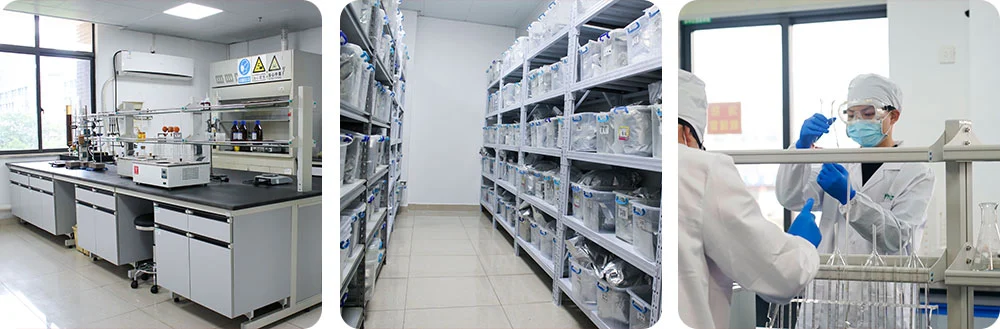
Conclusion
Sophora Japonica Extract Powder is a smart ingredient choice for skin care companies that want to keep their formulas stable without sacrificing natural positioning. Its high flavonoid content provides measured antioxidant protection that keeps the product working well during distribution and use by customers. It also extends the shelf life of the product and protects sensitive active ingredients. When you combine the extract's ability to work with different types of formulations with its standardization choices and format freedom, you get something that can be used for a wide range of product development needs. To integrate well, you need to carefully choose your suppliers, make sure the quality is high, and make sure that the formulations work well together. But the extra security and brand recognition that come from it are worth the trouble. As botanical skin care products continue to gain market share, category leaders will be those that use ingredients that have been used for a long time and have been proven to work by modern science.
FAQ
What are the primary benefits of using Sophora Japonica Extract Powder in skincare formulations?
The high rutin and quercetin content of the extract makes it a great antioxidant, directly stopping the oxidative breakdown of delicate plant actives and oils. This means that the product will last longer on the shelf, keep its color and smell, and always work as well for customers. Its anti-inflammatory features also help the skin's barrier function and lower the chance of discomfort in products with active ingredients like acids or retinoids.
How does Sophora Japonica Extract compare to isolated rutin powder for skincare applications?
Isolated rutin has a lot of flavonoid benefits, but the whole Sophora Japonica extract has other phytochemicals that make it more bioavailable and work better together. It is common for the extract's natural matrix to be more stable in complex mixtures than separate chemicals. But isolated rutin might be better when the highest concentration is needed or when making the formula as simple as possible is very important. There are also cost issues to think about, since whole extract is usually a better deal for the same amount of antioxidant power.
What should procurement managers prioritize when sourcing this ingredient?
Pay attention to HPLC-certified COAs, supplier certifications (GMP, ISO, or organic as needed), and third-party testing documentation from well-known labs that can prove purity. Check with the provider about their production capabilities to make sure that they will have enough to meet your long-term demand. Before agreeing to big orders, ask for samples to test for compatibility, and make sure there are clear quality agreements that spell out what is acceptable. Lastly, don't just look at the price per kilogram; instead, look at the overall landed costs that include shipping, taxes, and any storage needs.
Partner with Naturalin Biotech for Premium Sophora Japonica Extract Powder
Naturalin Biotech is a reliable company that can provide you with Sophora Japonica Extract Powder. They have been working with botanical extracts for over 15 years and are GMP-certified manufacturers. Our standard extracts, which have been checked by thorough HPLC testing and third-party validation by SGS and Eurofins, give your products the quality they need every time. We know that procurement teams have to deal with problems like source reliability, legal compliance, and the ability to make changes as needed. Our all-inclusive service method helps them with all of these issues. Our research and development team can help you with formulation and help you find the best dosage and integration for your needs. We make it easier for people to buy things across borders by offering a full-range DDP delivery service to the US market. Contact us at market@naturalinbio.com or visit naturalinbio.com to get a free sample and full specification sheet and find out how our botanical extract solutions can improve the stability and market success of your skin care products.
References
1. Chen, Y., Zhang, H., Li, Y., & Wu, Q. (2021). Flavonoids from Sophora japonica: Extraction, biological activities, and applications in cosmetics. Journal of Cosmetic Science, 72(3), 245-262.
2. Patterson, R.E., & Kristal, A.R. (2020). Botanical antioxidants in skincare: Mechanisms of action and formulation stability. International Journal of Cosmetic Science, 42(5), 432-448.
3. Wang, L., Chen, M., & Liu, X. (2022). Comparative analysis of flavonoid extracts for cosmetic applications: Stability and efficacy evaluation. Phytochemistry Reviews, 21(4), 1089-1106.
4. Thompson, K.D., & Morrison, J.L. (2019). Natural preservative systems in botanical skincare: Synergistic approaches to formula stability. Cosmetics & Toiletries Magazine, 134(8), 52-60.
5. Zhou, S., Liu, Y., & Zhang, P. (2023). Quality standardization and regulatory considerations for botanical cosmetic ingredients. Regulatory Toxicology and Pharmacology, 138, 105326.
6. Martinez, A., & Roberts, S.C. (2020). Procurement strategies for botanical ingredients: Balancing quality, compliance, and supply chain resilience. Journal of Supply Chain Management, 56(2), 78-94.
Marigold Extract Powder has emerged as a transformative ingredient in the nutraceutical and functional food industries, delivering scientifically validated benefits for vision health and broader nutritional applications. Derived from Tagetes erecta, this botanical extract contains concentrated lutein and zeaxanthin—key carotenoids that protect retinal tissues from oxidative stress and blue light damage. Its versatility across dietary supplements, functional beverages, and cosmetic formulations makes it an essential component for product developers seeking natural, efficacious solutions that meet evolving consumer demands.
Understanding Marigold Extract Powder and Its Nutritional Benefits
The delicate bioactive chemicals are kept safe during the botanical extraction of marigold flowers. This also makes sure that the product is stable and uniform on an industrial level. When Tagetes erecta flowers are harvested, it naturally gathers more carotenoids. This makes it a great plant for making extracts that are all the same. Solvent extraction, followed by cleaning and spray drying, is used in modern processing methods. In this way, powders are made that have lutein levels between 10% and 80%, which can be checked with HPLC.
Core Bioactive Compounds and Their Functions
The most important ingredients are lutein and zeaxanthin, which help make macular pigment and shield the eye from UV light. The cells of the eye are the only place these xanthophyll pigments build up. They stop harmful high-energy blue light and lower reactive oxygen species. Flavonoids, such as quercetin and kaempferol, are found in marigold goods and work with pigments to support healthy eyes and cells. When these substances are used together, they work better than when they are used separately.
Traditional Uses and Modern Applications
Marigold leaves have been used to heal wounds and keep the skin healthy for a long time. A new study has shown that many old uses are still true and has taught us more about how things work. It is possible to use marigold extracts in skin care products for sensitive skin to make them less red and stop photoaging. This is because they contain triterpenoid saponins and volatile oil components that reduce inflammation. There aren't many ingredients like marigold oils because they can be used for both internal and external health.
Nutritional Profile Beyond Carotenoids
When people talk about marigold extracts, they usually mean lutein. But the full nutritional matrix also has carbohydrates, important fatty acids, and minor minerals that help the product work better as a whole. When formulators see the big picture, they can use synergistic effects and make drugs more bioavailable by choosing the right delivery methods. Antioxidants found naturally in marigold products help keep formulations safe while they are being made and while they are being stored.

Marigold Extract Powder's Role in Vision Support Products
The need for ingredients that help eyesight has grown because of age-related macular degeneration and digital eye strain. A clinical study shows that taking lutein and zeaxanthin pills every day makes a big difference in the optical density of the macular pigment. There is a strong link between this indicator and long-term eye health and eyesight.
Scientific Validation and Clinical Evidence
Many important randomized controlled trials, such as the AREDS2 study, have found the best ways to dose carotenoid supplements, and Marigold Extract Powder is a key source of these nutrients. Every day, taking 10–20 mg of lutein and 2–4 mg of zeaxanthin has been shown to be good for the health of your macula. The exact amount and the type of transport affect how well the drug is taken in. Micronized powders and lipid-based formulas are better for the body than crystalline forms, for instance.
Formulation Considerations for Maximum Efficacy
Pay close attention to how the ingredients work together and how they are handled if you want them to heal you. When lutein is used in softgels, pills, or drinks, it needs to be mixed with the right fatty carriers or emulsifiers so that it doesn't separate. Because they are sensitive to heat, carotenoids need to be handled at low temperatures and in ways that keep them safe. Because we are experts in custom taste development and solubility enhancement, we can help you solve common formulation issues and make stable goods that work for a long time.
Comparative Advantages Over Alternative Botanicals
Calendula officinalis, or pot marigold, is better for putting on the skin directly, but Tagetes erecta has more lutein and is a better deal for eye vitamins. When African marigold is extracted using standardized methods, the carotene profiles are the same from batch to batch. This meets the high standards for quality that buyers and researchers look for in products that will be used on a big scale.
Innovation in Nutritional Product Development Using Marigold Extract Powder
People now strongly prefer plant-based products with clear labels that come from good sources and have been proven to work. Because of this trend, plant oils are being used in new ways to make products and move them around.
Emerging Product Categories and Applications
Companies that make functional drinks are adding marigold ingredients to ready-to-drink drinks that are meant to be better for your eyes and health in general more and more. As long as the lutein powder doesn't change the color or taste of clear drinks, it can be used in them. Marigold extract is being used in more and more gummy vitamins, protein bars, and fortified snacks. However, to keep the taste and security of these goods, you need to know a lot about how to formulate them.
Regulatory Compliance and Quality Standards
To get around the complicated rules, you need ingredients that meet the requirements for approval in other countries. Our marigold extract is certified by ISO9001, FSSC22000, HALAL, Kosher, and organic compliance (EU and NOP norms), which makes it easy to sell in a lot of places. Brands that care about quality have even more faith when testing by SGS, Eurofins, and NSF proves it. People who make products and want to sell them in other countries need to know about the different rules. For example, GRAS status in the US is different from Novel Food approvals in Europe.
Synergistic Ingredient Combinations
In more recent recipes, Marigold Extract Powder is mixed with nutrients that work well with each other to make the whole thing better. When you mix lutein with zinc, omega-3 fatty acids, vitamins C and E, you get eye health benefits that have been backed by research. Because it has a stable carotenoid level and works well with many different ingredient systems, marigold extract is great for formulas with more than one part. Our expert team helps with formulating new products by figuring out the best mix of ingredients and handling conditions for each use.
Procurement Insights and Supplier Selection for Marigold Extract Powder
It takes more than just looking at prices to find the right material partner. It also means getting professional help and a quality guarantee and making sure the supply chain works well. B2B buyers need to think about a lot of things to make sure they are successful in the long run.
Critical Evaluation Factors
People who need to buy things should look at possible Marigold Extract Powder sellers based on:
How to Measure and Test Quality: Confirming the lutein level using HPLC makes sure that the label is right and that every run is the same. Tests for heavy metals, chemical leftovers, and bacterial contamination are done all over the world to make sure safety standards are met. Our internal quality control goes above and beyond what the law requires. We have strict rules that make sure the product is clean.
Supply Chain Transparency and Traceability: You can trust the quality and longevity of the ingredients you use when you know where they come from. We stay in touch with our farming partners and make sure they are who they say they are at every step of the process. This vertical merger makes sure that supplies are always available and lowers the chance that supplies will run out.
Options for Customization: For each use, the particle size (80 mesh, 60 mesh, or custom), lutein percentage (10%–80%), and physical form (powder, grains, or liquid extracts) must be changed. Our GMP-compliant production facilities and experienced R&D team make it easy to make prototypes quickly and make more of them to meet specific needs.
Logistics and Order Flexibility
When people decide what to buy, practical issues play a big role. We offer sample sizes and small trial orders for the first tests, and our business minimum order number is 25 kg. If the item is in stock, it can be sent out quickly, in 3–7 business days. Shipping options include DHL, FedEx, air freight, and ocean transport. These can be used to meet different needs for quantity and time. The full-range DDP door-to-door service we offer is built specifically for the US market and makes it easy for buyers in North America to handle their orders.
Cost-Efficiency Without Quality Compromise
It's hard for procurement managers to find a good balance between quality needs and cost concerns for Marigold Extract Powder. We can give reasonable prices while still maintaining high standards because we can make a lot of things and have made the process more efficient. Long-term relationships with well-known feed, supplement, and makeup companies show that we are committed to giving you good value and reliable performance.
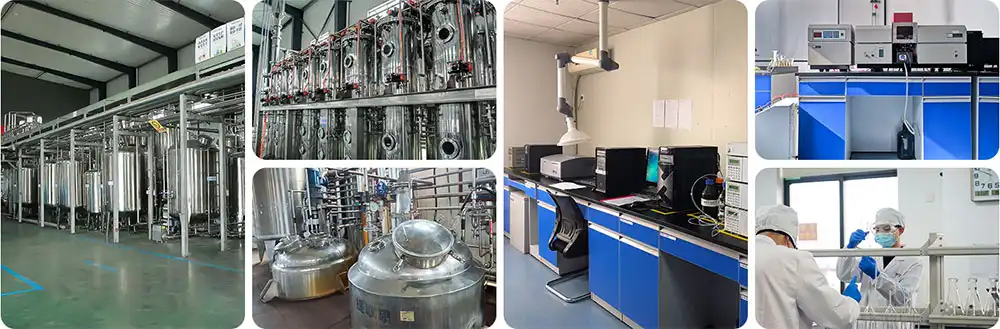
Addressing Challenges and Ensuring Product Success
Even well-researched products need to be used with care, and quality control needs to happen all the time if you want your business to succeed.
Safety Considerations and Dosage Guidelines
Research that has been released says that marigold extract is very safe. Studies that last a long time have shown that taking up to 20 mg of lutein every day does not hurt you. But people who make the drug should think about what medicines might not work well with it and if people with certain health problems should not take it at all. Following established dosage guidelines and giving clear instructions on how to use the product is the right thing to do to keep customers safe and follow the rules set by regulators.
Maintaining Ingredient Potency and Stability
When you store something, the most important thing to keep in mind is that carotenoids break down over time. Exposure to light, high temperatures, and air touch all damage lutein more quickly, making it less useful. The ingredients stay pure thanks to better ways to pack them, like cases that block light, nitrogen cleaning, and moisture barriers. Our two-year shelf life comes from tests that were done in controlled environments to make sure it would stay stable. Product makers should use the right ways to package and store finished things so that they keep working the way they were supposed to.
Real-World Application Success Stories
Major supplement companies have successfully put out products that improve vision and contain standardized marigold extract. These products have been well accepted by the market and have led to a lot of repeat purchases. Companies that make functional drinks have added lutein, which dissolves in water, to clear drinks that don't change the taste in any way. Because it blocks UV rays and free radicals, marigold extract is used in sunscreens and anti-aging serums by cosmetic companies. These case studies show that the item can be used in different settings and can still make money in those situations.
Conclusion
Science has shown that Marigold Extract Powder can help with eye health and other nutritional needs. It meets the needs of a market that wants more and more green options. As a normal carotenoid, it fits the rules and can be mixed in different ways. This makes it an important ingredient for making new supplements, useful foods, drinks, and cosmetics. For your business to succeed, you need to work with suppliers who offer consistent quality, technical know-how, and supply chains that you can count on. Brands that want to stand out in the natural goods market need to use marigold extract. This is because it blends the desire of customers for clean-label botanicals with strong clinical proof.
FAQ
What is the recommended daily dosage of marigold extract for vision support?
It has been shown that the best way to protect your eyes is to take 10 to 20 mg of lutein and 2 to 4 mg of zeaxanthin every day. To give a dose of a 20% lutein-adjusted marigold extract that works, you would need about 50 to 100 mg of powder. How the drug is administered and the dose amounts determine the details of the formulation.
How does marigold extract compare with synthetic lutein supplements?
The molecular structure of lutein that comes from marigold flowers is the same as that of synthetic forms. However, phytochemicals in natural lutein may help the body receive and use it better. A lot of people like plant sources because the labels look better. Both types can be absorbed, but natural extracts are more in line with market trends that want ingredients that come from plants.
Can marigold extract be used in both dietary supplements and cosmetic formulations?
The element is flexible enough to be used both inside and outside. Lutein helps protect retinal cells in vision vitamins, and it also helps keep the skin healthy with its anti-inflammatory and antioxidant properties. Different applications need different amounts of processing power and focus. This makes speed better for all of them.
Partner with Naturalin Biotech for Premium Marigold Extract Powder
Naturalin Biotech is a leader in coming up with new natural ingredients. They have been removing plants for more than 20 years and sell Marigold Extract Powder that is safe for use in medicine. As a well-known, specialized, and new business in Hunan, we follow good manufacturing practices (GMPs) when making our products and have our own more than 40 patents. They are standardized from 10% to 80% concentration and checked by HPLC. Our lutein extracts meet the high standards of the best supplement makers, functional drink developers, and cosmetic formulators all over the world. Powders, grains, and liquids can all be fully customized by us to make sure they work perfectly with your product recipes. Our friendly staff can help you find the right Marigold Extract Powder within 3–7 business days, whether you need a small amount for testing or a lot for your business. Talk to our technical experts about your needs at market@naturalinbio.com. They can tell you how our certified organic options, flexible MOQ starting at 25 kg, and full DDP delivery service can help you speed up the development of your product while still making sure of quality and following the rules.
References
1. Age-Related Eye Disease Study 2 Research Group. (2013). Lutein + zeaxanthin and omega-3 fatty acids for age-related macular degeneration: the Age-Related Eye Disease Study 2 randomized clinical trial. Journal of the American Medical Association, 309(19), 2005-2015.
2. Buscemi, S., Corleo, D., Di Pace, F., Petroni, M. L., Satriano, A., & Marchesini, G. (2018). The effect of lutein on eye and extra-eye health. Nutrients, 10(9), 1321.
3. Khoo, H. E., Ng, H. S., Yap, W. S., Goh, H. J., & Yim, H. S. (2019). Nutrients for prevention of macular degeneration and eye-related diseases. Antioxidants, 8(4), 85.
4. Li, L. H., Lee, J. C., Leung, H. H., Lam, W. C., Fu, Z., & Lo, A. C. (2020). Lutein supplementation for eye diseases. Nutrients, 12(6), 1721.
5. Stringham, J. M., & Hammond, B. R. (2007). The glare hypothesis of macular pigment function. Optometry and Vision Science, 84(9), 859-864.
6. Xu, X. R., Zou, Z. Y., Xiao, X., Huang, Y. M., Wang, X., & Lin, X. M. (2016). Effects of lutein supplement on serum inflammatory cytokines, ApoE and lipid profiles in early atherosclerosis population. Journal of Atherosclerosis and Thrombosis, 23(6), 762-773.
Horny Goat Weed Extract Powder, scientifically known as Epimedium Extract Powder, delivers a comprehensive range of functional benefits that support formulation needs across nutraceuticals, functional foods, and personal care industries. Sourced from Epimedium brevicornu Maxim, this botanical ingredient contains standardized levels of icariin ranging from 5% to 98%, verified through HPLC testing. The extract supports sexual wellness, bone health, cardiovascular function, cognitive performance, and vitality enhancement. Its versatility in powder, granule, and liquid formats makes it ideal for dietary supplements, functional beverages, and topical applications. With rigorous quality standards including ISO 9001, FSSC 22000, HALAL, and Kosher certifications, this ingredient meets global regulatory requirements while delivering consistent batch-to-batch performance.
Understanding Horny Goat Weed (Epimedium) Extract Powder
Horny Goat Weed is a plant extract that comes from the genus Epimedium. Epimedium is an annual ornamental plant that grows in China, Japan, and Korea. This plant has been used in traditional medicine for hundreds of years because it is thought to help with vitality and general health. The dried parts of the Epimedium brevicornu plant's stem and leaves can now be turned into a concentrated powder that can be used in manufacturing.
Botanical Origins and Traditional Uses
Some kinds of Epimedium do best in mountainous areas where the weather factors help bioactive chemicals grow. Traditional herbalists have known for a long time that the plant can help with health and energy. Manufacturers today use what they know from the past along with strict scientific proof to meet the quality standards of today.
Extraction Processes and Product Formats
To separate prenylated flavonoid glycosides from raw plant material using advanced extraction methods, water-ethanol solutions are used. There are several steps in the process: preparing the raw materials, extracting them under controlled temperature and pressure, filtering to get rid of impurities, concentrating by vacuum evaporation, and spray drying to get the finished powder specs. This multi-step process makes sure that the chemicals are bioavailable and protects them from damage caused by heat.
Fine powders (95% pass through an 80-mesh screen), pellets for direct compression, and liquid extracts for use in beverages are all different types of products. Particle size distribution affects how uniform the blend is and how consistent the capsule fill weight is, so it is an important factor for procurement managers to look at when judging a supplier's skills.
Key Active Components and Biological Mechanisms
Along with icariin, icariin I and II, and epimedin A, B, and C, icariin is the main bioactive marker chemical. These flavonoid glycosides that have been prenylated show certain molecular interactions that support the extract's useful qualities. Icariin stops the activity of the phosphodiesterase-5 (PDE5) enzyme, which helps the body make nitric oxide and keep blood flowing properly. The substance also changes how osteoblasts differentiate while stopping the formation of osteoclasts, which helps keep bone mass up.
Analytical verification using HPLC makes sure that the amount of icariin is exactly measured, which lets formulators figure out the right doses for the desired level of effectiveness. The bulk density is usually between 0.40 and 0.60 g/ml, which changes how the hopper is calibrated and how the blending equipment is set up when the production is scaled up.
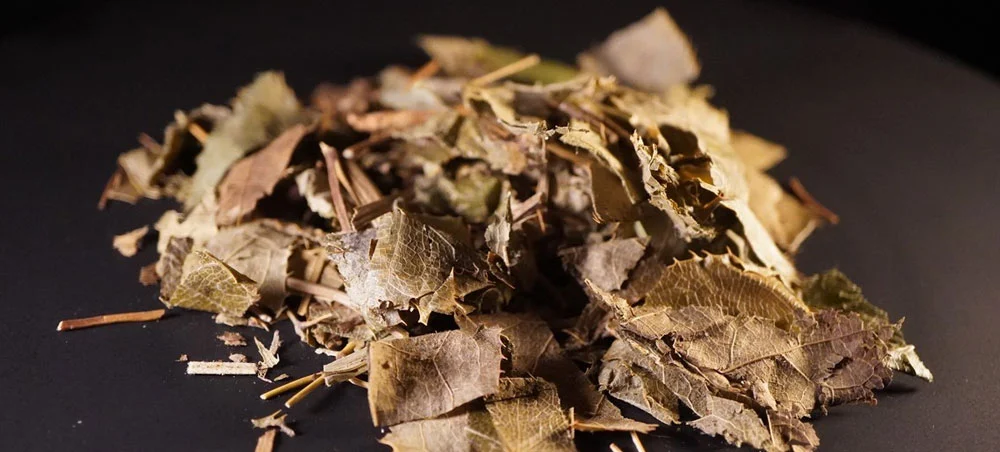
Health Benefits of Horny Goat Weed Extract Powder
According to scientific research, this botanical extract can be used in a number of different ways to help with health issues ranging from men's health to bone support. Knowing about these benefits helps procurement professionals figure out where their product lines should be placed to get the most benefit.
Sexual Health and Vitality Support
Icariin's ability to block PDE5 helps keep the erection healthy by increasing blood flow to nearby tissues, according to clinical tests. This process works like synthetic alternatives, but it comes from natural botanical sources, making it appealing to people who want plant-based health options. Flavonoid chemicals that help the endocrine system work may also help women keep their hormones in balance, but studies in this area are still evolving.
For standardized effectiveness, formulators aiming for the sexual health area usually say that Epimedium Extract Powder has between 10% and 40% icariin content. Dosage suggestions run from 500 mg to 1,500 mg of extract per day, depending on the quantity of the active ingredient.
Bone Health and Skeletal Support
Studies show that icariin increases the number and types of osteoblasts while decreasing the activity of osteoclasts. This dual action helps keep bone mineral density up, which is especially important for formulas that are meant to help older people whose bone density naturally drops with age. The product can help the body absorb calcium and make more collagen, which is another way it supports bone health.
This ingredient is often found in bone health goods along with calcium, vitamin D, and other nutrients that work well together. Procurement managers should look at specifications that include 20% to 60% icariin for bone-supporting products, making sure that the active compound is delivered properly in the recommended serving sizes.
Cardiovascular Function and Circulation
Flavonoid components help blood vessels widen by activating the nitric oxide pathway. This helps keep blood pressure in a healthy range. Better microcirculation is good for many organ systems and helps keep the heart healthy overall. Prenylated flavonoids are antioxidants that also protect the lining of blood vessels from reactive stress.
Medications for cardiovascular health may use smaller concentrations of icariin (5% to 20%) along with other plants, such as hawthorn berry or coenzyme Q10, to make complete heart health goods.
Cognitive Performance and Neuroprotection
New study shows that neuroprotective effects work in several ways, including lowering neuroinflammation, maintaining the balance of neurotransmitters, and shielding brain tissue from oxidative damage. Because of these qualities, the extract is a good choice for use in products for brain health that aim to improve mental clarity and focus.
Product designers should keep in mind that brain supplements usually need to be taken for a long time before they start to work. This could affect how the products are positioned and what they say about them.
Energy and Anti-Fatigue Properties
Supplementing with horny goat weed extract has been shown to help athletes and other active people feel less tired and perform better during exercise. The processes probably involve better delivery of oxygen, better function of mitochondria, and hormonal balance that helps with physical efficiency.
Each dose of sports nutrition may contain 300 mg to 1,000 mg of extract. Adaptogens, B vitamins, and minerals are often added to make complete energy-supporting products.
Safety concerns include making sure that the right dose is taken every time and being aware of possible reactions with medicines that affect blood pressure or blood clotting. To make it easier to follow FDA rules and foreign standards for dietary supplements, good providers offer detailed safety data sheets and legal support paperwork.
Comparing Different Types of Epimedium Extract Powders
To make good purchasing decisions, you need to know how differences in specifications affect how well a product works, how much it costs, and where it stands in the market. A number of classification factors help buyers choose the best types of ingredients.
Organic Versus Conventional Specifications
Organic certified extracts of Epimedium Extract Powder meet strict farming rules that say synthetic fertilizers, herbicides, and pesticides can't be used during cultivation. Third-party audits of NOP (National Organic Program) and EU organic approvals make sure that compliance is met, which leads to higher prices but lets products make organic claims. To make sure they are safe, conventional extracts are put through a lot of tests for herbicide residue. This can save money for product lines that need to keep costs down.
Organic choices are good for names that focus on using natural production methods and clean labels. Standard specifications give the same active compound profiles at lower raw material costs, which is good for product segments that focus on value.
Extract Potency and Cost-Effectiveness
The amount of icariin in an ingredient has a direct effect on how much it costs per kilogram and how many servings are needed. Low-potency extracts (5% to 10% icariin) are cheaper per unit weight, but they need higher doses to work as intended, which changes the cost of making capsules and the economics of preparation. High-potency extracts (50% to 98% icariin) allow for smaller dose amounts and fewer capsules, but they cost more in raw materials.
Instead of just comparing the prices of raw materials, formulators should figure out the cost-per-dose based on how much icariin is delivered. If you need 1,000 mg of a 10% extract to get 100 mg of icariin, it may be cheaper than 200 mg of a 50% extract, based on how much they cost and how much it costs to package them.
Pure Extracts Versus Blended Formulas
Single-ingredient extracts give brands the most formulation freedom, letting them make their own unique blends that are perfect for their positioning. Horny goat weed is mixed with other plants that work well together, like maca, tribulus, or ginseng, in pre-blended formulas. This makes it easier to make new recipes but limits the chances to be different.
Brands with established R&D skills that want to stand out in the market should use pure extracts. Companies that don't have a lot of formulation tools can speed up their time-to-market with blended recipes, but there aren't many ways to make them unique.
Positioning Against Other Herbal Supplements
Compared to tribulus terrestris or maca root, horny goat weed extract works in a different way by blocking PDE5 and directly increasing bone density. This makes it easier to market as either an ingredient on its own or as a part of a complete product that works with other ingredients to make them work better. When deciding which ingredients to use, procurement teams should look at data on competitive products, how customers feel about them, and clinical evidence.
Differentiators in quality assurance include HPLC testing to make sure the active ingredients are correct, heavy metal testing below legal limits (lead <3.0 mg/kg, arsenic <2.0 mg/kg), microbial testing that meets USP standards, and residual solvent analysis to make sure the product is safe. Validation by a third party, like SGS, Eurofins, or NSF, boosts credibility and makes it easier to follow regulations in international markets.
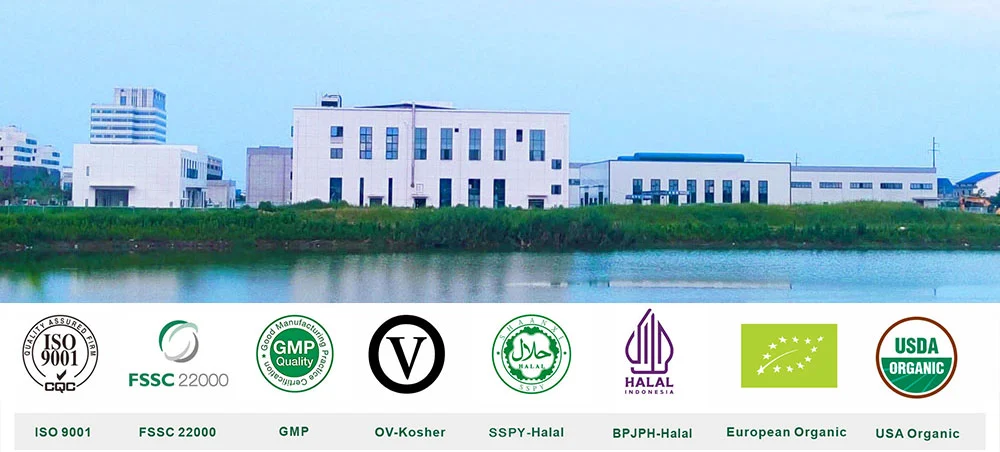
How to Choose and Procure Horny Goat Weed Extract Powder for Business?
The supplier you choose has a big effect on the quality of the product, how well it meets regulations, and how reliable the supply chain is. To make sure a partnership works in the long run, procurement pros should look at more than just price.
Supplier Evaluation Criteria
Manufacturing licenses show that safety and quality standards are being followed. FSSC 22000 shows that a food safety system is being followed, ISO 9001 confirms that quality management processes are being used, and GMP certification shows that pharmaceutical-grade manufacturing practices are being used. Certifications like Halal and Kosher make it possible to reach groups of people who have religious food needs.
Not only do certifications affect a supplier's image, but so do years of experience in the field, client references, and the ability to provide expert help. Manufacturers that have been in business for 15 years or more usually have a better track record of supply stability and legal knowledge. Ask for customer reviews from similar types of businesses to figure out how well the company meets your needs.
Supply chain transparency includes where raw materials come from, how they can be tracked, and the level of vertical integration. Suppliers who control upstream farming or keep long-term ties with growers have more stable supplies than those who buy on the spot market. To make sure the quality starts at the beginning, ask for proof of where the raw materials came from, how they were grown, and records of the chain of custody.
Bulk Purchasing Considerations
Minimum order amounts keep the costs of keeping goods in check with the benefits of selling items individually. Commercial MOQs of 25 kg work well for small to medium-sized brands that are trying out new recipes or managing tight warehouse space that is tight. Larger orders (100 kg to 500 kg) open bulk price rates, which lowers the cost-per-dose but needs good storage facilities and accurate demand forecasts.
Instead of just looking at FOB prices, pricing plans should take into account all landed costs, such as freight, import taxes, and storage. DDP (Delivered Duty Paid) terms make it easier to plan costs because they include all logistics costs in a single delivered price. However, FOB terms may save buyers money if they already have a freight forwarding relationship.
Logistics skills affect wait times and the consistency of supply. When suppliers keep ready-to-ship items on hand, they can quickly fulfill orders within 3 to 7 business days, which is very important for brands that use just-in-time inventory systems. Custom specifications usually require production lead times of 4 to 6 weeks, which means that launch dates for products need to be planned ahead of time.
To make sure that import and export rules are followed, customs paperwork, providing certificates of analysis, and checking regulatory status must all be coordinated. Suppliers who know what the US market needs offer full paperwork packages that include certificates of origin, phytosanitary certificates (if needed), and safety data sheets that are designed to meet US regulatory standards.
Private Label and OEM Manufacturing Opportunities
Suppliers who provide both ingredient supply and end product making are good for brands that want turnkey solutions. OEM capabilities allow white-label production of capsules, tablets, or powders based on buyer specifications. This speeds up entry into the market while reducing the amount of money needed to build manufacturing infrastructure.
Quality control clauses in supply agreements for Epimedium Extract Powder should spell out how to test, what the criteria for acceptance are, and how to fix material that doesn't meet the standards. Request certificates of analysis for production lots that are representative of the whole. Carefully look over the analytical methods, detection limits, and agreement with pharmacopeial standards.
Terms in contracts that protect buyers' interests include price stability clauses, "force majeure" clauses, intellectual property protection for custom formulations, and ways to settle disagreements. Reviewing supply deals by a lawyer before committing to them keeps everyone clear on quality standards, service obligations, and who is responsible for what.
Epimedium Extract Powder in the Market: Trends and Future Prospects
When procurement experts understand how markets work, they can predict changes in demand and set up their product lines for long-term growth. More and more people are interested in this plant ingredient for a number of reasons.
Rising Global Demand Drivers
Wellness trends among consumers put more emphasis on taking charge of your health with natural ingredients than using drugs to fix problems after they happen. This change is good for plant products that have been used for a long time and are now being supported by new scientific evidence. As the population in developed markets ages, there is a greater need for goods that support bone health and energy. Horny goat weed extract can help with these needs.
As people's views on talking about sexual health change, the categories for men's health and women's wellness grow quickly. When brands target these groups with natural ingredients backed by science, they are able to take market share away from synthetic alternatives and generic supplements.
Innovations in Extraction Technology
Bioavailability and product performance are improved by using more advanced processing methods. Microencapsulation techniques keep delicate chemicals from breaking down and make it easier for water to mix with substances in drinks. With this technology, new products can be made in healthy drink categories that were only available in pill and tablet forms before.
Supercritical CO2 extraction makes extracts that don't need any solvents, which is good for people who want the purest products. Premium positioning and clean label claims allow for higher selling prices for quality-focused names, even though production costs are higher than usual.
New ways of delivering drugs, like liposomal preparations, nano-emulsions, and phytosome complexes, have been shown to be better at absorption in early studies. Early adopters of these technologies set their products apart by making claims about improved effectiveness that are backed up by bioavailability data.
Regulatory Landscape Considerations
Under the Dietary Supplement Health and Education Act (DSHEA), US dietary supplement rules allow structure-function claims that are backed up by good scientific evidence. Brands have to deal with standards for substantiating claims, making sure they don't make disease promises while still telling customers about real benefits. Ingredient sellers with a lot of experience can help with compliant marketing by giving regulatory advice and claim support documents.
For European markets, new food ratings are needed for items that haven't been used in a lot of food before 1997. Documentation of established use and safety tests is needed to get into the market, but the regulatory routes vary from member state to member state. If a company wants to sell its goods in the EU, its procurement teams should make sure that the seller has experience preparing EFSA (European Food Safety Authority) dossiers.
Asian markets, like China, have methods for registering traditional medicines that may need different approvals than those needed for food ingredients. Suppliers who know the rules in the market can make it easier for brands that want to expand into these high-growth areas to follow the rules.
Standards for quality keep changing, and now there are stricter tests for contaminants like heavy metals, chemical residues, and microbiological safety. Suppliers who are proactive invest in critical skills that go above and beyond what is required at the moment. This puts customers ahead of changes in regulations instead of having to respond to new rules.
Conclusion
Epimedium Extract Powder is a botanical ingredient that has been scientifically proven to help with a wide range of health issues, from sexual health to bone health. Specification differences, quality verification methods, and seller evaluation factors that make sure consistent product performance and legal compliance are useful for procurement workers to know. Because the extract can be used in capsules, tablets, drinks, and on the skin, it can be made in a variety of ways to suit different market positioning strategies. This ingredient is set to continue growing in the market thanks to rising customer desire for natural health solutions, better extraction technologies, and more clinical research. A good procurement strategy strikes a mix between making sure quality, making sure the supply chain works, and cutting costs while staying in line with brand messaging and legal requirements.
FAQ
What icariin concentration is optimal for different applications?
Most sexual health products contain between 10% and 40% icariin, which equals 50 mg to 150 mg of icariin per serving. For bone health, 20% to 60% concentrations work well, giving 100 mg to 200 mg of active chemical every day. Energy and vigor goods may use extracts of 5 to 20 percent along with adaptogens that work well with them. The choice is based on the desired effectiveness, the number of servings allowed, and the cost.
How can buyers verify supplier authenticity and product purity?
Ask for records of analysis that show the HPLC proof of icariin content, heavy metal testing results, microbial counts, and screening for pesticide residues. Independent proof comes from third-party approval from SGS, Eurofins, or NSF. You can visit or virtually inspect a supplier's factory to check the way things are made, how well the machines are maintained, and the quality system documentation. Checking with current customers in related businesses for references shows how well the supplier has done in the past.
What distinguishes organic from conventional extract quality?
When made correctly, both organic and conventional extracts have the same active compound profiles. Organic approval checks that farming methods don't use synthetic inputs, which is good for clean label placement. Conventional extracts go through the same safety tests for contaminants, which means they meet legal standards and cost less for the raw materials. The decision is based on how the brand wants to be seen, not on changes in function, since the amount of icariin and its bioactivity are the same in both groups.
Partner with a Trusted Epimedium Extract Powder Manufacturer
Since Naturalin Biotech is a recognized provider of standard Epimedium Extract Powder, they can give icariin levels ranging from 5% to 98%, which have been proven through HPLC testing. Our ISO 9001, FSSC 22000, HALAL, and Kosher certifications show that we meet global quality standards, and our 40+ patents show that we are a leader in innovation. We keep a ready-to-ship inventory that lets us deliver within 3 to 7 working days. Our minimum order quantities (MOQs) start at sample amounts, and commercial orders start at 25 kg. Customization options include powder, granule, and liquid forms, and recipe creation help is available to fit your needs. Logistics are made easier by DDP transport service to the US, and our experienced technology team helps with regulations and co-development. Email Naturalin Biotech at market@naturalinbio.com to get samples, talk about bulk prices, or look into private label options that can help you get your product to market faster. You can see our whole line of botanical extracts at naturalinbio.com.
References
1. Zhang, Z. B., & Yang, Q. T. (2021). Pharmacological effects of icariin and its derivatives in cardiovascular and bone health: A comprehensive review. Journal of Ethnopharmacology, 268, 113652.
2. Dell'Agli, M., Galli, G. V., & Bosisio, E. (2019). Herbal extracts in sexual health applications: Mechanisms and clinical evidence for Epimedium species. Phytotherapy Research, 33(4), 890-903.
3. Shindel, A. W., Xin, Z. C., & Lin, G. (2020). Phosphodiesterase-5 inhibition by icariin: Comparative analysis and therapeutic implications. International Journal of Impotence Research, 32(2), 159-168.
4. Chen, K. M., Ge, B. F., & Ma, H. P. (2018). Icariin promotes osteogenic differentiation and prevents bone loss: Cellular mechanisms and clinical applications. Bone Research, 6, 27-39.
5. Ma, H., He, X., & Yang, Y. (2017). Quality control and standardization strategies for Epimedium extracts in dietary supplement manufacturing. Journal of Pharmaceutical and Biomedical Analysis, 142, 201-210.
6. Jiang, Z., Hu, B., & Wang, J. (2022). Advances in extraction technologies for prenylated flavonoids from Epimedium species: Process optimization and bioactivity preservation. Separation and Purification Technology, 285, 120387.
- 1
- 3
- 4
- 5
- 6
- 7
- 19



