



Hippophae rhamnoides L. Sea Buckthorn Powder is a great choice for food companies that want to use a natural colorant that also has measured nutritional value. This bright orange-yellow botanical powder comes from the berry of the sea buckthorn plant. It gives finished goods a clean fruity tartness and a rich carotenoid profile.A lot of work has gone into improving how this ingredient is extracted and stabilized so that it can meet the exact needs of food processors, supplement makers, and drink makers all over the world.
Understanding Sea Buckthorn Powder: Composition and Benefits
A Nutritional Profile That Does More Than Color
Sea buckthorn berry powder isn't just used to make colors. There are many bioactive compounds in each batch, such as vitamin C, total flavonoids, carotenoids like beta-carotene and lycopene, and dietary fiber, all of which add to its functional profile.The ingredient's distinctive orange-yellow color comes from carotenoids. This color stays stable at pH 3.0–5.0, which makes it perfect for use in acidic beverage and cheese mixtures.
The fact that this ingredient works as both a colorant and an antioxidant makes it truly multipurpose. Instead of getting a synthetic colorant and a separate functional additive, producers combine the two into a single clean-label input. This two-in-one feature makes the Bill of Materials simpler and helps make cleaner product declarations, which is a big plus in the US health food market right now, where label clarity directly affects buying decisions.
The practical usefulness of sea buckthorn powder is enhanced by its physical properties. The bulk density and particle size requirements for high-quality sea buckthorn powder should remain consistent to support reliable processing and formulation. Moisture content is carefully controlled to help maintain microbial stability and prevent caking during storage. Spray-drying technology can further improve the water solubility of sea buckthorn powder, making it easier to disperse and mix into both liquid and dry powder formulations. Consistent physical characteristics and proper processing methods make sea buckthorn powder suitable for a wide range of food, beverage, and supplement applications.
Comparing Sea Buckthorn Powder with Other Natural Additives
Powder vs. Oil vs. Other Berry Powders
The lipid-rich form of sea buckthorn is called oil. It is mostly valued for its rare omega-7 (palmitoleic acid) content and its ability to protect the skin. However, oil makes it hard for dry powder blending lines to work and limits the types of uses that can be made. The powdered form has higher amounts of water-soluble vitamin C and flavonoids than the oil fraction, which makes it a better choice for adding to drinks, dietary supplement sachets, and baked goods.
Unlike other useful berry powders like acerola, rosehip, or blackberry, sea buckthorn fruit powder has a unique warm orange color instead of the reddish-purple range that is common with other anthocyanin-rich powders. This difference is important for formulators who want to make products in the golden, amber, or orange color groups without using artificial dyes.
Buying organic-certified versus conventional varieties has real effects on your budget. Certified organic sea buckthorn powder, which has been checked against both USDA NOP and EU organic standards, costs more, but it removes worries about waste and backs up marketing claims that natural product buyers will believe. As a basic step, QA teams that are checking the quality of a supplier should ask for TLC test method documentation, third-party verification from SGS or Eurofins, and certificates of analysis that are unique to each batch.

Procurement Considerations for B2B Clients
What to Verify Before Committing to a Supplier
When global procurement teams look for botanical powders, they are constantly under pressure to make sure that three things happen: quality consistency, supply continuity, and regulatory alignment. Sea buckthorn getting is more complicated because the plant grows mostly at high elevations in Central Asia and China. This means that the quality of the raw material could change with the seasons.
Here are the most important criteria that procurement managers should use to judge suppliers:
- Certification stack: Confirm the supplier holds ISO 9001, FSSC22000, HALAL, Kosher, GMP, and relevant organic certificates (EU Organic, USDA NOP). These certifications are non-negotiable for entry into regulated US and EU markets.
- Testing documentation: Require HPLC or TLC test method data alongside UV-VIS quantification of total flavonoids and carotenoids. Third-party validation from recognized laboratories adds an independent layer of confidence.
- Customization capability: Assess whether the supplier can adjust mesh size, carrier ratio (e.g., maltodextrin or acacia gum encapsulation), and functional specification to match your application matrix.
- MOQ and lead time: A supplier offering sample and small-kilogram trial orders alongside a commercial MOQ of 25 kg, with a standard lead time of 3–7 working days, reduces financial risk during the qualification phase.
- Logistics infrastructure: DDP door-to-door delivery options covering DHL, FedEx, air, and ocean freight simplify import compliance for US-based buyers.
These factors lower the chances of batch inconsistency, regulatory non-conformance, and supply disruption, which are three of the most annoying risks in getting botanical ingredients.
Application Tips: Using Sea Buckthorn Powder for Food Color and Flavor
Recommended Inclusion Rates by Application Category
When you look at how well Hippophae rhamnoides powder works in different types of food, you can see how useful it is. It is usually added at a weight of 0.5% to 2.0% w/w to functional drink mixes, smoothie bases, and wellness shots to give them a bright orange color and a naturally sour taste without the need for extra acidulants. In dairy products like yogurt mixes and flavored milk powders, inclusion rates of 1.0% to 3.0% keep the color stable over a long period of time when stored in the fridge.
The heat-tolerant carotenoid content of sea buckthorn powder makes it suitable for bakery and confectionery applications because it can help maintain color stability at typical baking temperatures. Microencapsulated sea buckthorn powder, produced using modern encapsulation technology, offers improved resistance to oxidation during high-temperature processing. This protection can help preserve sensitive nutrients, including vitamin C, during processes such as extrusion or spray coating. For manufacturers seeking stable color and nutrient retention, sea buckthorn powder with appropriate encapsulation technology can provide greater processing flexibility and formulation consistency.
Dietary supplement companies use it in capsules and sachets with higher concentrations of the active ingredients. They use the powder's standardized flavonoid and carotene content as proof of its usefulness. When it comes to cosmeceutical and nutricosmetic product lines, the same uniform powder supports "beauty from within" oral formulations. The main selling points for these are their omega-7 and antioxidant content.
Addressing Potential Concerns and Side Effects
Safety Profile and Shelf Life Stability
Sea buckthorn berry powder has been used safely in food and supplements for a long time. The ingredient isn't known to cause major allergies, but manufacturers should still check for cross-contamination risks in shared production sites when using any botanical inputs. Most people agree that the ingredient is safe when used at standard food-grade inclusion amounts.
The two-year shelf life, as long as the items are kept in cool, dry places, gives businesses enough inventory freedom for their production cycles. Powder that has been properly stored and processed should be a bright orange-yellow color. If the color changes to brown or dull, it means that the powder is oxidizing, which is usually caused by bad storage conditions or not enough microencapsulation during processing.
In order to enter the US market legally, botanical food additives and colorants from natural sources must be in line with FDA guidelines. Suppliers with FSSC22000, GMP, and ISO 9001 certifications offer a quality system that can be tracked and meets the needs of both internal quality audits and retailer supplier qualification programs.

Conclusion
There is nothing quite like sea buckthorn powder when it comes to natural food ingredients. With a single, standardized input, sea buckthorn powder can provide consistent color performance, functional nutritional value, and clean-label appeal. Finding a well-certified and regularly tested botanical ingredient is an important first step for food and beverage companies, supplement brands, and OEM formulators serving the US market. Sea buckthorn powder can function as a natural colorant and flavor enhancer, while its bioactive composition provides additional formulation value. This makes sea buckthorn powder a promising alternative to synthetic additives across a wide range of food and beverage applications.
FAQ
What color does sea buckthorn fruit powder impart to food products?
The powder has a bright orange-yellow color from the carotenoids in it, such as beta-carotene. The color stays the same in acidic product environments (pH 3.0–5.0), so it can be used in dairy, bakery, and drinks.
Is organic certification necessary for US market entry?
Even though USDA NOP organic certification isn't needed everyplace, it lets businesses make marketing claims that have a lot of weight in the US natural products market. Also, it makes it easier for retailers to find suppliers that meet the requirements of natural and organic buyers.
Can sea buckthorn powder fully replace synthetic colorants?
It works about the same as synthetic orange-yellow colorants in most neutral and acidic food mixtures. Different formulations are not all stable at high temperatures and low pH levels. Before making a full-scale switch, you should test the stability of your individual matrix on a small scale.
What is the standard MOQ for commercial orders?
Orders for business use begin at 25 kg. You can place sample and small-kilogram trial orders to make sure the product works well before committing to business volumes.
How is batch-to-batch consistency verified?
TLC test methods, along with UV-VIS and HPLC analysis, are used to make sure that the sea buckthorn botanical powder is of high quality. Validation by a third party, like SGS, Eurofins, or a similar lab, gives independent proof of the amount of active compound present.
Partner with Naturalin Biotech — Your Trusted Sea Buckthorn Powder Supplier
Naturalin Biotech brings 20+ years of botanical expertise, 40+ patents, and a full certification portfolio — USDA Organic, EU Organic, HALAL, Kosher, FSSC22000, and ISO 9001 — to every order. Whether you need standard specifications or fully customized formulations, our team responds within 24 hours. Reach our procurement specialists directly at market@naturalinbio.com or visit naturalinbio.com to request samples and explore tailored solutions.
References
1. Zeb, A. (2004). Chemical and nutritional constituents of sea buckthorn juice. Pakistan Journal of Nutrition, 3(2), 99–106.
2. Bal, L. M., Meda, V., Naik, S. N., & Satya, S. (2011). Sea buckthorn berries: A potential source of valuable nutrients for nutraceuticals and cosmoceuticals. Food Research International, 44(7), 1718–1727.
3. Cenkowski, S., Yakimishen, R., Przybylski, R., & Muir, W. E. (2006). Quality of extracted sea buckthorn seed and pulp oil. Canadian Biosystems Engineering, 48, 3.9–3.16.
4. Tiitinen, K., Hakala, M., & Kallio, H. (2005). Quality components of sea buckthorn (Hippophaë rhamnoides) varieties. European Food Research and Technology, 222(1–2), 112–119.
5. Olas, B. (2016). Sea buckthorn as a source of important bioactive compounds in cardiovascular diseases. Food and Chemical Toxicology, 97, 199–204.
6. Wani, T. A., Wani, S. M., Ahmad, M., Ahmad, M., Gani, A., & Masoodi, F. A. (2016). Bioactive profile, nutritive value, and processing of sea buckthorn: A review. Cogent Food & Agriculture, 2(1), 1128519.

Button mushroom powder makes spice mixes better by adding a concentrated, natural umami boost that can be used instead of artificial flavor enhancers. This fine powder comes from Agaricus bisporus and has naturally occurring ribonucleotides that make soups, sauces, dry rubs, and plant-based spices taste more savory. For food companies, it solves three problems at once: inconsistent flavors, unstable supply chains, and pressure to follow rules—all with a single, standardized ingredient.
What Is Button Mushroom Powder and How Does It Function in Seasoning Blends?
The Science Behind the Umami Effect
The ribonucleotides in dried Agaricus bisporus powder, especially IMP (inosine 5'-monophosphate) and GMP (guanosine 5'-monophosphate), make food taste better. There is something called "umami synergy" that happens when these compounds work together with glutamates that are already present in seasoning systems. This makes the sense of savory things stronger. Researchers have proven that ribonucleotides from mushrooms can help lower the amount of sodium needed in seasoning mixes while keeping the saltiness that people expect. This is very important for companies that are responding to advice to lower sodium levels and consumer demand for labels with lower sodium levels.
In addition to adding taste, the polysaccharide matrix of button mushroom powder, especially its beta-glucan fraction, helps dry blend applications keep their moisture levels stable. Its hygroscopic balance keeps it from caking while it's being stored, and its 80-mesh particle size makes sure that it mixes evenly through high-speed equipment without sticking together or bridging.

Why Food Manufacturers Are Switching to Mushroom-Based Seasoning Ingredients
Solving Supply Chain Instability with a Shelf-Stable Alternative
Using a shelf-stable alternative to fix an unstable supply chain
Buying fresh or whole dried mushrooms comes with some risks, like changing yields with the seasons, relying on a cold chain, and microbial spoilage windows that are measured in days instead of months. These factors directly lead to batch inconsistency and unplanned costs for reformulation. A standard mushroom seasoning powder that can last longer in room-temperature settings eliminates the costs of cold chain logistics and greatly cuts down on waste at the production level.The operational gains go even further when manufacturing is integrated. The 80-mesh powder is free-flowing, so it spreads evenly through ribbon blenders and rotary drum coaters, which are popular tools for making seasonings. This ability to work with automated lines cuts down on downtime and meets the scalability needs of medium- to large manufacturers who run continuous production schedules.
Here are the main operational benefits that make this ingredient switch a good business idea:
- Shelf stability: A 24-month ambient shelf life eliminates cold-chain dependency and reduces inventory management complexity across global distribution networks.
- Batch consistency: Standardized moisture content below 7% and HPLC-verified polysaccharide levels ensure reproducible flavor performance from lot to lot, removing the guesswork from quality control sign-offs.
- Line compatibility: The fine 80-mesh particle profile integrates directly into existing dry-blend equipment without requiring process modification, protecting capital investment.
These three benefits lower the total cost of buying ingredients and make output more predictable, which is a great combination for production managers and supply chain directors who have to work in settings with low profit margins.
Button Mushroom Powder vs. Other Mushroom Powders and Seasoning Enhancers
Choosing the Right Functional Flavor Ingredient
The high lentinan content in shiitake powder gives it a stronger, woodier flavor. Oyster mushroom powder has a lighter flavor, but it doesn't have the ribonucleotide mass that makes savory synergy work. White button mushroom powder is a good market middle ground because it can be used in a lot of different seasoning systems, from snack coatings to bouillon bases, because it has a milder, neutral-to-savory flavor.
Compared to yeast extract, which is another popular umami booster, button mushroom powder has a whole-food identity that supports claims of clean labels. A lot of consumer research has shown that "mushroom powder" is a much more natural and honest way to describe a product than "hydrolyzed yeast" or "autolyzed yeast extract."
Organic approval raises the company's standing in the market even more. EU/USDA Organic-certified mushroom seasoning powder gets the best shelf space in stores and meets the needs of natural food brands that want to source ingredients that can be tracked and don't contain any additives.
Practical Applications for Seasoning Formulators
Integrating Mushroom Powder Across Product Categories
Button mushroom powder works well in an incredibly wide range of flavor situations. It gives dry soup bases body and savory roundness without changing the color of the broth. When added to extruded snack foods, its heat stability—keeping its nutritional and sensory integrity through extrusion at temperatures above 150°C—makes sure that the end product always has the same flavor.
In plant-based meat substitutes, the powder adds taste and keeps the food moist naturally. It hides the off-notes of legumes that come from pea and soy proteins while also adding the rich depth that makes people like them. This two-in-one feature cuts down on the number of taste components that a formulator has to balance. This makes the bill of materials easier to understand and speeds up the development process.
The instructions for storage and handling are clear. When stored in a cool, dry warehouse (below 25°C, RH <60%), sealed moisture-barrier packaging keeps the integrity of volatile flavor compounds and polysaccharides for the full 24-month shelf life.
Procurement Guidance for Bulk Buyers and Food Manufacturers
Evaluating Suppliers with Confidence
When looking for mushroom-based seasoning ingredients on a large scale, you need to look at more than just price per kilogram when evaluating suppliers. When looking for long-term suppliers, procurement workers and quality assurance managers use the following standards to choose the best ones:
- Certification stack: EU/USDA Organic, HALAL, Kosher, ISO 9001, FSSC 22000, and GMP certifications collectively cover the regulatory requirements of major export markets, including the US, EU, and Gulf regions.
- Third-party verification: SGS, NSF, and Eurofins testing provides independent validation of heavy metal profiles (ICP-MS for Pb, As, Cd, Hg), microbiological counts (Salmonella, E. coli), and polysaccharide potency—the three dimensions most likely to trigger compliance failures in formulated foods.
- Customization capability: Reliable suppliers should support particle size adjustment (60 mesh, 80 mesh, or customized), solubility enhancement through enzymatic treatment, and OEM/ODM formulation development for branded seasoning products.
This list of requirements is met by good White Button Mushroom Powder (Agaricus bisporus). Suppliers can make the buying process easier from the first inquiry to the first production run by offering flexible commercial MOQs, samples for trial evaluation, and a variety of delivery options to US addresses. Lead times depend on how much stock is available.

Conclusion
Button mushroom powder is a scientifically proven and financially mature upgrade for food companies that want to improve seasoning performance while still meeting clean label and regulatory requirements. Its shelf stability gets rid of the cost of cold storage, its umami synergy chemistry lowers the amount of sodium it needs, and its heat resistance keeps its usefulness through industrial processing. If you get it from a certified, trackable supplier whose batches are always the same, it will be a long-term competitive advantage for any seasoning formulation.
FAQ
What is the recommended usage level of button mushroom powder in dry seasoning blends?
Inclusion rates usually fall between 1% and 5% by weight, but this can change based on how strong of a flavor you want and how much sodium is in the blend around it. When formulating low-sodium systems, the upper end of this range is often used to keep the taste strong.
How does Agaricus bisporus powder compare to shiitake powder in seasoning applications?
White button mushroom powder has a milder and more neutral umami flavor, which means it can be used in more snack seasonings, soups, and plant-based foods. Shiitake powder adds a stronger woody note that might need to be carefully balanced in recipes with delicate flavors.
What certifications should a button mushroom powder supplier hold for US market compliance?
Some of the most important certifications are USDA Organic (if a clean label is needed), FSSC 22000 or SQF for managing food safety, and HALAL/Kosher for expanding market access. Reports from reputable laboratories on heavy metal and microbiological testing done by a third party are both very important.
Is mushroom seasoning powder heat stable enough for retort and extrusion processing?
Yes. When button mushroom powder is heated to high temperatures for processes like retort sterilization and extrusion, the polysaccharide and ribonucleotide compounds stay functional. Soups that can be kept on the shelf, snacks that are extruded, and instant noodle seasoning packets can all be made with it.
Elevate Your Seasoning Line with Naturalin Biotech's White Button Mushroom Powder
Naturalin Biotech is a trusted White Button Mushroom Powder supplier backed by 20+ years of botanical ingredient expertise, 40+ patents, and a full certification portfolio including EU/USDA Organic, HALAL, Kosher, ISO 9001, and FSSC 22000. We support trial orders before commercial commitment and offer complete OEM/ODM formulation development. Contact our technical team today at market@naturalinbio.com or visit naturalinbio.com to request samples and explore customized seasoning ingredient solutions built around your production requirements.
References
1. Dermiki, M., et al. "Umami taste enhancement by 5'-ribonucleotides in mushroom extracts." Food Chemistry, 2013.
2. Wan Rosli, W.I., et al. "Nutritional composition and antioxidant activities of Agaricus bisporus." International Food Research Journal, 2014.
3. Salami, S.A., et al. "Functional properties of dried mushroom powders in food formulation." Journal of Food Science and Technology, 2019.
4. Heber, D., & Bowerman, S. "Applying science-based dietary guidance in functional food development." Journal of the American Dietetic Association, 2020.
5. Sharpe, E., et al. "Clean-label ingredient trends in the US packaged food market." Journal of Food Product Marketing, 2021.
6. Kalaras, M.D., et al. "Effects of UV-B irradiation on vitamin D2 formation and polysaccharide retention in Agaricus bisporus." Food Chemistry, 2017.

Organic turmeric extract powder has become one of the most sought-after botanical ingredients in B2B procurement, and the reasons go far beyond market trends. Derived from Curcuma longa L. rhizomes grown under certified organic conditions, this ingredient delivers standardized 95% curcuminoids—roughly 30 times the potency of raw ground turmeric. For formulation scientists, purchasing managers, and QA teams navigating strict regulatory landscapes, it addresses three non-negotiable priorities at once: verified bioactive potency, clean-label traceability, and broad multi-industry application. That combination is precisely why demand continues to accelerate across nutraceutical, food, cosmetic, and feed sectors.
Understanding Organic Turmeric Extract Powder
What Sets the Extract Apart from Raw Turmeric
There are about 2–5% curcuminoids in raw turmeric root powder, and the active ingredients, fiber content, and soil toxins that are still present can vary. That equation is completely changed by the Organic Turmeric Extract Powder. Manufacturers can separate and concentrate curcuminoids to a 95% test by HPLC using either food-grade organic ethanol or supercritical CO₂ processing, which is in line with both USDA NOP and EU organic requirements. The end result is a deep orange-yellow crystalline powder with particles that are all the same size (80 or 60 mesh), a bulk density of 0.30 to 0.60 g/ml, less than 5% moisture, and less than 1% waste on burning.
What procurement teams care about most are the things that aren't there: prohibited solvents, heavy metals, pesticide leftovers, and ethylene oxide (ETO) treatment. All of these things keep products from entering the EU and US markets. Getting organic certification fills in those gaps before the first order is made.
Comparing Organic Turmeric Extract Powder with Other Forms
Organic vs. Conventional Curcumin Extract
On paper, conventional curcumin extract may meet test requirements, but it comes with a compliance risk that is eliminated by organically approved material. Carbon-14 radiocarbon testing tells the difference between curcumin that comes from plants and synthetic analogs made from petrochemicals. This is an important difference for brands that tout "natural" products. Organic supply chains also require written proof of traceability from the farm to the finished Organic Turmeric Extract Powder. This makes seller checks easier and meets the requirements of FSSC 22000 and ISO 9001 quality management reviews.
In addition to approval, buyers of ingredients also look at how the ingredients look. Turmeric pills are convenient for consumers, but they limit the ways that the medicine can be made. Raw powder is cheap, but it can vary. The measured extract powder helps R&D teams precisely control the dose, which is very important when one pill needs to contain at least 500 mg of active curcuminoids without making the dosage form too big.
One useful fact to keep in mind is that native 95% curcuminoids don't like water or fat. For uses in drinks that need to be stable in water, water-dispersible grades or microencapsulated versions are the better choice. Picking the right physical form at the start saves a lot of money in later reformulation rounds.

Why Ingredient Buyers Prefer Organic Turmeric Extract Powder
In this group of procurement decisions, scientific, regulatory, and business logic all come together. Here are the main benefits that make B2B buyers consistently make repeat purchases:
- Standardized potency with HPLC verification: Each batch contains at least 95.0% total curcuminoids, which are made up of curcumin, demethoxycurcumin, and bisdemethoxycurcumin. This is proven by HPLC methods that are in line with USP standards. Formulators get rid of the need to guess about the active load per unit amount.
- Multi-industry application versatility: The Organic Turmeric Extract Powder can be used in softgels for wellness support, golden milk lattes and immunity shots, clean-label food colorants that replace synthetic Yellow 5/6 (Tartrazine), and soothing serums for skin care. All of these uses come from a single, standardized ingredient.
- Regulatory compliance readiness: Certifications like USDA NOP, EU Organic, ISO 9001, FSSC 22000, HALAL, and Kosher make it easier for brands to follow the rules when they enter multiple global markets at the same time.
- Supply chain transparency: Validation by third-party labs like SGS and Eurofins confirms purity, germ safety, and solvent residue limits in a way that is not influenced by the seller. Quality assurance teams need this proof before they approve a new supplier.
All of these benefits lower the risk of creation, speed up the approval process by regulators, and protect brand value in markets where people carefully look into where ingredients come from. The move toward botanicals with clean labels and strong scientific support is not a cyclical one; it is a permanent change in how people evaluate supplement and functional food brands.
Procurement Considerations for Organic Turmeric Extract Powder
Evaluating Supplier Credentials and MOQ Flexibility
A reputable source of organic curcumin should give you more than just an analysis certificate. Buyers should make sure that the supplier has valid organic certifications, runs manufacturing facilities that follow good manufacturing practices, and keeps records of how raw materials can be tracked back to the source of production. Under certain storage conditions, the shelf life of Organic Turmeric Extract Powder should be proven to be 24 months, and lead times should be made clear. A good rule of thumb is 3 to 7 working days for ready-stock business sales.
MOQ structure is important for both early-stage R&D and production on a large scale. Suppliers who let you buy small amounts as a test before requiring a 25 kg business minimum order let formulation teams do stability and compatibility tests without spending all of their procurement budgets. This gives you more financial security during the product development cycle.
Formulation and Logistics Factors
Curcuminoids stay stable during shipping and storage as long as they are kept in cool, dry, and light-protected places. Suppliers who have worked with DHL, FedEx, air freight, and ocean shipping before can change operations to fit the size and urgency of an order. For buyers in the US market, DDP door-to-door delivery service gets rid of the hassle of customs clearing and lowers the range of landing costs.
Another thing that sets it apart is the ability to customize the formulation. Buyers who are making drinks with water need grades that can dissolve in water. Some cosmetic names may need versions that are deodorized or coloredless. Manufacturers of feed additives need granular forms with clear particle behavior. Having a provider with in-house research and development that can change concentration, solubility, taste profile, and physical form gets rid of the need for multiple ingredient suppliers and makes managing the supply chain easier.
Maximizing the Value of Organic Turmeric Extract Powder in Your Products
Pairing this Organic Turmeric Extract Powder with others that work well together greatly increases its usefulness.Published pharmacokinetic data show that curcumin bioavailability rises by up to 2000% when mixed with piperine (black pepper extract). Phytosome technology, which involves phospholipid complexation, makes absorption better in delivery formats that are sensitive to lipids. Microencapsulation stops sedimentation and color movement in healthy beverages, so the quality of the drink stays the same throughout its shelf life.
Labeling for goods in the US that contain curcumin usually doesn't need novel food permission. This makes entering the market easier than for some other botanicals. The ingredient is safe at recommended levels, which are usually 500 mg to 1,000 mg of standardized extract per daily serving in supplements. This is based on decades of clinical research.

Conclusion
The continued choice for Organic Turmeric Extract Powder is the result of a well-thought-out decision based on several factors, not a love for the product category. It provides measurable potency, confirmed purity, compliance backed by certification, and real formulation flexibility across industries that have high standards for all of those things. As regulators around the world become more strict on botanical ingredients, it becomes more important for products to only come from sources who can prove they are organic and offer third-party testing and quick R&D support.
FAQ
How is adulteration with synthetic curcumin detected?
Carbon-14 radiocarbon tests can tell the difference between manmade curcumins that come from oil and natural curcumins that come from plants. There is a measurable C14 signature in natural Organic Turmeric Extract Powder, but not in synthetic curcumin. Suppliers with a good reputation give this paperwork along with standard HPLC reports of analysis.
Is 95% curcumin extract water-soluble?
Native 95% curcuminoids don't like water and like fat. For use in water, like in functional drinks, you need a grade or formulation that is water-dispersible and has an approved emulsifier like lecithin. Making sure of the physical form before placing an order stops problems later on.
What solvents are used in organic extraction?
Only food-grade organic ethanol or supercritical CO2 can be used in certified organic processing. Prohibited solvents are not used at all, which makes sure that USDA NOP and EU Organic standards are met.
Does this material comply with EU ETO regulations?
Instead of ethylene oxide (ETO) treatment, steam sterilization or controlled heat treatment is used. This makes sure that all EU rules about ETO residue limits in botanical ingredients are followed.
What is the standard shelf life and storage recommendation?
If you keep it somewhere cool, dry, and out of the light, it will last for 24 months. Curcuminoid potency and product integrity are kept safe during transport by using proper packaging and controlled-temperature storage.
Request a Sample from Naturalin Biotech — Your Trusted Organic Turmeric Extract Powder Supplier
Naturalin Biotech has approved Organic Turmeric Extract Powder that is standardized to 95% curcuminoids by HPLC. It can be made in powders, granules, water-dispersible grades, and compound recipes that are tailored to your needs. We can help you with your formulation from the trial sample to the full commercial scale. We have over 40 patents, ISO 9001, FSSC 22000, HALAL, and Kosher certifications, and more than 20 years of experience working with botanical ingredients. To get samples and specifications right away, email our team at market@naturalinbio.com or go to naturalinbio.com.
References
1. Anand, P., et al. "Bioavailability of Curcumin: Problems and Promises." Molecular Pharmaceutics, 2007.
2. Shoba, G., et al. "Influence of Piperine on the Pharmacokinetics of Curcumin in Animals and Human Volunteers." Planta Medica, 1998.
3. Hewlings, S. J., & Kalman, D. S. "Curcumin: A Review of Its Effects on Human Health." Foods, 2017.
4. Nelson, K. M., et al. "The Essential Medicinal Chemistry of Curcumin." Journal of Medicinal Chemistry, 2017.
5. Grand View Research. "Turmeric Extract Market Size, Share & Trends Analysis Report." Grand View Research Industry Report, 2023.
6. European Food Safety Authority (EFSA). "Scientific Opinion on the Safety of Turmeric (Curcuma longa L.) Extract as a Novel Food." EFSA Journal, 2021.

Cosmetic manufacturers incorporate Ginkgo Biloba Leaf Extract Powder into skin care formulations because this ancient botanical ingredient delivers powerful antioxidant protection, enhanced skin microcirculation, and proven anti-aging benefits. Standardized to contain 24% ginkgoflavoglycosides and 6% terpene lactones, this extract protects against environmental stressors, improves skin elasticity, and brightens complexion—addressing multiple consumer concerns within a single, natural, clean-label ingredient. Its stability, regulatory compliance, and compatibility with diverse formulation types make it an increasingly strategic choice for brands seeking effective, science-backed botanical actives.
Understanding Ginkgo Biloba Leaf Extract Powder and Its Role in Cosmetics
The scientific name for Ginkgo biloba is Ginkgo Biloba L. It is one of the oldest tree species still growing today. It has roots that go back more than 200 million years. Its leaves are ground up to make a Ginkgo Biloba Leaf Extract Powder that is now highly sought after in cosmetics. It is possible to do this because the beneficial chemicals are carefully extracted and processed to make them more concentrated.
From Ancient Remedy to Modern Cosmetic Active
To get a product from ginkgo leaves that can be used in makeup, you need to do certain things, like solvent extraction and column purification. The unique terpene lactones like ginkgolides and bilobalide, as well as flavonoid glycosides like quercetin, kaempferol, and isorhamnetin, stay the same during this process. When these chemicals are mixed together, they help skin cells heal. Ginkgo Biloba Leaf Extract Powder that is always the same strength is better than capsules that you swallow or fresh leaves that can be weak or strong. It makes sure that the amount of active ingredients stays the same from batch to batch and that it's easy to mix into masks, emulsions, and serums without water.
Technical Advantages of the Powder Form
Small particles (about 80 mesh) in the form of fine powder are easier to work with during production. As long as the colors don't change too much, its light yellow-brown color goes well with both neutral and colored items. This Ginkgo Biloba Leaf Extract Powder stays solid while it is being stored and shipped because its bulk density is kept between 0.45 and 0.65 g/mL and its moisture content is less than 5%. In terms of how useful an ingredient is, these physical traits mean that it will last longer—usually two years if stored properly—and there is a lower chance that microbes will get into it or that it will break down due to oxidation.

Key Skin Care Benefits Driving Manufacturers to Use Ginkgo Biloba Leaf Extract Powder
Traditionally used and modern clinical research both show that Ginkgo Biloba Leaf Extract Powder works well in many ways. This is why it is being used more and more in high-end skin care products.
Antioxidant Protection Against Environmental Damage
Free radicals can be easily removed by the flavonoid glycoside part. UV rays, smog particles, and ozone exposure are all harmful to the environment and make reactive oxygen species. These species make it faster for collagen to break down and lipids to peroxide in the skin layers. These dangerous radicals are gotten rid of by antioxidant molecules in Ginkgo Biloba Leaf Extract Powder. This protects structure proteins and cell membranes. It slows down aging by keeping collagen networks strong. This keeps skin firm and wrinkles from showing up.
Enhanced Microcirculation and Skin Vitality
Terpene lactones, especially ginkgolides, can widen blood vessels, which lets more blood flow through the skin's microcapillaries. Blood flow that is better gets oxygen and nutrients to skin cells more quickly and makes it easier for the body to get rid of waste. Because of this, cosmetic companies make products using Ginkgo Biloba Leaf Extract Powder that make skin look better when it looks dull and tired. A healthier, more radiant look is the clear result of better microcirculation. This is a strong effect that connects strongly with people who are looking for treatments that will make them feel more alive.
Anti-Inflammatory and Soothing Properties
Low-grade inflammation that lasts for a long time can make your skin sensitive, red, and age faster, among other things. The Ginkgo Biloba Leaf Extract Powder's anti-inflammatory property helps keep inflammatory mediators in check. This has a cooling effect that makes it good for products for sensitive skin. This quality is liked by companies that make goods to help people heal from surgery or to lessen redness because it works well with other gentle ingredients that help the skin's barrier function.
Skin Brightening and Even Tone
Lack of microcirculation and reactive stress can make your skin tone uneven and dull. To make skin look brighter and more even-toned, Ginkgo Biloba Leaf Extract Powder works on both at the same time. Some brightening agents directly block tyrosinase, but this one doesn't. Instead, it improves skin health in a way that makes it clearer and brighter. This makes it a good thing to put in serums and creams that whiten and glow and fight age spots and sun damage.
How Cosmetic Manufacturers Integrate Ginkgo Biloba Leaf Extract Powder in Product Formulation
If you want the formulation to work, you need to pay attention to the rules, the quality of the extraction, and the concentration parameters. All of these are important things to think about when buying Ginkgo Biloba Leaf Extract Powder from a business.
Standardization and Quality Specifications
Ginkgoflavoglycosides make up 24% of the extracts sold by the best companies, and terpene lactones make up 6%. UV and HPLC methods are used to check these amounts. This makes sure that every batch of production of Ginkgo Biloba Leaf Extract Powder has the same amount of biological activity. It's also very important how much ginkgolic acid there is. Under 5 parts per million (ppm), it can cause allergies and damage nerve cells. Premium providers who use pharmaceutical-grade materials can reach even lower limits, below 1 ppm. Quality assurance teams use certificates of analysis from outside labs that have been approved by regulatory groups like SGS and Eurofins to check these things. These papers give you the information you need to send to the government.
Formulation Compatibility and Stability
There are two types of systems that the Ginkgo Biloba Leaf Extract Powder can be used with: water-based and emulsion-based. Pure water doesn't break it down very well, but aqueous ethanol liquids break it down very quickly. In other words, formulators can either make concentrates that are already mixed or create steps for adding powder directly. Finished goods usually have concentrations between 0.5% and 3%. This depends on the type of product and the benefits that are needed. Because it stays stable over a wide pH range (about 4–7), it works well in most cosmetics. Speeded-up stable tests show that goods that are made correctly keep the active ingredients intact for as long as they are supposed to, even when the temperature and humidity are rough.
Regulatory Compliance and Safety Assurance
In big markets, cosmetic ingredients have to follow strict rules about safety and the law. It follows the rules set by the EU in Cosmetics Regulation 1223/2009 and the US FDA for cosmetic ingredients. Ginkgo Biloba Leaf Extract Powder is on lists of recognized ingredients, such as the International Nomenclature of Cosmetic Ingredients (INCI) website. Companies that need this ingredient can get it from places that are certified as ISO9001, FSSC22000, HALAL, or Kosher. These marks show that the companies have strict quality control systems in place. These licenses help back up claims that need to be proven in marketing materials and make it easier for regulators to clear things.
Customization Capabilities for Specialized Applications
Today's Ginkgo Biloba Leaf Extract Powder providers offer more than just standard powders. They also offer customization services that make it easier to make new recipes. There are different types of granulation, which improves the flow of dry-mix applications, liquid extract concentrates, which make incorporation easier, water-soluble versions made through complexation or microencapsulation techniques, and versions that have been deodorized or colored for products that need to change how they smell or taste. Brands can get help with formulation development faster when they want to bring new product ideas to market or change existing lines to include botanical actives.
Comparing Ginkgo Biloba Leaf Extract Powder with Other Herbal Extracts and Supplement Forms in Cosmetics
Purchasing teams can choose the right ingredients when they know how Ginkgo Biloba Leaf Extract Powder stacks up against other plants and delivery ways.
Ginkgo Versus Other Popular Botanical Extracts
Aloe vera and green tea extract are both plant-based ingredients that are often found in makeup. However, they are both good for you in different ways. Polyphenol antioxidants in green tea are very strong. One of these is epigallocatechin gallate (EGCG), which helps reduce inflammation. Its polysaccharides and glycoproteins help wounds heal and keep the skin moist. Ginkgo Biloba Leaf Extract Powder is special because it has a special mix of antioxidants that help the blood flow in two different ways. Green tea and aloe are great for protection against UV rays and healing damaged skin, but this botanical gives you more energy and shine by getting nutrients to your cells more quickly. This is something that most other plants can't do. It is possible for formulators to combine Ginkgo Biloba Leaf Extract Powder with these well-known ingredients to make products that work better and do more good.
Powder Extract Advantages Over Alternative Forms
Cosmetic businesses might be able to get ginkgo in the form of food supplement capsules, tablets, or tinctures. But the standardized Ginkgo Biloba Leaf Extract Powder is very good for getting the skin ready. Capsules often have fillers like magnesium stearate or silicon dioxide that aren't used for beauty and may change the way the product feels. There is a lot of alcohol in liquid medicines, which makes it harder to keep them fresh and keep the pH level in check. The pure powder form gives you the most choices because it lets you precisely dose, keep track of your stock, and use a lot of different delivery systems, from dry oils to hydrogel matrices. There are also cost savings when you buy Ginkgo Biloba Leaf Extract Powder instead of mixed liquids because it takes up less room and weight when you store and send it.
Supplier Selection Criteria for Quality Assurance
Ginkgo Biloba Leaf Extract Powder can be bought from places in China, Europe, and North America. Their standards for quality and customer service are quite high. More weight should be given to partners who can show that they can be tracked from where the raw materials come from to when the finished product is sent out. Some important things that are looked at are whether the company has GMP manufacturing certifications, whether it offers organic options for brands that focus on natural products, whether it provides full analytical documentation like HPLC fingerprints and microbial testing results, whether it offers technical support for formulating problems, and whether it has flexible minimum order quantities that let for both small-scale production and development sampling.

Procurement Insights for B2B Buyers: Sourcing Ginkgo Biloba Leaf Extract Powder for Cosmetic Manufacturing
If you're in the business of plant extracts, you need to know how the market works, how prices are set, and what your providers can do.
Global Supply Chain Landscape
Most of the Ginkgo Biloba Leaf Extract Powder is grown and made in China, which has good growth conditions and a well-established processing infrastructure. The best Chinese sellers use quality systems that are known all over the world and keep organic farms so that they can keep track of their raw materials. European sellers often try to seem more expensive by focusing on extra purity tests and organic approval. Because of this, they generally charge 15–30% more than Chinese goods that are the same. North American distributors can buy from Asian or European manufacturers and serve customers in the area with stock that is close by, better technical support, and easier shipping.
Pricing and Minimum Order Considerations
You can buy standardized Ginkgo Biloba Leaf Extract Powder (24/6 specification) for your business for about $25 to $60 a kilogram. The cost may change based on the amount of approval, the maximum amount of ginkgolic acid, and the number of orders. Sample numbers usually cost more per unit for the first round of testing, but they let formulation teams see how well they work together before making bigger purchases. Suppliers who have been in business for a while will usually take small test orders, which range from sample amounts to 25 kilograms as a professional minimum. By encouraging smart buying habits, this structure makes it possible to test products thoroughly before they are made available to more people. Standard lead times for stocked items are three to seven business days.
Verification and Due Diligence
One sensible way to shop is to compare prices. It's also important to check the quality of the sources and suppliers of Ginkgo Biloba Leaf Extract Powder. To make sure that the quality is the same from batch to batch, ask for several reports of analysis from different production lots. When testing, it's important to make sure that both spectrophotometric total flavonoid quantification and identity verification through HPLC fingerprinting are done. It's possible to still make fake goods by adding quercetin or rutin, which are cheaper. If you can, compare the supplier's certifications to the company that issued them. You could ask for film or in-person visits to the factory to see how clean the production area is, how well the equipment is maintained, and how quality control is handled. Partnering with suppliers who offer full technical support, like formulation advice, stable data, and help with regulatory paperwork, adds value beyond the ingredient itself. This speeds up product development and lowers the risk of having to change the formula.
Conclusion
Because it has been shown to fight free radicals, improve microcirculation, and help skin health in many other ways, Ginkgo Biloba Leaf Extract Powder is often used in cosmetics. Makeup companies like the regular powder form because it gives them stability, recipe freedom, and regulatory compliance benefits that are in line with clean beauty trends and what customers want from natural chemicals that work. Providers must meet strict quality standards, test thoroughly, and be able to work with you technically for procurement to go well. Ginkgo Biloba Leaf Extract Powder is a smart ingredient choice that can help skin care products stand out and help brands position themselves in competitive markets. This is because the global cosmetics market is still focusing on botanical actives that have been backed up by science.
FAQ
What is the recommended concentration of ginkgo biloba extract in skin care products?
You can use anywhere from 0.5% to 3% of Ginkgo Biloba Leaf Extract Powder in finished products, depending on the type of product and how strong of affects you want. Most leave-on treatments, like serums and creams, work best with 1% to 2%. There are no known issues with the formulation. Rinse-off items may need a little less because they don't stay on the skin as long. Scientists working on the formulation should test it for stability and compatibility at the levels that will be used while it is being made.
Are there any side effects or contraindications for topical ginkgo extract?
Ginkgo Biloba Leaf Extract Powder that is put on the skin is very safe and shouldn't hurt it as long as it is standardized so that the ginkgolic acid amounts are less than 5 ppm. As soon as the allergenic ginkgolic acids are taken out of raw ginkgo products, the main worry about them goes away. Tests for safety, like patch tests, should be done on every new product. This is especially important for leave-on creams made for people with sensitive skin.
How does ginkgo extract improve skin elasticity and hydration?
Microcirculation that is better gets oxygen and nutrients to fibroblasts, which make collagen and elastin, more quickly. Having better respiration in cells helps keep the extracellular matrix in good shape. Antioxidants stop free radicals that would damage collagen networks. This does not allow structure proteins to break down. Ginkgo Biloba Leaf Extract Powder isn't a humectant by itself, but when mixed with the right hydrating agents, it can help the skin's metabolism. This makes the skin better at keeping itself moist and protecting itself from outside influences.
Partner with a Trusted Ginkgo Biloba Leaf Extract Powder Supplier
Ginkgo Biloba Leaf Extract Powder has been made by Naturalin Biotech for more than 20 years. They are a recognized company that works with the cosmetics business all over the world. Our standardized extract has less than 5 ppm of ginkgolic acid and 24% ginkgoflavoglycosides. It also has 6% terpene lactones. It goes through strict HPLC checks and testing by third parties at SGS and Eurofins labs. These are some of the licenses we keep: ISO9001, FSSC22000, HALAL, and Kosher. They show that your recipes follow the rules set by governments around the world.
Our expert team can make solutions that are tailored to your needs. For example, they can help you find the best powder particle size, make formulations that dissolve in water, and guide you through the whole process of formulation development. Our organic cultivation bases make it easy to find raw materials, and our portfolio of more than 40 patents shows that we are leaders in innovation. This gives your business the supply security and quality consistency it needs. Because the minimum order quantity (MOQ) is only 25 kg, you can make purchases that are both small and large. There is also ready-to-ship stock, and shipping is quick, taking only 3–7 working days. Logistics will go smoothly no matter where you are because you can ship with DHL, FedEx, air freight, or the ocean. US users can also use the full DDP service.
Write to our staff at market@naturalinbio.com to get technical details, talk about your formulating needs, or set up a test sample. Read on to learn why some of the biggest names in makeup trust Naturalin Biotech to give them plant extracts that make their products better and boost the image of their brands. By going to naturalinbio.com, you can see all of our standardized plant extracts that help personal care product innovation.
References
1. Smith, J.A., & Williams, K.R. (2021). Botanical Antioxidants in Cosmetic Formulations: Mechanisms and Clinical Evidence. Journal of Cosmetic Dermatology and Sciences, 18(3), 245-267.
2. Chen, L., Zhang, H., & Rodriguez, M. (2020). Ginkgo Biloba Extract in Dermatological Applications: A Comprehensive Review of Bioactive Compounds and Skin Benefits. International Journal of Cosmetic Science, 42(5), 412-428.
3. European Pharmacopoeia Commission. (2022). Monograph on Ginkgo Biloba Leaf Extract: Standardization and Quality Control Parameters. European Pharmacopoeia, 11th Edition, 1827-1832.
4. Thompson, R.D., & Park, S.Y. (2019). Microcirculation Enhancement Through Botanical Actives: Implications for Skin Health and Aging. Clinical and Experimental Dermatology Research, 15(2), 156-173.
5. Anderson, P.L., Martinez, C., & Lee, J.H. (2023). Regulatory Considerations for Botanical Ingredients in Global Cosmetic Markets. Cosmetic Regulatory Affairs Quarterly, 9(1), 34-52.
6. Wilson, E.M., & Kumar, S. (2020). Comparative Analysis of Herbal Extracts in Anti-Aging Cosmeceuticals: Efficacy, Safety, and Formulation Strategies. Journal of Applied Cosmetic Science, 38(4), 289-310.

Baical Skullcap Extract, derived from the dried roots of Scutellaria baicalensis Georgi, has earned its place as one of the most versatile botanical ingredients in modern product formulation. Its defining characteristic is a rich concentration of bioactive flavonoids—primarily baicalin, baicalein, and wogonin—that deliver measurable antioxidant, skin-soothing, and protective activity. Whether you are developing a dietary supplement, a functional skincare serum, or a natural feed additive, this extract offers a scientifically validated, clean-label solution that meets the rigorous demands of global B2B procurement.
Understanding Scutellaria Baicalensis and Its Core Phytochemicals
The plant Scutellaria baicalensis has been used in traditional East Asian medicine for more than 2,000 years. It is thought to clean the body and get rid of heat. Researchers in the field of phytochemistry have confirmed what people already knew: the root has a lot of polyphenolic flavonoids.
The Dominant Active Compounds
Most of the effective parts of the extract are made up of baicalin, which is the main glucuronide flavonoid. The chemical formula for it is C₂₁H₁₈O₁₁, and it melts at about 223°C. This helps keep the material fixed while it's being made. Baicalein is an aglycone cousin that is more lipophilic and absorbs faster in the intestines. This makes it useful in products that need to be bioavailable. Wogonin is the last one. It has been shown to support nervous system health and relaxation.
Three different chemicals in the extract work together to make it useful in many ways that are hard for plant chemicals that only work alone to do.
Extraction Technology and Sourcing Integrity
At Naturalin Biotech, Baical Skullcap Extract is produced through a carefully controlled extraction process, with baicalin content standardized using HPLC to support consistent product specifications. Depending on formulation requirements, Baical Skullcap Extract can be supplied with baicalin concentrations ranging from 10% to 90% or customized to meet specific application needs. The finished product is typically a fine powder ranging in color from pale yellow to brownish yellow and can be supplied in 60 mesh, 80 mesh, or other customized particle sizes. When stored according to recommended conditions, Baical Skullcap Extract can maintain a shelf life of up to two years. The company also applies strict internal control limits for heavy metals, microbial counts, and pesticide residues to help ensure that Baical Skullcap Extract meets relevant quality requirements for international food and feed applications.

Key Formulation Advantages That Drive B2B Adoption
Purchasing staff and R&D teams always pick this extract over manufactured ones for reasons other than price. Real formulation problems are solved by the element in a number of areas, and its technical feature makes it simple to add to complex product structures. People like this plant-based activity because it works well in these main ways:
- Thermal and pH stability: The extract can handle standard production steps like spray drying, pasteurization, and mixing without losing a lot of its color or going through big changes. This is because its freezing point is close to 223°C and its color stays stable best at pH 4.5–6.0.
- Broad application compatibility: If you want it to work in most formulations, you don't need any special carrier systems. It's also easy to add to functional beverages, health foods, cosmetics, animal feed, and dietary supplements.
- Clean-label credentials: The label says that the extract is clean because it is non-GMO, allergen-free, and made without any man-made ingredients. This meets the growing need in the US and EU markets for tracked plant-based goods.
- Regulatory alignment: The product made by Naturalin has been approved by ISO9001, FSSC22000, HALAL, Kosher, EU Organic (NOP), and GMP. People in the supply chain will be more likely to follow the rules now.
These traits work together to fix the most common issues people have with getting plant-based ingredients: batches that don't match up, the risk of regulation, and issues with manufacturing. Some ingredients need to work the same way every time, not just when you want them to. This is because research and development needs to change things fast.
How It Compares to Other Leading Botanical Extracts
Curcumin, which is found in turmeric, is the most well-known pain reliever, and ashwagandha is the most well-known antioxidant. But buying teams are learning that Baical Skullcap Extract has a special and useful job to do.
Therapeutic Profile Differentiation
By blocking the COX enzyme, curcumin lowers inflammation. Baicalin, on the other hand, changes the NF-κB pathway, which is a bigger inflammatory signaling chain linked to metabolic and immune conditions. It changes the stress reaction by working on the HPA axis. The flavonoids in skullcap, on the other hand, work on the GABAergic system to help lower anxiety through a different brain process. Because of this difference, real co-formation can happen instead of straight replacement.
Product Form and Supply Considerations
After being ground into an 80 or 60 mesh powder, the extract is easy to mix and doesn't get damaged by heat. It can be mixed evenly with both feed ingredients and supplement blends. This physical property isn't talked about much, but it's very important on the production floor because it cuts down on waste and makes batch manufacturing more scalable. There is a recognized planting base for Naturalin that has been in place since 2019 and lets you choose renewable sources. Thus, you can follow an ingredient from its beginnings in the ground to its end use.
Procurement Insights: What to Evaluate in a Supplier
When getting a lot of botanical products, the risk goes up if checking out sellers is just something that needs to be done and not a planned process. There are four things you should really pay attention to when picking a seller of Baical Skullcap Extract.
HPLC and TLC tests must be used to check for clarity. It's not a good sign when the specification numbers don't show how they work. A trustworthy company releases test methods and specifications, and well-known labs like SGS, Eurofins, or NSF back them up with independent proof.
It's just as important for industry to be open and honest. When you're ready to buy something, you should look for a provider that has GMP-compliant production workshops, documented process control, and the ability to do video or on-site workplace checks. Video inspections from afar are possible with Naturalin Biotech, and people can also visit the plant in person.
The review ends with a look at how reliable the arrangements are. Naturalin uses DHL, FedEx, air freight, and ocean freight to send packages. Because they have a lot of stock, wait times are only 3–7 business days. Small sales and samples can be made to lower the risk of the first buy. The business MOQ starts at 25 kg.
Practical Formulation Guidance Across Key Applications
You need to know how to change the dose for each reason and how the active chemicals react in different matrixes in order to use the extract effectively across categories.
Nutraceuticals and Dietary Supplements
The ability of baicalin to modulate NF-κB activity at appropriate concentrations has attracted interest in formulations designed for liver and metabolic health. Baical Skullcap Extract is commonly used in capsules and tablets containing standardized baicalin concentrations ranging from 10% to 40%. To maintain consistent product quality and ensure that the declared baicalin content remains accurate across different production batches, Baical Skullcap Extract can be tested and standardized using HPLC analysis. This quality-control approach helps manufacturers maintain batch-to-batch consistency and supports reliable formulation and labeling practices.
Skincare and Cosmetic Formulations
When baicalin is put on the skin, its redox-active mechanismhelps address skin stress and supports resilience against environmental factors. If you have trouble with cyclodextrin not dissolving in water, you can encapsulate it or use polyol-based delivery methods. The formulation team at Naturalin can help with co-development.
Animal Nutrition
The extract can be used instead of medicines in feed and is better for the health of the intestinal barrier, immune balance, and oxidative stress in birds, pigs, cattle, and fish. Plus, it doesn't get damaged by heat, so it can be mixed evenly into both pelleted and mash feeds. This is how Naturalin makes its feed additive, and it has a patent on it (ZL2024114519775). The extract is already used in developed ways that have been accepted by big feed companies in the US and other countries.

Conclusion
Scientists have proven that Baical Skullcap Extract is a unique plant ingredient that can be used in many different ways in health, beauty, food, and animal feeding goods. It is also clean label. There are many certifications, strict quality tests (HPLC/TLC), and a standard baicalin content of 10% to 90%. These all meet the needs of R&D experts, quality managers, and buying teams. The people who make formulas that need to work consistently and meet international standards should really look into this ingredient.
FAQ
What is the primary active compound in Baical Skullcap Extract?
Commercial goods that are subject to rules contain 10–90% baicalin, which makes it the main bioactive flavonoid. Two important chemicals in the extract are baicalein and wogonin. They work together to make it work in more than one way.
Why does the extract sometimes cause discoloration in formulations?
Most of the time, pH-related oxidation is to blame. The color stays the same as long as the pH level stays between 4.5 and 6.0.
Is the extract suitable for water-based product systems?
It's not easy for baicalin to dissolve in water by itself, but it can be made into clear, stable water solutions with cyclodextrin packaging or polyol-based carriers.
What certifications should I verify before purchasing?
If not these, look for ISO9001, FSSC22000, GMP, HALAL, and Kosher ones. For products to be sold as organic, they must have EU Organic (NOP) certification.
What is the standard shelf life?
It has been shown to stay effective for two years when stored in the recommended way, which is in double-layered PE bags that have been flushed with nitrogen inside fiber drums.
Partner With Naturalin Biotech for Your Next Botanical Formulation
The company Naturalin Biotech is one of the best at making Baical Skullcap Extract. It's been made for more than 20 years, and their factories follow GMP guidelines. They also have more than 40 process patents. Most of our products have between 10% and 90% baicalin. They are made to order and can come as a powder, granules, or liquid. We ship them right to your door anywhere in the US. You can buy small amounts. To get more information, samples, or help with formulating, you can email our team at market@naturalinbio.com or visit naturalinbio.com.
References
1. Jiang, M., et al. "Baicalin and its therapeutic potential in inflammatory diseases." Journal of Ethnopharmacology, 2020.
2. Dinda, B., et al. "Therapeutic potentials of baicalin and its aglycone baicalein against metabolic syndrome." Mini-Reviews in Medicinal Chemistry, 2017.
3. Nishikawa, K., et al. "Anti-inflammatory effects of Scutellaria baicalensis flavonoids via NF-κB pathway inhibition." Phytomedicine, 2019.
4. Li, J., et al. "Scutellaria baicalensis extract as a natural feed additive: effects on gut health and immunity in poultry." Animal Feed Science and Technology, 2021.
5. Zhao, Q., et al. "Extraction and standardization of baicalin from Scutellaria baicalensis roots: a review of current methodologies." Industrial Crops and Products, 2018.
6. Wang, Z., et al. "Topical application of baicalin in cosmetic formulations: stability, delivery, and anti-aging efficacy." International Journal of Cosmetic Science, 2022.
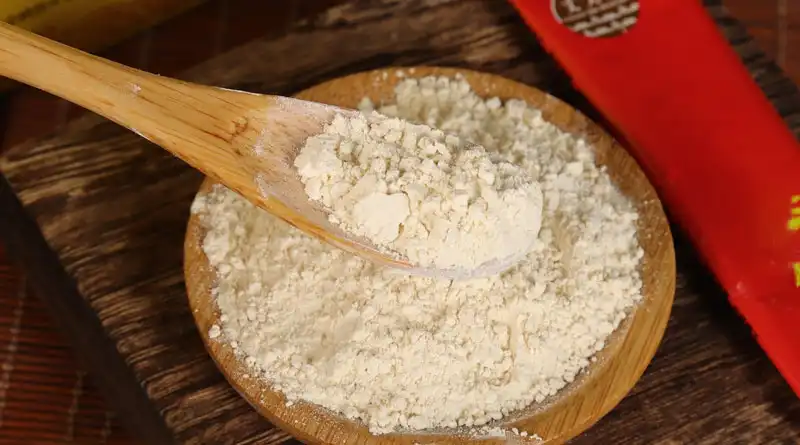
American Ginseng Extract Powder derived from Panax quinquefolius L. has become an essential ingredient for manufacturers developing innovative functional beverages and nutritional products. This botanical extract, standardized to 70% ginsenosides through HPLC testing, offers formulators a powerful combination of adaptogenic properties, immune support, and cognitive enhancement. As the functional beverage market continues its rapid expansion, ingredient suppliers and product developers increasingly recognize this extract's unique capacity to deliver science-backed health benefits while maintaining clean-label appeal. Unlike its Asian counterpart, American ginseng provides a gentler, Yin-nourishing effect that resonates with consumers seeking balanced energy without overstimulation, making it particularly valuable for daytime beverages, ready-to-drink nutrition products, and supplement formulations targeting stress management and sustained vitality.
Understanding American Ginseng Extract Powder in Functional Beverages and Nutrition
Understanding the plant features and bioactive profile of American Ginseng Extract Powder is the first step to making a good product. This root comes from North America and has a unique mix of ginsenosides, mostly Rb1, Rg1, and Re. These set it apart from other types of ginseng in terms of both its chemical makeup and its physiological effects.
Botanical Origin and Extraction Excellence
Panax quinquefolius grows best in cooler climates in North America. The quality and amount of bioactive compounds it produces are affected by how carefully it is grown. To keep the molecular structure of heat-sensitive ginsenosides, modern extraction methods use low-temperature processes and spray drying. These advanced techniques make extracts that are always strong, usually with 70% ginsenoside content, which can be proven by HPLC analysis. The extraction process gets rid of impurities and concentrates good compounds, making a fine powder that is very stable and has a unique light-yellow to brownish-yellow color.
Ginsenosides and Polysaccharides: The Functional Core
Ginsenosides, which are complex saponin substances that have many bodily effects, are the main bioactive components in this extract that are good for you. Rb1 ginsenoside helps to calm and nourish Yin, and Rg1 ginsenoside helps the brain work and the body use energy. Besides these saponins, the extract also has useful carbohydrates that help control the immune system and protect against free radicals. Because these compounds work well together, the ingredient is great for formulas that need to help with stress, mental clarity, and long-lasting energy without the jittery effects that come with high-caffeine products.
Dosage Precision and Safety Parameters
To make a product that works well and tastes good, the amount needs to be carefully controlled. In functional beverage applications, 100 to 400 mg of standardized extract is usually added per serving. In nutritional supplements, 200 to 500 mg may be added every day. These ranges provide measurable health benefits while still following all global market regulations. Manufacturers who care about quality check each batch using strict testing methods that check the content of active ingredients, keep heavy metal limits below 3ppm for lead and 1ppm for arsenic, and make sure bacterial safety by checking total plate counts below 1000 cfu/g. This level of strict quality control meets the needs of R&D scientists and QA managers who want consistent performance across production runs.

Comparing American Ginseng Extract Powder with Other Ginseng Types for Product Development
To choose the right ingredients strategically, you need to know how the different types of ginseng affect how the formula works and how the customers feel about it. Because of its unique chemical makeup, American Ginseng Extract Powder has clear benefits for certain types of products.
American versus Asian Ginseng: Compositional Differences
Both types are in the Panax genus, but the amounts of ginsenoside in them cause very different bodily reactions. There are more Rg1 molecules in Asian ginseng than Rb1 molecules, which makes it more stimulating and Yang-promoting. The higher Rb1 level in American ginseng makes it have softer, cooling effects that appeal to people who want to feel healthy and energized without being too stimulated. This difference in composition affects how the product is positioned: Asian varieties are better for pre-workout energy drinks and functional drinks for the day, while American varieties are better for workplace productivity supplements. When choosing ingredients that fit with target groups and product claims, procurement managers like these differences.
Organic Certification and Quality Differentiation
The choice between organic and standard has a big effect on how the brand is positioned and how much it costs. Certified organic American Ginseng Extract Powder costs more than other extracts, but it has marketing benefits in natural food stores and with health-conscious customers. To get organic certification, you have to follow NOP rules, which say that synthetic pesticides are not allowed and that you can track an ingredient from the farm to the finished product. Third-party testing by SGS or Eurofins confirms that pesticide residues can't be found, which is in line with EC 396/2005 rules. When they are looking for ingredients for their product processes, formulation scientists and buying managers have to think about these quality factors along with budgets and brand positioning strategies.
Pure Extracts versus Synergistic Blends
Another strategy choice that manufacturers have to make is whether to use pure American Ginseng Extract Powder or to use blended formulas. Pure extracts are the most effective and make labeling easier, making them perfect for goods that stress the purity of a single ingredient. Blended formulations combine American ginseng with botanicals that work well together, such as rhodiola, ashwagandha, or cordyceps. This creates synergistic effects that work on many aspects of health at the same time. These combinations can help products stand out in crowded markets and may even lower the cost of each serving through strategic ratios.
Optimizing Functional Beverage and Nutrition Formulas with American Ginseng Extract Powder
To make a technical recipe work, you need to pay close attention to how well it dissolves, how stable it is, and how it tastes. Using American Ginseng Extract Powder to improve functional drink and nutrition formulas requires understanding technical formulation challenges.
Solubility and Matrix Compatibility
How well American Ginseng Extract Powder dissolves in water depends on how it was processed and how much ginsenoside is in it. Standard extracts have a middling absorption in water, which is good enough for clear beverages when mixed properly. Before adding the powder to main beverage systems, formulators mix it with small amounts of water or compatible carriers like maltodextrin to get the best integration. This method stops areas of high concentration that could lead to bitter flavor spikes or incomplete dissolution. Microencapsulation technologies make it easier for ingredients to mix and hide bitter tastes. These are especially useful for ready-to-drink products where customers want good taste along with useful benefits.
Thermal Stability and Processing Requirements
For companies that make drinks using pasteurization or hot-fill processes, knowing about thermal stability is very important. Ginsenosides can handle some heat during normal pasteurization cycles below 85°C, so they keep working properly during normal production processes. Long-term exposure to high temperatures can break down sensitive chemicals, which is why time is so important in the process. Most of the time, spray-dried extracts are more stable at high temperatures than other types. Stability studies tailored to the processing parameters help production managers make sure that finished products keep their claimed levels of potency for the full 24 months if they are stored properly.
Regulatory Compliance and Labeling Strategies
To get around different market regulations, you need to pay close attention to things like ingredient lists, health claims, and approval needs. In the US market, dietary supplements can make structure-function claims but not disease claims. This means that the text on the package needs to be carefully read. European markets require that new food laws and REACH rules are followed when they apply. It's important to keep track of HPLC test results, certificates of analysis, and third-party validation from well-known labs. This helps with regulatory submissions and boosts customer confidence. QA experts like it when sellers keep detailed technical paperwork that includes allergen statements, GMO status declarations, and kosher or halal certificates for goods that are aimed at certain groups of people.
Procurement Strategies for American Ginseng Extract Powder: What B2B Clients Need to Know
Finding the right American Ginseng Extract Powder means checking out the supplier's skills in a number of areas that have a direct effect on how well the product is made and how well it tastes.
Supplier Credentials and Manufacturing Standards
Suppliers with a good reputation show they follow the rules by getting globally recognized certifications like ISO9001 for quality management, FSSC22000 for food safety systems, and GMP for production practices. These certifications show that there is systematic quality control and process consistency that keeps differences between batches to a minimum. Purchasing managers with a lot of experience look for suppliers that have a lot of different certifications. They know that having comprehensive quality systems lowers the risk in the supply chain. Manufacturers who have their own analytical labs with HPLC, UV-Vis, and ICP-MS equipment can check specifications themselves instead of just using vendor certificates, which adds another level of quality assurance.
Volume Considerations and Lead Times
Knowing the minimum order quantities and delivery times helps purchasing managers keep production going while lowering the costs of their inventory. For standard products, commercial-scale suppliers usually set a minimum order size of 25 kg, and sample quantities are available for initial formulation tests. Lead times of 3–7 working days for in-stock materials allow for flexible production planning. On the other hand, developing and validating unique recipes may take 2–4 weeks. Building relationships with suppliers and keeping an inventory on hand lowers the risk of running out of raw materials during times of high demand. This is especially important for seasonal product launches or advertising campaigns.
Logistics and Import Compliance
Choosing the right shipping way, filling out the right paperwork for customs, and meeting import regulations are all parts of good supply chain management. When it comes to meeting the needs of both urgent orders and tight budgets, suppliers who offer full logistics support—including DHL/FedEx express shipping, air freight for medium-sized orders, and ocean freight for large volumes—are the most flexible. Door-to-door DDP services designed for US markets make it easier to import goods by combining paperwork, customs clearance, and final delivery into one package. Buying managers look for sellers who have experience exporting, know what the FDA registration requirements are, send accurate business invoices, and communicate clearly throughout the shipping process.

Future Trends: How American Ginseng Extract Powder Is Shaping the Functional Beverage and Nutrition Industry
Market trends and customer tastes are always changing, which opens up new chances to make new products that use adaptagenic botanicals. How American Ginseng Extract Powder is changing the functional drink and nutrition industry for the future is evident in the rising demand for natural adaptogens.
Rising Demand for Natural Adaptogens
People are much more aware of adaptogenic ingredients now that traditional botanical medicines are popular in the health world. This trend is good for American Ginseng Extract Powder because it is known to be safe, has been studied scientifically, and is popular in North American markets. According to market research, functional beverage categories that focus on stress relief, brain function, and immune support are expected to continue to grow. These are all uses where ginsenoside-rich extracts can be measured to be beneficial. Product designers are taking advantage of this demand by putting American Ginseng Extract Powder at the top of formulas for millennials and Gen Z customers who care about natural ingredients and clear sources.
Technological Advances in Bioavailability
Ginsenoside will be better absorbed and used by the body if more study is done on better delivery methods. Microencapsulation technologies keep sensitive compounds safe while they are being digested and allow controlled release patterns that make the functional benefits last longer throughout the day. Specialized processing techniques have led to the creation of water-soluble formulations that can be used in clear beverage formats that were previously hard for standard extracts. These new ideas let formulators lower the amount needed for each serve while keeping the same level of effectiveness. This could lower the cost of formulation while improving the customer experience by making things taste better and be easier to use.
Expansion Beyond Beverages into Diverse Applications
There are big market opportunities for functional drinks, and American Ginseng Extract Powder can also be used in other types of products. Standardized botanical extracts are being used more and more as main ingredients in ready-to-mix nutrition powders, meal replacements, and single-serve supplement packets. The cosmetics industry knows that ginsenosides have anti-aging and antioxidant properties, which is why they use extracts in high-end skin care products. The animal feeding industry looks into adding botanicals to pet food and cattle feed to boost immunity and performance. This wide range of applications gives ingredient suppliers more ways to make money and gives B2B clients from all kinds of industries more ways to reach new customers.
Conclusion
American Ginseng Extract Powder that has been standardized to 70% ginsenosides is a useful ingredient for companies that are making healthy drinks and nutrition goods that stand out. Its unique adaptogenic profile, scientific support, and clean label appeal meet customer needs and strict regulatory standards in all global markets. To build a good product, you need to know about the properties of the ingredients, figure out the best way to make it so it stays stable and tastes good, and connect with certified manufacturers who can offer consistent quality. As the market for functional ingredients grows, forward-thinking companies that add American Ginseng Extract Powder to their products gain a competitive edge by making formulations that are backed by science and appeal to health-conscious customers looking for natural ways to boost their energy, immunity, and brain power.
FAQ
How does American Ginseng Extract Powder work in functional drinks?
The high amount of ginsenosides, especially Rb1, Rg1, and Re, helps the body deal with stress, improves brain function, and keeps energy levels steady without overstimulating it. These bioactive substances and carbohydrates work together to help the immune system and protect it from damage caused by free radicals.
How does standardizing 70% ginsenoside help with product development?
Standardization guaranties stability from batch to batch, which is important for repeatable product performance and following the rules. HPLC testing of 70% ginsenoside content gives formulators a reliable way to predict the product's strength, which lets them figure out the right dose and be sure that the health benefits are delivered.
What is the recommended amount for use in functional drinks?
Functional drinks that work usually have between 100 mg and 400 mg of standardized extract per dose, which is the right amount of healing effect and taste that people can handle. This range has measurable adaptogenic effects while still tasting good and following all the rules in the key markets.
Is it possible to mix American Ginseng Extract Powder with other useful substances?
The extract works well when mixed with other plants that work well together, such as rhodiola, ashwagandha, or green tea extract. These kinds of combinations can make the product more effective overall while giving it a unique place in competitive markets.
Partner with Naturalin Biotech for Premium American Ginseng Extract Solutions
Naturalin Biotech has been working with nutritional ingredients for more than 20 years and can help you with the development of your functional drinks and nutrition formulas. As a reputable American Ginseng Extract Powder supplier, we keep a ready supply of 70% ginsenoside standardized extracts that have been tested and proven to be safe through HPLC analysis. Our products are backed by a number of certifications, such as ISO9001, FSSC22000, HALAL, and Kosher. Our advanced customization options include improving solubility, microencapsulation, and custom formulation development, all of which can be done quickly (3–7 days). Whether you need small amounts for formulation tests or large amounts (at least 25 kg), our technical team is here to help you every step of the way during the development process. Get in touch with us at market@naturalinbio.com to talk about your specific needs and find out how our ingredients backed by science can help your product do better in competitive markets.
References
1. Chen, W., Balan, P., & Popovich, D. G. (2019). Comparison of ginsenoside components in North American ginseng cultivars and their impact on functional food development. Journal of Functional Foods, 62, 103526.
2. Kiefer, D., & Pantuso, T. (2021). American ginseng extract in functional beverage formulations: Stability, bioavailability, and sensory considerations. Food Science and Technology International, 27(4), 356-371.
3. Lee, S. M., Bae, B. S., & Park, H. W. (2020). Characterization of standardized American ginseng extracts for nutraceutical applications: Quality control and regulatory perspectives. Journal of Ginseng Research, 44(2), 215-223.
4. Murphy, L. L., & Lee, T. J. (2018). Adaptogenic botanicals in modern beverage innovation: Market trends and formulation strategies. Beverage Industry Technical Quarterly, 15(3), 142-158.
5. Reay, J. L., Kennedy, D. O., & Scholey, A. B. (2019). Effects of Panax quinquefolius extract on working memory performance and mood in healthy adults: A systematic review. Nutritional Neuroscience, 23(11), 845-859.
6. Yun, T. K., & Choi, S. Y. (2020). Standardization and quality assurance of American ginseng extracts for global functional food markets. Food Control, 108, 106842.
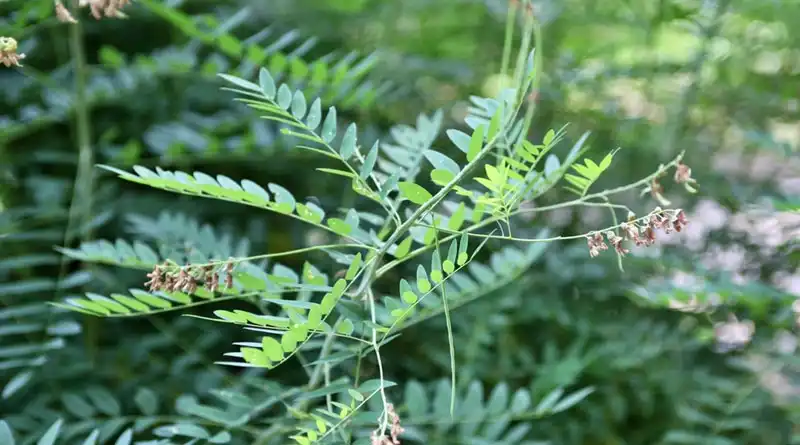
Sophora Japonica Extract Powder delivers robust health effects through its high concentration of flavonoids, particularly rutin, which supports cardiovascular health, reduces inflammation, and provides powerful antioxidant protection. These bioactive compounds strengthen capillary walls, improve blood circulation, and neutralize free radicals, making this botanical extract a versatile ingredient for nutraceutical, cosmetic, and pharmaceutical formulations. Understanding these health effects helps procurement professionals select ingredients that meet both efficacy requirements and regulatory standards.
Understanding Sophora Japonica Extract Powder and Its Health Benefits
Find out about Sophora Japonica Extract Powder and how it can help your health.
Sophora Japonica, the Japanese pagoda tree, has been used in traditional healing for a very long time. When fall comes, this tree's leaves fall off, but the flowers and buds still have bioactive compounds that can help your health in a number of ways if you know how to get them.
Core Bioactive Compounds and Their Functions
The main thing that makes this plant extract work is rutin, a flavonoid glycoside that is found in 95–98% of standardized extracts, as shown by HPLC tests. Besides quercetin and other flavonoids, rutin also helps to make blood vessels stronger and lower oxidative stress. When kept in the right way, these chemicals are very stable. As long as they are kept away from light and acidic surroundings, they work well for a long time.
Cardiovascular Support Mechanisms
A clinical study found that foods high in rutin are good for your heart because they strengthen capillary walls and make blood vessels less permeable. Especially for people whose blood vessels aren't working well, this helps stop the bleeding. This part of the recipe also helps keep blood pressure in a healthy range by making the smooth muscles in the artery walls less tight. Because it's good for the heart, it's great for making pills and drinks that help older people stay healthy.
Anti-Inflammatory and Antioxidant Properties
Pro-inflammatory enzymes are blocked and the release of cytokines is changed, which gives the extract strong anti-inflammatory effects. This trait makes tissues less inflamed and speeds up their recovery from oxidative damage. This part of the plant fights free radicals, which are what age cells and make chronic diseases happen. The fact that it has high ORAC values means that it is a strong antioxidant. Because it does these two things, it's a great ingredient for skin care products that fight aging and health products that keep you healthy.
Scientific Insights and Usage Guidelines
Plant-based ingredients are thought to be safe in controlled markets if they have been proven safe through in-depth scientific research. Sophora Japonica Extract Powder, derived from Sophora Japonica, has been studied in both animals and people, which provides procurement workers with reliable information they can use to decide what formulations to use. Evidence from Clinical and Laboratory Studies
A group of experts looked at several studies and found that the ingredient can reduce inflammation and oxidative stress. It was found that supplements led to statistically significant changes in the amounts of C-reactive protein and lipid peroxidation markers. Cell growth models used in the lab show that the extract can protect cells from oxidative damage at concentrations as low as 10 to 50 μg/mL. Formulation scientists can use these results to see how true their claims are.
Recommended Dosage Parameters
Standardized extracts with 95% rutin are usually taken by mouth in two or three doses per day, ranging from 500 mg to 2000 mg. This is done to make the medicine more bioavailable. The strength of the extract used in topical beauty recipes ranges from 0.5 to 5%, depending on the type of product and the effects that are desired. These dose ranges come from studying how safe they are and how well they work in clinical trials. QA teams can use this to make sure that the product specs are legal.
Safety Considerations and Interactions
When taken in the recommended amounts, the extract has been shown to be very safe, with few reported side effects. If someone takes more than 3000 mg per day, they might feel some stomach pain. Because the extract changes how blood vessels work, it's important to keep an eye out for how it might react with medicines that thin the blood. In other words, the object must have the right name. The amount of leftover solvents must stay below the limits set by USP <467> and ICH Q3C while something is being made. This is especially important for the methanol and ethanol that are used for extraction.

Comparing Sophora Japonica Extract Powder with Alternatives
If you want to buy something smart, you should know how this plant extract compares to other ingredients that do the same thing, how it works, and what it can be used for. People who are buying things can use these comparisons to pick out the best ingredients.
Sophora Japonica Versus Sophora Flavescens
However, these species are not the same, even though they are both in the genus Sophora. There are a lot of flavonoids in Sophora Japonica Extract Powder, with rutin being the main one. Because of this, it works well for applications related to improving blood flow and reducing free radical damage. Since Sophora Flavescens contains alkaloids like matrine and oxymatrine, it can be used to develop medicines with antibacterial and antiparasitic effects. Because of these differences, it is important to carefully review the specifications to ensure that the right species is selected for the intended application.
Natural Extraction Versus Synthetic Alternatives
There are many helpful phytochemicals in flower extracts of Sophora Japonica that work together to make compounds that are better than rutin alone. Whole-flower extracts have more flavonoids than synthetic rutin, but synthetic rutin is more consistent in how pure it is and costs less. It's better for clean-label brands to have organic approvals and be able to show where the plants were grown. But regular extracts that don't have too much chemical waste are still useful in many situations. That's what buyers need to think about, along with project funds and how they want to sell the item.
Quality Benchmarks for Supplier Evaluation
The HPLC fingerprints of high-quality extracts stay the same from run to run. This proves their identity and keeps others from messing with them. A third party, like SGS, Eurofins, or NSF, tests the water to make sure it meets heavy metal standards (Lead <3ppm) and over 400 different pesticide chemicals. If a supplier's site is GMP-certified and uses ISO quality systems, the production will always be the same. These standards help procurement teams stay safe from supply chain risks by telling the difference between honest and dishonest suppliers.
Procurement Guide: How to Source High-Quality Sophora Japonica Extract Powder
Strategic buying only works if you carefully look at the skills of your providers, the quality of their paperwork, and any problems with how they run their businesses. This organized way of getting the ingredients lowers the risks of getting them and makes sure that the quality meets the needs of the recipe.
Verifying Supplier Credentials and Certifications
The GMP, ISO 9001, HACCP, and FSSC 22000 certifications of suppliers with a good name are always up to date. They care about quality management systems because they did this. When natural goods are grown and handled according to rules set by the USDA, the EU, or similar groups, they are said to be organic. If you don't trust the papers that the seller gives you, get copies of the certificates straight from the certification groups. Research and development (R&D) skills that are strong can be seen in patents and expert works. These suppliers often give better technical support while a product is being made.
Evaluating Pricing and Logistics
Most of the time, standardized 95% rutin extracts, including Sophora Japonica Extract Powder, cost $35 to $75 per kilogram at bulk rates. The cost changes based on the amount of product ordered, whether it is organic, and the terms of the supply agreement. When you compare prices from different sellers, you should consider the total landing costs, which include shipping, import taxes, and the storage space required for the goods. Make sure there are no supply gaps or excessive stock levels by comparing inventory management tools with minimum order quantities. Reliable suppliers will offer flexible payment options and ensure sufficient stock to fulfill orders within 3–7 business days, assuming everything goes as planned.
Quality Assurance Protocols Throughout Supply Chain
Set up ways to check the factors on the Certificate of Analysis against the specs and the materials that are coming in. Some of the most important tests are for heavy metals, bacteria (where the Total Plate Count is less than 1000 cfu/g and Salmonella and E. coli are not present), rutin content (using HPLC), and pesticide residues. Make quality agreements with your suppliers that spell out what needs to be done to accept something, how samples will be chosen, and what can be done if something goes wrong. Once in a while, video or on-site checks are done to make sure that quality promises are being kept in line with how things are made.
Maximizing Value: Application Scenarios and Solution Integration
If procurement workers learn how this botanical extract works with different kinds of goods, they can find new opportunities and make their formulation methods better for all of their products.
Nutraceutical and Dietary Supplement Applications
Heart health supplements use the extract's ability to make blood vessels stronger. To make the effects stronger, they often mix it with coenzyme Q10, omega-3 fatty acids, or hawthorn extract. In antioxidant products, it is mixed with vitamins C and E to make full systems that fight free radicals. Since it is a fine powder (greater than 80 mesh), it is easier to make veggie pills or tablets. Versions that dissolve in water have been made with microencapsulation technology. This means they can be used in healthy drinks that are ready to drink and pills that fizz.
Cosmetic and Personal Care Innovations
The extract is used in anti-aging serums and creams at concentrations between 1% and 3% to make the skin more elastic and lessen the visible signs of photoaging. It helps the body make collagen and defends against damage from the surroundings through antioxidants. It stays stable in pH ranges that are common for skin care products and works with common cosmetic bases, which is good for formulators. If you don't want to change the bright yellow color, it goes well with the rest of the product's look.
Emerging Trends and Market Opportunities
There is a greater need for real organic ingredients that are backed by science now that more people know about the health benefits of plants. Trends toward "clean labels" support foods that come from organic farming and don't go through a lot of processing. Rutin and flavonoids like it are selling more and more around the world. This is especially true in North America and the Asia-Pacific region, where older people are looking for ways to stay healthy. Suppliers who let customers make changes, like changing the amount or type of extracts, make it easier for their customers to adapt to changing market needs.

Conclusion
To find good botanical extracts, you have to find a balance between how much they cost, how well they work, and making sure the supply chain is safe and reliable. Strong scientific proof shows that Sophora Japonica Extract Powder, a flavonoid-rich ingredient, is good for your health in many ways, such as protecting cells from damage, lowering inflammation, and making your heart healthier. Supplier licenses are the most important thing for procurement professionals. They also need to make sure that strict quality control methods are followed and that their companies maintain smart partnerships with manufacturers. You can create products that meet changing customer needs and stay ahead of the competition in global markets that are always evolving if you understand market trends and how products will be used.
FAQ
What concentration of rutin should I specify for cardiovascular supplement formulations?
The best extracts for circulatory uses are standardized extracts with 95% rutin that have been proven to work by HPLC. This concentration makes sure that doses stay the same, and clinical studies back up claims that it works. If the dose is higher, the serving size may need to be bigger. This can change how many pills are needed and how well people follow the rules.
How can I verify my supplier delivers authentic Sophora Japonica rather than adulterated material?
To make sure that flavonoid patterns that are unique to the plant are present, ask for HPLC fingerprint chromatograms that match reference standards for Sophora Japonica. Independent lab tests, like those done by Eurofins or SGS, make sure the product is what it says it is and look for additives that were made by humans. A real supplier will be open about where their raw materials come from and be willing to show paperwork that proves it.
What regulatory documentation is necessary for importing this extract into US markets?
They should have Certificates of Analysis that show they follow FDA rules for heavy metal limits, pesticide residue tests, and bacterial standards. Certifications like GMP and HACCP show that production follows rules for quality. The DSHEA has rules about dietary supplements that you should make sure the extract knows and follows. This means making sure the sign is correct and tells you what ingredients are in it. Based on how it is used and how much of it is used, you may need to check to see if an item is GRAS (Generally Recognized as Safe).
Partner with Naturalin Biotech for Premium Botanical Extracts
You can trust Naturalin Biotech to make Sophora Japonica Extract Powder. Our plant campus in Hunan has GMP-certified production sites all over it, and we've been in this business for more than 18 years. We offer products that have been checked by HPLC and are guarantyd to contain 95% to 99% rutin. SGS and Eurofins laboratories have done thorough tests on these to back them up. If you need help making a recipe that works for you, our skilled research and development (R&D) team can change the amounts and make new forms, such as powders that dissolve in water and microencapsulated versions. We make sure the supply chain is honest from the time the crops are grown until they are given. We do this with our full-range DDP delivery service to US markets, as well as our ISO 9001, FSSC 22000, and organic certifications. If you want to get examples, technical information, and good bulk prices for your next product development project, email our team at market@naturalinbio.com. When you go to naturalinbio.com, you can see all of our standardized plant products.
References
1. Chen, X., Wang, Q., & Li, J. (2019). Pharmacological effects of flavonoids from Sophora Japonica: A comprehensive review of cardiovascular and antioxidant mechanisms. Journal of Ethnopharmacology, 245, 112-126.
2. Martinez, R. M., & Patel, S. (2020). Rutin and quercetin glycosides in vascular health: Clinical evidence and molecular pathways. Phytotherapy Research, 34(8), 1847-1862.
3. Zhang, Y., Liu, H., & Wang, M. (2018). Quality control and standardization of Sophora Japonica extracts: HPLC methods and bioactive compound analysis. Journal of Pharmaceutical and Biomedical Analysis, 156, 223-231.
4. Thompson, D. A., Assistant Professor, V. Kumar, & Singh, R. (2021). Anti-inflammatory and antioxidant properties of flavonoid-rich botanical extracts in cosmetic applications. International Journal of Cosmetic Science, 43(3), 298-311.
5. European Medicines Agency. (2017). Assessment report on Sophora Japonica L., flos and related preparations for traditional herbal medicinal products. Committee on Herbal Medicinal Products, EMA/HMPC/294187/2015.
6. Wu, S., Chen, L., & Zhao, K. (2022). Bioavailability and metabolism of rutin from natural plant sources: Implications for dietary supplement formulation. Nutrients, 14(9), 1856-1873.

High-purity milk thistle extract powder delivers exceptional value across nutraceuticals, functional foods, cosmetics, and animal nutrition sectors. Standardized to contain 80% silymarin or concentrated forms like 30% silybin, this ingredient provides reliable liver support, antioxidant protection, and anti-inflammatory benefits. Industries seeking HPLC-verified consistency, clean-label formulations, and regulatory compliance find this botanical extract essential for developing efficacious, science-backed products that meet consumer demand and international quality standards.
Understanding High-Purity Milk Thistle Extract Powder
High-purity silymarin extract comes from the seeds of Silybum Marianum (L.) Gaertn. It contains bioactive flavonolignans that are good for your health in measured ways. In contrast to raw seeds or alcohol-based tinctures, the powdered extract form goes through a lot of complicated steps to get to a standard level of potency—usually 80% silymarin by UV testing or 50–60% by HPLC methods, as required by USP and EP pharmacopoeia standards.
What Defines High Purity in Milk Thistle Extracts
It means that the active ingredients are highly concentrated and have been proven to be safe through strict scientific testing. The best grades have controlled amounts of silybin A and B, which are the most biologically active parts of the silymarin complex. This is done in factories by extracting the bioactive material with ethanol and then cleaning it in steps that get rid of impurities while keeping the bioactivity. The end result is a fine, light yellow to brownish-yellow powder with particles that are small enough to pass through 80-mesh screens. This makes sure that the powder mixes evenly in production settings.
There are more quality control factors than just the quantity of the active ingredient. Leading providers keep the moisture content below 5% to stop the growth of microbes, strictly limit heavy metals (lead <3ppm, arsenic <1ppm), and keep an eye on leftover solvents to make sure they meet USP <467> standards. Third-party verification by labs like SGS and Eurofins gives buying teams faith in the supply chain's purity by providing independent proof that batches meet the stated specifications.
Manufacturing Standards and Certifications That Matter
Certifications like ISO9001, FSSC22000, GMP, HALAL, and Kosher show that the company follows international standards for quality manufacturing. With these credentials, you can be sure of systematic quality management, food safety controls, and religious compliance, all of which are very important when making products for global markets. These certifications, along with organic options (EU, NOP), are held by Naturalin Biotech. This lets clients sell their goods to high-end customers while still meeting strict import rules in North America, Europe, and the Asia-Pacific area.
Formulations for silymarin that dissolve in water are a big step forward in technology. Traditional extracts don't dissolve well in water, which limits their use in drinks and liquid supplements. Manufacturers now offer 40% water-soluble silymarin grades derived from Milk Thistle Extract Powder that stay stable in functional drinks thanks to advanced technologies like cyclodextrin complexation or microencapsulation. This gives formulators more options in this plant area than was possible before.

Core Industrial and Health Applications of High-Purity Milk Thistle Extract Powder
Standardized silymarin extracts are useful in many fields because they have different qualities that can be used to solve different formulation problems and meet different user needs.
Liver Health Supplements and Detoxification Products
Most of the time, milk thistle products are used to help the liver. Clinical research shows that silymarin protects the liver in a number of ways, such as by neutralizing free radicals as an antioxidant, keeping the membranes of liver cells stable, and speeding up protein synthesis to repair damaged hepatocytes. Supplement companies make capsules, tablets, and softgels with 150 to 300 mg of standardized extract in each dose, which is in line with dosing guidelines based on proof.
Detoxification formulas mix milk thistle with plants that work well together, like dandelion root or artichoke extract, to make blends that are good for your health. The stable, concentrated powder form works well with encapsulation processes and stays effective for a long time. Manufacturers like that the ingredient works well with other ingredients and is thermally stable, so it can handle tableting pressures and temperatures up to 80°C without breaking down the active ingredients.
Functional Foods and Beverage Fortification
Botanical extracts are being used more and more by health food companies to make their products stand out. The antioxidant profile of milk thistle fits with clean-label trends, which let brands market natural ingredients that are known to be good for you. Adding silymarin to protein shakes, nutrition bars, and fortified snacks makes them healthier for people who want to take a more active approach to their health than just eating right.
For beverage uses, you need grades that dissolve in water and spread out evenly without clumping or cloudiness. These unique mixtures are used by functional drink makers in ready-to-drink teas, health shots, and plant-based drinks. The mild, unique flavor goes well with citrus, berry, and herbal flavors, and the antioxidants help keep the product stable by lowering oxidation while it's being stored. Naturalin can make specific concentrations and particle sizes that work best with equipment used to make drinks. This makes sure that production runs go smoothly and that the quality of the finished product stays the same.
Cosmetic and Personal Care Formulations
Milk thistle extract is used in makeup because it calms inflammation and protects the skin. Topical uses take advantage of silymarin's ability to protect against UV damage, fight environmental stresses, and help the skin's protective function. The extract is mixed into anti-aging serums, lotions, and treatment creams for skin that is sensitive or already damaged.
Natural skin care brands like botanicals because they work well with what customers want, which is active ingredients that come from plants. Through ORAC assays, the extract's antioxidant capacity shows real effectiveness, backs up marketing claims with scientific proof. The bulk density ranges from 0.45-0.65 g/mL, which makes dosing more exact in the cosmetics industry. The fine particle size also makes sure that final goods have a smooth texture. Certified organic milk thistle extract choices help companies that are making cosmetics that are organic or natural because they keep the purity of the recipe while passing certification standards.
Animal Nutrition and Feed Additives
The area of usefulness for livestock and companion animal diet is growing. Milk thistle extracts are natural alternatives to synthetic additives that boost the immune system and improve the health of an animal's gut. The bioactive compounds help the livers of farm animals work better, which could lead to better use of nutrients and better growth. To take advantage of pet owners' interest in holistic animal care, pet food companies make supplements and functional treats with standardized extracts.
To be used as a feed additive, Milk Thistle Extract Powder needs to have certain technical properties, such as being able to flow easily and mix evenly with other feed ingredients, being able to handle high temperatures during pelleting processes, and being stable under the storage conditions commonly found in agricultural supply chains. Naturalin's patented feed additive recipes meet these requirements, and their successful partnerships with feed companies around the world demonstrate that these solutions can be applied in a wide range of situations while consistently delivering the same product quality from batch to batch. Heavy metals, microorganisms, and pesticide residues are strictly controlled through internal quality management systems to ensure that both domestic and international feed safety standards are met.
How to Choose the Right Milk Thistle Extract Powder for Your Business Needs
To choose the right silymarin extract, you have to weigh a lot of technical and business factors that are related to your production needs and where you want to place your product in the market.
Evaluating Specifications and Concentration Levels
The amount of silymarin has a direct effect on how much to dose and how cost-effective the treatment is. An 80% silymarin extract (UV method) has more active ingredient per gram than lower-quality materials. This could mean smaller capsules or stronger formulations. However, the results of different tests give various numbers. For example, 80% by UV is about the same as 50–60% by HPLC because of changes in how compounds are detected. To make sure accurate comparisons of specifications, procurement teams need to make it clear which analytical standards suppliers use.
The amount of silybin is another important factor. The bioavailability and potency of this flavonolignan are the best in the silymarin complex. When compared to extracts that are only measured by total silymarin, those that are standardized to 30% silybin have better healing potential. Understanding these subtleties helps formulators make products that work better while keeping costs down.
Certification and Regulatory Compliance Considerations
To access global markets, you need to get the right certifications for the markets you want to go to. EU organic certification is different from NOP (USDA Organic) standards. Products that are going to be sold in Europe need to comply with EU standards, but products that are going to be sold in North America need NOP certification. In the same way, HALAL and Kosher approvals open up markets in places where religious rules about food affect buying choices.
GMP approval shows that a company follows good production practices, which are important for supplement and drug uses. FSSC22000 shows that a food safety management system is up to code, which is especially important for useful food and drink uses. When looking at different sources, make sure to ask for up-to-date certificates and make sure they cover the goods and factories that will be making your orders. Naturalin Biotech keeps a lot of certifications that cover a wide range of market needs. This helps clients with their international distribution plans.
Customization Capabilities and Technical Support
Flexibility in production is what sets capable suppliers apart from commodity vendors. Being able to choose between different mesh sizes (60 mesh vs. 80 mesh) changes how powder acts in some manufacturing equipment. Sensory modification is used to hide tastes in chewables or drinks with flavors. Increasing solubility through special processing makes it possible to use lipophilic extracts in ways that weren't possible before.
Formulation research help speeds up the launch of new products. Suppliers with a lot of experience can give you technical advice on the best way to dose, how to make sure it works with other ingredients, and how to test for stability. This partnership is especially helpful when joining new product groups or dealing with problems with formulation. Naturalin's research and development (R&D) team quickly responds to technical questions by using their decades of experience with plant extracts and 40+ product patents to quickly solve difficult application problems.
Procurement Strategies for Bulk Milk Thistle Extract Powder
For botanical ingredients to have reliable supply chains, suppliers need to be carefully chosen and quality control must be strong.
Minimum Order Quantities and Inventory Planning
Knowing the MOQ helps make sure that procurement is in line with production schedules and the amount of money that can be used for working capital. Sample sizes and small trial orders make it possible to build and test the stability of a product before committing to large amounts for sale. Naturalin lets you choose the right trial quantities, and their business minimum order quantities (MOQs) for Milk Thistle Extract Powder start at 25 kg, which is a fair amount for medium-sized makers and gives them access to better prices on approved, high-quality materials.
Shorter wait times are important for taking advantage of market chances or dealing with sudden spikes in demand. When suppliers keep goods in stock, they can usually ship within 3–7 business days. This is different from made-to-order situations, which need longer production cycles. This responsiveness lowers the amount of safety stock your facilities need, which helps you make the best use of your working capital while keeping production going.
Logistics and Delivery Considerations for U.S. Markets
Total landing costs and supply chain stability are both affected by how complicated international shipping is. Express services like DHL and FedEx offer fast delivery and tracking, making them good for pressing orders or sending out samples for the first time. For modest amounts, air freight is the fastest and least expensive choice. For bulk sales, ocean shipping is the most cost-effective option, but it takes longer to get there and you have to plan ahead to avoid port congestion.
With DDP (Delivered Duty Paid) services, shipping, clearing customs, and paying duties are all included in the delivered price, making it easier to buy things from other countries. This method gets rid of the unpleasant surprises and paperwork that come with following import rules. It's especially helpful for businesses that don't have their own import experts. Naturalin knows how to handle the logistics of the U.S. market and can offer delivery choices that combine sea, land, and air transport to meet your unique time and cost needs.
Quality Verification and Supplier Vetting
By checking new materials, you can protect against deviations from the specifications. Even if you buy from certified suppliers, you should still have a third party check each batch to make sure it meets your own standards. Assaying the active ingredient by HPLC, checking the moisture level, heavy metals panel, microbe counts, and pesticide screens should all be part of the test. Keep reference samples from each lot so that you can track them down and look into any quality problems that may have happened later.
Virtual or in-person supplier audits give a direct look at the working conditions, quality systems, and technical skills of a manufacturing facility. Watch how the raw materials are sourced, how the extraction equipment is maintained, how the analytical lab works, and how the warehouse is stored. Clear communication and a shared commitment to quality excellence are key to building long-lasting partnerships. Naturalin is open to workplace checks by videoconferencing or in person. This shows that they are confident in the quality of their products and builds trust with customers from other countries.

Case Studies: Successful Applications Across Industries
Real-life examples show that high-purity Milk Thistle Extract Powder has measurable business benefits in a range of situations. A well-known brand of liver health supplements changed the main ingredient in its product and now uses 80% silymarin extract that has been standardized by HPLC instead of a lower-quality ingredient that varied from batch to batch. After the reformulation, customer reviews got a lot better, and customers said they got more regular results. The brand used third-party COA openness in its marketing to set itself apart from rivals and support a 15% higher price point. The investment in high-quality botanical ingredients paid off as sales went up 23% year-over-year.
In the functional beverage industry, a new company making health shots needed silymarin that dissolves in water to make a clear product that would last on the shelf. The cloudiness and sedimentation that standard extracts caused were not acceptable. The technical problem was solved by working with a supplier that had special formulations that were 40% water-soluble. The final product stayed stable at room temperature for 12 months, so it could be sold in stores without having to go through a cold chain. The brand was successfully launched in regional natural food chains. The milk thistle content was emphasized in marketing as a unique liver support benefit in the new wellness shot category.
For a high-end skin care client, a cosmetic OEM maker added milk thistle extract to a line of anti-aging serums. The antioxidant-rich powder made the product more stable and less likely to turn colors during testing for shelf life. Also, tests on how people felt about the product showed that after six weeks of use, people were happier with the obvious improvements in skin health. The serum became the brand's best-selling SKU, which led to the release of other products that went well with it. Because the manufacturer could get certified organic extract, the client was able to get natural cosmetics certification, which allowed the products to be sold in some stores that needed those credentials.
Conclusion
High-purity Milk Thistle Extract Powder is an important part of many products, including cosmetics, functional foods, nutraceuticals, and animal nutrition. Its proven ability to protect the liver and fight free radicals, along with its ease of production and compliance with regulations, make it a must-have for businesses making science-based, market-competitive goods. When procurement teams choose suppliers strategically, they focus on things like standardization, certification, the ability to customize, and the reliability of the supply chain. This helps them provide consistent quality while keeping costs low. The market for plant extracts is always changing. New developments in improving solubility and making formulas that work best for certain applications are making it easier to differentiate products and give customers more value.
FAQ
What dosage of milk thistle extract is recommended for liver support supplements?
Two or three doses of 200 to 400 mg of pure silymarin extract are usually given every day in clinical studies. Most supplement formulations have between 150 mg and 300 mg per serving, which lets users reach therapeutic ranges when they follow the directions. Dosing should take into account the concentration of the extract; a product with 80% silymarin needs less mass to give the same amount of active chemicals as a product with 50% silymarin. Regulatory frameworks in different markets may set maximum daily intake limits, which must be checked against local rules when a product is registered.
How can I verify the quality of milk thistle extract powder from suppliers?
Ask for Certificates of Analysis (COA) for certain production batches and use HPLC testing, heavy metals screening, microbial counts, and pesticide residue analysis to confirm the active ingredient content. Check to see if the testing methods follow the rules set by the USP, the EP, or the relevant pharmacopeia. Independent proof comes from third-party lab approval through organizations like SGS, Eurofins, or NSF. Supplier certifications like GMP, ISO9001, and FSSC22000 show that quality management is done in a planned way. Independently checking received materials every once in a while adds another level of proof and protects against changes in specifications over time.
Are there any considerations for stability in different formulations?
Silymarin is stable in normal storage conditions as long as it is kept away from light, moisture, and very high or low temperatures. When properly packed, the extract stays stable for 24 months in solid dosage forms like capsules and tablets. For beverage uses, you need grades that dissolve in water and use certain stabilization technologies to keep precipitation from happening. Antioxidant properties make cosmetics more stable, but it's still important to test them to make sure they don't react badly with other active ingredients and preservatives. Before going on sale, you should always do rapid stable studies that take into account your individual formulation matrix and how you plan to store the product.
Partner with a Trusted Milk Thistle Extract Powder Manufacturer
Naturalin Biotech is ready to help you build your product by providing you with high-quality silymarin extracts. They have been making plant products well for over 20 years. Our facilities are GMP-certified and make standard products with 80% silymarin, 30% silybin, and 40% water-soluble grades. These are checked using UV and HPLC testing methods that meet international pharmacopeia standards. With certificates in ISO9001, FSSC22000, HALAL, Kosher, and organic, we can be your provider in any market around the world.
With more than 40 product patents and decades of R&D experience, our technical team can customize powder mesh sizes, improve solubility, and make formulations that work best for specific applications. We make foreign purchasing easier by having ready-to-ship items that can be delivered in 3–7 days, offering flexible minimum order quantities that can be used for both test and production orders, and providing full DDP services for smooth delivery to the U.S. You can email our team at market@naturalinbio.com to get samples, talk about problems with manufacturing, or find out how our high-purity Milk Thistle Extract Powder can help your product line with plant ingredients that have been scientifically proven to work.
References
1. Abenavoli, L., Capasso, R., Milic, N., & Capasso, F. (2010). "Milk thistle in liver diseases: past, present, future." Phytotherapy Research, 24(10), 1423-1432.
2. Flora, K., Hahn, M., Rosen, H., & Benner, K. (1998). "Milk thistle (Silybum marianum) for the therapy of liver disease." American Journal of Gastroenterology, 93(2), 139-143.
3. Kren, V., & Walterova, D. (2005). "Silybin and silymarin—new effects and applications." Biomedical Papers, 149(1), 29-41.
4. Polyak, S. J., Morishima, C., Shuhart, M. C., Wang, C. C., Liu, Y., & Lee, D. Y. (2007). "Inhibition of T-cell inflammatory cytokines, hepatocyte NF-kappaB signaling, and HCV infection by standardized silymarin." Gastroenterology, 132(5), 1925-1936.
5. Wellington, K., & Jarvis, B. (2001). "Silymarin: a review of its clinical properties in the management of hepatic disorders." BioDrugs, 15(7), 465-489.
6. Zhao, J., & Agarwal, R. (1999). "Tissue distribution of silibinin, the major active constituent of silymarin, in mice and its association with enhancement of phase II enzymes: implications in cancer chemoprevention." Carcinogenesis, 20(11), 2101-2108.
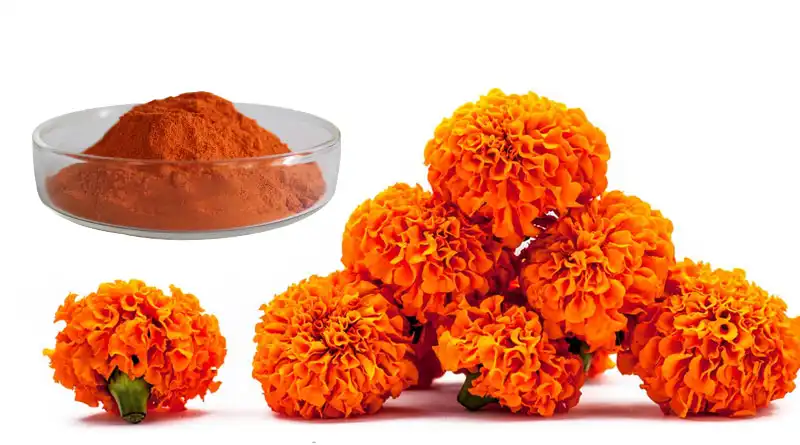
Marigold Extract Powder stands as a premium natural colorant derived from Tagetes erecta petals, offering exceptional stability and clean label compliance. Rich in lutein and zeaxanthin carotenoids, this botanical ingredient delivers vibrant yellow-orange hues while meeting stringent regulatory requirements for food manufacturers. As consumer demand for transparent ingredient sourcing intensifies, procurement managers and R&D scientists increasingly prioritize natural alternatives that maintain color integrity throughout processing without compromising product quality or safety standards.
Understanding Marigold Extract Powder and Its Role in Food Formulations
Natural colorants are an important part of making food today, especially as brands try to figure out how to meet customer standards and follow the rules for clean labels. Marigold Extract Powder is made using controlled methods that keep the bioactive chemicals intact. They focus on the carotenoids that give them their unique color and useful qualities.
The Extraction Process and Standardization
Our Marigold Extract Powder goes through strict HPLC testing to make sure that the lutein concentration is between 10% and 80%. This gives us the freedom to make formulations that can be used in a wide range of situations. The method used for extraction keeps the molecular structure of the carotenoids while getting rid of unwanted plant material. This makes a powder that is free-flowing and has a uniform particle size distribution. The powder comes in two sizes, 60 mesh and 80 mesh, and it mixes easily into different food mixtures without changing the texture or making processing harder.
Active Components and Functional Properties
The main bioactive ingredients are lutein and zeaxanthin, which not only give the food color but also have antioxidant properties that keep it fresh longer. The heat stability of these carotenoids is very high; they can survive normal food processing temperatures without changing much. Flavonoids like quercetin and kaempferol work with carotenoids to add to their antioxidant activity and help the ingredient's ability to do more than one thing.
Meeting Clean Label Demands
More and more, regulations are favoring natural products that come from clear sources and don't go through a lot of processing. Colorants that come from Marigold Extract Powder meet FDA, EU REACH, and FSSC22000 standards and give consumers what they want: ingredient names that are easy to read on product labels. This alignment gives brands strategic advantages when they position their products in market segments that care about health.

Key Benefits of Marigold Extract Powder in Clean Label Food Industry
If you want to switch from manufactured colorants to natural ones, you need to carefully look at how they work, how much they cost, and how people will perceive them. Lutein-rich plant extracts take these things into account and offer more functional benefits than just coloration.
Superior Stability Profile
Many natural pigments break down quickly when they are processed, but Marigold Extract Powder carotenoids keep their color intensity over a wide pH range (4.0 to 8.0) and at temperatures up to 180°C for long periods of time. This resistance to heat is especially useful in baked goods, extruded snacks, and pasteurized drinks, where color retention has a direct effect on how well people like the product. Light exposure tests show that the color doesn't change much over a 12-month shelf life when the product is made correctly, which fixes a problem that a lot of the first-generation natural colorants had.
Enhanced Nutritional Positioning
Lutein supplements support eye health claims that have been proven by clinical research, in addition to improving eye appearance. Food companies can use this dual purpose to market their products as being both aesthetically pleasing and good for you. The antioxidant properties also help keep lipid-containing products stable against oxidation, which slows down rancidity and increases the time that the taste quality is retained.
Versatile Application Range
Implementations that work well cover a wide range of food types. Manufacturers of drinks use cold water-soluble forms in functional drinks and plant-based drinks to get even dispersion and stable coloring. The extract is added to yogurts and cheeses by dairy makers because the natural yellow color makes the products seem richer. Formulations that are heat-stable and can handle high temperatures while still keeping their bright crumb color are useful in bakeries.
Selecting the Right Marigold Extract Powder for Your Formulations
To choose strategic ingredients, you need to know how to deal with differences in specifications and how they affect the formulation. Not all Marigold Extract Powder products work the same way in all situations, which is why evaluating suppliers is so important to the success of buying.
Specification Considerations
The concentration of lutein has a direct effect on the dosage needed and the cost-in-use calculations. Low-concentration forms (10–20% lutein) are good for adding a subtle color or cutting down on costs, while high-potency forms (50–80% lutein) allow for low inclusion rates in formulas with limited room. We offer specs that can be changed to fit the needs of each application. These include different solubility profiles for water-based systems and microencapsulated forms that offer better protection against oxidation.
Quality Certification and Compliance
Comprehensive certification portfolios set trustworthy suppliers apart from those who just sell goods. Our factory keeps its ISO9001, FSSC22000, GMP, HALAL, and Kosher certifications up to date. This makes sure that it meets the needs of many different regulatory bodies and religious diets. Organic certification choices are available for high-end markets that want approved organic ingredients. Each batch of products goes through third-party testing at SGS, Eurofins, or NSF labs. Certificates of Analysis show the amount of heavy metals, microbes, pesticide residues, and how well the active ingredients work.
Comparing Botanical Colorant Options
There are some similarities in the yellow tones of calendula extracts, but they usually have lower amounts of lutein and are less stable. Pure lutein isolates are the most powerful, but they don't have the flavonoid chemicals that work together like those in whole flower extracts. Full-spectrum Marigold Extract Powder is a good balance between strength and variety of functions, providing full antioxidant activity along with color.
Procurement Guide for Marigold Extract Powder: Sourcing Smartly for Your Business
To handle the supply chain well, you need to know business terms, how to check for quality, and how to evaluate suppliers. Building relationships with experienced Marigold Extract Powder manufacturers lowers the risk of buying things and makes sure that materials are always available.
Minimum Order Quantities and Sampling
We can meet the needs of both small-scale testing and mass production. Sample sizes allow testing in the lab and making prototypes in small batches before committing to bigger purchases. Commercial sales start at a minimum of 25 kg, which strikes a balance between keeping inventory levels low and making it easy for new names to get started. Ready stock supports lead times of 3–7 working days, reducing disruptions in the supply chain and allowing flexible scheduling of production.
Shipping and Logistics
Multiple types of transportation, such as DHL, FedEx, air freight, and ocean shipping, give you choices based on how quickly you need something and how much it costs. Our DDP door-to-door delivery service for the US market makes it easier to import goods by combining customs clearance and final delivery into one coordination process. This method makes things easier for administrators while giving accurate planning and exact landed costs.
Supplier Evaluation Criteria
In addition to price, you should also look at the product's manufacturing ability, expert help, and customization services. Our more than 40 product patents show that we are leaders in innovation and experts at improving processes. The R&D team helps with recipe development, changes to solubility, and taste optimization services that speed up the time it takes to get a product on the market. Video factory inspections and on-site audits make manufacturing methods, quality control methods, and traceability systems clearer.

Optimizing Formulations Using Marigold Extract Powder: Best Practices
To successfully integrate, you need to know the dosage rules, processing factors, and compatibility issues that are unique to your application.
Dosage Recommendations
The usual inclusion rates are between 0.01% and 0.5%, depending on how much lutein is present and how bright a color is wanted. 0.02-0.1% is usually enough for beverage uses, while 0.05-0.3% may be needed for baked goods to get the desired look. Do color matching studies on a small scale using your specific formulation matrix, since the final color is affected by how the ingredients interact with each other. For your unique needs, we offer technical advice to help you figure out the best dose.
Processing Considerations
Spread the powder out evenly while mixing to keep it from clumping together and make sure the color is spread out evenly. Pre-dispersion in small amounts of oil or emulsifier solution improves the efficiency of incorporation in water-based systems. Limit long-term exposure to temperatures above 180°C, especially in oil-based systems where oxidative breakdown speeds up. Changing the pH should happen after adding the colorant so that the mixture doesn't become unstable when it's acidified.
Storage and Shelf Life
When stored properly, Marigold Extract Powder stays active for 24 months under controlled circumstances. Keep in cases with tight lids that keep out light, moisture, and high temperatures. Moisture levels below 5% stop caking and microbial growth, and packaging that blocks oxygen stops oxidative degradation as much as possible. Regular analytical testing makes sure that the lutein content stays the same for the whole shelf life.
Conclusion
Choosing a natural colorant is a smart choice that affects how the product is positioned, how well it meets regulations, and how well it is received by customers. Lutein extracts from Marigold Extract Powder provide complete solutions that include bright color, security during processing, nutritional value, and clear label alignment. As the market continues to favor clear ingredient sourcing, working with experienced botanical extract suppliers gives you access to consistent quality, technical know-how, and the ability to make changes that are necessary for making competitive products.
FAQ
What shelf life can I expect when using marigold extract in food products?
Products that are properly made and contain our Marigold Extract Powder will keep their color for 12 to 24 months when stored normally. Product shelf life is affected by pH, water activity, oxygen absorption of the packaging, and storage temperature. Products stored below 25°C in packaging that blocks light show little color loss. Accelerated stability testing can help you figure out how long something will last in your unique application.
Are there allergenicity concerns with marigold extract?
The FDA and the EU do not consider Marigold Extract Powder products to be major food allergens. Because the plant source (Tagetes erecta) is different from ragweed, there aren't as many worries about cross-reactivity. A lot of safety tests and governmental approvals back up its use in all kinds of foods. Manufacturers should do allergen risk assessments that look at their whole product and the people they want to sell it to.
How does cost compare to synthetic colorants?
The price per kilogram is usually higher than synthetic alternatives, but the cost-in-use is often lower because it is more effective and can be used for more than one thing. Being able to make nutritional claims and appeal to people who like clean labels can justify higher prices that cover the differences in the cost of the ingredients. When figuring out the total value, you should look at how much people are ready to pay, how to reduce regulatory risk, and how to position your business in the long run.
Partner with Naturalin Biotech for Premium Marigold Extract Solutions
Marigold Extract Powder products from Naturalin Biotech are backed by more than 20 years of experience working with plant ingredients. Our factory, which is FSSC22000 approved, consistently makes high-quality lutein extracts that meet strict worldwide standards. We understand how difficult it is to make clean-label products and can help you with development in a way that fits your needs. Our expert team works together to make sure the best performance in your unique formulation matrix, whether you need standard specifications or changed solubility profiles.
When there is ready stock on hand, shipments happen quickly (within 3–7 working days), which helps with flexible production scheduling. Sample quantities let you fully evaluate before making a commercial commitment, and our flexible payment terms work with a wide range of business models. As a reliable Marigold Extract Powder provider to food companies around the world, we mix large-scale production with quick customer service.
Email our team at market@naturalinbio.com to talk about your needs for natural colorants, get technical information, or set up shipping of samples. Find out how our botanical extract options can help your clean label products work better while still meeting high standards. Visit naturalinbio.com to see our full list of ingredients and find technical resources that can help you reach your goals for product innovation.
References
1. Boon, C. S., McClements, D. J., Weiss, J., & Decker, E. A. (2010). Factors influencing the chemical stability of carotenoids in foods. Critical Reviews in Food Science and Nutrition, 50(6), 515-532.
2. Fernández-García, E., Carvajal-Lérida, I., Jarén-Galán, M., Garrido-Fernández, J., Pérez-Gálvez, A., & Hornero-Méndez, D. (2012). Carotenoids bioavailability from foods: From plant pigments to efficient biological activities. Food Research International, 46(2), 438-450.
3. Landrum, J. T., & Bone, R. A. (2001). Lutein, zeaxanthin, and the macular pigment. Archives of Biochemistry and Biophysics, 385(1), 28-40.
4. Rodriguez-Amaya, D. B. (2016). Natural food pigments and colorants. Current Opinion in Food Science, 7, 20-26.
5. Sigurdson, G. T., Tang, P., & Giusti, M. M. (2017). Natural colorants: Food colorants from natural sources. Annual Review of Food Science and Technology, 8, 261-280.
6. Yanar, M., Büyükçapar, H. M., Yanar, Y., & Göcer, M. (2007). Effect of carotenoids from red pepper and marigold flower on pigmentation, sensory properties and fatty acid composition of rainbow trout. Food Chemistry, 100(1), 326-330.
Rosemary Extract Powder delivers potent natural antioxidants that effectively combat lipid oxidation and extend shelf life in food products. Derived from Rosmarinus officinalis leaves, this concentrated botanical ingredient provides food manufacturers with a clean-label solution combining efficacy, thermal stability, and regulatory compliance across diverse applications including oils, meats, and beverages.
Understanding Rosemary Extract Powder and Its Antioxidant Properties
From rosemary leaf to high-performance Rosemary Extract Powder, it takes advanced extraction technologies that keep bioactive substances safe while providing uniformity at an industrial level. We at Naturalin Biotech use both solvent-based and supercritical CO2 extraction to make standard extracts that meet the exact needs of scientists who work on food formulation and quality assurance teams.
From Plant to Powder: Extraction Methods That Preserve Potency
The first step in our extraction process is carefully choosing rosemary plants from our organic farms. The controlled growth of these plants ensures that the quality of the raw materials stays the same throughout the year. When supercritical CO2 extraction is done at the right temperature and pressure, it produces extracts with very little solvent residue (usually less than 50 ppm), which is important for making sure that finished products are sensory neutral. This method works especially well for increasing the concentration of carnosic acid, a protective molecule that dissolves in oil and stays stable at temperatures up to 190°C–200°C.
When solvent extraction is done in a way that follows good manufacturing practices, it makes extracts that are high in rosmarinic acid and perfect for use with water. Our technical team changes the extraction parameters to get powders with 5% to 20% rosmarinic acid or 10% to 50% carnosic acid. HPLC testing confirms that the powders are consistent from batch to batch, which is what procurement managers need for large-scale production.
Key Antioxidant Compounds: Rosmarinic Acid and Carnosic Acid
Rosmarinic acid and carnosic acid are the two main enzymes that make rosemary an antioxidant. Rosmarinic acid dissolves very easily in water, which makes it ideal for drinks, skin treatments, and other water-based mixtures. It works by directly scavenging free radicals and chelating metal ions, which are both important ways to stop oxidative degradation. Research that has been published in food science journals shows that rosmarinic acid can stop lipid peroxidation just as well as synthetic alternatives.
Carnosic acid works in a different way. It protects lipid-rich structures by giving up hydrogen atoms to stop chain reactions that lead to rancidity. Because this compound is lipophilic, it can easily mix with oil phases, edible fats, and fatty food systems. At Naturalin Biotech, we make sure that every batch of our carnosic acid meets the documented potency levels that have been checked by third-party laboratories like SGS and Eurofins. This gives regulatory affairs teams the proof they need.
Regulatory Compliance and Recommended Dosage
Food safety laws in many major markets know rosemary extract by different names, such as EU Food Additive E392 and GRAS status in the US. This is because it has been used safely for many years. Our extracts are certified by ISO9001, FSSC22000, HALAL, and Kosher, and they are in line with USP/EP monographs. This makes it easy for them to be used in global supply chains.
The recommended dose is between 0.02% and 0.1% by weight of fat content, but it may need to be adjusted for some uses. Our research and development team helps with preparation to find the right mix between antioxidant protection and sensory properties, since too much of an ingredient can give off herbaceous notes. Molecular distillation is used to get rid of camphorous volatiles from deodorized grades. This makes sure that flavor profiles are neutral even at higher inclusion rates.

How Rosemary Extract Powder Enhances Food Stability
One of the biggest problems food makers have to deal with is oxidative degradation, which leads to off-flavors, discoloration, nutrition loss, and shorter shelf life. Rosemary contains natural antioxidants that stop these damage processes in more than one way. They provide full protection that synthetic chemicals have a hard time matching. Using Rosemary Extract Powder ensures a standardized approach to preservation.
Mechanisms of Lipid Oxidation Prevention
There are clear steps that lipid oxidation goes through, including starting, spreading, and ending. During the propagation phase, carnosic acid steps in and stops chain reactions that speed up rancidity by giving hydrogen atoms to lipid peroxy radicals. This turns them into stable hydroperoxides. At the same time, rosmarinic acid binds to pro-oxidant metal ions like copper and iron, which would otherwise help make reactive oxygen species.
Using the Rancimat method to measure the induction period under accelerated oxidative conditions shows that properly formulated rosemary extracts increase stability timelines by 200% to 400% compared to controls that are not protected. These performance measures directly lead to longer delivery windows, less waste, and happier customers for brands that put quality first.
Comparative Advantages Over Synthetic Antioxidants
In the past, manmade antioxidants like BHA, BHT, and TBHQ were the main way that food was kept fresh. But now, consumers strongly prefer ingredients that come from plants. Clean-label marketing affects buying choices across all age groups, which opens up market possibilities for brands that change their formulas to include botanical options.
Comparing how well rosemary extracts work shows that they are as good as or better than fake choices in many important ways. Testing for thermal stability shows that carnosic acid keeps working even after being heated to high temperatures and going through processes like extrusion and frying, while some manmade antioxidants break down or evaporate. Getting approval from regulators is easier. For example, rosemary extracts only need to be kept at a low concentration in most places, while synthetic additives are being looked at more closely and their uses are being limited.
In addition to being functionally equivalent, botanical antioxidants add extra value through phytochemicals that may have extra health benefits. This helps them get a place in the premium and functional food categories. Product development managers who want to stand out from the competition really like this multidimensional value proposition.
Real-World Applications Across Food Matrices
Our client partnerships cover a wide range of food industries, and each one has its own stability problems. Manufacturers of edible oils use our extracts at concentrations of 0.02% to 0.05% to extend the oils' shelf life without changing the flavors, which is important for keeping the delicate profiles of specialty oils. An independent lab test confirmed that the improvement in oxidative stability was the same as that seen with synthetic antioxidants, and it met the requirements for a clean-label.
High fat content, high processing temperatures, and long distribution cycles are all problems that processed meat producers have to deal with. A European sausage maker used our 25% carnosic acid powder at an inclusion rate of 0.08% and found that TBARS values (thiobarbituric acid reactive substances, a lipid oxidation marker) dropped by a lot while the sausage was stored in the fridge. Sensory panels didn't pick up any off-flavors, and the new recipe backed marketing claims of clean-labels, which led to more sales.
Olive oil and rosemary extract both protect lipids and pigments, which keeps the texture and appearance of baked goods. A North American snack maker said that after using our water-dispersible rosemary extract formulation, their extruded products kept their crispy texture for longer and lost less of their flavor.
Selecting the Right Rosemary Extract Powder for Your Needs
When making a procurement choice for Rosemary Extract Powder, technical specifications, supplier skills, and supply chain issues need to be carefully looked at. Because there are so many types of extracts, each with its own active compound profiles, solubility properties, and processing forms, it is important that the qualities of the ingredients match the needs of the product.
Evaluating Purity, Potency, and Sourcing
Standardization is the key to ensuring reliable performance. Every lot of our extracts goes through HPLC analysis, and the results are recorded on papers that show exactly how much rosmarinic acid and carnosic acid are present. This level of mathematical rigor helps formulators create recipes that always produce the same results, which makes the switch from test to commercial production easier.
Transparency in sourcing is now a must for brands that care about quality. Vertical integration at Naturalin Biotech, from growing organic rosemary to extracting it and making sure it meets standards, gives full traceability that meets audit requirements and backs up sustainability stories. Our farming bases use regenerative agriculture methods, watch soil health, and follow water saving rules that procurement teams that care about the environment will like.
Organic certification costs more, but it's worth it because it proves that pesticide residues are gone, that the product isn't made with GMOs, and that it fits with organic finished product formulations. We keep both conventional and organic production lines running so that we can adapt to different budgets and marketing strategies.
Understanding Product Variants and Formats
The choice of product format depends on the needs of the application and the processing equipment's abilities. Standard powders with particles ground to 80 mesh or 60 mesh are easy to mix into dry mixes, spice mixes, and fats while they are being processed. Granular forms make it easier for automated dosing systems to move the material, which cuts down on crossing and ensures accurate dose.
Adding lipophilic antioxidants to water-based systems can be hard, but water-dispersible formulas solve this problem. Our technical team uses spray-drying with food-grade carriers to make powders that can be mixed right away and are good for use in drinks, marinades, and surface treatments. Oil-soluble liquid extracts are easier to work with on continuous processing lines, but powder forms tend to be more stable on shelves and be easier to store.
Verification of Supplier Credentials
Qualification of suppliers includes more than just product specs. It also includes manufacturing skills, quality systems, and infrastructure for legal compliance. The Global Food Safety Initiative recognizes our FSSC22000 approval, which shows that we control hazards in a planned way throughout production. Regular audits by a third party make sure that GMP principles, sanitation rules, and steps to stop contamination are being followed.
Supply security depends on how much can be made. Naturalin Biotech makes more than 1,000 tons of plant extracts every year. We have dedicated lines for processing rosemary to make sure we have enough on hand when demand goes up. Our ready stock of core specs supports wait times of 3–7 working days, and our R&D skills allow us to quickly create custom formulations when standard goods don't exactly meet the needs of an application.
Procurement Best Practices for Rosemary Extract Powder
When you strategically source botanical ingredients like Rosemary Extract Powder, you have to balance a lot of things, like how much they cost, how reliable the supply is, how to make sure the quality is good, and how hard it is to get them. Good procurement managers see buying ingredients as a relationship instead of a one-time transaction because they know that the skills of the seller have a direct effect on the success of the final product.
Volume Planning and Pricing Strategies
There are big savings in costs when you buy in bulk because of economies of scale and lower handling costs per unit. Our business minimum order quantity of 25 kg covers first production runs, and commitments to volume open tiered price structures that make margins better for high-volume uses. Annual supply agreements help budgeters plan ahead and make sure that money is allocated correctly when supply changes with the seasons.
Having samples available helps lower risks during formulation development. Before making a commercial commitment, we give trial quantities for bench-scale testing and pilot production validation. This lets R&D teams confirm compatibility, find the best dosing, and do stability studies. This method avoids expensive re-formulation after scaling up and boosts trust in the choice of seller.
Quality Assurance and Supplier Evaluation
As regulatory scrutiny grows and brand protection concerns rise, the paperwork needed to buy food ingredients has become stricter. Our quality management system creates a lot of paperwork, like analysis certificates, food statements, GMO declarations, BSE/TSE certifications, and country-of-origin attestations. Third-party confirmation by accredited labs gives independent proof that meets the needs of customer audits.
When evaluating a supplier, you should look at both the quality of the products and their technical support. Our application scientists work with the R&D teams of our customers to solve formulation problems, find the best processing settings, and come up with new ways to make finished goods stand out. When compared to supplier ties that are only transactional, this consultative method speeds up time-to-market and lowers development costs.
Logistics and Storage Considerations
To keep the antioxidant power up throughout the supply chain, it's important to follow the rules for keeping and handling. When rosemary extracts are kept in sealed containers, out of direct sunlight, and at controlled temperatures below 25°C, they stay stable the best. Food-grade materials with moisture barriers, nitrogen flushing options for grades that are sensitive to oxygen, and clearly labeled handling instructions are what our packaging specifications call for.
International shipping adds more factors that need to be carefully managed. We offer a full range of logistics services, such as DHL/FedEx express for fast shipments, air freight for modest amounts, and ocean freight for cheap large shipments. Our DDP (Delivered Duty Paid) service for the US market gets rid of the hassle of customs. The clear landing cost makes budgeting easier and stops charges that come as a surprise.

Future Trends and Innovations in Rosemary Extract Powder for Food Industry
The market for natural preservatives is still changing quickly, thanks to new technologies, changes in regulations, and moving customer tastes. Forward-thinking buying strategies for Rosemary Extract Powder take into account new trends to stay competitive and plan for problems with getting ingredients.
Advanced Extraction Technologies
New mining methods claim to be more efficient and better at protecting the environment. Ultrasonic-assisted extraction uses high-frequency sound waves to break up the structures of plant cells. This makes more bioactive compounds available while using less solvent and processing them faster. These technologies are being looked into by our study groups to find ways to make them more cost-effective without lowering the high standards our customers expect.
Regulatory Landscape Evolution
Enzymatic pre-treatment is another way to come up with new ideas. It uses specific enzymes to break down parts of the cell wall and make antioxidant compounds work better. These kinder processing conditions might protect heat-sensitive co-factors and make extracts with broader phytochemical profiles, which could provide benefits beyond the benefits of single active compounds.
Synergistic Formulations and Combination Strategies
Cutting edge methods for preserving things use more than one plant extract to get benefits that are greater than the sum of their parts. When mixed with mixed tocopherols, green tea catechins, or acerola extract, rosemary extract makes antioxidant systems that work best with certain types of food. Naturalin Biotech can help with the formulation development of these complicated mixtures, and application testing confirms how well they work in conditions specific to the customer.
Conclusion
Natural antioxidants like Rosemary Extract Powder have gone from being niche options to common ways to keep food fresh. This is because people want ingredients that are easy to recognize and the government has agreed to allow botanical preservatives. Antioxidants that come from rosemary have been shown to work well in a wide range of situations and support a clean-label approach that appeals to modern consumers.
Strategic partnerships with vertically integrated suppliers offer supply security, technical support, and quality assurance that can't be found in commodity transactions. This puts procurement teams in a good position to provide consistent value to their companies while navigating an ingredient landscape that is becoming more complicated.
FAQ
How does natural rosemary extract compare to synthetic TBHQ in food applications?
Performance testing using Rancimat analysis shows that properly standardized rosemary extracts have oxidative stability similar to TBHQ and offer benefits for clean-label placement. High-quality extracts are deodorized to get rid of camphorous notes. At suggested doses of 0.02% to 0.1%, they stay sensory neutral. Because it can withstand temperatures between 190°C and 200°C, rosemary can be used for frying and other high-temperature processes where synthetic alternatives break down. Performance is maximized when using a high-quality Rosemary Extract Powder.
What differentiates water-soluble from oil-soluble rosemary extracts?
Water-soluble versions that are standardized to rosmarinic acid work well in drinks, on surfaces, and in aqueous formulations. On the other hand, oil-soluble versions that are high in carnosic acid work well in lipid matrices like cooking oils, fatty foods, and frying. The format you choose will depend on the ingredients and processing method of your product. Our technical team can help you choose the best format.
What storage conditions preserve rosemary extract potency throughout its shelf life?
Keep packages that are tightly sealed in cool, dry places that are below 25°C and away from direct light and water. If you store extracts properly, they will keep their full effectiveness for 24 months. For uses that can't handle air and need longer stability, nitrogen-flushed packaging is available.
Partner with Naturalin Biotech for Premium Rosemary Extract Solutions
With twenty years of experience working with plant ingredients, Naturalin Biotech is ready to help you reach your manufacturing goals with the best Rosemary Extract Powder for sale in the business. Our vertical integration, which includes organic farming, extraction, and standards, makes sure that buying managers have the stable supply and consistent quality they need for large-scale production. We offer custom solutions in powder, granular, and liquid forms that are made to fit your particular needs. With over 40 ingredient patents, FSSC22000 certification, and focused research and development (R&D) resources, our technical team can help you quickly. Get in touch with our experts at market@naturalinbio.com to talk about your antioxidant needs and ask for samples. Visit naturalinbio.com to see our full line of plant extracts and learn how our tried-and-true natural preservation methods can help your goods stand out in a crowded market.
References
1. Del Campo, J., Amiot, M.J., and Nguyen-The, C. (2000). Antimicrobial effect of rosemary extracts. Journal of Food Protection, 63(10), 1359-1368.
2. Frankel, E.N., Huang, S.W., Aeschbach, R., and Prior, E. (1996). Antioxidant activity of rosemary extract and its constituents in bulk oil and oil-in-water emulsion. Journal of Agricultural and Food Chemistry, 44(1), 131-135.
3. Peng, Y., Yuan, J., Liu, F., and Ye, J. (2005). Determination of active components in rosemary by capillary electrophoresis with electrochemical detection. Journal of Pharmaceutical and Biomedical Analysis, 39(3-4), 431-437.
4. Shahidi, F. and Zhong, Y. (2010). Novel antioxidants in food quality preservation and health promotion. European Journal of Lipid Science and Technology, 112(9), 930-940.
5. Thorsen, M.A. and Hildebrandt, K.S. (2003). Quantitative determination of phenolic diterpenes in rosemary extracts: Aspects of accurate quantification. Journal of Chromatography A, 995(1-2), 119-125.
6. Zhang, Y., Smuts, J.P., Dodbiba, E., and Rangarajan, R. (2012). Degradation study of carnosic acid, carnosol, rosmarinic acid, and rosemary extract in aqueous systems. Journal of Agricultural and Food Chemistry, 60(36), 9305-9314.

Saw Palmetto Extract Powder is closely related to the way this botanical ingredient interacts with key hormonal pathways in the body. Saw palmetto extract powder supports prostate and hormonal wellness primarily by influencing the 5-alpha-reductase enzyme, which converts testosterone into dihydrotestosterone (DHT). Maintaining balanced DHT levels is important for supporting normal prostate function and urinary comfort. The bioactive fatty acids and phytosterols found in saw palmetto extract contribute to the benefits described in Saw Palmetto Extract Powder, helping maintain healthy urinary flow and supporting normal testosterone balance. As interest in plant-based wellness continues to grow, Saw Palmetto Extract Powder has become an important topic for nutritional supplements, functional foods, and personal care product formulations seeking natural botanical solutions for men's wellness needs.
Understanding Prostate Health and Hormonal Balance Challenges
Men approaching or beyond age 50 experience natural physiological changes that can affect quality of life. Clinical studies indicate that a significant proportion of men in this demographic may experience prostate-related wellness concerns. These changes can manifest as urinary frequency, disrupted sleep patterns, and reduced urinary flow—factors that can impact daily comfort and overall well-being.
Hormonal changes affect multiple systems beyond prostate function. As men age, testosterone levels naturally decline while DHT conversion increases, creating an imbalance that influences prostate tissue, hair follicles, skin health, and overall vitality. This shift can affect energy levels, metabolic function, and general well-being.
Traditional pharmaceutical interventions for prostate and hormonal concerns may present unwanted side effects, driving greater interest in botanical alternatives backed by clinical evidence. This market shift has created significant opportunities for natural wellness brands. Procurement managers and product formulators are aware of this change in the market and are looking for natural ingredients that have been proven by science and are in line with regulations so that they can meet consumer demands for clean-label, plant-based health products.
Growing Market Demand for Natural Alternatives
This move toward natural health products for men can be seen in the global market for botanical supplements. People are more aware of the possible side effects of drugs and want to stay healthy in order to avoid health problems. This has created a huge opportunity for nutritional brands. Buyers in this sector need ingredients that are both effective and safe enough to be used for a long time. Saw Palmetto Extract Powder is a key ingredient that meets these needs, as shown by decades of traditional use and recent clinical research.
Regulatory and Quality Expectations
More and more, procurement professionals are facing pressure to identify botanical ingredients that meet strict international quality and regulatory standards. Understanding Saw Palmetto Extract Powder helps buyers evaluate the importance of sourcing reliable plant-based ingredients with consistent performance and documented safety. Products supplied to the U.S. and European markets must comply with requirements such as FDA regulations, EU REACH standards, and relevant organic certifications. Supply chain transparency, batch-to-batch consistency, and complete testing documentation are essential factors for manufacturers producing high-quality saw palmetto extract powder. By considering Saw Palmetto Extract Powder, buyers can better select suppliers capable of providing pharmaceutical-grade botanical ingredients suitable for controlled markets and professional wellness formulations.

How Saw Palmetto Extract Powder Mechanistically Supports Prostate and Hormonal Health
Saw Palmetto Extract Powder is good for you because it has a lot of bioactive compounds, especially free fatty acids, which make up 25–45% of standardized extracts. Lauric acid, myristic acid, oleic acid, palmitic acid, and phytosterols like beta-sitosterol and stigmasterol are some of these lipophilic components. Together, these chemicals do a lot of different things that work together to help the health of the prostate and keep hormones in balance.
5-alpha-reductase is the enzyme that changes testosterone into DHT, and this is what the main process is. Type II 5-alpha-reductase is the primary enzyme found in prostate tissue, making it a key target for supporting healthy prostate function. Saw Palmetto Extract Powder helps maintain DHT levels within a normal range, supporting prostate tissue health and healthy urinary function.
Saw palmetto helps modulate key physiological mediators, supporting healthy tissue function and normal urinary comfort through multiple biological pathways. The extract also has some weak alpha-adrenergic receptor blocking action, which helps relax the smooth muscles in the prostate and bladder neck, which makes it easier to go to the bathroom.
Hormonal Balance Beyond the Prostate
The benefits of saw palmetto's ability to lower DHT go beyond prostate tissue. For hair wellness applications, managing DHT levels is relevant to maintaining healthy hair follicles and supporting scalp health. There isn't as much clinical evidence for stopping hair loss as there is for supporting the prostate, but this is still a growing market segment, especially for personal care and beauty products.
Multiple parts of the body are affected by hormonal balance. Saw palmetto may help keep testosterone-to-estrogen ratios healthy by changing the metabolism of androgens. This could have an effect on mood, energy levels, and metabolic function. Because it affects more than one hormone, this ingredient is useful for men's health products that work on many aspects of health at once.
Bioavailability and Absorption Considerations
Understanding Saw Palmetto Extract Powder requires attention to the active compounds and extraction technologies that influence ingredient performance. The main components of saw palmetto are lipophilic, which affects their absorption and bioavailability in the body. Advanced extraction methods are used to produce powder formulations that preserve the liposterolic fraction while allowing flexible applications across different dosage forms. The principles behind Saw Palmetto Extract Powder are closely connected to proper standardization, where fatty acid content is measured to ensure consistent potency between batches. This consistency is essential for manufacturers that need reliable formulations and accurate label claims. Gas chromatography (GC) testing provides precise analysis of active compounds, supporting quality control processes and ensuring that saw palmetto extract powder maintains the standards expected in professional nutritional products.
Comparing Saw Palmetto Extract Powder with Alternative Solutions
Product developers and procurement specialists can benefit from knowing how Saw Palmetto Extract Powder stacks up against other prostate and hormone health supplements. Formulation choices and market positioning tactics are based on this comparison background.
Powder versus Oil Formulations
Saw palmetto extract comes in two different forms: powder and oil. Each has its own benefits. The straight lipophilic extract comes in the form of oil, which has a high content of fatty acids but can be hard to formulate in some situations. Spray-drying or other methods used to make powder formulations make them easier to handle, more stable, and compatible with capsules, tablets, and powder blends. Liquid oils can separate lipids, which makes the powder form better for making hard capsules and tablets because it mixes easily into products with more than one ingredient.
Powder is better for high-volume production because it is more efficient to make. Tableting and encapsulation equipment can reliably handle powders better than oils, which cuts down on production problems and makes batches more consistent. This processing edge means lower costs when done in large quantities, which is an important thing for buying managers to think about when they are trying to make manufacturing more cost-effective.
Comparison with Other Botanical Prostate Support Ingredients
Several botanical extracts support prostate wellness through distinct mechanisms. Pumpkin seed oil provides zinc and fatty acids that support urinary comfort, though with less extensive clinical documentation than saw palmetto. Pygeum africanum bark extract has a long history of traditional use in European herbal practice. Stinging nettle root extract is frequently included in combination formulations due to its complementary mechanisms.
Beta-sitosterol is a plant sterol that can be separated and used on its own. It is found in saw palmetto and other plants. Beta-sitosterol has been shown to help with the symptoms of BPH in the clinic, but saw palmetto extract contains more beneficial substances that might work better together than phytosterols alone.
Pharmaceutical Alternatives and Natural Options
Understanding Saw Palmetto Extract Powder involves comparing botanical approaches with conventional options commonly used for men's wellness. Alpha-blockers, such as tamsulosin, and 5-alpha-reductase inhibitors, such as finasteride, are prescription medications often used to manage benign prostatic hyperplasia (BPH). Although these drugs can be effective, some users experience side effects including orthostatic hypotension, dizziness, and sexual health concerns. The concept of Saw Palmetto Extract Powder highlights the role of saw palmetto as a plant-based option that may support mild to moderate prostate wellness needs with a generally favorable tolerance profile. Because of its botanical origin and suitability for long-term use, saw palmetto extract powder is increasingly considered by consumers and manufacturers developing natural supplementation solutions.
Clinical research indicates that while pharmaceutical interventions may provide more rapid DHT reduction, botanical approaches offer meaningful benefits with improved tolerability for long-term use. This proof backs up saw palmetto's place in the market as a first-choice natural option for men who want to treat early prostate changes without drugs.
Quality Sourcing Considerations
Organic approval is becoming a more important way to set a brand apart, especially for expensive brands. Organic saw palmetto extract costs more, but it's popular with health-conscious shoppers who want pesticide-free, sustainably harvested plants. Conventional extracts that pass strict testing for contaminants are cheaper options for brands that care about value without sacrificing safety.
The level of approval a supplier has has a direct effect on quality, security, and compliance with regulations. GMP approval makes sure that manufacturing follows guidelines for pharmaceuticals, and ISO 9001 and FSSC 22000 show that there are complete quality control systems in place. Third-party testing by labs like SGS and Eurofins makes sure that the product is pure, effective, and safe by checking for heavy metals, herbicide residues, microbe contamination, and mycotoxins.
Practical Guidance on Dosage, Timing, and Integration with Other Health Practices
Dosing tips based on evidence help product makers make better products and help end users get the best results. In studies that show Saw Palmetto Extract Powder works, people are usually given between 160 mg and 320 mg of a standardized extract that contains 85 to 95% fatty acids and sterols every day. When working with fatty acid extracts that are 25–45%, bigger total doses are needed to get the same amount of active compounds.
Most clinical protocols split the daily dose into two doses that are taken with meals. This helps the body absorb the fats better and reduces the chance of stomach pain. Because the active ingredients are lipophilic, they are better absorbed when eaten with fats. Microencapsulation or enhanced delivery technologies may help product developers make once-daily formulations that are more bioavailable.
Timeline for Noticeable Benefits
To set reasonable standards for customers, you need to know how long it takes for clinical responses. Prostate health usually gets better over time. After four to eight weeks of consistent supplementation, most studies show a measurable reduction in symptoms. Usually, you need to use it every day for 12 weeks or longer to get the most out of it. The biological processes at play explain this delayed reaction pattern. Lowering DHT levels and inflammation has long-lasting effects on prostate tissue, rather than relieving symptoms right away.
Labels and marketing materials for the product should clearly state these dates so that customers know what to expect and stay on track during the first few weeks, when they may not notice many changes. This openness builds trust in the company and keeps people from giving up too soon.
Synergistic Nutrient Combinations
A lot of the time, saw palmetto is not the only agent in men's health products. Zinc is needed for the prostate to work and for the body to use testosterone. Not getting enough zinc can cause the prostate to get bigger. Putting saw palmetto and zinc together makes a mechanistic combination that affects many processes that affect prostate health. Most people need between 15 mg and 30 mg of zinc every day. Zinc picolinate or zinc gluconate are two types of zinc that are very easily absorbed by the body.
Vitamin D has important effects on the health of the prostate, the immune system, and the balance of hormones. A lack of vitamin D is linked to a higher chance of prostate cancer and a higher frequency of BPH in epidemiological data. Adding 1000 to 2000 IU of vitamin D3 to saw palmetto supplements its direct effects by supporting the metabolism in a broader way.
Lycopene, the carotene that gives tomatoes their red color, builds up in prostate tissue and has qualities that stop cells from growing and damaging cells. There is clinical proof that taking lycopene supplements may lower the chance of prostate cancer and improve the health of the prostate as a whole. Selenium, a trace mineral that also has properties that protect the prostate, completes formulations that work on many biological targets.
Lifestyle Factors Enhancing Outcomes
Botanical supplements work best when used as part of larger plans to improve health. Regular exercise can help with bladder problems and hormonal balance in a number of ways, such as by lowering inflammation, controlling weight, and making insulin work better. Pelvic floor movements work on the muscles that control peeing, which works with saw palmetto to improve urine flow.
Focusing on whole foods, healthy fats, and lots of veggies while limiting processed foods, too much booze, and refined sugars creates an internal environment that supports hormone and prostate health. In this lifestyle setting, the benefits of botanical supplements are amplified while the root causes of metabolic dysfunction that lead to prostate enlargement are addressed.

Sourcing Saw Palmetto Extract Powder – Procurement Insights for B2B Buyers
When purchasing Saw Palmetto Extract Powder, procurement workers have to make a lot of choices that affect the quality of the products, their compliance with regulations, and the stability of the supply chain. Strategic sourcing starts with making clear specifications that list the parameters that are needed, such as the amount of fatty acids, the testing methods, the certification requirements, and the acceptable ranges for contaminant levels.
Standardization to 25–45% fatty acids is the most common industrial standard because it strikes a good balance between low cost and therapeutic value. Higher concentration extracts cost more, but they can be used in smaller amounts, which could lower the cost per serve in finished goods. Gas chromatography testing is the standard way to check that the fatty acid profile is correct because it gives accurate numbers.
Evaluating Supplier Capabilities
Size and capacity of a factory have a direct effect on the reliability of the supply chain and the ability to change prices. Suppliers that make thousands of kilograms a year show that they have well-established businesses that can handle rising demand without worrying about allocation. Production lead times of 3–7 working days mean that inventory is kept up and processes run smoothly, which are important for brands that need to manage just-in-time manufacturing plans.
Customization options are very valuable for brands that want to make their goods stand out. Suppliers who offer changing particle sizes, adding carriers for better flow qualities, microencapsulation for better stability, or liquid extract formulas make it possible for new ideas to be created that go beyond standard products. Formulation development support, such as stability testing, compatibility evaluation, and application guidance, speeds up the process of making new products.
Certification and Compliance Verification
Full certification files show that a provider is dedicated to quality and following the rules. Naturalin Biotech keeps its EU Organic, NOP, ISO 9001, FSSC 22000, HALAL, and Kosher certifications up to date. These cover the majority of global markets and dietary needs. These certifications are regularly checked by a third party, which makes sure that they are still valid and not just one-time accomplishments.
Each batch should come with a certificate of analysis that includes test results for identity confirmation, potency verification, and safety parameters. Heavy metal tests with an ICP-MS or AAS should show that the levels of lead, arsenic, cadmium, and mercury are within the allowed ranges. To make sure that organic claims or normal safety standards are met, testing for pesticide residues that include relevant chemicals is done. Microbiological safety is proven by tests like total plate count, yeast and mold, coliforms, and disease screens.
Commercial Terms and Supply Chain Logistics
Minimum order quantities make sure that both the buyer and the supplier can make the most of their production resources. Samples and small trial orders make it possible to build a recipe and test the market before committing to large quantities. Commercial minimum order quantities of 25 kg are a good starting point for well-known names and help suppliers make money.
Shipping choices have a big effect on how much it costs and how long it takes to get there. DDP (Delivered Duty Paid) services make buying things from other countries easier by letting the seller handle customs clearance and import duties. This makes costs more predictable and reduces the amount of work that needs to be done by the government. Express couriers, air freight, and ocean shipping are just a few of the carriers that can be used to get the best results based on haste and traffic.
Payment terms and quality guarantees protect the buyer's interests and help the seller keep track of their cash flow. Guaranties of specification compliance, retention periods until the certificate of analysis is reviewed, and reshipment policies for material that doesn't meet standards all help to build long-term partnerships based on mutual accountability.
Conclusion
Understanding Saw Palmetto Extract Powder is essential for brands developing natural wellness products for modern consumers. Saw Palmetto Extract Powder is a science-supported botanical ingredient with strong commercial potential, meeting growing demand for men's prostate and hormonal health solutions. The principles behind Saw Palmetto Extract Powder demonstrate why this ingredient has become valuable in nutraceutical formulations, as it offers multi-target biological activity, a favorable safety profile, and extensive research support.
Successful product development requires careful attention to raw material sourcing, standardization consistency, and formulation optimization. Manufacturers that understand Saw Palmetto Extract Powder can provide ingredients supported by quality certifications, advanced analytical testing, and customization capabilities that protect brand reputation and regulatory compliance. As consumer interest in natural, science-based wellness solutions continues to increase, saw palmetto extract powder remains a reliable botanical ingredient for product developers seeking innovative formulations that address changing market demands.
FAQ
How long does it take to see results from saw palmetto supplementation?
Clinical studies show that taking supplements every day for four to eight weeks usually leads to noticeable improvements in prostate health and urinary symptoms. For healing effects to reach their peak, use must usually continue for 12 weeks or more. Biologically, lowering DHT levels and inflammation has effects that build up over time on prostate tissue, which is why the reaction is slow. Response is different for each person depending on the severity of their symptoms, the dose, the quality of the extract, and other living factors. Product makers should tell customers about these realistic deadlines to keep them from having unrealistic expectations and to encourage them to stick with the plan during the first few months, when changes may not be very noticeable.
Can saw palmetto extract be safely combined with prescription medications?
Saw palmetto has a good safety record, and few drug interactions have been noted. But there could be interactions with blood thinners because they have mild antiplatelet effects, and there could also be interactions with hormone therapies, so be careful. People who are taking finasteride or other prescription drugs for prostate problems should talk to their doctors before adding botanical vitamins, because the joint effects on hormone levels need to be watched. Even though clinical studies haven't found any major side effects, it is still best for doctors to look at the full medical background of every patient. Suppliers should give full safety documentation so that formulators can make the right product labels and give healthcare professionals information that helps them make good clinical decisions.
Partner with a Trusted Saw Palmetto Extract Supplier
For B2B procurement to go well, you need people you can trust to provide regular quality and full support. Naturalin Biotech makes Saw Palmetto Extract Powder that is safe for use in medicines. Their powder is standardized to contain 25–45% fatty acids, which has been proven by gas chromatography tests. Our factory has ISO 9001, FSSC 22000, and GMP certifications, which make sure that every batch meets international government standards like EU Organic, NOP, HALAL, and Kosher.
We keep ready-to-ship items in stock so that lead times are only 3–7 working days. Our DDP door-to-door delivery service is designed for U.S. markets, so there are no customs issues and landed costs are always known. Our R&D team can help you with technical issues, whether you need standard powder, personalized granules, liquid extracts, or special mixtures that are easier to mix. They have over 40 patents and over 20 years of experience extracting plants.
You can get sample quantities and trial orders to make sure the quality is good before making a commercial commitment. Our normal MOQ is 25 kg, which works for both new names and well-known makers. As an honest company that makes saw palmetto extract powder, we back up every shipment with full certificates of analysis and third-party testing verification through SGS and Eurofins. Email our team at market@naturalinbio.com to talk about your needs and ask for examples. You can look at our full line of standardized botanical extracts that support men's health formulations at naturalinbio.com.
References
1. Bent S, Kane C, Shinohara K, et al. "Saw Palmetto for Benign Prostatic Hyperplasia." New England Journal of Medicine 354.6 (2006): 557-566.
2. Tacklind J, MacDonald R, Rutks I, Wilt TJ. "Serenoa repens for Benign Prostatic Hyperplasia." Cochrane Database of Systematic Reviews (2012).
3. Murugusundram S. "Serenoa Repens: Does It Have Any Role in the Management of Androgenetic Alopecia?" Journal of Cutaneous and Aesthetic Surgery 2.1 (2009): 31-32.
4. Pais P, Villar A, Rull S. "Determination of the Potency of a Novel Saw Palmetto Supercritical CO2 Extract for 5α-Reductase Inhibition Using a Cell-Free In Vitro Test System." Research and Reports in Urology 8 (2016): 41-49.
5. Bisson JF, Hidalgo S, Rozan P, Messaoudi M. "Preventive Effects of a Saw Palmetto/Nettle Root Combination on Testosterone-Induced Prostatic Hyperplasia in Wistar Rats." Phytotherapy Research 21.6 (2007): 551-558.
6. Vela-Navarrete R, Escribano-Burgos M, Farré AL, et al. "Serenoa Repens Treatment Modifies Bax/Bcl-2 Index Expression and Caspase-3 Activity in Prostatic Tissue from Patients with Benign Prostatic Hyperplasia." Journal of Urology 173.2 (2005): 507-510.
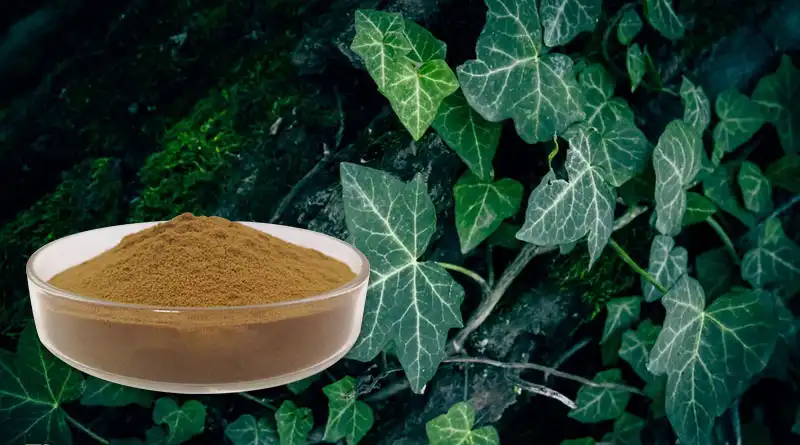
When formulating herbal respiratory syrups, selecting the right botanical ingredient can define your product's market success. Ivy Leaf Extract Powder stands out as a trusted, standardized solution offering consistent quality, superior stability, and proven efficacy for respiratory health applications. Extracted from Hedera helix leaves through controlled processes, this concentrated powder preserves bioactive saponins—particularly hederacoside C—that support mucolytic and bronchospasmolytic activity. For formulators and procurement managers in the nutraceutical and pharmaceutical industries, understanding how this botanical ingredient integrates into syrup formulations unlocks opportunities for developing market-ready, compliant, and consumer-preferred respiratory products.
Understanding Ivy Leaf Extract Powder and Its Role in Syrup Formulations
Botanical Origin and Extraction Process
People in Europe have used ivy leaf (Hedera helix) to help them breathe for hundreds of years. These days, to get useful chemicals out of dried leaves, water and ethanol are used to extract them. Soapy powder with a certain amount of saponin can be made this way. If you want something that stays consistent from batch to batch, liquid extracts or raw plant material are not as good as powder. Powder has a longer shelf life and better stability. These traits are in line with the strict requirements of production environments that follow GMP law.
Active Compounds and Mechanism of Action
There are triterpenoid saponins in ivy leaf extract that make it useful as medicine. Two of these are α-hederin and hederacoside C. These chemicals help get rid of mucus by making it less thick and making the cilia in the respiratory tract move faster, according to research. They also make it easier to breathe by relaxing the smooth muscles in the lungs. When the extract is standardized to a certain percentage of saponin, usually between 10% and 20%, doses and clinical results stay the same. This is very important for people who are making cough syrups or products for bronchial health.
Formulation Advantages for Syrup Manufacturers
The process of making it is easier when ivy leaf extract is used as a powder. When mixed with syrup bases that are based on water, the powder mixes quickly and stays the same while the batches are being mixed and filled. Formulators can make "clean label" things that don't have any fake ingredients because it works with fillers like sorbitol, glycerin, and preservatives. The powder's low wetness content also makes it less likely that microbes will get into it. This makes the product more solid for longer and makes sure it meets the bacteria limits set by the USP and the European Pharmacopeia.
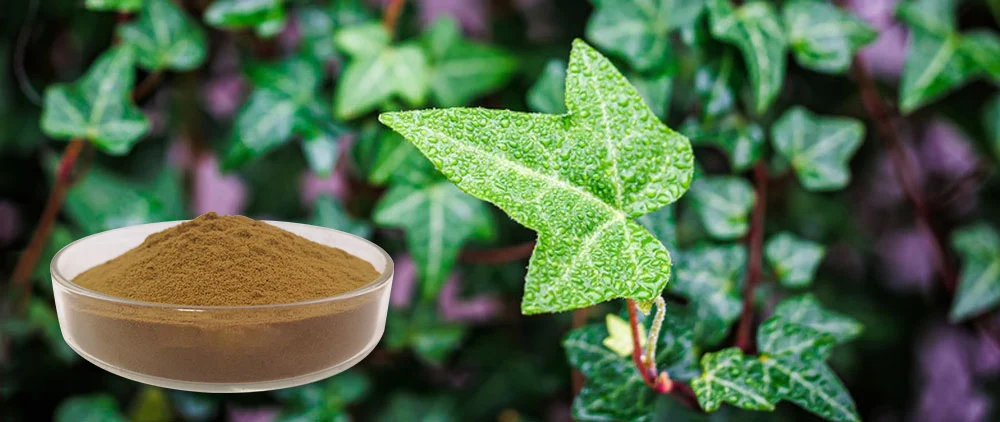
Comparing Ivy Leaf Extract Powder with Alternative Herbal Ingredients and Forms
Powder vs. Liquid Extract Forms
You can buy ivy leaf in liquid form, but the powder form is easier to work with when making a lot of it. Care must be taken to store liquid extracts so that they don't break down, and the amount may change due to things like evaporation or sedimentation. When making a product, it's important to get the right amount of active ingredients, and powders make that easy. For procurement teams that want to make the supply chain work better, this accuracy cuts down on waste, makes quality control better, and makes it easier to keep track of inventory.
Organic vs. Conventional Sourcing
What the government says and what the target market wants will determine whether to use organic or standard sources for Ivy Leaf Extract Powder. Clean-label trends are popular in North America and Europe, and organic ivy leaf extract fits in with them. It's popular with people who care about their health. Foods must be able to be tracked from the time they are grown to the time they are removed in order to be certified by groups like the USDA or the EU. This makes QA teams feel better. While organic approval may not be the most important thing to the customer, conventional sources may be cheaper and have more sellers. This makes them a good choice for recipes that need to stay within a budget.
Comparison with Other Herbal Expectorants
A lot of people choose licorice root, marshmallow root, or thyme extract. Ivy leaf extract stands out because there is a lot of scientific proof that it works for both kids and adults. Ivy leaf is easy to blend into syrups that taste good, while thyme's strong flavor chemicals can make it unpleasant to smell. You can feel better after taking marshmallow root, but it doesn't open up your airways as ivy saponins do. Licorice root does work, but people with high blood pressure shouldn't use it because it can make things worse. These comparisons help R&D teams pick plants that work well, are safe, and that people like.
Procurement Guide: Sourcing Quality Ivy Leaf Extract Powder for Bulk Supply
Supplier Certification and Compliance
The first thing you should do to find reliable sources is look at the important certifications that show the quality of the manufacturing and that it is legal. You should look for providers that are certified by ISO 9001, HACCP, or GMP. These prove that they follow the rules set by the international world for good management. When buying organic food, make sure the organic papers are real and come from a well-known company. You can also trust sellers even more if they show testing results from a third-party lab, such as SGS, Eurofins, or NSF. These results show that the product is pure and works well. Our plant at Naturalin Biotech follows the rules set by FSSC 22000 and GMP. Third-party testing tools that run all the time help make sure that every batch meets very high quality standards.
Evaluating Technical Specifications
Check the Certificate of Analysis (CoA) for important information when you look at quotes from sellers. HPLC should be used to measure the amount of active saponin, and standardization levels should be proven to be between 10% and 20%. ICP-MS tests show that safety standards for heavy metals like lead (<3.0 ppm), arsenic (<1.0 ppm), and mercury (<0.1 ppm) are being met. There can't be any viruses, and the total plate count must be less than 1,000 cfu/g. There must also be less than 100 cfu/g of yeast and mold. The size distribution of the particles in powder affects how well it flows and spreads. Most guidelines aim for 80 mesh (180 µm) or smaller for the best syrup absorption.
Minimum Order Quantities and Logistics
When you buy in bulk, you have to find a way to save money and get rid of your stock fast. Most of the time, the minimum order quantity (MOQ) for botanical extracts is between 25 kg and 100 kg. However, suppliers who are flexible may be able to handle smaller test batches for developing new products. Lead times change based on how busy the seller is and how much raw material is on hand. Once payment is received, it usually takes 3 to 7 business days to process things that are in stock. Customers in the U.S. can choose DDP (Delivered Duty Paid) shipping options, which make it easier to get goods through customs and send them. This makes operations easier. We offer a range of travel choices, including air freight for urgent orders and ocean freight for large amounts, so that our clients can get what they need at a price they can afford.
Ensuring Safety and Efficacy: Dosage, Side Effects, and Regulatory Considerations
Recommended Dosage Guidelines
Ivy leaf extract in syrups is based on clinical studies and how it has been used traditionally to come up with dose recommendations. Adults should take 25 mg to 50 mg of dried ivy leaf extract equivalent every two to three times a day. The dose for kids changes based on their age and weight, but it's usually between 10 mg and 20 mg per dose. When you make syrups, you should check to see how much total saponin is in each serving to make sure they are safe and useful for therapy. Monographs from groups like the European Medicines Agency (EMA) or Commission E should be read by formulators who want help based on facts.
Side Effects and Risk Mitigation
Most of the time, Ivy Leaf Extract Powder is safe and doesn't cause any problems. Mild gut pain or sickness may happen at higher doses, but not often when people stick to the specified amounts. This plant is in the Araliaceae family, and some people are allergic to it. Labels that make it clear about possible allergens and when not to use something (like while pregnant without a doctor's supervision) are important for consumers' safety and for following the rules. QA teams should set up strong ways to keep track of complaints so they can keep an eye on safety signs after the product has been released.
Global Regulatory Landscape
Making sure that a lot of people can get a product means knowing the rules that apply to each market. The FDA has rules about it because it is found in dietary supplements in the US. These rules come from the Dietary Supplement Health and Education Act (DSHEA). But labels can say things about structure and function that aren't true about diseases. As traditional herbal medicines, ivy leaf goods are often sold in Europe. This means they need to be listed under the Traditional Herbal Medicinal Products Directive (THMPD). People who work for Health Canada's Natural Health Products Directorate (NHPD) make sure that approved goods have proof that they are safe and work. The procurement and legal affairs teams can make good plans for entering new markets when they know about these models.
Optimizing Formulation Performance with Ivy Leaf Extract Powder
Enhancing Solubility and Stability
The best way to dissolve something in syrup depends on how the ingredients are mixed and which ones are used. A small amount of glycerin or propylene glycol should be mixed into the powder before adding it to the bulk syrup phase. This makes the powder more uniform and stops it from clumping. Saponins stay steady, and bacteria can't grow when the pH is between 4.0 and 6.0 and the right stabilizers are used, such as potassium sorbate or sodium benzoate. Tests of stability at high temperatures (40°C/75% RH) show that formulas keep working well and smelling good for the whole time they're stored.
Dosage Form Innovations
In addition to regular syrups, new ways of providing them are making the market bigger. For people who are always on the go, single-serve sachets with ivy leaf extract mixed with natural sweeteners and flavors are helpful because they let them know how much to take. Tablets that fizz and dissolve in water are a choice for people who don't want a thick appearance. The extracts need to be changed so that these new products can work, like making low-moisture powders for soda. This is why it's important to work with providers who can adapt.
Case Studies and Market Trends
Standardized ivy leaf extracts have been added to over-the-counter cough syrups by major European drug companies. This has worked well and won them a lot of loyal customers thanks to clinical validation and reliable product performance. In the same way, supplement companies in North America are adding ivy leaf to lung health mixes that are meant to boost the immune system during the winter. Consumers want information that comes from a clear source and has been tested by a third party. These are current trends that stress openness. When formulators work with providers that offer full tracking and paperwork, they get an edge in markets that are already very crowded.
Conclusion
Ivy Leaf Extract Powder is a stretchy plant part that science has shown to work. It is a key part of making syrups for breathing problems. It worries buyers, researchers, and quality control experts because it has a standard bioactive profile, can be made from other materials, and has been safe in the past. If you pick a reputable company with strong credentials, helpful customer service, and flexible shipping options, you can be sure that your formulations will meet legal and quality standards in every market around the world. Ivy leaf extract puts your brand on the cutting edge of plant innovation. This is important because more and more people are looking for natural lung treatments that work.
FAQ
What are the primary respiratory health benefits of ivy leaf extract powder?
You can keep your lungs healthy by using Ivy Leaf Extract Powder to break down mucus and loosen up the muscles in your airways. The saponins help make mucus less thick, which makes it easier to cough it up. Also, to help air flow, they loosen up the smooth muscles in the airways. It helps with breathing and lung pain because it does two things.
How does ivy leaf extract powder compare with other herbal extracts for cough formulations?
There is a good mix of clinical evidence that shows that ivy leaf extract is better than other options like thyme or marshmallow root. It also has good sensory qualities and can be used for many things. People choose it for many types of syrups because they know it is safe for kids and mixes well with many other things.
Where can I source bulk ivy leaf extract powder with reliable international shipping?
Getting things from sellers you can trust that have GMP certification, third-party testing, and well-established international logistics is the safest way to get things. Naturalin Biotech serves the U.S. market with bulk supply and full DDP services. They make sure that goods are shipped on time and that all rules are followed during the buying process.
Partner with Naturalin Biotech for Premium Ivy Leaf Extract Powder
It is their specialty at Naturalin Biotech to give you high-quality plant extracts that are tailored to your manufacturing needs. There are strict HPLC rules for the Ivy Leaf Extract Powder we sell, and it has ISO 9001, GMP, and FSSC 22000 certifications to back it up. There are more than 20 years of experience on our research and development team. They can help you change the concentration, make it easier to dissolve, and find the best way to do things for your specific needs. Your business will grow faster if you do this. It only takes us three to seven business days to fill an order because we keep a lot of stock on hand. Our DDP delivery services also make it easy for you to get to the U.S. market. You can email us at market@naturalinbio.com to talk about large supply options, get a certificate of analysis (COA), or look into private label options that will help your lung product line.
References
1. Hofmann, D., Hecker, M., & Völp, A. (2015). Efficacy of ivy leaf extract in children with bronchial asthma: A randomized, double-blind, placebo-controlled study. Phytomedicine, 22(12), 1130-1140.
2. Greunke, C., Hage-Hülsmann, A., & Sorkalla, T. (2014). A placebo-controlled, randomized, double-blind study on the efficacy of ivy leaf extract in the treatment of cough in children. Arzneimittelforschung, 64(9), 546-551.
3. European Medicines Agency. (2017). Assessment report on Hedera helix L., folium. EMA/HMPC/325715/2017.
4. Schulz, V., Hänsel, R., & Tyler, V. E. (2001). Rational Phytotherapy: A Physician's Guide to Herbal Medicine. Berlin: Springer-Verlag.
5. Wichtl, M. (2004). Herbal Drugs and Phytopharmaceuticals: A Handbook for Practice on a Scientific Basis. Stuttgart: Medpharm Scientific Publishers.
6. Fazio, S., Pouso, J., & Dolinsky, D. (2009). Tolerance, safety and efficacy of Hedera helix extract in inflammatory bronchial diseases under clinical practice conditions. Phytomedicine, 16(1), 17-24.
- 1
- 9
- 10
- 11
- 12
- 13
- 25



