Ivy Leaf Extract Powder Delivers Reliable Botanical Support For Syrup Formulations
When formulating herbal respiratory syrups, selecting the right botanical ingredient can define your product's market success. Ivy Leaf Extract Powder stands out as a trusted, standardized solution offering consistent quality, superior stability, and proven efficacy for respiratory health applications. Extracted from Hedera helix leaves through controlled processes, this concentrated powder preserves bioactive saponins—particularly hederacoside C—that support mucolytic and bronchospasmolytic activity. For formulators and procurement managers in the nutraceutical and pharmaceutical industries, understanding how this botanical ingredient integrates into syrup formulations unlocks opportunities for developing market-ready, compliant, and consumer-preferred respiratory products.
Understanding Ivy Leaf Extract Powder and Its Role in Syrup Formulations
Botanical Origin and Extraction Process
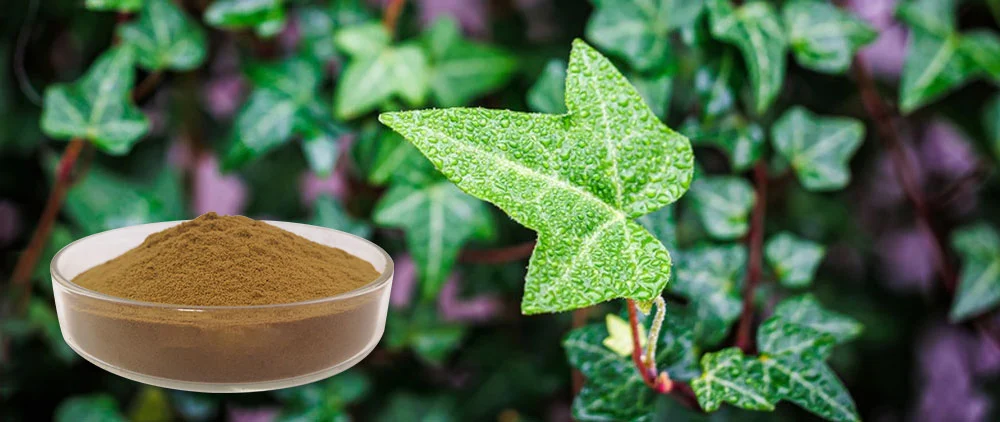
People in Europe have used ivy leaf (Hedera helix) to help them breathe for hundreds of years. These days, to get useful chemicals out of dried leaves, water and ethanol are used to extract them. Soapy powder with a certain amount of saponin can be made this way. If you want something that stays consistent from batch to batch, liquid extracts or raw plant material are not as good as powder. Powder has a longer shelf life and better stability. These traits are in line with the strict requirements of production environments that follow GMP law.
Active Compounds and Mechanism of Action
There are triterpenoid saponins in ivy leaf extract that make it useful as medicine. Two of these are α-hederin and hederacoside C. These chemicals help get rid of mucus by making it less thick and making the cilia in the respiratory tract move faster, according to research. They also make it easier to breathe by relaxing the smooth muscles in the lungs. When the extract is standardized to a certain percentage of saponin, usually between 10% and 20%, doses and clinical results stay the same. This is very important for people who are making cough syrups or products for bronchial health.
Formulation Advantages for Syrup Manufacturers
The process of making it is easier when ivy leaf extract is used as a powder. When mixed with syrup bases that are based on water, the powder mixes quickly and stays the same while the batches are being mixed and filled. Formulators can make "clean label" things that don't have any fake ingredients because it works with fillers like sorbitol, glycerin, and preservatives. The powder's low wetness content also makes it less likely that microbes will get into it. This makes the product more solid for longer and makes sure it meets the bacteria limits set by the USP and the European Pharmacopeia.
Comparing Ivy Leaf Extract Powder with Alternative Herbal Ingredients and Forms
Powder vs. Liquid Extract Forms
You can buy ivy leaf in liquid form, but the powder form is easier to work with when making a lot of it. Care must be taken to store liquid extracts so that they don't break down, and the amount may change due to things like evaporation or sedimentation. When making a product, it's important to get the right amount of active ingredients, and powders make that easy. For procurement teams that want to make the supply chain work better, this accuracy cuts down on waste, makes quality control better, and makes it easier to keep track of inventory.
Organic vs. Conventional Sourcing
What the government says and what the target market wants will determine whether to use organic or standard sources for Ivy Leaf Extract Powder. Clean-label trends are popular in North America and Europe, and organic ivy leaf extract fits in with them. It's popular with people who care about their health. Foods must be able to be tracked from the time they are grown to the time they are removed in order to be certified by groups like the USDA or the EU. This makes QA teams feel better. While organic approval may not be the most important thing to the customer, conventional sources may be cheaper and have more sellers. This makes them a good choice for recipes that need to stay within a budget.
Comparison with Other Herbal Expectorants
A lot of people choose licorice root, marshmallow root, or thyme extract. Ivy leaf extract stands out because there is a lot of scientific proof that it works for both kids and adults. Ivy leaf is easy to blend into syrups that taste good, while thyme's strong flavor chemicals can make it unpleasant to smell. You can feel better after taking marshmallow root, but it doesn't open up your airways as ivy saponins do. Licorice root does work, but people with high blood pressure shouldn't use it because it can make things worse. These comparisons help R&D teams pick plants that work well, are safe, and that people like.
Procurement Guide: Sourcing Quality Ivy Leaf Extract Powder for Bulk Supply
Supplier Certification and Compliance
The first thing you should do to find reliable sources is look at the important certifications that show the quality of the manufacturing and that it is legal. You should look for providers that are certified by ISO 9001, HACCP, or GMP. These prove that they follow the rules set by the international world for good management. When buying organic food, make sure the organic papers are real and come from a well-known company. You can also trust sellers even more if they show testing results from a third-party lab, such as SGS, Eurofins, or NSF. These results show that the product is pure and works well. Our plant at Naturalin Biotech follows the rules set by FSSC 22000 and GMP. Third-party testing tools that run all the time help make sure that every batch meets very high quality standards.
Evaluating Technical Specifications
Check the Certificate of Analysis (CoA) for important information when you look at quotes from sellers. HPLC should be used to measure the amount of active saponin, and standardization levels should be proven to be between 10% and 20%. ICP-MS tests show that safety standards for heavy metals like lead (<3.0 ppm), arsenic (<1.0 ppm), and mercury (<0.1 ppm) are being met. There can't be any viruses, and the total plate count must be less than 1,000 cfu/g. There must also be less than 100 cfu/g of yeast and mold. The size distribution of the particles in powder affects how well it flows and spreads. Most guidelines aim for 80 mesh (180 µm) or smaller for the best syrup absorption.
Minimum Order Quantities and Logistics
When you buy in bulk, you have to find a way to save money and get rid of your stock fast. Most of the time, the minimum order quantity (MOQ) for botanical extracts is between 25 kg and 100 kg. However, suppliers who are flexible may be able to handle smaller test batches for developing new products. Lead times change based on how busy the seller is and how much raw material is on hand. Once payment is received, it usually takes 3 to 7 business days to process things that are in stock. Customers in the U.S. can choose DDP (Delivered Duty Paid) shipping options, which make it easier to get goods through customs and send them. This makes operations easier. We offer a range of travel choices, including air freight for urgent orders and ocean freight for large amounts, so that our clients can get what they need at a price they can afford.
Ensuring Safety and Efficacy: Dosage, Side Effects, and Regulatory Considerations
Recommended Dosage Guidelines
Ivy leaf extract in syrups is based on clinical studies and how it has been used traditionally to come up with dose recommendations. Adults should take 25 mg to 50 mg of dried ivy leaf extract equivalent every two to three times a day. The dose for kids changes based on their age and weight, but it's usually between 10 mg and 20 mg per dose. When you make syrups, you should check to see how much total saponin is in each serving to make sure they are safe and useful for therapy. Monographs from groups like the European Medicines Agency (EMA) or Commission E should be read by formulators who want help based on facts.
Side Effects and Risk Mitigation
Most of the time, Ivy Leaf Extract Powder is safe and doesn't cause any problems. Mild gut pain or sickness may happen at higher doses, but not often when people stick to the specified amounts. This plant is in the Araliaceae family, and some people are allergic to it. Labels that make it clear about possible allergens and when not to use something (like while pregnant without a doctor's supervision) are important for consumers' safety and for following the rules. QA teams should set up strong ways to keep track of complaints so they can keep an eye on safety signs after the product has been released.
Global Regulatory Landscape
Making sure that a lot of people can get a product means knowing the rules that apply to each market. The FDA has rules about it because it is found in dietary supplements in the US. These rules come from the Dietary Supplement Health and Education Act (DSHEA). But labels can say things about structure and function that aren't true about diseases. As traditional herbal medicines, ivy leaf goods are often sold in Europe. This means they need to be listed under the Traditional Herbal Medicinal Products Directive (THMPD). People who work for Health Canada's Natural Health Products Directorate (NHPD) make sure that approved goods have proof that they are safe and work. The procurement and legal affairs teams can make good plans for entering new markets when they know about these models.
Optimizing Formulation Performance with Ivy Leaf Extract Powder
Enhancing Solubility and Stability
The best way to dissolve something in syrup depends on how the ingredients are mixed and which ones are used. A small amount of glycerin or propylene glycol should be mixed into the powder before adding it to the bulk syrup phase. This makes the powder more uniform and stops it from clumping. Saponins stay steady, and bacteria can't grow when the pH is between 4.0 and 6.0 and the right stabilizers are used, such as potassium sorbate or sodium benzoate. Tests of stability at high temperatures (40°C/75% RH) show that formulas keep working well and smelling good for the whole time they're stored.
Dosage Form Innovations
In addition to regular syrups, new ways of providing them are making the market bigger. For people who are always on the go, single-serve sachets with ivy leaf extract mixed with natural sweeteners and flavors are helpful because they let them know how much to take. Tablets that fizz and dissolve in water are a choice for people who don't want a thick appearance. The extracts need to be changed so that these new products can work, like making low-moisture powders for soda. This is why it's important to work with providers who can adapt.
Case Studies and Market Trends
Standardized ivy leaf extracts have been added to over-the-counter cough syrups by major European drug companies. This has worked well and won them a lot of loyal customers thanks to clinical validation and reliable product performance. In the same way, supplement companies in North America are adding ivy leaf to lung health mixes that are meant to boost the immune system during the winter. Consumers want information that comes from a clear source and has been tested by a third party. These are current trends that stress openness. When formulators work with providers that offer full tracking and paperwork, they get an edge in markets that are already very crowded.
Conclusion
Ivy Leaf Extract Powder is a stretchy plant part that science has shown to work. It is a key part of making syrups for breathing problems. It worries buyers, researchers, and quality control experts because it has a standard bioactive profile, can be made from other materials, and has been safe in the past. If you pick a reputable company with strong credentials, helpful customer service, and flexible shipping options, you can be sure that your formulations will meet legal and quality standards in every market around the world. Ivy leaf extract puts your brand on the cutting edge of plant innovation. This is important because more and more people are looking for natural lung treatments that work.
FAQ
What are the primary respiratory health benefits of ivy leaf extract powder?
You can keep your lungs healthy by using Ivy Leaf Extract Powder to break down mucus and loosen up the muscles in your airways. The saponins help make mucus less thick, which makes it easier to cough it up. Also, to help air flow, they loosen up the smooth muscles in the airways. It helps with breathing and lung pain because it does two things.
How does ivy leaf extract powder compare with other herbal extracts for cough formulations?
There is a good mix of clinical evidence that shows that ivy leaf extract is better than other options like thyme or marshmallow root. It also has good sensory qualities and can be used for many things. People choose it for many types of syrups because they know it is safe for kids and mixes well with many other things.
Where can I source bulk ivy leaf extract powder with reliable international shipping?
Getting things from sellers you can trust that have GMP certification, third-party testing, and well-established international logistics is the safest way to get things. Naturalin Biotech serves the U.S. market with bulk supply and full DDP services. They make sure that goods are shipped on time and that all rules are followed during the buying process.
Partner with Naturalin Biotech for Premium Ivy Leaf Extract Powder
It is their specialty at Naturalin Biotech to give you high-quality plant extracts that are tailored to your manufacturing needs. There are strict HPLC rules for the Ivy Leaf Extract Powder we sell, and it has ISO 9001, GMP, and FSSC 22000 certifications to back it up. There are more than 20 years of experience on our research and development team. They can help you change the concentration, make it easier to dissolve, and find the best way to do things for your specific needs. Your business will grow faster if you do this. It only takes us three to seven business days to fill an order because we keep a lot of stock on hand. Our DDP delivery services also make it easy for you to get to the U.S. market. You can email us at market@naturalinbio.com to talk about large supply options, get a certificate of analysis (COA), or look into private label options that will help your lung product line.
References
1. Hofmann, D., Hecker, M., & Völp, A. (2015). Efficacy of ivy leaf extract in children with bronchial asthma: A randomized, double-blind, placebo-controlled study. Phytomedicine, 22(12), 1130-1140.
2. Greunke, C., Hage-Hülsmann, A., & Sorkalla, T. (2014). A placebo-controlled, randomized, double-blind study on the efficacy of ivy leaf extract in the treatment of cough in children. Arzneimittelforschung, 64(9), 546-551.
3. European Medicines Agency. (2017). Assessment report on Hedera helix L., folium. EMA/HMPC/325715/2017.
4. Schulz, V., Hänsel, R., & Tyler, V. E. (2001). Rational Phytotherapy: A Physician's Guide to Herbal Medicine. Berlin: Springer-Verlag.
5. Wichtl, M. (2004). Herbal Drugs and Phytopharmaceuticals: A Handbook for Practice on a Scientific Basis. Stuttgart: Medpharm Scientific Publishers.
6. Fazio, S., Pouso, J., & Dolinsky, D. (2009). Tolerance, safety and efficacy of Hedera helix extract in inflammatory bronchial diseases under clinical practice conditions. Phytomedicine, 16(1), 17-24.