Marigold Extract Powder Provides Stable Natural Pigments For Clean Label Food Formulations
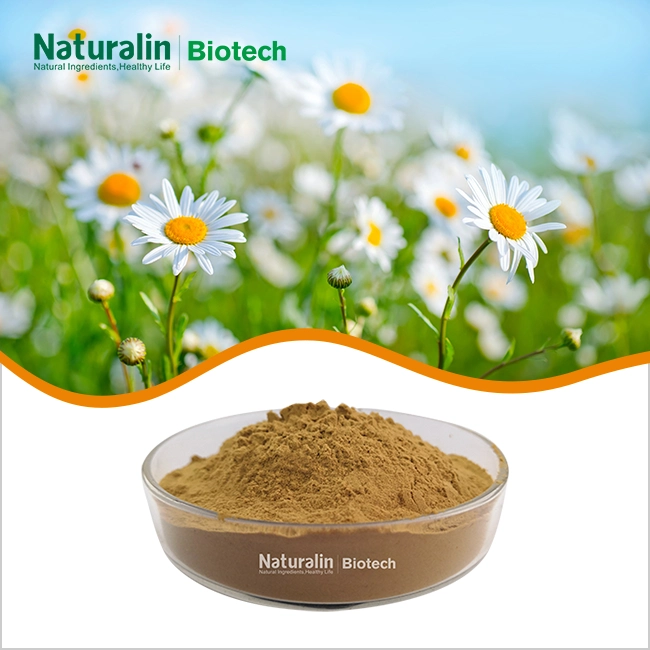
Marigold Extract Powder stands as a premium natural colorant derived from Tagetes erecta petals, offering exceptional stability and clean label compliance. Rich in lutein and zeaxanthin carotenoids, this botanical ingredient delivers vibrant yellow-orange hues while meeting stringent regulatory requirements for food manufacturers. As consumer demand for transparent ingredient sourcing intensifies, procurement managers and R&D scientists increasingly prioritize natural alternatives that maintain color integrity throughout processing without compromising product quality or safety standards.
Understanding Marigold Extract Powder and Its Role in Food Formulations
Natural colorants are an important part of making food today, especially as brands try to figure out how to meet customer standards and follow the rules for clean labels. Marigold Extract Powder is made using controlled methods that keep the bioactive chemicals intact. They focus on the carotenoids that give them their unique color and useful qualities.
The Extraction Process and Standardization
Our Marigold Extract Powder goes through strict HPLC testing to make sure that the lutein concentration is between 10% and 80%. This gives us the freedom to make formulations that can be used in a wide range of situations. The method used for extraction keeps the molecular structure of the carotenoids while getting rid of unwanted plant material. This makes a powder that is free-flowing and has a uniform particle size distribution. The powder comes in two sizes, 60 mesh and 80 mesh, and it mixes easily into different food mixtures without changing the texture or making processing harder.
Active Components and Functional Properties
The main bioactive ingredients are lutein and zeaxanthin, which not only give the food color but also have antioxidant properties that keep it fresh longer. The heat stability of these carotenoids is very high; they can survive normal food processing temperatures without changing much. Flavonoids like quercetin and kaempferol work with carotenoids to add to their antioxidant activity and help the ingredient's ability to do more than one thing.
Meeting Clean Label Demands
More and more, regulations are favoring natural products that come from clear sources and don't go through a lot of processing. Colorants that come from Marigold Extract Powder meet FDA, EU REACH, and FSSC22000 standards and give consumers what they want: ingredient names that are easy to read on product labels. This alignment gives brands strategic advantages when they position their products in market segments that care about health.

Key Benefits of Marigold Extract Powder in Clean Label Food Industry
If you want to switch from manufactured colorants to natural ones, you need to carefully look at how they work, how much they cost, and how people will perceive them. Lutein-rich plant extracts take these things into account and offer more functional benefits than just coloration.
Superior Stability Profile
Many natural pigments break down quickly when they are processed, but Marigold Extract Powder carotenoids keep their color intensity over a wide pH range (4.0 to 8.0) and at temperatures up to 180°C for long periods of time. This resistance to heat is especially useful in baked goods, extruded snacks, and pasteurized drinks, where color retention has a direct effect on how well people like the product. Light exposure tests show that the color doesn't change much over a 12-month shelf life when the product is made correctly, which fixes a problem that a lot of the first-generation natural colorants had.
Enhanced Nutritional Positioning
Lutein supplements support eye health claims that have been proven by clinical research, in addition to improving eye appearance. Food companies can use this dual purpose to market their products as being both aesthetically pleasing and good for you. The antioxidant properties also help keep lipid-containing products stable against oxidation, which slows down rancidity and increases the time that the taste quality is retained.
Versatile Application Range
Implementations that work well cover a wide range of food types. Manufacturers of drinks use cold water-soluble forms in functional drinks and plant-based drinks to get even dispersion and stable coloring. The extract is added to yogurts and cheeses by dairy makers because the natural yellow color makes the products seem richer. Formulations that are heat-stable and can handle high temperatures while still keeping their bright crumb color are useful in bakeries.
Selecting the Right Marigold Extract Powder for Your Formulations
To choose strategic ingredients, you need to know how to deal with differences in specifications and how they affect the formulation. Not all Marigold Extract Powder products work the same way in all situations, which is why evaluating suppliers is so important to the success of buying.
Specification Considerations
The concentration of lutein has a direct effect on the dosage needed and the cost-in-use calculations. Low-concentration forms (10–20% lutein) are good for adding a subtle color or cutting down on costs, while high-potency forms (50–80% lutein) allow for low inclusion rates in formulas with limited room. We offer specs that can be changed to fit the needs of each application. These include different solubility profiles for water-based systems and microencapsulated forms that offer better protection against oxidation.
Quality Certification and Compliance
Comprehensive certification portfolios set trustworthy suppliers apart from those who just sell goods. Our factory keeps its ISO9001, FSSC22000, GMP, HALAL, and Kosher certifications up to date. This makes sure that it meets the needs of many different regulatory bodies and religious diets. Organic certification choices are available for high-end markets that want approved organic ingredients. Each batch of products goes through third-party testing at SGS, Eurofins, or NSF labs. Certificates of Analysis show the amount of heavy metals, microbes, pesticide residues, and how well the active ingredients work.
Comparing Botanical Colorant Options
There are some similarities in the yellow tones of calendula extracts, but they usually have lower amounts of lutein and are less stable. Pure lutein isolates are the most powerful, but they don't have the flavonoid chemicals that work together like those in whole flower extracts. Full-spectrum Marigold Extract Powder is a good balance between strength and variety of functions, providing full antioxidant activity along with color.
Procurement Guide for Marigold Extract Powder: Sourcing Smartly for Your Business
To handle the supply chain well, you need to know business terms, how to check for quality, and how to evaluate suppliers. Building relationships with experienced Marigold Extract Powder manufacturers lowers the risk of buying things and makes sure that materials are always available.
Minimum Order Quantities and Sampling
We can meet the needs of both small-scale testing and mass production. Sample sizes allow testing in the lab and making prototypes in small batches before committing to bigger purchases. Commercial sales start at a minimum of 25 kg, which strikes a balance between keeping inventory levels low and making it easy for new names to get started. Ready stock supports lead times of 3–7 working days, reducing disruptions in the supply chain and allowing flexible scheduling of production.
Shipping and Logistics
Multiple types of transportation, such as DHL, FedEx, air freight, and ocean shipping, give you choices based on how quickly you need something and how much it costs. Our DDP door-to-door delivery service for the US market makes it easier to import goods by combining customs clearance and final delivery into one coordination process. This method makes things easier for administrators while giving accurate planning and exact landed costs.
Supplier Evaluation Criteria
In addition to price, you should also look at the product's manufacturing ability, expert help, and customization services. Our more than 40 product patents show that we are leaders in innovation and experts at improving processes. The R&D team helps with recipe development, changes to solubility, and taste optimization services that speed up the time it takes to get a product on the market. Video factory inspections and on-site audits make manufacturing methods, quality control methods, and traceability systems clearer.

Optimizing Formulations Using Marigold Extract Powder: Best Practices
To successfully integrate, you need to know the dosage rules, processing factors, and compatibility issues that are unique to your application.
Dosage Recommendations
The usual inclusion rates are between 0.01% and 0.5%, depending on how much lutein is present and how bright a color is wanted. 0.02-0.1% is usually enough for beverage uses, while 0.05-0.3% may be needed for baked goods to get the desired look. Do color matching studies on a small scale using your specific formulation matrix, since the final color is affected by how the ingredients interact with each other. For your unique needs, we offer technical advice to help you figure out the best dose.
Processing Considerations
Spread the powder out evenly while mixing to keep it from clumping together and make sure the color is spread out evenly. Pre-dispersion in small amounts of oil or emulsifier solution improves the efficiency of incorporation in water-based systems. Limit long-term exposure to temperatures above 180°C, especially in oil-based systems where oxidative breakdown speeds up. Changing the pH should happen after adding the colorant so that the mixture doesn't become unstable when it's acidified.
Storage and Shelf Life
When stored properly, Marigold Extract Powder stays active for 24 months under controlled circumstances. Keep in cases with tight lids that keep out light, moisture, and high temperatures. Moisture levels below 5% stop caking and microbial growth, and packaging that blocks oxygen stops oxidative degradation as much as possible. Regular analytical testing makes sure that the lutein content stays the same for the whole shelf life.
Conclusion
Choosing a natural colorant is a smart choice that affects how the product is positioned, how well it meets regulations, and how well it is received by customers. Lutein extracts from Marigold Extract Powder provide complete solutions that include bright color, security during processing, nutritional value, and clear label alignment. As the market continues to favor clear ingredient sourcing, working with experienced botanical extract suppliers gives you access to consistent quality, technical know-how, and the ability to make changes that are necessary for making competitive products.
FAQ
What shelf life can I expect when using marigold extract in food products?
Products that are properly made and contain our Marigold Extract Powder will keep their color for 12 to 24 months when stored normally. Product shelf life is affected by pH, water activity, oxygen absorption of the packaging, and storage temperature. Products stored below 25°C in packaging that blocks light show little color loss. Accelerated stability testing can help you figure out how long something will last in your unique application.
Are there allergenicity concerns with marigold extract?
The FDA and the EU do not consider Marigold Extract Powder products to be major food allergens. Because the plant source (Tagetes erecta) is different from ragweed, there aren't as many worries about cross-reactivity. A lot of safety tests and governmental approvals back up its use in all kinds of foods. Manufacturers should do allergen risk assessments that look at their whole product and the people they want to sell it to.
How does cost compare to synthetic colorants?
The price per kilogram is usually higher than synthetic alternatives, but the cost-in-use is often lower because it is more effective and can be used for more than one thing. Being able to make nutritional claims and appeal to people who like clean labels can justify higher prices that cover the differences in the cost of the ingredients. When figuring out the total value, you should look at how much people are ready to pay, how to reduce regulatory risk, and how to position your business in the long run.
Partner with Naturalin Biotech for Premium Marigold Extract Solutions
Marigold Extract Powder products from Naturalin Biotech are backed by more than 20 years of experience working with plant ingredients. Our factory, which is FSSC22000 approved, consistently makes high-quality lutein extracts that meet strict worldwide standards. We understand how difficult it is to make clean-label products and can help you with development in a way that fits your needs. Our expert team works together to make sure the best performance in your unique formulation matrix, whether you need standard specifications or changed solubility profiles.
When there is ready stock on hand, shipments happen quickly (within 3–7 working days), which helps with flexible production scheduling. Sample quantities let you fully evaluate before making a commercial commitment, and our flexible payment terms work with a wide range of business models. As a reliable Marigold Extract Powder provider to food companies around the world, we mix large-scale production with quick customer service.
Email our team at market@naturalinbio.com to talk about your needs for natural colorants, get technical information, or set up shipping of samples. Find out how our botanical extract options can help your clean label products work better while still meeting high standards. Visit naturalinbio.com to see our full list of ingredients and find technical resources that can help you reach your goals for product innovation.
References
1. Boon, C. S., McClements, D. J., Weiss, J., & Decker, E. A. (2010). Factors influencing the chemical stability of carotenoids in foods. Critical Reviews in Food Science and Nutrition, 50(6), 515-532.
2. Fernández-García, E., Carvajal-Lérida, I., Jarén-Galán, M., Garrido-Fernández, J., Pérez-Gálvez, A., & Hornero-Méndez, D. (2012). Carotenoids bioavailability from foods: From plant pigments to efficient biological activities. Food Research International, 46(2), 438-450.
3. Landrum, J. T., & Bone, R. A. (2001). Lutein, zeaxanthin, and the macular pigment. Archives of Biochemistry and Biophysics, 385(1), 28-40.
4. Rodriguez-Amaya, D. B. (2016). Natural food pigments and colorants. Current Opinion in Food Science, 7, 20-26.
5. Sigurdson, G. T., Tang, P., & Giusti, M. M. (2017). Natural colorants: Food colorants from natural sources. Annual Review of Food Science and Technology, 8, 261-280.
6. Yanar, M., Büyükçapar, H. M., Yanar, Y., & Göcer, M. (2007). Effect of carotenoids from red pepper and marigold flower on pigmentation, sensory properties and fatty acid composition of rainbow trout. Food Chemistry, 100(1), 326-330.