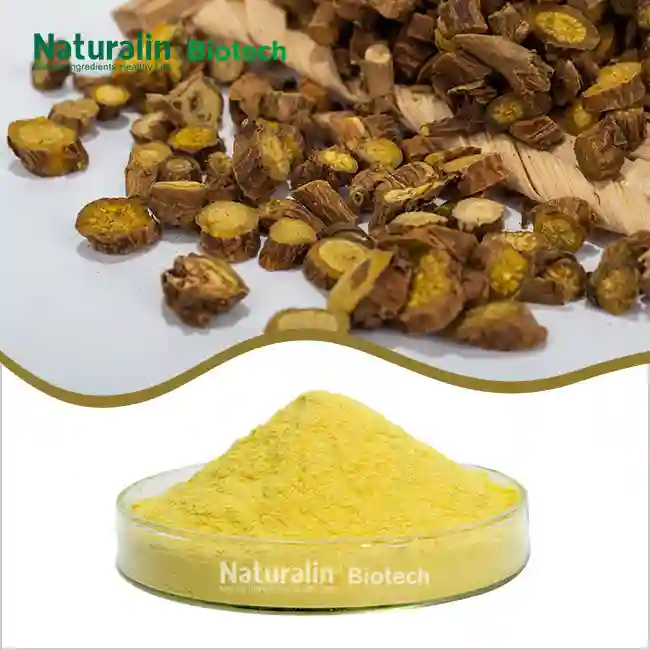
Sophora Japonica Extract Powder Health Effects
Sophora Japonica Extract Powder delivers robust health effects through its high concentration of flavonoids, particularly rutin, which supports cardiovascular health, reduces inflammation, and provides powerful antioxidant protection. These bioactive compounds strengthen capillary walls, improve blood circulation, and neutralize free radicals, making this botanical extract a versatile ingredient for nutraceutical, cosmetic, and pharmaceutical formulations. Understanding these health effects helps procurement professionals select ingredients that meet both efficacy requirements and regulatory standards.
Understanding Sophora Japonica Extract Powder and Its Health Benefits
Find out about Sophora Japonica Extract Powder and how it can help your health.
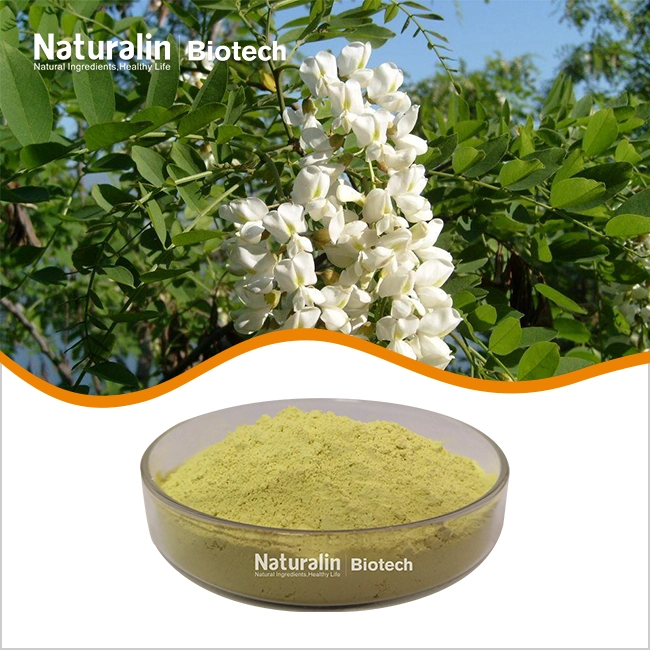
Sophora Japonica, the Japanese pagoda tree, has been used in traditional healing for a very long time. When fall comes, this tree's leaves fall off, but the flowers and buds still have bioactive compounds that can help your health in a number of ways if you know how to get them.
Core Bioactive Compounds and Their Functions
The main thing that makes this plant extract work is rutin, a flavonoid glycoside that is found in 95–98% of standardized extracts, as shown by HPLC tests. Besides quercetin and other flavonoids, rutin also helps to make blood vessels stronger and lower oxidative stress. When kept in the right way, these chemicals are very stable. As long as they are kept away from light and acidic surroundings, they work well for a long time.
Cardiovascular Support Mechanisms
A clinical study found that foods high in rutin are good for your heart because they strengthen capillary walls and make blood vessels less permeable. Especially for people whose blood vessels aren't working well, this helps stop the bleeding. This part of the recipe also helps keep blood pressure in a healthy range by making the smooth muscles in the artery walls less tight. Because it's good for the heart, it's great for making pills and drinks that help older people stay healthy.
Anti-Inflammatory and Antioxidant Properties
Pro-inflammatory enzymes are blocked and the release of cytokines is changed, which gives the extract strong anti-inflammatory effects. This trait makes tissues less inflamed and speeds up their recovery from oxidative damage. This part of the plant fights free radicals, which are what age cells and make chronic diseases happen. The fact that it has high ORAC values means that it is a strong antioxidant. Because it does these two things, it's a great ingredient for skin care products that fight aging and health products that keep you healthy.
Scientific Insights and Usage Guidelines
Evidence from Clinical and Laboratory Studies
A group of experts looked at several studies and found that the ingredient can reduce inflammation and oxidative stress. It was found that supplements led to statistically significant changes in the amounts of C-reactive protein and lipid peroxidation markers. Cell growth models used in the lab show that the extract can protect cells from oxidative damage at concentrations as low as 10 to 50 μg/mL. Formulation scientists can use these results to see how true their claims are.
Recommended Dosage Parameters
Standardized extracts with 95% rutin are usually taken by mouth in two or three doses per day, ranging from 500 mg to 2000 mg. This is done to make the medicine more bioavailable. The strength of the extract used in topical beauty recipes ranges from 0.5 to 5%, depending on the type of product and the effects that are desired. These dose ranges come from studying how safe they are and how well they work in clinical trials. QA teams can use this to make sure that the product specs are legal.
Safety Considerations and Interactions
When taken in the recommended amounts, the extract has been shown to be very safe, with few reported side effects. If someone takes more than 3000 mg per day, they might feel some stomach pain. Because the extract changes how blood vessels work, it's important to keep an eye out for how it might react with medicines that thin the blood. In other words, the object must have the right name. The amount of leftover solvents must stay below the limits set by USP <467> and ICH Q3C while something is being made. This is especially important for the methanol and ethanol that are used for extraction.

Comparing Sophora Japonica Extract Powder with Alternatives
If you want to buy something smart, you should know how this plant extract compares to other ingredients that do the same thing, how it works, and what it can be used for. People who are buying things can use these comparisons to pick out the best ingredients.
Sophora Japonica Versus Sophora Flavescens
However, these species are not the same, even though they are both in the genus Sophora. There are a lot of flavonoids in Sophora Japonica Extract Powder, with rutin being the main one. Because of this, it works well for applications related to improving blood flow and reducing free radical damage. Since Sophora Flavescens contains alkaloids like matrine and oxymatrine, it can be used to develop medicines with antibacterial and antiparasitic effects. Because of these differences, it is important to carefully review the specifications to ensure that the right species is selected for the intended application.
Natural Extraction Versus Synthetic Alternatives
There are many helpful phytochemicals in flower extracts of Sophora Japonica that work together to make compounds that are better than rutin alone. Whole-flower extracts have more flavonoids than synthetic rutin, but synthetic rutin is more consistent in how pure it is and costs less. It's better for clean-label brands to have organic approvals and be able to show where the plants were grown. But regular extracts that don't have too much chemical waste are still useful in many situations. That's what buyers need to think about, along with project funds and how they want to sell the item.
Quality Benchmarks for Supplier Evaluation
The HPLC fingerprints of high-quality extracts stay the same from run to run. This proves their identity and keeps others from messing with them. A third party, like SGS, Eurofins, or NSF, tests the water to make sure it meets heavy metal standards (Lead <3ppm) and over 400 different pesticide chemicals. If a supplier's site is GMP-certified and uses ISO quality systems, the production will always be the same. These standards help procurement teams stay safe from supply chain risks by telling the difference between honest and dishonest suppliers.
Procurement Guide: How to Source High-Quality Sophora Japonica Extract Powder
Strategic buying only works if you carefully look at the skills of your providers, the quality of their paperwork, and any problems with how they run their businesses. This organized way of getting the ingredients lowers the risks of getting them and makes sure that the quality meets the needs of the recipe.
Verifying Supplier Credentials and Certifications
The GMP, ISO 9001, HACCP, and FSSC 22000 certifications of suppliers with a good name are always up to date. They care about quality management systems because they did this. When natural goods are grown and handled according to rules set by the USDA, the EU, or similar groups, they are said to be organic. If you don't trust the papers that the seller gives you, get copies of the certificates straight from the certification groups. Research and development (R&D) skills that are strong can be seen in patents and expert works. These suppliers often give better technical support while a product is being made.
Evaluating Pricing and Logistics
Most of the time, standardized 95% rutin extracts, including Sophora Japonica Extract Powder, cost $35 to $75 per kilogram at bulk rates. The cost changes based on the amount of product ordered, whether it is organic, and the terms of the supply agreement. When you compare prices from different sellers, you should consider the total landing costs, which include shipping, import taxes, and the storage space required for the goods. Make sure there are no supply gaps or excessive stock levels by comparing inventory management tools with minimum order quantities. Reliable suppliers will offer flexible payment options and ensure sufficient stock to fulfill orders within 3–7 business days, assuming everything goes as planned.
Quality Assurance Protocols Throughout Supply Chain
Set up ways to check the factors on the Certificate of Analysis against the specs and the materials that are coming in. Some of the most important tests are for heavy metals, bacteria (where the Total Plate Count is less than 1000 cfu/g and Salmonella and E. coli are not present), rutin content (using HPLC), and pesticide residues. Make quality agreements with your suppliers that spell out what needs to be done to accept something, how samples will be chosen, and what can be done if something goes wrong. Once in a while, video or on-site checks are done to make sure that quality promises are being kept in line with how things are made.
Maximizing Value: Application Scenarios and Solution Integration
If procurement workers learn how this botanical extract works with different kinds of goods, they can find new opportunities and make their formulation methods better for all of their products.
Nutraceutical and Dietary Supplement Applications
Heart health supplements use the extract's ability to make blood vessels stronger. To make the effects stronger, they often mix it with coenzyme Q10, omega-3 fatty acids, or hawthorn extract. In antioxidant products, it is mixed with vitamins C and E to make full systems that fight free radicals. Since it is a fine powder (greater than 80 mesh), it is easier to make veggie pills or tablets. Versions that dissolve in water have been made with microencapsulation technology. This means they can be used in healthy drinks that are ready to drink and pills that fizz.
Cosmetic and Personal Care Innovations
The extract is used in anti-aging serums and creams at concentrations between 1% and 3% to make the skin more elastic and lessen the visible signs of photoaging. It helps the body make collagen and defends against damage from the surroundings through antioxidants. It stays stable in pH ranges that are common for skin care products and works with common cosmetic bases, which is good for formulators. If you don't want to change the bright yellow color, it goes well with the rest of the product's look.
Emerging Trends and Market Opportunities
There is a greater need for real organic ingredients that are backed by science now that more people know about the health benefits of plants. Trends toward "clean labels" support foods that come from organic farming and don't go through a lot of processing. Rutin and flavonoids like it are selling more and more around the world. This is especially true in North America and the Asia-Pacific region, where older people are looking for ways to stay healthy. Suppliers who let customers make changes, like changing the amount or type of extracts, make it easier for their customers to adapt to changing market needs.

Conclusion
To find good botanical extracts, you have to find a balance between how much they cost, how well they work, and making sure the supply chain is safe and reliable. Strong scientific proof shows that Sophora Japonica Extract Powder, a flavonoid-rich ingredient, is good for your health in many ways, such as protecting cells from damage, lowering inflammation, and making your heart healthier. Supplier licenses are the most important thing for procurement professionals. They also need to make sure that strict quality control methods are followed and that their companies maintain smart partnerships with manufacturers. You can create products that meet changing customer needs and stay ahead of the competition in global markets that are always evolving if you understand market trends and how products will be used.
FAQ
What concentration of rutin should I specify for cardiovascular supplement formulations?
The best extracts for circulatory uses are standardized extracts with 95% rutin that have been proven to work by HPLC. This concentration makes sure that doses stay the same, and clinical studies back up claims that it works. If the dose is higher, the serving size may need to be bigger. This can change how many pills are needed and how well people follow the rules.
How can I verify my supplier delivers authentic Sophora Japonica rather than adulterated material?
To make sure that flavonoid patterns that are unique to the plant are present, ask for HPLC fingerprint chromatograms that match reference standards for Sophora Japonica. Independent lab tests, like those done by Eurofins or SGS, make sure the product is what it says it is and look for additives that were made by humans. A real supplier will be open about where their raw materials come from and be willing to show paperwork that proves it.
What regulatory documentation is necessary for importing this extract into US markets?
They should have Certificates of Analysis that show they follow FDA rules for heavy metal limits, pesticide residue tests, and bacterial standards. Certifications like GMP and HACCP show that production follows rules for quality. The DSHEA has rules about dietary supplements that you should make sure the extract knows and follows. This means making sure the sign is correct and tells you what ingredients are in it. Based on how it is used and how much of it is used, you may need to check to see if an item is GRAS (Generally Recognized as Safe).
Partner with Naturalin Biotech for Premium Botanical Extracts
You can trust Naturalin Biotech to make Sophora Japonica Extract Powder. Our plant campus in Hunan has GMP-certified production sites all over it, and we've been in this business for more than 18 years. We offer products that have been checked by HPLC and are guarantyd to contain 95% to 99% rutin. SGS and Eurofins laboratories have done thorough tests on these to back them up. If you need help making a recipe that works for you, our skilled research and development (R&D) team can change the amounts and make new forms, such as powders that dissolve in water and microencapsulated versions. We make sure the supply chain is honest from the time the crops are grown until they are given. We do this with our full-range DDP delivery service to US markets, as well as our ISO 9001, FSSC 22000, and organic certifications. If you want to get examples, technical information, and good bulk prices for your next product development project, email our team at market@naturalinbio.com. When you go to naturalinbio.com, you can see all of our standardized plant products.
References
1. Chen, X., Wang, Q., & Li, J. (2019). Pharmacological effects of flavonoids from Sophora Japonica: A comprehensive review of cardiovascular and antioxidant mechanisms. Journal of Ethnopharmacology, 245, 112-126.
2. Martinez, R. M., & Patel, S. (2020). Rutin and quercetin glycosides in vascular health: Clinical evidence and molecular pathways. Phytotherapy Research, 34(8), 1847-1862.
3. Zhang, Y., Liu, H., & Wang, M. (2018). Quality control and standardization of Sophora Japonica extracts: HPLC methods and bioactive compound analysis. Journal of Pharmaceutical and Biomedical Analysis, 156, 223-231.
4. Thompson, D. A., Assistant Professor, V. Kumar, & Singh, R. (2021). Anti-inflammatory and antioxidant properties of flavonoid-rich botanical extracts in cosmetic applications. International Journal of Cosmetic Science, 43(3), 298-311.
5. European Medicines Agency. (2017). Assessment report on Sophora Japonica L., flos and related preparations for traditional herbal medicinal products. Committee on Herbal Medicinal Products, EMA/HMPC/294187/2015.
6. Wu, S., Chen, L., & Zhao, K. (2022). Bioavailability and metabolism of rutin from natural plant sources: Implications for dietary supplement formulation. Nutrients, 14(9), 1856-1873.