What Should B2B Buyers Check When Sourcing Button Mushroom Powder?
When looking for Button Mushroom Powder (Agaricus bisporus), business-to-business buyers need to think about a number of factors that are all connected: the standardization of active compounds, certifications, the reliability of the logistics, the credibility of the supplier, and the ability to make changes. A good Agaricus bisporus powder, unlike common ingredients, needs to have strict polysaccharide verification, heavy metal screening, and batch tracking. People who work in procurement in the food, cosmetics, and feed industries need to check to see if a supplier can consistently meet stated specifications on a large scale while still following all relevant food safety and quality standards. This guide takes you through all of the important checkpoints.
Understanding Button Mushroom Powder: Key Insights for B2B Buyers
The white button mushroom powder comes from drying out and carefully milling Agaricus bisporus sporocarps. It is a concentrated functional ingredient that can be used in many different ways. Fresh mushrooms have to be shipped in a cold chain and only last a short time. The powdered form, on the other hand, is a standard, shelf-stable alternative that can last longer if stored properly.
Nutritional Density and Functional Relevance
The powder has a lot of polysaccharides, selenium, ribonucleotides, and B-complex vitamins in it. Because it has a natural umami depth caused by glutamate synergists, it can be used instead of MSG in processed foods. Its polysaccharide part helps the immune system work better in supplement form, and its nutritional profile is confirmed by HPLC analysis.
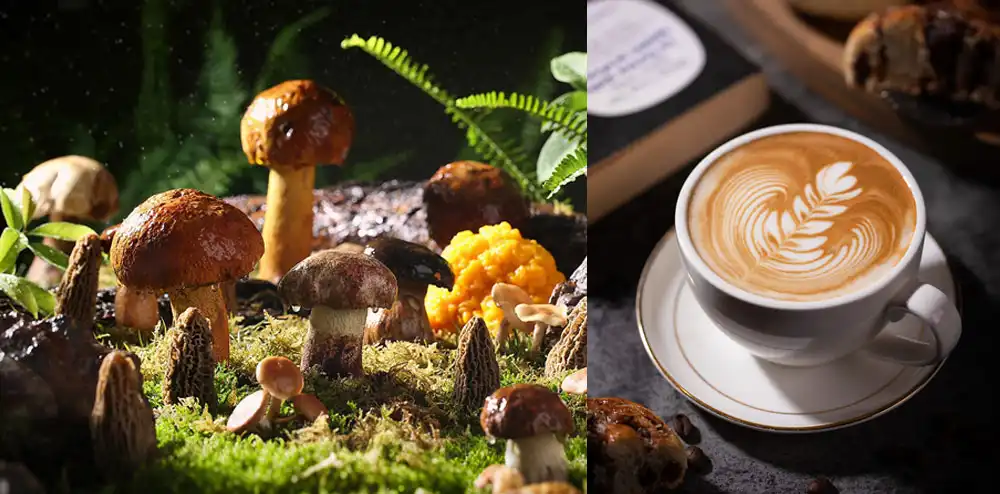
The small particle size makes it easy for the powder to mix with dry blends, functional drinks, mushroom coffee mixes, dietary pills, and even cosmetic emulsions. Because it can be used in so many different ways, it is a strategically important raw material for many types of manufacturing.
Critical Quality Parameters to Evaluate When Sour
cing Button Mushroom Powder
When buying ingredients for a business, quality is a must. Your quality team should look into four pillars of product integrity before making a decision about a supplier.
Active Compound Verification and Physical Profile
UV-Vis spectrophotometry is needed to measure the amount of polysaccharides. Particles should be between 80 and 100 mesh, which makes sure they can be spread out evenly. To stop the growth of microbes during shipping and storage, the moisture content must stay below 7%.Ask for a Certificate of Analysis (CoA) and compare it to lab data from a third party that is accredited by an organization.
These are the quality checks that buying teams usually use:
- Heavy metal screening via ICP-MS, covering Lead, Arsenic, Cadmium, and Mercury to align with EU and FDA thresholds.
- Microbiological testing for Salmonella, E. coli, and yeast/mold counts using AOAC-validated methodology.
- Pesticide residue profiling via GC-MS/MS, particularly critical for organic-certified lots.
- Organoleptic consistency — off-white to light-tan color, neutral-to-earthy aroma, with no extraneous fungal species detected.
These checks protect the integrity of your formulation and your standing with regulators further down the line. They stop events like costly re-formulation or market withdrawal.
Certifications like ISO 9001, FSSC 22000, organic, HALAL, and Kosher show that a supplier follows high standards that are known all over the world. Don't just look at certifications for fun; ask for up-to-date, dated proof and check expiration dates against each other.
Pricing, Procurement Channels, and Market Considerations for Bulk Purchasing
The price of Agaricus bisporus powder changes depending on the order volume, the mesh size, the organic status, and the method of extraction used. Standard dried powder has the same concentration ratio as fresh mushrooms. This means that several kilograms of raw material make up one kilogram of finished powder, which is a good way to figure out how much something costs.
Comparing Sourcing Channels and Logistics Terms
When compared to distributor-led channels, direct manufacturer relationships for button mushroom powder usually offer better batch tracking, more customization options, and more competitive prices at commercial volumes. For US buyers sourcing button mushroom powder, making sure that DDP (Delivered Duty Paid) shipping is available is very important because it eliminates many customs clearance issues and makes the total landed cost easier to predict. Working directly with a reliable button mushroom powder manufacturer can also improve communication about specifications, packaging formats, production schedules, and quality requirements. In addition, established suppliers of button mushroom powder can often provide consistent batch documentation and flexible solutions for large-volume food manufacturing.
Buyers should think about:
- MOQ alignment: Suppliers offering sample availability and small-batch trial orders (e.g., sub-25 kg) before commercial commitment reduce procurement risk significantly.
- Lead time reliability: A 3–7 working day lead time on ready-stock items is a realistic benchmark for established manufacturers.
- Shipping flexibility: Multi-modal options—DHL/FedEx for urgent samples, air freight for mid-volume orders, and ocean freight for bulk commercial shipments—indicate a mature logistics infrastructure.
Negotiating long-term supply agreements with price-lock clauses during raw material peak seasons helps stabilize COGS and protect product margin forecasts.
Matching Product Attributes to Buyer Needs: Use Cases and Decision Criteria
Which Agaricus bisporus powder specification to choose depends on where it will be used in the final product. A nutraceutical capsule can handle particles of a different size and level of wetness than a cosmetic emulsion or a functional beverage blend. Aligning these technical factors up front saves money on costs later on when reformulation is needed.
Application-Specific Customization Considerations
For plant-based meat substitutes, mushroom powder is a natural humectant and flavor bridge that hides the off-notes of pea or soy protein while adding more savory depth. It is better for wellness supplements to have a higher polysaccharide content. The quality of the antioxidants and the uniformity of the fine particles are very important in cosmetic formulations.
Suppliers who can microencapsulate, improve solubility or dispersibility, and co-develop formulations have an edge over their competitors. This help makes your internal R&D work easier and speeds up the time it takes to get a product to market. Private labeling and OEM/ODM capabilities make it possible for brands to stand out without having to invest a lot of money in manufacturing infrastructure.
How to Identify and Partner With Reliable Button Mushroom Powder Suppliers
When procurement professionals do their homework on button mushroom powder suppliers, they build their reputation within the company and reduce the risk of choosing an unreliable partner. The certifications a button mushroom powder supplier has are just the bare minimum. What sets real button mushroom powder partners apart are their operating transparency, technical response speed, consistent quality control, and accountability after the sale. Buyers should also evaluate whether a button mushroom powder supplier can provide clear batch records, reliable documentation, flexible packaging options, and responsive technical support throughout the purchasing process.
Evaluating Supplier Credibility and Partnership Readiness
A reliable mushroom powder provider will have public patent portfolios, audit histories from a third party, and proof of industry recognition. Suppliers with large patent portfolios in botanical extraction, such as documented mushroom extract patents, show that they have a real commitment to research and development (R&D) rather than being dependent on toll processing.
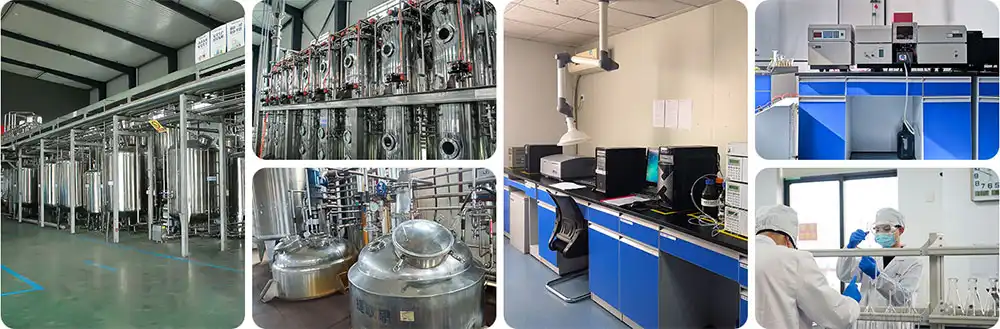
Ask for proof of traceability at the batch level and find out if the provider uses real-time QC monitoring during production. Factory inspections, either online or in person, make sure that GMP-compliant workshops match the information given. A supplier that responds to questions 24 hours a day and provides dedicated technical support shows that they are operationally mature.
Long-term relationships work best when the supplier is also involved in the formulation process, not just selling products. For procurement managers who are in charge of multiple SKU ingredient portfolios, clear communication, fluid sampling policies, and quick follow-up after the sale are all must-haves.
Conclusion
When buying button mushroom powder from a business-to-business (B2B) provider, you need to carefully check their quality, compliance, logistics, and ability to do the job. Buying things based on confirmed active compound data, certified manufacturing skills, and proven customization capabilities always leads to lower supply chain risk and better product performance. The right relationship with your provider is more than just negotiating prices; it also supports your innovation pipeline and builds trust with regulators.
FAQ
What is the standard concentration ratio for button mushroom powder?
Standard dehydrated Agaricus bisporus powder typically reflects a 10:1 to 12:1 ratio from fresh mushrooms. Concentrated extracts with higher polysaccharide standardization are also available for nutraceutical applications.
How does organic button mushroom powder differ from conventional?
Organic-certified powder is sourced from cultivation environments free from synthetic pesticides and fertilizers, verified through multi-residue GC-MS/MS screening. It commands a price premium but enables cleaner label positioning in markets where non-GMO and organic claims carry consumer value.
What storage conditions maximize shelf life?
When stored in sealed, moisture-barrier packaging under cool, dry conditions (relative humidity below 60%), the powder maintains full sensory and functional integrity for up to 24 months. Vacuum packaging with silica-based anti-caking agents is advisable for bulk warehousing.
Can button mushroom powder replace fresh mushrooms in industrial recipes?
Yes. The concentrated nature of the powder means small volumes deliver equivalent umami intensity and nutritional contribution. It also eliminates cold-chain dependency, which simplifies high-volume food manufacturing logistics considerably.
What certifications should a qualified supplier hold?
At minimum: ISO 9001, FSSC 22000, GMP, HACCP, and HALAL/Kosher where applicable. EU/USDA Organic certification is essential for clean-label product lines targeting North American and European markets.
Partner With Naturalin Biotech for Premium Button Mushroom Powder Supply
Naturalin Biotech delivers GMP-compliant, multi-certified White Button Mushroom Powder with 3–7 day lead times, 25 kg commercial MOQ, and full DDP door-to-door delivery to the U.S. market. As a trusted Button Mushroom Powder manufacturer with 20+ years of experience and 40+ patented technologies, we offer customized formulation support, third-party verified quality, and responsive technical collaboration. Reach our team directly at market@naturalinbio.com or visit naturalinbio.com to request a sample or product catalog today.
References
1. Cheung, P. C. K. (2010). The nutritional and health benefits of mushrooms. Nutrition Bulletin, British Nutrition Foundation.
2. Wasser, S. P. (2002). Medicinal mushrooms as a source of antitumor and immunomodulating polysaccharides. Applied Microbiology and Biotechnology, Springer.
3. Ferreira, I. C. F. R., Barros, L., & Abreu, R. M. V. (2009). Antioxidants in wild mushrooms. Current Medicinal Chemistry, Bentham Science Publishers.
4. U.S. Food and Drug Administration. (2023). Dietary Supplement Ingredient Advisory List and Labeling Requirements. FDA.
5. European Food Safety Authority (EFSA). (2021). Safety assessment of novel food ingredients derived from fungi. EFSA Journal.
6. Mattila, P., Könkö, K., Eurola, M., et al. (2001). Contents of vitamins, mineral elements, and some phenolic compounds in cultivated mushrooms. Journal of Agricultural and Food Chemistry, American Chemical Society.