How Can Manufacturers Use Maitake Mushroom Extract Powder in Formulations?
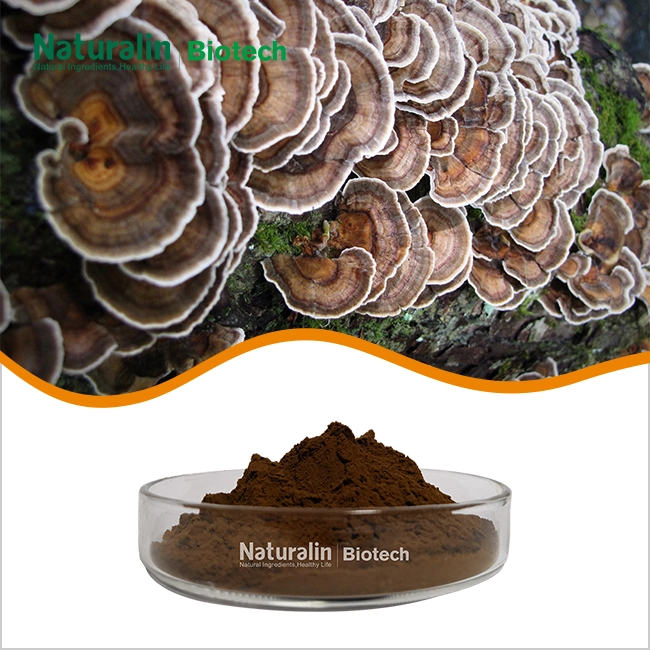
Because it has standardized beta-glucan and polysaccharide content, Maitake Mushroom Extract Powder (Grifola frondosa) can be used in a lot of different formulas. This ingredient from functional mushrooms is good for your immune system and metabolism, so it can be used in dietary supplements, functional drinks, health foods, and even cosmetics. Its small particle size, resistance to heat, and ability to dissolve in water make it easy to add to capsules, powders, drinks, and topical products. This gives formulators confidence in the product's performance and appeal to a wide range of market segments.
Understanding Maitake Mushroom Extract and Its Core Benefits
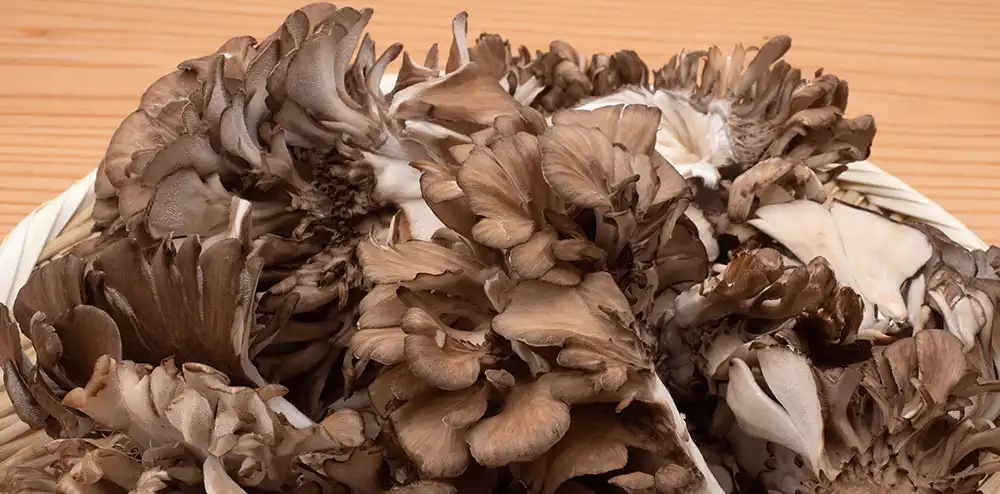
Maitake extract comes from the fruiting body of Grifola frondosa and contains a special group of bioactive beta-glucans in it. The scientific community knows that these compounds have useful properties. Researchers have proven that maitake beta-glucans help immune cells work properly in people.
Why Bioavailability Matters in Extraction
The chitin cell walls in raw mushroom powder are still whole, which means that the human digestive system can't break them down properly. Standardized extraction methods, such as hot water, dual-solvent, or enzyme-assisted methods, break down these walls and concentrate bioactive parts, making them much more bioavailable. This is exactly why procurement teams and R&D scientists put verified extract specs ahead of raw powder when making formulations that are based on effectiveness.
Safety and Dosage Benchmarks
When used in commercial supplements, the appropriate amount of standardized Maitake Mushroom Extract Powder depends on the intended purpose, formulation requirements, and delivery method. Maitake Mushroom Extract Powder has a well-established history of use, and when used at recommended levels, it is generally considered suitable for functional food and supplement formulations. This makes Maitake Mushroom Extract Powder a practical ingredient for products designed for regular, long-term use. For manufacturers, selecting high-quality Maitake Mushroom Extract Powder with consistent standardization and clear quality documentation can help ensure reliable formulation performance and batch-to-batch consistency.
Formulation Considerations for Manufacturers
Choosing the right grade of maitake extract is not a small part of the buying process; it affects the stability of the product, how it is positioned in the market, and how happy the end user is. Choosing between conventional and organic sources, fruiting body vs. mycelium, and pure extract vs. a functional mushroom blend can all affect how the product is made in the future.
Before finalizing their ingredient list, makers should look at these key formulation parameters:
- Standardization verification: Demand HPLC- or enzyme solution-UV-tested extracts with documented beta-glucan content between 20–40%. A high polysaccharide reading with low beta-glucan confirmation often signals filler adulteration with starch excipients—a red flag for quality-driven formulators.
- Particle size compatibility: An 80-mesh (or finer) specification ensures uniform dispersibility in capsule fills, tablet blends, and instant beverage formats. Coarser material creates clumping in water-based systems and uneven dosing in solid forms.
- Thermal stability window: Because Grifola frondosa beta-glucans are inherently heat-stable (they survive traditional hot-water brewing), the extract maintains functional integrity through most manufacturing processes, including pasteurization and spray-drying.
- Synergistic stacking: Maitake extract blends well with reishi (Ganoderma lucidum), lion's mane (Hericium erinaceus), and cordyceps. These combinations are increasingly common in the premium supplement segment, where multi-mushroom formulas command higher retail positioning.
These parameters give formulation scientists the technical information they need to make products that are consistent and ready for the market. By double-checking each detail before placing a large order, you can avoid expensive re-formulation steps later on in the product development process.
Market Differentiation: Maitake vs. Other Functional Mushrooms
The market for functional mushroom ingredients keeps growing because people want natural health ingredients that have been proven to work in clinical settings. In this environment, maitake stands out in a special way.
How Maitake Compares to Reishi and Shiitake
Shiitake mushrooms provide lentinan polysaccharides, while reishi extract is mostly valued for its triterpene content and potential adaptogenic properties. Maitake Mushroom Extract Powder has a distinctive beta-glucan profile that makes it a valuable functional ingredient for formulations focused on immune and metabolic health. This difference is important to consider when developing products for metabolic health, as Maitake Mushroom Extract Powder offers a specific nutritional and functional profile compared with other medicinal mushroom extracts. For manufacturers targeting specialized health-product markets, Maitake Mushroom Extract Powder can serve as a versatile functional ingredient for selected metabolic and wellness applications. Standardized Maitake Mushroom Extract Powder can also provide greater consistency in formulation and quality control, making it a practical choice for specialized product development.
Organic vs. Conventional: Cost-Benefit Reality
Organically certified maitake extract is more trusted by customers and makes it easier to get into retail channels. Certified organic ingredients always help brands that are aimed at natural grocery stores and direct-to-consumer supplement stores sell more. For companies whose customers care about price, regular non-GMO extract that meets the same beta-glucan standards is still a good choice, as long as the paperwork for tracking it is still in order.
Procurement Strategies for Manufacturers and Distributors
In the functional mushroom space, choices about where to get things carry real supply chain risk. Because crops grow differently depending on the season, most of the production is concentrated in Zhejiang and Fujian provinces in China, and quality varies between commodity sellers; evaluating suppliers is an important part of procurement.
A dependable source of Grifola frondosa extract should meet a number of strict requirements. The supplier must have a manufacturing license that meets GMP standards, use the ISO 9001 and FSSC 22000 quality management systems, and show proof of tests from a third party, like SGS or Eurofins. It's just as important for brands that sell through more than one channel to be ready for regulations in the US market, such as FDA dietary supplement compliance and HALAL/Kosher certification for related global markets.
When it comes to logistics, MOQ flexibility is especially important for R&D teams that are testing Maitake Mushroom Extract Powder in pilot batches. Adoption risk for Maitake Mushroom Extract Powder is greatly reduced when suppliers allow trial sample orders before requiring commercial minimums. International buyers can also evaluate Maitake Mushroom Extract Powder more efficiently when suppliers provide flexible shipping options that make customs clearance easier. For new product development, reliable suppliers of Maitake Mushroom Extract Powder should offer reasonable MOQs, sample availability, clear documentation, and multiple logistics solutions to support both small-scale trials and future commercial orders.

Practical Applications Across Product Categories
Standardized maitake extract powder can be used in a lot of different ways, which opens up business opportunities in a lot of different manufacturing areas.
It can be used as an immune-boosting ingredient on its own in veggie capsules or as part of a stack of multiple mushrooms in softgels and tablet mixes. Because it dissolves easily in water and has a neutral flavor, it can be used in functional drinks like mushroom coffees, wellness teas, and performance protein drinks. Functional food companies put it in protein bars, superfood mixes, and meal replacement powders because the botanical story on the clean label helps them position their products as high-end.
Antioxidant-rich mushroom products are now being used in serums and moisturizers by cosmetic companies. Polysaccharides in maitake help keep skin moist and protect it from damage. They are a plant-based replacement for synthetic humectants that can be used in cosmetics. In the field of animal nutrition, beta-glucan-rich mushroom ingredients help pets' and birds' immune systems stay strong. This fits with the trend toward natural feed additives in general.
Conclusion
Maitake Mushroom Extract Powder gives manufacturers a scientifically sound ingredient that can be used in a variety of ways and is useful in many industries at the same time. Its standardized beta-glucan profile, ability to withstand heat, and ability to work with other functional ingredients make it a great choice for people who are making vitamins, drinks, functional foods, cosmetics, and food for animals. Building trustworthy sourcing partnerships around verified Grifola frondosa extract becomes a clear strategic goal as the market's need for clear and effective botanical ingredients grows.
FAQ
What is the difference between maitake powder and maitake extract powder?
Raw maitake powder is simply dried and ground mushroom biomass. Its chitin-bound cell walls significantly restrict bioavailability. Extract powder undergoes hot water or dual-solvent extraction to concentrate the active D-fraction beta-glucans and remove indigestible compounds, delivering a standardized, bioavailable ingredient suitable for commercial formulation.
Is maitake extract heat-stable enough for beverage processing?
Yes. Beta-glucans from Grifola frondosa are inherently heat-stable, as they are produced via high-temperature water extraction. The bioactive compounds remain structurally intact through pasteurization and standard beverage manufacturing conditions.
How do I verify beta-glucan content on a COA?
Look specifically for beta-glucan values confirmed by enzymatic assay (such as the Megazyme method) or enzyme solution-UV testing. A COA that reports only total polysaccharides without isolated beta-glucan confirmation may reflect starch content rather than true bioactive concentration.
What certifications should a maitake extract supplier hold?
At minimum, look for GMP, ISO 9001, FSSC 22000, HALAL, and Kosher certifications. EU/USDA organic certification adds value for clean-label and natural retail channels. Third-party testing from SGS or Eurofins further substantiates quality claims.
Partner with Naturalin Biotech for Premium Maitake Mushroom Extract
Naturalin Biotech delivers rigorously standardized Maitake Mushroom Extract Powder—30% polysaccharides, 20–40% beta-glucan, enzyme solution, UV-verified, and backed by 40+ patents and 20+ years of botanical extraction expertise. As a trusted Maitake Mushroom Extract Powder supplier serving global brands across supplements, food, and cosmetics, we offer GMP-compliant manufacturing, EU/USDA organic options, and flexible MOQs starting from trial samples. Contact our technical team at market@naturalinbio.com or visit naturalinbio.com to request samples today.
References
1. Kodama, N., Komuta, K., & Nanba, H. (2002). Journal of Alternative and Complementary Medicine – Effect of Maitake D-Fraction on Cancer Prevention.
2. Wasser, S. P. (2002). Applied Microbiology and Biotechnology – Medicinal mushrooms as a source of antitumor and immunomodulating polysaccharides.
3. Nanba, H., & Kubo, K. (1997). Chemistry and Industry – Maitake D-fraction: Healing and preventive potential for cancer.
4. Grand View Research. (2023). Functional Mushroom Market Size, Share & Trends Analysis Report.
5. Mayell, M. (2001). Alternative Medicine Review – Maitake extracts and their therapeutic potential.
6. Vetvicka, V., & Vetvickova, J. (2014). Annals of Translational Medicine – Immune-enhancing effects of Maitake (Grifola frondosa) and Shiitake (Lentinula edodes) extracts.