Sophora Japonica Extract Powder Provides Rutin-Rich Solutions For Clean Beauty Products
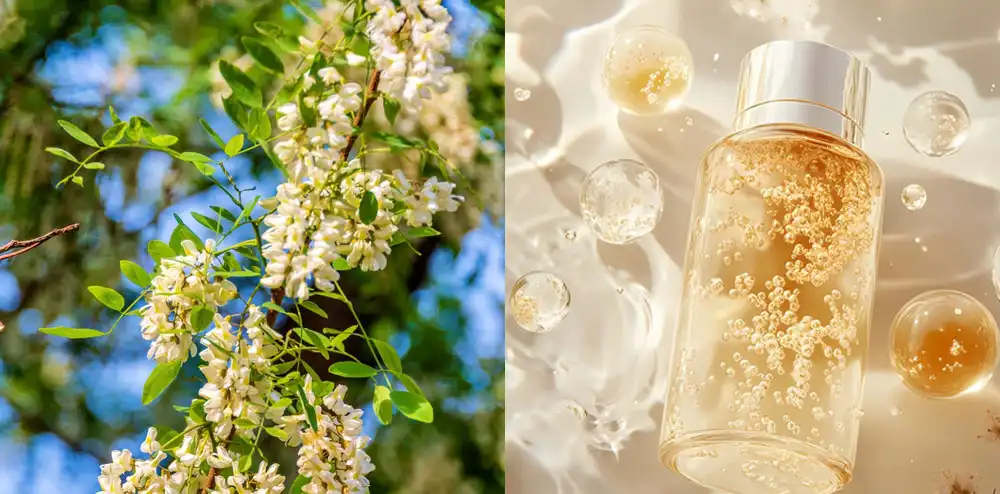
Sophora Japonica Extract Powder is always one of the top choices for clean beauty brands looking for botanicals that really work. This standardized extract comes from the unopened flower buds of the Japanese Pagoda Tree (Styphnolobium japonicum). It is very high in rutin, a bioflavonoid known for its antioxidant properties, skin-supporting effects, and soothing qualities. As the US market grows in demand for cosmetic ingredients that can be tracked back to plants, this rutin-rich botanical powder is becoming an important ingredient for serious clean beauty innovators.
Understanding Sophora Japonica Extract and Its Role in Clean Beauty
Botanical Origin and Flavonoid Profile
There are a lot of flavonoids in the Huai Mi flower buds that were picked right before they opened. This is when the extract is made. Quercetin and rutin (Quercetin-3-rutinoside) are the main chemicals that work. They are both well-known bioflavonoids. Rutin makes vascular walls stronger, lowers inflammation, and stops oxidative skin damage. These are all benefits that can be seen on the skin. An aglycone called quercetin gets rid of free radicals directly and helps cells stay strong at the molecular level. These chemicals work together to give the extract measured benefits that go beyond beauty marketing.
Antioxidant Performance Backed by Science
A lot of research has shown that rutin is a strong antioxidant. Researchers have proven that rutin has strong free radical scavenging properties, working similarly to well-known synthetic antioxidants but without the safety concerns. This set of data is very helpful for people who make cosmetics and follow the rules for "clean label." The polyphenolic density of the extract also stops matrix metalloproteinases from working. These are enzymes that damage collagen and skin look, so the extract keeps collagen healthy.
Why This Extract Stands Above Conventional Herbal Alternatives
There are many challenges associated with plant extracts entering the cosmetics supply chain, including variations in active compound levels, potential pesticide contamination, and degradation caused by high processing temperatures. These issues can create significant risks for product developers who depend on consistent and repeatable performance. Using high-quality Sophora Japonica Extract Powder derived from standardized Japanese Pagoda Tree buds can help address these concerns in premium clean beauty formulations. With consistent specifications and controlled quality, Sophora Japonica Extract Powder provides formulators with a more reliable botanical ingredient for maintaining product consistency and performance. By incorporating Sophora Japonica Extract Powder into carefully designed cosmetic formulations, brands can reduce the variability associated with less standardized plant extracts while supporting the quality requirements of high-end clean beauty products.
- Standardized rutin concentration: HPLC tests show that premium-grade powder has consistent rutin levels, eliminating potency variability that makes formulations less reliable. This is critical for serums and topical treatments that require exact amounts of active ingredients.
- Controlled PAH mitigation: Responsible manufacturers use indirect steam heating and low-temperature vacuum drying to keep benzo(a)pyrene levels below 10 parts per billion. This aligns with the toughest EU rules on food and makeup safety, benefiting US brands with global ambitions.
- Micronization and water-solubility options: Since pure rutin typically does not mix well with water, new technologies for micronization and enzymatic modification produce derivatives that mix well and work effectively in toners, emulsions, and functional drinks.
- Non-GMO and traceable sourcing: Formulation teams must be able to show that all basic ingredients can be traced back to their source for regulatory reports and clean label claims. This starts with Sophora Japonica Extract Powder source material that was grown naturally and harvested under documented conditions.
A lot of procurement teams and R&D scientists have trouble with quality security and clean labels. These features offer solutions. Making new goods takes less time and costs less money when an ingredient always works the same way.
Sourcing for B2B Procurement: What Buyers Need to Verify
To find a trustworthy plant extract supplier, you need to do more than just look at the price per kilogram. First, buyers should look at the certification coverage to make sure that the production process follows GMP rules and that there are ISO 9001 and FSSC 22000 quality systems in place. For third-party testing, partners with well-known labs like SGS, Eurofins, or NSF make sure that microbiological safety, heavy metal limits, and active chemical amounts are met.
Purchasing managers should also check how easily raw materials can be tracked back to the supplier. The seller should be able to show where each lot came from, when it was picked, and how it was grown. For organic varieties, you need to show a valid organic license from a well-known group. Also, being able to handle logistics is very important. For example, buyers in the US market benefit from sellers who offer DDP (Delivered Duty Paid) service, which combines customs clearance, tariff management, and delivery into a single accountable relationship. Three to seven business days for lead times and a 24-hour reaction window are signs that the company is ready to work with you. The best time to buy Sophora Japonica Extract Powder is when these quality and shipping standards are met.
Integrating the Extract into Your Clean Beauty Product Line
Recommended Usage and Synergistic Pairing
If you want to use rutin extract on your skin, the best amount is usually between 0.5% and 2.0% w/w, but this can change based on the product form and the skin benefit you want to achieve. Ascorbic acid, a type of vitamin C, works well with it because it fixes flavonoids that have been damaged by oxygen and makes the brightening benefits stronger. Niacinamide is another part that works with the others to fix problems like uneven skin tone, a weaker barrier function, and redness caused by UV light.
Regulatory and Labeling Considerations
In the US, claims about cosmetics need to be backed up so that the FTC doesn't look into them. Studies on flavonoids back up claims that they are antioxidants and can help calm people down, but be careful using medical or therapeutic words. Regulation (EC) No 1223/2009 says how cosmetic ingredients can be used and how safe they are. To make Safety Assessment submissions go more smoothly, buyers of Sophora Japonica Extract Powder for global distribution should ask their seller for a full safety dossier, which should include toxicological data and a proof of analysis.
Conclusion
Extracts from Japanese Pagoda Tree flower buds that are high in rutin are a safe, science-backed answer to the clean beauty industry's need for plant-based actives that work well and don't break down. The list of functions is long, and it includes fighting free radicals, supporting collagen, and reducing inflammation. The most important thing for procurement workers and formulation scientists is to find a service that can confirm Sophora Japonica Extract Powder standardization, full traceability, and the technical depth to support customization for specific uses.
FAQ
What is the difference between rutin and quercetin in this extract?
Rutin is the glycoside form (Quercetin-3-rutinoside), which supports vascular health and stays accessible in the body for a long time. Quercetin is the aglycone form, which is more directly bioactive for antioxidant and immune-modulating functions. Premium extracts provide both, giving formulators flexibility based on their specific needs.
How do I verify extract purity before purchasing?
Request a Certificate of Analysis (CoA) showing the amount of active substances checked by HPLC, heavy metal test results, and microbiological safety data. Confirmation of third-party testing by recognized labs like SGS, Eurofins, or NSF provides additional assurance of Sophora Japonica Extract Powder purity.
Is this extract safe for sensitive skin formulations?
At typical cosmetic use concentrations (0.5%–2.0%), rutin extract is well-tolerated. Pregnant women and individuals with known flavonoid sensitivities should consult a qualified clinician. For sensitive skin product lines, patch testing and clinical consumer studies are advisable before a full commercial launch.
What are the recommended storage conditions?
Store the powder in a sealed container in a cool, dry, and dark environment. Under these conditions, the integrity of the active compounds is maintained for up to 24 months with minimal degradation.
Partner with Naturalin Biotech for a Verified Sophora Japonica Extract Powder Supply
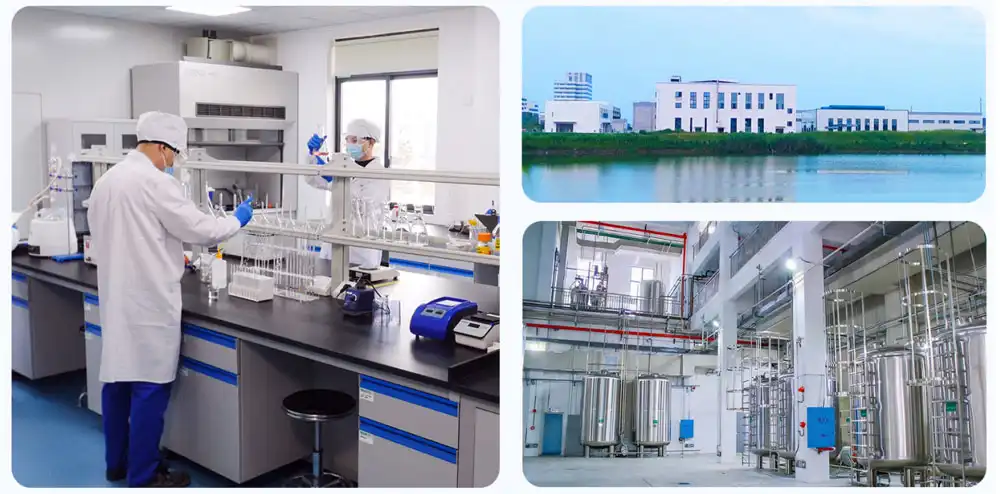
Naturalin Biotech offers GMP-certified, HPLC-standardized Sophora Japonica Extract Powder with full traceability, third-party testing, and US-market DDP logistics. As an experienced botanical extract manufacturer, we support custom concentration adjustments and rapid sample development. Contact our team at market@naturalinbio.com or visit naturalinbio.com to discuss your formulation requirements and secure a reliable, compliant supply.
References
1. Kamel, R., & Mostafa, D. M. (2015). Rutin nanostructured lipid cosmeceutical preparation. Journal of Pharmaceutical Sciences, 108(1).
2. Chua, L. S. (2013). A review on plant-based rutin extraction methods. Journal of Ethnopharmacology, 150(3), 805–817.
3. Ganeshpurkar, A., & Saluja, A. K. (2017). The pharmacological potential of rutin. Saudi Pharmaceutical Journal, 25(2), 149–164.
4. Patel, K., & Patel, D. K. (2019). Rutin: A review on its biological activities. Asian Pacific Journal of Tropical Biomedicine, 9(6), 229–235.
5. European Commission. (2009). Regulation (EC) No 1223/2009 of the European Parliament and of the Council on Cosmetic Products. Official Journal of the European Union.
6. Boots, A. W., Handen, G. R., & Bast, A. (2008). Health effects of quercetin: From antioxidant to nutraceutical. European Journal of Pharmacology, 585(2–3), 325–337.