Maitake Mushroom Extract Powder For Specialty Food Ingredient Formulation
Maitake Mushroom Extract Powder is always at the top of the list when people who make specialty foods are looking for a reliable, high-potency functional mushroom ingredient. This standardized extract comes from the growing body of Grifola frondosa and contains polysaccharides and beta-glucans, which have been tested and proven to be present. Because it doesn't change when heated and can be mixed with different ingredients, it's a popular choice in functional beverage and food production, where consistent bioactivity and following the rules are important.
Understanding Maitake Mushroom Extract: Properties and Benefits
Grifola frondosa, which is also called "Hen-of-the-Woods," has a special group of bioactive beta-glucans. Instead of the tough chitin cell walls that stop raw dried mushroom powder from being bioavailable, a concentrated extract gets around that problem, giving you significantly more active chemicals per gram.
Bioactive Profile and Health Functions
The beta-glucan content in a standardized Grifola frondosa extract gives useful benefits that matter to product formulators. These include supporting the immune system, metabolic health, and antioxidant activity that makes finished goods last longer. Maitake beta-glucans have been found to be functional compounds with measurable effects in published studies. This gives formulators a solid scientific basis for positioning their products.
Purity Considerations for Formulation Flexibility
High-quality Maitake Mushroom Extract Powder comes only from carefully cultivated fruiting bodies rather than mycelium, grain-derived substrate, or unnecessary fillers. This distinction is important because some products made primarily from mycelium can contain high levels of alpha-glucan (starch), which may reduce the relative concentration of beta-glucan. For manufacturers and buyers seeking reliable Maitake Mushroom Extract Powder, every production batch should be tested using approved enzymatic assay methods. This quality-control process helps ensure that the COA for Maitake Mushroom Extract Powder reflects the actual bioactive content rather than simply reporting the total mass of carbohydrates. Consistent testing and transparent documentation make Maitake Mushroom Extract Powder more reliable for use in functional food, beverage, and nutritional formulations.
Key Considerations When Incorporating Maitake Extract into Specialty Foods
It takes more than just adding a powder to a recipe to make a useful mushroom extract work in food. Solubility, flavor interaction, and thermal stability are all things that formulators need to look at before they choose a formulation route.
Solubility, Heat Stability, and pH Compatibility
Hot-water extraction produces Maitake Mushroom Extract Powder that dissolves easily in water and mixes well with other ingredients. The beta-glucans in Maitake Mushroom Extract Powder can tolerate elevated processing temperatures because they are extracted under controlled hot-water conditions. This makes Maitake Mushroom Extract Powder suitable for applications involving retort processing, pasteurization, and boiling-water preparation methods such as instant teas. In addition, Maitake Mushroom Extract Powder can perform reliably across a broad pH range, supporting both acidic beverage bases and neutral supplement matrices. For B2B manufacturers, the water-dispersible properties and processing stability of Maitake Mushroom Extract Powder make it a practical ingredient for a wide range of functional food, beverage, and supplement formulations.
Regulatory Compliance and Certification Requirements
Global brands that sell in the US need ingredient documentation that can stand up to regulatory review. Having suppliers with organic, ISO9001, FSSC22000, HALAL, and Kosher certifications is a good way for QA teams in many export countries to be satisfied. The traceability chain that purchasing managers and regulatory affairs professionals need at the sourcing stage is made up of GMP-compliant manufacturing and third-party validation through accredited labs.
Comparing Maitake Extract with Other Functional Mushroom Ingredients
The group of functional mushrooms has grown a lot, and now Reishi, Lion's Mane, Cordyceps, and Turkey Tail all have their own shelves. Formulators can make better positioning decisions based on bioactivity data rather than marketing trends when they know where Grifola frondosa extract fits in and where it performs better.
Reishi (Ganoderma lucidum) is mostly valued for its triterpene content and adaptogenic profile. On the other hand, Maitake stands out because it has a very high beta-glucan density and has been shown to have metabolic benefits. Lion's Mane has hericenones that protect neurons, which is a different mechanism profile from Maitake's immune-supporting pathway. Because of this difference, formulators can mix extracts that are more specific to their functions instead of using a general "mushroom complex" positioning.
When B2B formulators are asked to choose between whole mushroom powder and a concentrated extract, the decision often depends on dosage efficiency and how much space is available on the product label. Maitake Mushroom Extract Powder provides a more concentrated source of active compounds, delivering the equivalent amount of active ingredients found in a much larger quantity of standard dried mushroom powder. This concentration makes Maitake Mushroom Extract Powder especially valuable for unit-dose products that need to stay within strict fill-weight limits. For manufacturers seeking efficient formulations, Maitake Mushroom Extract Powder can help reduce the amount of raw material required while maintaining a practical serving size. As a result, Maitake Mushroom Extract Powder is a suitable option for capsules, sachets, functional beverages, and other products where formulation space and dosage efficiency are important considerations.
Procurement Guide for Maitake Mushroom Extract Powder in Bulk
When looking for a functional ingredient on a large scale, you need to look at four things about the supplier's abilities: consistency in quality, regulatory paperwork, logistical dependability, and the ability to make changes.
When looking for a seller of maitake extract, professionals who buy in bulk always look at these factors:
- Standardization and testing transparency: Batch-to-batch consistency verified by HPLC and enzyme solution-UV, with COAs available per lot and accessible third-party test reports from SGS or Eurofins on request.
- Certification alignment: EU/USDA Organic, ISO9001, FSSC22000, HALAL, and Kosher certifications reduce downstream documentation burden for US and international market entry.
- Customization capability: Particle size (60 mesh, 80 mesh, or bespoke), concentration adjustment (20%–40% beta-glucan), and delivery format options (powder, granule, liquid) allow the ingredient to fit existing manufacturing lines without reformulation overhead.
- Logistics and MOQ flexibility: Commercial MOQ at 25 kg with sample and small-batch trial orders available. Shipping via DHL/FedEx, air freight, or ocean freight with full DDP door-to-door service to the US market. Standard lead time runs 3–7 working days from ready stock.
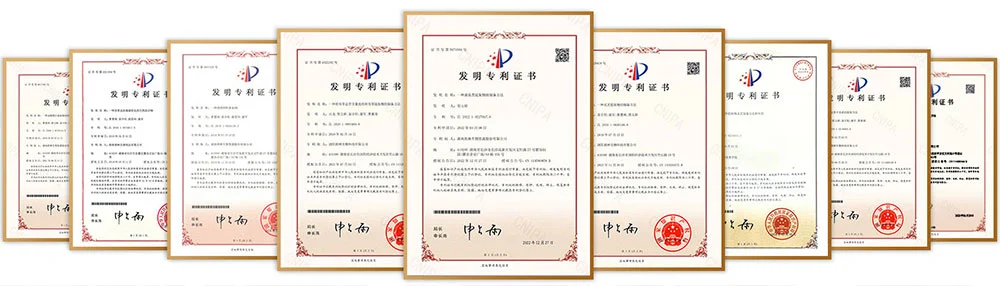
All of these factors lower the risk of not being able to qualify a supplier and help procurement teams build a stable, auditable supply chain for ingredients. Naturalin Biotech has been making products for more than 20 years and has more than 40 product patents. One of these patents is for a mushroom extract (ZL202210227047.6). This gives big buyers the manufacturing depth they need.
Real-World Applications in Specialty Food Formulation
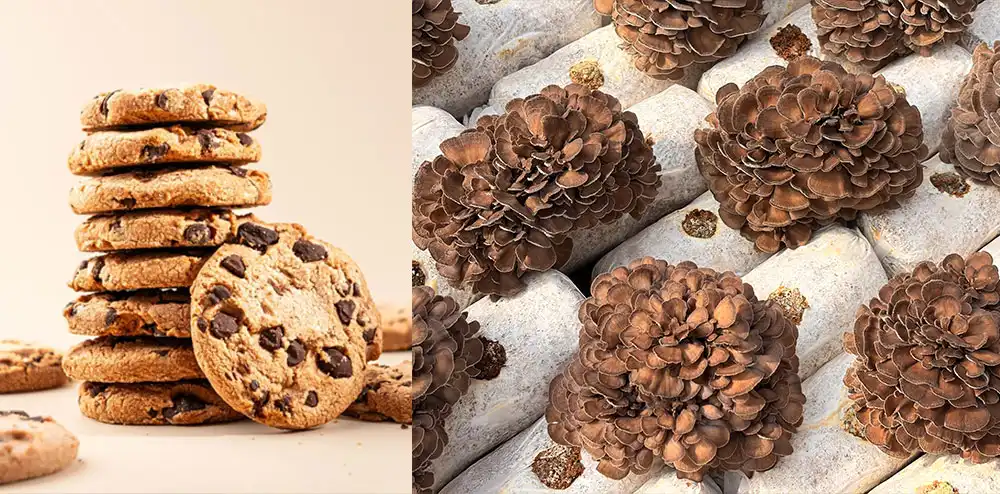
More and more, functional food innovation rests on ingredients that are both proven to work and don't affect how the food tastes. Grifola frondosa extract has been successfully added to mushroom coffee blends, wellness-support gummies, meal-replacement shakes, and fortified snack bars. All of these are product types where clean taste, water dispersibility, and origin claims that are easy to understand are important.
Masking flavors in beverage applications is a problem that comes up a lot in formulation. The mild, earthy taste of the extract is much more neutral than raw mushroom powder. This means that functional teas and protein drinks don't need to add as much flavoring. The small particle size and low moisture content (less than 5%) allow for direct compression and encapsulation without caking in capsule and pill forms.
Precision-standardized beta-glucan ingredients, microencapsulated formats for extended-release delivery, and combination stacks that pair maitake with adaptogens for a synergistic wellness positioning are all new ideas in this area. R&D customization services can help with all of these areas.
Conclusion
There are three good reasons to use a standardized Grifola frondosa extract in specialty foods: well-documented bioactivity, clean-label sourcing integrity, and manufacturing consistency that can keep up with demand. Maitake Mushroom Extract Powder combines these advantages by providing a standardized ingredient suitable for functional food applications. As consumers who buy functional foods become more selective about verifying the safety of active ingredients and ensuring regulatory compliance, the difference between raw mushroom powder and properly standardized Maitake Mushroom Extract Powder becomes an important way to distinguish one product from another. High-quality Maitake Mushroom Extract Powder can provide consistent active compound levels, reliable batch-to-batch quality, and convenient formulation characteristics. Maitake extract from Naturalin Biotech offers Maitake Mushroom Extract Powder that can support the needs of R&D scientists, quality managers, and purchasing teams at the same time, making it a practical choice for specialty food and nutritional product development.
FAQ
What is the difference between polysaccharides and beta-glucans on the COA?
Polysaccharides represent a broad category that includes starches. Beta-glucans are the specific bioactive compounds responsible for immune-modulating activity. A high polysaccharide figure paired with low beta-glucan content may indicate adulteration with starchy excipients. Naturalin's extract is tested specifically for beta-glucan using the Megazyme enzymatic assay, ensuring the active content reflects genuine efficacy.
Is the extract derived from fruiting body or mycelium?
Naturalin prioritizes fruiting body extraction. Fruiting bodies contain higher concentrations of (1→3, 1→6)-beta-D-glucans compared to grain-grown mycelium, which typically carries elevated alpha-glucan (starch) content from the cultivation substrate.
Can this extract withstand heat processing in food manufacturing?
The bioactive beta-glucans are heat-stable. Because the extract is produced via hot water extraction, it has already undergone thermal processing and remains stable through boiling-water applications, pasteurization, and standard beverage manufacturing conditions.
What customization options are available?
Naturalin supports particle size customization (60 mesh, 80 mesh, or tailored), concentration adjustment across the 20%–40% beta-glucan range, and alternative delivery formats including granules and liquids—accommodating diverse manufacturing requirements.
Partner with Naturalin Biotech for Your Next Formulation
Naturalin Biotech is a trusted Maitake Mushroom Extract Powder supplier serving mid-to-large specialty food brands across the US and global markets. Our certified, GMP-manufactured extract delivers consistent potency, clean-label credentials, and flexible procurement terms—from sample trials to full commercial volumes. Contact our team at market@naturalinbio.com or visit naturalinbio.com to request a sample, a product specification sheet, or a custom formulation consultation.
References
1. Kodama N., Komuta K., Nanba H. — Journal of Medicinal Food, 2003.
2. Wesa K.M. et al. — Journal of Cancer Research and Clinical Oncology, 2015.
3. Mayell M. — Alternative Medicine Review, 2001.
4. Preuss H.G. et al. — Journal of the American College of Nutrition, 2007.
5. Deng G. et al. — Nutrition Research, 2009.
6. Vetvicka V., Vetvickova J. — Annals of Translational Medicine, 2014.