Strawberry Powder Supplier Guide: Quality Standards For Food And Beverage Applications
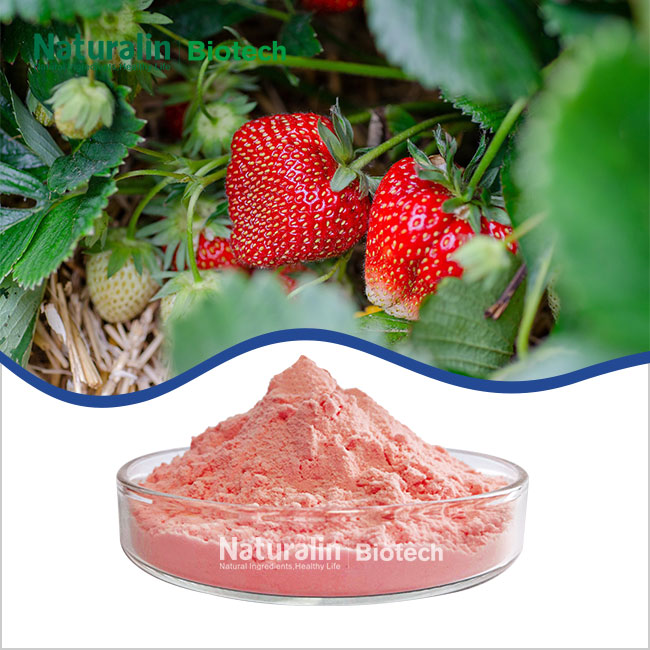
Selecting the right supplier for fruit-derived ingredients requires careful attention to quality benchmarks, regulatory compliance, and manufacturing consistency. Strawberry powder, derived from Fragaria ananassa Duchesne, offers exceptional versatility for formulation scientists and procurement teams across nutritional products, functional foods, and beverage applications.This guide examines the quality standards that define reliable suppliers, helping you make informed sourcing decisions that align with your product development goals and market positioning. Understanding these criteria ensures you secure ingredients that meet stringent food safety requirements while supporting your brand's commitment to clean-label innovation.
Understanding Strawberry Powder and Its Quality Dimensions
What Makes Strawberry Powder a Strategic Ingredient Choice
Why is Strawberry Powder a good choice for an ingredient?
This concentrated ingredient, which comes from premium-grade strawberries picked at their most ripe, helps product developers solve important problems. When compared to fresh fruit, dried strawberry elements don't depend on the seasons or the cold chain. The transformation process lowers the fruit's moisture content to below 5%. If stored properly, this increases its shelf life to 24 months while keeping its sweet-sour taste and bright color.
The market is mostly made up of two main working ways. Freeze-dried types keep heat-sensitive chemicals like vitamin C and anthocyanins safe through sublimation, so they keep almost all of their original smell. This method makes a structure that is open and has great rehydration qualities. Spray-dried alternatives are better at dissolving and flowing, which makes them perfect for making quick drinks and encasing things. TLC tests are done on both forms to make sure that the phytochemicals are the same across production runs.
Nutritional Profile and Functional Benefits
Nutritional Value and Health Benefits
The ingredient contains high amounts of ascorbic acid, ellagic acid, and pelargonidin-3-glucoside, all of which are known to be powerful antioxidants. It has significant functional benefits, with ORAC values that range from 2,500 to 4,000 εmol TE/g based on how it was processed. The natural pigments can help brands switch from manmade dyes like Red 40 to clean-label color options.
Standardizing particle sizes is a very important part of making things more efficiently. Premium suppliers offer 60-mesh and 80-mesh options, and 95% of particles can pass through those sizes. This level of regularity makes sure that the dispersion and taste release are the same from one production run to the next. Spray-dried formats have a bulk density of 0.4 to 0.6 g/ml, which makes packaging and automated handling systems more efficient.
Application Versatility Across Industry Segments
Application Flexibility Across Different Industry Groups
Product designers use this ingredient in a lot of different types of products. When added to drinks, it gives them real fruit flavors without any extra sugar or fake flavorings. Manufacturers of nutritional products appreciate its compatibility with tablet compression and capsule filling equipment.The color stays true at temperatures up to 180°C, which is good for bakery uses where heat stability is important.
The ingredient works well in protein shakes, yogurt toppings, candies, and baby food. Its reconstituted form has a pH range of 3.0-4.5, which keeps it stable in acidic matrices without causing protein flocculation, which can be a problem when working with dairy-based systems. The storage instructions say to keep the food cool, dry, and below 25°C in sealed cases so that it doesn't absorb moisture and keeps its flavor.

Core Quality Standards for Strawberry Powder Suppliers
Essential Certifications and Compliance Framework
Important Compliance Framework and Certifications
Reputable suppliers of Strawberry Powder follow internationally recognized quality management systems to ensure consistent product standards and reliable production processes. FSSC 22000 certification demonstrates that Strawberry Powder manufacturers follow strict food safety requirements throughout the entire manufacturing process, from raw material handling to final product delivery. ISO 9001 certification confirms that quality control procedures for Strawberry Powder are systematic and supported by continuous improvement practices. These management frameworks help Strawberry Powder suppliers maintain detailed records for raw material inspections, production monitoring, and finished product testing. By working with a certified Strawberry Powder supplier, businesses can reduce quality risks and ensure that every batch meets expected safety and performance standards. Reliable Strawberry Powder manufacturers with complete quality systems provide stronger supply chain confidence and long-term support for food, beverage, and nutritional product development. High-quality Strawberry Powder production depends on strict documentation, effective testing procedures, and consistent process control.
USDA NOP and EU Organic certifications are required for ingredients that will be used in organic products. These programs need to be able to track the powder from the farm to the finished product, and they do this by inspecting every year to make sure that the lists of banned substances and the rules for organic handling are being followed. Certifications like HALAL and Kosher make it easier for brands that cater to certain food needs to get into new markets. GMP compliance makes sure that the places where drugs are made are clean enough for medicinal use.
Validation by a third-party lab makes the claim more credible. When suppliers work with SGS, Eurofins, or NSF to do independent tests, they show that they are honest. Usually, these tests check for herbicide residues, heavy metals, microbiological safety, and the amount of active compounds. By looking at current Certificates of Analysis for specific lot numbers, procurement teams can make sure that internal standards are being met before releasing a shipment.
Critical Quality Parameters to Evaluate
Important Quality Criteria to Look at
Controlling the amount of moisture is a basic sign of quality. Specifications usually call for less than 5% moisture to stop the growth of microbes and keep the product from caking while it's being stored. Water activity (Aw) numbers below 0.3 make sure that the product stays stable for the stated amount of time. Too much moisture makes it harder for things to flow and speeds up the breakdown of nutrients that break down quickly in heat.
Color consistency between batches shows how well the process is controlled and how good the raw materials are. Spectrophotometric analysis uses Lab* color space values to give reliable color measures. Premium suppliers keep batch-to-batch differences in key color parameters within ±5%. This means that your finished products will look the same no matter when they were made.
The way particles dissolve and how they feel are affected by their particle size distribution. Both the average particle size and the proportion of particles that pass through different mesh sizes should be listed in the specifications. This is especially important for drinking uses where particles that aren't dissolved can make the taste or look bad.
Supply Chain Transparency and Sourcing Ethics
Supply Chain Transparency and Ethics in Sourcing
Knowing where the raw materials come from makes you more confident in the quality of the ingredients. Suppliers who work directly with farming cooperatives make it easier to track goods than those who rely on commodity markets. Geographic diversity in sources makes it less likely that crops in an area will fail because of bad weather or pests.
Sustainable farming methods are becoming more and more important in purchasing choices. Suppliers who use integrated pest management, water saving practices, and soil health programs are in line with what companies say they will do to be environmentally friendly. Some forward-thinking sellers give customers information about their goods' carbon footprint, which lets them figure out the scope 3 emissions that come with buying ingredients.
How to Evaluate and Choose the Best Strawberry Powder Supplier
Defining Your Procurement Requirements
Getting Clear on Your Buying Needs
The selection criteria for sourcing Strawberry Powder should be based on specific application requirements, purchasing goals, and business models. Companies that manufacture products and require more than 500 kg of Strawberry Powder per month usually prioritize suppliers with strong production capacity, stable inventory management, and reliable delivery schedules. Smaller brands and companies developing new products can benefit from Strawberry Powder suppliers that offer flexible minimum order quantities and customized support. For commercial testing projects, a suitable minimum order quantity for Strawberry Powder may start from 25 kg, while smaller sample sizes can be provided for initial formulation evaluations. Choosing the right Strawberry Powder partner allows businesses to control costs, reduce inventory pressure, and ensure a smooth transition from product testing to large-scale production. A dependable Strawberry Powder supplier with flexible order options and consistent quality helps brands meet different market demands while maintaining efficient procurement strategies.
The processing style you choose will depend on the needs of your recipe. While freeze-dried powder is more expensive, it provides a more authentic sensory experience for high-end uses where taste and smell set your product apart. Spray-dried alternatives are cheaper and work better in situations where solubility is more important than perfect taste.
Choosing between organic and conventional sources affects both market positioning and cost structure. Organic ingredients typically command a significant price premium over conventional options, but they enable clean-label claims that resonate with health-conscious consumers.The conventional options meet the same safety standards and give budget-conscious product categories more choices.
Assessing Supplier Capabilities and Reliability
Checking the Skills and Dependability of Suppliers
How well suppliers can grow with your business depends on how much they can produce. Facilities that make more than 1,000 tons of botanical products every year show that they have invested in infrastructure in a way that supports long-term relationships. When there is Ready stock on hand, wait times are cut down. Capable sellers keep inventory buffers that allow 3–7 day shipping windows instead of 30–plus day production cycles.
Logistics skills have a big effect on the total landing cost. Suppliers who offer DDP (Delivered Duty Paid) service to your market take care of all the problems that come with clearing customs and give you a clear idea of the price. Shipping choices that use more than one mode, like ocean freight for large orders and air freight for urgent needs, give supply chain managers more freedom to be flexible.
Technical support vendors are different from strategic partners because they don't offer technical support. Suppliers who hire formulation scientists who understand the problems you're having with your application add value beyond just selling commodities. As part of this support, sensory tuning, advice on stable testing, and help with regulation paperwork are all offered. Confidence in manufacturing practices can be shown by being able to do video factory inspections or being open to on-site audits.
Evaluating Customization and Development Support
Checking out customization and development help
You can come up with new products if you can change the ingredients in them. Advanced suppliers offer more than just normal powder forms. They also offer granulation for better flowability, microencapsulation for controlled release uses, and liquid concentrates for specific processing needs. Blending services make it possible to make drinks with more than one fruit and a standard flavor profile.
Time-to-market for new goods is sped up by functional development help. Suppliers with their own research and development labs can change the distribution of particle sizes, change carrier systems to make them more soluble, or create custom mixes that meet specific performance needs. The way this cooperation usually works is in an organized way: requirements gathering, feasibility analysis, prototype development, validation testing, and production on a larger scale.
Patent collections show a drive to progress. Suppliers who have their own technology rights for extraction methods, improving stability, or making formulations that are specific to an application have an edge over other suppliers. Naturalin Biotech has more than 40 patents on different technologies for extracting plants. This shows that the company is continuously investing in research and development, which benefits customers by making ingredients work better.

Best Practices in Procuring Strawberry Powder for Food & Beverage Applications
Quality Verification Protocols
Quality Verification Protocols
Requesting Certificates of Analysis (COA) for each production lot is an essential step in verifying the quality and consistency of Strawberry Powder. These documents should provide detailed testing results for important quality indicators, including moisture content, heavy metals such as lead, arsenic, cadmium, and mercury, microbiological parameters such as total plate count, yeast and mold, coliforms, and pathogens, as well as pesticide residue screening. Reliable Strawberry Powder suppliers use comprehensive testing procedures to confirm that each batch meets safety and quality requirements. Advanced analytical methods, including HPLC testing for active compounds, UV spectroscopy for color consistency, and AAS analysis for mineral content, help ensure the accuracy and reliability of Strawberry Powder specifications. By reviewing complete COA documentation, buyers can better evaluate Strawberry Powder quality, reduce procurement risks, and maintain consistent product performance. Professional Strawberry Powder manufacturers with strict testing systems provide greater confidence for food, beverage, supplement, and functional product applications.
Formulation risks are lower when samples are tested before a commitment is made. Your R&D team can test 100–500g amounts to see how well they dissolve, how strong the taste is, how stable the color is during processing, and how well they work with other formula ingredients. Accelerated stability studies are used to validate shelf life and find possible problems before large-scale production starts.
Programs that audit suppliers make quality partnerships stronger. Facility assessments make sure that the paperwork matches what is actually done, whether they are done online or in person. Key areas of an audit include how raw materials are received, how clean the production area is, how equipment is calibrated, how quality control tests are done, and how final products are stored.
Strategic Negotiation Approaches
Strategic Negotiation Approaches
Quality deals make it official what the buyer and seller agree to. These papers explain the accepted ranges for important quality factors, who is responsible for testing, how long samples must be kept, how to handle complaints, and promises to keep improving. Agreements that are well written stop arguments and make it clear who is responsible for what.
Talks about delivery schedules weigh the costs of keeping goods against the risks of losing supply. Setting up quarterly purchase deals with monthly shipment releases guarantees a certain amount of goods, which allows for better price and efficient use of working capital. Keeping enough safety stock for 30 days shields against sudden increases in demand or problems with logistics.
Prices are different depending on the number of orders, the terms of payment, and the length of the contract. Annual contracts typically offer volume-based pricing advantages compared to spot purchases, providing cost savings that improve with longer-term commitments. Early payment terms (net 15 or net 30) may allow you to get even better deals on prices. Suppliers who offer flexible payment options, such as letters of credit, can work with a wide range of financial management styles.
Trends and Innovations Impacting Strawberry Powder Supply
Processing Technology Advancements
Processing Technology Advancements
New drying technologies keep more of the nutrients in the food while using less energy. When vacuum pulsation is added to advanced freeze-drying systems, sublimation rates go up faster, which keeps sensitive compounds from breaking down due to oxidation. Spray-drying innovations that use multiple stages of air temperature control keep volatile fragrant molecules that would have been lost to heat stress.
Microencapsulation technologies solve problems with steadiness in tough application settings. Protective matrices, like modified starches, gums, or proteins, cover active chemicals and keep them safe from pH changes, oxidative conditions, and water contact. This makes the product last longer and lets controlled release mechanisms work better, making it more bioavailable.
Market Demand Shifts Driving Product Innovation
Market Demand Shifts Driving Product Innovation
Clean-label efforts change the way ingredients are listed in all kinds of food and drinks. Ingredient lists are getting more and more scrutinized by consumers, who prefer recognizable parts to additives that sound like chemicals. This trend makes more people want natural fruit powders to use instead of artificial tastes, colors, and useful ingredients. Product labels that say "no added sugar" or "antioxidant-rich" take advantage of people who are buying things because they care about their health.
European and North American markets are under a lot of regulatory pressure to lower the acceptable levels of contaminants and raise the bar for transparency. In its Farm to Fork plan, the EU focuses on reducing pesticide use and growing organic farms. These policy directions encourage suppliers to put money into long-term relationships with suppliers and systems for keeping track of goods.
Digitalization makes the supply chain more visible by using blockchain to power tracking systems and real-time inventory management platforms. Progressive providers give customer sites with information about each lot, tracking of shipments, and automatic reordering. These tools make buying more efficient while lowering the administrative load.
Conclusion
Finding high-quality fruit-based ingredients requires evaluating more than just the price per kilogram, especially when sourcing Strawberry Powder for commercial applications. A reliable Strawberry Powder supplier should be assessed based on certification systems, consistency of quality parameters, customization capabilities, and long-term supply reliability. For brands operating in regulated markets, choosing a trusted Strawberry Powder manufacturer with strong compliance procedures and complete documentation practices is essential for reducing procurement risks. Advanced processing technologies and changing consumer preferences continue to create new opportunities for companies to differentiate their products by focusing on the quality, flavor, and functional performance of Strawberry Powder. By applying the evaluation criteria discussed in this guide, procurement professionals can identify suitable Strawberry Powder partners that meet formulation requirements and support business growth. High-quality Strawberry Powder with stable specifications, reliable supply, and professional technical support helps brands develop competitive products while maintaining consistent performance in the market. A dependable Strawberry Powder supplier provides the foundation for successful product innovation and long-term cooperation.
FAQ
What certifications should I require from a strawberry powder supplier?
What kinds of certifications should a Strawberry Powder supplier have?
Priority licenses for food safety management include FSSC 22000 or ISO 22000, which show that production is controlled in a planned way. ISO 9001 makes sure that quality management is always the same. Products that will be used in organic formulas need to be certified organic by the USDA NOP or the EU and checked every year. Having HALAL and Kosher certifications opens up more business possibilities. GMP compliance means that the manufacturing standards are up to par for making medicines. Partnering with third-party testing labs like SGS or Eurofins lets safety and quality claims be checked by a third party.
How long does strawberry powder maintain quality during storage?
How long does Strawberry Powder stay good after being stored?
Powder stays good for 24 months after it was made as long as it is kept properly. The best conditions are below 25°C temperatures in containers that keep air out and keep wetness and light out. Microbial growth and caking are stopped when the moisture content is less than 5% and the water activity (Aw) is less than 0.3. It has been shown that freeze-dried forms keep more of the nutrients during storage than spray-dried ones. Testing every six months makes sure that the product is still meeting the requirements.
Can strawberry powder fully replace fresh fruit in formulations?
Can Strawberry Powder fully take the place of fresh fruit in recipes?
Dehydrated powder gives you concentrated flavor and color without having to worry about it going bad. One kilogram of powder usually equals 8–10 kg of fresh fruit, so the formula needs to be changed to get the right amount of sweetness and flavor. Because of the different textures, the formulation needs to be improved. For example, fresh fruit has moisture and fiber structure that powder can't match. Powder formats work best for applications that need to be easy to use, stay stable on shelves, and be consistent all year long. On the other hand, hybrid approaches may be needed for applications that need to provide fresh sensory experiences.
Partner with a Trusted Strawberry Powder Supplier
Naturalin Biotech has been making botanical extracts for more than 20 years and can help food and drink companies find ingredients. Spray-dried and freeze-dried Strawberry Powder are both options from our seller. It is made in facilities that are FSSC 22000 and ISO 9001 approved. We keep enough in stock to meet delivery times of 3–7 days, and we can fill sample orders and 25 kg trial orders before making full commercial commitments. Full approvals like USDA Organic, EU Organic, HALAL, Kosher, and GMP make sure that all global markets follow the rules. Our research and development team can help you with formulation creation, adaptation, and stable testing based on the needs of your application. The DDP shipping service to the US makes operations easier and makes costs clear. You can email our technical team at market@naturalinbio.com to ask for samples, talk about your specific needs, or set up a virtual tour of our facility. Let us help you come up with new products by giving you constant, high-quality fruit powder ingredients that are backed by strict quality control.
References
1. Smith, J.A., & Williams, R.T. (2021). Quality Standards for Dehydrated Fruit Ingredients in Industrial Food Production. Food Technology Press.
2. European Food Safety Authority (2022). Guidance on Botanical Ingredient Safety Assessment and Quality Control. EFSA Journal, 18(4), 234-267.
3. Rodriguez, M.L., Chen, K., & Patel, S. (2023). Advances in Freeze-Drying and Spray-Drying Technologies for Fruit Powder Manufacturing. Journal of Food Engineering, 312, 110-128.
4. International Organization for Standardization (2020). ISO 22000:2018 - Food Safety Management Systems: Requirements for Organizations in the Food Chain. ISO Publications.
5. Anderson, P.K., & Thompson, L.J. (2022). Procurement Strategies for Natural Ingredients in the Nutraceutical Industry. Supply Chain Management Review, 26(3), 42-58.
6. United States Department of Agriculture (2023). Organic Certification Standards and Compliance Guidelines for Food Ingredients. USDA Agricultural Marketing Service Technical Bulletin.