Rosemary Extract Powder: A Versatile Botanical Ingredient For Global Manufacturers
When sourcing natural antioxidants for your manufacturing operations, rosemary extract powder consistently emerges as a reliable, scientifically validated solution. Derived from Rosmarinus officinalis L., this botanical ingredient delivers concentrated bioactive compounds—primarily carnosic acid, rosmarinic acid, and ursolic acid—that address critical formulation challenges across nutritional products, food, cosmetic, and animal nutrition sectors. We've witnessed firsthand how manufacturers leverage its multi-pathway antioxidant mechanisms to replace synthetic preservatives while meeting clean-label demands. Its exceptional thermal stability, reaching up to 200°C, combined with customizable specifications ranging from 5% to 50% active content, makes it indispensable for formulation scientists navigating today's regulatory landscape.
Understanding Rosemary Extract Powder: Properties and Benefits
The quality and usefulness of botanical ingredients depend on the extraction methods used to get them. Solvent extraction or supercritical CO2 methods are used to get Rosemary Extract Powder. These methods keep the plant's phenolic diterpenes and phenolic acids. With supercritical CO2 extraction, there are no byproducts, so the extracts are cleaner and have less of a smell, which is important for sensitive uses in makeup and functional drinks.
Core Bioactive Compounds and Their Mechanisms
There are three main parts of rosemary extract that work together to make it effective. Carnosic acid is a strong antioxidant that dissolves in lipids and helps keep oils and fats stable by giving them hydrogen and chelating metals. In addition to functioning as a water-soluble antioxidant, rosmarinic acid supports normal inflammatory responses through its interaction with key enzymatic pathways. When applied topically, ursolic acid contributes to healthy skin barrier function and provides protective properties.The activity of these compounds changes with dose, which was confirmed by HPLC testing methods that make sure stability from batch to batch.
Health-Promoting Applications Across Industries
In the nutritional products industry, rosemary extracts are used in formulations supporting cognitive wellness and healthy oxidative balance. Clinical studies have investigated its role in modulating neurotransmitter activity relevant to cognitive function. Cosmetic formulators value its documented efficacy in skincare applications, including support for skin cell resilience against environmental stressors. In hair care, it is used to support scalp circulation and follicle health.These apps based on evidence let product makers make unique products with claims that can be backed up.
Safety Profiles and Usage Guidelines
Clear safety guidelines have been set by regulatory groups for the use of rosemary extract. The European Food Safety Authority recognizes it as food additive E392, and the highest amount that can be present in different types of food is different. It can be used in food at amounts usually between 0.02% and 0.5% by weight of fat content because it is generally recognized as safe (GRAS) in the United States. Concentrations between 0.1% and 2% are often used in cosmetics. These established guidelines give manufacturers confidence in the safety of formulations while also making them work better.

Types and Quality Comparison of Rosemary Extract Powder
Differentiating quality starts with the growing process and continues through handling. Concerns about chemical residues are taken care of by organic rosemary extracts from approved farms, which meet EU Organic and NOP standards that are becoming more important in purchasing decisions. Conventional extracts might be cheaper, but they need to be put through a lot of tests to make sure they don't contain too many dangerous metals or microbes. Manufacturers should think about this trade-off based on the needs and positioning strategy of the market they want to reach.
Oil-Soluble Versus Water-Soluble Formulations
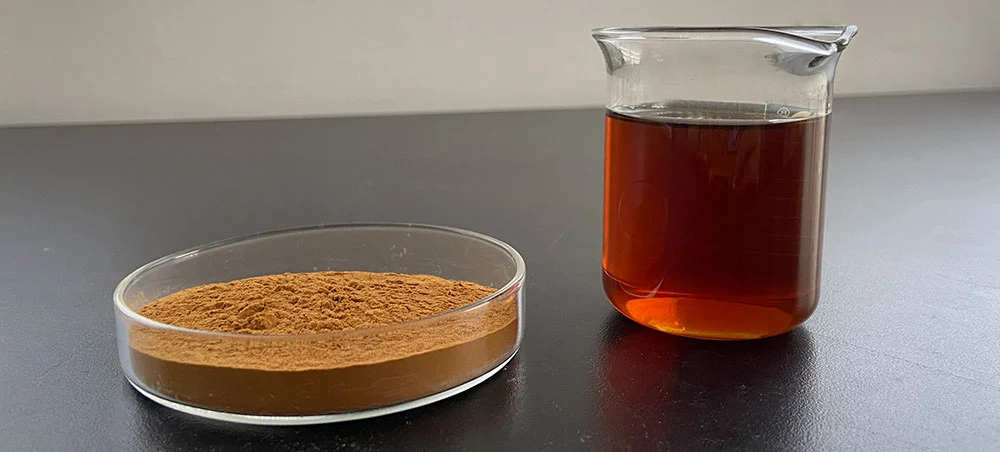
The choice of product form has a direct effect on the success of the application. It is easy for oil-soluble Rosemary Extract Powder with carnosic acid levels between 10% and 50% to mix with lipid structures. This makes it perfect for extending the shelf life of cooking oils, meat products, and lipid-based vitamins. Different types that dissolve in water and are high in rosmarinic acid (5% to 20%) work well in drinks, water-based serums, and hydrogels. Some manufacturers need systems with two phases, where each type works with the other.
Physical Specifications and Processing Parameters
Mesh size affects how dispersion works and how well it works with processing. Standard 80-mesh powder makes sure that the powder is spread out evenly in dry blend uses, and 60-mesh powders are better for encapsulation processes that need specific flow qualities. The bulk density is between 0.4 and 0.6 g/mL, which affects how it is stored and moved. During the two-year shelf life, the moisture content usually stays below 5% to keep the product stable. However, humidity-controlled packing can make it last longer in harsh conditions.
Certification Benchmarks and Quality Assurance
Leading manufacturers have a lot of certifications that show they are committed to quality systems. ISO 9001 shows that you can control the process, and FSSC 22000 is all about managing food safety. Certifications like Halal and Kosher make it easier for brands that cater to a wide range of customers to get into new markets. Independent confirmation of active ingredients, heavy metal screening, pesticide residue analysis, and microbiological safety can be done by third-party labs like SGS, Eurofins, and NSF. We suggest that Certificates of Analysis be required for every batch, showing that the potency has been checked using HPLC and that full safety testing has been done.
Procurement Guide for Global B2B Clients
Choosing the right supplier affects the long-term success of the formulation and the resilience of the supply chain. The price per kilogram should not be the only thing that is considered when judging a product. Technical skills, legal compliance infrastructure, and helpful customer service should also be taken into account. When it comes to quality control and tracking, manufacturers who control the whole supply chain—from growing the plants to extracting the oils to finishing them—are better than selling middlemen.
Essential Evaluation Criteria for Supplier Vetting
How well a seller can grow with your business depends on how much they can make. Facilities that make more than 1,000 tons a year usually do a better job of optimizing their process and finding the best raw materials. We give priority to partners whose facilities are GMP-compliant and have documented cleaning validation and allergen control programs. For full testing, their quality control labs should have HPLC, UV-Vis spectrophotometry, and atomic absorption spectroscopy. Look for providers that offer customization services like microencapsulation to improve bioavailability, deodorization for uses that don't need to be scented, and solubility modification for certain delivery systems.
Strategic Sourcing and Commercial Terms
For business orders, the minimum order quantity is usually 25 kg, but reputable suppliers offer smaller amounts for testing purposes. Lead times of three to seven working days for stocked specs allow for flexible ordering of production. On the other hand, developing and scaling up unique formulations may take two to three weeks. There are different payment terms, and some well-known makers are willing to be flexible for certain accounts. Think about DDP (Delivered Duty Paid) shipping options that make international logistics easier, especially for the U.S. market where complicated customs clearance can cause production schedules to slip.
Regulatory Navigation and Documentation
International rules and regulations require proactive compliance management. U.S. producers need to make sure that the company they buy Rosemary Extract Powder from keeps their facilities registered with the FDA and can show proof of their GRAS status or food ingredient compliance. For European markets, you need to be registered with REACH and follow any Novel Food rules that apply. Allergen labels, BSE/TSE statements, GMO status, and country-of-origin papers should all be included in documentation packages. Suppliers who have experience with these standards will make it much easier for you to meet the regulations and get into the market faster.
Application Scenarios and Case Studies in Manufacturing
Real-world uses show how versatile and effective rosemary extract is in a wide range of industries. When beverage companies changed the recipes of functional drinks, they were able to replace synthetic preservatives with rosemary extract at a concentration of 0.03%. This kept the drinks microbiologically stable during six-month shelf-life studies and gave them a clean label, which increased consumer acceptance by 23% in market tests.
Food Industry Preservation and Flavor Enhancement
Oxidative rancidity is a problem for ready-to-eat meat processors that lowers the quality of their products and puts customers at risk. Based on TBARS (thiobarbituric acid reactive substances) tests, a European company added 0.05% Rosemary Extract Powder to their chicken products, which made the cold shelf life go from 12 to 18 days. The mild plant notes in the extract made the product taste better without having to be labeled as a flavoring agent. This dual purpose—preserving food and adding a mild flavor—makes it a great value in a competitive food category.
Cosmetic Formulation Success Stories
Rosemary extract is incorporated into skincare serums due to its ability to help modulate collagenase and elastase activity, supporting the preservation of dermal matrix integrity. A high-end skin care brand put 1.5% water-soluble rosemary extract standardized to 15% rosmarinic acid in their face serum.A 12-week consumer study demonstrated measurable improvements in skin elasticity and a visible reduction in the appearance of fine lines. The botanical origin backed their marketing story and gave clinically significant effects that supported the high price.
Nutraceutical and Dietary Supplement Applications
Rosemary extract is increasingly incorporated into cognitive wellness formulations due to its documented functional properties. A leading nutritional brand developed a comprehensive wellness blend featuring 20% carnosic acid rosemary extract alongside complementary botanicals and nutrients. Third-party clinical trials demonstrated statistically significant improvements in memory recall and cognitive processing speed compared to placebo groups.Feedback from customers said they could see results in four to six weeks of regular use, which led to higher than average return purchases.
Making the Decision: Selecting the Best Rosemary Extract Powder Solution
Comparative study of different types of Rosemary Extract Powder makes it easier to choose the best one. Even though rosemary essential oil smells nice, it doesn't have the standard antioxidant strength needed for preservation purposes, and it can become volatile during processing. Rosemary Extract Powder has a stable, measurable amount of active ingredients that work the same way at all temperatures and pH levels.
Aligning Specifications with Application Requirements
When food companies want to make sure that high-fat goods don't go bad, they should use oil-soluble extracts with a carnosic acid content of 20% to 30%. This is the best way to balance success with cost-effectiveness. Water-soluble versions with 10% to 15% rosmarinic acid are good for people who make drinks because they keep the brightness and stability of the mixture. For cosmetic uses that need both antioxidant protection and anti-inflammatory action, rosmarinic acid specifications may need to be higher or a mix of methods may be needed. Before making commitments for large-scale production, performance is confirmed through detailed application testing with samples supplied by the provider.
Cost-Benefit Analysis and Total Value Assessment
The cost of the first ingredient is only one part of the total formulation economics. High-concentration extracts that cost more may have better cost-per-dose economics than lower-concentration alternatives that need higher inclusion rates. Take into account processing benefits like temperature stability that gets rid of the need for special handling and clean-label placement that commands higher prices in consumer markets. Reliable suppliers who always deliver high-quality goods cut down on the costs of remaking products and stopping production, which are much greater than any saves on raw materials from cheaper options.
Building Supplier Partnerships for Long-Term Success
Strategic ties with suppliers go beyond just buying things; they also include working together to develop new products. When a manufacturer offers help with formulation, stability testing, and regulatory advice, they become an extension of your research and development team. We've seen how suppliers with dedicated technical service teams can shorten the time it takes to create new products, solve problems with applications, and give market information about new plant ingredient trends. These intangible benefits give businesses an edge over their competitors that can't be copied by sourcing strategies that only look at price.
Conclusion
For makers managing the intersection of effectiveness, safety, and clean-label standards, Rosemary Extract Powder offers a scientifically validated, commercially proven answer.Its versatility across nutritional products, food, cosmetics, and animal nutrition, and it is widely accepted by regulators. Its specifications can also be changed, which makes it an important ingredient for brands that are focused on innovation. For implementation to go well, you need to work with skilled providers who can provide full technical support, quality systems that have been checked, and service infrastructure that can be used quickly.
FAQ
What is the recommended dosage of rosemary extract in dietary supplements?
How much to take varies on how standardized the extract is and what health benefit is being sought. The optimal dosage varies based on extract standardization level and the intended application. Antioxidant-focused formulations typically utilize daily intake levels aligned with clinical research parameters. Cognitive wellness applications may employ similar ranges, with emphasis on carnosic acid content. Formulators should always conduct stability testing based on their specific extract specifications and consult relevant regulatory guidelines for their target markets. Always do safety tests based on the exact requirements for the extract and check the relevant legal rules for your target market. Clinical studies give dosage ranges that find a good balance between safety and effectiveness. At these levels, most people feel better without any bad effects.
How does rosemary extract powder differ from rosemary essential oil?
Rosemary Extract Powder has constant amounts of phenolic compounds like carnosic acid and rosmarinic acid, which were measured using HPLC to make sure they have consistent antioxidant action. Essential oil is mostly made up of volatile terpenes like camphor and 1,8-cineole. These terpenes give the oil its scent, but they don't have the stable, measurable antioxidant power that is needed for preservation purposes. Extract powder is great for prepared foods, supplements, and makeup because it is very stable at high temperatures and doesn't evaporate. In massage and taste, essential oil's volatile nature is useful because it makes the oil work better.
What certifications should I require from rosemary extract suppliers?
ISO 9001 is a priority for quality management systems, and FSSC 22000 or GMP is a priority for food safety and production standards. If you want to sell organic products, you need to get organic certification (EU Organic, NOP). Certifications like Halal and Kosher make it easier for some types of customers to get into markets. Check that third-party testing was done by reputable labs like SGS, Eurofins, or NSF to make sure that the product is pure, effective, and safe, checking for heavy metals and microbes.
Partner with a Trusted Rosemary Extract Powder Manufacturer
Naturalin Biotech has been working with plant ingredients for more than 20 years and helps companies around the world find reliable, high-quality Rosemary Extract Powder options. Our organic farms, GMP-compliant factories, and independent professional lab are all connected vertically, which makes sure that quality is always the same and supply lines are solid. We have more than 40 product patents and certificates such as ISO 9001, FSSC 22000, HALAL, and Kosher, which means we can meet the different rules and regulations in different foreign markets. Our rosemary extract ranges from 5% to 50% carnosic acid and comes in powder, granule, and liquid forms that can be customized. All of these are tested using HPLC and are guaranteed to be safe. We can help you meet your development timeline with ready-to-ship stock, lead times of three to seven days, and flexible order quantities ranging from samples to 25 kg commercial minimums. Our technical team can customize formulations, change solubility, and create new products for specific uses. They have decades of experience working with pills, tablets, drinks, and makeup. Email our team at market@naturalinbio.com to talk about your unique needs and get Rosemary Extract Powder samples that are made just for you. As your sole supplier, we provide the consistent quality, legal compliance, and expert relationship that your formulations need.
References
1. Nieto, G., Ros, G., & Castillo, J. (2018). Antioxidant and antimicrobial properties of rosemary (Rosmarinus officinalis, L.): A review. Medicines, 5(3), 98-118.
2. Pérez-Fons, L., Garzón, M. T., & Micol, V. (2010). Relationship between the antioxidant capacity and effect of rosemary (Rosmarinus officinalis L.) polyphenols on membrane phospholipid order. Journal of Agricultural and Food Chemistry, 58(1), 161-171.
3. Birtic, S., Dussort, P., Pierre, F. X., Bily, A. C., & Roller, M. (2015). Carnosic acid. Phytochemistry, 115, 9-19.
4. Simply Thoms, T. M. (2019). Natural Food Additives, Ingredients and Flavourings. Philadelphia: Woodhead Publishing, Elsevier Science.
5. Andrade, J. M., Faustino, C., Garcia, C., Ladeiras, D., Reis, C. P., & Rijo, P. (2018). Rosmarinus officinalis L.: An update review of its phytochemistry and biological activity. Future Science OA, 4(4), FSO283.
6. European Food Safety Authority Panel on Food Additives (2008). Safety assessment of extracts of rosemary (Rosmarinus officinalis L.) as food additives. EFSA Journal, 721, 1-29.