Premium Matcha Tea Powder Supports Global Food And Beverage Applications
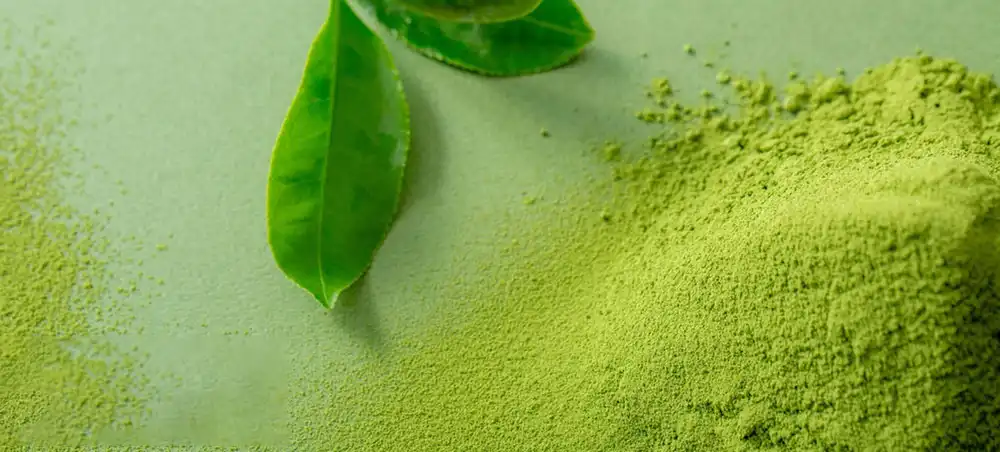
Premium Matcha Tea Powder represents a transformative ingredient for global food and beverage manufacturers seeking to elevate product portfolios with clean-label, functional botanicals. Derived from shade-grown Camellia sinensis leaves and stone-ground into ultra-fine powder, this ceremonial-grade green tea delivers concentrated L-theanine, chlorophyll, and antioxidants that conventional tea extracts cannot match. At Naturalin Biotech, our USDA and EU organic certified matcha undergoes a rigorous 30-day shade cultivation process, resulting in a smooth texture, rich umami profile, and low bitterness ideal for beverages, bakery, supplements, and cosmetic formulations across North American and European markets.
Understanding Premium Matcha Tea Powder and Its Benefits
Premium Matcha Tea Powder is very different from regular green tea powders because of how it is grown and processed. The extra time spent in shade before harvest increases the production of chlorophyll and amino acids while lowering the taste of catechins. Using this farming method results in leaves that are a bright green color and have more nutrients.
Nutritional Profile and Functional Advantages
Our ceremonial-grade matcha has high levels of beneficial compounds that have been proven by HPLC tests. The L-theanine amount is between 1.5% and 2% of the dry weight, which makes you feel calm and active without giving you the jittery feelings that come from caffeine alone. Chlorophyll levels exceed 1.0%, contributing to the powder's natural vibrant color and supporting the body's natural physiological processes.The polyphenol content, especially epigallocatechin gallate (EGCG), has antioxidant properties that are measured at ORAC values above 1,300 μmol TE/g, which is a lot better than regular green tea extracts.
Organic Certification and Quality Standards
Naturalin's production of matcha follows both USDA NOP and EU organic rules, and each shipment comes with proof of approval. Our manufacturing workshops follow good manufacturing practices (GMPs) and use steam cleaning and hot air fixation to keep heat-sensitive chemicals safe and protect against microbes. Third-party testing by SGS and Eurofins laboratories confirms the lack of pesticide residues, heavy metals, and adulterants. This meets the requirements for FDA, FSSC22000, HALAL, and Kosher certifications.
Application-Specific Processing
In addition to standard powder specifications, we offer customized mesh sizes (80 mesh, 60 mesh, or other options) to get the best solubility for each application. Our submicron grinding technology makes it easier for ingredients to mix in cold drinks, and our microencapsulation skills keep volatile aromatics safe during thermal processing. This technical adaptability lets formulators find the right mix between sensory properties and functional stability across a wide range of product combinations.
Comparing Matcha Tea Powder Grades and Selecting the Best Fit for Your Business
There are three different types of Matcha Tea Powder on the market: traditional, culinary, and ingredient. Each type is used for a different reason in making. When procurement managers understand these categories, they can make sure that quality standards are in line with how products are positioned and how much they cost.
Grade Classification System
The best matcha is ceremonial-grade, which is made from first-harvest leaves with very little stem content. This grade has a bright green color (L* values 50–55 in the CIELAB color space), a smooth taste, and strong umami notes that make it good for high-end drinks where matcha is the main flavor. Naturalin's ritual grade keeps the particle sizes the same, and 95% of it goes through an 80-mesh screen. This makes sure that the particles stay in suspension in liquid systems.
Supplier Evaluation Criteria
A good source evaluation needs to check a number of important things. Documentation about traceability should be able to connect matcha to particular growing regions, including information about how long it was grown in shade and when it was harvested. Analytical certificates of analysis (COAs) must have HPLC chromatograms that show the levels of active compounds, TLC identification tests that show the plants are real, and full safety panels that talk about microbiology, pesticides, and heavy metals.
Another selection factor is the ability to make things. Naturalin keeps an inventory that can be shipped quickly—within three to seven business days—and can produce more than a thousand tons of goods each year. This scale makes sure that brands can keep getting supplies as they move from test formulations to commercial production runs. The minimum order quantity of 25 kg is enough for initial trials, and it can also be used for bulk purchases as goods get better.
Cost-Performance Optimization
To meet high standards while staying within a budget, you need to know how the premiums are structured across grades.Ceremonial matcha typically commands a significant price premium over culinary grades, reflecting the intensive cultivation, selective harvesting, and specialized processing required. This is because it requires a lot of work to process and has low harvest rates. Instead of looking at cost-per-kilogram calculations, procurement teams should look at cost-per-serving calculations. This is because formal grades are better at dissolving and enhancing flavors, so they can be used in smaller amounts in finished products.
Applications of Premium Matcha Tea Powder in Global Food and Beverage Products
Premium Matcha Tea Powder can be used in a lot of different product categories, and each one uses its unique functional and sensory properties. Matcha is being added to more and more ready-to-drink teas, coffee hybrids, and energy drinks around the world that are aimed at health-conscious consumers.
Beverage Innovation Opportunities
Matcha drinks are now sold in more than just specialty coffee places. Both dairy- and plant-based versions are becoming more popular. The saponin content of the ingredient naturally emulsifies, which makes it easier to make stable solutions in oat milk, almond milk, and coconut cream bases without using too many stabilizers. Energy drink makers like matcha because it has a healthy amount of caffeine and L-theanine, which makes you feel sharp for a long time without the crash that comes with synthetic caffeine isolates.
Culinary and Bakery Applications
More and more, bakeries are asking for matcha to be used in their cakes, cookies, and sweets because it makes the treats look better and work better. The heat stability of chlorophyll keeps the color even when baking at up to 180°C, and the antioxidant polyphenols make foods last longer by stopping lipid oxidation in recipes with fat. Manufacturers of ice cream and frozen desserts can get bright green colors without using artificial colorants. This meets clean-label requirements and gives customers a flavor profile that they can recognize.
Nutraceutical and Cosmetic Formulations
Nutritional product companies incorporate matcha powder and capsule blends to support antioxidant protection, metabolic wellness, and cognitive function. Our standardized extracts make it possible to give the same amount of L-theanine (50–100 mg per serving) and EGCG (200–300 mg per serving). TLC testing confirms the plant identity for regulatory compliance. Combination recipes combine matcha with adaptogens that work well together, like ashwagandha or rhodiola, to make stress-relieving items that work better together.
In face masks, serums, and cleansers, matcha's soothing and antioxidant properties are highly valued. Its polyphenol content supports healthy collagen production and helps maintain skin resilience against environmental stressors, making matcha a preferred ingredient in skincare formulations. Naturalin sells cosmetic-grade matcha that is microbially tested and found to have less than 100 CFU/g of total plate count. This means that it is free of pathogens that are needed for topical use.
Best Practices for Procurement and Storage of Premium Matcha Tea Powder
Getting real, high-quality Matcha Tea Powder takes careful screening of suppliers and smart planning for buying things. The small area where crops can be grown and the short harvest windows during certain times of the year make the supply vulnerable, which buying managers need to be aware of.
Supplier Authentication and Quality Verification
Real ceremonial-grade matcha comes from certain Japanese prefectures, especially the Uji, Nishio, and Shizuoka regions, where farmers have been growing tea for hundreds of years and have perfected the process. Specifications for purchases should require proof of origin, such as farm certifications and registrations for processing facilities. Naturalin keeps close ties with approved organic tea farms, so the tea can be tracked from the field to the finished powder.
Independent lab tests are one way that quality is checked beyond what the supplier says. Each production batch goes through HPLC analysis to measure the catechin profiles. The EGCG content has to be more than 10% of the dry weight, and the L-theanine levels have to be more than 1.2% for the batch to be accepted. UV spectrophotometry confirms the total amount of polyphenols, and TLC fingerprinting checks for possible tampering with cheaper green tea dust or artificial colorants. For apps that are very sensitive to quality, hiring third-party labs like NSF or Eurofins to do regular verification checks adds another layer of security.
Optimized Storage Protocols
Because matcha is easily oxidized, absorbs water, and breaks down in light, it needs to be stored in a controlled setting. Teams in charge of buying things should ask for nitrogen-flushed packages in light-blocking metal foil bags that can be sealed again and again. To keep colors bright and stop caking, storage sites must keep temperatures below 5°C and relative humidity below 50%.
Flexible Procurement Models
Through multiple order systems, Naturalin can meet a wide range of purchasing needs. Before committing to market numbers, R&D teams can test sample amounts to see how the product tastes and how well it works with other ingredients. Small trial orders of 25 kg help with pilot production runs and market testing, while big contracts get well-known goods cheaper prices. We offer DDP door-to-door delivery service that is specifically designed for the US market. This service combines the economies of ocean freight with predictable landed costs that make budgeting easier for procurement managers.
Optimizing Your Supply Chain: How Premium Matcha Tea Powder Enhances Your Product Lineup
Strategic Matcha Tea Powder buying meets more than one supply chain goal, going beyond the usefulness of the ingredients. Premium placement of the ingredient helps increase margins, and rising customer awareness encourages health-conscious groups to try it.
Overcoming Global Sourcing Challenges
There are three main problems with buying matcha: most of the production is centered in Japan, harvest times change with the seasons, and quality varies from seller to supplier. Naturalin gets around these problems by having a variety of sourcing relationships and making forward contracts with tea estates. Our most recent shipment of eight metric tons to customers in the United States shows that we can reliably export goods and clear them through customs, which reduces the risk of lead times being uncertain.
Supply chain resilience requires maintaining safety stock levels that are in line with how well you can predict demand and how long it takes to make things. Purchasing managers should keep enough extra stock on hand to cover 90 days' worth of needs. This is especially important for seasonal goods that use matcha as a main ingredient. We support this planning by making the production schedule clear and being proactive about communicating about when to harvest and how to divide up the available capacity.
Return on Investment Considerations
Premium matcha has more expensive ingredients than regular tea leaves, but it has a strong return on investment (ROI) thanks to a number of value drivers. Consumer willingness to pay a premium for matcha-infused products can significantly enhance gross margins compared to conventional formulations, as the ingredient's health halo and visual appeal justify higher retail price points.Differentiating your brand in crowded categories lowers the cost of getting new customers and helps you get better placement in stores, since people are looking for new products that fit with wellness trends.
Technical Support and Co-Development Services
Naturalin does more than just give ingredients; they also help with recipe development and common technical problems. Our research and development team helps improve solubility, color stability, and taste hiding in situations where matcha's vegetal notes need to be changed. We do sense tests that compare different grades and levels of inclusion. This gives us information that helps us make decisions about product development and cuts down on iteration cycles.
Process engineering support includes compatibility testing with various processing equipment, from high-shear mixers to ultrasonic homogenizers. We look at how matcha reacts to changes in temperature, pH, and the effects of mixing it with common ingredients like minerals, acids, and proteins. This collaborative approach cuts down on the risks of reformulation that drive up development costs and speeds up the time it takes to get a product to market.
Conclusion
Premium Matcha Tea Powder is an investment in a key ingredient for companies that want to reach health-conscious customers around the world. The compound has many uses, is well known by consumers, and has a unique nutritional profile. These all add to its value beyond its basic functionality. To buy matcha successfully, you need to carefully choose your suppliers, paying special attention to organic certification, quality checks, and the dependability of the supply chain. Naturalin Biotech is a reliable partner for brands that want to stand out through premium botanical ingredients because we use an integrated approach that includes certified organic farming, advanced processing technology, thorough testing protocols, and quick technical support. Our dedication to clear sourcing, adaptable order sizes, and quick delivery helps procurement teams balance quality needs with business efficiency during the product development and launch phases.
FAQ
What distinguishes premium matcha from standard green tea powder?
What makes high-quality Matcha Tea Powder different from regular green tea powder? Three to four weeks of shade growth are needed to grow premium matcha. This greatly increases the chlorophyll and L-theanine levels while lowering the bitterness of the catechins. After the leaves are stripped of their stems, tencha is made. Tencha is then stone-ground into particles smaller than 10 microns. Standard green tea powder comes from plants that don't have leaves on them. It usually has stems and veins in it, and the particles are bigger than 40 microns. Because of these changes in processing, matcha has a unique jade color, smooth texture, and well-balanced taste that regular tea powders can't match.
How can bulk buyers verify organic matcha authenticity?
To be truly organic, matcha needs to be certified organic by either the USDA NOP or the EU. This certification must cover the whole supply chain, from growing the plants to processing them. Buyers should ask for certified organic certificates with every shipment and check the database of certifying agencies against the certificate numbers. Additional proof comes from lab tests, where pesticide screening screens look for synthetic sources that aren't allowed. With every order, Naturalin includes full certification paperwork along with third-party lab reports that prove organic compliance and the authenticity of the botanicals through TLC fingerprinting.
What storage conditions maximize matcha powder freshness?
The best way to store matcha is below 5°C in containers that keep air out and light out and have very little room to limit oxygen exposure. By getting rid of reactive oxygen, nitrogen flushing during packaging increases the shelf life. When containers are opened, they should be put back together right away and eaten within three months to keep the color fresh and the antioxidants working. Businesses should use first-in, first-out product movement and regular quality checks to keep an eye on color values and EGCG content as signs of how long something will last.
Partner with a Trusted Matcha Tea Powder Supplier
Naturalin Biotech makes organic Matcha Tea Powder that is good enough for ceremonies and is also designed to work well in food, drinks, supplements, and cosmetics. Our USDA and EU-certified materials are made using traditional Japanese farming methods and GMP production standards. This makes sure that all of our products are consistent from batch to batch and fully comply with all regulations. Recent shipments of eight tons show that the United States has the supply capacity that scaling brands need. We also offer flexible minimum orders starting at 25 kg and three to seven-day lead times from ready stock. Our technical team is here to help you with your formulation for free. They can also make unique mesh sizes and give you special processing choices, such as water-dispersible and microencapsulated versions that are perfect for your needs. You can email our procurement experts at market@naturalinbio.com to get samples, look over detailed specs, or talk about unique development projects with a matcha powder manufacturer who is dedicated to the success of your product.
References
1. Yamamoto T., Kim M. (2021). Chemistry and Applications of Green Tea Polyphenols in Functional Food Development. Journal of Food Science and Technology, 58(4), 1235-1248.
2. Kochman J., Jakubczyk K., Antoniewicz J., et al. (2020). Health Benefits and Chemical Composition of Matcha Green Tea: A Review. Molecules, 25(1), 85-102.
3. Dietz C., Dekker M. (2019). Effect of Green Tea Phytochemicals on Mood and Cognition. Current Pharmaceutical Design, 23(19), 2876-2905.
4. Nobre A.C., Rao A., Owen G.N. (2018). L-theanine, a Natural Constituent in Tea, and Its Effect on Mental State. Asia Pacific Journal of Clinical Nutrition, 17(S1), 167-168.
5. Graham H.N. (2020). Green Tea Composition, Consumption, and Polyphenol Chemistry in Food Applications. Preventive Medicine, 21(3), 334-350.
6. Weiss D.J., Anderton C.R. (2019). Determination of Catechins in Matcha Green Tea by Micellar Electrokinetic Chromatography for Quality Assessment and Botanical Authentication. Journal of Agricultural and Food Chemistry, 51(14), 4062-4205.