Organic Turmeric Extract Powder Benefits: Nature's Golden Remedy
Curcumin is the main medicinal ingredient in Curcuma Longa Linn, and Organic Turmeric Extract Powder has a lot of it. Modern extraction methods were used to make it, and the healing properties stay strong for a lot longer than in raw turmeric or food powder. The presence of 95% curcumin in normal forms has been proven by HPLC testing. This valuable ingredient is now needed for the creation of functional drinks, cosmetics, nutraceuticals, and healthcare. Organic approval makes sure that goods can be tracked from the field to the shipping container. They must also meet strict law standards such as EU NOP, FSSC22000, HALAL, and Kosher standards, which buyers want.
Understanding Organic Turmeric Extract Powder
Researchers and recipe makers all over the world are very interested in turmeric. The trip it takes from turmeric root to high-potency extract shows why. Turmeric powder from the past only has 3–5% curcumin in it. Active chemicals are now more concentrated to effective levels thanks to new ways of removing them.
Production Process and Extraction Methods
A liquid extraction or supercritical CO2 method is used by producers to separate curcuminoids from dried turmeric rhizomes. Organic farms that are approved always keep an eye on the land, water sources, and growing methods to make sure they produce the best crops. To get the oil out of the roots, they are washed, dried, and ground up after being picked. In that place, processes that are controlled by temperature separate the curcumin, demethoxycurcumin (DMC), and bisdemethoxycurcumin (BDMC) from the carbs and proteins. The extract is then turned into a fine powder with particles that can be 60 mesh, 80 mesh, or any other size that is needed.
The C14 test is used to check whether the ingredients are real or made in a lab. This Carbon-14 study shows bio-based sources, which protect buyers from dishonesty done for money. Synthetic curcumin made from petrochemicals doesn't have this isotope signal, so C14 proof is very important for brands that are all about clean labels. In ethyl acetate, acetone, and ethanol, solvent residue analysis checks to see if they have any benzene or toluene residues that could make them less safe. This is done to make sure they stay within USP/EP safety standards.
Organic Certification and Quality Assurance
It's not just good for marketing to get organic approval; it also helps make the supply chain more open and puts more pressure on buying managers to follow the rules. Organic Turmeric Extract Powder must come from fields that don't use manmade chemicals, GMOs, or fertilizers that aren't allowed. Once a year, outside officials look at how the land is managed, the buffer zones that keep pollution from spreading, and the records that connect each batch to a specific growth site.
Quality assurance is more than just being organic; it also means making sure that there is steadiness between runs, which is what production managers need. Each curcuminoid is separated and measured by HPLC, which gives accurate strength numbers that UV spectrophotometry can't match. That you can trust will check for hundreds of different poisons, heavy metals like mercury, lead, arsenic, and cadmium, and other chemicals that are known to be bad for you. Having partnerships with labs like SGS, Eurofins, and NSF gives quality assurance teams proof that they can trust when they check the credentials of a seller.
Health and Functional Benefits of Organic Turmeric Extract Powder
Because Organic Turmeric Extract offers a wide range of functional benefits, it can be incorporated into many different products. By understanding these applications, formulation scientists can optimize ingredient combinations and dosing strategies more effectively.
Anti-Inflammatory and Antioxidant Properties
By blocking NF-κB, a group of proteins that controls the release of genes linked to inflammation, curcumin changes the processes that cause inflammation. The substance is an antioxidant because it can get rid of free radicals and improve antioxidant enzymes that the body already has, like catalase and superoxide dismutase. Oxidative stress is caused by things like UV light, smog, and the body's own internal processes. These two things protect cells from it.
The recommended dose changes based on use. Most dietary products have between 500 mg and 2000 mg of pure 95% curcumin powder every day. Often, this is mixed with piperine or fatty carriers to help the body use the drug better. Curcumin solutions that dissolve in water are used to make functional beverages. Each dose can be anywhere from 50 mg to 200 mg, and taste and efficiency are taken into account. Cosmetics that are put on the face use amounts between 0.5 and 3% to treat redness and damage from free radicals.
Applications in Wellness and Clinical Settings
Organic Turmeric Extract Powder is used in many joint health products because it reduces inflammation. Clinical tests have shown that taking 1000–1500 mg every day can help people with osteoarthritis feel less pain and move around better. With this much proof, businesses can sell turmeric powder as a natural way to treat pain that is different from common methods.
Curcumin is in skin care products because it can stop melanin from being made and soothe skin that is sensitive skin. Turmeric powder is used by cosmetic scientists in serums, creams, and masks to treat acne, uneven skin tone, and signs of aging too quickly. Because the drug kills microbes, it keeps things fresh and helps keep the balance of skin bacteria.
Sometimes you might have trouble with your stomach, but digestive health apps can help. While curcumin helps the liver do its job, it also makes bile and keeps the barrier in the gut strong. Turmeric extract is mixed with other plants that are good for the digestive system, like ginger and boswellia, and put into pills, soft gels, and powdered mixes.
Safety Considerations and Contraindications
Quality assurance managers still need to think about possible drug mixtures and problems that only happen to certain groups of people, even though the safety scores are very good. People who take blood thinners like warfarin, aspirin, or clopidogrel shouldn't take curcumin with them because it can change the way platelets stick together. For better blood flow, people who are going to have surgery should stop using it two weeks before the treatment.
Because it changes cytochrome P450 enzymes, the chemical could change how some medicines are broken down. Labels on general-use products should say that people should talk to a doctor before mixing them with prescription drugs. Because signs don't say enough about safety when it comes to nursing and pregnancy, they should be kept as safe as possible. Curcumin makes the body make more bile, so people with gallstones or bile tubes that are blocked should stay away from it.
Comparing Organic Turmeric Extract Powder with Other Turmeric Products
It's helpful to know how different formats of Organic Turmeric Extract Powder measure up on important performance indicators for commercial uses before you decide which one to buy.
Curcumin Concentration and Bioavailability
Between 3 and 5 percent of turmeric powder is curcumin. However, the amount of curcumin in each batch can be very different depending on how the plants were grown, what kinds were used, and how the powder was made. It's hard for formulators to make mixtures that always work the same way because they aren't stable. There are 20–30 times more active chemicals per gram of standardized extract powder with 95% curcumin. This means that small pills or servings can handle the right amount of medicine.
Curcumin pills and tablets are easy to take, but not all of them work the same way when it comes to absorption. Because native curcumin doesn't mix well with water and breaks down quickly, the body can only use about 1% of the amount that is eaten. Better versions fix this issue in a number of different ways. When curcumin dissolves in water, it uses carrier systems to move the molecule around in the water. This makes the rate of uptake much faster. Curcumin is protected by liposomes as it moves through the digestive system, and cells can take it in more easily. Glucuronidation stops in the liver and bowels when black pepper extract and piperine are mixed together. This makes curcumin stay in the blood longer and raises its level by up to 2000%.
Cost-Efficiency and Industrial Suitability
You should think about more than just the price per kilogram when you buy a lot of something. You should also think about how fast the product is made and how much it costs altogether. Raw turmeric powder is less expensive at first, but you need to take a lot more of it to be healthy. These changes raise the cost of each serving and make it tough to discover pills that are the right size. The chemical also causes problems with color and taste in drinks, where its earthy taste and bright yellow color overpower the flavors of other ingredients.
It's better to buy standardized extract powder, even though it costs more per unit. This is because it saves you money on doses and gives you more ways to make the powder. Manufacturers cut down on the number of pills needed for each dose, the weight of the boxes they ship, and the room they need to store them. Curcumin types that dissolve in water let you use them in clear drinks and make tablets that dissolve quickly, which you can't do with regular powder. Because of these useful advantages, brands that want to draw smart customers who expect things to be easy to use and work well can charge more.
It is cheaper to use synthetic curcumin, but it raises concerns about its authenticity and the safety of its labels. Organic brands can't use man-made alternatives because more and more people want goods that come from plants. In every market, authorities are paying more and more attention to synthetic drugs. This is especially true in the EU, where the word "natural" has formal meanings that change what can be said on labels and in marketing.
Procurement Insights for B2B Buyers
To make strategic sourcing of Organic Turmeric Extract Powder work, you need to look at sources in more than one way. This is to make sure that the relationship works over time and the goods stay of the same quality.
Quality Criteria and Supplier Evaluation
The number of certificates in a provider's portfolio shows how dedicated they are to high standards and following the rules. For quality control, ISO9001 is important, as is FSSC22000 for food safety, GMP for making medicines, and organic standards like EU NOP, USDA Organic, and JAS that fit the needs of the market. Food brands that cater to religious food needs can reach more people now that they are HALAL and Kosher certified.
Providers who are honest about their testing methods can tell the difference between reliable partners and shady providers. Asking for Certificates of Analysis (COA) for recent batches will let you check that the specs given are correct and see what analysis methods were used. An HPLC test is used to find out how much curcumin is present. Heavy metal tests are done with an ICP-MS or AAS, and microbial tests look for yeast, mold, E. coli, and E. plate count. It is important to check every package for E. coli, Salmonella, and chemicals. If a provider offers C14 tests when asked, it means they believe in natural sources and want to stop man-made adulteration.
Checking how much a factory can make makes sure that supplies don't stop when demand rises or when the seasons change and the amount of raw materials available changes. When you go to a production center in person or online, you can learn about the high-tech tools, cleaning standards, and ways that material is kept track of. Companies that buy from organic farms instead of just the spot market have a safer supply chain and better quality control when it comes to growing methods.
Logistics and Inventory Management
Which source you use and how many things you order affect the lead time. As long as standard requirements are met, well-known manufacturers who keep stock on hand can usually meet business requests for at least 25 kg within 3–7 working days. It may take an extra two to four weeks for custom formulas that need to change the way the product smells or tastes, make it easier to dissolve, or have certain strength ratios. This depends on how difficult the development is. Having samples on hand speeds up the decision-making process and lets formulation teams test for stability and fit before making a big purchase.
You have to think about cost and need when picking a shipping method. For containerized loads, ocean freight is cheap, but it takes 4 to 6 weeks to get from Asia to North America. The trip time is cut down to 5–10 days, but the cost per kilogram goes up a lot. This makes air freight a good choice for urgent restocking or high-value specialty recipes. Express shipping services, like FedEx and DHL, can get packages from one door to another in three to five days. This is great for getting samples and running small tests. DDP (Delivered Duty Paid) terms make it easy to get goods through customs and keep track of taxes. Buyers who don't know much about shipping will find this very helpful.
The payment terms depend on what you order and how often you order it. Most of the time, you need to pay ahead of time or get lines of credit for first deals to do business. Once a business relationship is formed, the terms may change to net-30 or net-60. This will help buyers manage their cash flow and show sellers that they are sure they can keep doing business with them. Volume discount plans make buyers more likely to make big promises, but they should weigh the price savings against how much it costs to store the goods and how long they will last on the shelf.
Application Scenarios and Industry Usage
Organic Turmeric Extract Powder is very adaptable, so it can be used to make new goods in a lot of different areas, each with its own production needs and opportunities to sell.
Nutraceutical and Pharmaceutical Applications
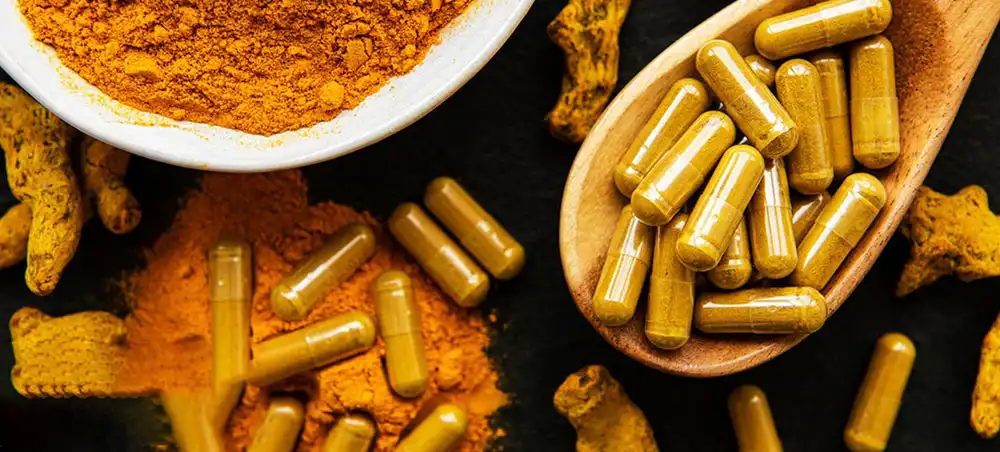
Most of the time, curcumin is found in vitamins that help heal joints. To make full movement support goods, these vitamins mix 95% standardized extract with other things like boswellia, glucosamine, and MSM. Some of the forms that manufacturers use are regular pills, soft gels that work better because they contain oil matrices, and tablet recipes that make it easy to take more in one serving.
As experts look into curcumin's protective properties, they find a new way to use it to improve brain health. Brain health goods have vitamins, omega-3 fatty acids, turmeric powder, and phosphatidylserine. These items are made for older people who are worried about their minds and their ability to concentrate.
Heart health products use curcumin's ability to lower inflammation to make the vessels healthier. To make blends for heart health, you mix turmeric extract with coenzyme Q10, hawthorn berry extract, and garlic extract. These mixes work together to target a number of heart disease risk factors in a way that is good for the body.
Food, Beverage, and Cosmetic Integration
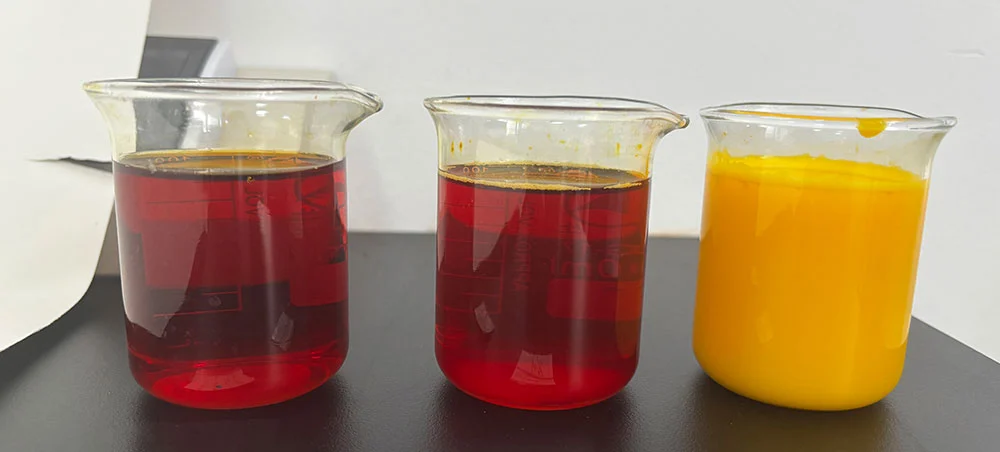
Because curcumin is dark and tastes earthy, it can be hard for people who make useful drinks to make tasty drinks with it. For those who have trouble dissolving curcumin in water, types that dissolve in water let drinks stay clear or have a light color when mixed with tastes that hide the curcumin, like tropical fruits, ginger, or lemon. People's interest in anti-inflammatory foods has led to the rapid growth of categories like ready-to-drink golden milk drinks, turmeric shots, and health tonics.
The bright yellow color of turmeric extract is used in natural food coloring instead of man-made dyes like tartrazine. Businesses that make snacks, sauces, and ready-to-eat foods use standard curcumin that meets certain color strength guidelines and is good for you in more ways than one.
People who make cosmetics use turmeric powder in anti-aging serums, cleansing masks, and acne treatments. Curcumin's yellow color can be changed in successful products by picking the right base and amount. This makes the color look good while still being effective for healing. When you test an emulsion's stability, you make sure that the curcumin stays mixed and doesn't separate or lose its color during the product's shelf life. Curcumin can kill microbes, which is why it is used in preserving methods that keep the product from getting dirty while people are using it.
Formulation Strategies and Stability Considerations
For this reason, since it is chemically built, curcumin can break down in light, low pH, and high temperatures. Protective tactics are an important part of making a good product because they keep the product working well while it is being made, marketed, and used by customers.
Using things that block light, like amber glass, dark plastics, or foil laminating bags, can stop photodegradation. To keep the pH below 7.0, formulas should use acidic buffers or pick excipients that work well with the formula and stay away from those that are too alkaline. It says to keep it cool, dry, and out of direct sunlight in the directions. Shelf life studies tell us when something goes bad in the settings it was made to be used in.
In improved bioavailability forms, curcumin is mixed with substances that help the body absorb it or move it around. By stopping digestive enzymes from acting, a black pepper product that is standardized to 95% piperine is a cheap way to raise curcumin levels in the blood by a large amount. Phytosomes, liposomes, and self-emulsifying drug delivery systems (SEDDS) are lipid-based transport systems that help curcumin pass digestive membranes and stay safe while it is being processed. Mixing cyclodextrin, polymers, or micelles to make safe water-based solutions that can be used in drinks and dissolve quickly is one of the ways that formulas that dissolve in water work.
Conclusion
When HPLC tests show that Organic Turmeric Extract Powder contains 95% curcumin, it has health benefits that raw turmeric and food powders can't match. The food is clean, the supply line is clear, and all the rules are followed when this label is given. A team in charge of quality checks these things in the places where ingredients come from. To make effective, marketable products that meet consumer demands for natural, scientifically proven health solutions in the nutraceutical, food, beverage, and cosmetic categories, procurement specialists and product developers need to know how to increase bioavailability, formulation stability, and industry-specific application needs.
FAQ
What dosage of turmeric extract is recommended for dietary supplements?
Most studies that use 95% curcumin extract for treatment use daily amounts of 500 mg to 2000 mg of Organic Turmeric Extract Powder. Supplement companies usually make items with between 1000 mg and 1500 mg per serving. To help the body absorb them better, these doses are often spread out over the course of the day. Smaller amounts of curcumin can still work well when mixed with bioavailability boosters like piperine. Sometimes, only 400–500 mg per day is enough to hit the same blood levels.
Are there side effects or allergic reactions associated with turmeric extract?
High-quality turmeric powder has been shown to be very safe in lab tests. If you take more than 2000 mg per day, you might have mild stomach problems like sickness or diarrhea. People whose bile tubes are blocked shouldn't take turmeric because it raises cholesterol. Many people are allergic to this plant, but allergic reactions do happen sometimes. This is especially true for people who are allergic to plants in the Zingiberaceae family. Items should normally have health labels and tell you to talk to a doctor before using.
How can buyers verify supplier quality assurance measures?
You can get Certs of Analysis that show HPLC tests for curcumin level, heavy metal analysis, chemical screening, and microbial testing to get a baseline. The work is more reliable if it has been checked by a third-party lab through SGS, Eurofins, or NSF. C14 testing, which shows natural origin versus made adulteration, is the best way to prove authenticity. Suppliers who are certified by ISO9001, FSSC22000, or GMP show that they care about quality control and do more than just check each batch individually.
Partner with a Trusted Organic Turmeric Extract Powder Supplier
For more than 20 years, Naturalin Biotech has been making products from plants, including Organic Turmeric Extract Powder. As a base, they use farms that are recognized as organic. They also use advanced extraction methods and strict quality control systems. We have water-soluble curcumin formulations and 95% curcumin that meet USP standards in our range of turmeric extracts. An HPLC test was done on all of these, and they have been approved by EU NOP, ISO9001, FSSC22000, HALAL, and Kosher. Business orders can be sent out in 3–7 days because we keep a lot of items in stock. We can also make it in powder, pellet, or liquid form, depending on what you need.
The quality of every batch is always the same because we have a different lab with HPLC, UV, and AAS tools. Our contracts with SGS and Eurofins give us third-party proof that meets the highest standards for buying. When it comes to R&D and making products, we understand because we wrote the national market standards for plant extracts in China and have more than 40 ingredient patents. We can help you build your product every step of the way, whether you need standard industrial sizes of 25 kg or unique formulations that work better with the body and dissolve better. If you want to use turmeric extract for your next project, email market@naturalinbio.com to get full specs, COAs, prices, and available samples.
References
1. Hiscock SJ, Kalman DS. Curcumin: A Review of How It Affects People's Health. Foods. 2017;6(10):92.
2. Aggarwal BB and Prasad S. Turmeric, the Golden Spice: From Traditional Medicine to Modern Medicine is the name of the book they wrote. Health and Biomolecular Aspects of Herbal Medicine. 2nd edition. 2011.
3. Curcumin, which is found in turmeric (Curcuma longa), is an active ingredient that is also good for you. Critical studies are important in the fields of nutrition and food science. 2017;57(13):2889–2895.
4. Nelson KM, Dahlin JL, Bisson J, et al. Why are these chemicals so important for medicine? Journal of Chemicals in Medicine. 2017;60(5):1620–1637.
5. A study by Gupta SC, Patchva S, and Aggarwal BB looks at how curcumin can help heal and what we can learn from clinical trials. The AAPS Magazine. 2013;15(1):195-218.
6. Stohs SJ, Chen O, Ray SD, and other people. A look at forms of curcumin that are easily absorbed by the body and areas that show promise for future study and use of chemicals derived from curcumin... Such a thing. 2020;25(6):1397.