Tomato Extract Powder Benefits: Uses for Cooking & Skin
Tomato Extract Powder provides a rich source of lycopene and other bioactive substances that can be used in cooking and on your skin. From the plant Lycopersicon esculentum Mill. This ingredient has antioxidant qualities that make food better and help skin health. It is extracted using modern methods. Procurement managers, research and development teams, and product formulators looking for standardized plant extracts need to know about the functional benefits and real-world uses of this versatile ingredient in order to make competitive formulations in the food, drink, cosmetics, and nutraceutical industries.
What is Tomato Extract Powder? An Overview for B2B Buyers
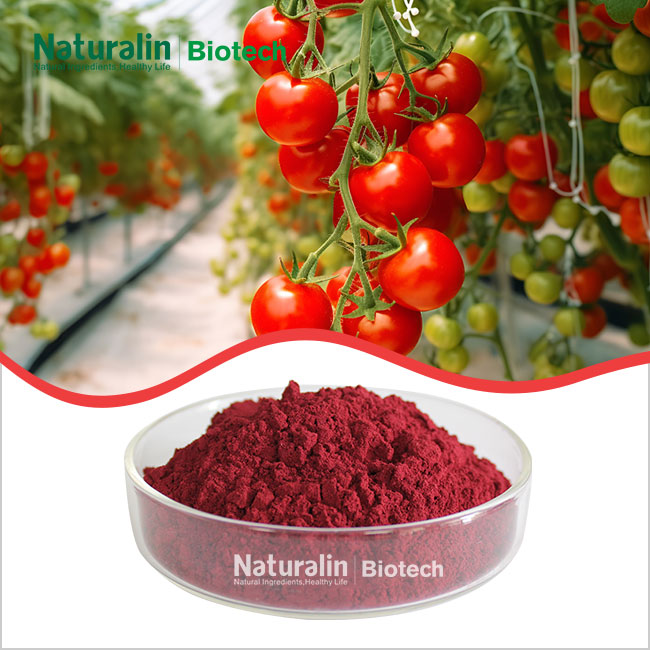
Tomato Extract Powder is a clever botanical ingredient that is made by carefully extracting and drying the bioactive chemicals that are naturally found in tomatoes. This method of making tomato powder is very different from the easy method of drying whole tomatoes. The extraction method separates and focuses on certain active ingredients, mostly lycopene. This makes a product that is much more effective and consistent.
Understanding the Production Process
The first step in the manufacturing process is choosing high-quality tomato seeds that meet strict quality standards. After being cleaned and cut up well, the tomatoes are extracted using methods that keep heat-sensitive chemicals safe while getting the most lycopene out of them. Spray drying or vacuum drying are advanced drying methods that turn the liquid extract into a stable powder with controlled particle size, usually between 60 and 80 mesh, based on the needs of the application. This method of controlled production guarantees stability from batch to batch, which is very important for makers who need ingredients to work reliably across production cycles.
Key Nutritional Components and Standardization
Lycopene is the main bioactive marker in tomato extract, and High-Performance Liquid Chromatography (HPLC) shows that the amounts are usually between 1% and 10%. The typical red color comes from this carotenoid pigment, which also has strong protective properties. In addition to lycopene, the extract also has vitamin C, beta-carotene, and polyphenol substances that make it useful. For formulation experts and quality assurance managers, HPLC testing gives them a way to measure the concentration of an active ingredient, which lets them make more accurate formulations and keep regulatory records.
Quality Standards and Certifications for B2B Confidence
Reliable sources keep a full set of certifications, such as ISO9001, FSSC22000, HACCP, and GMP standards that show they handle quality in a structured way. Organic certifications (like EU organic and NOP), non-GMO proof, and religious certifications (like Halal and Kosher) make it easier for finished goods to get into more markets. Independent verification of purity, identity, and safety factors can be done by third-party testing at labs like SGS, Eurofins, or NSF. These licenses help quality assurance teams deal with the stress of following the rules, and they also make it easier for regulators to approve products in different markets.
Health and Functional Benefits of Tomato Extract Powder
Tomato Extract Powder contains lycopene from tomatoes, which has many uses, and scientific studies have shown that it works in living organisms. Product makers can better position formulations to meet customer demand for natural, functional ingredients when they understand these benefits.
Antioxidant Properties and Skin Health Applications
Because of how its molecules are structured, lycopene is better at getting rid of singlet oxygen and free radicals than many other carotenoids. This antioxidant power directly improves skin health by shielding cell structures from oxidative damage brought on by UV light and external stresses. Lycopene helps the skin's protective function, lowers the signs of photoaging, and makes the skin tone more even when used in cosmetics. Because of these qualities, tomato extract is very useful for anti-aging creams, serums, and sun care products, where natural active ingredients are becoming more popular than manufactured ones.
Culinary Applications and Food Enhancement
Beyond just flavoring, food makers use Tomato Extract Powder for a variety of reasons. This ingredient adds a natural red color to sauces, soups, spices, and snack foods. It supports "clean label" efforts that try to stay away from artificial colors. Because it has concentrated umami notes, it can be added to ready-made meals, bouillons, and meat products in smaller amounts than tomato paste or powder. In dry blending uses, the powder form is much more useful than liquid tomato goods because it stays stable for longer and costs less to ship. Scientists who make drinks use standardized tomato extract to make useful drinks with lycopene as a valuable antioxidant.
Safety Profiles and Regulatory Considerations
Tomato Extract Powder is GRAS (Generally Recognized as Safe) for food uses in the United States, and there are set usage amounts that make sure it is safe for use in all kinds of products. When properly made, lycopene has great safety ratings for use in cosmetics and a low chance of making people sensitive. Regulatory affairs teams should check that the paperwork suppliers send them has all the necessary safety information, food statements, and compliance statements for the markets they want to reach. Knowing the normal dose ranges—usually 50 mg to 500 mg per day for food supplements and 0.1 to 1.0% in cosmetics—helps make sure that products stay within safety limits while still providing the desired effects.


Comparing Tomato Extract Powder with Alternative Products
Before making a purchase choice, it's helpful to know how Tomato Extract Powder stacks up against other lycopene sources and tomato-based ingredients in terms of concentration, usefulness, and value for money.
Concentration and Bioavailability Differences
Tomato Extract Powder has measured amounts of 1 to 10 percent lycopene, which is 10 to 100 times more powerful than regular tomato powder, which only has 0.1 to 0.3% lycopene by weight. Even higher amounts can be found in synthetic lycopene pills, but they don't have the phytonutrient matrix that works together like natural products do. The amount of lycopene in tomato juice powder is between that of whole tomato powder and extract. However, it contains sugars and acids that may not be suitable for all uses. When formulators are figuring out how much of an active ingredient to use, the higher content of extract powder lets them use lower inclusion rates. This means that the effects on taste, color, and texture in finished goods are lessened.
Organic Versus Conventional Variants
Organic tomato extract costs more than regular tomato extract—usually 20–40% more—but it lets you get into growing organic product markets. This cost has to be weighed by supply chain managers against the market position and target buyer groups. For products to be certified organic, they must be able to be tracked from the farm to the finished product. This can make it harder to keep supplies stable when crops or seasons change. Conventional items are more stable in terms of supply and price throughout the year, which makes them good for high-volume, cost-conscious uses.
Cost-Efficiency Analysis for Procurement Teams
Buyers should look at the cost per unit of the active ingredient instead of the price per kilogram of the raw material when figuring out the total cost of ownership. A more concentrated lycopene extract with a higher price per kilogram has the same amount of lycopene as a less concentrated extract at a lower price per kilogram, but it has lower inclusion rates and costs less to ship. True cost estimates also take into account minimum order amounts, payment terms, and the reliability of the supply chain. Building partnerships with makers that offer both standard goods and custom formulation services lets you change specifications as product lines do.
How to Use Tomato Extract Powder in Cooking and Skin Care Products
R&D teams and operations managers can use practical application advice to quickly and easily add Tomato Extract Powder to production processes, getting the most out of its useful properties.
Food Manufacturing Applications and Dosage Guidelines
In food applications, normal inclusion rates run from 0.1% to 2%, based on how strong an effect is wanted and what the functional goals are. When mixed properly, the powder mixes easily in both water- and oil-based systems. For dry spice mixes, the ingredients are spread out evenly when they are mixed directly with other powdered ingredients. Before adding the extract to soups and other liquids, spreading it in a small amount of oil or making a slurry with liquid ingredients keeps it from clumping and makes sure the color develops evenly. The extract can handle normal temperatures used in food processing, but long-term contact above 120°C may make the lycopene less stable. Product designers should do shelf-life tests to make sure that nutrients and colors stay the same under the settings they are meant to be stored in.
Cosmetic Formulation Considerations
Formulators of skin care products usually add 0.1 to 1.0% tomato extract to the oil part of emulsions or to products that don't have water in them, like creams and oil serums. Because lycopene is lipophilic, it works best with chemicals that dissolve in oil. However, water-dispersible versions can be made through special processes. When combined with vitamin E, vitamin C, and other antioxidants, this ingredient makes anti-aging products that work better overall. Stability testing should make sure that the product's reddish-orange color stays good for as long as it's on the shelf and that the amount of lycopene still meets the label's claims at the end of its shelf life. Adjusting the pH to a range between 4.5 and 6.5 usually makes most formulations stable.
Storage and Handling Best Practices
Keeping ingredients in the right way saves their quality and keeps your investment in high-quality plant materials safe. Tomato Extract Powder needs to be kept in airtight cases out of the way of sunlight, heat, and humidity. To avoid caking and oxidative breakdown, the best temperatures for keeping are between 15°C and 25°C in low-humidity areas. When containers are opened, they should be quickly resealed and used within six months for the best results. However, material that is kept properly usually stays good for two years from the date it was made. For easy tracking, operations managers should use FIFO (first in, first out) inventory movement and keep accurate records of lot numbers.
Procuring Tomato Extract Powder: A Buyer's Guide for B2B Clients
Strategic procurement means judging sellers on a number of factors, such as consistency in quality, expert support, compliance paperwork, and the reliability of their logistics.
Evaluating Supplier Credentials and Manufacturing Capabilities
The best botanical extract providers set themselves apart with thorough quality systems, advanced analytical tools, and a history of success in the business. Look for companies that have their own research and development labs with HPLC and other testing tools and can give you Certificates of Analysis for each batch. Companies that have more than one foreign license show that they are committed to quality in a number of different legal contexts. It's also important to know how much you can make. Suppliers that make hundreds of tons of goods every year are a safer bet than smaller businesses that could run out of raw materials or have trouble making things. Naturalin Biotech has been in the nutritional ingredients business for more than 20 years and has more than 40 production patents. They are an example of an established company that gives buyers trust through their technical know-how and proven abilities.
Customization Options and Technical Support
Strategic ingredient partners are different from commodity providers because they can modify requirements. In addition to normal specs, makers can make their products stand out by letting you change the particle size, lycopene content, solubility properties, and combination formulas. Decolorization or deodorization methods change the way tomatoes smell or look, so they can be used in places where the natural color or smell is not wanted. Time-to-market for new goods is sped up by getting technical help throughout the whole development process, from the initial feasibility study to test production and scale-up. Suppliers who know how capsules, tablets, drinks, and topical preparations are used as finished products bring useful application knowledge that goes beyond just providing ingredients.
Logistics, MOQ, and Delivery Considerations
It's better to know what the minimum order needs are and what your logistics options are before you start the buying process. For specialized plant extracts, commercial MOQs of 25 kg are common, and sample amounts can be used for the first evaluation. Lead times for stock items are usually between 3 and 7 working days, but longer production processes may be needed for items that are made to order. Express delivery (DHL/FedEx), air freight, and ocean freight are all shipping choices that let buyers balance speed and cost. For buyers in the US, suppliers that offer DDP (Delivered Duty Paid) service take care of customs clearance and the last mile of delivery. This makes foreign buying easier and lowers the administrative load within the company.

Conclusion
In conclusion, through its regulated lycopene content and other bioactive substances, Tomato Extract Powder provides concentrated useful benefits for food, supplements, and cosmetics. When business-to-business buyers work with makers who have strict quality control systems, a lot of customization options, and a lot of application knowledge, they gain a competitive edge. This ingredient is standardized, stable, and can be used in a lot of different ways. It helps new products come out in many different industries and meets the growing demand from customers for natural, useful ingredients backed by science. Strategic buying choices based on total value instead of unit price alone make sure that the supply will be reliable in the long run and that the product will work well.
FAQ
What concentration of lycopene should I specify for supplement versus cosmetic applications?
Dietary supplements usually contain 5–10% lycopene extracts to get adequate daily amounts in pill or tablet sizes that are practical. Lycopene concentrations between 1% and 5% work best for cosmetic uses. Higher concentrations may add too much color, while lower concentrations mix better with emulsion systems and provide enough antioxidant activity at normal usage rates of 0.5 to 1% in the finished product.
How does organic certification affect supply availability and pricing?
Organic tomato extract usually costs 20–40% more than regular tomato extract because it has to be made with approved organic ingredients and goes through separate production rules and costs for a yearly certification check. There may not be as much available, especially near the end of the growing season, before new crops are ready. But organic approval opens up higher-end markets and fits with clean-label positioning methods that many brands find useful for business, even though the ingredients cost more.
What shelf life can I expect, and what factors affect stability?
Tomato Extract Powder stays good for two years after it is made, as long as it is kept in sealed cases out of the light, heat, and moisture. Oxygen, hot temperatures, and UV light all speed up the breakdown of lycopene. Lycopene stability is affected by the pH of the mixture, the presence of pro-oxidants or antioxidant synergists, and the material used for packing. Performing rapid stability studies on a product while it is being developed helps predict how it will work in real life during its shelf life.
Partner with a Trusted Tomato Extract Powder Manufacturer
Naturalin Biotech is your key ingredient partner because it has 20 years of experience with botanical extracts, advanced research and development tools, and a full production infrastructure. Our Tomato Extract Powder, which is standardized to 1–10% lycopene and checked by HPLC, meets the exact needs of formulators in the food, cosmetics, functional drinks, and dietary supplements industries. With ISO9001, FSSC22000, HALAL, Kosher, and organic standards, we can meet your compliance needs in places around the world. Our customization services include everything from finding the best particle size to making specially designed formats that dissolve in water and recipes for compounds that work well together. Our ready stock means that we can send within 3–7 days, and our technical team will help you with formulation as you build your product. Get in touch with our team at market@naturalinbio.com to talk about your unique needs and find out how our Tomato Extract Powder seller services can help you reach your product innovation goals faster.
References
1. Rao AV, Rao LG. Carotenoids and human health. Pharmacological Research. 2007;55(3):207-216.
2. Giovannucci E. Tomato products, lycopene, and prostate cancer: a review of the epidemiological literature. Journal of Nutrition. 2005;135(8):2030S-2031S.
3. Stahl W, Sies H. Bioactivity and protective effects of natural carotenoids. Biochimica et Biophysica Acta. 2005;1740(2):101-107.
4. Darvin ME, Sterry W, Lademann J, Vergou T. The role of carotenoids in human skin. Molecules. 2011;16(12):10491-10506.
5. Agarwal S, Rao AV. Tomato lycopene and its role in human health and chronic diseases. Canadian Medical Association Journal. 2000;163(6):739-744.
6. Story EN, Kopec RE, Schwartz SJ, Harris GK. An update on the health effects of tomato lycopene. Annual Review of Food Science and Technology. 2010;1:189-210.