The Milk Thistle Extract Powder Challenge: A Formulator’s Guide to Unlocking Milk Thistle’s Full Potential
If you are a formulator or buying manager who has to deal with a lot of different plant ingredients, you've probably seen that the demand for products made with Milk Thistle is rising. Scientific proof and a big market chance meet in Milk Thistle Extract Powder, which has a strong silymarin complex that helps with liver health, antioxidant support, and cleansing. To turn this plant's promise into products that sell well, though, you need to do more than just find an extract. The real challenge is to understand how to use quality specifications to make products that work consistently and meet strict regulatory and customer expectations in nutraceutical, functional food, cosmetic, and animal nutrition applications. This includes understanding how composition can vary and how to meet standardization requirements.
Understanding Milk Thistle Extract Powder: Composition, Benefits, and Safety
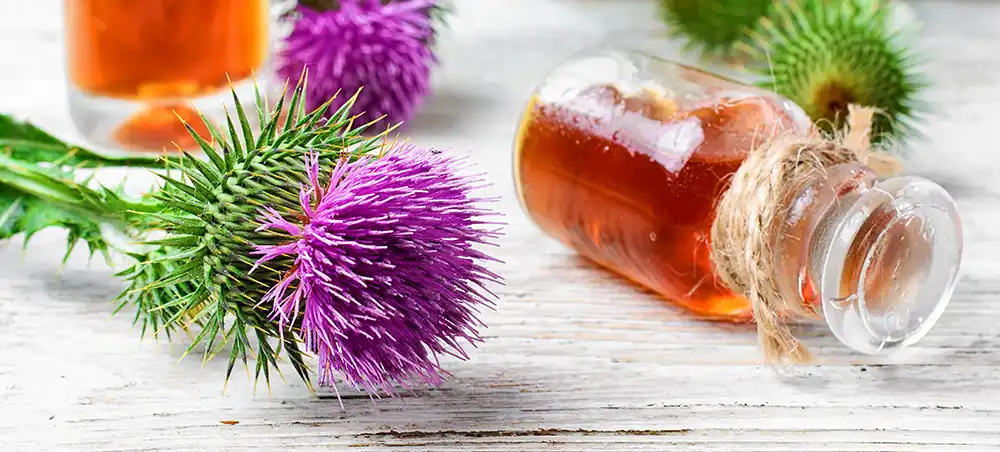
To understand the business worth of silymarin extract, you must first know what makes an ingredient good. This plant product comes from Silybum marianum (L.) Gaertn seeds and has a flavonoid complex called silymarin. It is made up of silybin, silydianin, and silychristin. One of these is silybin, which makes up about 50-70% of the overall silymarin amount and is the most biologically active.
Extraction Methods and Their Impact on Quality
There are two main ways that modern industry extracts materials. Using ethanol or acetone to extract solvents is still the usual method for the business. UV spectrophotometry shows that these methods produce concentrations of 80% silymarin. This method allows for cost-effective scaling while keeping the purity of the active ingredient. On the other hand, supercritical CO2 extraction has a cleaner profile with fewer liquids left over, which makes it a good choice for clean-label formulas, but it costs more. Not only does the extraction method affect quality, but it also affects bioavailability and formulation suitability.
Powder vs. Alternative Formats
Capsules, pills, and whole seeds are all good for different types of customers, but powder forms are better for business-to-business uses. Milk Thistle Extract Powders are better at controlling concentrations because they can be made to contain anywhere from 80% total silymarin to 30% silybin. They work well in a wide range of formulations, such as pills, tablets, healthy drinks, and topical creams. Standardizing particle size, usually to 80 mesh, makes sure that all output runs blend and dissolve in the same way.
Evidence-Based Benefits and Safety Considerations
The liver-protecting effects of Milk Thistle have been supported by clinical studies. It has antioxidant qualities that fight free radicals and help cells grow again. Studies show that between 140 mg and 800 mg of silymarin per day, based on the application, is a useful dose range. The safety rating is still good, and only about 1% of people have reported mild stomach problems. When formulators understand these factors, they can make responsible product development decisions that balance effectiveness with customer safety and follow both FDA rules and foreign rules.

The Milk Thistle Formulator's Challenge: Quality and Dosage Optimization
Inconsistent raw materials are the biggest problem when it comes to getting consistent recipe results. Botanical extracts are more likely to be different than manufactured ingredients because of things like farming conditions, harvest times, and preparation methods. This variation shows up as changing silymarin levels, which has a direct effect on how well the product works and how true the label claims it is.
Standardization Through Advanced Testing
Milk Thistle Extract Powder: Analytical testing is the first step in quality assurance. UV spectrophotometry is a quick way to check for the total amount of silymarin, and HPLC (High-Performance Liquid Chromatography) is an exact method to measure individual flavonolignans, especially the silybin A and B isomers. Reliable suppliers provide Certificates of Analysis from third-party laboratories such as SGS, Eurofins, or NSF, confirming not only the content of active compounds but also the absence of contaminants, including heavy metals (lead <3 ppm, arsenic <1 ppm), pesticide residues, and microbial contamination. This multi-level testing approach ensures compliance with ISO9001, FSSC22000, and pharmacopoeial standards.
Organic vs. Conventional Sourcing
The choice between organic and regular farming is about more than just business. Organic approvals (EU, NOP) promise farming without manmade fertilizers or pesticides, meeting the needs of consumers who want clean labels and lowering the risk of contamination. But regular extracts can be just as pure and cost less if they come from sources that are vertically integrated and have traceability processes in place. When buying something, people should think about how much licensing will cost, the needs of the target market, and how sensitive they are to price.
Optimizing Bioavailability and Absorption
Because silymarin is lipophilic, it can be hard for the body to absorb. However, advanced preparation can help with this problem. Standard extracts don't dissolve well in water, which lowers their absorption. Using technologies like cyclodextrin complexation or micellization, water-soluble Milk Thistle specs can reach 40% silymarin content and faster dissolution rates that are good for healthy drinks and fast-release supplements. Understanding these composition technologies helps make products stand out and improve their performance.
Real-life examples show how these ideas work in practice. To get 280 mg of silymarin per dose in a liver support supplement, you have to do some careful math: each pill needs 350 mg of powder made from an 80% standardized extract. Working with suppliers who can help you customize particle size (60 or 80 mesh) and bulk density optimization will make sure that capsule filling goes smoothly and that the manufacturing process runs smoothly.
Comparing Milk Thistle Extract Powder to Other Formats
The format you choose has a big impact on the operations of your supply chain, your costs, and the freedom of your formulations. When you know the technical and financial trade-offs between delivery systems, you can make smart purchasing choices that are in line with your product development plan.
Technical Advantages of Powder Concentrates
Powder ingredients give you the most control over the mixture. Standardized specs are available for 80% silymarin, 30% silybin, or special 40% water-soluble versions, so formulators can accurately figure out how much to use for each type of product. Powders can be used for many things, like making pressed tablets, filled capsules, stick packs, and liquid premixes, without having to change their structure. The bulk density is usually between 0.45 and 0.65 g/mL, which makes volumetric dose tools work better. If you store something properly (cool, dry, and away from light), it will last for 24 months. This lowers inventory risk and allows for longer supply chain cycles.
Cost-Efficiency in Bulk Procurement
The economics of volume favor Milk Thistle Extract Powder concentrates. Minimum order amounts starting at 25 kg make it possible for mid-sized producers to get what they need while still making the business profitable. When you buy more than 500 kg, you can get better prices, which cuts the cost per kilogram by 15 to 25 percent compared to pre-encapsulated formats. Higher concentration lowers the cost of shipping because 1 kg of 80% extract provides more active compounds than comparable weights of lower-potency alternatives. This makes operations more efficient.
Supplier Evaluation Criteria
Quality sellers stand out by having a wide range of certifications, such as GMP, HACCP, HALAL, and Kosher, which show that they can make excellent products and get into new markets. Look for partners that offer customization services like changing the way something tastes or smells, making it more soluble, or helping you come up with a new recipe. These features shorten the time it takes to make a product and lower the cost of research and development. Private label and OEM options give brand owners more choices and let them use existing manufacturing equipment without having to spend a lot of money on building new factories.
Procurement Insights: Navigating Bulk Purchase, Pricing, and Logistics
To find the best plant extracts strategically, you need to find a balance between quality control, cost management, and supply consistency. There are some things that are unique about the Milk Thistle market that smart buyers can use to their advantage.
Establishing Supplier Relationships
Start with the rules for sampling. Reliable providers offer small samples (50-100g) with full analytical paperwork so that compatibility can be tested before ordering large quantities. Go through your quality control steps on samples, making sure that the specs match the certificates of analysis and checking the compatibility of the formulations. This investment in approval up front keeps production from being interrupted for expensive reasons like ingredients not working together or quality issues.
Most commercial order forms start with a 25 kg minimum, and prices change at 100 kg, 500 kg, and 1,000 kg, respectively. Lead times of 3-7 working days from ready stock allow for quick completion of set standards. On the other hand, developing and producing unique recipes may take 2-4 weeks. Knowing these dates helps with planning production and keeping track of supplies.
International Shipping and Logistics
When you do global buying, processes get more complicated, but skilled suppliers can help you get through it. Standard shipping choices include fast courier (DHL, FedEx) for samples and small orders, air freight for business amounts that need to be sent quickly, and ocean freight for bulk packages that need to be sent at the lowest cost. Some sellers offer full DDP (Delivered Duty Paid) services for the U.S. market, which includes clearing customs, paying duties, and delivering the goods. This makes the total cost more reliable. This service gets rid of fees that come as a surprise and makes buying things internationally easier.
Risk Mitigation Strategies
Diversification and quality agreements can help you protect your supply line. Make sure you have ties with both main and secondary suppliers so that you can keep doing business even when there are crop shortages or production problems. Talk about quality promises that spell out acceptable ranges for key factors like silymarin content (±2%), heavy metals, and microbial limits, along with clear steps for fixing batches that don't meet these standards. Ask for retention samples from each production lot so that you can test them again in the future if you have any quality issues with your product while it's still on the shelf.
Milk Thistle Extract Powder is linked to Price changes in botanical markets, which are caused by things that happen in agriculture, like weather trends, crop yields, and changes in area demand. Multi-year supply deals with indexed prices or agreed-upon price increases keep suppliers viable through market cycles and keep budgets stable.
Unlocking Full Potential: Integrating Milk Thistle Extract Powder in Your Product Line
People are becoming more and more interested in liver health and cleansing goods, which is great news for companies that want to come up with new formulas. In 2023, the U.S. market for liver-supporting ingredients in dietary supplements was worth more than $280 million. It is expected to grow at rates of 7-9 percent per year until 2028. This growth is due to an older population, more people being aware of how much booze they drink, and more people becoming aware of how much toxin exposure there is in the environment.
Strategic Product Positioning
Successful product launches use Milk Thistle's well-known image to set themselves apart while also coming up with new ways to make the recipe. Liver support mixes with silymarin, N-acetyl cysteine, alpha-lipoic acid, and B-vitamins work together to make powerful formulas that are highly priced. Functional beverage apps that help with healing after a party or daily detox routines take advantage of lifestyle wellness trends, especially among millennials and Gen Z customers who want to take charge of their health.
Cosmetic Applications
The use of cosmetics is a new area of research. Because silymarin is an antioxidant, it works well in anti-aging serums, whitening treatments, and protective mixtures. Skincare companies that want plant actives with scientific proof, like Milk Thistle as an alternative to synthetic ingredients, which is in line with what the "clean beauty" trend wants.
Regulatory Navigation and Certification
To get into the U.S. market for dietary supplements, companies must follow the FDA's rules, which include Current Good Manufacturing Practices (cGMP), make sure that supplement facts panels are correct, and back up structure-function claims. European markets need more attention, with rules about new foods, REACH chemical registration, and notice rules that are specific to each country. Choosing sellers with the right certifications (ISO9001, FSSC22000, or organic credentials) makes it easier to follow the rules and lowers your legal risk.
Animal nutrition applications
Animal feeding uses are another way that the industry can grow. The hepatoprotective and anti-inflammatory features of Milk Thistle help both farm animals and pets keep their guts healthy and their immune systems working well. Heat-stable extracts that can handle pelleting temperatures while keeping the active compound's structure are good for feed additive formulas. Manufacturers who work with this sector should make sure that their sources have the right feed-grade certifications and can show that they can keep mycotoxins and heavy metals pollution to strict levels.
Innovation Through Customization
Leading providers of plant ingredients offer formulation creation services that help companies come up with new products faster. Microencapsulation technologies make silymarin more stable and better at hiding its taste, which is important for powdered drink mixes and edible forms. Spray-drying methods make it possible for water-dispersible grades that can be used for clear drinking water. This means that more formats are possible besides just capsules. With these technical skills, Milk Thistle Extract Powder can be turned into unique ingredients that help your R&D team solve certain formulation problems.
Conclusion
To formulate Milk Thistle Extract Powder successfully, you need to know the technical standards that define quality, the strategies for ensuring a steady supply, and how to take advantage of innovation opportunities to make your goods stand out in a crowded market. The problems—variability in standardization, optimizing bioavailability, and regulatory compliance—can be handled if you work with skilled sources who can do full tests, make changes, and provide expert support. Adding standardized silymarin extracts to dietary supplements, functional foods, beauty formulations, or animal nutrition products is a smart way to meet the growing demand for plant ingredients that have been proven scientifically. Quality standards checked with HPLC, supplier approvals showing high-quality production, and formulation flexibility that lets new products be made are the building blocks for economic success in this growing area.
FAQ
Is daily milk thistle supplementation safe for long-term use?
It has been shown in clinical tests that taking Milk Thistle regularly at normal doses (280 to 560 mg silymarin per day) for more than 12 months is safe. A little less than 1% of people report mild stomach problems. Formulators should put the right information on the label about seeing a doctor for people who already have health problems or who take medicines that are broken down by cytochrome P450 enzymes.
What silymarin concentration delivers optimal liver detoxification support?
According to research, hepatoprotection starts to work at 280 mg of silymarin per day, and the effects are even greater at 420 mg for people whose liver enzyme markers are high. These evidence-based ranges should be used to make product recipes, and the amount of silymarin in each serving should be clearly labeled so that consumers can use them safely.
How do organic certifications impact milk thistle extract quality?
Organic approval proves that synthetic fertilizers and chemicals are not used in farming, which lowers the risk of contamination. However, being organic doesn't always mean that silymarin is purer or more effective. Analytical testing for active substances, heavy metals, and microbial safety is needed for a full quality assessment, even if the product is labeled as organic. The best choice weighs the costs of approval against the needs of the target market and the company's place in the market.
Partner with Naturalin Biotech for Premium Milk Thistle Extract Solutions
Naturalin Biotech is a reliable source of Milk Thistle Extract Powder with over 20 years of experience in working with plant ingredients. They are ready to help your formulations succeed. Our standard specifications—80% silymarin by UV, 30% silybin by HPLC, and special 40% water-soluble formulations—are rigorously validated by SGS and Eurofins labs, so you can be sure of consistent quality that meets your most stringent needs. We keep our ISO9001, FSSC22000, HALAL, and Kosher certificates, which show that we are dedicated to producing high-quality goods that are safe for global markets.
Our GMP-certified factory in Hunan Province offers flexible customization services, such as particle size optimization (60-80 mesh), solubility improvement, and recipe development help that is tailored to your unique needs. We can work with both new names and well-known makers because we have ready-to-ship items in stock with lead times of 3-7 days and low minimum order quantities starting at just 25 kg. Our full DDP shipping services for the U.S. market take the stress out of handling and give you a clear idea of how much it will cost to send.
Email our technical team at market@naturalinbio.com to ask for samples with full analysis paperwork, talk about problems you're having with formulation, or look into private label manufacturing options. Let our patent-backed innovations and track record with global food, cosmetics, nutraceutical, and animal nutrition names speed up the success of your product creation.
References
1. Abenavoli L., Capasso R., Milic N., Capasso F. (2010). "Milk thistle in liver diseases: past, present, future." Phytotherapy Research, 24(10), 1423-1432.
2. Rainone F. (2005). "Milk thistle." American Family Physician, 72(7), 1285-1288.
3. Saller R., Meier R., Brignoli R. (2001). "The use of silymarin in the treatment of liver diseases." Drugs, 61(14), 2035-2063.
4. Wellington K., Jarvis B. (2001). "Silymarin: a review of its clinical properties in the management of hepatic disorders." BioDrugs, 15(7), 465-489.
5. Polyak S.J., Morishima C., Lohmann V., Pal S., Lee D.Y., Liu Y., Graf T.N., Oberlies N.H. (2010). "Identification of hepatoprotective flavonolignans from silymarin." Proceedings of the National Academy of Sciences, 107(13), 5995-5999.
6. Vargas-Mendoza N., Madrigal-Santillán E., Morales-González A., Esquivel-Soto J., Esquivel-Chirino C., García-Luna Y., González-Rubio M., Gayosso-de-Lucio J.A., Morales-González J.A. (2014). "Hepatoprotective effect of silymarin." World Journal of Hepatology, 6(3), 144-149.