Why Do Manufacturers Use Ivy Leaf Extract Powder In Plant-Based Products?
When formulators ask why Hedera helix keeps appearing on ingredient lists, the answer comes down to functional performance. Ivy leaf extract powder delivers a clinically recognized combination of secretolytic and spasmolytic activity, driven by standardized triterpene saponins—primarily Hederacoside C and its bioactive metabolite alpha-hederin. Unlike crude herbal biomass, this standardized botanical extract offers reproducible active ingredient levels, confirmed by HPLC analysis, which directly addresses the consistency demands of modern nutraceutical, pharmaceutical, and functional food manufacturing. Its plant-based origin also aligns naturally with the clean-label movement reshaping product development across North American markets.
Understanding Ivy Leaf Extract Powder: Composition and Active Benefits
The leaves of Hedera helix L. are used to make Ivy Leaf Extract Powder. It is then treated through hydro-ethanolic extraction to concentrate triterpene saponins to a standardized range, usually 5–10% Hederacoside C by HPLC. The Drug Extract Ratio (DER) of the finished product is between 4 and 7:1, which means that up to 7 parts of raw plant material are needed to make 1 part of finished extract. This concentration efficiency is exactly what makes it appealing to businesses that make things.
What the Active Compounds Actually Do
The body changes Hederacoside C into alpha-hederin, which changes beta-2 adrenergic receptors in airway smooth muscle tissue. This process calms airway spasms and thins thick mucus at the same time. Synthetic mucolytics like ambroxol can only partially copy this dual pharmacological effect. Several randomized controlled studies published in European clinical journals back up this bronchodilatory and mucolytic profile. This gives the ingredient a scientific backing that helps R&D teams make claims about their products that are backed up by proof.
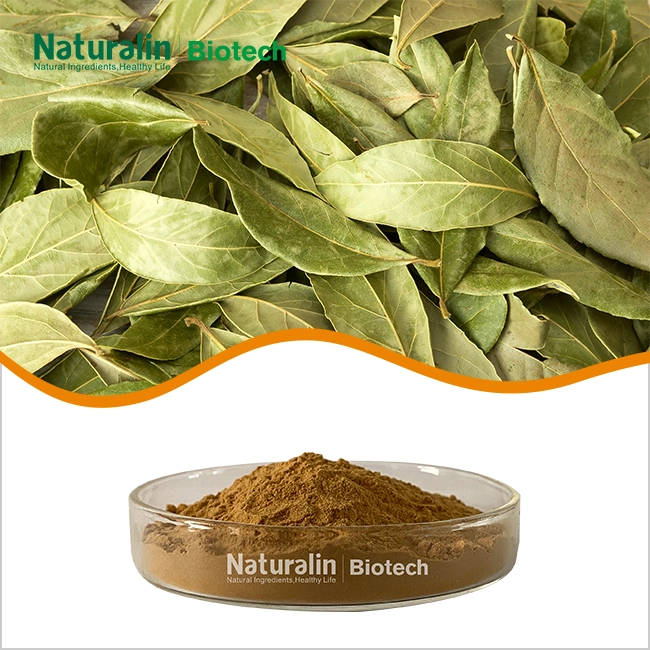
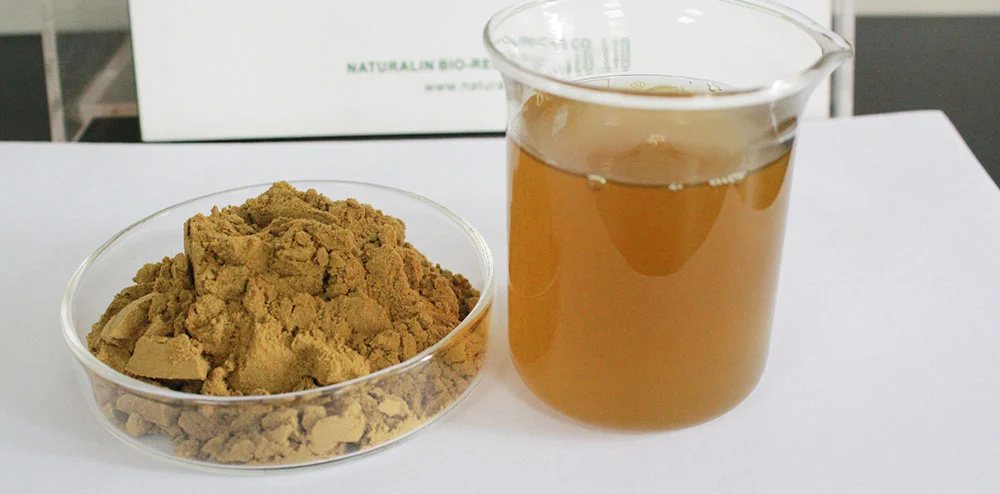
In addition to supporting respiratory wellness, the flavonoid and protective compounds in the extract support skin-soothing applications. This makes it useful for formulators developing skincare products and functional foods targeting overall wellness.The extract is a fine, yellow-brown to light brown powder that is hygroscopic and has a mild herbal smell. It dissolves easily in water and stays stable at high temperatures during processing, which makes it easy to add to liquid syrups, tablet blends, and topical emulsions.
Why Manufacturers Prefer This Botanical Extract Over Synthetic Options
The preference is not just based on how well it works. It has to do with how the market is positioned, how regulations are changing, and how easy it is to buy things.
Consumer studies show over and over that people in North America carefully read labels. The Natural Marketing Institute says that more than 60% of supplement buyers in the U.S. actively look for plant-based products that can be tracked back to their original sources. This need is directly met by a standardized Hedera helix extract that is free of GMOs and additives and works with organic certification paths.
Here are the main benefits of production that make it popular in many fields:
- Formulation versatility: The powder mixes easily with water, so it can be used in cough syrups, fizzy tablets, soft-gel pills, functional drinks, and skin serums. One ingredient can be used in different types of products without having to be reformulated.
- Batch-to-batch standardization: HPLC-verified Hederacoside C content eliminates the variability inherent in raw botanical biomass. QA teams get consistent information to back up regulatory files and label claims, so they don't have to do the same analysis over and over again.
- Regulatory alignment: The extract meets the standards of the European Pharmacopoeia (Ph. Eur.), which is a big plus for brands that sell in both the U.S. and the EU. Having less than 5.0% moisture and less than 5% ash lowers the risk of microbes and increases the shelf life.
- Clean-label compatibility: No man-made carriers, no man-made preservatives, and no processing aids derived from GMOs. This profile meets the clean-label requirements that more and more food, drink, and cosmetic brands are adding to their supplier qualification criteria.
These combined advantages explain why purchasing managers in the personal care, pharmaceutical, and nutritional industries always make short lists of Ivy Leaf Extract Powder when making lines of products from plants.
Selecting the Right Grade for Your Application
There are different kinds of Ivy Leaf Extract Powder on the market, and where you get it can make the difference between a useful ingredient and a legal risk. It is important to know the form factor: powder mixes easily into dry capsule fills and pill granulations; syrups give pre-dissolved saponins that are great for respiratory products for kids; and standard tinctures work well with liquid supplement formats.
Key Quality Benchmarks to Evaluate
R&D scientists and QA managers should confirm the following when evaluating a supplier: HPLC-checked Hederacoside C content must be at least 5%; bulk density must be between 0.40 and 0.60 g/ml; and the DER must be between 5:1 and 7.5:1. Third-party testing certificates from well-known labs like SGS, Eurofins, or NSF add an extra layer of independent verification that helps with regulatory submissions and meeting the needs of retail customers.
Organic varieties cost more, but they help brands place their products in natural retail outlets in important ways. Working with a provider that can do private labeling and custom concentration ratios cuts development times by a large amount for OEM makers.
How to Integrate Ivy Leaf Extract Powder Effectively in Manufacturing
Putting integration into practice starts with doses. In clinical studies on preparations from Hedera helix, 50–300 mg of dry extract are usually used per serving per day, but this depends on the health claim and the population being studied. Formulations for kids tend to have lower concentrations, but higher concentrations can be okay for adults if there is clinical evidence to support the claim.
Stability and Storage Considerations
When pH and temperature are not controlled, the saponin fraction is easily broken down by water. To keep their effectiveness over time, liquid formulations—especially syrups—need to have their pH levels adjusted and the right protective systems put in place. Ivy Leaf Extract Powder forms kept in light- and airtight containers at cool temperatures will reliably keep their active ingredient concentrations for 24 months. Before committing to a formulation, manufacturers of long-lifecycle SKUs should ask their extract supplier for accelerated stability data.
Combining thyme extract, elderberry, or zinc in functional supplement recipes has been shown to work well, making the product more appealing to a wider audience while supporting more general health claims about the immune or lung system.
Procurement Tips for Bulk Buyers and OEM Partners
When you buy in bulk, you take on risks that you wouldn't see if you only bought a few samples. The main worry is supply continuity; seasonal changes in Hedera helix leaf harvests can throw off production plans if the seller doesn't have enough raw material on hand.
Evaluating a potential Ivy Leaf Extract Powder supplier should cover the following pillars:
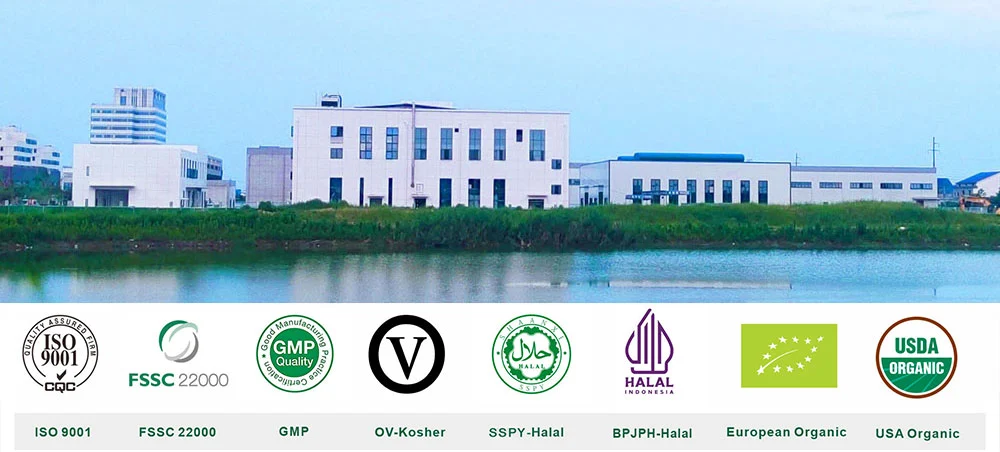
- Certifications on record: GMP compliance, ISO 9001, FSSC 22000, HACCP, and optionally organic and Kosher/Halal certification depending on target market requirements.
- Production capacity and lead time: A reliable B2B provider should be able to show that they can produce hundreds to thousands of kilograms of goods each year and have normal lead times of three to seven working days, supported by existing inventory.
- Analytical documentation: COA with HPLC, TLC, UV, and AAS test results; verification by a third-party lab; and full traceability of raw materials from cultivation to extraction.
- Customization depth: The ability to change DER, particle size, and active content based on the needs of the formulation, not just the normal specs in the store.
Volume discounts, flexible minimum order amounts, and DDP (Delivered Duty Paid) logistics choices all have a big effect on the total cost of procurement for U.S. buyers.
Conclusion
Ivy Leaf Extract Powder earns its place in plant-based product formulations because it fixes real manufacturing issues, such as differences in the potency of raw materials, gaps in bioavailability in simple herbal preparations, and the growing need for clean-label ingredients backed by science. The standardized triterpene saponin profile of Hedera helix extract works consistently and has been shown to work in nutraceuticals, functional beverages, and respiratory health supplements. It is one of the better-validated herbal options available today for companies that want to make reliable, effective plant-based goods.
FAQ
What is the standard active ingredient content in ivy leaf extract powder?
Standards say that high-quality grades should have 5–10% Hederacoside C, as shown by HPLC. This ensures that the pharmacological activity is the same across production batches and helps back up the claims on the label.
Is this extract suitable for pediatric respiratory formulations?
Clinical evidence supports its use safely in both children and adults at the right doses. In Europe, Hedera helix dry extract is often the main active ingredient in cough syrups for kids that are approved for sale.
How does ivy leaf extract compare to synthetic mucolytics like ambroxol?
Unlike ambroxol, Ivy Leaf Extract Powder works in two ways: it thins mucus and relaxes airway smooth muscle by modulating beta-2 adrenergic receptors. It does this without causing sedation, which is a big advantage for plant-based product lines.
What certifications should I require from a B2B supplier?
You must have at least GMP, ISO 9001, HACCP, and analytical validation from a third-party lab like SGS or Eurofins. Certifications like Organic and Kosher/Halal are helpful for brands that want to sell in specialty stores.
Can the extract be customized for specific formulation needs?
Manufacturers with a good reputation provide DER concentrations that can be changed, custom particle sizes, and help with formulations that are specific to an application. These are all very important for OEM and contract manufacturing processes.
Partner with Naturalin Biotech for Premium Ivy Leaf Extract Powder
Naturalin Biotech has been helping global brands in the food, cosmetics, pharmaceutical, and nutrition industries for more than 20 years. They have more than 40 patents and their manufacturing is GMP, ISO, and FSSC22000 certified. As a trusted Ivy Leaf Extract Powder supplier, we provide HPLC-standardized grades, custom DER formulations, third-party confirmed COAs, and full DDP shipping to the U.S. market. Ready to see if our extract will work in your next recipe? Contact us at market@naturalinbio.com or visit naturalinbio.com to request samples and specifications.
References
1. Hecker, M., & Runkel, F. (2013). Ivy leaf extract (Prospan) in the treatment of acute bronchitis. Arzneimittelforschung / Drug Research.
2. Stauss-Grabo, M., et al. (2011). Observational study on the tolerability and safety of film-coated tablets containing ivy leaf dry extract. Phytomedicine.
3. Büechi, S., et al. (2005). Open trial to assess aspects of safety and efficacy of a combined herbal cough syrup with ivy and thyme. Complementary Medicine Research.
4. European Medicines Agency. (2011). Community herbal monograph on Hedera helix L., folium. EMA/HMPC Committee on Herbal Medicinal Products.
5. Wagner, H., & Wisenauer, M. (2003). Phytotherapy: Phytopharmaceuticals and Plant-Based Medicine. Thieme Publishers.
6. Natural Marketing Institute. (2022). Health and Wellness Trends Report: Consumer Preferences for Plant-Based Ingredients. NMI Annual Survey.