How to Choose High-Quality Organic Chaga Mushroom Extract for Products?
To choose high-quality Organic Chaga Mushroom Extract, procurement professionals should evaluate five core factors: certified organic sourcing (USDA/EU), standardized beta-glucan concentration (20%–40% verified by Enzyme solution-UV), extraction method (dual water and ethanol), third-party contaminant testing (SGS, Eurofins), and supplier GMP compliance. Prioritizing these benchmarks ensures the chaga extract you incorporate into nutraceuticals, functional beverages, or cosmetic formulations delivers consistent bioactivity, regulatory acceptance, and long-term supply reliability across commercial production cycles.
Introduction
The market for adaptogens has grown significantly, and Inonotus obliquus, which is more commonly known as chaga mushroom, is a big reason for that. Premium Organic Chaga Mushroom Extracts are being actively sought after by procurement teams in the nutrition, functional food, and personal care sectors to support immune wellness claims, antioxidant placement, and clean-label product lines. However, not every extract is the same. Sourcing choices that don't take into account standards, organic certification, or the purity of the extraction process can hurt the effectiveness of the product, cause problems with the law, and hurt customer trust. This guide covers every important part of buying Organic Chaga Mushroom Extract, from figuring out what quality means to picking the right seller partner.
Understanding Organic Chaga Mushroom Extract: Definition and Importance
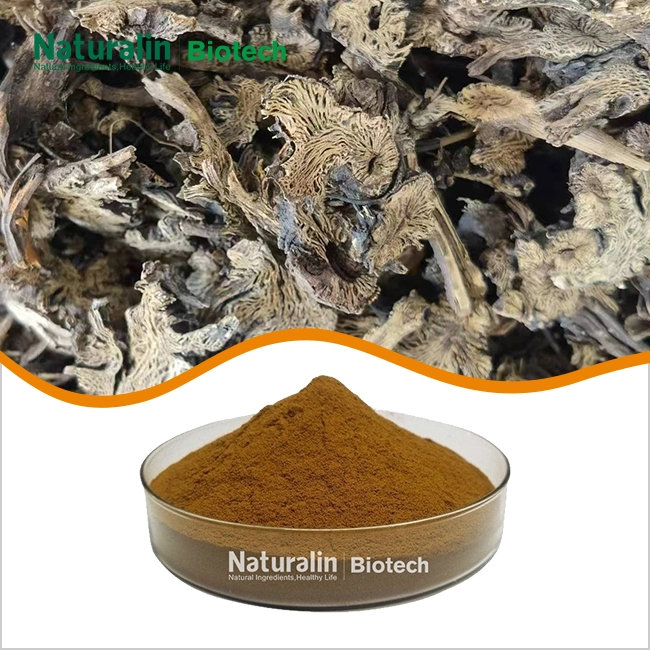
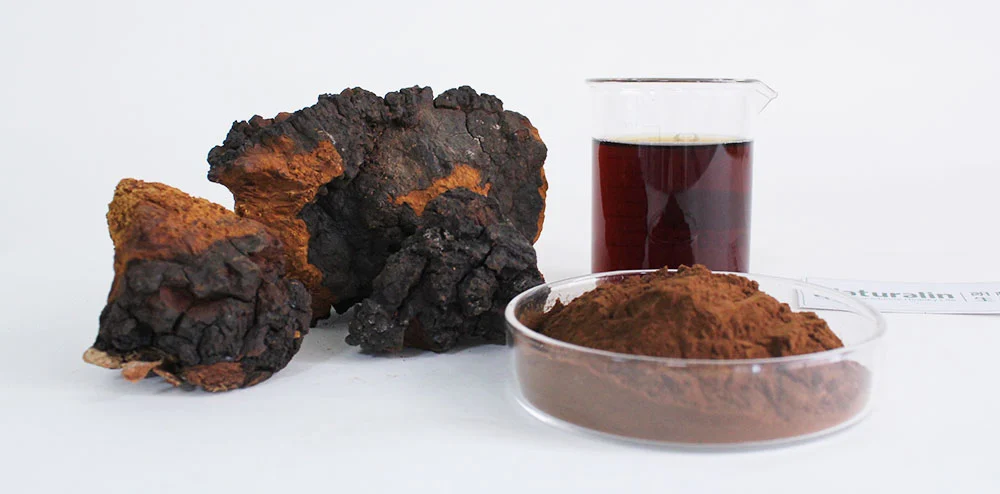
Organic Chaga Mushroom Extract comes from the sterile sclerotium of Inonotus obliquus, a slow-growing fungus conk that grows on birch trees in Siberia, Northern Canada, and China's Changbai Mountain. The raw material is notably dense with bioactive metabolites, but those compounds are locked behind indigestible chitin cell walls — which is why the extraction method matters enormously.
Two stages of extraction are needed to make the most bioavailable form. The first stage uses hot water to remove water-soluble beta-glucans and polysaccharides. The second stage uses ethanol to remove fat-soluble triterpenes like betulinic acid and betulin. These two types of compounds work well together. Beta-glucans help support healthy immune function, and triterpenes help to reduce inflammation and promote adaptability.
What Separates Organic-Certified Extract from Conventional Variants?
Organic certification (from the EU or the USDA/NOP) means that the raw Organic Chaga Mushroom Extract was grown or harvested without using synthetic pesticides, irradiation, or other additives that aren't allowed. For business-to-business buyers, this difference is more than just a label; it has a direct effect on heavy metal residue levels, pesticide screening results, and market entry in controlled areas like the EU and the US. Organic products that have been certified come with Transaction Certificates (TC) that show where each batch came from and how it was grown.
Core Criteria to Evaluate High-Quality Chaga Mushroom Extract
To judge the quality of Organic Chaga Mushroom Extract, you have to look closely at every step, from the birch forest to the finished powder. Here are the main criteria that buying workers use to judge the quality of a supplier's work.
Standardized active compound concentration is the first thing to think about. A reliable Organic Chaga Mushroom Extract lists beta-glucan content, which is usually between 20% and 40% and can be proven by the Enzyme solution-UV method. This way of testing is better because it separates real fungal beta-glucans from starch-based polysaccharides that make the numbers in products made from grain-grown mycelium look better. Before you place a commercial order, you should always ask for a Certificate of Analysis (CoA) with HPLC or UV data that is specific to the batch.
The second factor is extraction integrity. Water-only extraction is adequate for beta-glucan concentration but misses the triterpene fraction entirely. Combining water and ethanolic solvents in dual extraction gives a more complete phytochemical profile that can be used as an adaptogen or to boost the immune system. Verify whether the supplier uses dual extraction or single-phase methods before assuming full-spectrum potency.
Purity and safety testing make up the third level. A high-quality Organic Chaga Mushroom Extract is carefully checked by a third party for heavy metals (like lead, arsenic, mercury, and cadmium), microbes, pesticide residues, and solvent residues. Reliable providers work with well-known labs like SGS, Eurofins, or NSF to make sure that every business batch is safe.
Product Form and Mesh Size Considerations
Organic Chaga Mushroom Extract can be bought as a fine powder with 60 or 80 mesh, or different mesh sizes can be made to fit the needs of the purpose. A powder with an 80-mesh size works well in mushroom coffee mixes and capsules. Coarser grades might work better for granules or useful foods. For clients who need unique solubility or transportation profiles, liquid and granule forms are also made.
Comparing Organic Chaga Extract Suppliers for Bulk Procurement
Procurement teams should look at more than just price per kilogram when they compare approved Organic Chaga Mushroom Extract sources. Supply reliability, manufacturing transparency, the number of certifications available, and the ability to provide technical support are all very important.
A reliable seller has multiple certifications that show they follow multiple world rules at the same time, such as ISO 9001, FSSC 22000, GMP, HALAL, Kosher, EU Organic, and NOP Organic. This is especially important for brands that sell in both North America and Europe, where the rules for importing documents are very different.
Minimum order amounts and wait times also play a role in how procurement strategy is made. When suppliers offer trial samples and small-kilogram test orders, procurement risk is greatly reduced. This lets quality assurance teams compare certificate data with results from in-house testing before committing to a commercial order of 25 kg or more. Standard wait times of 3–7 working days and having ready stock on hand are useful signs of operating development.
Price vs. Quality: Understanding the Real Cost Drivers
The cost of Organic Chaga Mushroom Extract is based on how hard it is to get organic certification, find wild mushrooms, process them twice, and get third-party approval. Cheaper, non-certified options often use mycelium material grown on grain instead, which has a lot of starch and almost no triterpenes. There is a big price difference between grain-grown mycelium powder and real wild-sourced, dual-extracted Organic Chaga Mushroom Extract, but the performance of the formulation and the reliability of the label promise make it worth it.
Practical Guide: How to Use Chaga Extract in Your Formulations
Organic Chaga Mushroom Extract can be used in a lot of different ways. Because it doesn't change when heated, it works especially well for making hot drinks, which is why top mushroom coffee brands use it as a main ingredient. In addition to drinks, it works in health food bars, dietary supplement pills, beauty actives that target protective and skin wellness positions, and functional pet nutrition products.
Based on published statistics on traditional use and in vitro studies, final products should have between 500 mg and 1,500 mg of standardized Organic Chaga Mushroom Extract per daily serving for human health purposes. For cosmetic and topical uses, the concentration levels depend on the goals of the formulation and the legal limits in the area.
Compliance with regulations is a must. In the US, promises about structure/function that help the immune system need to be backed up by evidence and labeling that follows DSHEA rules. EU operators must check the status of Novel Foods and the language used in approved health claims. Your regulatory team will have a lot less work to do if you choose a provider with established export compliance paperwork.
Making the Final Decision: Selecting the Right Chaga Extract Partner
Before choosing a seller, buying teams should look at how well they meet three criteria: the product specifications, the provider's infrastructure, and the flexibility of the relationship. Making sure that the supplier's beta-glucan standardization, extraction method, organic certification, and product form all match your formulation brief is what it means to achieve a product specification fit for Organic Chaga Mushroom Extract.
Supplier infrastructure includes manufacturing facilities that follow good manufacturing practices (GMPs), in-house quality control labs with HPLC, UV, and AAS equipment, and systems for keeping track of each batch. As part of a flexible relationship, the seller should be able to offer formulation customization, including changes to the product's taste, solubility, functionality, and blend, as well as quick technical help before and after the sale. A promise to answer questions within 24 hours is a useful standard for operational dependability.
Trial orders are still the best way to make sure someone is qualified. Before you sign a long-term supply deal, ask for free samples, test them against your own standards, and rate both the performance of the material and the quality of the supplier's communication.
Conclusion
Finding high-quality Organic Chaga Mushroom Extract is a complicated choice that involves science, rules, and supply chain strategy. It's easy to see the levels of quality: the best materials come from certified organic sources, use two different extraction methods, have standardized beta-glucan content checked by Enzyme solution-UV, and have been tested for purity by a third party. If you choose a provider that offers certified quality, customization, clear documentation, and steady supply capacity, your brand will be able to make goods that work and meet both customer and regulatory requirements.
FAQ
How can I verify that a chaga extract is genuinely organic?
For each batch, ask for a Transaction Certificate (TC) from a recognized organic certifier. This will connect the lot number to the certified harvest source. In addition, you should get results from reputable labs like Eurofins or SGS that test for chemical residues. Certificates by themselves, without batch-specific TC documents, are not enough to prove organic compliance in foreign markets.
What is the difference between water extraction and dual extraction for chaga?
Water extraction is a good way to get water-soluble beta-glucans and polysaccharides, which makes it suitable for products that focus on immunity support. Using both hot water and ethanol for extraction separates fat-soluble triterpenes like betulinic acid, which have anti-inflammatory and adaptogenic properties. To get a full phytochemical profile, full-spectrum adaptogen goods need to be extracted twice.
Are there any contraindications to be aware of when formulating with chaga extract?
Oxalates are found in chaga, which may be a problem for people with kidney problems. Due to its platelet-modifying effects, it may also interact with blood thinners. Formulators who are making products for sensitive groups should put the right warnings on the labels and seek legal advice that is specific to their target market.
Partner with Naturalin Biotech for Certified Chaga Mushroom Extract Supply
Naturalin Biotech is a reliable source of Organic Chaga Mushroom Extract for brands around the world in the food, cosmetics, feed, and nutraceutical industries. We offer free samples, make sure our manufacturing is GMP-compliant, have EU/USDA Organic, ISO 9001, FSSC 22000, HALAL, and Kosher certifications, and offer 40+ patents. This means that we can provide stable quality from trial orders to full-scale production. To get a sample and a personalized quote right away, email our team at market@naturalinbio.com or go to naturalinbio.com.
References
1. Glamočlija, J. et al. — "A comparative study on edible Inonotus obliquus mushroom polysaccharides" — International Journal of Molecular Sciences, 2015.
2. Géry, A. et al. — "Chaga (Inonotus obliquus), a future potential medicinal fungus in oncology?" — Journal of Gastrointestinal and Liver Diseases, 2018.
3. Shashkina, M. Y. et al. — "Chemical and medicobiological properties of Chaga" — Pharmaceutical Chemistry Journal, 2006.
4. Lull, C. et al. — "Anti-inflammatory and immunomodulating properties of fungal metabolites" — Mediators of Inflammation, 2005.
5. Jayachandran, M. et al. — "A critical review on health-promoting benefits of edible mushrooms through gut microbiota" — International Journal of Molecular Sciences, 2017.
6. U.S. Department of Agriculture (USDA) — "National Organic Program: Organic Regulations" — USDA Agricultural Marketing Service, 2023.