What Should Buyers Check When Sourcing Maitake Mushroom Extract Powder in Bulk?
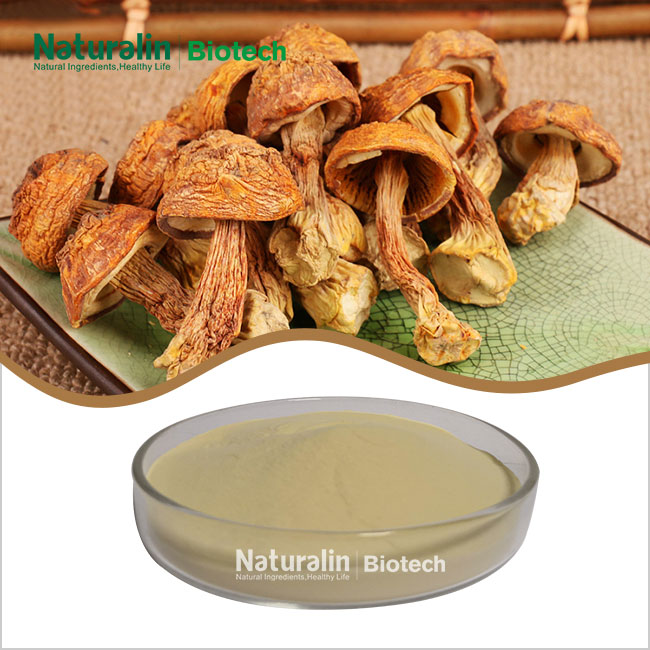
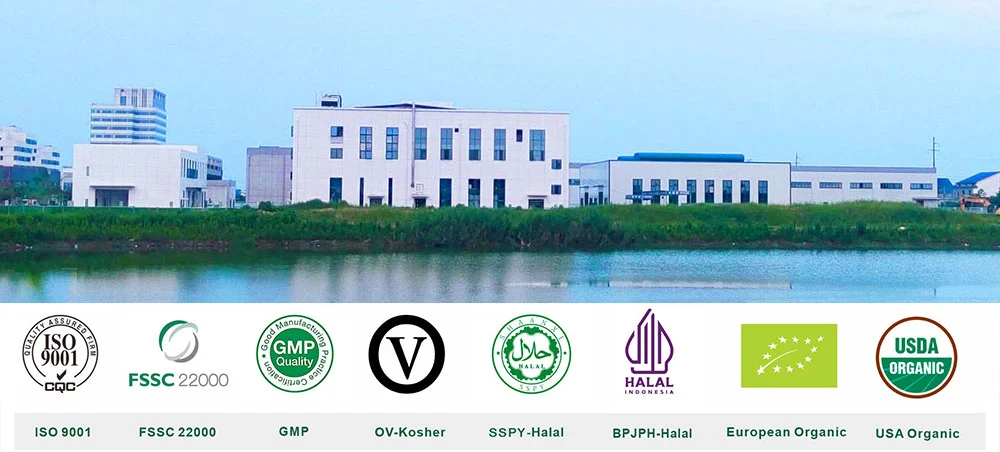
When looking for maitake mushroom extract powder in bulk, buyers should check the concentrations of beta-glucan and polysaccharides using HPLC or enzyme solution-UV testing. They should also look for third-party certifications like ISO9001, FSSC22000, HALAL, and Kosher, and see what kind of extraction method the supplier uses, such as hot water, dual extraction, or something else. The buyer should also look at the supplier's minimum order quantity (MOQ), wait times, legal compliance documents, and the ability to track raw materials. Each of these checkpoints has a direct effect on how well your product works, how consistent your batches are, and how happy your customers are in the nutritional, functional food, or personal care markets.
Understanding Maitake Mushroom Extract Powder: Key Basics for Buyers
You should know the difference between a good Grifola frondosa extract and raw dried mushroom powder before you buy a lot of it.
Extract vs. Whole Mushroom Powder
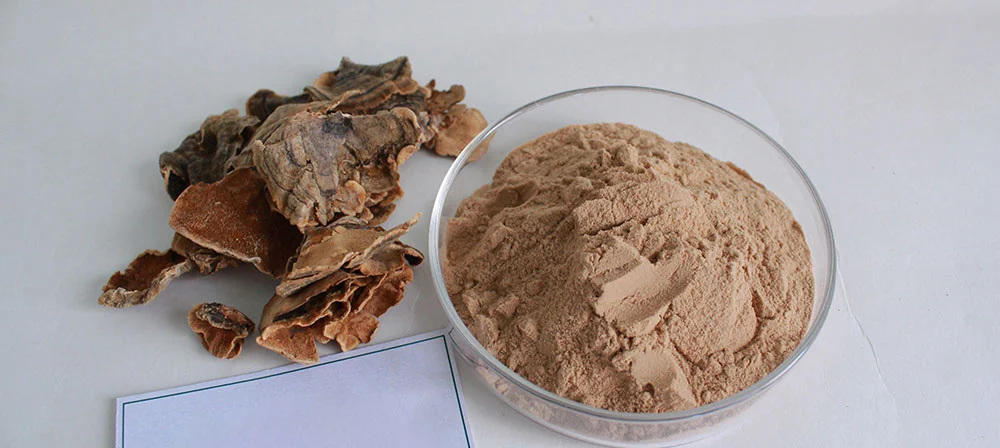
Mushrooms that have been dried and put together make up raw mushroom powder. It's tough for the body to use the active compounds because the cell walls are made of chitin. Another type of extract powder uses hot water or dual-solvent extraction to concentrate the bioactives that are needed. These are mostly (1→3)(1→6)-beta-D-glucans and polysaccharides. In this way, the active chemicals can be measured and used again and again in each run.
Why Beta-Glucan Standardization Matters?
Beta-glucans are the main chemicals in maitake that help the immune system. A 2019 review in the journal Nutrients showed that lab animals' immune systems change when they eat beta-glucans from medicinal mushrooms. Buyers should make sure that the product's details make it clear how much polysaccharide (30%) and beta-glucan (20–40%) it contains, as well as the fact that it was tested using enzyme solution-UV methods instead of regular colorimetric tests.
Product Variants and Application Fit
People who want to make functional drinks or beauty actives have different needs than people who want to buy pills of food supplements. You need to know about particle sizes (60 mesh vs. 80 mesh), how well they dissolve, and whether they are naturally approved for each use. It is less likely that you will need to change the recipe and the development process goes faster if you know which form—powder, flake, or liquid—works best for your production method.
Essential Quality Criteria When Selecting Maitake Mushroom Extract Powder in Bulk
When buying things for industry, quality is a must. Before agreeing to a big sale, every buyer must make sure of these core quality checks.
Standardized Active Compound Levels
On the Certificate of Analysis (COA) for maitake mushroom extract powder, a good product should list the amounts of polysaccharides and beta-glucans. Labels that say "mushroom extract" without giving specific beta-glucan amounts are a red flag. You should ask the supplier if they use the Megazyme enzymatic method or enzyme solution-UV testing. These are the best ways to tell the difference between bioactive beta-glucans and starch-based alpha-glucans that don't help the immune system.
Third-Party Testing and Certifications
Paper certificates don't mean much if they haven't been checked by someone else. Reputable suppliers send batches to third-party laboratories like SGS, Eurofins, or NSF that are approved by the government to check for heavy metals, microbes, and pesticide residues. Some certificates that can be used to sell goods in the U.S. are ISO9001, FSSC22000, USDA NOP Organic, EU Organic, HALAL, and Kosher. Each one is aimed at a different group of regulators or customers.
Extraction Source: Fruiting Body vs. Mycelium
Research regularly shows that fruiting body extracts have higher amounts of (1→3)(1→6)-beta-D-glucans than myceliated grain substrates, which usually have a lot of alpha-glucans from the grain carrier. To make sure the fruiting bodies are from the right place, buyers should ask sellers for iodine starch test results or alpha-glucan measurement data. This will help them rule out the possibility of grain filler contamination.
These points of quality control are the technical basis of responsible procurement. If you skip any of them, you're more likely to get low-quality material that fails your internal quality control at intake.
Comparing Suppliers and Brands: Making the Right Choice
There is a scientific difference between the companies that sell Grifola frondosa extract. For long-term buying security, it's important to judge suppliers on more than just price.
Certifications and Production Credentials
A factory that follows good manufacturing practices (GMPs) and has documented quality management systems is a sign that the provider keeps process controls on every output batch. Having both ISO9001 and FSSC22000 certifications means that your quality management system and food safety management system have been checked by a third party. Also, buyers should find out if the supplier has extraction technology that is protected by a patent. This is usually a sign of proprietary quality advantages and process IP protection.
Transparency and Technical Documentation
A reliable supplier gives full technical dossiers that include COAs, MSDSs, allergen declarations, paperwork from the country of origin, and summaries of the extraction process. When suppliers are willing to set up video plant checks or on-site audits, it shows that they are open about how they run their business, which lowers procurement risk by a large amount. Stay away from sellers who can't give you test data for a specific batch or who only give you general product sheets without active ingredient amounts.
Customization and R&D Support
Buyers in the industrial sector often need maitake mushroom extract powder standards changed to fit their formulation needs. This could mean different mesh sizes, concentration ratios, or mixed functional forms. If a seller has its own research and development (R&D) department, it can help with functional development and formulation development, cut down on repeat cycles, and speed up time to market. This is a meaningful thing that sets one supplier apart from another that is otherwise similar.
Navigating Procurement Logistics and Transaction Considerations
If the details of getting the ingredient aren't handled well, even the best quality ingredient can become a risk.
MOQ, Lead Time, and Sampling Policy
When buyers are looking at a new seller, being able to ask for samples or small test amounts before placing a full order is a useful safety measure. If you can get samples of the 25 kg MOQ, you can do internal quality control, recipe trials, and stability tests before going big. Standard wait times of 3–7 working days for ready-stock items show that the company is good at managing its stock.
Packaging and Shelf-Life Integrity
Maitake extract powder can hold water. For bulk shipments, you need to use sealed fiber drums with double-layer PE bags and desiccant packs to keep the moisture content below 5% and stop caking. The standard for spray-dried mushroom extracts is that they should be kept in cool, dry places away from direct light and have a shelf life of 24 months.
Shipping, Customs, and Payment Terms
Different types of global shipping, like DHL/FedEx, air freight, and ocean freight, have different wait times and costs. For packages going to the U.S., DDP (Delivered Duty Paid) door-to-door service takes care of clearing customs for the buyer. To avoid delays at the port, make sure that the supplier gives you all the paperwork you need for export, such as phytosanitary certificates and commercial invoices.
Key Risks and Pitfalls When Sourcing Maitake Mushroom Extract Powder
Procurement teams that have done this before know that buying ingredients in bulk comes with certain risks that need to be actively managed.
Adulteration and Mislabeling
Rice starch, maltodextrin, or myceliated grain substrate are added to some cheap powders on the market to make them less strong. Since starch is also a polysaccharide, these additives raise polysaccharide levels but don't do anything for beta-glucan action. Ask for beta-glucan-specific test results, not just total carbohydrates, and compare COA numbers with results from a different lab.
Regulatory Compliance Gaps
21 CFR Part 111 says that label claims for food supplement ingredients must be based on the identify, purity, and makeup of the ingredients. The EU's EFSA has its own safety rules for new foods and plants. Buyers need to make sure that the supplier's paperwork is set up in a way that meets the specific legal requirements of the target market. This includes making sure that the paperwork has the right labels, allergen statements, and residue compliance.
Storage and Stability Failures
Active beta-glucan content can be lost before the ingredient even gets to production if it is stored incorrectly at the buyer's warehouse. Buyers should set up internal receiving procedures that include checking for moisture, visually inspecting, and storing items in temperature-controlled areas. Talk to your provider about the best ways to store long-term goods and how often to test it.
Conclusion
It takes more than just comparing prices to find maitake mushroom extract powder in bulk. Buyers who check for standardization of beta-glucan, third-party certifications, extraction methods, and seller openness will always get material that works well in formulation. Buying things based on paperwork, test results, and clear logistics information helps keep products safe and supplies going for a long time. Using these checkpoints from the start can save you a lot of money and protect your brand's reputation in the market, whether you are making dietary supplements, functional drinks, or cosmetic actives.
FAQ
What is the difference between polysaccharides and beta-glucans on a COA?
Polysaccharides are a broad category that includes both beneficial beta-glucans and inert starches. Beta-glucans are the specific immune-active compounds in maitake. A COA showing high total polysaccharides but low beta-glucans may indicate adulteration with starch-based fillers.
Is the extract suitable for high-heat manufacturing processes?
Yes. Beta-glucans in maitake are heat-stable because the extraction itself involves hot water processing. The bioactive compounds remain structurally intact through standard manufacturing temperatures used in beverage and supplement production.
What certifications should a U.S.-market supplier hold?
Look for ISO9001, FSSC22000, USDA NOP Organic, GMP, HALAL, and Kosher as baseline. Third-party verification from SGS, Eurofins, or NSF adds another layer of independent assurance beyond supplier self-declaration.
What is a standard MOQ for bulk orders?
A commercial MOQ of 25 kg is typical for quality suppliers, with sample quantities available for initial evaluation. This structure allows buyers to validate quality before scaling to larger volumes.
How should bulk maitake extract be stored?
Store in a sealed container, away from light and moisture, at room temperature below 25°C. Under these conditions, a shelf life of 24 months is standard.
Start Your Bulk Inquiry with Naturalin Biotech Today
Naturalin Biotech has GMP-approved maitake mushroom extract powder with 20% to 40% beta-glucan and 30% polysaccharides. This powder is backed by ISO9001, FSSC22000, EU/USDA Organic, HALAL, and Kosher standards. We are a certified maitake mushroom extract powder manufacturer with more than 20 years of experience. We can help with sample requests, special orders, and direct shipping to the U.S. market. To get a sample or bulk quote, email our team at market@naturalinbio.com or go to naturalinbio.com.
Please note: All products and related services on this website are offered exclusively to corporate clients. We do not accept orders from individual buyers or retail orders.
References
1. Vetvicka, V., & Vetvickova, J. (2014). Immune-enhancing effects of Maitake (Grifola frondosa) and Shiitake (Lentinula edodes) extracts. Annals of Translational Medicine.
2. Wasser, S. P. (2002). Medicinal mushrooms as a source of antitumor and immunomodulating polysaccharides. Applied Microbiology and Biotechnology.
3. Jayachandran, M., Xiao, J., & Xu, B. (2017). A critical review on health-promoting benefits of edible mushrooms through gut microbiota. International Journal of Molecular Sciences.
4. Kodama, N., Komuta, K., & Nanba, H. (2002). Can Maitake MD-Fraction aid cancer patients? Alternative Medicine Review.
5. Guggenheim, A. G., Wright, K. M., & Zwickey, H. L. (2014). Immune modulation from five major mushrooms: Application to integrative oncology. Integrative Medicine: A Clinician's Journal.
6. U.S. Food and Drug Administration. (2023). Current Good Manufacturing Practice in Manufacturing, Packaging, Labeling, or Holding Operations for Dietary Supplements. 21 CFR Part 111.