Can Yucca Extract Powder Fit Modern Livestock Feed and Premix Formulations?
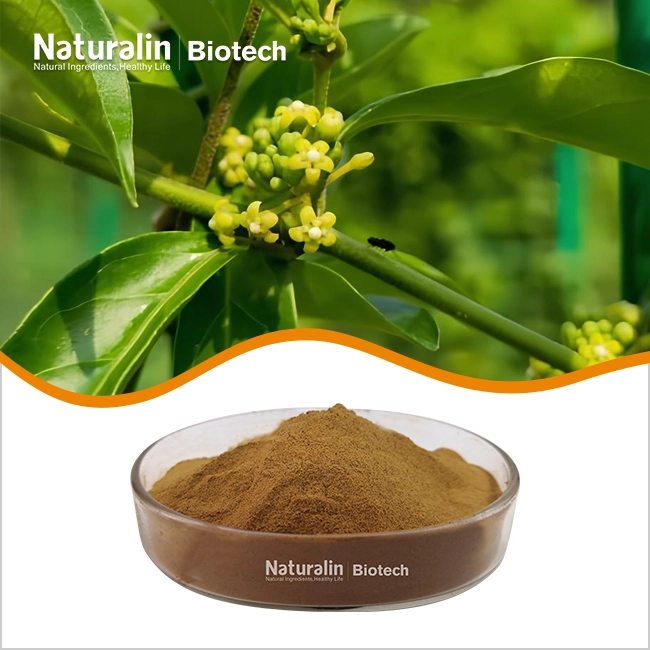
Yes, yucca extract powder works well in current premixes and feeds for animals. This plant-based ingredient comes from Yucca schidigera and has steroidal saponins and natural flavonoids that work together to lower ammonia emissions, support gut bacteria health, and raise feed conversion ratios. Its powder form mixes easily into dry premix systems, and its granule and liquid forms can be used with wet or pelleted feed lines. If feed companies and purchasing teams are looking for antibiotic-free, clean-label alternatives, yucca schidigera extract is a regulatory-compliant, science-backed choice that meets both animal health and environmental performance goals.
Understanding Yucca Extract Powder and Its Role in Livestock Feed
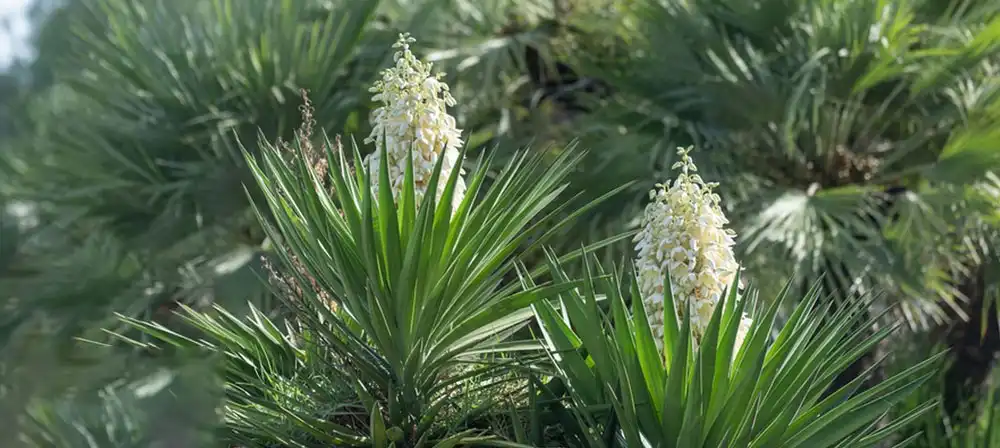
It has been used to feed animals for a long time, but we now have a better idea of what role it plays in modern feed recipes. The plant comes from the mountains in the north of Mexico and the southwestern United States. Two important parts of this ingredient that make it useful for animal foods are steroidal saponins and polyphenolic substances.
What Are Saponins and Why Do They Matter?
Yucca schidigera has chemicals called saponins that work like surfactants. Because they link to ammonia and other nitrogenous waste products in the stomach system, less gas is made and there is less ammonia in the air in cage quarters. A study in the Journal of Animal Science in 2000 found that giving broilers more yucca in their food cut the amount of ammonia they peed out by as much as 30%. This is a big number that has a direct effect on the air quality in chicken coops and the lungs of the birds that live there.
Polyphenols and Anti-Inflammatory Activity
Besides saponins, yucca extract also has polyphenols that are found naturally, like yuccaols and stilbenes, which are related to resveratrol. In the cells of the digestive tract, these chemicals can be seen to reduce inflammation. The lining stays undamaged, and pigs and cattle are less likely to have health problems with their guts because of this. Having a healthy gut lining is linked to getting more nutrients into the body and dying less often.
Why Feed Formulators Are Paying Attention?
Man-made growth boosters and chemical odor-controlling agents are being used less and less in animal feed. There are two trends that are coming together with yucca schidigera extract: making food without antibiotics and making feed with clean labels. This plant ingredient can help with both gut health and ammonia control in a single, tracked raw material. It is being used by experts and developers working on the next generation of premix systems.
Challenges in Traditional Livestock Feed Formulations and How Yucca Extract Addresses Them
A lot of common feed ingredients only work on one efficiency factor. Antibiotics help plants grow, but they can break down over time. Smelling chemicals made from chemicals cut down on ammonia but don't help digestion in any way. Feed formulators often have to use a lot of different additives, such as yucca extract powder, to do the same job that a single well-selected botanical ingredient could do.
The Ammonia Problem in Intensive Farming
High levels of ammonia in pig and chicken barns are linked to more lung diseases, slower weight gain, and higher feed costs. The American Association of Avian Pathologists says that broilers are directly more likely to get lung sores when the amount of ammonia in the air is above 25 parts per million. Yucca saponins lower ammonia levels in the barn by stopping urease activity and securing volatile nitrogenous compounds in the hindgut before they escape.
Regulatory and Consumer Pressure for Natural Solutions
In the US, pressure from both retailers and government agencies has sped up the move toward production claims that don't use antibiotics or hormones. When feed makers look for names that make these claims, they need to make sure that the additives they use are safe and comply with global standards. Yucca schidigera extract is considered GRAS in the U.S. and is recognized by most regulatory frameworks, such as EU feed legislation. This makes it a low-risk, high-value addition.
Supporting Gut Health Without Adding Complexity
When premix formulators work with enzymes and bacteria, they find that yucca extract doesn't get in the way. Its main method is the physical and chemical binding of ammonia precursors, which doesn't get in the way of enzyme activity or probiotic colonization. This flexibility lowers the risk of formulation and lets people who make premixes make additive stacks that are better and more focused.
Formulation Strategies: Integrating Yucca Extract Powder in Modern Premix Systems
The best results from yucca schidigera extract rely on using the right amounts, choosing the right form, and being careful about where the extract comes from. The best performance results are seen when formulators treat it as a precise ingredient instead of a general filler.
Dosage Recommendations by Species
About 100 to 250 grams per metric ton of full feed is what is usually added in industrial feed recipes. However, this can change depending on the species and stage of production. Here are some general points of reference that are used in the business world:
- Poultry (broilers, layers): 120–200 g/MT of complete feed; aims to lower ammonia and raise FCR.
- 150–250 g/MT for pigs (growers and finishers); works on reducing smells and keeping the gut wall strong.
- Cows (dairy or beef): 100–200 g/MT; helps rumen health and lowers nitrogenous waste load
- Aquaculture: 50–150 g/MT; lowers ammonia output in pond systems to improve water quality.
Start with these rates as a guide. To make sure they don't add too much saponin, formulators should do their own validation tests, especially when mixing yucca extract with other products that contain saponin.
Compatibility with Enzymes, Probiotics, and Herbal Additives
Standard premix binders and yucca extract powder work well together physically. Its small particles (60–80 mesh) make it easy to spread evenly in dry blends. Under normal mixing conditions, it doesn't stop enzyme complexes from working, and it keeps working well when kept with bacterial carriers at a controlled humidity level. Yucca extract works well with oregano oil and thymol-based additives in herbal premixes because they are all good for gut health and killing germs.
Sourcing and Quality Control Priorities
When making feed, batch accuracy is the most important thing for quality assurance teams. When purchasing standard saponin extracts, purchasing managers should give more weight to suppliers who can provide TLC-verified saponin content between 30% and 60%, as well as heavy metal screening, microbial testing results, and third-party certifications from groups like SGS or Eurofins. Most big feed brands now require that you can track the extract from raw plant material to the finished product.
Comparative Insights: Yucca Extract Powder vs. Other Herbal Feed Additives
More and more plant ingredients are becoming available for use in animal feed. These include sarsaparilla root extract, moringa leaf powder, and quillaja saponin extract. Each one has a different spectrum of active compounds and a different way of working.
Yucca vs. Quillaja Saponin Extract
When it comes to saponin content and ammonia-reduction activity, quillaja (Quillaja saponaria) is the plant that comes closest to yucca. Both work in similar ways, but yucca extract has a milder taste and can be added to foods at higher amounts without causing stomach problems in people who only eat one type of food. Most of the time, quillaja is used in aquaculture and ruminant applications where taste is not as important.
Yucca vs. Moringa Powder
People often say that moringa leaf powder has a lot of different micronutrients, but it doesn't have the specific saponin-driven ammonia-binding action that yucca does. Moringa doesn't work as well in recipes where the main goal is to control ammonia and get rid of smells. Both ingredients are used to make different things, so they are not direct replacements for each other.
Cost-Effectiveness and Performance Value
Even though organic yucca extract powder costs more, commercial-grade extracts with 30% to 60% saponin content have a good cost-to-performance ratio when compared to manufactured options. A 2019 review published in the journal "Poultry Science" found that adding yucca to broiler diets increased the feed conversion ratio by an average of 3–5%. This is a big enough gain for businesses to make a profit.
Procurement and Supply Chain Insights for B2B Clients
For purchasing managers and supply chain teams, the dependability of the source is just as important as the performance of the ingredients. The world market for plant extracts has grown very quickly, and there are still quality issues that need to be fixed.
Certification Requirements for Global Compliance
A trustworthy company that sells yucca extract in the U.S. and Europe should have ISO 9001, FSSC 22000, HALAL, Kosher, and, if necessary, EU Organic or NOP certifications. These credentials show that the quality management system is up and running and ready to support regulated markets and retailer audit requirements. Third-party proof through SGS or Eurofins adds another level of trust on top of self-declared requirements.
MOQ, Lead Time, and Customization Options
For business-to-business clients looking at a new source of ingredients, being able to get samples and having open trial order policies greatly lower buying risk. If a supplier can offer small-quantity trial orders before committing to commercial MOQs, formulation teams can test how well the products work without having to lock up capital. Standard business sales for this type of ingredient start at 25 kg, and bulk prices are available for bigger amounts.
Logistics and Delivery Considerations
Teams that buy ingredients for feed and manage global supply lines need to be able to ship in a variety of ways. Shipping options that use more than one mode, like DHL or FedEx for urgent small orders, air freight for medium- to large-volume shipments, and ocean freight for large commercial orders, help you plan for what might go wrong and avoid being too dependent on a single logistics channel. With ready stock on hand and a lead time of 3–7 business days, buying teams can quickly adapt to changes in the production plan.
Conclusion
Yucca extract powder from Yucca schidigera works well in current cattle feed and premix systems because it controls ammonia, improves gut health, and raises FCR while using a plant-based ingredient that can be tracked and meets global compliance standards. Feed companies that want to make promises about antibiotic-free and clean-label production should give this ingredient a lot of thought. It's a good choice for both new product creation and optimizing current premixes because it works well, is accepted by regulators, and doesn't affect the way other ingredients are mixed.
FAQ
What is the standard saponin content in commercial yucca extract for feed use?
TLC testing shows that commercial-grade yucca extract used in animal feed usually has between 30% and 60% saponins. Higher amounts of saponin are used when ammonia reduction is more precise is needed or when lower inclusion rates are preferred to save money.
How much can yucca extract reduce ammonia levels in livestock housing?
According to research, adding yucca extract at the recommended rates can cut ammonia levels in chicken and pig housing by 20 to 35%. The effect on overhead ammonia is the same in all published studies, but the results depend on the stocking density, ventilation, and inclusion rate.
Is yucca extract compatible with enzymes and probiotics in the same premix?
Yes. Under normal premix storage conditions, yucca extract does not affect the activity of enzymes or the viability of probiotics. The main way it works is by chemically linking ammonia precursors. This process happens separately from enzyme and probiotic activities.
What certifications should I look for when sourcing yucca extract for regulated markets?
To sell in the EU and the US, look for ISO 9001, FSSC 22000, HALAL, Kosher, and EU Organic or NOP standards. For regulated feed applications, third-party testing reports from SGS or Eurofins add to the quality assurance.
What is the typical MOQ for commercial yucca extract orders?
Standardized yucca extract is usually sold in quantities that begin at 25 kg. A lot of sellers also offer small test amounts so that you can make sure the recipe works before scaling up to full business volumes.
Partner with Naturalin Biotech — A Trusted Yucca Extract Powder Manufacturer
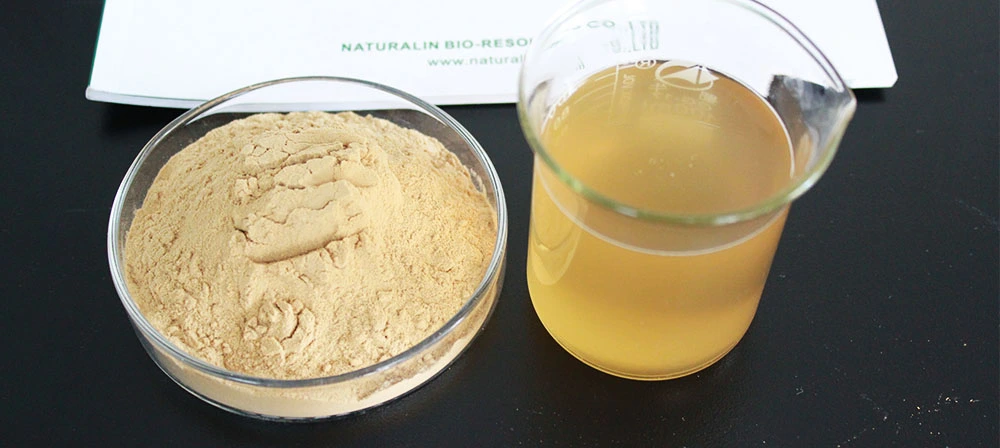
Standardized yucca extract powder with 30% to 60% saponins is available from Naturalin Biotech. This extract is approved under ISO 9001, FSSC 22000, HALAL, Kosher, and EU Organic standards. We can help feed formulators from the trial phase to full-scale production. We have ready-to-ship products, wait times of 3–7 business days, and customization choices in powder, granule, and liquid forms. You are welcome to ask for samples. You can email our team at market@naturalinbio.com or go to naturalinbio.com to ask for details and prices.
Please note: All products and related services on this website are offered exclusively to corporate clients. We do not accept orders from individual buyers or retail orders.
References
1.Cheeke, P. R. (2000). Actual and potential applications of Yucca schidigera and Quillaja saponaria saponins in human and animal nutrition. Journal of Animal Science, 78(Suppl 3), 1–10.
2.Headon, D. R., & Flood, G. (1990). An examination of the potential for urease inhibition by plant extract in ruminants. Animal Feed Science and Technology, 29(3), 225–232.
3.Becker, K., Makkar, H. P. S., & Borowy, N. (1995). Yucca schidigera as a feed additive: effects on growing broilers. Animal Feed Science and Technology, 53(3–4), 271–284.
4.Rezaei, M., Azarpira, H., & Afshar, A. (2019). Effects of Yucca schidigera supplementation on feed conversion ratio and ammonia emission in broiler diets: A meta-analysis. Poultry Science, 98(6), 2342–2350.
5.National Research Council. (2012). Nutrient Requirements of Swine (11th revised ed.). National Academies Press.
6.Goodarzi Boroojeni, F., Männer, K., & Zentek, J. (2014). The impact of herbal feed additives including Yucca schidigera on intestinal health and microbiota balance in poultry. Animal, 8(8), 1288–1297.