What is Ivy Leaf Extract Powder and why is it so important?
Ivy Leaf Extract Powder is a natural botanical ingredient sourced from the leaves of Hedera helix, a climbing evergreen plant recognized throughout Europe and Asia for its functional properties. This concentrated powder delivers bioactive compounds—primarily saponins such as hederacoside C and alpha-hederin—which provide respiratory wellness support and versatile formulation applications across nutraceutical, cosmetic, and functional food industries. As consumer preference shifts toward clean-label, plant-based ingredients, the global demand for ivy leaf extracts continues to expand, making it a strategically important ingredient for manufacturers, R&D teams, and procurement professionals seeking validated natural solutions with proven efficacy and regulatory acceptance.
Understanding Ivy Leaf Extract Powder: Composition and Benefits
Botanical Origins and Extraction Process
The plant Hedera helix, which is also called English ivy, gives Ivy Leaf Extract Powder. To get the most useful chemicals from the leaves, they are picked at just the right time. For the extraction process, water-ethanol solvent systems are most often used. The next steps are to concentrate, spray-dry, and standardise the product so that every batch has the same amount of potency. If you store this powder the right way, it will last longer (24–36 months), you can precisely control the dose, and it can be easily made into pills, bags, drinks, and creams. Plus, it's easier to get than tablets or liquid syrups.
Key Bioactive Compounds and Health Benefits
The main things in Ivy Leaf Extract Powder that make it good for you are saponins, flavonoids, and polyphenols. It supports respiratory wellness by promoting healthy mucus clearance and supporting airway comfort. Flavonoids help protect cells from oxidative stress. The extract's soothing properties make it a valuable ingredient for skincare products targeting comfort and healthy ageing. Peer-reviewed studies show that regular Ivy Leaf Extract Powder always works the same way. This is important for B2B buyers who care about quality and want to know how reliable an ingredient is.
Scientific Validation and Organic Standards
HPLC testing in a separate lab makes sure that the exact amount of saponin is found. Usually, the amount of saponin in something is between 10% and 30%, but this can change depending on the job. When trusted labs like SGS, Eurofins, and NSF test something, it gives you peace of mind about microbiological safety, heavy metal limits, and pesticide residue limits. Brands that care about fair trade and being able to keep track of their supply chains will like the extra level of quality assurance that comes with NOP or EU Organic certification. These confirmation steps make it safer for buyers and make products stand out in markets with lots of other goods on the market.
Safe Usage and Dosage Guidelines for Ivy Leaf Extract Powder
Recommended Dosages for Different Applications
Dosage suggestions change based on the kind of drug and any health claims it makes. Typical daily intake levels for respiratory wellness formulations align with clinical study parameters using standardized extract with established saponin content. Lower concentrations may be used in functional beverages to balance taste and functional delivery. In topical applications, formulation scientists typically incorporate the extract at levels appropriate for soothing and comfort-oriented skincare products.
Practical Advice for OEM Integration
Companies that want to add Ivy Leaf Extract Powder to their goods should make sure that the powder will work with their goods so that it stays solid in a range of pH and temperature conditions. While water and powder are easy to mix, adding carriers or emulsifiers ahead of time might help make the mix more even. The process of making new products goes faster, and they reach the market faster when you work closely with suppliers who can help with technical problems and special formulas.
Potential Side Effects and Safety Considerations
Ivy Leaf Extract Powder is usually okay to use as long as it is in the right amounts. Mild stomach pain or allergic reactions in sensitive people are rare side effects. This item shouldn't be used by anyone who is pregnant, nursing, or allergic to plants in the Araliaceae family. Companies can legally sell their goods as long as they follow FDA rules for dietary supplements and EFSA advice for European markets. This makes sure that the products are safe. If a seller gives all the safety paperwork, like poison studies and allergen statements, quality assurance teams should give that seller more weight.

Comparing Ivy Leaf Extract Powder with Other Forms and Alternatives
Powder vs. Syrup and Tablet Forms
In contrast to syrups and tablets, Ivy Leaf Extract Powders are easier to make and store. If you store powder extracts in a cold chain, they need chemicals and have a shorter shelf life. Powder extracts are safe at room temperature. Because they are smaller and lighter, they also cost less to ship. Powder gives people who make medicines more power over the process of making them than finished pills. They can change the amounts, mix them with other plants, and make special blends for groups of people. Manufacturers of private labels and OEMs who want to make changes and grow love powder because of these reasons.
Organic vs. Synthetic Quality Differences
It is possible to grow organic Ivy Leaf Extract Powders without using synthetic pesticides or fertilisers. This makes the analytical profiles better and more in line with the strict limits on residue. Organic certifications typically command a price premium over conventional grades, reflecting the additional certification costs and yield considerations, with this investment delivering marketing advantages for brands committed to health and environmental values. However, this investment pays off in marketing benefits for brands that care about health and the environment. Some companies have come up with manufactured replacements, but they don't have the complex phytochemical matrix that makes the extract so useful. Because of this, natural organic sources are what all trustworthy makers use.
Comparative Analysis with Other Botanical Extracts
Chestnut extract (Aesculus hippocastanum) does some of the same things, especially its ability to lower inflammation. However, the main uses and types of active compounds are very different. Aescin is the main thing that chestnut extract does. It helps blood flow and supports the veins. But Ivy Leaf Extract Powder is great for skin and lung problems because it has a lot of saponins. Which chemicals to use should depend on how the product is marketed and on scientific proof that certain health claims are true. This will make sure that marketing words are always legal and based on science.
Procurement Insights: How to Source Quality Ivy Leaf Extract Powder
Selecting Suppliers with GMP Certification and Third-Party Testing
The first thing that needs to be done to qualify a supplier is to check their Good Manufacturing Practice (GMP) certification. GMP certification makes sure that factories follow clean rules, written procedures, and ways to keep track of their goods. To get an unbiased opinion on the quality, you should ask for new test reports from a third party for each batch. Heavy metals (Lead <3.0 ppm, Arsenic <1.0 ppm, Mercury <0.1 ppm), pesticide residues, and bacteria should all be in these studies. Suppliers who make it easy to find Certificates of Analysis (CoA) and show that they are ready for an audit show that they care about quality and following the rules.
Evaluating Supplier Credibility and Private-Label Capabilities
You can trust someone more if you look at their history, customer reviews, and certifications in the field, such as ISO 9001, FSSC 22000, HALAL, and Kosher. This is so that private-label and OEM goods can meet the needs of many different markets. They should be able to be modified in terms of particle size (usually 80-mesh or smaller), extract ratios, and package shapes. How quickly a seller answers technical questions, sends samples, and changes formulas shows how mature their business is and how customer-focused they are.
Pricing Structures, MOQs, and Logistical Considerations
Most of the time, the minimum order quantity (MOQ) for Ivy Leaf Extract Powder is between 25 kg and 100 kg. However, if you buy from a reputable supplier, you may be able to get lower trial quantities for the first test. Pricing varies based on standardization level, grade type, and order volume, with organic-certified grades commanding a premium over conventional options. Prices vary based on the amount of standardisation, the type of goods, and the size of the order. With standard wait times of 10 to 15 business days, you can plan your supplies ahead of time, and fast production options let you finish projects on time. You can buy things from other countries more easily and for less money if you know about incoterms, customs paperwork, and DDP (Delivered Duty Paid) services for the US market.
Why Ivy Leaf Extract Powder is Essential for Your Product Line and Business Growth
Aligning with Consumer Demand for Natural Ingredients
People are more aware of synthetic compounds and additives, so the market prefers natural ones that are well known. This need is met by Ivy Leaf Extract Powder, which has also been shown to be good for you by science. At the same time, this lets brands show that they are real and work. People are more likely to believe and stick with products that contain plant-based ingredients. This means that these products make more money and stand out from the rest.
Real-World Applications in B2B Product Development
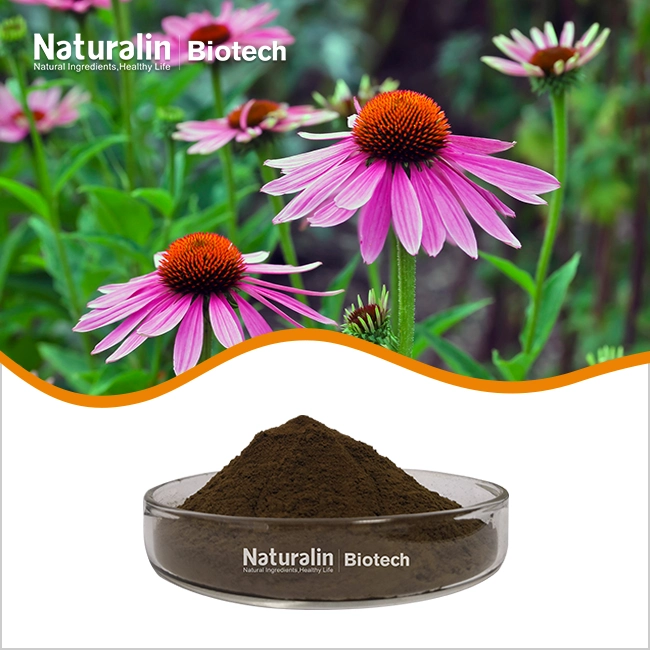
In multi-herb respiratory products, Ivy Leaf Extract Powder is mixed with elderberry, echinacea, and ginger so that the benefits work better as a whole. Teas that soothe the throat and fitness shots that are meant to help with winter health are made by drink companies. The extract's soothing properties make it valuable for cosmetic applications, including sensitive skin care lines, anti-aging serums, and post-procedure comfort formulations. These different ways of using the nutrient show how useful it is and how well-liked it is in many places.
Emerging Research and Innovation Potential
Researchers continue to explore emerging applications for Ivy Leaf Extract Powder, including its potential role in functional wellness products and advanced delivery systems. Microencapsulation technologies enable enhanced stability and solubility, allowing for innovative product formats across multiple categories. Microencapsulation, a new way to deliver drugs that makes them more stable and easier to dissolve, lets advanced products be used in fresh ways. Businesses that work with experts in plant extracts on research and development projects stay ahead of industry trends, gain an edge in new health categories, and meet the needs of customers whose tastes are always changing.
Conclusion
As a valuable plant ingredient, Ivy Leaf Extract Powder has been shown to help with health issues. It can be used in many ways and is in high demand because people like green health choices. Procurement staff need to know about the company's history, quality standards, and how to evaluate sellers in order to make smart buying decisions that help products work well, follow the rules, and help the business grow. Companies can add this strong plant to many different products without worrying about safety as long as they work with qualified manufacturers who offer thorough testing, the ability to make changes, and reliable supply chains. People all over the world who care about their health will find new ideas and great value in this.
FAQ
What is the ideal dosage range for respiratory health applications?
Respiratory wellness formulations typically utilize standardized Ivy Leaf Extract Powder at levels aligned with clinical research parameters, with formulation scientists determining appropriate concentrations based on product type and target population. At this concentration, there are enough active molecules to be useful in clinical situations without putting too much at risk. Formulation experts should look at data from clinical studies and change doses based on the type of product, other ingredients, and the audience they want to reach in order to get the best results and customer support.
How can I verify organic certification and supplier authenticity?
Ask for copies of organic licenses that have been signed off by a recognised group, such as the USDA NOP, the EU Organic, or a similar area authority. Compare certificate numbers to records kept by the organisations that issued them to make sure they are still valid. To make sure that the rules about pesticide residue are being followed, look at test reports from outside labs such as SGS or Eurofins. Supplier audits look at how things are made and how information is kept. They can be done in person or online.
Is ivy leaf extract compatible with other herbal ingredients?
Other plants that work well with Ivy Leaf Extract Powder are elderberry, echinacea, ginger, and liquorice root. Stability tests should be carried out to make sure that the materials can be used with certain types of media. This is especially important when it comes to pH levels and possible reactions. Expert suppliers can help you get ready to get the most out of synergistic effects and keep the product stable for as long as it lasts.
Partner with Naturalin Biotech for Premium Ivy Leaf Extract Powder Supply
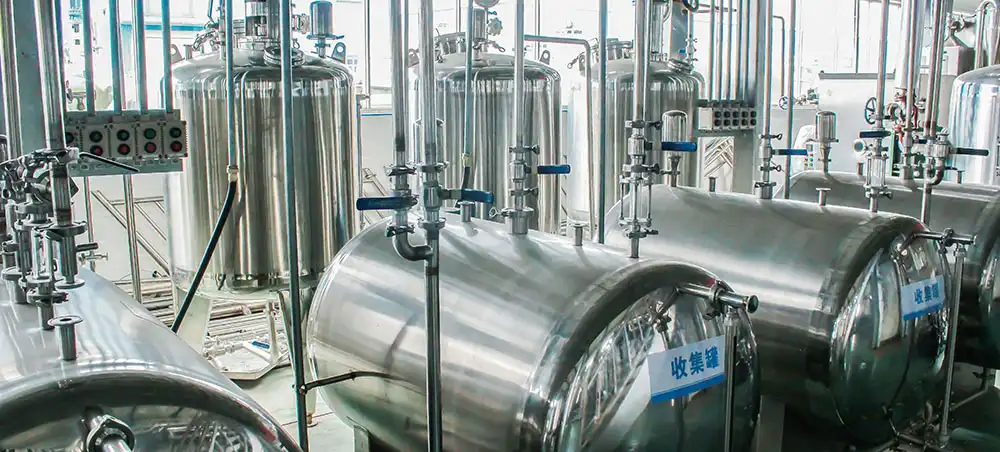
We at Naturalin Biotech can help you find the ingredients you need by giving you high-quality Ivy Leaf Extract Powder that is fully legal and backed by quality assurance. Because we are a qualified GMP maker with ISO 9001, FSSC 22000, and HALAL certifications, we can offer standard plant extracts that meet the strictest foreign needs. HPLC, UV, and AAS tests are done in our high-tech quality control lab. SGS and Eurofins do regular third-party validations to make sure that every batch is the same.
We know that good ingredients aren't enough to make a good product. It also needs reliable supply lines, quick expert help, and the power to make changes. To help the vitamin, functional food, beauty, and animal nutrition industries with recipes, changes to concentrations, and custom solutions, our skilled research and development team works on many projects. We offer competitive prices, manageable MOQs, and fast DDP delivery services to the US market. This makes it easier to buy things and keeps supplies stable.
Naturalin Biotech has the skills and manufacturing power to make your ideas come to life, whether you need certified organic options, custom standardisation levels, or quick sample development for projects that involve new ideas. Send us an email at market@naturalinbio.com to talk about what you need for Ivy Leaf Extract Powder and to find out how we can work together to help your business and product line grow faster.
References
1. Hofmann D, Hecker M, Völp A. Efficacy of ivy leaf extract in children with acute bronchitis: a double-blind placebo-controlled study. Phytomedicine. 2010;17(12):862-867.
2. Cwientzek U, Ottillinger B, Arenberger P. Acute bronchitis therapy with ivy leaves extracts in a two-arm study: a double-blind, randomised study versus another ivy leaves extract. Phytomedicine. 2011;18(13):1105-1109.
3. Trute A, Gross J, Mutschler E, Nahrstedt A. In vitro antispasmodic compounds of the dry extract obtained from Hedera helix. Planta Medica. 1997;63(2):125-129.
4. European Medicines Agency. Assessment report on Hedera helix L., folium. EMA/HMPC/325715/2017. Committee on Herbal Medicinal Products; 2017.
5. Schulte-Michels J, Wolf A, Aatz S, Engelhard K, Sibelius U, Lebherz-Eichinger D. The anti-inflammatory effects of ivy leaf extract on human bronchial epithelial cells. Journal of Ethnopharmacology. 2019;233:193-201.
6. Greunke C, Hage-Hülsmann A, Sorkalla T, Kekow J, Grünewald T, Mäurer M. A multicenter study of ivy leaf cough syrup in ambulatory children. Phytomedicine. 2014;21(12):1604-1610.