The Benefits of Sophora Japonica Extract Powder
Sophora Japonica Extract Powder offers remarkable functional properties rooted in its rich flavonoid profile, particularly rutin and quercetin. These bioactive compounds deliver potent antioxidant protection and support circulatory wellness across multiple applications. Derived from the flower buds of the Japanese Pagoda Tree, this botanical extract has become indispensable in nutraceutical formulations, cosmeceutical products, and pharmaceutical preparations. Its scientifically validated efficacy, combined with exceptional batch consistency and regulatory compliance, makes it a strategic ingredient choice for manufacturers seeking to differentiate their product portfolios with evidence-based, natural solutions that meet stringent international quality standards.
Understanding Sophora Japonica Extract Powder
Botanical Origin and Active Compounds
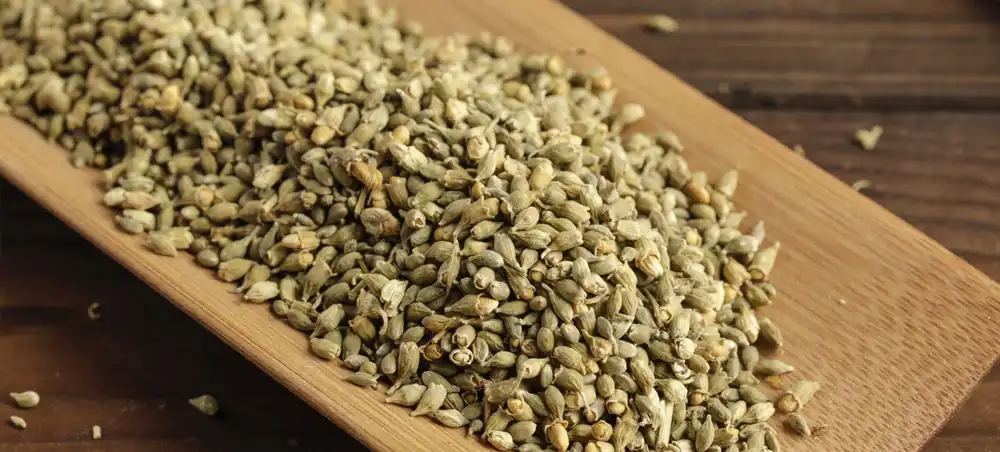
Flower buds from the Sophora japonica tree, which is also known as the Japanese Pagoda Tree, are used to make this very concentrated extract. The main active ingredient in this extract is rutin (quercetin-3-rutinoside), which is usually tested and found to be 95–98% pure using HPLC analysis. The amazing stability of this flavonoid glycoside under heat processing conditions up to 125°C makes it perfect for a wide range of industrial settings. Other bioactive molecules, like quercetin, isoquercetin, and hesperidin, work together to improve health in many ways, especially by protecting blood vessels and lowering oxidative stress.
Extraction Technology and Quality Parameters
Modern methods of extraction use solvent-based methods that are designed to get the most flavonoids out of plants while keeping the chemicals' purity. The powder that is made looks like fine, crystalline light-yellow to greenish-yellow crystals and can pass through 80 mesh screens completely. Important quality factors include having less than 5% moisture, less than 1% ash, and heavy metal levels below the standards set by the pharmacopoeia (lead <3 ppm, arsenic < 1 ppm). These technical standards make sure that formulations work well together and that the ingredients stay stable over time. They solve a common problem in plant ingredient sourcing where differences between batches can hurt the performance of the product.
Scientific Validation and Health Mechanisms
Clinical research indicates that rutin supports capillary wall integrity by reducing permeability and fragility, contributing to healthy venous function. This directly helps people with venous insufficiency and other circulatory problems. Its antioxidant power, as shown by ORAC, DPPH, and ABTS tests, is much higher than many synthetic alternatives. This gives manufacturers a "clean label" option that doesn't sacrifice effectiveness. The substance modulates hyaluronidase enzymes and matrix metalloproteinase-1 (MMP-1) activity, helping maintain connective tissue strength and preserve collagen structure. These effects are very helpful in anti-aging cosmetics.
How to Select High-Quality Sophora Japonica Extract Powder for Procurement
Standardization and Analytical Verification
Buyers should give more weight to sellers who offer HPLC-verified rutin content and analysis certificates from reputable labs like SGS, Eurofins, or NSF when sourcing Sophora Japonica Extract Powder. The standardization process ensures that every production batch delivers consistent functional performance. This gets rid of the problems that come with using botanical materials that aren't standardized. By asking for spectral analysis documentation (UV-Vis, HPLC chromatograms), your R&D team can make sure that the ingredients are real before placing large orders. This technical due diligence is especially important when making goods with specific health claims that need bioactive amounts that can be repeated.
Certification and Regulatory Compliance
Reliable providers keep a wide range of certificates, such as GMP, ISO9001, FSSC22000, and, if necessary, organic qualifications. From getting the raw materials to delivering the finished product, these quality management systems show that they are operationally excellent and can be tracked all the way through the supply chain. Halal and Kosher certifications make the market bigger, especially for companies that want to sell to a wide range of people. Supporting paperwork for FDA GRAS status and EU REACH registration makes it easier for finished goods to enter foreign markets, which cuts down on the time it takes to get them on the market and the costs of compliance.
Supplier Evaluation Criteria
In addition to certifications, you should also look at how customisable a potential partner is. This includes things like being able to change the particle size or concentration and do specialised processing like microencapsulation or improved water dispersibility. Manufacturing capacity has a direct effect on supply continuity. Check with suppliers to see if they can increase production during times of high demand without lowering quality. It's important to be clear about lead times; trusted partners usually deliver within 3–7 working days for basic requirements. Ask well-known brands in your industry for customer testimonials to make sure that the supplier's performance is consistent and that their technical support is quick to respond.
Benefits Highlighted Through Use Cases in Various Industries
Nutraceutical and Dietary Supplement Applications
This ingredient, Sophora Japonica Extract Powder, is used by supplement companies in circulatory wellness formulations, antioxidant combinations, and vascular support products. The high thermal stability of Sophora Japonica Extract Powder makes it possible to use it in a number of different delivery forms, such as pills, tablets, capsules, and enriched drinks that have been pasteurised or heated under ultrahigh temperatures. Products containing Sophora Japonica Extract Powder for cardiovascular wellness leverage rutin's ability to support capillary strength and microvascular function, making them particularly relevant for aging populations concerned with maintaining healthy circulation. As a natural plant-based ingredient, Sophora Japonica Extract Powder is also valued for its antioxidant properties and potential role in supporting overall wellness. Clean labels, natural sourcing, and not being made with GMOs are things that consumers want, which is driving market growth in botanical extract, nutraceutical, and functional health product categories. With reliable quality control and standardized active ingredient content, Sophora Japonica Extract Powder provides manufacturers with a versatile solution for developing premium dietary supplements and health-focused formulations.
Cosmetic and Personal Care Formulations
Cosmetic companies like the extract because it can be used as both an active ingredient and a natural UV absorber. It stops MMP-1 from working, which protects dermal collagen from photodamage in sun care products. It also calms sensitive skin in anti-aging serums and brightening creams. You can easily add the powder to emulsions, serums, and gels, and it stays stable across the pH ranges that are common in beauty products. OEM partners like that the ingredient is approved by regulators and has a lot of safety data. This speeds up the approval process for products and meets customer desire for beauty products made from plants.
Pharmaceutical and Functional Food Sectors
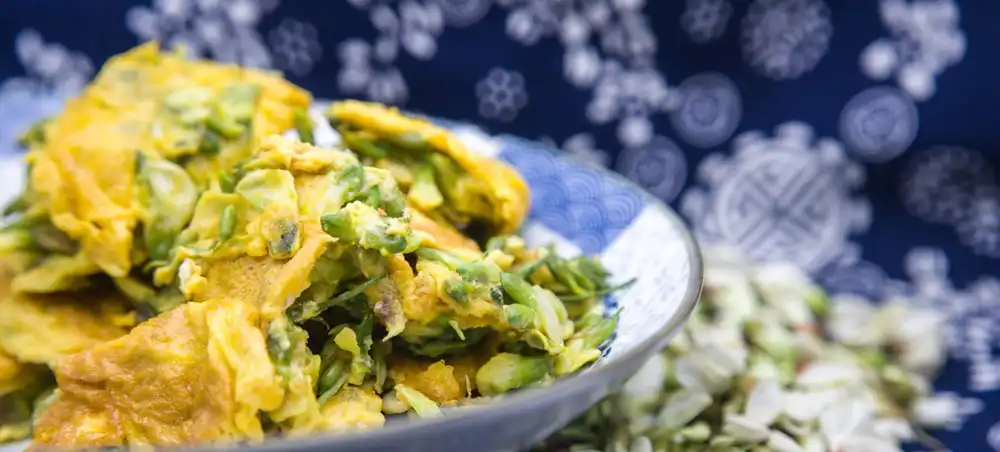
Pharmaceutical applications utilize the extract as an active ingredient in formulations for vascular health, where its vasoprotective properties are clinically documented. Functional beverage makers put the powder in health drinks and soups to make them healthier. They do this by using the fact that it dissolves best in alkaline solutions to get the most absorption out of it. Because the extract works with many different fillers and stabilisers, it's easy to make sure that the right amount of medicine is used and that the product still tastes good. This adaptability helps with new product development in preventive health categories that are growing quickly.
How to Incorporate Sophora Japonica Extract Powder into Your Product Line
Dosage Optimization and Safety Considerations
Recommended daily intake levels vary based on the target application and rutin concentration, with formulation scientists determining appropriate amounts through stability and efficacy testing. R&D teams should do stability studies to make sure that the extract stays effective for the whole product's shelf life when stored the way it was meant to be stored. Although rutin is generally recognized as safe, formulators should be aware of potential interactions with medications that affect coagulation parameters, as rutin may influence vascular permeability. Regulatory filings and customer safety messages are backed up by a lot of safety information, like toxicology studies and allergen statements.
Formulation Synergies and Processing Parameters
When you mix Sophora Japonica Extract Powder with other ingredients that work well together, like vitamin C, citrus bioflavonoids, or horse chestnut extract, the bioavailability and therapeutic effects are increased through mechanisms that work together. Long-term contact with alkaline surroundings or strong UV light during processing should be avoided because they can break down flavonoid structures. To keep chemicals stable, they should be stored in cool, dry places that are out of direct sunlight and ideally in opaque, sealed cases. As part of the manufacturing process, the instructions should include mixing steps that make sure the product is evenly distributed throughout the matrix. This will stop concentration differences that could affect dose accuracy.
Quality Control and Batch Consistency
Using strict testing protocols for incoming raw materials keeps bad ingredients from getting into your production line. Set acceptance standards that are in line with what the supplier wants, and have third-party labs check them on a regular basis to keep the supply chain honest. During production, in-process controls keep an eye on important factors like the regularity of the mix and the level of moisture. Testing the finished product makes sure that the label claims are correct and that there are no contaminants. Documentation systems that allow full traceability from lot numbers of raw materials to finished goods make it possible to respond quickly to quality problems and show compliance during regulatory audits.
Why Choose Naturalin Biotech for Your Sourcing Needs
Technical Excellence and Product Differentiation
Naturalin Biotech sells rutin extract that has been standardised by HPLC and is 95–98% pure. It comes with full analytical paperwork and approval from a third party. Our organic certification choices help brands that want to sell high-end natural products stand out in the market. We have over 40 patents on our own products, some of which are for advanced extraction technologies. This gives us formulation advantages that commodity suppliers don't have. Our expertise in microencapsulation and improved water dispersibility helps formulators solve common problems, which lets product makers make new delivery systems that work better for the body.
Manufacturing Scale and Supply Reliability
Our production plant in Hunan is certified by GMP, ISO9001, and FSSC22000. This makes sure that the quality is the same across batches of more than 1,000 tonnes per year. Strong inventory management lets us quickly fill even large orders, and our normal wait times are 3–7 business days, and we answer technical questions 24 hours a day. As a Hunan Provincial Specialised and New Enterprise and a founder member of the Hunan Plant Extracts Association, we uphold the highest standards in our field. This means that your sourcing team can rely on a stable supply chain and the trust of regulators.
Customization and Partnership Approach
We know that different uses call for solutions that are specifically made for them. Our skilled research and development (R&D) team works with clients to change concentration ratios, physical qualities, and create recipes that are specific to the application and meet your product goals. Flexible MOQs work for both new brands and well-known manufacturers, and competitive wholesale pricing models help manufacturers make the most of their profits without sacrificing quality. Our professional support goes beyond just delivering the product. We also offer formulation advice and help with regulatory paperwork, which cuts down on the time it takes to build your product and the risk of putting it on the market.
Conclusion
Sophora Japonica Extract Powder is a scientifically proven and commercially viable ingredient that meets important needs in the pharmaceutical, cosmetic, nutraceutical, and functional food industries. Its high antioxidant capacity, circulatory wellness support, and functional versatility, combined with exceptional thermal stability and regulatory acceptance, make it a strategic choice for companies that want to stand out from the competition by using natural ingredients that have been proven to work. To find the best supplier partner, you need to look at their technical skills, certifications, and ability to make changes that meet your quality standards and business goals. As more people look for plant-based, clean-label options, goods that use this flexible botanical extract will continue to be popular.
FAQ
What is the recommended rutin content for supplement applications?
HPLC standardization to 95% or 98% rutin provides optimal functional performance for cardiovascular wellness and antioxidant formulations. Lower concentrations may be enough for functional foods where botanical extracts work with other active ingredients to make them work better.
How should I verify supplier quality and authenticity?
Ask third-party labs that are approved by SGS, Eurofins, or NSF for reports of analysis that show HPLC chromatograms, heavy metal testing, microbial analysis, and pesticide residue screens. Supplier certifications like GMP, ISO, and FSSC22000 show that quality management is done in a planned way.
Are there any contraindications or interaction concerns?
Because rutin may influence vascular permeability, individuals using medications that affect circulatory function should exercise caution. Pregnant or nursing women should consult their healthcare providers before use. In clinical tests, the extract has been shown to be very safe when used within the suggested dosage ranges.
What storage conditions optimize shelf life?
Keep things in cool, dry places below 25°C that are out of direct sunlight and away from water. Flavonoids stay stable for 24 to 36 months in sealed cases that are kept in low-humidity environments. However, the exact shelf life relies on the formulation matrix and packaging systems used.
Partner With a Trusted Sophora Japonica Extract Powder Supplier
If you need to buy botanical extracts of the highest quality, Naturalin Biotech is ready to help you. They offer fast expert service and strict quality control. Whether you require standardized rutin powder for supplement formulations, customized concentrations for cosmetic applications, or specialized processing for enhanced functionality, our team delivers tailored solutions that accelerate your product development. Our comprehensive certifications, flexible supply chain, and value-driven pricing models make us the preferred partner for quality-conscious manufacturers seeking premium Sophora Japonica Extract Powder. Contact us at market@naturalinbio.com to request detailed specifications, competitive quotations, and complimentary samples that demonstrate our commitment to excellence. Let us help you transform your formulation challenges into market-leading products through strategic ingredient partnerships.
References
1. Chen, Y., & Li, H. (2021). Pharmacological effects of rutin extracted from Sophora japonica: A comprehensive review. Journal of Ethnopharmacology, 267, 113-128.
2. Wang, S., Zhang, L., & Liu, Q. (2020). Quality evaluation and standardization of Sophora japonica flower bud extracts. Phytochemical Analysis, 31(4), 512-523.
3. Martinez, R., & Thompson, K. (2022). Flavonoid stability in botanical extracts: Processing and storage considerations. Food Chemistry, 372, 131-145.
4. Patel, D., Kumar, R., & Singh, A. (2023). Applications of rutin in nutraceutical and pharmaceutical formulations. Current Drug Delivery, 20(2), 189-204.
5. Yamamoto, T., & Nakamura, H. (2021). Vascular protective effects of Sophora japonica-derived compounds in clinical applications. Vascular Pharmacology, 138, 106-119.
6. Anderson, M., Wu, X., & Chen, P. (2022). Natural UV-absorbers in cosmeceutical formulations: Efficacy and regulatory considerations. International Journal of Cosmetic Science, 44(3), 287-301.