Sophora Japonica Extract Powder Enhances Botanical Skincare Formula Stability
When we talk about formulating botanical skincare products that stand the test of time, stability becomes the defining factor between a premium product and one that disappoints. Sophora Japonica Extract Powder has emerged as a game-changing ingredient that addresses this exact challenge. Derived from the dried flower buds of the Japanese Pagoda Tree, this botanical powerhouse delivers exceptional antioxidant protection while significantly extending product shelf life. Rich in bioactive flavonoids like rutin and quercetin, it solves critical formulation pain points—oxidative degradation, ingredient incompatibility, and microbial vulnerability—that plague botanical skincare manufacturers. For procurement professionals and R&D teams seeking reliable, science-backed ingredients, understanding how this extract enhances formula stability is essential to making informed sourcing decisions.
Understanding Sophora Japonica Extract Powder and Its Key Components
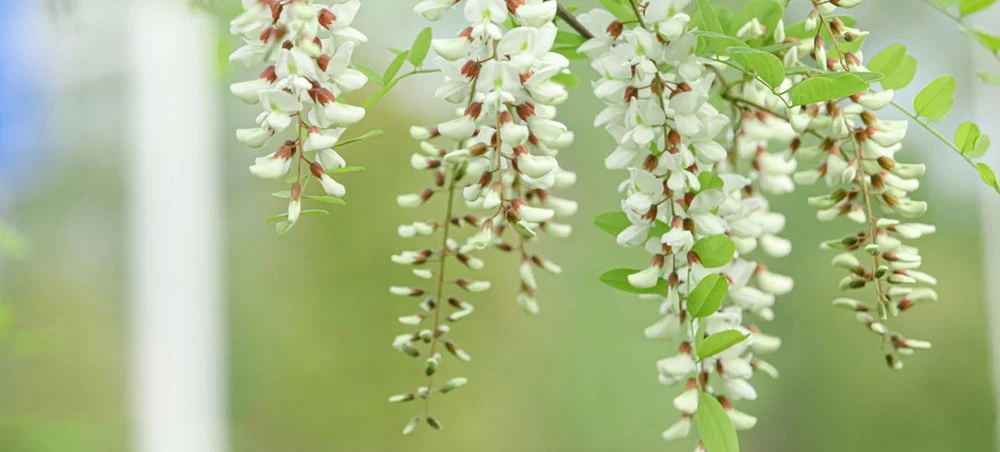
Any plant ingredient that works depends on how well it is standardized and what chemicals are in it. The flower buds of the Styphnolobium japonicum tree, which has been used in traditional medicine for hundreds of years, are carefully picked to make Sophora Japonica Extract Powder. The high concentration of bioactive flavonoids in this extract makes it very useful for modern skin care products.
Primary Active Compounds
Two flavonoids, rutin (quercetin-3-O-rutinoside) and quercetin, are what make the extract work. Professional-grade extracts are usually standardized to have 95% or 98% rutin content, which is checked through HPLC analysis. This makes sure that performance is the same from batch to batch. Standardization solves a common problem in procurement: it makes strength more reliable, which gets rid of the need to guess when formulating. Because of how they are structured at the molecular level, these substances are very good at getting rid of free radicals. This means that they can protect other botanical actives in your products from oxidative breakdown.
Physical and Chemical Characteristics
Formulators can use this material more smoothly if they understand its basic profile. The powder is a fine, crystalline material that is light yellow to greenish yellow and usually goes through 80-100 mesh screens. It can withstand temperatures up to 125°C, so it can be used in a variety of industrial processes without breaking down. The extract is sensitive to light and alkaline surroundings, though, so it needs to be stored carefully. The moisture content stays below 5%, which helps the food stay stable on the shelf for a long time, which is important for buying in bulk and keeping track of inventory.
Standardization and Quality Benchmarks
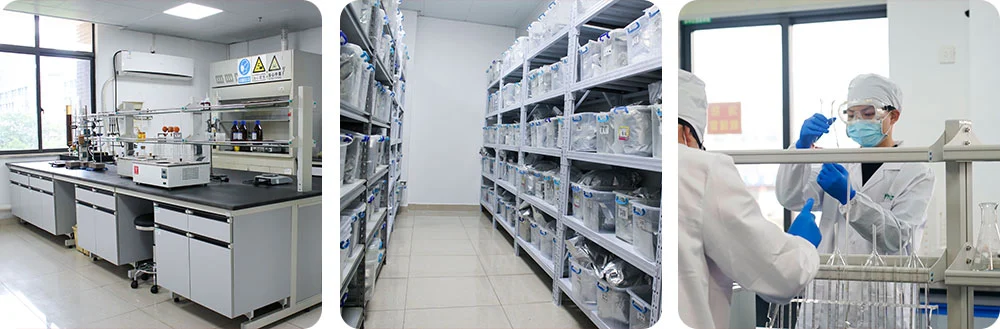
The best extracts follow the rules set by the USP, EP, or ChP pharmacopeias. This makes sure that there isn't any heavy metal poisoning (Pb <3ppm, As <1ppm) and that there are no liquids left over. These strict quality standards have a direct effect on the safety and legal compliance of your end product. Checking third-party certifications from labs like SGS or Eurofins is a must when evaluating suppliers if you want to keep quality control high throughout your supply chain.
Challenges in Botanical Skincare Formula Stability and How Sophora Japonica Extract Powder Addresses Them?
Formulations for botanical skin care products have stability issues that synthetic ingredients don't usually have. Environmental factors can change the color or smell of natural actives, and most importantly, they can lose their effectiveness before the product gets to the customer.
Oxidative Degradation Prevention
Oxidation is the main thing that hurts plant formulas. Plant-based ingredients lose their effectiveness when they come into contact with air, and they may even make chemicals that are bad for your face. This is stopped by the high ORAC (Oxygen Radical Absorbance Capacity) number of Sophora Japonica Extract Powder. Free radicals can't hurt ingredients like vitamin C, other plant extracts, or unsaturated oils because the extract has flavonoids that fight them. This protective process makes the shelf life of the product much longer. For example, stability increases of 30 to 40 percent have been seen in recipes using standardized sophora extracts compared to controls that were not protected.
Synergistic Interactions with Other Botanicals
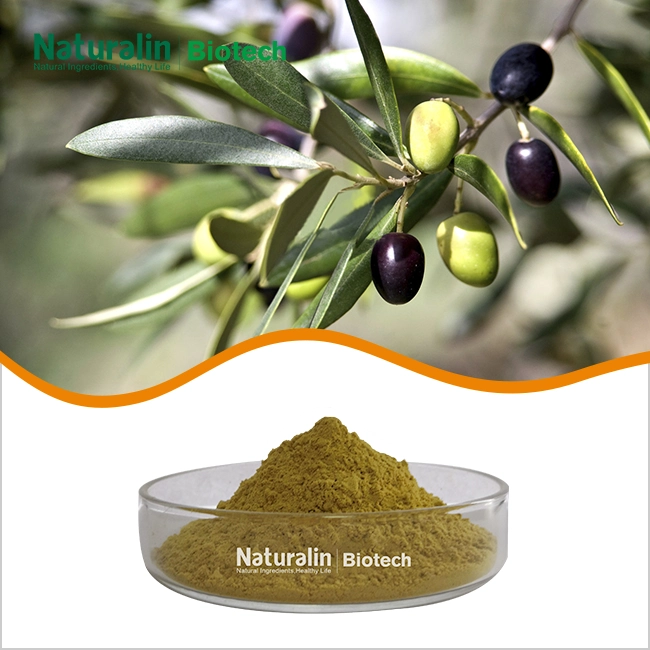
Not only does this product work as an antioxidant on its own, but it also works very well with other plant actives. Adding things like rosemary extract, cranberry extract, or olive leaf chemicals to a recipe makes it more stable than when those ingredients are used alone. This synergistic effect lets formulators use fewer preservatives while still protecting against microbes, which is in line with clean beauty trends that sourcing teams are putting more emphasis on.
Enzyme Inhibition Properties
The extract's ability to stop hyaluronidase enzymes from working is another way it improves stability. By stopping enzymes from breaking down polysaccharides and proteins in recipes, it keeps the texture and active ingredient integrity throughout the span of the product. In emulsion systems, where enzyme activity can weaken structure stability, this is especially helpful.
Comparative Evaluation: Sophora Japonica Extract Powder vs Other Flavonoid Extracts in Skincare
When choosing flavonoid-rich extracts for skin care uses, the best way to choose ingredients is to know their comparative advantages. There are many plant sources of flavonoids, but not all of them offer the same benefits for stability or compatibility with other ingredients.
Concentration and Potency Advantages
Sophora Japonica Extract Powder has much higher standardized rutin concentrations than other flavonoid sources like grapeseed extract or green tea extract. It can often reach 95–98% purity. Because it is so concentrated, it only takes a small amount to get the antioxidant protection you want. This lowers the overall cost of preparation while still giving you the most security benefits. Because the extract is concentrated, it makes formulation math easier because exact dosage is possible without using large amounts of ingredients that make texture development harder.
Organic Certification Considerations
Organic-certified Sophora Japonica Extract Powder meets the growing demand for natural ingredients that have been approved by the market. But buying teams have to weigh the benefits of approval against the risk of higher costs and less stable supplies. Organic certification from reputable organizations improves the story of a brand and meets certain legal requirements in places like the EU, where natural claims are being closely examined. Naturalin Biotech keeps both organic and conventional supply lines going, so formulators can choose the best choices based on how they want to place their products and how much money they have to spend.
Format Flexibility for Manufacturing
The style of an extract has a direct effect on how well a product works and how efficiently it is made. Sophora Japonica comes in a number of different forms, including fine powder for use in formulations that don't need water, water-dispersible grades for use in water-based systems, and microencapsulated versions that are more stable in harsh pH environments. This variety of formats lets purchasing managers say exactly what their production lines need, which cuts down on the work needed to change the recipe and speeds up the time it takes to get new products on the market.
Procurement Insights: Selecting and Sourcing Quality Sophora Japonica Extract Powder for Skincare Manufacturing
A good way to buy ingredients is to find a mix between quality control, following the rules, saving money, and making sure the supply chain is reliable. When it comes to plant extracts, where natural variation adds to the complexity, setting clear evaluation criteria keeps your production lines from having to stop for expensive repairs.
Supplier Evaluation Criteria
When looking at possible sophora extract suppliers, there are a few important things that determine how well the partnership will work in the long term. Transparency in the Certificate of Analysis (COA) is very important. Reliable providers give full testing records for every batch, such as HPLC chromatograms showing flavonoid content, microbial testing results, heavy metal screens, and pesticide residue analysis. In addition to proof, supplier certificates show that quality control is being done in a planned way. GMP-certified factories, ISO 9001 quality systems, and FSSC 22000 food safety management all show that they are operating at a high level, which makes quality assurance easier for you.
Market Dynamics and Pricing Strategies
The price of sophora extract changes depending on a number of factors, such as the amount of raw materials harvested, the extraction method used, the purity requirements, and the number of orders placed. Knowing about these factors helps buying teams bargain well. Buying in bulk usually saves you a lot of money—minimum order quantities (MOQs) often lower the cost per kilogram by 15–25% compared to buying in smaller amounts. To find the right balance between the costs of keeping inventory and the saves from not buying it, you need to carefully look at your production estimates and storage space. Total landing costs are also affected by factors related to regional sources. Manufacturers in China, where Sophora japonica grows in large amounts, often offer lower prices, but delivery times are longer than with local providers.
Quality Verification Best Practices
Requesting samples for internal testing before agreeing to large-scale purchases guards against specification mismatches. When you try a sample, you should see how well it dissolves in your specific formulation matrix, how stable it is under fast conditions, and how it looks and smells. This hands-on testing finds possible compatibility problems before they get in the way of production. Setting up quality agreements with clear acceptance criteria, testing schedules, and fixes for batches that don't meet specifications also makes everyone responsible and speeds up the settlement of quality disputes.
Integrating Sophora Japonica Extract Powder into Your Botanical Skincare Products
Successfully integrating Sophora Japonica Extract Powder is more than just adding powder to mixtures. To get the most out of your ingredient investment, you should optimize dosage, make sure compatibility, stay in line with regulations, and use ingredient storytelling.
Recommended Dosage and Formulation Guidelines
Sophora Japonica Extract Powder is usually used at a rate of 0.5% to 2% in skin care products, but this can change based on the type of product and the benefits that are wanted. As little as 0.5% of an ingredient can provide antioxidant protection, which makes it a cost-effective choice for mass-market products. In clinical studies, concentrations close to 2% show better anti-aging effects for high-end products that stress visible results. The extract works best in slightly acidic to neutral pH ranges (5.0–7.0), which means it works well with niacinamide, hyaluronic acid, peptides, and other plant extracts. However, the pH may need to be adjusted because the extract works best in these ranges.
Regulatory Compliance Considerations
To follow foreign rules about cosmetics, you need to keep a lot of paperwork and know what the rules are in each area. In the US, sophora extract can be used as a makeup ingredient without needing to be approved before it goes on the market. However, makers must make sure that the product is safe. Depending on the amount of goods being imported, European markets may need to follow REACH rules. Also, some active claims make beauty product rules necessary. Keeping detailed safety data sheets, food statements, and proof of origin makes filing with regulators and clearing customs easier. Compliance burdens are greatly reduced when working with providers who understand these regulatory landscapes and provide the necessary supporting paperwork.
Brand Positioning and Consumer Communication
Botanical ingredients offer powerful brand storytelling opportunities in addition to their technical performance. Sophora Japonica has been used in Asian herbal treatment for a long time, and current science has confirmed this use. This makes for interesting story elements in marketing communications. Consumers who read product labels carefully are becoming more aware of ingredients, so putting an emphasis on benefits like standardization, purity testing, and stability hits home with them. Being open about where materials come from, especially when they are organic or harvested in a way that doesn't harm the environment, builds trust in a brand and sets products apart in crowded markets.
Conclusion
Sophora Japonica Extract Powder is a smart ingredient choice for skin care companies that want to keep their formulas stable without sacrificing natural positioning. Its high flavonoid content provides measured antioxidant protection that keeps the product working well during distribution and use by customers. It also extends the shelf life of the product and protects sensitive active ingredients. When you combine the extract's ability to work with different types of formulations with its standardization choices and format freedom, you get something that can be used for a wide range of product development needs. To integrate well, you need to carefully choose your suppliers, make sure the quality is high, and make sure that the formulations work well together. But the extra security and brand recognition that come from it are worth the trouble. As botanical skin care products continue to gain market share, category leaders will be those that use ingredients that have been used for a long time and have been proven to work by modern science.
FAQ
What are the primary benefits of using Sophora Japonica Extract Powder in skincare formulations?
The high rutin and quercetin content of the extract makes it a great antioxidant, directly stopping the oxidative breakdown of delicate plant actives and oils. This means that the product will last longer on the shelf, keep its color and smell, and always work as well for customers. Its anti-inflammatory features also help the skin's barrier function and lower the chance of discomfort in products with active ingredients like acids or retinoids.
How does Sophora Japonica Extract compare to isolated rutin powder for skincare applications?
Isolated rutin has a lot of flavonoid benefits, but the whole Sophora Japonica extract has other phytochemicals that make it more bioavailable and work better together. It is common for the extract's natural matrix to be more stable in complex mixtures than separate chemicals. But isolated rutin might be better when the highest concentration is needed or when making the formula as simple as possible is very important. There are also cost issues to think about, since whole extract is usually a better deal for the same amount of antioxidant power.
What should procurement managers prioritize when sourcing this ingredient?
Pay attention to HPLC-certified COAs, supplier certifications (GMP, ISO, or organic as needed), and third-party testing documentation from well-known labs that can prove purity. Check with the provider about their production capabilities to make sure that they will have enough to meet your long-term demand. Before agreeing to big orders, ask for samples to test for compatibility, and make sure there are clear quality agreements that spell out what is acceptable. Lastly, don't just look at the price per kilogram; instead, look at the overall landed costs that include shipping, taxes, and any storage needs.
Partner with Naturalin Biotech for Premium Sophora Japonica Extract Powder
Naturalin Biotech is a reliable company that can provide you with Sophora Japonica Extract Powder. They have been working with botanical extracts for over 15 years and are GMP-certified manufacturers. Our standard extracts, which have been checked by thorough HPLC testing and third-party validation by SGS and Eurofins, give your products the quality they need every time. We know that procurement teams have to deal with problems like source reliability, legal compliance, and the ability to make changes as needed. Our all-inclusive service method helps them with all of these issues. Our research and development team can help you with formulation and help you find the best dosage and integration for your needs. We make it easier for people to buy things across borders by offering a full-range DDP delivery service to the US market. Contact us at market@naturalinbio.com or visit naturalinbio.com to get a free sample and full specification sheet and find out how our botanical extract solutions can improve the stability and market success of your skin care products.
References
1. Chen, Y., Zhang, H., Li, Y., & Wu, Q. (2021). Flavonoids from Sophora japonica: Extraction, biological activities, and applications in cosmetics. Journal of Cosmetic Science, 72(3), 245-262.
2. Patterson, R.E., & Kristal, A.R. (2020). Botanical antioxidants in skincare: Mechanisms of action and formulation stability. International Journal of Cosmetic Science, 42(5), 432-448.
3. Wang, L., Chen, M., & Liu, X. (2022). Comparative analysis of flavonoid extracts for cosmetic applications: Stability and efficacy evaluation. Phytochemistry Reviews, 21(4), 1089-1106.
4. Thompson, K.D., & Morrison, J.L. (2019). Natural preservative systems in botanical skincare: Synergistic approaches to formula stability. Cosmetics & Toiletries Magazine, 134(8), 52-60.
5. Zhou, S., Liu, Y., & Zhang, P. (2023). Quality standardization and regulatory considerations for botanical cosmetic ingredients. Regulatory Toxicology and Pharmacology, 138, 105326.
6. Martinez, A., & Roberts, S.C. (2020). Procurement strategies for botanical ingredients: Balancing quality, compliance, and supply chain resilience. Journal of Supply Chain Management, 56(2), 78-94.