Breaking Down The Growing Trend Of Co Enzyme Q10 Powder
Co Enzyme Q10 powder has emerged as a powerhouse ingredient transforming formulations across nutraceuticals, cosmetics, and pharmaceuticals. This guide addresses the urgent needs of procurement professionals navigating complex supply decisions in today's competitive market. As consumer demand for cellular health solutions accelerates and regulatory frameworks tighten globally, understanding this ubiquinone compound becomes essential. Whether you're formulating energy-boosting supplements, developing anti-aging skincare, or seeking compliant raw materials for pharmaceutical applications, we'll walk you through critical considerations that impact your bottom line and product efficacy. From bioavailability challenges to supplier evaluation criteria, this comprehensive resource equips you with practical insights to source high-quality coenzyme Q10 ingredients that meet strict industry standards.
Understanding Co Enzyme Q10 Powder: Properties, Benefits, and Uses
What Makes Co Enzyme Q10 Powder Unique
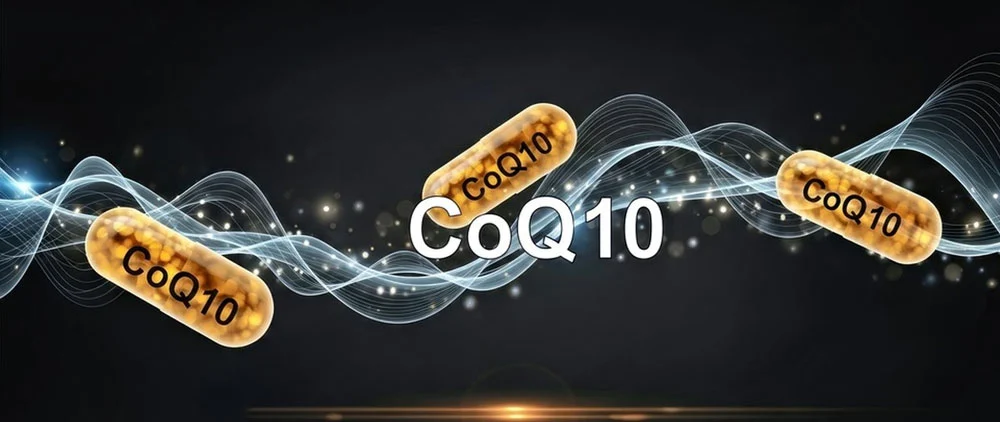
This benzoquinone compound dissolves in fat and is called ubiquinone in the scientific world. It is an essential part of making ATP in mitochondria. In contrast to capsule or oil forms, the powder form offers clear benefits for industrial formulation flexibility. The high-purity extraction, which is usually done through natural microbial fermentation with organisms like Rhodobacter sphaeroides, gives it a yellow to orange crystalline look. The all-trans isomer structure, which is found in top types that meet USP, EP, and JP standards, makes sure that the biological activity is the same as what our bodies naturally make. This is very important when making pharmaceutical-grade products because consistency has a direct effect on how well they work in the body.
Core Benefits Driving Market Adoption
The compound has two uses that make it very useful in many fields. As a necessary part of electron transport chains, it helps cells use energy, especially heart and muscle areas that need a lot of energy. At the same time, its strong antioxidant properties fight free radicals and protect lipid membranes from damage caused by oxidation. These traits solve important problems in the process of making products. Cardiovascular health products use it to give you more energy, and cosmetic companies use it to fight aging by protecting collagen and strengthening the skin barrier. Its versatility is the reason why demand keeps going up in many areas.
Industrial Applications and Formulation Considerations
Coenzyme Q10 is added by companies that make vitamins to energy drinks that are meant to improve physical performance and metabolic health. The food and drink business is using water-soluble beadlet forms in functional drinks more and more. However, because the chemical is lipophilic, it needs special technologies to dissolve. Personal care formulators like how stable it is when used on the skin, especially when microencapsulated to stop photodegradation. Pharmaceutical companies use materials that are safe for use in medicines and health goods that keep you healthy. For example, the particle size distribution is important for making tablets work well, the moisture content is important for stability, and the leftover liquid levels are important for safety. Knowing these details helps procurement teams set requirements that are in line with what can be made and how well the final product should work.
Comparing Co Enzyme Q10 Powder: Quality, Formulations, and Market Options
Powder Versus Alternative Delivery Forms
Organic Versus Synthetic Sourcing Considerations
Material that comes from fermentation makes up most of the quality segment. It makes natural-origin claims that meet clean-label requirements. This biotechnological method produces more pure trans-isomers than synthetic chemical methods and doesn't use any petrochemical starting materials. Some sellers have organic-certified choices, but they are still hard to find and cost more because they are positioned as a niche product. Synthetic versions might have cis-isomer contamination, which would make biological effectiveness lower and could lead to regulatory scrutiny in strict markets. When evaluating suppliers, ask for detailed records of the manufacturing process. Learn more about fermentation materials, purification processes, and isomer testing methods than just looking at certificates. These technical details are a much better way to find out about a product's real quality than marketing materials.
Evaluating Supplier Quality and Market Landscape
A thorough evaluation of the supplier guards the image of your brand and makes sure that each batch performs the same way. Ask for records of analysis that have been checked by HPLC and show that the active substance is within the allowed limits. Validation from a third party like SGS, Eurofins, or NSF boosts credibility, especially when entering regulated markets that need independent confirmation. Manufacturing standards are very important. Facilities that follow GMP and HACCP guidelines show that they have a method for controlling quality. In addition to certifications, you should look at records of production scale and batch consistency. A supplier that makes many metric tons every month has stable capacity, which means that supply doesn't get interrupted when demand goes up. Prices vary a lot depending on the grade of purity, the size of the particles, and the amount of the order. You can expect pharmaceutical-grade materials to cost more, while food-grade materials are cheaper for uses that can handle slightly lower purity levels.
Navigating the Procurement Process of Co Enzyme Q10 Powder for B2B Buyers
Strategic Advantages of Bulk Purchasing
Beyond lowering unit prices, volume agreements for Co Enzyme Q10 Powder bring about big economic gains. Suppliers often hold back production capacity for long-term bulk customers to make sure they get it when raw materials are in short supply. When seasonal demand spikes threaten inventory levels, this supply assurance is very important. Negotiating yearly contracts with set delivery dates makes planning your cash flow easier and gets you better terms. But for bulk orders of Co Enzyme Q10 Powder to stay in good condition, inventory management needs to be very advanced. Because the compound is sensitive to light and moisture, it needs to be stored in a climate-controlled area and used quickly. When comparing bulk pricing to just-in-time procurement models, you should figure out the total cost of ownership, which should include storage, insurance, and any waste from stock that has gone bad.
Vetting Suppliers for Long-Term Partnership
Doing your homework means a lot more than just reading through standard sheets. Ask for plant checks, either virtually or in person, to see how the products are made and how quality control is done. Check out their research and development (R&D) skills, especially if your plan calls for custom formulations or new ways to send medicines. If a seller has technology for microencapsulation or water dispersibility, they become a strategic partner instead of just a provider. Look at the logistics infrastructure and customs knowledge, especially if you want to buy something across borders. When suppliers offer DDP (Delivered Duty Paid) services, they take care of clearance issues and lower the uncertainty of landed costs. References from current clients in your industry can tell you a lot about how responsive you are to communication, how good your technical support is, and how well you can solve problems during production problems.
Direct Sourcing Versus Distributor Networks
When you buy directly from makers, you usually get better prices and better information about technical details. You can talk to production teams that know the ins and outs of formulations and can change things like particle size or carrier systems to fit your needs. This direct link makes sample development and iterative improvement cycles go faster. On the other hand, distributors make things easier by keeping inventory close to home, requiring smaller minimum orders, and sending with other items at the same time. They take on the risks of the exchange rate and make it easier to record compliance. Often, the best strategy is a mix of the two: building direct relationships with primary suppliers for core numbers while keeping partner accounts for backup supplies and fast orders when demand changes without warning.
Future Trends and Market Insights in Co Enzyme Q10 Powder
Emerging Applications Reshaping Demand
Innovations keep making Co Enzyme Q10 Powder more useful in business. Cosmetic scientists are developing new serums that combine it with peptides and hyaluronic acid to create stronger anti-aging effects. Neuroprotective qualities are being studied in clinical trials, which could lead to new applications for drugs targeting brain health. The sports nutrition market has significant potential, with brands exploring ways to help endurance athletes improve their mitochondrial health. Animal nutrition is an area that has not been extensively studied yet, but early research suggests it could support animal wellness and enhance pet life quality. Early adopters can benefit from these evolving applications, but procurement teams need to closely monitor regulatory changes because new uses may require different approval pathways.
Market Drivers and Regulatory Landscape
Coenzyme Q10 use is growing faster because people are more aware of their health, especially older people who are looking for preventative health options. This demographic trend fits with the rising cost of health care, which is driving people to use self-care supplements. Regulatory environments are getting stricter around the world, and transparency in where ingredients come from and manufacturing quality systems are getting more attention. The EU's REACH rules and the FDA's focus on supply chain security make it harder for sellers who don't follow the rules to do business. For procurement professionals, this change in regulations means they need to build partnerships with suppliers that are based on strict documentation and being ready for audits. At the same time, buyers are looking for fermentation processes with smaller environmental impacts and suppliers who can show they are committed to reducing carbon emissions. This is changing the way people source goods.
Strategic Recommendations for Competitive Positioning
Change your buying habits to prepare for changes in the supply chain by expanding your ties with suppliers in different areas. Keep an eye on the patent landscape for technologies that improve bioavailability and could change the way formulations are made now. Invest in relationships with suppliers that allow co-development. This will put your company in a position to quickly take advantage of new uses. Set up just-in-time systems for specialty grades and build inventory buffers for key SKUs. Stay involved with industry groups to keep up with regulatory proposals that might change labeling rules or health claims that are legal. With these proactive steps, procurement goes from being a cost center to a strategic tool for setting yourself apart from competitors and responding to the market.
Conclusion
FAQ
What quality factors matter most when sourcing coenzyme Q10 powder?
Focus on making sure the all-trans isomer is pure by using HPLC testing, since this structure determines biological activity. To make sure that claims of natural origin are true and that the isomer profiles are better, make sure that the production method is fermentation-based rather than synthetic. Check to see if the particle size distribution fits the needs of your industrial tools and formulation. To make sure safety rules are followed, ask for heavy metal and leftover solvent tests. Supplier certifications like GMP, ISO, and HACCP show that quality management is done in a planned way.
How can buyers verify purity and potency in bulk orders?
Ask for analysis certificates from third-party labs like SGS or Eurofins that have been approved for each production lot. Set up methods for checking arriving materials using HPLC to independently confirm that the active content meets the requirements. Set up plans for retention samples that allow testing to be done in the past if problems with the mixture happen. You might want to do source checks to see how they handle quality control and how well they can analyze data. Need proof that the finished product can be tracked back to the fermentation batches.
What safety considerations apply to commercial coenzyme Q10 products?
At the recommended doses, coenzyme Q10 has great safety profiles, with no major side effects reported in clinical literature. At high doses, mild stomach pain happens very rarely. Make sure the goods follow the recommended maximum daily dose for your area, which is usually between 100 and 200 mg for supplements. Think about possible interactions with blood thinners that would require the right labeling. If you are targeting sensitive groups, make sure the product is allergen-free. When stability tests are done correctly, they stop degradation that could lower effectiveness without putting people at risk.
Partner with Naturalin Biotech for Premium Coenzyme Q10 Solutions
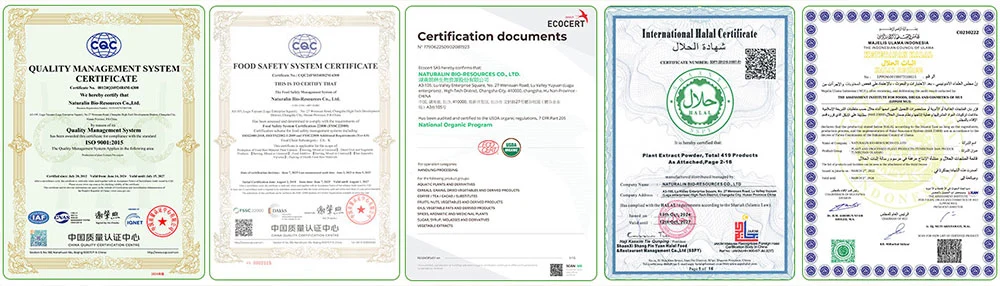
Naturalin Biotech has been making coenzyme Q10 powder for over 20 years and works with top companies in the nutraceuticals, cosmetics, and pharmaceuticals industries. Our GMP-compliant factories in Hunan make pharmaceutical-grade materials that meet USP and EP standards. The quality of our all-trans isomer is higher than 98%, as confirmed by HPLC. We offer flexible customization options, such as optimizing particle size, water-dispersible beadlets, and microencapsulated forms that are made to fit your product needs. Our research and development team can help with rapid prototyping and can usually get samples to you within 3–7 business days. We make it easier for businesses around the world to follow the rules by having certifications in FSSC22000, ISO9001, Halal, and Kosher. You can talk to our technical experts about your project needs, get full specs, or set up plant audits by emailing market@naturalinbio.com. You can look through our full catalog of natural ingredients, which are backed by more than 40 patents and proven manufacturing excellence, at naturalinbio.com.
References
1. Crane, F.L. (2001). Biochemical functions of coenzyme Q10. Journal of the American College of Nutrition, 20(6), 591-598.
2. Hernández-Camacho, J.D., Bernier, M., López-Lluch, G., & Navas, P. (2018). Coenzyme Q10 supplementation in aging and disease. Frontiers in Physiology, 9, 44.
3. Garrido-Maraver, J., Cordero, M.D., Oropesa-Ávila, M., Fernández Vega, A., de la Mata, M., Delgado Pavón, A., ... & Sánchez-Alcázar, J.A. (2014). Coenzyme Q10 therapy. Molecular Syndromology, 5(3-4), 187-197.
4. Žmitek, K., Pogačnik, T., Mervic, L., Žmitek, J., & Pravst, I. (2017). The effect of dietary intake of coenzyme Q10 on skin parameters and condition. BioFactors, 43(5), 132-140.
5. Saini, R. (2011). Coenzyme Q10: The essential nutrient. Journal of Pharmacy and Bioallied Sciences, 3(3), 466-467.
6. López-Lluch, G., Del Pozo-Cruz, J., Sánchez-Cuervo, C., Molina, J.A., Fernández-Ayala, D.J., & Navas, P. (2010). Bioavailability of coenzyme Q10 supplements depends on carrier lipids and solubilization. Nutrition, 26(11-12), 1118-1123.