Organic Green Tea Powder Becomes A Popular Choice For Clean Label Products
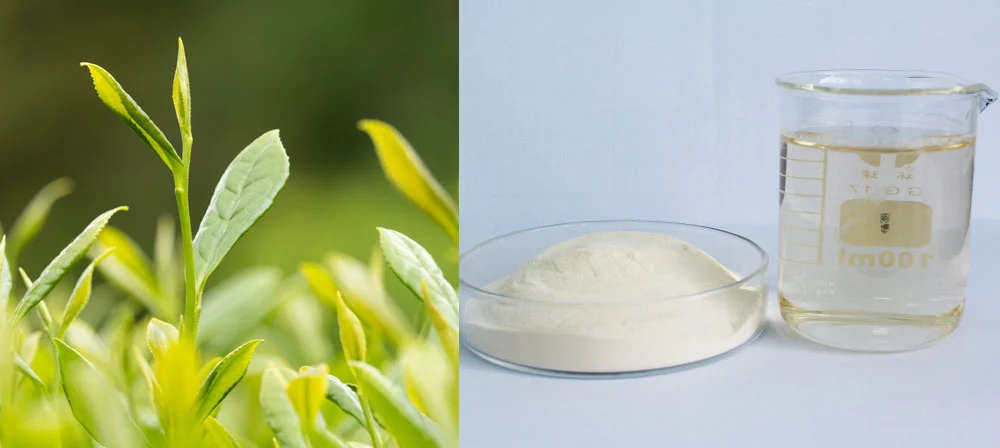
In the development of clean label products across many industries, organic green tea powder has gained prominence. It comes from Camellia sinensis leaves that were grown without using synthetic pesticides or chemical fertilizers. It has a traceable, additive-free ingredient profile that procurement teams are asking for more and more. With confirmed amounts of EGCG, total catechins, and L-Theanine, it meets both the functional performance and label openness expectations. This plant powder meets the needs of current B2B buyers for cleanliness, compliance, and supply security. It can be used in functional drinks, nutraceuticals, and skin care products.
Understanding Organic Green Tea Powder and Its Clean Label Appeal
What Sets It Apart from Conventional Green Tea Powders?
Normal green tea powder might have different amounts of active chemicals, poisons, or tools made by humans that were used to make it. Organic green tea powder, on the other hand, is grown in accordance with regulations set by the USDA NOP and the EU 2018/848. From the farm to the finished product, this makes sure that the whole process can be followed. Polyphenols, chlorophyll, and amino acids are some of the important substances that are often broken down when plants are used for their nutrients. These nutrients stay whole during the whole-leaf grinding process.
Nutritional Composition That Supports Clean Label Claims
One helpful sign that can be tested is the amount of total catechins above 15% and the amount of L-Theanine that happens naturally. No more than 5% of the food is wet so that germs don't grow while it's being held. These rules are the same as clean label standards, which say that buyers need to see proof that the ingredients are what they say they are and that all amounts work the same. The ORAC antioxidant value stays high even when it's mixed with some tricky ingredients.
Caffeine Content and Safety Considerations
Natural caffeine levels in organic green tea powder range from 2% to 4%. By removing the tea with supercritical CO₂, you can get forms that don't have any caffeine. This is how the organic name stays true. This freedom is helpful for people who are making goods for people who are sensitive to caffeine, like health supplements for kids or supplements for people in the evening. Safety data sheets and test results from a third party should be asked for during the seller approval process to make sure the product is residue-free and follows all market laws.
Comparing Organic Green Tea Powder with Other Tea Powders for Clean Label Products
Organic vs. Regular Green Tea Powder
Other green tea powder might be cheaper per unit, but it's hard to keep track of organic green tea powder, and it could contain pesticides, that make it hard for brands to follow EU and US rules. A traceable chain of custody is added by organic green tea powder approval. People who work for businesses that want to sell clean labels often spend more on powder that hasn't been approved than the short-term savings they get. This is especially true when there are export papers or store checks to do.
Organic Green Tea Powder vs. Matcha
Matcha is grown in the shade and is ground by hand. It has a high-end image that fits well with some items that people buy. To make things, organic green tea powder is better because it has a standard catechin level, particles that are all the same size (200–1000 mesh), and it's cheap to buy in bulk. Matcha can't be used in supplements that don't taste like anything because of how it tastes. Finely ground organic powder, on the other hand, can be mixed in or put inside pills without standing out.
Sourcing Transparency and Supplier Qualification
When buying, teams should compare suppliers; they should look for ones that are certified as organic as well as those with ISO 9001, FSSC 22000, GMP, and HACCP. Working with well-known labs like SGS, Eurofins, or NSF to do third-party testing on your products adds another level of safety. If you work with suppliers who have set up organic growing bases and keep written records of how each batch was made, you can lower the supply chain risk that often kills the launch of clean label goods.
How to Choose the Best Organic Green Tea Powder for Your Products?
Certification and Quality Verification Criteria
Organic certification papers should be the first thing that you look at when evaluating a seller. For the US market, these should be USDA NOP papers, and for Europe, they should be EU 2018/848 papers. In addition to certification, buyers should ask for HPLC test reports that confirm the levels of EGCG and total catechin, as well as UV tests that confirm the levels of total polyphenol. Data on batch-to-batch uniformity is more important than a single certificate of analysis. This is especially true for companies that make food supplements and have to follow FDA cGMP rules.
During the buying process, you should check these main technical parameters:
- Particle size: 200–1000 mesh; smaller grades (800 mesh or more) give drinks a nearly melted feel
- Bulk density: 0.40–0.60 g/ml, important for filling capsules and making sure the blend is uniform
- Solubility: It can be mixed with cold and hot water as well as watery ethanol
- Caffeine: Standard caffeine (2–4%) or decaffeinated caffeine (<0.5%) through CO2 extraction
These factors affect recipe choices in many areas, from ready-to-drink drinks to skin care products that you put on your face. By checking each detail before placing an order, you can avoid having to pay a lot of money to redo the formula after delivery. Organic green tea powder selection depends on these precise technical benchmarks.
Matching Product Form to Application Need
Which application is right depends on the powder's mesh size and how well it dissolves. A supplement brand that makes pills needs to have a high bulk density and a low hygroscopicity. A company that makes drinks needs fine mesh and quick dispersibility. Skincare formulators need ingredients that are free of microbes and work with emulsion systems. Talking to the supplier's R&D team about your application scenario before placing a bulk order saves a lot of time that would have been spent on iterations.
Packaging, Storage, and Lead Time Expectations
To maintain a 24-month shelf life, organic green tea powder should be stored below 20°C in nitrogen-flushed, light-proof aluminum foil bags. For buyers in the US, sellers who offer DDP door-to-door transport (which combines sea, land, and air freight) make customs and logistics easier. For stocked items, standard wait times of 3–7 working days support agile product development processes.
Practical Uses and Formulations of Organic Green Tea Powder in Clean Label Products
Functional Food and Beverage Applications
When making ready-to-drink (RTD) drinks, organic green tea powder with an 800 mesh or higher blends in without any visible sedimentation. This gives the customer a smooth experience and supports antioxidant claims. As an extra ingredient in protein blends, it's used to add polyphenols while keeping the list of ingredients clean. Its natural green color comes from chlorophyll that has been retained. It also works as a plant colorant to support clean label visual identity without using synthetic dyes.
Nutraceutical and Dietary Supplement Formulations
Dietary supplement brands base their metabolic support claims on organic green tea powder EGCG content. This is because green tea catechins are known to help control oxidative stress, which is backed by research that has been published. The powder's low moisture content and stable particle behavior are good for capsule and pill forms. The global green tea extract market was worth more than USD 1.4 billion in 2023, according to a report by Grand View Research. Clean label demand was driving the growth of organic versions, which made up a bigger part of the market.
Cosmeceutical and Topical Skincare Use
When used in skin care products, organic green tea powder always works well in high-moisture emulsion settings. It can be used in sensitive and "green beauty" products because its polyphenols reduce inflammation and protect against UV rays. Organic status makes it compatible with high-end certification programs like COSMOS and Ecocert, which need botanical ingredients that can be tracked and aren't genetically modified. Its thermal stability at processing temperatures up to 80°C helps people who are making serums, masks, or moisturizers.
Future Trends and Market Outlook for Organic Green Tea Powder in B2B Procurement
Rising Demand from Health-Conscious Consumers
Consumers' desire for clear information about where ingredients come from is not a passing fad. Nielsen research has shown over and over that more than 60% of US customers like products with ingredient lists that are short and easy to understand. Because of this choice, brands are under direct pressure to buy approved organic botanicals. Organic green tea powder fits right in with this change because it has a useful story and a clean origin that can be checked.
New Applications and Production Technology
New developments in microencapsulation and water dispersibility technology are making it possible for this ingredient to be used in more situations than before, where liquid extracts were needed. Higher-purity catechin fractions can also be made from organic whole-leaf powder using techniques for purifying polysaccharides. These changes give people who make products new ways to make sure the right amount of medicine is given and that it is bioavailable without sacrificing clean label requirements.
Building Long-Term Supplier Partnerships
For a sustainable procurement strategy to work, suppliers must have a history of large-scale production, be able to track raw materials, and offer responsive R&D support. Suppliers who have their own organic growing bases are better able to handle yearly changes in chlorophyll and catechin levels than those who only buy raw materials on the spot market. Setting up a relationship with a qualified supplier early on in the development cycle of a product lowers the risk of having to change the formula and speeds up entry into the market.
Conclusion
Organic green tea powder has gone from being a rare botanical to a widely used clean label ingredient because it meets two needs at the same time: it works well and has measured active compounds, and it comes from organic sources that can be tracked and meet regulatory and customer standards. It is a low-risk, high-value ingredient that has been used in a lot of different ways. It is bought by businesses in the nutraceuticals, food and beverage, cosmetics, and feed industries. The fastest way to make clean label goods that compete is to find a qualified provider with certified organic credentials, third-party validated testing, and a dependable supply system.
FAQ
What is the difference between organic and regular green tea powder for clean label products?
Regular green tea powder doesn't have the approved supply chain paperwork that clean label programs need. Organic green tea powder has records of crops that were grown without using pesticides, the source of the raw materials can be tracked, and it meets the standards set by the USDA NOP and the EU 2018/848. All of these things support clean label claims in both retail and export markets.
How do I verify that a supplier's organic certification is legitimate?
Ask for the original certificate paper and compare the certificate number to the public record of the organization that issued the certificate. Agents and control groups approved by the EU and the USDA are examples of legitimate organic certifiers. As more proof, lab reports from SGS, Eurofins, or NSF show that the product's active compound profile and residue status match what the certification says they are.
What are the recommended storage conditions for bulk organic green tea powder?
Keep in light-proof metal foil bags that have been filled with nitrogen, below 20°C, and away from moisture. The powder will stay fresh for 24 months if it stays in these conditions. Because of its high hygroscopicity, ambient humidity can make it harder for the substance to flow and lower the number of microbes it contains. This is why it is common practice to reseal bags right away after sampling.
Can the catechin or caffeine content be customized?
Suppliers who have their own research and development departments can change the levels of caffeine, EGCG, and total catechins. Decaffeinated forms made with supercritical CO₂ extraction are still certified organic and have the right amount of polyphenols for functional formulas.
Source Your Organic Green Tea Powder with Naturalin Biotech
Naturalin Biotech sells organic green tea powder that is GMP-certified and HPLC-verified to companies in the food, cosmetics, feed, and nutrition industries. We are a well-known company that makes organic green tea powder. We have over 40 patents and third-party validation from SGS and Eurofins. For the US market, we offer quick samples, help with formulation, and DDP delivery. To get details or a sample right away, email our team at market@naturalinbio.com or go to naturalinbio.com.
Please note: All products and related services on this website are offered exclusively to corporate clients. We do not accept orders from individual buyers or retail orders.
References
1. Grand View Research. Green Tea Extract Market Size, Share & Trends Analysis Report. 2023.
2. Chacko, S. M., et al. "Beneficial effects of green tea: A literature review." Chinese Medicine, 2010.
3. United States Department of Agriculture. National Organic Program: Regulations and Guidelines. 2023.
4. European Commission. Regulation (EU) 2018/848 on Organic Production and Labelling of Organic Products. 2018.
5. Khan, N., & Mukhtar, H. "Tea polyphenols for health promotion." Life Sciences, 2007.
6. Mintel Group. Clean Label Trends in the US Food and Beverage Market. 2022.