Can Phellinus Linteus Mushroom Extract Fit Functional Food Ingredient Development?
Yes — Phellinus Linteus Mushroom Extract is a strong fit for functional food ingredient development. Derived from the fruiting body of Phellinus linteus, a medicinal polypore mushroom with centuries of documented use in East Asian wellness traditions, this extract contains bioactive polysaccharides, beta-glucans, and hispidin-type styrylpyrones that support immune function and antioxidant activity. For B2B manufacturers in the nutraceutical, functional beverage, and dietary supplement sectors, it meets the core demand for natural, standardized, and science-backed ingredients. Let me walk you through why this extract deserves serious consideration in your next formulation cycle.
Understanding Phellinus Linteus Mushroom Extract
Botanical Background and Traditional Use
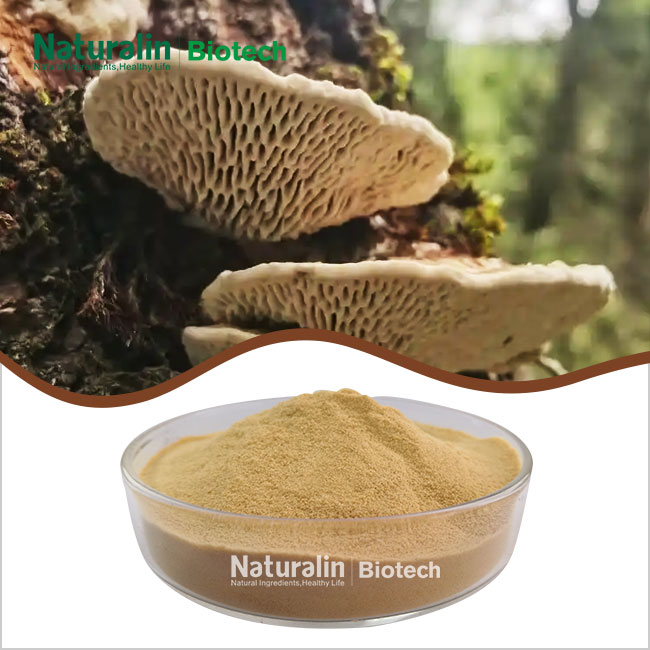
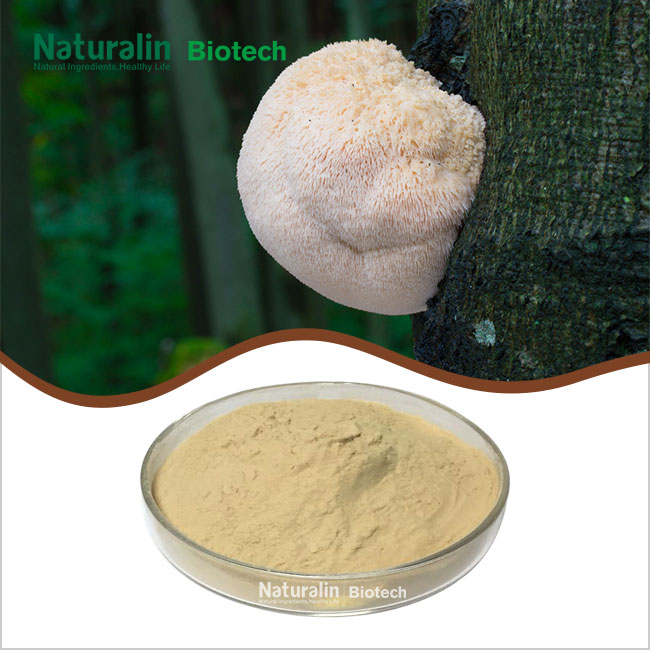
Phellinus linteus, which is known as Sanghwang in Korea and Meshimakobu in Japan, has been used for over a thousand years in traditional medicine to help the liver, keep the immune system in check, and boost overall health. Its woody growing body is different from softer mushrooms because it has a lot of beneficial compounds that need to be extracted in a specific way before they can be used by the body. These compounds include polysaccharides, triterpenes, and unique styrylpyrones like hispidin and davallialactone.
Bioactive Compounds and Extraction Methods
The raw fruiting body has a cell wall made of chitin that our bodies can't break down. Using both hot water and ethanol together in an extraction process is needed to get rid of both water-soluble polysaccharides and fat-soluble triterpenes. This method creates a consistent extract that keeps the whole range of bioactive compounds, as shown by UV-VIS tests done at polysaccharide levels ranging from 10% to 40%.
Available Product Forms
The extract is made in different forms to meet different manufacturing needs. It comes in powder (80-mesh or 60-mesh), pellets, and liquid. The powder form is very easy to work with and doesn't change taste or texture when heated up to 80°C. This means it can be used in healthy drinks, capsules, and food structures without any problems.
Functional Food Industry Needs and Challenges
What Manufacturers Are Looking For
In 2023, the U.S. functional food market was worth more than $100 billion, and it's still growing as people look for ingredients that have been shown to be good for their health. More and more, companies that buy botanical extracts want ingredients that aren't GMO, don't have any additives, and can be tracked. Compounds from mushrooms, like beta-glucans, have become very popular because of their known ability to change the immune system.
Formulation Stability and Bioavailability Gaps
When mushroom products like Phellinus Linteus Mushroom Extract are used in complex food systems, they don't always work as well as they should. Heat, changes in pH, and being exposed to water can all break down polysaccharides. This is why production teams that need to manage formulation risk should only work with providers who have confirmed stability data that shows performance across a pH range of 3.0 to 7.0 and during pasteurization.
Regulatory and Clean-Label Pressure
Both the FDA and the EU have rules that say functional ingredients must meet certain safety and labeling requirements. The buying teams need proof of the Certificate of Analysis (CoA), test results from a third party, and clear records of how the goods were sourced. Ingredients that are approved by FSSC 22000, ISO 9001, and HACCP lower the risk of not meeting regulations and speed up the time it takes to start a product.
Evaluating Phellinus Linteus Extract for Functional Food Applications
Immunomodulatory and Antioxidant Properties
According to a published study, the (1→3),(1→6)-beta-D-glucans in Phellinus linteus stimulate macrophages and natural killer cells, which helps the immune system in a measured way. The hispidin content gives it antioxidant activity that is better than that of Reishi and Chaga. Some studies even say it has more free radical scavenging power per gram of extract.
Comparison with Other Mushroom Extracts
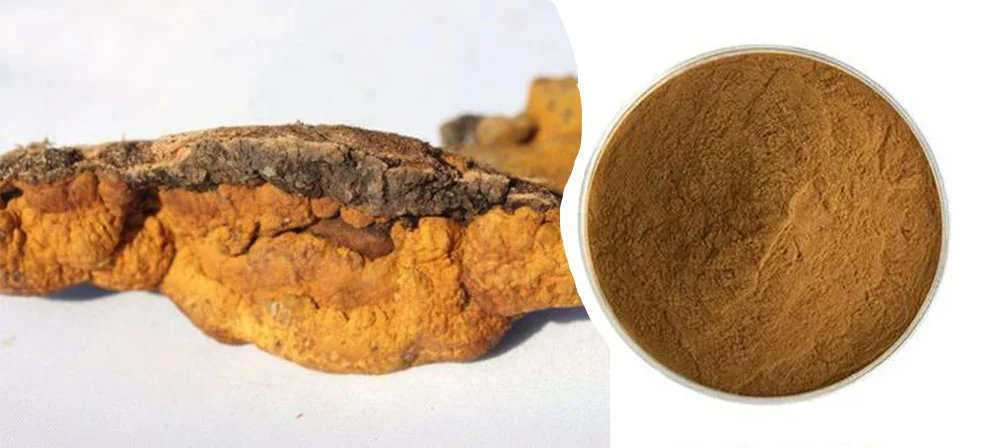
Reishi (Ganoderma lucidum) is known for its ability to help the body adapt, and Chaga (Inonotus obliquus) is valued for the betulinic acid it contains. Because it has hispidin-type phenolics, which aren't found in many other useful mushroom species, Phellinus linteus stands out. This chemical's uniqueness helps brands make claims about their products that set them apart in the supplement and drink categories, which are very competitive.
Safety Profile and Dosage Guidance
According to recent research, taking 500 mg to 1,500 mg of polysaccharides every day is a typical supplement dose. Standards call for heavy metal compliance (Lead <2 ppm, Arsenic <1 ppm) and overall plate counts of less than 1,000 CFU/g. At the suggested dose levels, published studies on humans have not found any major side effects.
Sourcing and Procurement Considerations for B2B Buyers
Supplier Evaluation Criteria
Three things stand out when looking for a source of Phellinus Linteus Mushroom Extract: uniformity in standardization, certification coverage, and analytical openness. Suppliers should provide CoA papers that have been checked by HPLC or UV-VIS for each batch, along with Megazyme method results to tell the difference between real fungal beta-glucans and starch-based fillers, which is a common problem with grain-grown mycelium products that have been tampered with.
Before you place a commercial order, you should check these procurement specifications:
- Polysaccharide standardization: Confirmed at 10%–40% via UV-VIS testing per batch
- Certifications: EU/USDA Organic (NOP), HALAL, Kosher, ISO 9001, FSSC 22000, GMP
- Heavy metal and pesticide testing: ICP-MS and GC-MS/MS screening to EU and USDA organic export standards
- Product form flexibility: Powder (80-mesh or 60-mesh), granules, or liquid based on application need
All of these factors work together to lower the differences between batches and keep your production plan safe from supply problems.
MOQ and Delivery Logistics
Orders for commercial use begin at 25 kg, and samples and small trial amounts can be used for research and development. From full stock, the lead time is 3–7 business days. You can ship with DHL, FedEx, air freight, or ocean freight. If you live in the U.S., you can get full DDP door-to-door service.
Price and Long-Term Supply Stability
Controlled cultivation conditions lower supply risk related to seasons and locations, which is a problem with plants that are collected in the wild. If you buy from a supplier with organic farming operations that are vertically integrated and extraction technology that is backed by a patent (like mushroom extraction patent ZL202210227047.6), the quality will be more consistent over a longer period of time.
Case Studies and Practical Applications in Functional Food Development
Functional Beverages and Mushroom Coffee
A number of major coffee brands around the world have added Phellinus linteus powder to mushroom coffee mixes to take advantage of its mild and neutral taste. The extract mixes easily in hot water and doesn't leave behind any residue or off-notes. This is a direct formulation benefit over mushroom alternatives that are more bitter. It can handle normal boiling and scalding processes because it can handle heat up to 80°C.
Dietary Supplements and Capsule Formats
The extract's 80-mesh fineness makes sure that it mixes evenly with other ingredients and lowers processing friction when used in capsules and tablets. Standardized polysaccharide content lets formulators figure out exact active doses per serving, which is needed for supplement labels to be FDA-compliant and for clinical dose stability.
Innovation Potential: Synergistic Blends and Cosmetic Applications
New research suggests that Phellinus linteus can work better when combined with vitamin C (to help the body absorb polysaccharides) and other adaptogens like Ashwagandha. In the cosmetics industry, its polyphenolic chemicals could be used as natural pain relievers in serum and liquid forms. This would give brands that want to promote beauty from within a second way to use the ingredient.
Conclusion
Phellinus Linteus Mushroom Extract has all the qualities that functional food makers need: it has been shown to be bioactive, it meets standard requirements, it has clean label credentials, and it can be used in a variety of ways. Its unique hispidin chemistry makes it different from Reishi and Chaga in terms of how well it works and how it can be used to make other products. For sourcing teams and R&D experts looking at mushroom-derived ingredients, it's a scientifically sound and commercially useful way to add to immune-support and antioxidant product lines.
FAQ
What polysaccharide level is recommended for immune-support formulations?
Industry practice suggests a minimum of 20% beta-glucans within a total polysaccharide count of 30% for meaningful immune-modulatory activity. Naturalin Biotech offers standardized options from 10% to 40%, verified by UV-VIS testing.
How does this extract differ from Reishi or Chaga?
Phellinus linteus contains hispidin and davallialactone — styrylpyrone phenolics not typically found in Reishi or Chaga. This unique chemistry supports differentiated antioxidant claims and positions it well for premium product branding.
Can I request a sample before placing a bulk order?
Yes. Sample quantities and small-kgs trial orders are available. Commercial orders carry a 25 kg MOQ. Responses to inquiries are provided within 24 hours.
Is the extract suitable for organic-certified product lines?
Yes. The extract holds EU/USDA NOP Organic certification, along with HALAL, Kosher, ISO 9001, FSSC 22000, and GMP compliance.
What testing confirms the extract is free from grain-grown mycelium contamination?
Ergosterol testing and iodine-starch testing are used to detect grain substrate adulteration. A full CoA is provided with every batch.
Partner with Naturalin Biotech for Your Next Formulation
Every order from Naturalin Biotech is backed by their more than 20 years of experience extracting plants and making mushrooms using patent-protected technology. As a reliable provider of Phellinus Linteus Mushroom Extract, we offer full organic certification, standard polysaccharide concentrations, and formulation support just for U.S. buyers. To get samples, bulk pricing, or help with making your own formula, go to naturalinbio.com or email our team at market@naturalinbio.com.
Please note: All products and related services on this website are offered exclusively to corporate clients. We do not accept orders from individual buyers or retail orders.
References
1. Zjawiony, J. K. (2004). Biologically active compounds from Aphyllophorales (Polypore) fungi. Journal of Natural Products, 67(2), 300–310.
2. Kim, G. Y., et al. (2006). Immunomodulatory activity of Phellinus linteus extract. Food and Chemical Toxicology, 44(9), 1337–1343.
3. Zhu, T., et al. (2015). Polysaccharides from medicinal mushrooms: Structure and biological activity. Critical Reviews in Food Science and Nutrition, 55(11), 1561–1591.
4. Wasser, S. P. (2011). Current findings, future trends, and unsolved problems in studies of medicinal mushrooms. Applied Microbiology and Biotechnology, 89(5), 1323–1332.
5. Ferreira, I. C. F. R., et al. (2015). Anti-inflammatory effects of bioactive compounds derived from medicinal mushrooms. Food & Function, 6(9), 2796–2805.
6. Grand View Research. (2023). Functional Food Market Size, Share & Trends Analysis Report. Grand View Research.