Organic Cranberry Extract Powder: A Natural Preservative and Flavor Enhancer for Food Manufacturers
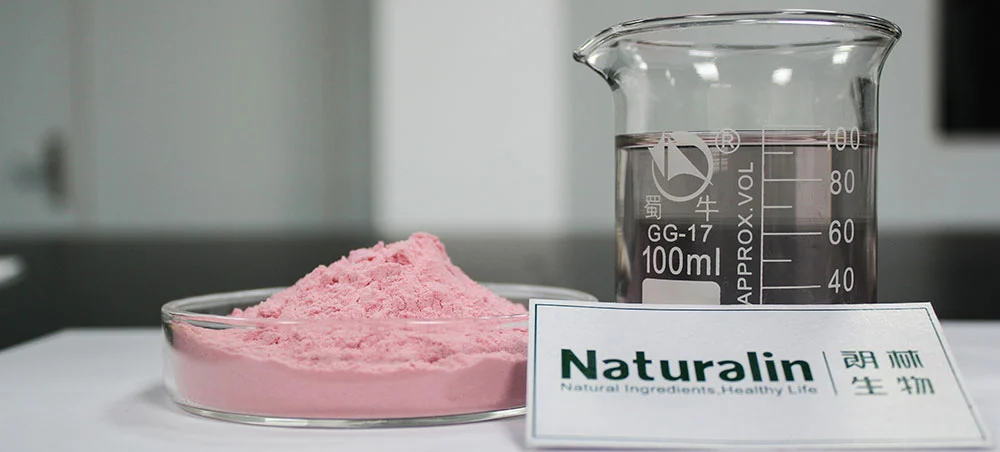
An ingredient found in plants, Organic Cranberry Extract Powder can be used by food companies to make their goods taste better and last longer. This concentrated powder is made from carefully extracting certified organic Vaccinium macrocarpon. It has between 10% and 60% proanthocyanidins (PACs), which are good chemicals that have been shown to kill germs and keep cells from getting damaged. Regulators keep a close eye on synthetic stabilisers, but FSSC22000, HACCP, and ISO9001 standards for organic cranberry extract mean that it meets regulatory compliance standards and clean label requirements. It's a good choice for people who want to make natural products because of this.
Understanding Organic Cranberry Extract Powder and Its Benefits
To properly store food, you need to know where the plants came from and how well they were handled. Vaccinium macrocarpon is the fruit that is used to make cranberry powder. This fruit grows in North America and is grown according to strict organic farming rules that don't allow synthetic fertilisers and pesticides. It is possible to follow crops from the ground up to the finished product with this method. This is important for modern food companies that value openness in the supply chain.
Bioactive Profile and Preservation Mechanism
Organic Cranberry Extract Powder made from organic berries has Type-A proanthocyanidins in it. Cranberries are different from other berries because they have these special chemicals. Two tests, UV spectroscopy and BL-DMAC assays, can confirm that the amount of PACs is between 10% and 60%. Type-A links can be found better with the DMAC method. These chemicals make surfaces antibacterial without using chemicals. They do this by stopping germs from sticking to them. Also, quinic acid and polyphenols help keep things from oxidising. This keeps fats and oils in recipes from going bad. Cranberry extract is a useful ingredient that can help keep food fresh in two ways: it kills microbes and keeps cells from getting damaged.
Nutritional and Market Appeal
Organic cranberry powder not only keeps food fresh, but it also makes it better for you. Customers who care about their health are interested in functional foods that are known to be good for their urinary tract. People who want to know what's in their food will like the clean-label profile, and the organic certification can help the product stand out as a high-end choice. It gives a business an edge over its rivals when it comes to natural health ingredients, which are what people buy. Because it comes from plants and has been used for a long time, it can tell real stories that man-made preserves can't.
Organic Versus Conventional Extraction
The whole supply chain has to follow USDA NOP or EU Organic rules in order to get organic approval. This means that manmade solvents like hexane should not be used during extraction, that processing tools should only be used for organic materials, and that non-organic materials should not be mixed in. This makes the chemical profile better and gets rid of any pesticide leftovers. This is very important when selling to markets in the US and Europe that have strict limits on residues. Having SGS, Eurofins, or NSF labs do a third-party check gives you extra peace of mind and meets QA/RA standards for compliance and paperwork.
Why Food Manufacturers Choose Organic Cranberry Extract Powder as a Natural Preservative and Flavor Enhancer?
Changes in customer and government standards led to the switch from man-made to natural ways of preserving things. More and more bad things are being said about traditional stabilisers like potassium sorbate and sodium benzoate when it comes to their long-term effects on health. Companies have to find ways to work that don't make people think they are less safe because of this.
Antimicrobial Efficacy Validated by Research
Certain types of bacteria, like E. coli, can be killed by cranberry PACs and other common bugs that make food go bad, and Organic Cranberry Extract Powder offers a natural, label-friendly way to reduce microbial adhesion in a variety of food and beverage applications without relying on synthetic preservatives. There are Listeria, Salmonella, and E. coli. The mechanism that stops adhesion keeps bacteria from sticking to food surfaces. It can be used with other barrier technologies, such as those that control pH and water activity. As long as the pH level is between 2.5 and 4.5, it works well. This makes it great for drinks like juices, healthy drinks, and fermented foods that need to keep their taste and shelf life. Lipids are good antioxidants that keep baked goods safe and fresh for longer without making them taste bad, as fake antioxidants do.
Flavor Enhancement Beyond Preservation
There are sweet and sour notes in organic cranberry extract that go well with base ingredients without being too strong. It adds colour and flavour to salads and sauces, so they don't need as many fake acidulants. A lot of people who make drinks like how the anthocyanins give them a deep red colour that doesn't need any artificial colourings, but still looks good. It is important to find the right balance between how well an ingredient affects the feelings and how well it keeps food fresh. This will help you make clean-label goods.
Regulatory Compliance and Clean-Label Positioning
GRAS stands for "Generally Recognised as Safe." This means that the FDA and the EU agree that Organic Cranberry Extract Powder can be sold as natural. With this legal position, it's easier to get recipe approvals and less likely that you'll make changes that use preservatives that aren't allowed or are limited. The label on the package lists "organic cranberry extract" as an ingredient instead of chemical names, which is more consumer-friendly. This backs up the brand's claims that it will be open and honest. For businesses that want to reach high-end or health-conscious customers, this strategy is important to protect their brand and gain their trust.
Application Methods and Dosage Recommendations for Food Manufacturing
To add cranberry extract properly, you need to know about the different forms, how much to use, and processing problems that need to be thought through. They need to make sure that the shape of an item works with the tools they use and the product's needs.
Format Selection for Different Applications
Organic Cranberry Extract Powder comes in powder, granule, and liquid forms. The way you should handle each type is different. Powders with a mesh size of 80 to 100 work well for dry mixing when making vitamins, spice mixes, and baking ingredients. Auto-dosing devices can better control dust when granules are used to make the material move around. However, liquid extracts must be kept in the fridge and cannot be used for as long. They can be mixed with drinks right away. Some types dissolve better in oil than water, which makes it easier to mix ingredients in cold processes. Other types dissolve better in water than oil, which makes them better for emulsion systems in salads and sauces.
Recommended Dosage Ranges
It depends on the job what focus works best. There is a small amount of cranberry juice added to drinks (0.1% to 0.5% by weight) that makes them last longer without changing the taste too much. Antioxidants are more important than antimicrobials, so a range of 0.2% to 0.8% is good for baked goods. Spreads and sauces use between 0.3% and 1%, based on the base's pH and how long they need to last. Manufacturers should do pilot tests to find the best amount because some ingredients, like vitamins and proteins, can change how the product works. The real bioactive dose is based on the amount of BL-DMAC-verified PACs. Fruit juice powders can vary in how strong they are, but standardised products are more consistent.
Processing Integration and Stability Considerations
How well something works changes a lot when you add something, and for Organic Cranberry Extract Powder, this means considering the point of addition in the manufacturing process to protect its heat-sensitive anthocyanins and proanthocyanidins from degradation during high-temperature stages. When put late in the process, anthocyanins and other ingredients that don't do well with heat do better. By adding the extract after the food has been cooked or while it is still cool, the colour and antioxidant activity are kept. When making sweets, the gelatin won't break down at high temperatures if the extract is added after the gelatin has been cooked. People who make things with high heat might want to look into microencapsulated forms that keep bioactives safe until the product is used. So that it doesn't dry out, cranberry powder needs to be stored in a way that lets it soak up water. For direct compression tablet uses, you might also need flow agents like silicon dioxide. When stored, ingredients stay strong for as long as they're on the shelf, as long as the temperature stays below 25°C.
Comparing Organic Cranberry Extract Powder with Other Preservation and Flavor Solutions
When choosing an item strategically, you should look at all of your choices and rate them on how well they work, how much they cost, and how well they follow the rules. Comparative placement helps people who buy things make smart decisions that are in line with the product plan.
Natural Versus Synthetic Preservative Systems
Organic cranberry extract is better than sodium benzoate and potassium sorbate when it comes to keeping labels clean and getting people to buy it. Synthetic choices, on the other hand, tend to have more stable antibacterial profiles at lower use levels. Plant extracts seem to cost more per kilogram, but because they can be used as both a taste booster and a preservative, they can lower the cost of the ingredients as a whole compared to other ways of adding flavour and keeping food fresh. Natural ingredients are more likely to be used in markets that don't allow artificial preservatives or where a bad reputation hurts the value of the brand. For businesses that cater to wealthy clients, the price difference is worth it as it helps them stand out in the market.
Cranberry Extract Versus Juice Powder and Other Berry Extracts
It is better to use concentrated liquids instead of juice powders because they have the same amount of PACs but less sugar. Every batch of a 25% PACs extract has the same bioactive amount, but juice powders are very different because they depend on how ripe the fruit was and how it was handled. When figuring out prices, it is better to look at them per unit of active chemical rather than per kilogram of waste. Some berry products, like blueberry or grape seed, have Type-B PACs instead of Type-A cranberry molecules, which make them better at not sticking to things. This molecular difference is important to know when picking items based on how long they keep food fresh.
Supplier Evaluation Criteria for B2B Procurement
You should look at more than just price quotes to find a provider you can trust, and for Organic Cranberry Extract Powder, this means verifying that the supplier provides third-party lab reports for PAC content (ideally using the BL-DMAC method), organic certification, and microbiological purity for each batch. You should check if the organic certification is real (USDA NOP, EU Organic), if the testing methods are clear (ask for BL-DMAC instead of general UV), if there is proof that the product is consistent from batch to batch, and if they can offer expert support. When you're making unique goods, it's smart to work with suppliers who let you change things like PACs content, particle size, or solubility qualities. It's important to have enough factories and reliable supplies, especially for making a lot of things at once, because not having enough ingredients can slow down or stop production. Reports from reputable labs like SGS, Eurofins, and NSF back up claims of quality and assist with regulatory applications.
Procurement Guide: How to Buy Organic Cranberry Extract Powder for Food Manufacturing?
To buy things well, you need to find a balance between quality control, cost management, and supply security. It's easier to decide what to buy when you know how the market works and what providers can do.
Identifying Qualified Suppliers
When organic farming is used by direct makers, they don't have to pay markups to middlemen, so they can give better traceability and lower prices. Naturalin Biotech is a good example of this model because it grows crops in a clean way, has extraction facilities that follow GMP standards, and has full supply chain ISO9001/FSSC22000 approval. Wholesalers can give you access to a lot of brands, but they might not be able to give you the technical help and customisation you need to make your own. Check the manufacturers' reports on inspections of their factories, ask for batch analysis certificates, and see how quickly they answer technical questions to see how knowledgeable they are.
Certification Verification and Compliance Documentation
Every year, certified organic groups have to check their certification. If you want to sell the food in Europe, ask for up-to-date certificates like EU Organic and USDA NOP. If you want to sell it in the US, ask for any import permits you need. Approvals from HACCP and GMP make it clear that a food safety system is in place. This makes it easier for auditors to check out the facilities for customers. Brands that cater to kosher and halal customers can reach more customers with the help of these licenses. Standard for microbial growth, heavy metal tests (like for lead, arsenic, cadmium, and mercury), and pesticide residue screening should all meet or go beyond what the target market wants. Getting government approvals goes faster, and there is less risk in the procurement process when sellers offer full documentation packages.
Logistics Considerations for International Sourcing
The lowest amount that can be ordered for business purposes is generally around 25 kg. You can get sample amounts and small trial runs to help you come up with new products. To get the most out of your product investment and shipping costs, you should know your shipping options. For example, air freight is good for quick small orders, while ocean freight is better for cheap large volumes. If you buy something in Asia and ship it to a delivery center in the US, DDP services make customs clearance easy. Lead times from ready-stock providers like Naturalin are usually between 3 and 7 business days for normal orders. This means that products can be released more quickly than when they are made to order. It is safer to buy things when you have clear quality standards, price rules, and delivery times with your suppliers. This also helps you plan your production.
Conclusion
If food companies want to come up with new, clean-label ideas without losing how well the food stays fresh or how good it tastes, Organic Cranberry Extract Powder is a good item to use. This plant ingredient solves a lot of formulation problems because it kills microbes, protects against free radicals, and improves taste all in one. It is certified organic and comes with paperwork showing that it meets regulatory requirements. Works best when you work with sellers who can give you standard PAC materials, technical help, and a steady flow of supplies. As the need for natural products grows and regulations support plant alternatives more and more, cranberry extract helps companies meet the needs of the market while maintaining safety and quality standards that protect their brand's image.
FAQ
To properly store food, you need to know where the plants came from and how well they were handled. Vaccinium macrocarpon is the fruit that is used to make cranberry powder. This fruit grows in North America and is grown according to strict organic farming rules that don't allow synthetic fertilisers and pesticides. It is possible to follow crops from the ground up to the finished product with this method. This is important for modern food companies that value openness in the supply chain.
What PAC concentration works best for food preservation applications?
Depending on the use, between 10 and 25 percent PAC content is generally needed for preservation to work well. 10% to 15% PACs extracts at a 0.2% to 0.5% use level work well in drinks, while 25% PACs versions in the same amounts may work better in baked goods and sauces. Higher concentrations let you use them less often, which lessens their effect on taste while keeping their antimicrobial effect. When compared to UV methods, which might overestimate activity by reacting with other phenolics, the BL-DMAC testing method accurately measures the amount of Type-A PACs. This makes sure that it works. You should do pilot tests to find the best amount of your product to use and the length of time you want it to last.
How does organic certification affect ingredient cost and supply stability?
Organic approval makes production more expensive because it requires more expensive organic materials, limits how they can be processed, and costs money every year for audits. If you compare this to regular extracts, the prices of ingredients can go up by 20 to 40 percent. For supply stability, it's important to be able to get to organic farming bases. Sources that are more stable are those who grow cranberries themselves, not those who buy materials on the spot market. A higher price makes sense for this product because it is aimed at people who buy clean-label and organic products, which cost more because their ingredients are more expensive. Deals for long-term supplies with organic-certified manufacturers keep prices fixed and make sure that supplies are shared fairly when supplies are low.
Can cranberry extract replace synthetic preservatives entirely in all applications?
Cranberry extract doesn't always work well by itself to keep food fresh. It works best when it's part of hurdle technology systems that take into account pH, water activity, temperature, and packing, among other things. If something is kept at room temperature, in low acid, or with a lot of wetness, there may be extra steps that need to be taken to keep it fresh. The extract works great in drinks, foods that are acidic (pH below 4.5), and other cases where stopping oxidation is just as important as stopping germs. What you need to know about replacing a produced stabiliser depends on what it is, how it was made, and how long you want it to last. When you work with companies that help people come up with new recipes, you can find the best ways to keep things fresh for different uses.
Partner with Naturalin Biotech for Premium Organic Cranberry Extract Solutions
Naturalin Biotech has been extracting plants for more than 20 years and is a well-known company that makes Organic Cranberry Extract Powder. They help food businesses that need natural goods that are always the same and can be tracked. Tests by BL-DMAC have shown that our cranberry extract has 10–60% PACs. It also has certificates for being EU Organic, USDA NOP, ISO9001, FSSC22000, HALAL, and Kosher, which means it meets all international standards. We have more than 40 exclusive extraction patents that let us change the particle size, make the product more soluble, and help you come up with new formulas. It will take less time to make a new product after this.
Ready-stock availability enables 3–7 working day delivery with flexible order quantities supporting both product development trials (samples available) and commercial production (25 kg MOQ). Our integrated supply chain—from organic farming bases through GMP-compliant manufacturing to DDP delivery service for US markets—ensures quality consistency and supply reliability critical to your operations. Technical teams provide formulation support, stability testing guidance, and application recommendations tailored to your specific preservation and flavor enhancement requirements. Contact our procurement specialists at market@naturalinbio.com to request product specifications, testing documentation, and pricing for Organic Cranberry Extract Powder for sale to qualified food manufacturers.
References
1. Johnson, M. & Williams, R. (2021). Natural Antimicrobials in Food Preservation: Mechanisms and Applications. Food Science Publications, Boston.
2. Anderson, K.L., et al. (2020). "Proanthocyanidin profiles and antimicrobial efficacy in cranberry extracts," Journal of Food Protection, 83(4), 612-621.
3. Chen, H. & Rodriguez, P. (2022). Clean Label Ingredients for Food Manufacturing: Technical and Regulatory Considerations. Institute of Food Technologists Press, Chicago.
4. Morrison, D.A. (2019). "Comparative analysis of organic versus conventional botanical extract quality parameters," International Journal of Food Science & Technology, 54(8), 2456-2467.
5. Thompson, S., et al. (2023). Functional Ingredients from Berries: Processing, Standardization and Industrial Applications. Academic Food Press, London.
6. United States Department of Agriculture. (2022). Organic Certification Standards for Food Ingredient Manufacturers. USDA Agricultural Marketing Service, Washington DC.