Future Trends in Strawberry Powder
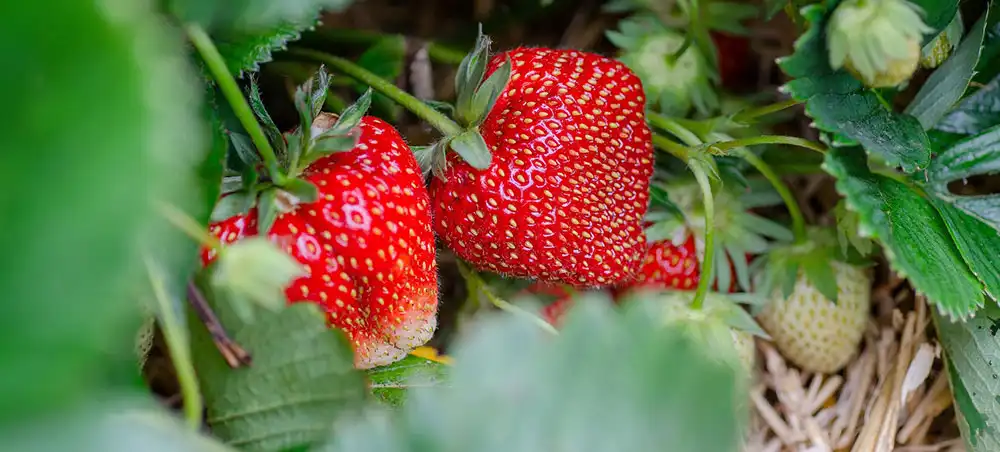
The way people buy Strawberry Powder is changing quickly because of new technologies and changing consumer needs. This functional ingredient, which comes from Fragaria ananassa Duchesne, is now a clever way to deal with the problems that fresh fruit causes in the supply chain, during preparation, and during its short shelf life. Modern processing techniques, like freeze-drying and spray-drying, keep bioactive substances safe while providing consistent quality. More and more, people who work in procurement in the nutraceuticals, functional foods, and skincare industries know that choosing the right botanical powder provider affects how well their products work, how well they follow the rules, and how well they can compete in health-conscious markets.
The Evolving Paradigm of Production Technology
Over the past ten years, there have been big changes in how fruit-based drinks are made. With older ways, it was hard to keep the moisture in; the colour would fade, and the anthocyanin would break down during preparation. Modern factories use multi-stage drying methods that keep heat-sensitive nutrients safe while lowering the wetness level to less than 5%, which keeps the food fresh for longer than 24 months.
Freeze-Drying Versus Spray-Drying: Performance Considerations
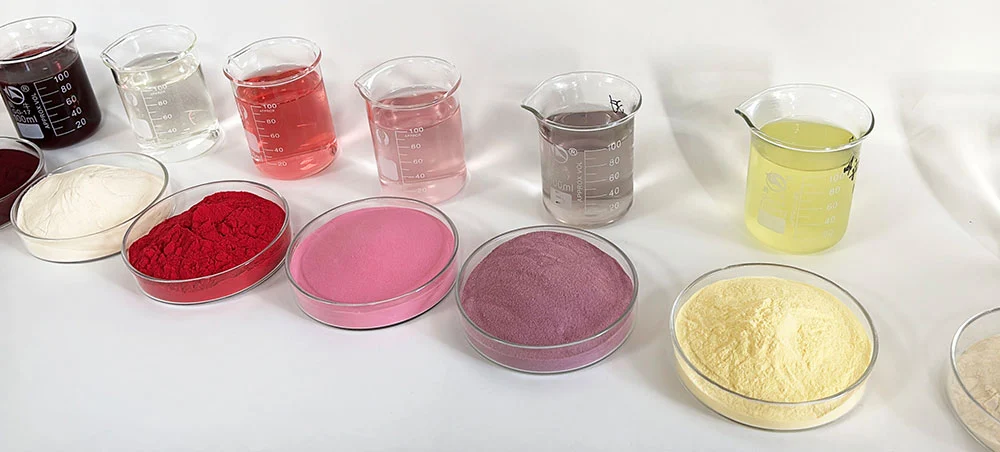
Freeze-drying keeps the integrity of the cells, which keeps volatile aromatic compounds and vitamin C concentrations that usually stay above 90%. This way of making powders gives them great rehydration qualities and true flavour profiles, which means they can be used in high-end applications. Spray-drying has many benefits, including quick processing, better flowability, and low costs for mass production. The particles that are made dissolve right away in water, making them perfect for making drinks and putting supplements in capsules. Both ways of processing offer different functional traits that procurement teams should compare to the needs of each application.
Clean-Label Manufacturing and Organic Certification
Manufacturers are using cleaner methods of production because customers want clear lists of ingredients. As we move away from synthetic colourants, anti-caking agents, and additives, we need more advanced controls for the processing. Organic certification standards, such as the USDA NOP and EU Organic frameworks, have strict rules about what can be used in farms, how to clean facilities, and how to help with processing. These certificates are more than just marketing tools; they give risk-averse brands third-party proof of good sourcing practices and honest production.
Market Drivers Reshaping Procurement Strategies
The growth of global markets for botanical ingredients is speeding up, with annual rates of growth exceeding 8% in a number of areas, and fruit-derived powders like Strawberry Powder are benefiting from this trend as consumers and formulators seek natural color, flavor, and nutritional fortification from recognizable plant sources. This growth is due to three related factors coming together: an ageing population looking for health prevention methods, regulatory environments that favour natural ingredients over synthetic ones, and scientific research proving the effectiveness of traditional botanical uses.
Functional Foods and Nutraceutical Integration
Strawberry-based products have concentrated phytonutrient profiles that give measured functional effects. The amount of ellagic acid helps cells' protective systems, and the anthocyanins give natural colours biological action. More and more, formulators who are making supplements to boost immunity, items to improve brain health, and beauty-from-within cosmeceuticals ask for standardised plant powders. Using HPLC analysis to measure the amount of active ingredients allows for exact recipe control and backs up marketing claims that educated consumers believe.
Supply Chain Transparency and Traceability Requirements
There are now higher standards for procurement managers' due diligence. The FDA's Food Safety Modernisation Act and the EU's General Food Law both require that you can prove that a product was grown to the point where it is sold. Blockchain technologies and digital supply chain systems make it possible to see how plants are grown, when they are harvested, how they are processed, and the results of quality tests in real time. Compliance officers and quality assurance teams want suppliers who offer full documentation, such as Certificate of Analysis reports from third-party laboratories like SGS or Eurofins that have been approved by the government. This gives them the transparency they need.
Innovations Expanding Application Possibilities
Product makers are always surprised by how many ways powdered fruit ingredients can be used. In addition to the clear uses in smoothie mixes and protein shakes, new uses are being found in a wide range of areas.
Cosmetics and Personal Care Formulations
Fruit powders are used in natural beauty products because they contain polyphenols and gently exfoliate the skin. Strawberry Powder naturally contains vitamin C, which helps make collagen and whitening products. Microbes can't grow in dry masks and scrubs because properly prepared powders don't have much water activity. Fresh fruit purees can make emulsions less stable, but powdered forms work well in both oil-based and water-free systems, giving cosmetic chemists more ways to make products.
Customized Blends for Targeted Nutrition
Contract makers and OEM partners are asking for unique mixes that include a number of botanical powders with different nutrient profiles more and more. A formulary might mix Strawberry Powder with acerola to make the vitamin C stronger or with beetroot powder to make new colour and flavour combinations. Customisation includes the range of particle sizes. For example, 80-mesh powders are best for sealing, while 60-mesh grades give the best feel for direct-consumption uses. Suppliers that offer help with recipe development help new brands get their products on the market faster and at a lower cost.
Strategic Sourcing: Quality Assurance and Supplier Selection
Choosing a botanical ingredient partner is a big business decision that will have effects for a long time. Price is important, but procurement pros know that the total cost of ownership (TCO) covers more than just the price per kilogram.
Analytical Testing and Quality Consistency
Suppliers with a good reputation use multi-point quality control protocols. Thin Layer Chromatography identity testing confirms the botanical source and finds evidence of adulteration. ICP-MS testing for heavy metals makes sure that levels of lead, arsenic, cadmium, and mercury are within the limits set by Proposition 65 and meet international safety standards. Microbiological testing makes sure that there are no harmful organisms and that the total plate counts are good enough for the purpose they were made for. Spectrophotometric study of colour values and HPLC quantification of marker chemicals show that batch-to-batch consistency is one of the most important things that ensures that product performance can be repeated.
Certification Portfolio and Regulatory Alignment
Because global markets are so complicated, suppliers need to have a wide range of certifications. ISO 9001 shows that a quality management system is mature, and FSSC 22000 talks about food safety in processing facilities. With HALAL and Kosher approvals, you can reach certain groups of customers. The HACCP paperwork shows that risks are being avoided in a planned way. Companies that sell organic goods can do business across the Atlantic without having to change their recipes if they are certified under both the USDA NOP and EU Organic guidelines. Instead of depending on marketing claims, procurement teams should directly review the documentation to make sure of the current certification state.
Future Outlook and Strategic Recommendations
The market for plant ingredients is likely to continue to grow as processing technology gets better, regulations get stricter, and consumers expect businesses to use more environmentally friendly methods. Strawberry Powder stands to gain from these developments through improved spray-drying techniques that preserve color and bioactives, along with growing demand for clean-label fruit powders in bakery, confectionery, and beverage applications.
Sustainability and Circular Economy Initiatives
Environmental concerns are becoming more and more important in buying choices. Different suppliers offer different value packages by using water recycling systems, renewable energy, and farm waste for other uses. Upcycling projects that turn waste from processing into animal feed or earth amendments show that resources are being used efficiently. Brands that make science-based promises to be more environmentally friendly can use data from carbon footprint calculations and lifecycle assessments. Along with traditional quality and price metrics, these factors will shape supplier scorecards more and more.
Digital Transformation of Procurement Operations
Technology tools make it easier to find suppliers, keep track of samples, and keep an eye on quality all the time. Digital tools make it easy to quickly compare technical specs, legal paperwork, and price systems from different providers. Automated alert systems let you know about things like certificate expiration dates and problems with batch testing before they mess up production plans. Procurement analytics find trends of usage that help with negotiations and making the best use of supplies. Companies that invest in these skills have operational benefits over rivals that use manual methods.
Collaborative Innovation and Co-Development
The best links between a brand and a supplier go beyond simple transactions and turn into long-term agreements. In joint development projects, ingredient providers can use their processing knowledge, and brands can share their understanding of the market and how to use it. Including ingredient partners early on in the development of a new product speeds up formulation optimisation and stops expensive cycles of reformulation. Some suppliers let you do pilot-scale production, which lowers the risk before you commit to commercial-scale production. This way of working together makes everyone's goals match up and helps both sides create long-term value.
Conclusion
When purchasing, workers look for botanical ingredients; they find both possibilities and challenges, and Strawberry Powder serves as a prime example of a high-value fruit powder that requires careful attention to color stability, flavor retention, and microbiological safety throughout the supply chain. As we move toward more advanced processing methods, clean-label formulas, and clear supply lines, we need more complex criteria for judging suppliers. People who know the technical differences between processing methods, know how important thorough testing processes are, and choose sources with strong quality systems will have an edge in the market. As the market for natural, functional ingredients grows, the choices you make today about where to get your ingredients will affect the success of your product and the reputation of your brand for years to come. In this fast-paced market, the best providers will be the ones who offer technical excellence, quick service, and a commitment to innovation.
FAQ
What distinguishes high-quality strawberry powder from commodity grades?
The best grades have a steady amount of anthocyanin, which can be checked using HPLC, low levels of moisture (below 5%), and are thoroughly tested for chemical residues, heavy metals, and microbiological safety. Strawberry Powder that stays the same over time and real aroma profiles are signs of good handling conditions that keep volatile chemicals safe. Suppliers who give thorough Certificate of Analysis paperwork for each batch make it possible for formulations to be consistent.
How do organic certifications impact ingredient sourcing decisions?
Organic certifications limit the processing aids that can be used and require proof that the food came from certified agricultural sources. Organic products usually cost more, but they appeal to certain groups of people and allow clean-label promises. Dual approval under both USDA NOP and EU Organic standards gives brands that sell in more than one area the freedom to use the same formulas in all of those markets.
What minimum order quantities should procurement teams expect?
To make sure production runs smoothly, commercial-scale suppliers usually set minimum order quantities around 25 kg. However, many offer smaller sample quantities for testing and formulating the product for the first time. This system lets R&D teams check how well ingredients work before making bigger purchases, and it lets sellers keep production batch sizes that are cost-effective.
Partner with Naturalin Biotech for Reliable Strawberry Powder Supply
Naturalin Biotech has been making plant extracts for more than 20 years and can help procurement workers find reliable ingredient partners. Our Strawberry Powder comes from carefully choosing Fragaria ananassa Duchesne fruit and goes through strict testing procedures that include TLC identity verification and full safety screening. We keep products in stock so they can be shipped quickly, usually within 3–7 working days. You can choose from spray-dried or freeze-dried forms, and the mesh size can be 60 or 80. Our certificates, such as ISO 9001, FSSC 22000, HALAL, Kosher, and organic badges, make sure that we follow all the rules in all global markets. Our expert team can help with formulation from the idea stage all the way through to commercialisation, whether you need small amounts for formulation tests or large amounts that can be sold, starting at 25 kg. Get in touch with our team at market@naturalinbio.com to talk about your needs with a Strawberry Powder provider who is dedicated to quality, stability, and quick service.
References
1. Smith, J.A., "Advances in Fruit Powder Processing Technologies and Nutritional Preservation," Journal of Food Science and Technology, 2023.
2. Rodriguez, M.L., "Supply Chain Transparency in Botanical Ingredient Procurement," International Journal of Supply Chain Management, 2024.
3. Chen, W., "Comparative Analysis of Freeze-Drying and Spray-Drying Methods for Fruit Powder Production," Food Engineering Reviews, 2023.
4. Anderson, K.R., "Clean Label Trends and Natural Ingredient Demand in North American Markets," Food Industry Research Quarterly, 2024.
5. Thompson, P.D., "Quality Assurance Protocols for Botanical Ingredients in Nutraceutical Applications," Nutritional Science and Practice, 2023.
6. Williams, S.T., "Sustainability Practices in Plant Extract Manufacturing: Industry Benchmark Study," Green Chemistry and Processing, 2024.