Is Ginger Extract the Same as Ginger Powder?
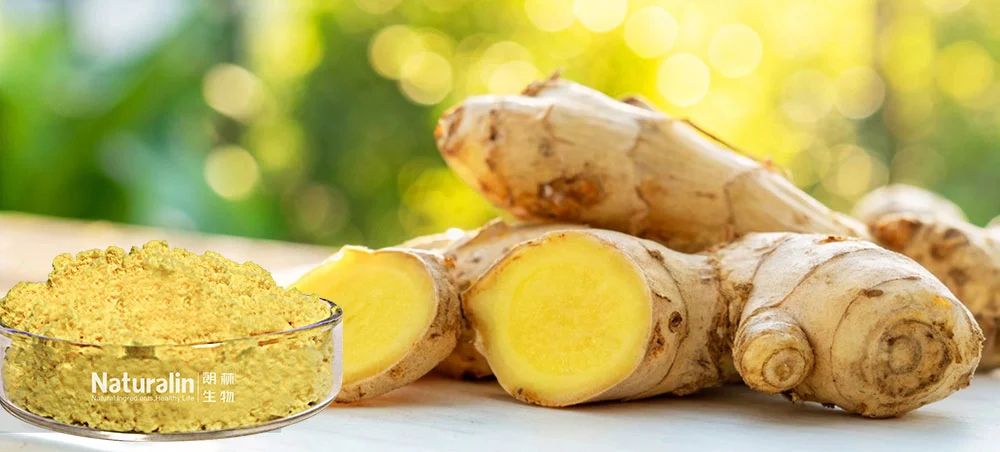
Procurement pros frequently have to answer a crucial question when looking for ginger-based products for industrial uses: Can Ginger Extract and Ginger Powder be used interchangeably? It's simple: the answer is no. Both come from the root of Zingiber officinale Roscoe, but they are very different in how they are processed, how much beneficial material they contain, and what kinds of uses they are best suited for. With normal gingerol amounts running from 0.5% to 1%, Ginger Powder reflects the dried and finely ground rhizome in its entirety. On the other hand, solvent or steam extraction is used to separate and concentrate certain bioactive chemicals in Ginger Extract, which usually results in gingerol amounts of 5% or higher. Formulators, purchasing managers, and quality assurance workers need to know these differences in order to match ingredient specs with regulatory standards, performance requirements, and product requirements.
Understanding Ginger Extract and Ginger Powder
Differentiating these two ingredients comes from how they are made and the different chemicals that are used. In order to produce Ginger Powder, fresh ginger rhizomes are washed, sliced, dried, and ground into particles that are usually between 60 and 100 mesh. This mechanical processing keeps all of the plant's parts, like fiber, starch, volatile oils, and phenolic chemicals. The material that was made has a moisture level below 10% and a wide range of naturally occurring components.
Making Ginger Extract goes in a different direction. The root is first prepared, and then it is extracted using ethanol, water, or supercritical CO2. This method specifically focuses on bioactives of interest, mostly gingerols and shogaols, while removing bulk materials like starch and fiber. After that, the extract can be spray-dried to make a powder or kept as a liquid concentrate. High-Performance Liquid Chromatography (HPLC) checks the standardization of potency levels produced by this concentration process. This allows for accurate doses in medicinal and nutraceutical products.
Chemical Profile Comparison
The biological character of these ingredients shows how they work in different ways. When heat is applied, gingerol, the main smelly chemical that gives ginger its unique bite, breaks down into shogaol. When freshly dried, ground ginger usually has 1% to 3% total gingerols. Extracts, on the other hand, can be standardized to have 5% to 20% or more. In good powders, the volatile oil content, which includes zingiberene and other terpenes, is between 1% and 3%. But, based on the method used for extraction, this oil content may be lower or not present at all in some powders. This difference in makeup has a direct effect on the strength of the taste, the effectiveness of the medicine, and the way the formulation works in a variety of industrial settings.
Key Differences Between Ginger Extract and Ginger Powder
Buying choices depend on a number of practical factors that make these types of ingredients different. Concentration is probably the most important thing that sets you apart. A formulator who needs 500 mg of gingerol per dose would only need 5–10g of a 10% standardized extract in addition to 50–100g of normal Ginger Powder. This difference in concentration affects many parts of the supply chain, including freight prices, storage space, and how well the mixture works.
The complexity of the manufacturing method also changes a lot. Specialized extraction tanks, solvent recovery systems, and spray drying tools are needed to make pharmaceutical-grade extract, which means higher startup and running costs. To make powder, you don't need very complex equipment, but you do need to carefully control the drying conditions to keep the flammable oil from escaping and to keep microbes safe. Because of these changes in production, prices are also different. For example, extracts usually cost 3–5 times more per kilogram than powders.
Shelf Stability and Storage Requirements
There are different things to think about when storing different types of ingredients. Ginger Powder that is properly handled and kept in a cool, dry place will keep its quality for 24 months. The main ways it loses its quality are by absorbing water and losing volatile oil. Extracts need to be kept away from light, heat, and oxygen, especially those that have a lot of gingerol in them. Some liquid extracts work better when kept cold, while spray-dried extract powders need to be packed in low-moisture containers with oxygen filters. We've seen that good providers offer nitrogen-flushed aluminum pouches or double-sealed cases to keep the medicine's effectiveness for the two-year shelf life that is mentioned.
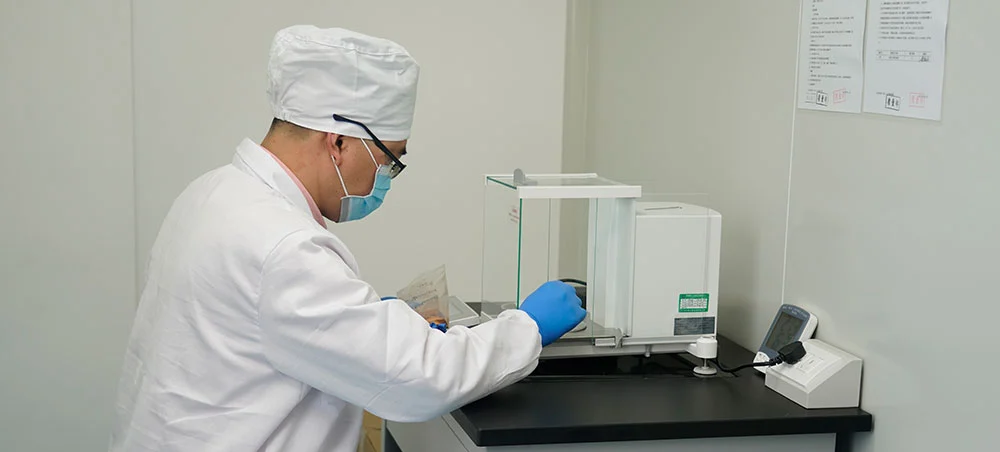
Risks that are unique to each item must be included in quality control procedures. For powders, important factors include the amount of microbes (total plate count, yeast/mold, pathogens), heavy metals (lead, arsenic, cadmium, and mercury), pesticide residues, and sulfur dioxide levels if cleaning was done. As part of the extract standards, solvent residues must also be checked, marker chemical amounts must be standardized using HPLC, and output groups must be the same. For controlled markets in the US and EU, like dietary supplements and functional foods, third-party approval by labs like SGS, Eurofins, or NSF is needed to show that the product meets the standards.
How to Choose Between Ginger Extract and Ginger Powder for Your Business Needs
To choose the right ginger ingredient, you need to do a thorough analysis that fits with the technical needs of your product and its place in the market. There are five important factors that the F-1 Criteria framework takes into account: usefulness, formulation compatibility, financial feasibility, fulfillment reliability, and formal compliance.
Finding your main goal is the first step in functional testing. Powders are often preferred by food and drink uses that want to use real ginger for taste and appearance reasons. These powders have the right color and texture. Nutraceutical and medicinal goods that are meant to help with specific health problems usually need extracts with known amounts of bioactive substances. For cosmetic formulas that need to dissolve in water and not have any particles, liquid extracts or highly processed powder forms are needed.
Supplier Evaluation Framework
It is not possible to skip formulation suitability tests. Ground ginger might not dissolve well in clear drinks, causing sedimentation or cloudiness. The amount of fiber in it changes how tablets collapse and how capsules fill. Extracts are better at dispersing, but they may add taste notes linked to the solvent or need extra ingredients to stay stable. By using samples from possible sources in pilot-scale tests, problems can be found before committing to large quantities.
It's not enough to just look at unit prices in a financial study. Even though powder seems cheaper at first, the quantity of the extract may be more cost-effective per dose. Because of the cost of shipping, lighter, more concentrated products are better for sending across foreign borders. Different tariff categories—HS code 0910.11 covers Ginger Powder, while 1302.19 covers extracts—could change the landing costs. To make comparisons that make sense, you should figure out the total delivery cost per unit of gingerol.
Fulfillment reliability includes how well a seller can make things, keep supplies, and move things around. With wait times of 3–7 days, responsive buying is possible from established sources who keep stock on hand. Regulatory alignment is ensured by checking standards like ISO9001, FSSC22000, GMP, and organic qualifications like USDA NOP and EU organic. For the US market, providers that offer DDP (Delivered Duty Paid) service by air or combined ocean freight make it easier to clear customs and get goods to customers in the US.
Advantages and Limitations of Ginger Extract and Powder
Each type of ingredient has its own pros and cons that buying teams have to weigh against the needs of each application. When it comes to food, supplements, and beauty products, Ginger Powder is unmatched in its adaptability. Its full plant profile includes fiber, trace minerals, and antioxidants that work together better than gingerols alone. It's cheap, which makes it a good choice for big uses like seasonings, baked goods, and basic health supplements. People in North America and Europe are becoming more and more interested in clean labels, which fits with the natural, lightly processed stance.
Powder also has the benefit of being easy to process. You can change the mesh size (from 40 to 120 mesh), get it certified as organic, sterilize it with steam to kill microbes, and mix it with other plants that work well together. For companies that make more than one product line, keeping powder on hand lets them be flexible with their formulations without having to commit to extracts that are special to each ingredient. The longer shelf life of two years in normal stock conditions helps with smart inventory management and buying.
Extract-Specific Benefits and Constraints
Standardized extracts provide the most accurate dose possible, which is important for clinical studies, making controlled health claims, and making sure that therapeutic goods are always of high quality. When a nutraceutical business makes a joint health product based on published clinical data at certain gingerol amounts, only HPLC-verified extracts can make sure that the label claim is correct. Concentration that uses less space means that capsules are smaller, or multi-ingredient formulations can be made in dose sizes that are useful. Because spray-dried extracts don't have a taste, they don't have the strong smell that keeps powder inclusion rates low in some consumer goods.
Limitations on extracts are caused by cost, processing needs, and worries about validity. People who care a lot about price may not be able to use it if the price goes up. Some ways of extracting things that use organic solvents are more closely watched by regulators and need tests for leftover solvents to meet pharmaceutical standards. One way that expensive extracts could be tampered with is by adding spent ginger (post-extraction material) or synthetic gingerol analogs. To avoid this, it is important to make sure that suppliers are qualified and that testing methods are followed regularly.
Synergistic construction methods use both forms more and more. It's possible for a functional drink to have extract for consistent bioactivity and small amounts of Ginger Powder for real color and taste notes. This mixed method improves the physical experience, the effectiveness of the therapy, and the cost structure. It shows that the choice between powder and extract does not have to be a simple one.
Procuring Ginger Powder and Extract: Tips for B2B Clients
A good buying process strikes a balance between quality assurance, supply dependability, and business terms by building relationships with knowledgeable suppliers. Starting with pre-qualifying suppliers, ask for a lot of paperwork, such as business licenses, building certifications (GMP, organic), product specs with test methods, and Certificates of Analysis from the most recent production batches. Certification groups' audit records are an independent way to check that manufacturing standards are met.
An important part of due diligence is evaluating samples. Ask for examples that come with certificates of analysis (COAs) that show tests for microbes, heavy metals, pesticide residues, and active markers. For Ginger Powder, a taste evaluation should confirm that it has the right amount of the characteristic scent, the right color (beige to light brown, not bleached white), and no off-flavors that would mean the product is old or used. For extracts, check how they dissolve in your application matrix and ask for chromatographic fingerprints that show the uniformity of the gingerol profile.
Negotiation and Logistics Considerations
Different types of products and target markets have different certification standards. US companies that make food supplements need sources that follow the FDA's Current Good Manufacturing Practices and can give them ingredient lists that meet USP or FCC standards, as needed. Some plant materials need to be registered with REACH before they can be sold in European markets, and new foods may also need to be evaluated for their safety. If a product is certified organic by the USDA NOP or the EU, it costs more, but it opens up new markets where organic claims make people want to buy it.
In commercial terms, the minimum order quantity should be stated. For normal goods, this is usually 25 kg, but some sellers offer smaller trial amounts to help you decide if they are right for you. For new customers, you can pay ahead of time, and for existing customers with trade references, you can pay net-30 or net-60. Some pricing models may offer bulk discounts at certain levels of purchase, which can make negotiating an annual contract appealing for people who know how much they will be using. Make sure that deals are flexible so that they can adapt to changes in formulation or yearly changes in demand.
Logistics planning involves thinking about how to move things, how long they take to get there, and how they need to be handled. Express air freight through DHL or FedEx can get small, pressing items to their destinations within days, but it costs a lot per kilogram. For medium-sized loads, consolidated air freight strikes a good mix between speed and cost. Ocean freight is the cheapest way to ship large containers, but it takes 4 to 6 weeks longer to get the goods to you. Suppliers who know how to handle operations in the US market offer DDP service, which takes care of customs brokerage, taxes, and inland transfer to your facility. This makes importing easier and gives you a better idea of how much it will cost.
Conclusion
There are significant changes in composition, potency, application fit, and supply chain traits that set Ginger Extract and Ginger Powder apart from one another. Powder is a cost-effective way to get a wide range of whole-plant benefits that are great for food uses and basic vitamins. Standardized extracts give you the exact amount, quantity, and bioactive stability you need for treatment claims and formulas that don't have a lot of room. For procurement to go well, ingredient requirements must be matched to product performance requirements, and sellers must be judged on their quality systems, compliance with certifications, and transportation capabilities. The best way to source may include both types in a planned way, taking advantage of how their skills support each other across your product line.
FAQ
Which form provides better efficacy for digestive health applications?
Both types of ginger have been studied in clinical trials for their stomach benefits. Standardized extracts at a daily dose of 1-2g, which is equal to about 1% to 2% gingerol content, have been used safely in studies to treat nausea. Whole Ginger Powder, 2-4 g every day, is used in traditional medicine and some studies. The consistency of the extract makes it possible to precisely replicate amounts that have been shown to work in clinical trials. Powder, on the other hand, adds fiber and volatile chemicals that may help digestion in different ways.
How should I store bulk quantities to maintain potency?
Ginger Powder and spray-dried extracts should be kept in climate-controlled warehouses that are kept between 15 and 25 degrees Celsius and have a relative humidity below 60%. They should be kept in sealed, opaque cases. Stopping oxidative decay, nitrogen flushing, or oxygen filters makes food last longer on the shelf. Put items on pallets instead of the floors themselves to use first-in, first-out rotation. Depending on the quantity and method used to keep the extracts fresh, liquid extracts may need to be kept cold. Do potency tests on kept bulk materials every three months, or when their repeat dates are coming up.
What size mesh works best for tablet and capsule formulations?
For straight compression pills, Ginger Powder with a mesh size of 80 to 100 is best for both flow and compression. Most of the time, 60–80 mesh works well for filling capsules. Finer particles (100 mesh or less) may not run well and make dust when handled. Extract powders that are going to be put in capsules should be checked to see if they absorb water. If they do, they may need to be mixed with flow agents or put inside vegetable cellulose cases to keep them from sticking together during automatic filling processes.
Partner with Naturalin Biotech for Premium Ginger Ingredients
Finding a trustworthy Ginger Powder provider that knows how to meet the technical and legal needs of businesses can greatly improve the speed at which you develop new products. Naturalin Biotech is an expert in standardizing plant products for the food, cosmetics, nutraceutical, and animal feed businesses all over North America. Our Ginger Powder (Zingiber officinale Roscoe) comes in different mesh sizes and can be certified as organic. It can have 0.5% to 1% gingerol, which has been checked by HPLC. We keep ready-to-ship goods that can be delivered to US facilities in 3–7 days through our established DDP shipping network. Our ISO9001, FSSC22000, HALAL, and Kosher standards help us follow the rules. Our expert team can help you come up with new formulations and can change the particle size, solubility, or blend ratios to fit your specific needs. Before committing to our 25 kg business minimum, sample amounts and pilot-scale orders help you make sure that the ingredients work well. Email our buyers at market@naturalinbio.com to talk about the ginger ingredients you need and to ask for technical details along with recent Certificates of Analysis.
References
1. Grzanna R, Lindmark L, Frondoza CG. "Ginger—an herbal medicinal product with broad anti-inflammatory actions." Journal of Medicinal Food, 2005.
2. Prasad S, Tyagi AK. "Ginger and Its Constituents: Role in Prevention and Treatment of Gastrointestinal Cancer." Gastroenterology Research and Practice, 2015.
3. Semwal RB, Semwal DK, Combrinck S, Viljoen AM. "Gingerols and shogaols: Important nutraceutical principles from ginger." Phytochemistry, 2015.
4. Jolad SD, Lantz RC, Solyom AM, Chen GJ, Bates RB, Timmermann BN. "Fresh organically grown ginger: composition and effects on LPS-induced PGE2 production." Phytochemistry, 2004.
5. Wohlmuth H, Leach DN, Smith MK, Myers SP. "Gingerol content of diploid and tetraploid clones of ginger." Journal of Agricultural and Food Chemistry, 2005.
6. Shukla Y, Singh M. "Cancer preventive properties of ginger: a brief review." Food and Chemical Toxicology, 2007.