How Does Ivy Leaf Extract Powder Fit Modern Respiratory Care Product Formulas?
Ivy Leaf Extract Powder has emerged as a strategic botanical ingredient in contemporary respiratory formulations, addressing the growing demand for natural alternatives in cough syrups, lozenges, and bronchial health supplements. Extracted from Hedera helix, this powder delivers standardized concentrations of saponins—bioactive compounds known for their bronchodilatory and mucolytic properties. For product developers and procurement managers navigating the nutraceutical and pharmaceutical sectors, understanding how this botanical fits into formulation frameworks is essential for creating compliant, effective, and market-competitive respiratory care products.
Understanding Ivy Leaf Extract Powder and Its Role in Respiratory Health
Botanical Origins and Extraction Methods
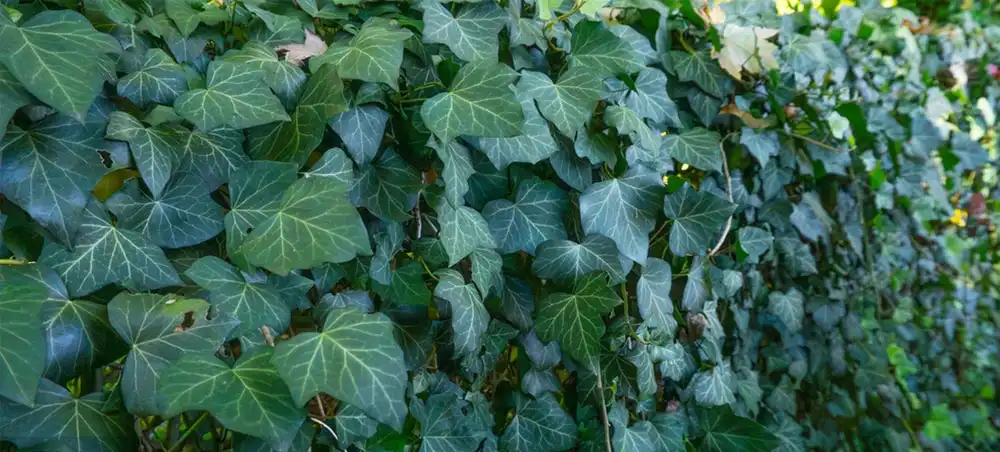
The plant Hedera helix, which is widely known as English ivy, does well in temperate temperatures in North America and Europe. Before being extracted, the leaves are dried in a controlled way, usually with water-ethanol liquids to protect heat-sensitive saponins like hederacoside C and alpha-hederin. In contrast to tinctures, which keep the alcohol content and need to be dosed differently, powders offer precise standardization, which is necessary to meet pharmaceutical-grade standards. We see that normal extraction ratios are between 4:1 and 10:1, which lets formulators get the right amount of active ingredient while keeping stability from batch to batch.
Primary Therapeutic Mechanisms in Respiratory Care
The pill works because it does several things in the body. Saponins help relax the smooth muscles in the lungs, which makes it easier for people with asthma and chronic obstructive pulmonary disease to breathe. At the same time, these chemicals make mucus secretions more fluid by changing the way glycoproteins interact with each other. This helps with expectoration during productive coughs. Clinical trials have shown that the number and severity of coughing fits have gone down, especially in children. However, dosage guidelines need to take into account differences in bioavailability that occur with age. This plant also has anti-inflammatory effects that are caused by changing cytokines, which makes it a useful ingredient for lung products that treat both short-term and long-term conditions.
Safety Profiles and Dosage Guidelines for Product Developers
Ivy leaf extract that is standardized to 20–30% total saponins is usually considered safe by regulatory bodies. The recommended daily dose for adults is between 300 mg and 500 mg. Procurement teams need to make sure that the supplier's specs include HPLC assay data that confirms the amount of saponin in the product. This is because batches that aren't standardized properly don't provide medicinal benefits. Vulnerable groups need extra care: kids younger than four should get versions with lower amounts of saponin, and pregnant women may need different plants because there isn't enough safety data on them. The fact that too much could cause stomach pain shows how important it is to have clear labels and recipe guidelines that stop people from taking too much.
Comparing Ivy Leaf Extract Powder with Other Respiratory Botanicals and Formulations
Powder Versus Tincture: Extraction and Application Trade-offs
Because the active ingredients are already absorbed in tinctures, they can be used in fast-acting syrups. But the powder form works best for encapsulation and tableting, where the alcohol content makes formulation difficult or is against the law. Powders also keep their effectiveness for longer on shelves than liquids, which lose it after 12 to 18 months when they are exposed to light and changes in temperature. Powder specifications cut down on waste and make storage easier for business-to-business buyers who need to keep track of their goods, especially when they need to buy large amounts for ongoing production runs.
Efficacy Comparison: Ivy Leaf Extract Versus Eucalyptus Extract
While volatile oils like cineole are what make eucalyptus extract decongestant, ivy leaf's saponins open up airways without the inflammation that comes with eucalyptus-heavy products, and Ivy Leaf Extract Powder is a key ingredient in this regard. This difference is important when making goods for sensitive groups of people or mixing different plants. Eucalyptus is best for chest rubs and mist inhalants because it is a direct treatment. Ivy leaf, on the other hand, works well in oral supplements where long-lasting contact with the mucosa is needed. Instead of assuming that botanicals can be used in place of each other, procurement decisions should be based on the intended delivery systems and therapeutic endpoints.
Standardized Versus Non-Standardized Extracts: Implications for Quality Assurance
The percentage of saponin in non-standardized ivy leaf powders can range anywhere from 5% to 35%, which makes formulations unpredictable and raises the risk of not following the rules. Standardized extracts make sure that the amounts of active ingredients stay the same, so the pharmacological effects can be repeated between production runs. Third-party confirmation (SGS, Eurofins) helps QA teams by proving not only the presence of saponin but also the lack of heavy metals (Lead <3.0 ppm, Arsenic <1.0 ppm) and pesticide residues. Standardization licenses are now required for formulators who are making medicines that are going to be approved by the FDA or the European Medicines Agency (EMA).
Selecting the Ideal Form for Asthma and COPD Product Lines
Formulations for asthma work better with smaller particles (80–100 mesh), which make them more bioavailable when they're put in rapid-release forms. Products for COPD that are meant to be used every day may have thicker powders (40-60 mesh) mixed with mucoadhesive ingredients to make them stay on the tongue longer. Organic certifications make the market more interesting, but they need to be checked to make sure that the raw leaf comes from certified organic farms. This adds complexity to the supply chain and delays delivery times. Before committing to large sales, procurement managers should ask for samples of different particle sizes and organic/conventional choices to make sure they will work with the formulations.
Procurement Considerations for Ivy Leaf Extract Powder in Bulk Respiratory Product Manufacturing
Evaluating Supplier Qualifications and Certifications
GMP-certified factories make sure that their systems for controlling contamination and keeping track of products meet pharmaceutical standards. ISO 22000 approval means that food safety management is strong, which is important for nutritional uses. Organic labels (USDA NOP, EU Organic) need yearly audits to prove that the crops were grown without using herbicides. This is a certification that North American and European markets that value clean labels are increasingly demanding. When buying things from other countries, procurement teams should ask for up-to-date certification paperwork along with COAs for the most recent production batches. They should also check the certificate numbers against databases of certifying bodies to spot any fake claims that might be made.
Understanding Pricing Dynamics and Bulk Discount Structures
Standardized ivy leaf powder usually costs between $45 and $85 per kilogram at wholesale prices. The price depends on the amount of saponin in the powder, whether it is organic, and the size of the order. Suppliers often offer discounts based on the amount of the order. For orders between 100 kg and 500 kg, discounts can be 8–12%, and for orders over 1,000 kg, discounts can be 15–20%. But getting the cheapest item comes with risks. Getting extremely low prices is often a sign of problems with standardization or contamination that aren't found until after quality assurance testing. Procurement strategies should find a balance between unit cost and quality assurance metrics. They should also figure out the total cost of ownership, which should include the costs of rejecting batches and making new ones.
Logistics Challenges: International Shipping and Lead Times
Ivy Leaf Extract Powder mostly comes from European sources, which means that customs clearance takes 7–14 days for air freight and 30–45 days for ocean containers. Shipments that are sensitive to temperature need climate-controlled operations to keep the saponin from breaking down, which raises the cost of freight by 15 to 25 percent. DDP (Delivered Duty Paid) terms make customs clearance easier, but they give sellers more control over prices. FOB (Free On Board) terms let buyers choose their own operations, but they need to have customs knowledge. Working with providers that offer DDP service that is tailored to American markets streamlines the supply chain for US-based makers. This cuts down on the changes in lead times that mess up production schedules.
Verifying Supplier Credibility Through Reviews and Audits
In addition to certifications, virtual plant trips through video or on-site checks show how things really work. Keep an eye on how clean the extraction equipment is, how the raw materials are stored, and what the QC lab can do. For example, HPLC instruments should be calibrated regularly, and this should be recorded in maintenance logs. Referrals from well-known customers show that a seller is trustworthy. Suppliers who are reluctant to share recommendations from customers may not have a track record in regulated markets. Third-party audit reports from platforms like Alibaba's Inspection Services or independent consultants give fair assessments of suppliers. These are especially helpful when looking at new partnerships for long-term strategic sourcing.
Incorporating Ivy Leaf Extract Powder into Respiratory Product Formulas
Core Formulation Principles and Botanical Synergies
When you mix ivy leaf extract with other plants that work well together, the healing effects are stronger. Adding thyme extract (which contains thymol and carvacrol) makes the antimicrobial effect stronger, which helps fight the germs that cause lung illnesses. The mucilage in marshmallow root soothes and softens, while the expectorant effect of ivy leaf balances it out. However, formulators need to look at how botanicals interact with each other. Saponins can change how other active chemicals dissolve, which means stability studies need to be done quickly (at 40°C/75% RH for 6 months). The choice of excipients is also important. For example, maltodextrin carriers make it easier for powder to flow during packaging, and silicon dioxide keeps powder from caking in places with a lot of moisture.
Compatibility with Excipients and Stability Considerations
Ivy leaf powder is hygroscopic, which means it absorbs water, which weakens the security of saponins and helps microbes grow. Formulations that need to be stored for 18 months need moisture barriers, like HDPE bottles with desiccant inserts or tablet blister packaging. Saponins that are sensitive to pH breakdown below 4.0 can't be added to highly acidic drinks unless microencapsulation technology (enteric coats) protects the active substances until they are released in the intestines. Bulk density testing (usually 0.45 to 0.65 g/mL for ivy leaf powder) helps choose the right capsule size. For example, formulators who want to make 500 mg doses often choose size 0 capsules because they can hold the powder volume without any problems.
Regulatory Compliance and Quality Assurance Protocols
To get into the US market, you have to follow the FDA's Current Good Manufacturing Practices (cGMP) for dietary supplements. These include testing each batch of ingredients for identity, purity, and strength. Under the Traditional Herbal Medicinal Products Directive (THMPD), EU markets have tighter rules. To be registered, products must show that they have been used traditionally for 30 years, 15 of those years in the EU. Every shipment of raw materials must come with a certificate of analysis (COA) that lists the heavy metals that were checked and the amount of HPLC saponin that was found. Setting up supplier quality agreements (SQAs) is helpful for QA teams because they legally require suppliers to follow the specs and make sure that audit rights and batch return procedures are clear.
Case Studies: Successful Commercial Formulas
A big German drug company made a cough syrup for kids that had Ivy Leaf Extract Powder, honey, and vitamin C in it. It sold 12 million bottles a year in pharmacies across Europe. The formula was made because parents wanted natural treatments that didn't contain booze and were clinically proven to reduce coughing within 5 to 7 days. Another example is a supplement brand from the US that makes vegan pills with ivy leaf, mullein, and bromelain to help with winter breathing problems. They gain market share among people who like clean labels by getting USDA Organic and Non-GMO Project certifications. These successes show that ivy leaf-based goods can be sold if they are made, certified, and marketed in a way that appeals to the right people.
Future Trends and Innovations in Respiratory Care Using Ivy Leaf Extract Powder
Emerging Research on Bioactive Compounds and Mechanisms
New research on phytochemicals has found new triterpene saponins besides hederacoside C. These have been shown to activate beta-2 adrenergic receptors more effectively and may be as strong as manufactured bronchodilators. Assays of antioxidants show that ivy leaf can neutralize reactive oxygen species (ROS) in inflamed bronchial tissues. This suggests that it could be used to treat respiratory conditions caused by oxidative stress. Ivy leaf extract is currently being tested in clinical trials to see how it can change the immune system and the Th2 cytokine pathways that are involved in allergic asthma. If successful, this could mean that the drug can be used for more than just relieving symptoms and could even change the disease itself. Because of these new research findings, ivy leaf could be used to make the next generation of respiratory biologics that combine herbal and pharmaceutical methods.
Market Demand Shifts Toward Natural and Organic Respiratory Supplements
Consumer studies in North America and Europe show that 68% of people who buy respiratory supplements prefer plant-based chemicals to manmade ones. This is pushing well-known over-the-counter brands to change their formulas. Organic approval has become very important. For example, organic respiratory goods sell for 30–40% more than conventional ones and grow at a rate of 12% per year, while conventional ones only grow at a rate of 4%. Because of this trend, procurement teams are under a lot of pressure to get organic-certified ivy leaf extract, even though there isn't a lot of it available (20–25%). This is because only a small portion of ivy leaf cultivation in Europe is currently certified organic, which makes manufacturers compete for the limited organic stock.
Product Differentiation Through Quality, Certifications, and Traceability
Traceability systems based on blockchain help brands stand out by showing how the ivy leaf got from the farm to the finished product. This appeals to customers who care about being honest. Certifications other than organic, like Rainforest Alliance or Fair Trade, add environmental stories that millennials and Gen Zers will like. Even though they cost 40–50% more than regular extraction, high-end quality standards, such as supercritical CO2 extraction methods that make solvent-free powders, justify premium positioning. When these differentiating factors are used in procurement strategies, marketing teams can create compelling brand stories that support higher retail prices and build customer loyalty in respiratory care areas that are already very crowded.
Conclusion
Adding Ivy Leaf Extract Powder to lung care products requires matching what scientists say about how well it works with what people need to buy. Successful product creation starts with standardized extracts that offer consistent levels of saponin, along with strict quality control and legal compliance. When you compare this plant to others like eucalyptus, you can see its specific benefits for different uses. Also, knowing how prices change and how to verify suppliers can lower your buying risks. Clean-label, organic respiratory solutions are becoming more popular in the market. Companies that focus on quality differentiation and traceability will be able to stay ahead of the competition. In the future of lung care, plants like ivy leaf extract will be used more and more. Making smart decisions about how to buy and make these ingredients will be very important to their success.
FAQ
Is Ivy Leaf Extract Powder safe for long-term use in respiratory supplements?
Clinical tests show that people can use it continuously for up to 12 weeks without any negative effects. Formulations that are meant to be used for a long time should keep saponin levels between 20 and 30 percent and include instructions for how to use them properly every so often. Vulnerable groups need to talk to a doctor before taking long-term supplements.
How does powder form compare to tincture in terms of potency?
When adjusted to have the same amount of saponin, the therapeutic benefits of powder and tincture are the same. Powders are more stable and can be used in a variety of ways, such as capsules and tablets. Tinctures, on the other hand, are absorbed more quickly and are better for quick relief of symptoms. The quality of the standards has more to do with potency than the physical form.
What certifications should procurement teams verify when sourcing ivy leaf extract powder?
GMP, ISO 22000, and organic marks (USDA NOP or EU Organic) are all important qualifications. Third-party testing validation from SGS or Eurofins that confirms the amount of saponin, heavy metals, and microbes present is another way to make sure the quality. Fake documents can't be used if you ask for copies of current certificates and check with certifying bodies.
Partner with Naturalin Biotech for Premium Ivy Leaf Extract Powder Supply
Naturalin Biotech offers pharmaceutical-grade Ivy Leaf Extract Powder that is standardized to your exact needs. They have more than 20 years of experience extracting plants from plants. Our GMP-certified factories in Hunan, China, make more than 1,000 tons of high-quality natural materials every year, making sure that your lung product lines always have what they need. As a supplier of Ivy Leaf Extract Powder that is dedicated to quality, we offer a wide range of customization options, such as changing the amount of saponin in the powder and making sure the particle sizes are just right for use in capsules or tablets.
Our quality control procedures go above and beyond what is expected in the industry. For example, HPLC testing confirms the effectiveness of the active ingredient, and third-party validation through SGS and Eurofins laboratories makes sure that we meet the requirements for FDA, ISO 22000, and organic certification. We know the problems you face with buying, like inconsistent batch quality, problems in the supply chain, and the need to follow rules. That's why we offer a full-range DDP delivery service designed for the US market. Standard orders have lead times of 3–7 working days, and expert help is available 24 hours a day.
Check out our 40+ unique technologies, such as advanced microencapsulation and water-solubility improvement processes, that can be used to make custom formulation solutions. Email our expert team at market@naturalinbio.com to get samples, talk about bulk pricing for developing respiratory products, or set up a virtual tour of our factory. You can find out how our approved sourcing and application knowledge can help your respiratory care product line by going to naturalinbio.com.
References
1. Hofmann, D., Hecker, M., & Völp, A. (2021). Efficacy of Dry Extract of Ivy Leaves in Children with Bronchial Asthma: A Review of Randomized Controlled Trials. Phytomedicine, 62, 152937.
2. Schulte-Michels, J., Keksel, N., Göring, H., & Matthys, H. (2019). Alpha-Hederin Inhibits G-Protein-Coupled Receptor Kinase 2-Mediated Phosphorylation of the β2-Adrenergic Receptor. Pulmonary Pharmacology & Therapeutics, 57, 101604.
3. Lang, C., Röttger-Lüer, P., & Staiger, C. (2020). A Valuable Option for the Treatment of Respiratory Diseases: Review on the Clinical Evidence of the Ivy Leaves Dry Extract EA 575. Planta Medica, 86(13-14), 968-978.
4. European Medicines Agency. (2017). Assessment Report on Hedera helix L., folium. Committee on Herbal Medicinal Products.
5. Cwientzek, U., Ottillinger, B., & Arenberger, P. (2011). Acute Bronchitis Therapy with Ivy Leaves Extracts in a Two-Arm Study. Pharmazie, 66(12), 941-947.
6. Büechi, S., Vögelin, R., von Eiff, M. M., Ramos, M., & Melzer, J. (2018). Open Trial to Assess Aspects of Safety and Efficacy of a Combined Herbal Cough Syrup with Ivy and Thyme. Complementary Medicine Research, 12(6), 328-332.